2027 Online International Relations Bachelor's Degree Programs With Open Enrollment

Co-Founder and Chief Data Scientist
Imagine a working adult aiming to advance their career in diplomacy but facing strict admission deadlines at traditional universities. Many online international relations bachelor's degree programs address this challenge by offering open enrollment, allowing students to begin their studies at multiple points during the year. According to recent data, approximately 35% of students in online international relations programs enroll through flexible admission schedules, reflecting growing demand for adaptable education pathways. This article explores key online programs with open enrollment, detailing how these options provide flexible access and support for nontraditional learners seeking to build a career in global affairs without delays.
Key Benefits of Online International Relations Bachelor's Degree Programs With Open Enrollment
- Flexible start dates allow students to begin their online international relations degree at multiple times yearly, accommodating varying schedules and enhancing timely progression.
- Open enrollment policies simplify admissions by reducing prerequisites, promoting inclusivity for nontraditional students and those returning to education after a break.
- Online formats provide convenience for working adults, enabling study from any location and balancing professional, personal, and academic commitments effectively.
Who Qualifies for an Online International Relations Bachelor's Degree With Open Enrollment?
Open enrollment policies in online international relations bachelor's degree programs are designed to broaden access to higher education by reducing traditional barriers for applicants. Nearly 40% of students enrolled in such programs identify as nontraditional learners, which highlights the commitment to inclusivity. These policies help more people begin or continue their studies with fewer obstacles. Below are some groups that typically qualify for these open enrollment programs.
- Recent High School Graduates: Many recent graduates seeking a flexible, accessible path to a bachelor's degree benefit from open enrollment programs that do not impose competitive admission standards. This option allows them to start their higher education journey without added pressure.
- Working Adults: Individuals balancing careers and family responsibilities can pursue their studies through programs accommodating their schedules, often featuring asynchronous classes and extended deadlines that fit real-life demands.
- Nontraditional Students: Those returning to education later in life after career changes or academic gaps find open enrollment welcoming. The focus on opportunity over rigid criteria helps these students re-enter higher education smoothly.
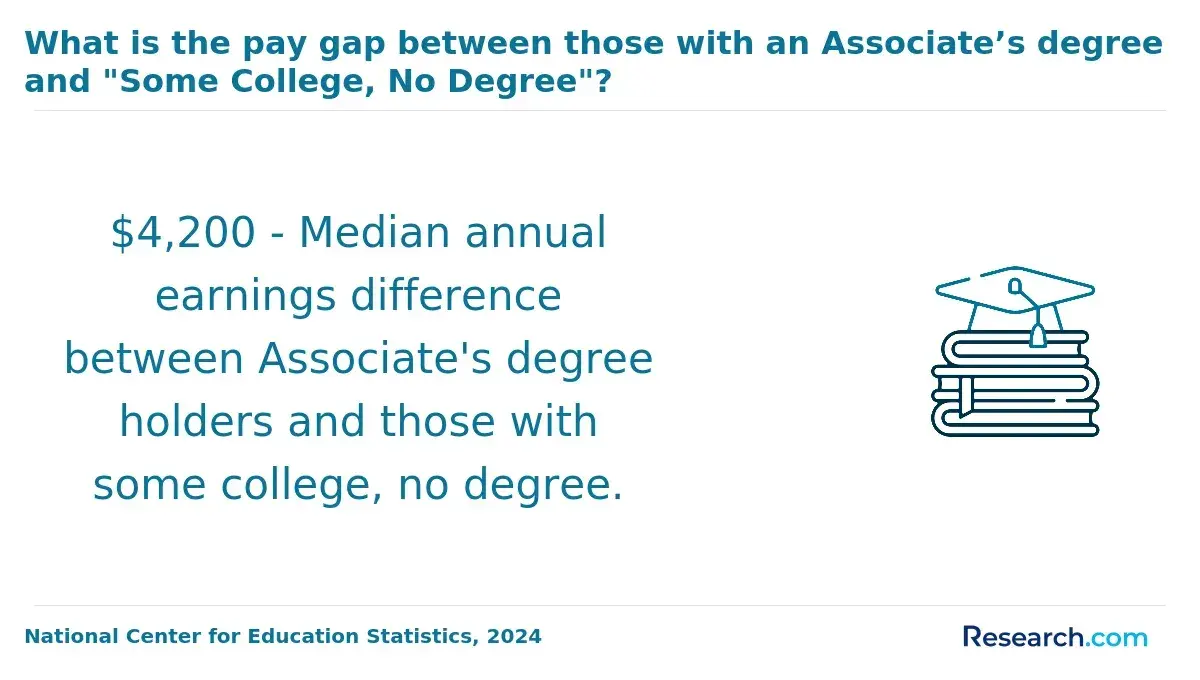
- Individuals With Prior College Experience: Students who previously earned college credits but did not complete their degrees can use open enrollment programs to continue their education without starting over, making degree completion more achievable.
- Military Personnel and Veterans: These programs often tailor options to meet the unique needs and schedules of service members and veterans, helping them leverage their experience toward educational advancement.
Understanding the online international relations bachelor's degree admissions criteria under open enrollment highlights how these programs increase eligibility for a wide range of learners. For those exploring additional flexible academic opportunities, it's helpful to compare options like the easiest masters degree to get online, which similarly prioritize accessibility in graduate education.
What Is the Difference Between Open Enrollment and Rolling Admission in an Online International Relations Bachelor's Degree?
Open enrollment and rolling admission are often confused but represent distinct approaches to admissions and enrollment timing in online international relations bachelor's degree programs. Nearly 40% of online students now prefer programs with flexible admission policies, reflecting the growing demand for adaptable educational options. Understanding admissions differences in online international relations degree programs with open enrollment helps students select the best fit for their needs.
Below is a comparison of the two models to clarify their unique features.
Open Enrollment
- Admission Flexibility: Students can register for courses almost any time without a formal review, making enrollment accessible for those who need to start quickly.
- Application Timing: There are no deadlines; students can join throughout the academic year, supporting nontraditional learners with varying schedules.
- Evaluation Process: Typically, no traditional admissions evaluation is required, streamlining the entry process.
- Enrollment Structure: Open enrollment supports a self-paced approach, allowing students to begin courses whenever convenient.
Rolling Admission
- Admission Flexibility: Applications are considered as received, but students must wait for a decision before enrolling.
- Application Timing: Accepts applications continuously but evaluates each individually until the program is full.
- Evaluation Process: Academic qualifications are reviewed on an ongoing basis, ensuring candidates meet program standards.
- Enrollment Structure: Students enroll at structured start dates after acceptance, maintaining a traditional academic calendar.
Prospective students seeking an education aligned with their personal and professional needs should weigh these differences carefully. For those aiming to understand how flexible admission can impact career prospects, reviewing the majors that make the most money may offer additional guidance on program selection.
2026 Update: Matching Open Enrollment Programs to Career Goals
For this 2026 refresh, we reviewed the non-admission factors students should compare before choosing an online international relations bachelor’s program with open enrollment, especially how well the degree supports specific global affairs career paths.
- Whether the curriculum includes diplomacy, security studies, global economics, human rights, or regional studies options.
- Availability of foreign language study or language placement pathways tied to international careers.
- Opportunities for internships, simulations, policy labs, or capstone projects that build practical experience.
- Faculty background in international policy, government, nonprofit, military, or global business settings.
- Career services for online students, including resume help, networking events, and graduate school advising.
- Whether credits can support future study in law, public policy, international development, or diplomacy-related fields.
Looking beyond open enrollment helps students choose a flexible program that is not only accessible, but also aligned with the international careers or graduate pathways they want to pursue.
What Are the Admission Requirements for an Online International Relations Bachelor's Degree With Open Enrollment?
Open enrollment online international relations bachelor's degree programs generally offer more inclusive and adaptable admission standards than conventional degree routes. Recent research indicates that about 40% of community colleges and online schools across the U.S. have embraced open admission policies, aiming to broaden educational access for a diverse student body. Below are some common elements that define these admission processes.
- Proof of Prior Education: Applicants usually need to provide evidence of completing high school or an equivalent credential like a GED, ensuring they meet basic academic criteria before enrollment.
- Basic Application Materials: The application process tends to be straightforward, often requiring only simple online forms without additional documents such as essays or letters of recommendation.
- Identity Verification: Programs typically implement measures to confirm each applicant's identity, safeguarding the enrollment's legitimacy and security.
- Online Learning Readiness: Candidates may need to complete self-assessments or orientation modules designed to evaluate their preparedness to engage effectively with virtual coursework.
A student currently enrolled in an open enrollment online international relations program shared that while the admission steps were quite manageable, navigating the self-assessment for online readiness was initially challenging. "I wasn't sure if I was prepared to handle all the virtual classes and deadlines," he reflected. However, the orientation helped clarify expectations and built his confidence. He appreciated that the process focused more on ensuring he could succeed in an online setting rather than heavily scrutinizing past academic achievements.
Which Online International Relations Bachelor's Degree Programs Have Open Enrollment?
Open enrollment options have become widespread across various academic programs, reflecting a push to make higher education more accessible for nontraditional and working learners. Currently, over 75% of online degree offerings in the U.S. incorporate rolling admissions or open enrollment policies, simplifying entry for prospective students. This trend extends to online international relations bachelor programs with open enrollment, providing flexible pathways for learners. Below are several key areas typically available through such programs.
- Global Security and Conflict: This focus area involves studying international disputes and peacebuilding efforts, preparing students for roles centered on resolving conflicts and promoting stability worldwide.
- Diplomacy and Foreign Policy: Concentrations here emphasize the workings of diplomacy, international law, and governmental relations, offering insight into how countries interact on the global stage.
- International Development: Students examine economic growth, humanitarian aid, and social progress, especially in emerging regions, aligning with careers in development and nonprofit sectors.
- Comparative Politics and Globalization: This specialization explores political systems across nations and the effects of globalization on societies, fostering critical understanding of political dynamics.
- Environmental Policy and Sustainability: Focused on ecological challenges and international cooperation for climate action, this area responds to growing concerns over global environmental issues.
Those seeking international relations degree programs accepting open enrollment students should find these broad, interdisciplinary tracks well-suited to diverse interests and career goals. For those balancing education with other responsibilities, combining such programs with professional pursuits can be aided by exploring flexible options like construction management courses as complementary skills.
How Do I Apply to an Online International Relations Bachelor's Degree With Open Enrollment?
Open enrollment online international relations bachelor's degree programs usually simplify the application steps to provide easy access for students with varied backgrounds. These programs minimize requirements to help individuals start their academic journey with less delay. Below is a straightforward outline of what applicants typically need to do.
- Create an Online Account: Start by registering on the school's admissions portal to manage and save your application progress securely.
- Complete Application Form: Fill out the form with your personal details, education history, and program choices as requested by the institution.
- Submit Required Documents: Upload necessary paperwork like high school transcripts or GED certificates. Some schools may also ask for proof of identity or residency.
- Receive Confirmation: After submission, watch for an email confirming your application and outlining the next steps such as enrollment verification and orientation details.
- Enroll and Register: Follow instructions to confirm your enrollment officially and sign up for classes to begin the program.
When I asked a graduate of an online international relations bachelor's degree with open enrollment about her experience applying, she shared that the process felt surprisingly approachable despite her initial worries. She recalled feeling relieved to see how clear and manageable each step was, from creating her account to submitting documents. Although she initially hesitated because of concerns about tech challenges, ongoing support from the admissions staff helped her stay on track. "The straightforward instructions and friendly guidance made a big difference," she reflected, noting that this accessibility motivated her to complete her application without hesitation.
Can I Start an Online International Relations Bachelor's Degree at Any Time?
Many online international relations bachelor's programs with open enrollment offer flexible start dates, allowing students to begin their studies throughout the year. Around 60% of these programs provide multiple entry points annually, reflecting a shift toward accommodating varied student schedules. However, the exact timing for when you can start depends on the program's format and administrative policies.
Here are key factors to consider when determining your start options:
- Continuous Enrollment: Some programs allow students to register immediately after admission without waiting for a formal semester, enabling a rolling start at nearly any time.
- Multiple Start Dates: Many programs offer several fixed start periods a year, such as quarterly or tri-semester terms, giving students several opportunities annually to begin classes though not on a fully open enrollment basis.
- Program Structure: Self-paced or competency-based models usually provide the greatest start flexibility, while traditional semester-based schedules often require enrollment during specific terms.
- Administrative Processing: Completing admissions and orientation procedures can take several weeks, which may delay the actual start date after initial registration.
- Course Scheduling: Some core courses are only available during certain terms, which can influence when you can actively progress through your degree once enrolled.
Is It Easier to Get Into an Online International Relations Bachelor's Degree With Open Enrollment?
Open enrollment policies in online international relations bachelor's degree programs significantly reduce traditional admission barriers, making college more accessible to a wider audience. Many programs forgo high GPA requirements, standardized test scores, and competitive essays, instead accepting most applicants who submit a complete application. This approach particularly benefits nontraditional learners, working adults, and those returning to education after a break. According to data from the National Center for Education Statistics, institutions with open or nonselective admissions have experienced enrollment growth of over 15% in the past decade, highlighting the expanding demand for accessible higher education options.
Although open enrollment eases entry requirements, students are still expected to demonstrate basic readiness for college-level work. Applicants usually need to provide proof of a high school diploma or equivalent, and some programs may require placement tests or introductory courses to verify academic preparedness. Additionally, completing the application process successfully-including submitting required documents on time-is essential. This system strikes a balance between increasing access and maintaining academic standards, ensuring that students admitted through open enrollment are prepared to succeed in an online learning environment.
How Much Does an Online International Relations Bachelor's Degree With Open Enrollment Cost?
The cost of earning an online international relations bachelor's degree with open enrollment varies significantly depending on program structure and institutional policies. Tuition is often calculated per credit hour, with most programs requiring 120 to 130 credits to graduate. According to the National Center for Education Statistics, the average tuition and fees for online undergraduate programs in the U.S. hover around $10,000 per year, though some programs may be more or less expensive. This overview outlines the primary cost components prospective students should consider.
- Tuition Per Credit: Tuition rates differ substantially based on whether the institution is public or private and if there is separate pricing for in-state versus out-of-state online learners. This per-credit charging model is a major driver of total cost.
- Technology Fees: These fees support the digital infrastructure essential to remote learning, including virtual classrooms and tech support. They may be assessed each semester or term and are a necessary addition to tuition costs.
- Course Materials: Depending on the program, students might pay for textbooks, access codes, or digital resources. Some programs offer open educational resources that reduce costs, but this varies widely.
- Administrative Fees: Registration, student service charges, and graduation application fees can add to the overall expense. Although generally lower than tuition, these fees accumulate throughout the program.
Students seeking affordable online international relations bachelor programs should consider these factors carefully. Additionally, those interested in broadening their expertise might explore related options such as online mba programs in operations management to complement their studies.
Are There Disadvantages to Open Enrollment Online International Relations Bachelor's Degrees?
Open enrollment online international relations bachelor's degree programs increase accessibility by removing traditional admission barriers, allowing more learners to start their studies. However, this inclusivity can introduce certain limitations. For example, data from the National Center for Education Statistics shows that fully online bachelor's programs have an average completion rate of around 40%, which is significantly lower than that of traditional degree programs. These challenges often stem from several factors that affect student success in open admission settings.
- Less Selective Admissions: Open enrollment may result in a broader range of academic preparedness among students. This variance can slow class progress and increase the demand for additional academic support resources, which not all programs are equipped to provide.
- Varying Preparedness: Students entering through open admission often face difficulties managing rigorous coursework independently. Without prior readiness, some may struggle to keep up with demanding content, affecting their overall academic performance.
- Limited Peer Interaction: Open enrollment online formats may reduce opportunities for cohort interaction, weakening peer support networks. This lack of community engagement can negatively impact motivation and retention in the program.
- Self-Discipline Requirements: The flexible nature of online study in open enrollment programs requires strong time management and self-discipline. Learners lacking these skills might find it challenging to maintain course pace and meet deadlines.
Prospective students weighing open enrollment options should consider these limitations of open enrollment international relations bachelor's programs carefully. Choosing a program that offers robust support services can improve outcomes. For those seeking quicker advancement alternatives, exploring the shortest online masters degree pathways might also be beneficial.
How Do I Manage Time in an Open Enrollment Online International Relations Bachelor's Degree?
Success in flexible, self-paced online international relations bachelor's degree programs depends heavily on strong time management skills. Research from the Online Learning Consortium in 2023 shows that students who maintain consistent study habits are 40% more likely to finish their courses promptly. The following strategies can help improve time management for online learners.
- Consistent Study Schedule: Allocate specific times daily or weekly dedicated solely to coursework. Establishing a routine can curb procrastination and enhance information retention.
- Task Prioritization: Divide assignments into smaller, manageable sections and focus first on those with urgent deadlines or increased difficulty. Using planners or digital calendars helps keep all commitments visible and organized.
- Minimize Distractions: Designate a quiet study area free from interruptions and limit use of social media and non-essential apps during learning sessions to maintain concentration.
- Monitor Progress: Regularly track completed work and upcoming deadlines to stay accountable. Reflecting on progress can motivate continued effort and allow timely adjustments to study plans.
What Graduates Say About Online International Relations Bachelor's Degree Programs With Open Enrollment
- Conrad: "Choosing an online international relations bachelor's degree with open enrollment was perfect for me because I needed flexibility while working full-time. The program's accessible start dates and diverse coursework allowed me to explore global politics at my own pace. Despite initial challenges with self-discipline, the skills I gained have significantly enhanced my role in diplomatic analysis."
- Walker: "As someone returning to education after several years, the open enrollment feature made it possible for me to begin my international relations degree without the usual long waiting periods. Balancing the rigorous online curriculum with personal responsibilities was tough, but the support system helped me push through. Now, my expanded understanding of international frameworks directly contributes to my work in global nonprofit organizations."
- Joseph: "I was drawn to the online international relations bachelor's program because it offered a unique chance to study current global issues without relocating or disrupting my family life. Managing time between lectures and real-world job demands tested my commitment, yet the breadth of topics covered gave me a distinct advantage in securing a position with an international trade firm. This degree truly opened doors professionally, making the effort worthwhile."
Other Things You Should Know About International Relations Degrees
Yes, many online international relations bachelor's degree programs with open enrollment in 2027 are accredited by recognized accrediting bodies. Accreditation ensures that the program meets specific educational standards, providing assurance of its quality and acceptance in the job market. Always verify a program's accreditation status through its official website or contact the admissions office directly.
Many online international relations programs with open enrollment accept transfer credits from other accredited institutions. Transfer policies vary but typically require that previous coursework is relevant and completed with satisfactory grades. This flexibility helps students reduce time and cost toward degree completion.
References
- Bachelor of international relations - Rennes School of Business https://www.rennes-sb.com/bachelor-of-international-relations/
- International Relations and Diplomacy, BA Online https://www.nec.edu/programs/international-relations-and-diplomacy-b-a
- International Relations – Online Studies. A new field of online studies at Vistula University - Vistula University https://vistula.edu.pl/en/news/international-relations-online-studies-a-new-field-of-online-studies-at-vistula-university
- 2025 Most Affordable Online Colleges with Open Admissions https://www.onlineu.com/most-affordable-colleges/open-admissions
- International Studies in Political Science and Diplomacy: Leadership in International Relations https://study.gov.pl/international-studies-political-science-and-diplomacy-leadership-international-relations
- Early Admissions vs Rolling Admissions vs Regular Admissions. When Should You Apply? | Uniport https://dev.myuniport.com/blog/early-admissions-vs-rolling-admissions-vs-regular-admissions-when-should-you-apply
- Online Bachelor in International Relations and Global Affairs https://euler.euclid.int/es/programs/online-bachelor-international-relations/
- International Relations Digital https://www.euruni.edu/en/Bachelor-s/International-Relations-Digital.html
- International Relations Major (BA) https://www.widener.edu/academics/undergraduate-programs/international-relations-major
- Online Bachelor of International Relations | CGU Online https://www.cguonline.edu.ge/bachelor-programs/bachelor-of-international-relations/