2027 Return on Investment of an Online International Relations Bachelor's Degree: Salary vs Cost

Co-Founder and Chief Data Scientist
Consider a professional with a non-related bachelor's degree exploring a career shift into international relations via an online program. The challenge is quantifying whether the salary boost justifies the tuition and time invested. Recent data shows the average annual salary for graduates holding an online international relations bachelor's degree reaches approximately $58,000, compared to $42,000 for those without degrees in the field.
This article examines the cost-to-salary ratio-factoring in program expenses, duration, and employment trends-to help prospective students assess the true return on investment of online international relations degrees.
Key Things to Know About the Return on Investment of an Online International Relations Bachelor's Degree
- Average tuition for online international relations bachelor's degrees ranges from $15,000 to $40,000-offering a more affordable pathway than traditional programs without sacrificing credential value.
- Graduates report median starting salaries around $50,000, increasing with experience, reflecting a positive salary-to-cost ratio aligned with national employment data.
- Beyond finances, these degrees enhance career advancement, job security, and access to professional networks crucial for roles in diplomacy, NGOs, and global policy.
What is the true cost of earning an online international relations bachelor's degree from enrollment to graduation?
Costs associated with earning an online international relations bachelor's degree involve more than just tuition. Using data from IPEDS, individual net price calculators, and the National Center for Education Statistics, students can expect a range of expenses that reflect real-world payments rather than published sticker prices.
- Tuition Fees: These vary widely depending on whether the institution is public, private nonprofit, or for-profit, and if the student qualifies as in-state or out-of-state. Published tuition often exceeds what most students actually pay after scholarships, grants, or financial aid.
- Technology Fees: Online programs typically charge these fees for learning platforms, software licenses, and IT support, ranging from $100 to $500 annually.
- Course Materials and Textbooks: Students should budget between $500 and $1,200 throughout the degree for textbooks and supplementary materials, though some programs include digital resources to reduce costs.
- Testing and Proctoring Fees: Online exams commonly require live proctoring services, costing $25 to $100 per exam, accumulating over multiple courses.
- Net Price vs Sticker Price: Many students pay 60 to 70 percent of the sticker price after financial aid, bringing typical comprehensive tuition and fees to about $9,000 to $28,000 for a four-year program.
Altogether, prospective students should expect the average cost of online international relations bachelor's degree programs to fall between $10,000 and $35,000, depending on aid eligibility and program specifics.
This range offers a practical baseline for evaluating return on investment by comparing cumulative costs to anticipated salary benefits and career advancement opportunities. For those seeking faster options, reviewing an accelerated BCBA program online might provide useful insights into cost-saving strategies applicable to online degrees more broadly.
How does the starting salary for international relations bachelor's degree graduates compare to the total cost of the degree?
Graduates with a bachelor's degree in international relations typically start in roles such as political analysts, policy advisors, or international affairs specialists. According to the Bureau of Labor Statistics (BLS) Occupational Outlook Handbook, the median annual starting salary ranges from $50,000 to $60,000.
For example, political scientists begin with a median salary of about $57,000, while policy analysts start near $52,000. These figures provide a solid reference point for assessing the financial return of an online international relations bachelor's degree in the United States.
The total cost of earning this degree online can vary widely. Low-cost, accredited programs with significant financial aid may cost around $15,000, while some programs-with out-of-state tuition and less aid-can exceed $50,000.
Comparing these costs against starting salaries shows that the best-case scenario requires roughly 3 to 4 months of gross pay to recover tuition expenses. In contrast, worse cases may take up to 12 months, highlighting the importance of selecting affordable options, especially for first-generation college students or career changers on a budget.
Starting salary is only the beginning. Graduates often see 3% to 5% annual salary growth due to experience, promotions, or obtaining specialized roles. This growth greatly improves the long-term value of the degree, supporting career advancement and increased job security. For those seeking personalized program options, evaluating alternatives like an online MLIS might also be worthwhile depending on professional goals.
- Starting Salaries: Median entry-level salaries for international relations graduates generally fall between $50,000 and $60,000, based on BLS data for common U.S. career paths.
- Tuition Costs: The total cost for an online international relations bachelor's degree ranges from approximately $15,000 to more than $50,000, greatly affecting payback periods.
- Payback Timeline: Recovering tuition takes 3-4 months of starting salary in the best-case scenario but can approach one year in higher-cost situations.
- Salary Growth Potential: Annual raises of 3% to 5%, alongside promotions and specialized roles, help increase salary over time, improving the degree's financial payoff.
- Non-Financial Benefits: Beyond earnings, the degree enhances career progression, job stability, and broadens professional development opportunities.
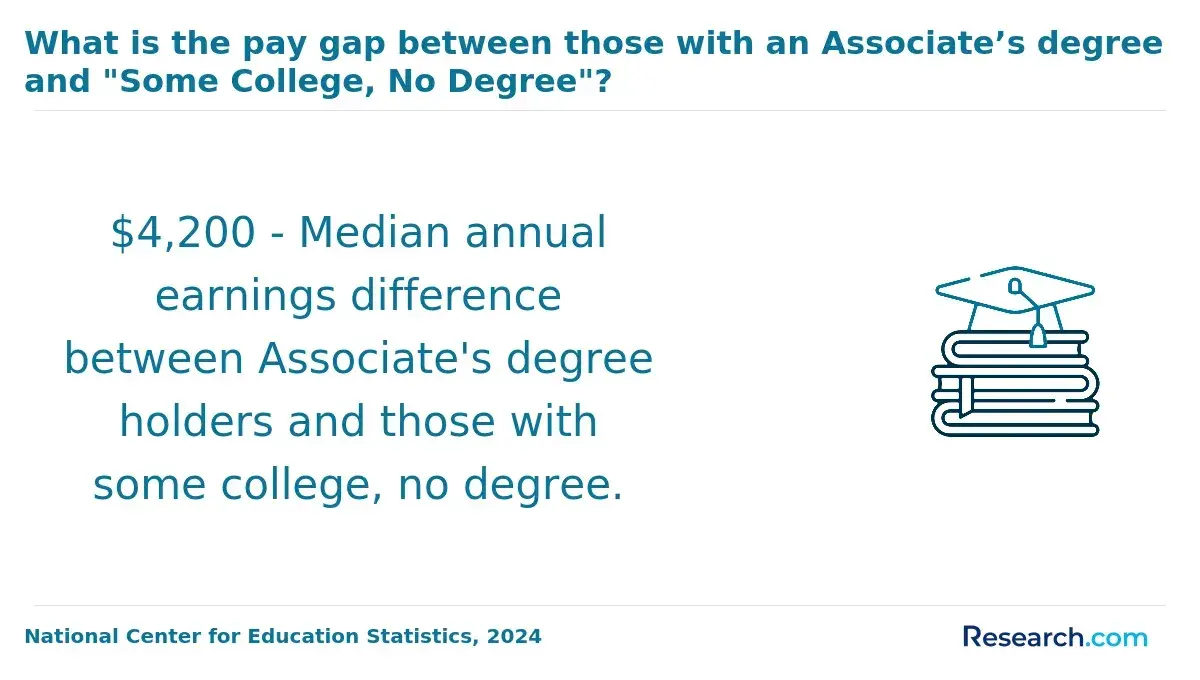
What is the average return on investment (ROI) for an online international relations bachelor's degree over a 10-year career?
Return on investment (ROI) in higher education measures the net financial benefit of earning a degree by comparing the total added income against the cost of the program. According to research from the Georgetown University Center on Education and the Workforce and PayScale's College ROI Report, ROI is calculated by subtracting the cumulative expenses of a degree from the additional earnings accumulated over 10 years, relative to earnings of someone with only a high school diploma or an associate degree in the same field.
Using median wage data from the Bureau of Labor Statistics for international relations careers, a graduate can expect an initial annual salary around $65,000. Assuming a steady 3% raise each year, total earnings over a decade reach approximately $728,000. Tuition and fees for online international relations bachelor programs usually range between $30,000 and $60,000. When comparing these figures to someone earning roughly $40,000 annually without a degree, the financial return tends to be positive.
The typical ROI for graduates in international relations often surpasses the national average ROI of about $350,000 for all bachelor's degrees within the same period. Variations in ROI depend on factors such as program accreditation, university reputation, and chosen career pathways.
- Definition Of ROI: It quantifies how much extra money a degree holder earns over 10 years beyond someone without the degree, minus tuition and fees.
- Sample Earnings Calculation: Starting with a median wage of $65,000 and accounting for 3% annual growth yields about $728,000 in 10-year earnings.
- Degree Costs: Online international relations bachelor's degrees typically cost between $30,000 and $60,000, making them accessible to many.
- Comparative ROI: Graduates in this field often gain a higher 10-year ROI compared to the $350,000 average for all bachelor's degree holders nationwide.
A professional who completed an online international relations bachelor's degree shared that before enrolling, he methodically reviewed program costs and projected income to ensure it aligned with his financial situation and career ambitions. He remarked on the initial anxiety of investing thousands of dollars while working full-time but found the flexibility of the online format crucial.
"Balancing work and study was challenging, yet knowing the degree's ROI motivated me during the tougher moments," he explained. His experience affirmed that careful research and patience are key when navigating such a significant educational investment.
How do online international relations program tuition rates compare across public, private, and for-profit institutions?
Public universities often provide the most cost-effective tuition, especially for in-state students, with many offering flat-rate online tuition that applies uniformly. For the 2023-2024 academic year, tuition for online international relations programs at public universities generally falls between $6,000 and $10,000 annually. Out-of-state learners may encounter higher fees, though some schools extend reduced online rates nationwide to help control costs.
For private nonprofit institutions, tuition rates tend to be higher, commonly ranging from $20,000 to $35,000 per year. These schools often compensate with enhanced academic support, smaller class sizes, and stronger alumni networks, which may improve career advancement prospects. Financial aid and scholarships frequently help offset the sticker price for eligible students.
For-profit colleges often offer tuition comparable to or less than public options, usually between $8,000 and $15,000 annually. However, concerns about lower graduation rates and employer skepticism regarding program quality can impact long-term returns on investment. These factors can influence lifetime earning potential, an essential aspect when weighing tuition against career outcomes.
Choosing a program requires balancing tuition cost with graduation success and professional recognition. Lower upfront tuition at for-profit schools does not always translate to better value if it compromises career trajectories. Public universities often provide a practical blend of affordability and positive outcomes, while private nonprofits may justify higher expenses through networking and career resources.
First-generation students and working adults on tight budgets should carefully evaluate tuition alongside these non-financial returns and consider options like a book keeping certificate to supplement their credentials in related fields.
What long-term salary growth can international relations bachelor's degree holders expect over a 20- to 30-year career?
Salary progression for those holding a bachelor's degree in international relations typically starts with entry-level wages around $45,000 to $55,000 annually, fitting roles like research assistants or junior foreign service officers. Early career earnings grow steadily as individuals gain experience and expand their professional networks.
- Five-Year Growth: After about five years, salaries often increase notably-by roughly 20% to 30%-as professionals transition into mid-level positions such as program managers or diplomatic personnel, reflecting added responsibilities and expertise.
- Ten-Year Advancement: Around the decade mark, many reach senior specialist or supervisory roles, earning between $75,000 and $90,000. This phase frequently aligns with acquiring advanced certifications or graduate degrees, which enhance earning potential.
- Fifteen to Twenty-Year Leadership: With 15 to 20 years of experience, some see salary stabilization, yet those advancing to executive or director roles can command $100,000 to $130,000 or more, driven by greater leadership duties.
- Lifetime Earnings Premium: Research shows that bachelor's degree holders in international relations typically earn a cumulative premium exceeding $700,000 over non-degree peers, highlighting the long-term financial advantage alongside improved job security and advancement opportunities.
Talking with a professional who built her career after completing an online international relations bachelor's program revealed how challenges shaped her journey. She described juggling work and studies as demanding but rewarding, emphasizing the program's flexibility and its real-world applications. "It wasn't just theory," she reflected, "but practical skills that helped me get noticed for mid-level roles."
Over time, she gained confidence moving into leadership and credits her degree for opening doors that might have remained closed otherwise. Her experience illustrates how sustained effort and education combine to influence long-term salary growth and career development.
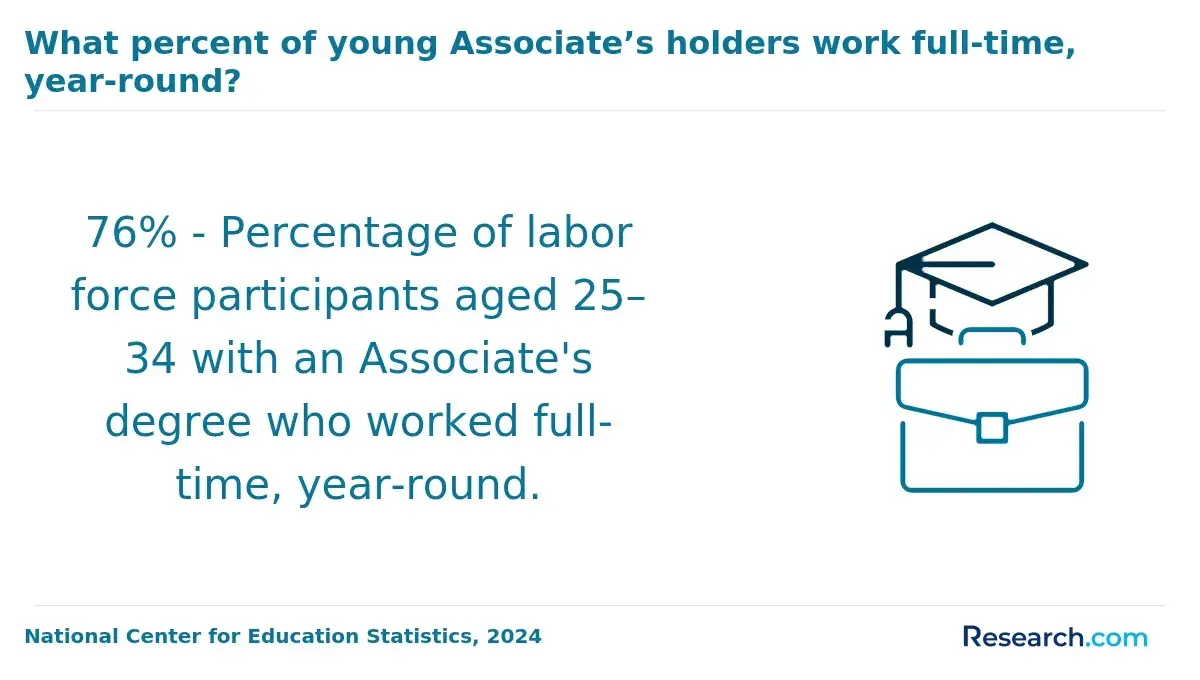
How does the ROI of an online international relations bachelor's degree compare to an associate degree or a professional certificate?
Certificates often require only a few hundred to several thousand dollars, while associate degrees usually fall between $10,000 and $20,000 for online programs. In contrast, online international relations bachelor's degrees tend to cost from $30,000 up to $60,000, depending on the college.
- Median Salary: Survey data from the Bureau of Labor Statistics reveal that bachelor's degree holders in international relations-related fields earn median annual salaries approximately 20-30% higher than those with associate degrees. Certificate holders start with the lowest median wages but may see growth with experience:
- Associate degree graduates often make $40,000 to $50,000 per year.
- Bachelor's degree holders report median pay between $55,000 and $65,000 annually.
- Certificate recipients usually earn $35,000 to $45,000 to start.
- Career Advancement: A bachelor's degree commonly opens access to senior roles in government agencies, policy analysis, and international organizations that are less reachable without a four-year credential. Certificates and associate degrees primarily support entry-level positions and often require further education for promotion.
- Job Security and Professional Development: Long-term employment stability tends to improve with a bachelor's degree, which employers often demand for leadership and specialized responsibilities. This translates into increased chances for salary raises and promotions.
- These advantages foster ongoing career growth over time.
- Short-Term vs. Long-Term Investment: For individuals needing swift employment or working with tight budgets, certificates or associate degrees offer faster completion and lower upfront costs.
- Long-Term Value: Those targeting careers in diplomacy, policy shaping, or international nonprofits usually gain greater lifetime earnings and wider opportunities through the comprehensive education and recognized credential of a bachelor's degree.
Weighing immediate financial limits and career urgency against future earnings and job scope can guide first-generation students and working professionals to select the credential that best fits their unique goals and resources.
Which online international relations specializations or concentrations yield the highest earning potential after graduation?
Several specializations within online international relations bachelor's programs offer notably higher earning potential compared to generalist tracks, based on data from the Bureau of Labor Statistics (BLS) and education research.
Selecting a concentration that aligns with in-demand careers can boost salary prospects and enhance career stability, crucial factors for students managing tuition investment and long-term financial goals.
- Global Security and Intelligence: Graduates in this area often find employment with federal agencies, defense contractors, or private security firms. BLS data report median salaries ranging from $80,000 to $100,000 for roles such as intelligence analysts and security specialists-well above the $60,000 median for generalist international relations graduates. Though certifications like Certified Protection Professional (CPP) add to educational costs, they typically improve employment opportunities and salary outcomes.
- International Business and Trade: This track prepares students for economic analysis, trade negotiation, and roles in multinational corporations. Median earnings generally fall between $70,000 and $90,000, noticeably higher than generalist roles. Some positions may require continuing professional credentials in finance or trade compliance, increasing the overall investment but often yielding a strong return.
- Human Rights and Development: Focused on nonprofit and societal impact work, this specialization offers median salaries near $50,000 to $65,000, comparable or slightly above generalist levels. Employers often emphasize experience over formal certifications, leading to lower upfront costs but potentially extending the time needed to achieve financial ROI.
- Diplomacy and Foreign Policy Analysis: Career paths include government posts or international organizations, with median salaries around $75,000. Graduates who pursue advanced certifications or foreign language proficiency may improve earnings but face increased time and financial investments in continuing education.
Students should evaluate their prior experience, sector preferences, and willingness to pursue additional certifications when choosing a specialization to optimize earning potential and time-to-return on investment. These data-driven insights help clarify how specific online international relations tracks can shape financial and professional outcomes over time.
How do employer tuition reimbursement and financial aid reduce the net cost of an online international relations bachelor's degree?
Employer tuition reimbursement programs can dramatically reduce the out-of-pocket cost of an online international relations bachelor's degree by covering a large portion of tuition expenses. IRS Section 127 permits employers to provide up to $5,250 annually in tax-free educational assistance per employee.
This allows students to benefit from employer tuition aid without increasing their taxable income. According to data from the Society for Human Resource Management (SHRM), about 56% of U.S. employers offer some form of tuition assistance, typically aimed at employees seeking career advancement.
In addition to employer support, financial aid options for reducing tuition expenses in online international relations bachelor's degree programs include federal grants, scholarships, and subsidized loans. Grants and scholarships are particularly valuable because they do not require repayment, often awarded based on financial need or academic merit.
Subsidized loans help by deferring interest until after graduation, lowering upfront costs. Together, these funding sources can reduce the net tuition cost to a fraction of the sticker price, making education more accessible for working professionals and career changers.
For example, a working professional pursuing an online international relations degree costing $20,000 per year could use employer tuition reimbursement up to the IRS limit of $5,250, along with federal grants and scholarships totaling $7,000 annually. This combination lowers the remaining balance to $7,750. If subsidized loans cover part of this balance, the student's immediate expenses shrink significantly, improving affordability and return on investment. Those exploring related fields might also consider social media marketing courses online to diversify their skills.
- Employer Benefits: Many employers provide tuition reimbursement up to IRS limits, offering tax-free educational support that lowers degree costs and supports career advancement.
- Financial Aid Variety: Federal grants, scholarships, and subsidized loans reduce or eliminate tuition payments for qualifying students, minimizing debt burden.
- Prevalence of Assistance: Over half of U.S. employers offer tuition aid, reflecting growing recognition of educational support as a valuable employee benefit.
- Cost Impact: Combining employer and federal aid can cut net tuition costs by more than half, making online international relations degrees more affordable.
- Practical Example: A student using employer reimbursement plus $7,000 in aid can reduce a $20,000 yearly tuition to under $8,000 out of pocket, substantially improving degree affordability.
What hidden costs should students factor into the total investment of an online international relations bachelor's degree?
When budgeting for an online international relations degree, students often underestimate the additional expenses of online international relations degrees that significantly impact the overall cost. These hidden costs extend the break-even timeline for the degree's ROI by increasing financial commitments beyond tuition. Verified data from institutional disclosures and the College Board indicate that students should prepare for several hundred dollars in extra fees each academic year.
Technology fees typically range from $100 to $400 annually to support digital learning platforms and technical assistance. Proctoring services charge $30 to $75 per exam to ensure academic integrity during online tests, making this a recurring expense depending on course load.
Graduation fees, commonly between $100 and $200, cover the administrative and ceremonial costs associated with degree conferral. Additionally, some courses require software licenses costing $50 to $300, which are essential for accessing specialized databases or analytical tools integral to coursework.
Professional organization memberships, while optional, often cost between $50 and $150 yearly and can provide valuable networking and career development opportunities that enhance non-financial returns such as job security and advancement. Students should always request a full cost-of-attendance breakdown-not just tuition-to gain clarity on these often-overlooked expenses before enrollment.
- Technology Fees: Annual charges supporting online platforms add $100-$400 per year, essential for reliable course access and support.
- Proctoring Services: Exam monitoring fees of $30-$75 per test accumulate across multiple courses, increasing hidden costs.
- Graduation Fees: Final term expenses from $100 to $200 cover degree conferral and commencement participation.
- Software Licenses: One-time fees between $50 and $300 are necessary for specialized course tools and databases.
- Professional Memberships: Optional memberships costing $50-$150 annually provide career development and networking advantages.
For those comparing investments, reviewing reliable salary outcomes alongside tuition and additional expenses is critical. Exploring verified data sources such as the Bureau of Labor Statistics, IPEDS, and leading organizations will help estimate return timelines more accurately.
To understand how an international relations degree stacks up against other paths, consider resources like online electrical engineering career outcomes for comparative perspective on long-term ROI.
How does the accreditation status of an online international relations program affect graduate salary and employability?
Regional accreditation certifies the overall quality of a college or university, ensuring it meets strict academic and operational standards. Programmatic accreditation targets specific fields, confirming the quality of individual disciplines like international relations.
Employers, particularly those surveyed by the National Association of Colleges and Employers (NACE) and the Society for Human Resource Management (SHRM), show a strong preference for candidates from regionally accredited institutions, which boosts graduates' chances of securing competitive jobs and negotiating better starting salaries. Degrees from nationally accredited-only or unaccredited schools often raise doubts among hiring managers, hindering salary negotiations and career prospects.
Choosing a program without proper accreditation can restrict eligibility for professional licensure exams, graduate education, and certain public sector or healthcare roles, limiting long-term earnings and job stability. Verifying accreditation through the U.S. Department of Education or the Council for Higher Education Accreditation (CHEA) databases is essential for students to protect their investment and future career paths.
- Regional vs Programmatic Accreditation: Regional accreditation guarantees institutional quality, while programmatic accreditation focuses on the specific discipline, both influencing employer recognition.
- Employer Preferences: Surveys by NACE and SHRM demonstrate hiring bias toward regionally accredited degrees, affecting salary and employment opportunities.
- Licensing and Further Education: Without proper accreditation, graduates may miss eligibility for licensure and advanced degree programs, limiting career advancement.
- Career and Salary Impact: Accredited degrees align with improved job security, career growth, and higher initial salaries.
- Verification is Key: Students should confirm accreditation status using official federal and CHEA databases before enrolling.
What entry-level job titles and salary ranges are available to graduates of online international relations bachelor's programs?
Graduates holding online international relations bachelor's degrees often begin their careers in roles that offer varied salary ranges influenced by industry and experience. Entry-level positions include:
- Foreign Service Officer: Median starting pay near $60,000, mainly within government agencies such as the U.S. Department of State. Internships or language skills often increase earning potential.
- Policy Analyst: Salaries typically span $50,000 to $65,000, with government bodies, think tanks, and nonprofits hiring. Expertise in cybersecurity or health policy can boost starting wages.
- Intelligence Analyst: Entry salaries are generally about $55,000, often in federal agencies or defense firms. Security clearances and technical abilities help raise compensation.
- International Development Coordinator: Starting pay ranges from $45,000 to $60,000 in NGOs and global health groups. Internship experience frequently accelerates career growth.
- Political Risk Analyst: Compensation typically falls between $50,000 and $70,000, with finance and consulting sectors providing higher entry salaries. Specializations in economics or regional knowledge elevate pay.
- Research Assistant: Median salaries near $40,000, found in universities and research centers. Additional certifications or software skills may improve offers.
- Trade Compliance Specialist: Earnings often start around $50,000 in international business or logistics fields. Customs regulation certifications enhance prospects.
- Public Affairs Specialist: Starting salaries range from $45,000 to $60,000 in government or corporate communications. Media background or communication skills can raise income.
Healthcare and technology sectors occasionally provide competitive salaries for graduates focusing on global health policy or tech diplomacy. Internships, certifications like Project Management Professional (PMP), language fluency, and program concentrations significantly affect salary levels and speed of return on investment. These factors help students align educational choices with their financial and career goals.
What Graduates Say About the Return on Investment of Their Online International Relations Bachelor's Degree
- Conrad: "I decided to pursue an online international relations bachelor's degree after a thorough analysis of its ROI versus traditional programs-it offered significant savings without compromising quality. The flexibility allowed me to continue working while studying, which enhanced my career prospects immediately. Beyond the financial benefits, the program significantly boosted my confidence and opened doors to leadership roles I hadn't anticipated. "
- Walker: "Choosing the online international relations degree was a thoughtful decision centered on career advancement rather than just cost. The program's comprehensive curriculum sharpened my critical thinking and negotiation skills-key assets that stabilized my position in a competitive job market. For me, the real return wasn't just salary increase but the long-term job security and professional credibility it provided. "
- Joseph: "Completing my international relations degree online had a profound impact on my professional trajectory-I quickly moved into roles with greater responsibility and international exposure. The initial investment was outweighed by the diverse opportunities for networking and real-world application that the program offered. Reflecting back, the ROI extends far beyond money-it reshaped my career outlook entirely while keeping education affordable. "
Other Things You Should Know About International Relations Degrees
On average, graduates of online international relations programs can expect to recoup their tuition costs within five to seven years based on median salary increases. This timeline varies depending on the initial cost of the program and the graduate's employment sector. Programs with lower tuition and strong career support services tend to shorten the payback period.
Geographic location greatly influences salary potential for international relations graduates, with positions in major metropolitan areas and international hubs typically offering higher pay. Industry sectors such as government agencies, international nonprofits, and private diplomacy firms provide a range of salary scales, with private-sector roles often paying more than public-sector jobs. Cost of living adjustments also affect the net financial benefit in differing locations.
Recent employer surveys highlight that a bachelor's degree in international relations is valued for roles requiring global awareness, policy analysis, and cross-cultural communication. Labor market data confirm steady demand for graduates in foreign service, international development, and security analysis. However, employers often prefer candidates who complement their degree with relevant experience or advanced language skills.
References
- How to Get Your Employer to Pay for College With Tuition Assistance Programs https://www.umassglobal.edu/blog-news/get-your-employer-pay-college-tuition-assistance-programs
- Public vs Private Universities in the USA: Which One is Better? https://yocket.com/blog/public-vs-private-universities-in-usa
- Hidden Costs of Studying in the UK: What International Students Overlook — Scholarship Scanner | UK Scholarships for Internationals https://www.scholarshipscanner.com/blog/hidden-costs-of-studying-in-the-uk-what-international-students-often-overlook
- Top 15 Highest‑Paying Pharmacy Jobs in the UK 2025 (Including Salaries) https://apexlearning.org.uk/highest-paying-international-relations-jobs-uk-2026/
- Tuition Reimbursement: How Do Employers Benefit from It? | KBI Benefits https://www.kbibenefits.com/tuition-reimbursement-benefits
- The ROI of an Online Degree: 4 Reasons why PAIU is a Smarter Investment - Paris American International University https://parisamerican.org/the-roi-of-an-online-degree-4-reasons-why-paiu-is-a-smarter-investment/
- Is College Worth it? | Return on Investment Analysis of College Degree https://educationdata.org/college-degree-roi
- Hidden costs of studying abroad in the U.S. (And how to budget for them) https://www.mpowerfinancing.com/blog/hidden-costs-of-studying-abroad-in-the-us-and-how-to-budget-for-them