2027 Online International Relations Bachelor's Degree Completion Programs for Working Adults

Co-Founder and Chief Data Scientist
Many working adults face barriers when trying to finish a bachelor's degree in international relations, such as inflexible class schedules and limited transfer credit acceptance. These challenges increase stress and prolong degree completion. Research shows that 65% of online international relations bachelor's degree completion programs offer accelerated pathways specifically designed to accommodate adult learners' busy lives. This growing trend reflects the need for adaptable education formats that align with professional and personal commitments. This article examines program structures, credit policies, accreditation, cost options, and employment outcomes to guide learners toward a program that fits their unique needs and career goals.
Key Benefits of Online International Relations Bachelor's Degree Completion Programs for Working Adults
- Online international relations bachelor's degree completion programs offer flexible scheduling, allowing working adults to balance studies with professional and personal commitments effectively.
- Fully asynchronous coursework enables students to learn at their own pace, accommodating demanding work hours without interrupting their income flow.
- These programs often provide a faster path to graduation by accepting transfer credits, reducing time compared to starting a traditional four-year degree.
What Are Online International Relations Bachelor's Degree Completion Programs, and Who Are They Designed For?
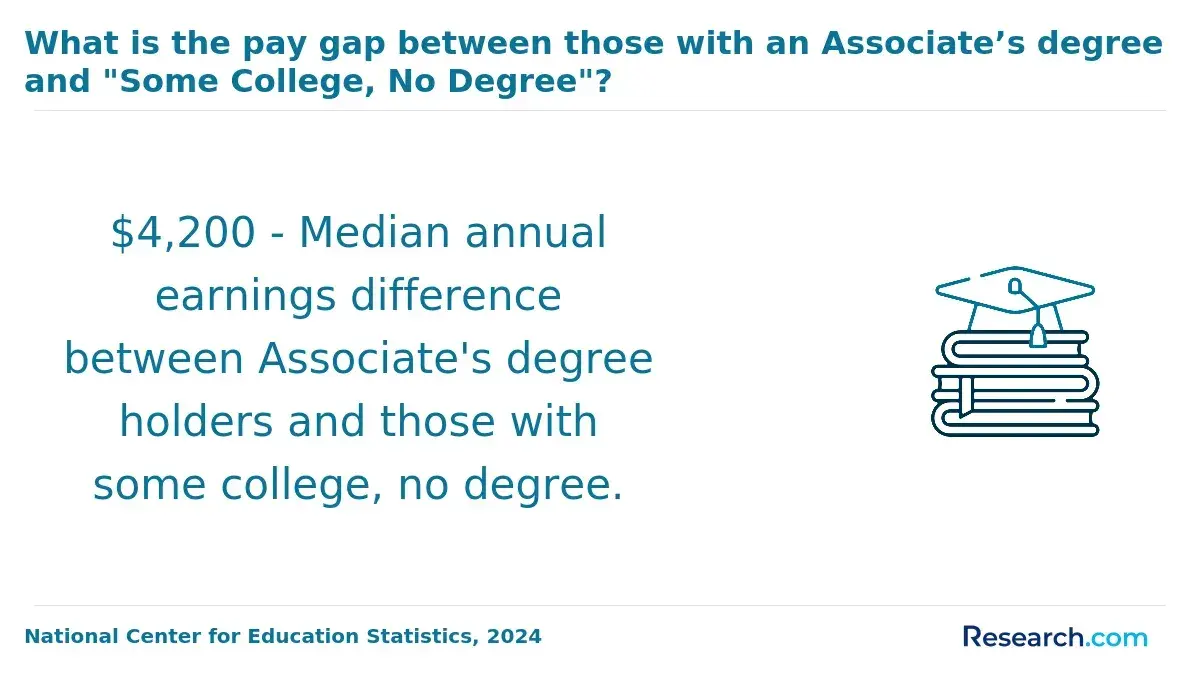
Online international relations bachelor's degree completion programs are tailored for adults who have earned some college credits but have not yet finished their degree. Unlike traditional four-year bachelor's programs that begin with foundational coursework, completion programs focus on the final portion of the degree. These programs allow students to transfer previously earned credits and complete the remaining courses in an accelerated, flexible format. This design supports adult learners balancing professional responsibilities, family, and other commitments. According to data from the National Center for Education Statistics (NCES), millions of Americans have some college experience but no completed credential. Flexible international relations degree completion options for adult learners address this large population by offering streamlined paths to degree completion, often through fully online or hybrid delivery models.
The characteristics of these programs have made them increasingly popular as more employers require bachelor's degrees for positions that formerly did not. They are especially suitable for community college transfer students, military veterans, and mid-career professionals seeking advancement. Key aspects include:
- Target Audience: Adults with some college credits but no degree, including working professionals, veterans, and nontraditional students ready to finish their international relations bachelor's online.
- Accelerated Format: Courses are designed to be completed faster than traditional programs, often with shorter terms and focused curricula suited to adult learners.
- Transfer Credit Acceptance: High acceptance of previously earned college credits reduces redundant coursework and shortens time to graduation.
- Flexible Delivery: Fully online or hybrid models accommodate busy schedules, enabling students to balance work and study effectively.
For those considering further education beyond a bachelor's degree, programs like online one year masters programs provide additional accelerated learning options that complement the bachelor's completion path.
How Do Online International Relations Degree Completion Programs Differ From Traditional Four-Year International Relations Bachelor's Degrees?
Online international relations degree completion programs are tailored for working adults who transfer 60 or more credits, differing significantly from traditional four-year degrees in structure and pacing. These programs typically require fewer total credits to graduate by accepting a larger volume of transfer credits, often 60 or more, while traditional bachelor's degrees usually require around 120 to 130 credit hours with strict residency requirements limiting transfers.
- Credit Requirements: Completion programs reduce total credits by incorporating transfer and prior learning credits, enabling faster progression.
- Curriculum Sequencing: Unlike traditional programs that begin with general education and foundational major courses, completion programs often substitute some general education with competency-based assessments or professional experience, letting students focus on upper-division international relations coursework sooner.
- Time to Completion: According to IPEDS data, completion programs can be finished online in 12 to 18 months post-transfer, compared to two to three years for traditional routes. This speed is driven by streamlined coursework and flexible schedules designed for adult learners.
- Cost-Per-Credit Differences: While completion programs sometimes have higher cost per credit hour due to specialized adult learner support and online delivery, total tuition generally remains lower because of fewer required credits and quicker graduation timelines.
- Adult Learner Adaptations: These programs recognize life experience, military service, or professional development as credits, reducing traditional class requirements and accommodating busy schedules.
- Accreditation and Transfer Policies: Both pathways adhere to regional accreditation, but completion programs maintain more lenient transfer acceptance policies, facilitating credit recognition from community colleges and military training.
- Practical Trade-Offs: Students opting for completion programs gain speed and flexibility but may have less exposure to broad foundational courses offered in traditional programs, which provide a more comprehensive undergraduate experience.
Working adults weighing online international relations degree completion vs traditional programs should evaluate how each structure supports their career goals and lifestyle. For those seeking efficient degree completion, completion programs offer a focused route; however, those desiring a classic academic path may prefer traditional options.
For insights on related accelerated options, consider reviewing trusted rankings of accelerated psychology programs online, which share similar adult-friendly structures and pacing.
2026 Update: Checking In-Person, Capstone, and Global Engagement Requirements
For 2026, this update adds guidance on requirements that may affect working adults even when an international relations completion program is advertised as fully online.
- Whether any orientation, exams, presentations, or seminars require campus attendance.
- If the program includes a capstone, thesis, policy project, or portfolio and how it is scheduled.
- Whether internships, service learning, or field experiences can be completed locally or remotely.
- Any foreign language, regional studies, or study-abroad expectations that may affect graduation planning.
- How group projects, live discussions, or faculty meetings are handled across time zones.
- Whether professional experience can shape the final project or fulfill applied learning expectations.
Reviewing these details helps students avoid last-minute conflicts and choose an online international relations completion program that truly fits their work schedule and personal responsibilities.
Which Accredited Universities Offer the Most Affordable Online International Relations Bachelor's Degree Completion Programs?
Western Governors University: WGU offers a flat-rate tuition of $3,920 per six-month term, enabling students to complete as many courses as they can within that period. This competency-based model eliminates per-credit fees, promoting faster degree completion. WGU holds regional accreditation from the Northwest Commission on Colleges and Universities (NWCCU) and focuses on practical skills applicable to policy analysis and global affairs in its online international relations bachelor's program.
Fort Hays State University: FHSU charges $226.88 per credit hour uniformly for all online students, regardless of residency. Accredited by the Higher Learning Commission (HLC), their program allows up to 64 transfer credits and incorporates applied learning tailored to adult learners and professionals.
University of North Texas: UNT's program costs $235.88 per credit hour for in-state students and $532.88 for those out of state. The institution is accredited by the Southern Association of Colleges and Schools Commission on Colleges (SACSCOC). It offers flexible scheduling and recognizes extensive transfer credits from accredited schools.
Colorado State University Global: CSU Global sets a flat rate of $350 per credit hour for all students. The university is regionally accredited by the Higher Learning Commission (HLC). Their degree completion program supports prior learning assessments and military credit options, catering to working adults with some college experience.
University of Massachusetts Lowell: UMass Lowell charges $419 per credit in its online international relations bachelor's completion track, consistent for both in-state and out-of-state learners. The school is accredited by the New England Commission of Higher Education (NECHE). The program emphasizes global diplomacy and conflict resolution while supporting transfer students.
The most affordable programs typically feature flat-rate tuition or uniform in-state/out-of-state pricing for online learners, making costs predictable. They often accept a high volume of transfer credits and offer credit for prior work or military experience. These factors, alongside strong regional accreditation, create clear advantages over mid-priced options that may lack such transfer-friendly or competency-based models.
One professional who pursued an online international relations bachelor's degree completion program shared that balancing work, family, and studies was the toughest part. He appreciated the ability to apply previously earned credits and work experience, which helped shorten his time to completion. "Sometimes it felt overwhelming managing deadlines, but the flexibility allowed me to learn at my own pace," he noted. This approach not only made education more accessible but also gave him confidence to transition into a career in global affairs.
How Many Transfer Credits Can Working Adults Apply Toward an Online International Relations Degree Completion Program?
Transfer credit policies in online international relations degree completion programs typically limit transfers to 60-90 semester hours. These caps ensure students complete a significant portion of their coursework at the degree-granting institution, preserving the academic value of the program. Schools perform thorough credit equivalency evaluations to confirm that prior courses align with their curriculum and academic standards.
- Credit Caps: Most programs restrict transfer credits to a defined range, requiring students to finish essential credits directly through the institution awarding the bachelor's degree.
- Evaluation Process: Transcripts undergo detailed assessments to verify course relevance and rigor, helping maintain program integrity.
- Articulation Agreements: Partnerships between community colleges and universities create clear pathways that reduce lost credits and simplify transitions for students entering online international relations degree completion programs.
- Credit Loss Data: According to the U.S. Department of Education's transfer summit, about 40% of credits are typically lost during transfers. Selecting programs with guaranteed or well-structured transfer plans can minimize this loss.
- Military and Professional Credits: Transfer-friendly programs often accept American Council on Education (ACE)-recommended credits, including military training and professional certifications.
- Transcript Evaluation: Prospective students should request an official transcript evaluation before enrolling to clearly understand transferable credits and avoid unexpected setbacks.
Working adults searching for maximum transferable credits for working adults in international relations programs might also explore options like an online EdD to compare flexible degree completion paths.
What Are the Typical Admission Requirements for Online International Relations Bachelor's Degree Completion Programs?
Transfer Credit Hours: Most programs require applicants to have earned between 24 and 60 semester credits from accredited colleges to ensure foundational knowledge before advancing to specialized coursework.
GPA Requirements: Minimum GPA standards typically range from 2.5 to 3.0 on a 4.0 scale, maintaining academic quality. Some schools may admit students conditionally if they fall just below the cutoff, providing an opportunity to demonstrate success.
Required Documentation: Candidates must submit official transcripts from all prior institutions. Additional materials like resumes, personal statements, letters of recommendation, or proof of military service might be requested depending on the program.
Prerequisite Coursework: Schools often expect completion of introductory classes in fields such as political science, global studies, or international relations to prepare students for advanced subject matter.
Admission Selectivity: Open-admission bachelor's completion tracks typically accept most applicants meeting minimal criteria, offering more support but less exclusivity. Selective programs demand higher standards, potentially enhancing the degree's recognition but requiring stronger qualifications.
Conditional Admission: Some institutions offer provisional entry, allowing students who don't fully meet requirements to begin with conditional status, often involving additional coursework or grade benchmarks.
Application Enhancement: Pursuing prerequisite courses at community colleges before applying can boost eligibility. Highlighting relevant work experience or international exposure further strengthens submissions by showing commitment and context.
A professional who completed an online international relations bachelor's degree completion program shared that the admission process initially felt intimidating, especially gathering transcripts from multiple colleges and ensuring prerequisite courses were met. However, openly communicating with admissions staff helped clarify requirements and identify conditional admission options. She emphasized that carefully preparing application materials and demonstrating real-world experience made a notable difference in acceptance and set a confident tone for success throughout the program.
How Long Does It Take to Complete an Online International Relations Bachelor's Degree Completion Program as a Working Adult?
The time needed to complete an online international relations bachelor's degree varies widely based on previous credits, enrollment intensity, and available program formats. Transfer students with 30, 60, or 90 prior credits face different paths: those with 30 credits typically require about 90 more, while students bringing 90 credits often need just 30 additional credits, which drastically shortens their study period.
Part-time enrollment, commonly 6 credits per semester, tends to extend completion to four to six years depending on prior credits. In contrast, enrolling full-time with 12 or more credits each term-especially through accelerated eight-week courses-can reduce this to as little as two to three years. Many working professionals realistically balance two classes per semester (six credits) alongside their job, maintaining steady progress without overwhelming schedules.
Incorporating summer terms or using competency-based education models, which let students advance by demonstrating mastery rather than clocking seat time, often cuts total degree time by several months or up to a year. Life factors such as family responsibilities, work hours, and employer tuition assistance significantly influence how quickly students can finish. Those with flexible schedules and financial support generally complete degrees faster.
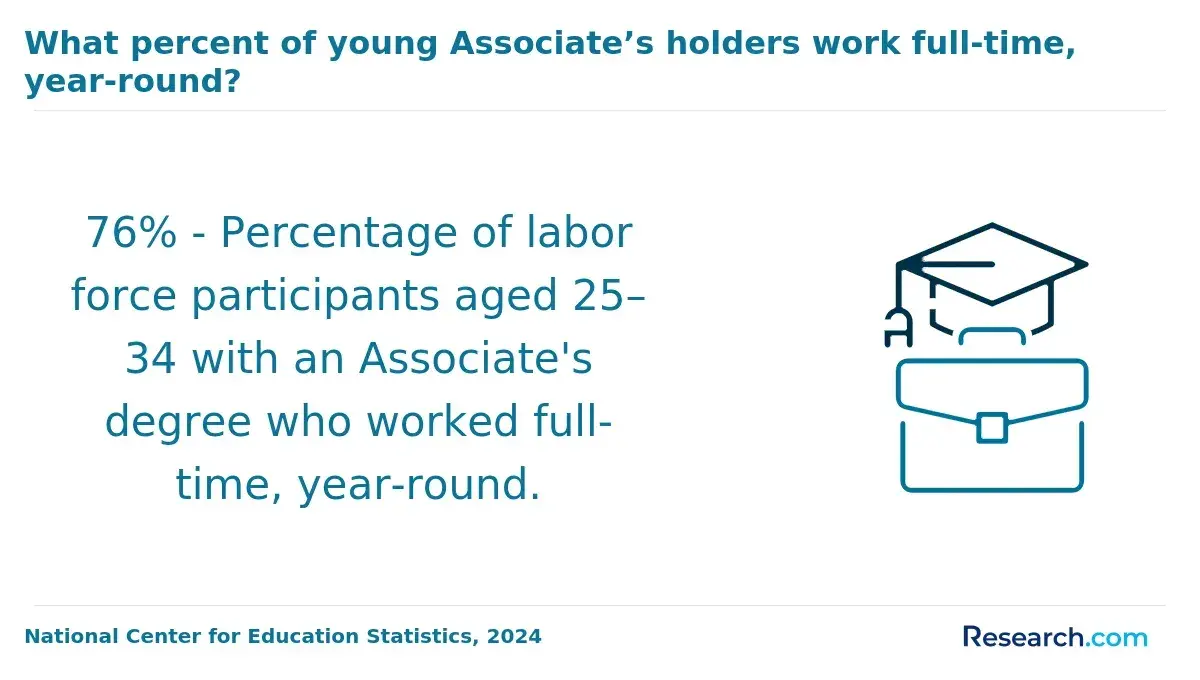
Recent data from the National Center for Education Statistics shows a 30% rise in online bachelor's program enrollment over the last five years, emphasizing growing interest among adult learners seeking flexibility.
- Transfer Credits: Higher credit transfers (60-90 credits) reduce the remaining courses, speeding degree completion compared to starting with 30 credits.
- Enrollment Pace: Part-time (6 credits) leads to longer timelines, while full-time (12+ credits) accelerates graduation.
- Accelerated Courses: Shorter, eight-week sessions enable faster course completion versus traditional semesters.
- Competency-Based Learning: Progressing by demonstrated skills shortens traditional timeframes.
- Summer Terms: Adding summer classes helps maintain momentum and decreases overall duration.
- Employer Support: Tuition aid and flexible hours enable quicker degree attainment.
What Financial Aid, Grants, and Employer Tuition Assistance Options Are Available for Online International Relations Completion Students?
Financial aid for online international relations bachelor's degree completion students includes federal, state, and institutional resources crafted for adult learners. Eligible students can access federal Pell Grants and Direct Loans to help fund undergraduate studies, maintaining support even as returning adults. Many states offer grants targeting adult returners, easing tuition costs significantly.
Institutional scholarships often cater specifically to non-traditional students completing degrees online, taking into account prior college credits, work experience, and adult learner characteristics. Employer tuition assistance is an important option, with IRS Section 127 allowing employers to provide up to $5,250 per year in tax-free tuition benefits, lowering net expenses effectively.
Various private scholarships and fellowships are available for adults returning to complete an international relations degree. These typically require proof of prior college credits, enrollment in an accredited program, and sometimes an essay or outlined career goals in international affairs. Exploring these distinct opportunities can deliver vital financial support for mature and working students.
- File the FAFSA: Submit the Free Application for Federal Student Aid early to assess eligibility for Pell Grants, Direct Loans, and certain institutional aid.
- Explore State Grants: Investigate state-specific grants aimed at adult learners or degree completers to supplement funding.
- Request Employer Assistance: Check if your employer offers tuition reimbursement under IRS Section 127 and secure the required agreement documentation.
- Apply for Scholarships: Target institutional and private scholarships tailored for adult online learners in international relations to strengthen your financial aid package.
How Does Per-Credit-Hour Tuition for Online International Relations Completion Programs Compare Across Accredited Institutions?
Recent statistics from the National Center for Education Statistics (NCES) and the Integrated Postsecondary Education Data System (IPEDS) place the national average per-credit tuition for online international relations completion programs at about $450. This figure encompasses a variety of accredited schools offering options tailored to working adults. Comparing per-credit rates across institutions reveals a broad cost spectrum, ranging from approximately $250 at public regional universities to more than $700 at private nonprofit colleges. Such disparities highlight the importance of reviewing the cost comparison of accredited online international relations bachelor's degree programs when selecting a program.
Considering typical transfer credit scenarios-60 or 90 credits completed-program costs vary notably. For 60 remaining credits, total tuition frequently ranges from roughly $15,000 to $45,000, while a 90-credit requirement can push the total over $60,000 at many institutions. However, the advertised per-credit rates only partly determine final expenses. Ancillary fees, such as technology charges, proctoring fees, graduation costs, and textbooks, can add an additional 10% to 25% on top of tuition.
It is crucial to understand that the lowest per-credit tuition does not always translate to the least expensive overall program. Some institutions with reduced credit-hour prices may require students to complete more credits beyond the standard 120-credit degree path, raising aggregate costs. Conversely, programs charging higher rates might offer accelerated tracks or generous transfer credit policies that reduce total hours needed, thus lowering total expenses. Students should also explore prior learning options and transfer policies to minimize credits and cost.
Working adults evaluating these programs can benefit from exploring related fields. For example, if considering graduate study, reviewing online MSW programs may provide valuable insight into flexible educational paths. This data aids prospective candidates in balancing tuition costs, credit requirements, and program formats to meet career goals effectively.
- National Average: The average per-credit tuition for online international relations completion programs is about $450 but varies widely by institution type and location.
- Credit Hours Impact: Remaining credit requirements, commonly 60 to 90 hours, significantly influence total tuition expenses and financial planning.
- Ancillary Fees: Technology, proctoring, and graduation fees increase total program costs by up to 25%, affecting affordability.
- Cost Versus Credits: Lower per-credit tuition may require more credits to graduate, potentially increasing total costs despite cheaper rates.
What Prior Learning Assessment and Credit-by-Exam Options Exist in Online International Relations Degree Completion Programs?
Prior learning assessment (PLA) policies in online international relations degree completion programs enable working adults to accelerate their progress by converting existing knowledge into academic credit. These policies usually accept credit through CLEP and DSST exams, portfolio assessments, and military training evaluations endorsed by the American Council on Education (ACE). Military service members and veterans benefit significantly from ACE's credit recommendation system, which validates corporate and military training for college credit.
- Credit By Exam: CLEP and DSST exams allow students to test out of foundational courses by demonstrating mastery of essential subjects. These exams are widely accepted and can cover key components of an international relations curriculum.
- Portfolio Assessment: Some programs offer portfolio reviews where students submit evidence such as work experience, certifications, or prior coursework. The most flexible programs accept diverse documentation and award up to 30 credits for validated experiential learning.
- Military Training Credit: Credits earned through military service and training evaluated by ACE are transferable to many programs. This pathway ensures that service members' experiential learning counts toward degree requirements.
- Documentation Preparation: Students should maintain detailed records of prior coursework, training, and professional achievements. Clear, well-organized submissions improve the chances of maximum credit approval during institutional evaluation.
Working adults seeking online international relations degree credit by exam options for working adults should prioritize institutions with comprehensive prior learning assessment policies to minimize time and tuition investment. These transfer-friendly programs complement prior learning options with generous credit acceptance, particularly beneficial for community college transfer students, military veterans, and mid-career professionals.
For those interested in exploring cost-effective online degrees, it's helpful to compare tuition models and transfer credits offered by top-ranked schools. Research on the cheapest data science degree also highlights the importance of affordability when considering online completion programs that allow prior learning credits to accelerate degree attainment.
How Do Asynchronous Schedules in Online International Relations Programs Accommodate Full-Time Working Professionals?
Fully Asynchronous Delivery: Most fully asynchronous international relations programs allow students to complete lectures, assignments, and assessments entirely on their own schedules. This format supports flexibility, enabling learners to study across different time zones and balance coursework with varying work hours without attending live sessions.
Assignment Structure: Coursework typically includes weekly readings, discussion board posts, and timed quizzes or papers. These are designed to be submitted by set deadlines but do not require simultaneous participation, making them well suited for professionals managing irregular shifts or caregiving duties.
Program Comparisons: Unlike synchronous or hybrid programs that require live attendance at fixed times, asynchronous courses reduce scheduling conflicts but may limit real-time interaction with instructors and peers. Hybrid models offer a blend of flexibility and engagement but are less accommodating for travelers or shift workers.
Shorter Terms: Institutions offering eight-week course terms enable students to concentrate on fewer classes at once. This condensed schedule helps adult learners focus deeply on subjects while balancing job responsibilities and personal commitments more effectively.
Time Management Tools: Successful online students frequently use digital calendars, task management apps, and reminder systems to stay organized. Strategies such as blocking dedicated study times and setting weekly goals support consistent progress in the self-paced environment.
What Concentrations and Career Tracks Are Available Within Online International Relations Degree Completion Programs?
Many online international relations bachelor's completion programs provide concentrations embedded within the 120-credit hour curriculum, enabling on-time graduation without added tuition. Some options, however, include certificates or minors that may extend the required credits, affecting both cost and duration.
- Global Security and Diplomacy: Prepares students for roles in government, defense, or international agencies. Careers include foreign service officers and intelligence analysts, with median salaries near $80,000 according to the BLS.
- International Development: Centers on economic growth and humanitarian efforts, leading to employment with NGOs or global organizations. Salary ranges typically fall between $50,000 and $75,000 based on employer and region.
- Human Rights and Conflict Resolution: Focuses on law, ethics, and mediation, supporting advocacy and policy work. Some programs offer certifications in conflict management, enhancing professional qualifications.
- Political Economy: Combines economics with political science for careers in policy analysis and consulting. Median wages in these fields often exceed $70,000 as per BLS data.
- Regional Studies: Covers areas like Middle Eastern or Latin American studies, emphasizing language and cultural expertise. Graduates pursue diplomacy and international business roles with competitive compensation.
Selecting a concentration should balance individual interests with labor market demand. Candidates wanting credentials should seek programs offering pathways to certifications such as Certified Foreign Affairs Analyst (CFAA). Evaluating how each track impacts credit requirements can optimize time and financial investment for working adults.
What Graduates Say About Online International Relations Bachelor's Degree Completion Programs for Working Adults
- Conrad: "Completing my online international relations bachelor's degree was a game-changer thanks to the program's solid accreditation and clearly structured curriculum. I truly appreciated how easy it was to transfer my previous credits, which meant I could finish faster without repeating coursework. The flexible tuition model also made balancing school with work much more manageable."
- Walker: "Reflecting on my journey, the option to leverage prior learning assessments made a huge difference, allowing me to receive credit for professional experience I already had. The program's strict adherence to accreditation standards gave me confidence in the quality of my education. Plus, the positive feedback from employers about my degree opened new doors I hadn't imagined."
- Joseph: "As a working professional, I valued how transparent the program was about transfer credit policies, making it straightforward to pick up where I left off. The affordability and clear tuition structure helped me commit without financial stress. Ultimately, earning this degree has boosted my career prospects and expanded my network in the international relations field."
Other Things You Should Know About International Relations Degrees
2027 online international relations bachelor's degree completion programs are designed with flexibility in mind, offering asynchronous courses that allow working adults to study at their own pace. They often provide evening and weekend classes, making it easier for students to balance work, family, and education commitments.
Most online international relations completion programs for working adults offer dedicated academic advisors who help with course selection and transfer credit evaluation. Additionally, students have access to career counseling and job placement services tailored to international affairs fields. Some programs provide virtual tutoring, writing centers, and networking events to support student success in a flexible learning environment.
Completing a bachelor's degree in international relations online significantly improves earning potential and career mobility compared to leaving school with only some college credits. Graduates typically qualify for higher-level positions in government, NGOs, and international organizations that require demonstrated knowledge of global politics and policy. The degree also opens doors to graduate studies, often increasing long-term professional and financial benefits.
References
- Online Prior Learning Assessment (PLA) Programs | Colorado State University Global https://csuglobal.edu/admissions/transfer-students/alternative-credit-options/online-prior-learning-assessment-pla-programs
- Additional Funding Options https://www.spia.pitt.edu/funding/outside-options
- International Studies vs. International Relations https://online.norwich.edu/international-studies-vs-international-relations
- Adult Bachelor’s Degree Completion https://www.emoryhenry.edu/academics/online/online-programs/adult-bachelors-degree-completion/
- Online Bachelor in International Relations and Global Affairs https://euler.euclid.int/es/programs/online-bachelor-international-relations/
- Asynchronous Education vs Fixed Schedule Online Classes: Which Works for Working Professionals https://puie.ac/asynchronous-education-vs-fixed-schedule-online-classes-which-works-for-working-professionals/
- What's the difference between a BA and BIR? https://cass.anu.edu.au/whats-difference-between-ba-and-bir
- Best Accredited Online Universities in 2025 https://www.study.eu/article/best-accredited-online-universities
- Working Full-Time and Studying Online: A Guide for Public-Sector Professionals https://online.wits.ac.za/blogs/working-full-time-and-studying-online-a-guide-for-public-sector-professionals
- International Student Scholarship Search & International Financial Aid https://www.iefa.org/