2027 Online Esports Business Bachelor's Degree Programs With Accelerated Courses

Co-Founder and Chief Data Scientist
An accelerated online bachelor’s degree in Esports Business is for students who want a faster route into the business side of competitive gaming without relocating or pausing work. Instead of following a traditional four-year campus schedule, these programs use shorter terms, year-round enrollment options, transfer credits, and heavier course pacing to help motivated students finish sooner.
The decision is not simply “fast versus slow.” Esports business programs prepare students for roles in event operations, sponsorship, marketing, team management, media strategy, and gaming entrepreneurship. Because the esports industry is projected to surpass $2 billion in revenue by 2024, employers increasingly need people who understand both business fundamentals and the unique audience, production, and partnership models behind competitive gaming.
This guide explains how accelerated online Esports Business bachelor’s programs work, who they fit best, what courses students typically take, how long they may take to complete, what they cost, how to check accreditation, and what career paths graduates can pursue.
Key Benefits of Online Esports Business Bachelor's Degree Programs With Accelerated Courses
- Accelerated online esports business bachelor's programs reduce time to degree completion by up to 50%, enabling quicker entry into the rapidly expanding esports industry.
- Flexible scheduling and pacing allow students to balance coursework with professional or personal commitments, increasing accessibility for diverse learners.
- Streamlined, focused curricula emphasize practical skills and industry trends, enhancing career readiness and aligning education with esports market demands.
What Is an Accelerated Online Esports Business Bachelor's Degree Program?
An accelerated online Esports Business bachelor’s degree is a business-focused undergraduate program delivered remotely and organized on a faster academic calendar. Instead of traditional 15- or 16-week semesters, many accelerated formats use shorter sessions, condensed assignments, and continuous terms so students can complete credits in less time.
The subject matter is not limited to playing games or understanding gaming culture. The degree focuses on how esports organizations, tournaments, sponsors, publishers, teams, streamers, and media platforms operate as businesses. Students typically study marketing, management, finance, event planning, digital media, audience engagement, sponsorship, and analytics through an esports lens.
The online format gives students access to lectures, assignments, discussions, group projects, simulations, and faculty feedback through a learning platform. The accelerated format, however, requires more discipline than a standard online program. A course that might normally unfold over a full semester may move quickly through readings, case studies, presentations, and applied projects. Students should expect fewer slow weeks and less margin for falling behind.
A strong program should still provide the same core academic outcomes as a traditional bachelor’s degree: business literacy, communication skills, strategic thinking, ethical decision-making, and the ability to apply data and market research to real esports business problems. The best accelerated programs do not remove essential content; they compress the schedule and require students to work with greater consistency.
Who Should Choose an Online Esports Business Bachelor's Program With Accelerated Courses?
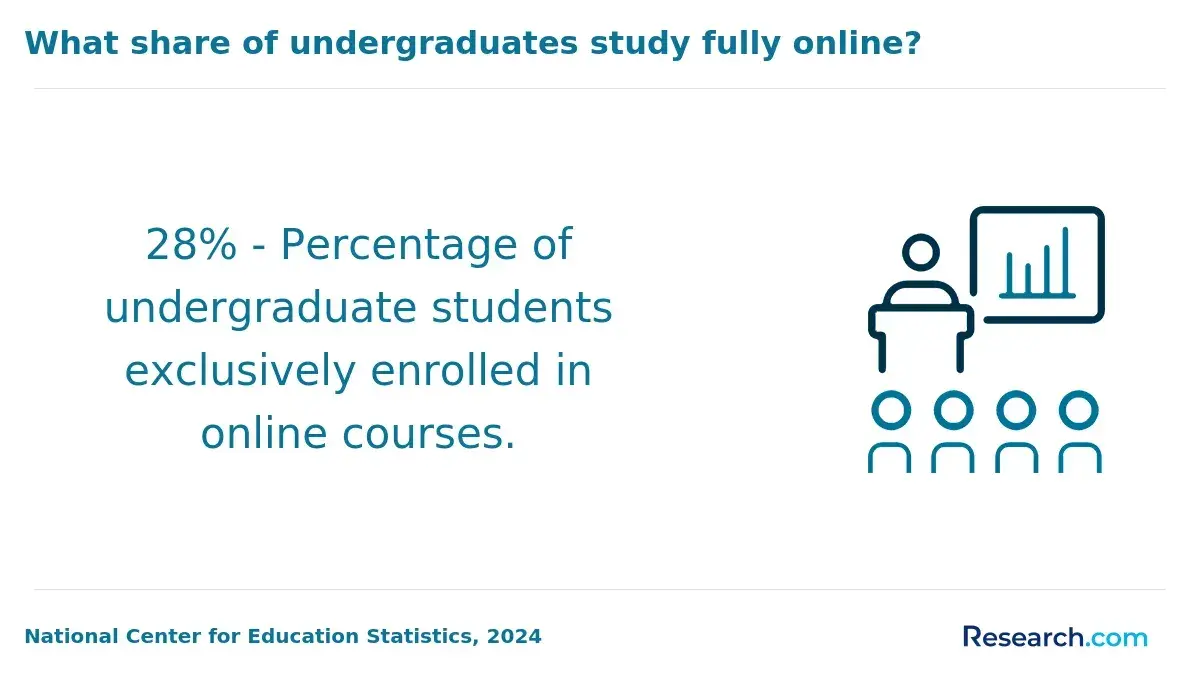
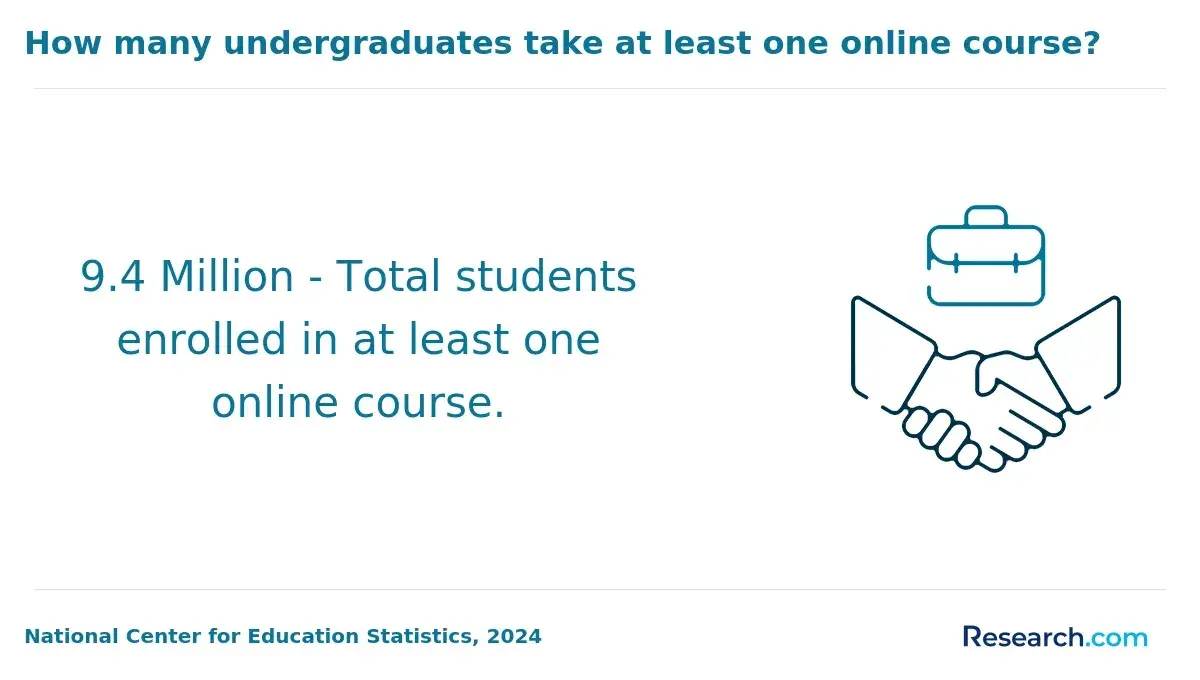
An online Esports Business bachelor’s program with accelerated courses is best for students who can manage a demanding schedule, learn independently, and stay organized without frequent in-person structure. With over 40% of U.S. higher education students enrolled in at least one online course, online learning is no longer unusual. The accelerated version, however, is not ideal for every online learner.
This format is a good fit for students who want speed and flexibility and are prepared for a heavier weekly workload. It may be less appropriate for students who need long breaks between terms, prefer face-to-face instruction, or are still developing basic time-management habits.
- Working adults with clear weekly study windows: Students balancing employment and school can benefit from online access, but they need predictable time for readings, assignments, group work, and exams.
- Self-directed learners: Accelerated courses move quickly. Students must check deadlines, ask questions early, and keep progress moving without waiting for reminders.
- Career changers: People moving from hospitality, marketing, sports management, media, retail, or gaming communities into esports business may value a faster path to a relevant credential.
- Students with prior college credits: Transfer credits can reduce the number of remaining courses and make an accelerated format more realistic and cost-effective.
- High-achieving first-time students: Motivated students who performed well in high school and are comfortable with online platforms may use accelerated courses to finish faster than a standard timeline.
Before enrolling, students should ask themselves three practical questions: Can I study several days per week? Can I handle overlapping deadlines? Do I have reliable internet, a quiet workspace, and support during peak assignment periods? If the answer is no, a standard online schedule may be a safer choice.
What Courses Are Offered in Online Accelerated Esports Business Bachelor's Degree Programs?
Online accelerated Esports Business bachelor’s degree programs usually combine a standard business core with esports-specific coursework. The goal is to produce graduates who understand general business operations and can apply those principles to tournaments, teams, sponsorships, streaming platforms, gaming communities, and digital fan engagement.
Course names vary by institution, but the curriculum often falls into four broad categories:
- Business foundation courses: These may include principles of management, marketing, accounting, finance, business law, economics, organizational behavior, and strategic planning. These courses give students the vocabulary and decision-making tools used across industries.
- Esports industry courses: These focus on esports operations, gaming culture, tournament structures, publisher relationships, league models, fan communities, and competitive gaming ecosystems.
- Marketing and media courses: Students may study social media strategy, content planning, brand management, sponsorship activation, influencer marketing, audience analytics, and digital storytelling for gaming audiences.
- Event and operations courses: These courses cover tournament logistics, venue planning, broadcasting considerations, budget management, risk planning, vendor coordination, and stakeholder communication.
- General education courses: Communication, mathematics, humanities, social sciences, and writing courses support critical thinking and professional communication.
- Applied electives: Students may choose topics such as entrepreneurship, data analytics, sales, partnerships, esports coaching administration, or international gaming markets depending on the program.
Because accelerated courses move quickly, applied assignments matter. Case studies, campaign plans, sponsorship proposals, event budgets, and analytics projects help students connect theory to the work they may do after graduation. A student who completes a digital marketing course, for example, should be able to explain not only what engagement means but how a campaign might reach fans, attract sponsors, and measure results.
One graduate described the pace this way: “The rapid nature of the classes meant I had to be very organized and proactive with my time.” He found the applied structure useful because “real-world projects helped me connect concepts to actual industry scenarios.” That experience reflects the main trade-off of accelerated study: the workload is intense, but the learning can feel immediately relevant when assignments mirror industry tasks.
What Are the Best Accelerated Esports Business Bachelor's Degree Programs Online?
The best accelerated online Esports Business bachelor’s degree programs are accredited, transparent about costs and transfer policies, realistic about workload, and connected to current esports business practices. Enrollment in fully online bachelor’s programs increased by more than 25% between 2019 and 2022, so students now have more flexible options—but also more programs to compare carefully.
Rather than choosing only by speed, students should evaluate whether a program offers the right mix of business fundamentals, esports specialization, faculty support, career services, and applied learning. A fast degree is only valuable if the curriculum is credible and the student can explain what they learned to employers.
Common program focus areas
- Management focus: These programs emphasize leadership, organizational planning, team operations, budgeting, and business strategy for esports organizations and related companies.
- Marketing and media: This path focuses on brand strategy, social media, sponsorship campaigns, content distribution, audience development, and fan engagement.
- Event coordination: Students learn how tournaments and gaming events are planned, promoted, staffed, funded, streamed, and evaluated.
- Analytics and business intelligence: These programs combine business decision-making with data interpretation, market research, audience metrics, and performance reporting.
How to compare programs
- Confirm institutional accreditation: Accreditation affects transfer credit, graduate school eligibility, financial aid, and employer confidence.
- Review the course sequence: Make sure the program teaches core business skills and not only general gaming topics.
- Check transfer-credit rules: Students with prior college coursework may save time if the school accepts a substantial number of credits.
- Ask about course length and workload: A five-, six-, or eight-week term can feel very different from a standard semester.
- Look for applied projects: Portfolio-ready work, event plans, sponsorship decks, marketing campaigns, and analytics reports can help graduates demonstrate skills.
- Evaluate career support: Esports careers are competitive, so advising, internships, alumni networks, and employer connections matter.
Students more interested in designing games than managing esports organizations may also compare programs in a related field, such as a game design online master’s program, before committing to an esports business path.
How Long Does It Take to Complete an Accelerated Online Esports Business Degree?
An accelerated online Esports Business bachelor’s degree generally takes about two to three years to complete, compared with a traditional four-year timeline. The exact length depends on transfer credits, course load, term structure, enrollment status, and whether the program allows year-round study. Research indicates that students enrolled in accelerated tracks can complete their degrees up to 40% faster than those in traditional programs.
Students with no prior credits should be cautious about assuming they can finish at the shortest possible pace. A bachelor’s degree still requires substantial coursework. The acceleration usually comes from shorter terms, heavier credit loads, summer enrollment, and fewer breaks—not from reducing academic expectations.
Factors that affect completion time
- Transfer credits: Prior college coursework, dual enrollment, or an associate degree may shorten the path if credits apply to the degree plan.
- Number of courses per term: Taking more courses speeds completion but increases weekly workload.
- Course availability: A program with year-round scheduling and frequent start dates can help students avoid delays.
- General education requirements: Students who have not completed these courses may need additional time.
- Work and family obligations: A realistic pace is better than overloading and withdrawing from courses.
A graduate described the experience as intense but manageable with planning: “Balancing the fast pace with work commitments was challenging at times, but staying focused made all the difference.” She credited continuous enrollment with helping her maintain momentum and said the compressed schedule strengthened her time-management skills, which later helped her professionally.
What Are the Requirements for Accelerated Esports Business Bachelor's Degree Programs?
Requirements for accelerated Esports Business bachelor’s degree programs vary by institution, but most schools evaluate whether applicants are academically prepared and able to manage online coursework. Because accelerated terms move quickly, readiness matters. The National Center for Education Statistics reports that about 75% of online students emphasize schedule management as key to their success.
Students should review both admission requirements and ongoing program expectations before enrolling. Being admitted does not automatically mean the pace is a good fit.
- High school diploma or equivalent: First-time bachelor’s students typically need proof of secondary school completion. Some schools may review GPA, transcripts, or college-readiness indicators.
- Prior college transcripts: Transfer students must submit official transcripts so the school can evaluate completed credits.
- Minimum academic standing: Some accelerated programs may expect a solid academic record, especially from transfer applicants.
- Technology access: Students need reliable internet, a working computer, video and audio capability, and comfort using learning management systems, discussion boards, online libraries, and file-sharing tools.
- Time-management capacity: Accelerated courses often require frequent logins, weekly assignments, group coordination, and fast turnaround on feedback.
- Placement or prerequisite coursework: Some students may need introductory writing, math, or business courses before moving into upper-division esports business classes.
- Application materials: Depending on the school, applicants may need an application form, transcripts, identification documents, essays, or proof of English proficiency.
Prospective students should ask admissions advisers for a sample degree plan before applying. That plan should show how many credits will transfer, how many courses remain, expected graduation timing, and whether any required courses are offered only during certain terms.
How Much Does an Accelerated Esports Business Bachelor's Degree Cost Online?
The cost of an accelerated Esports Business bachelor’s degree online depends on tuition model, transfer credits, fees, residency status, and how quickly the student completes the program. Recent data shows the average total cost for these programs ranges from approximately $20,000 to $45,000. Accelerated study may reduce total cost when it shortens enrollment time, but it does not automatically make every program cheaper.
Students comparing prices should look beyond the advertised tuition rate. The total cost should include technology fees, course materials, graduation fees, transfer-credit evaluation fees, and any charges tied to proctored exams or online services.
- Per-credit tuition: Students pay for each credit completed. Transfer credits can reduce the total bill because fewer credits remain.
- Flat-rate or term-based tuition: Some programs charge by term. This can benefit students who can complete more credits in each term, but it can become expensive if they need to slow down.
- Transfer-credit policy: Accepted credits can significantly reduce both time and cost, especially for students with an associate degree or previous college coursework.
- Enrollment pace: Finishing faster may reduce certain recurring fees, but taking too many courses at once can increase the risk of failed or withdrawn classes.
- Financial aid eligibility: Students should confirm that the institution is accredited and eligible for applicable aid before relying on loans, grants, or employer tuition benefits.
Students who are comparing esports business with broader business pathways may also review the cost structure of an online business administration degree to decide whether a specialized esports program or a general business degree offers the better return for their goals.
Are Online Esports Business Bachelor's Degrees With Accelerated Courses Accredited?
Online Esports Business bachelor’s degrees with accelerated courses can be accredited, but accreditation belongs to the institution or, in some cases, to a specific program—not to the word “online” or “accelerated.” Students should verify accreditation directly before enrolling. According to the Council for Higher Education Accreditation (CHEA), more than 7,000 institutions in the U.S. are accredited.
Accreditation matters because it can affect financial aid eligibility, transfer credits, graduate school admission, employer recognition, and overall confidence in academic quality. A fast program without credible accreditation can create problems later, even if the coursework sounds appealing.
What to check
- Institutional accreditation: Confirm that the college or university is accredited by a recognized accrediting organization.
- Regional or national accreditor: Institutional accreditors evaluate academic quality, financial stability, governance, student services, and learning outcomes.
- Business program review: Some business programs may hold additional business-focused accreditation or undergo specialized review, though this varies by school.
- Online learning support: For accelerated programs, accreditors may examine whether online delivery, faculty access, technology, advising, and student support are adequate.
- Transfer and graduate school acceptance: Students planning further education should ask whether credits and degrees from the institution are commonly accepted by other schools.
Examples of accrediting bodies that may be relevant depending on the institution include the Higher Learning Commission (HLC), which covers many Midwestern institutions, and the Middle States Commission on Higher Education (MSCHE), which evaluates institutions in the Mid-Atlantic region. National accrediting agencies may also review specialized or career-focused institutions.
Students should be careful with marketing language. A school may describe a program as career-focused, industry-aligned, or flexible, but those claims are not the same as recognized accreditation. When reviewing any degree page, including pages about accredited online programs in other fields, students should verify the accreditor through official institutional or accreditor sources rather than relying only on promotional copy.
What Are the Disadvantages of Accelerated Online Esports Business Bachelor's Degrees?
Accelerated online Esports Business bachelor’s degrees can save time, but they also increase pressure. A 2022 study found nearly 40% of online learners struggle to balance coursework with other responsibilities, and that challenge can be more serious in accelerated programs because deadlines arrive quickly and breaks may be shorter.
The main risk is not that accelerated programs are lower quality. The risk is that students underestimate the weekly workload and enroll in a pace that does not match their life, job, finances, or learning style.
- Higher workload intensity: Shorter terms require concentrated reading, writing, discussion participation, exams, and projects. Missing one week can put a student far behind.
- Less time to absorb complex topics: Business strategy, analytics, sponsorship planning, and event operations benefit from reflection and practice. A fast schedule leaves less time to revisit difficult material.
- Reduced flexibility during emergencies: Online learning is flexible in location, but accelerated courses are often inflexible with deadlines. Work travel, illness, caregiving, or schedule changes can quickly disrupt progress.
- Burnout risk: Continuous enrollment and year-round study can be productive, but students may need planned breaks to avoid exhaustion.
- More pressure in group projects: Esports business courses often include collaborative assignments. In accelerated terms, coordinating with classmates can be harder.
- Limited networking if students stay passive: Online students must intentionally attend virtual events, communicate with faculty, and build professional connections.
Students comparing accelerated formats across disciplines, such as a fast track computer science degree, should focus on workload, support, and career fit rather than choosing the fastest option by default. The best accelerated program is the one a student can complete successfully while building usable skills.
What Jobs Can You Get With an Accelerated Esports Business Bachelor's Degree?
An accelerated Esports Business bachelor’s degree can prepare graduates for business, marketing, operations, and media roles connected to esports and gaming. Studies show that over 70% of graduates from accelerated programs secure relevant employment within six months. Outcomes still depend on experience, location, portfolio quality, networking, internships, and the strength of the program.
Graduates should expect to compete for roles in a young and fast-changing industry. A degree can help, but employers may also look for practical evidence: event plans, campaign samples, analytics reports, sponsorship proposals, internship experience, community management work, or content projects.
- Esports event coordinator: Plans tournaments, coordinates schedules, communicates with vendors and participants, supports event logistics, and helps manage the experience for teams, sponsors, and audiences.
- Marketing specialist: Builds campaigns for teams, tournaments, gaming brands, or esports products using social media, content strategy, influencer partnerships, and audience research.
- Team manager: Supports player schedules, communication, travel coordination, contracts, team operations, and performance-related logistics.
- Content creator or digital media strategist: Develops video, social, livestream, and written content to grow audience engagement and support brand or sponsorship goals.
- Sponsorship or partnerships assistant: Helps identify brand partners, prepare sponsorship materials, track deliverables, and support relationship management.
- Community manager: Engages fans across online platforms, moderates discussions, coordinates digital activations, and reports on community sentiment.
- Esports operations associate: Works behind the scenes on scheduling, budgeting, platform coordination, staffing, and administrative support for esports organizations.
Students who want the strongest employment prospects should use the degree program to build a portfolio, pursue internships or volunteer event experience, learn basic analytics tools, and network with professionals in tournaments, collegiate esports, gaming media, and sponsorship organizations.
What Graduates Say About Online Esports Business Bachelor's Degree Programs With Accelerated Courses
- : "Choosing an online accelerated Esports Business bachelor’s degree was about flexibility. I was working full time, so I needed a program that kept me moving without requiring me to be on campus. The condensed courses were demanding, but they helped me stay focused, and the business training gave me the confidence to move into a management role after graduation. — Vance"
- : "The hardest part was staying motivated during the fastest terms. Deadlines came quickly, and I had to plan every week carefully. What helped most was the support from instructors and classmates. The program strengthened my strategic thinking and helped me understand event coordination and marketing inside gaming companies. — Marvin"
- : "From a professional standpoint, the accelerated online Esports Business bachelor’s degree helped me connect coursework to my job quickly. The case studies, sponsorship assignments, and partnership-focused projects were especially useful because I could apply those ideas almost immediately in esports business settings. — Parker"
Other Things You Should Know About Esports Business Degrees
Accelerated esports business degrees often incorporate networking elements, such as online forums, virtual events, and collaboration tools, to ensure students connect effectively with peers and professionals. These programs are structured to encourage interactions with industry experts, providing a rich networking landscape that mirrors traditional on-campus experiences.
Most accelerated esports business programs integrate real-world applications alongside academic theory. This may include virtual internships, project-based assignments, and collaborations with esports organizations. The aim is to equip students with hands-on skills relevant to the esports industry, despite the compressed timeframe.
Financial aid is typically available for accelerated online esports business programs, including federal aid and scholarships. Students should complete the FAFSA to determine eligibility for grants and loans. Some institutions may also offer specific scholarships geared toward esports or online learners.
References
- The Business of Esports Specialization https://algomau.ca/academics/faculty-of-business-economics/the-business-of-esports-specialization/
- Bachelor's Degree in Esports Business https://kamk.fi/en/koulutukset/bachelors-degree-in-esports-business/
- Game Business & Esports Bachelor's Degree https://www.fullsail.edu/degrees/game-business-esports-bachelor
- Gaming & Esports Jobs https://hitmarker.net/jobs
- Esports degrees pros and cons: Are they worth the money? https://esportsinsider.com/2024/02/esports-degrees-pros-and-cons
- Department of Business Administration https://www.saintpeters.edu/academics/undergraduate-programs/business/esports-business/
- Explore Career Pathways in Esports https://britishesports.org/esports-and-education/career-pathways/
- Esports and Gaming jobs catalog | TEN.gg https://ten.gg/jobs
- Esports Careers Guide: The Best Jobs in Esports https://bigcreative.education/esports-careers-guide-the-best-jobs-in-esports/
- Online Bachelor of Business Administration and Digital Innovation with Sports and eSports Management https://www.global-business-school.org/programs/bachelor-europe-bachelor-of-business-administration-online/online-bachelor-of-business-administration-and-digital-innovation-with-sports-and-esports-management/