
2027 Online Esports Business Bachelor's Degrees for Adults Over 30

Co-Founder and Chief Data Scientist
If you are over 30 and considering an online esports business bachelor's degree, the real question is not whether you are “too old.” It is whether the program fits your schedule, budget, career goals, and tolerance for a fast-moving industry. Esports now blends competitive gaming with media rights, sponsorships, live events, digital marketing, analytics, entrepreneurship, and community management, which means business training can matter as much as gaming knowledge.
Adult learners often bring advantages that younger students are still building: work experience, professional communication, project management, customer service, leadership, and a clearer sense of why they are earning a degree. At the same time, returning to school after 30 requires realistic planning around time, cost, technology, and career outcomes.
According to recent data, the Esports industry is projected to grow at over 14% annually, creating robust opportunities in management, marketing, and entrepreneurship. This guide explains how online esports business bachelor's programs work for adults over 30, what challenges to expect, how flexible these degrees can be, what they may cost, and how to evaluate whether the degree is a smart career move for you.
Key Benefits of Online Esports Business Bachelor's Degrees for Adults Over 30
- Online esports business programs offer flexible scheduling, enabling adults over 30 to study around their work and family commitments, with many courses available asynchronously.
- Graduates gain access to growing career advancement opportunities in a $1.38 billion global esports market, expanding roles beyond gameplay to management and marketing.
- The flexible format supports balancing education with existing personal and professional responsibilities, reducing dropout rates and improving degree completion among adult learners.
Is 30 too old to start an esports business bachelor's degree?
No. Age 30 is not too old to start an esports business bachelor's degree. For many adults, it can be a practical time to return because career goals are clearer, motivation is stronger, and prior work experience can make business coursework more meaningful.
Higher education no longer serves only recent high school graduates. Colleges increasingly design undergraduate programs for adults who are working, raising families, changing careers, or completing a degree they started years earlier. Online esports business programs can be especially relevant for adults who want to connect existing experience in management, sales, operations, media, events, technology, or customer engagement with the gaming and esports economy.
Starting after 30 also has trade-offs. You may have less open time than a traditional student, and you may need to rebuild academic habits such as reading dense material, writing research-based papers, and meeting weekly deadlines. However, mature students often bring stronger discipline and a better understanding of workplace expectations.
Before enrolling, ask three practical questions:
- What career outcome do I want? A degree should support a realistic path, such as esports operations, marketing, event coordination, team management, sales, analytics, or entrepreneurship.
- Can I commit consistent weekly time? Online learning is flexible, but it is not effortless. A manageable schedule matters more than enthusiasm during the first week.
- Is the program credible and affordable? Review accreditation, total cost, transfer credit policies, support services, and whether the curriculum matches current esports business roles.
For adults thinking beyond a bachelor's degree, it can also help to understand how future graduate options compare, including resources on what is the easiest masters degree to get. The key is to choose a path that supports your long-term goals rather than chasing a credential without a plan.
Why do adults over 30 choose online degree programs?
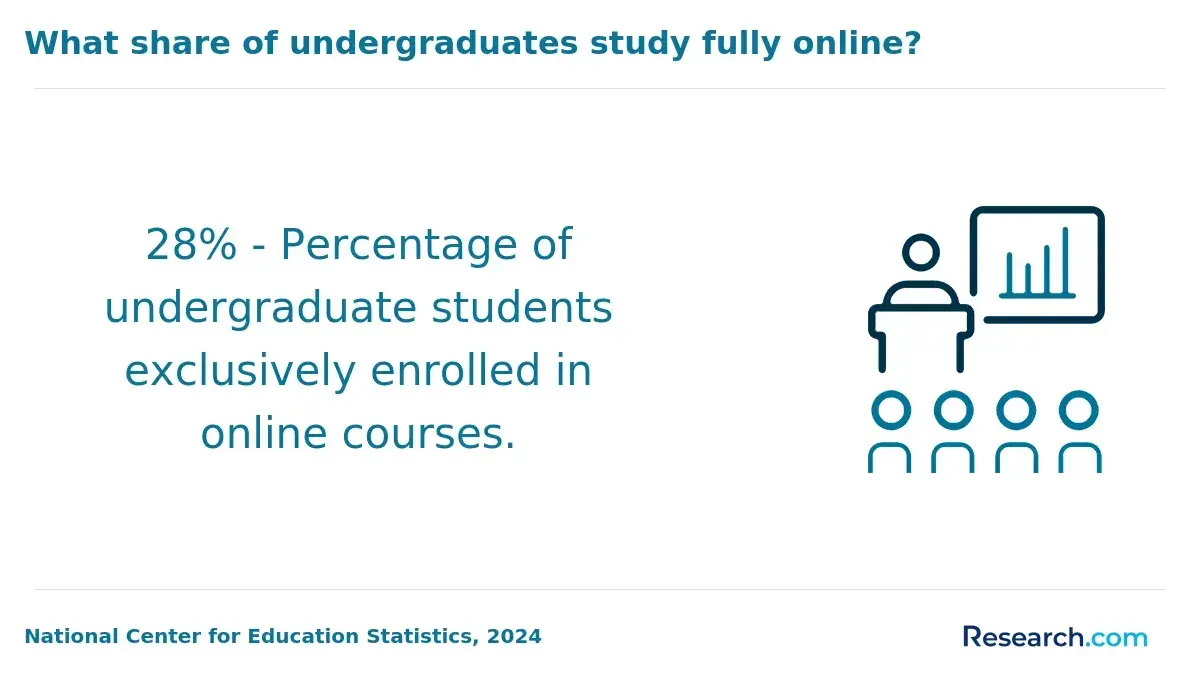
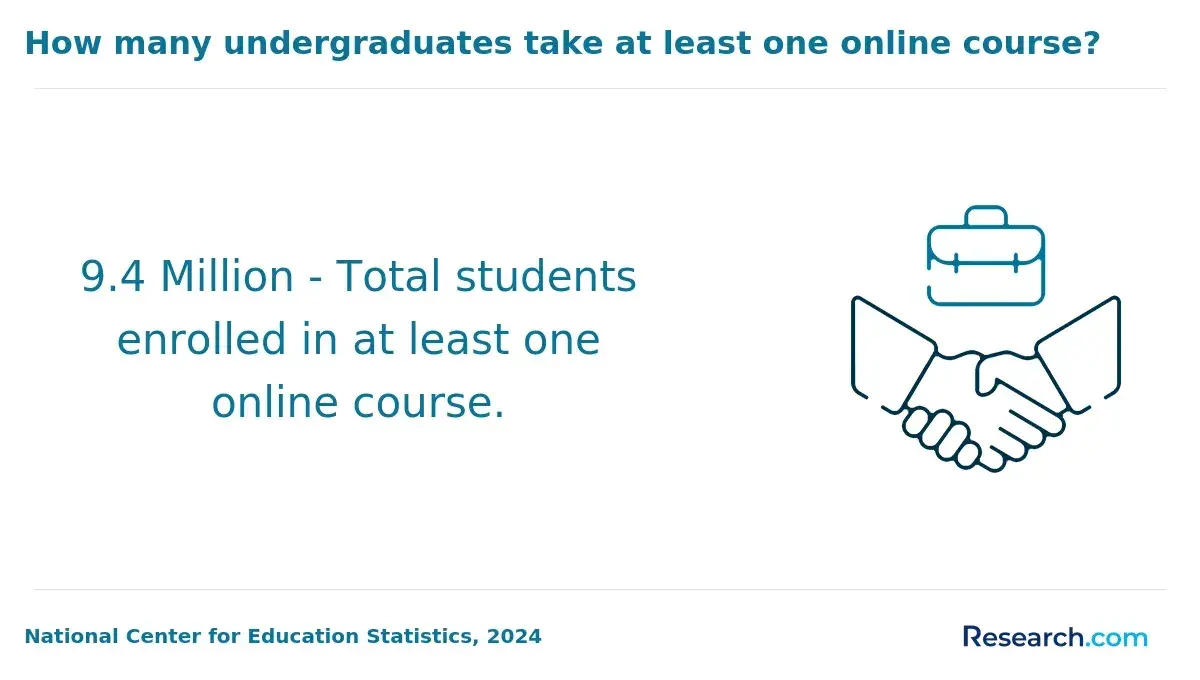
Adults over 30 often choose online esports business bachelor's degrees because they need career-relevant education without pausing work or relocating. Approximately 35% of all undergraduate students in the U.S. are enrolled in at least one online course, showing that online learning has become a mainstream option rather than an exception.
For adults, the appeal is usually practical. Online programs can make it possible to study before work, after children are asleep, during weekends, or around shift schedules. They also allow students to compare programs outside their local area, which is useful because esports business is still a specialized field.
- Career advancement: Some adults already work in gaming, marketing, media, business operations, or events and want a credential that supports promotion or a shift into esports-specific roles.
- Career change: Others use the degree to move from unrelated fields into an industry that better matches their interests, especially if they can transfer existing business or management skills.
- Flexible learning: Online programs can reduce commuting time and make attendance more manageable for students with jobs, caregiving duties, or unpredictable schedules.
- Skill development: Coursework may cover esports management, sponsorship strategy, digital marketing, event operations, audience engagement, business analytics, and entrepreneurship.
- Geographic access: Students who do not live near a campus with esports business offerings can still pursue a specialized program.
- Cost comparison: Online study can make it easier to compare tuition, fees, transfer policies, and completion timelines across institutions. Students comparing business-focused options may also want to review affordable online business schools before committing to a program.
Online learning is not automatically easier than campus learning. The best fit is usually a program with clear weekly expectations, responsive instructors, strong advising, and courses that connect directly to the business side of esports. Adults planning future advanced study can also compare broader options such as affordable graduate schools when mapping a long-term education plan.
What challenges do adults over 30 face in online esports business programs?
Adults over 30 can succeed in online esports business programs, but they should expect pressure points that traditional students may not face as often. The biggest challenge is usually not ability; it is capacity. Work, family, finances, health, and school can compete for the same hours.
- Academic re-entry: Students who have been away from school may need time to rebuild writing, research, citation, test-taking, and study habits.
- Time management: Online courses still have deadlines. Adults often need a weekly calendar that protects study time instead of treating coursework as something to do “when there is time.”
- Technology adjustment: Learning management systems, video tools, collaboration platforms, analytics dashboards, and esports-related software may require a learning curve.
- Industry pace: Esports changes quickly. Students may need to follow current events, platforms, sponsorship models, streaming trends, and audience behavior alongside assigned coursework.
- Family and work interruptions: Overtime, caregiving, school events, illness, and travel can disrupt progress. Programs with flexible deadlines or asynchronous formats may reduce this risk.
- Confidence gaps: Some adults worry they are behind younger classmates in gaming culture or technology. In practice, professional maturity can be a major advantage if students stay open to learning.
A professional who completed an online esports business degree after turning 30 described the transition clearly: “Getting back into the rhythm of coursework was tougher than expected.” He said he sometimes questioned whether he could keep up with readings, assignments, work projects, family needs, and new technology at the same time.
His turning point was not a perfect schedule. It was a realistic one. He built a weekly routine, contacted instructors early, used school support services, and stopped waiting for long uninterrupted study blocks. The lesson for adult learners is straightforward: plan for disruption, use support before problems escalate, and choose a program designed for students with adult responsibilities.
How flexible are online esports business bachelor's degrees for adults over 30?
Online esports business bachelor's degrees can be highly flexible, but flexibility varies by institution. Some programs allow students to complete most work asynchronously, while others require live sessions, group projects, fixed exam windows, internships, or scheduled presentations. Nearly half of all postsecondary students today are adults, which has pushed many schools to offer more adaptable learning models.
Common flexibility features include:
- Asynchronous coursework: Students can watch lectures, complete discussions, and submit assignments without attending at a fixed class time.
- Evening or weekend options: Some live sessions, advising appointments, or group meetings are scheduled outside standard business hours.
- Part-time enrollment: Adults can take fewer courses per term to maintain employment and family responsibilities.
- Accelerated pacing: Some programs offer shorter terms or intensive courses for students who can handle a faster workload.
- Self-paced elements: Certain courses may allow students to move through modules more independently, although major assignments usually still have deadlines.
- Transfer credit evaluation: Adults with prior college coursework may reduce the number of credits they need to complete.
Flexibility should be evaluated carefully. A program that advertises online delivery may still require synchronous meetings or time-sensitive group work. Before enrolling, ask how often students must attend live sessions, whether exams require proctoring, how group projects are scheduled, and how long students typically take to finish when enrolled part time.
Adults comparing flexible degree options should also verify institutional quality and accreditation. More information is available through resources on accredited online colleges.
How many hours per week do online esports business students study?
Adults over 30 pursuing an online esports business bachelor's degree generally dedicate between 12 and 20 hours weekly to their studies. The exact number depends on course load, term length, assignment intensity, reading volume, projects, and whether the student is enrolled full time or part time.
A 2022 Online Learning Consortium study found that undergraduate online students spend about 16 hours per week on coursework, which aligns with the middle of the common range for many online bachelor's students. Esports business students may spend additional time following industry news, analyzing campaigns, preparing presentations, or working on event and marketing projects.
A practical weekly plan might include:
- Reading and lecture review: Time for assigned chapters, recorded lectures, articles, and case studies.
- Discussion participation: Online posts, peer replies, and group collaboration.
- Assignments and projects: Business plans, marketing analyses, event proposals, data exercises, and written papers.
- Review and planning: Checking deadlines, instructor feedback, grades, and upcoming requirements.
One adult learner said the hardest part was not the total number of hours but finding consistent time. She used quiet evening hours and weekend blocks to stay on track. “At first, it felt overwhelming juggling everything, but setting small goals and allowing myself flexibility made a big difference,” she explained.
For adults, the best study schedule is usually repeatable rather than ideal. Short daily sessions can work better than saving all coursework for Sunday night. Students should also build in buffer time for work emergencies, family needs, and technology issues.
How long does it take to earn an esports business degree online after 30?
Adults over 30 typically complete an online Esports Business bachelor's degree within three to six years, depending on enrollment status, transfer credits, program format, and personal responsibilities. A full-time student with few interruptions may finish closer to three or four years, while a part-time student balancing work and family may need five or six years or more.
The main factors that affect completion time include:
- Course load: Full-time enrollment usually shortens the timeline but demands more weekly study time. Part-time enrollment is often more realistic for adults with full-time jobs or caregiving responsibilities.
- Pacing flexibility: Accelerated terms can help motivated students move faster, but they can also create intense workloads. Self-paced or flexible models may be easier to sustain over time.
- Transfer credits: Prior college coursework can reduce the number of credits required. Acceptance depends on the institution, course equivalency, grades, age of credits, and relevance to the degree.
- Continuous enrollment: Students who take breaks may extend their timeline. Even one missed term can affect course sequencing or financial aid planning.
- General education requirements: Adults who have not completed previous college credits may need more time for foundational courses outside the esports business major.
- Work and family demands: A realistic pace is usually better than overloading early and withdrawing later.
Before enrolling, ask the admissions or advising office to estimate your completion timeline using your actual transfer credits and intended course load. Adult learners should also ask whether courses are offered every term or only once per year, because limited availability can delay graduation.
How much do online esports business bachelor's degrees cost for adults over 30?
Online esports business bachelor's degree programs for adults over 30 often charge tuition by credit hour or semester, with total tuition ranging from $20,000 to $45,000 on average. The final cost depends on the school, number of credits required, transfer credits accepted, residency rules, fees, books, software, and how long the student remains enrolled.
Adults should look beyond the advertised tuition rate. The lowest per-credit price is not always the lowest total cost if the school accepts fewer transfer credits, charges high fees, or requires more credits to graduate.
- Tuition structure: Public and private institutions may price online programs differently. Some charge the same rate for in-state and out-of-state online students, while others do not.
- Mandatory fees: Technology, registration, online learning, graduation, proctoring, and administrative fees can add several hundred to a few thousand dollars throughout the program.
- Learning materials: Students may need digital textbooks, business software, analytics tools, subscriptions, or course-specific platforms.
- Transfer credits: Accepted credits can reduce total tuition, but policies vary. Adults with previous coursework should request an official transfer evaluation before making a final decision.
- Financial aid: Eligible students may use federal financial aid, scholarships, grants, payment plans, employer tuition reimbursement, or military education benefits when available.
- Opportunity cost: Adults should consider whether course intensity could reduce work hours, overtime, freelance income, or family availability.
A smart cost comparison includes total program cost, estimated time to completion, monthly payment expectations, financial aid eligibility, and likely career benefit. Avoid borrowing for a program unless you understand repayment obligations and have a realistic plan for how the degree supports your earning potential or career mobility.
What features make an online esports business bachelor's program adult-friendly?
An adult-friendly online esports business bachelor's program is designed for students who have responsibilities beyond school. About 38% of online learners fall into this age group, so strong programs should not treat adult learners as an afterthought.
Important adult-friendly features include:
- Flexible scheduling: Asynchronous courses, part-time options, and predictable deadlines help adults plan around work and family.
- Clear course design: Weekly modules, transparent grading rubrics, organized learning platforms, and consistent instructor communication reduce confusion.
- Responsive advising: Adult learners benefit from advisors who understand transfer credits, financial aid, degree planning, stop-out risks, and career goals.
- Technical support: Online students need reliable help with login issues, course platforms, proctoring systems, and required software.
- Career services tied to esports: Resume support is useful, but students also need guidance on esports roles, networking, internships, portfolios, and industry-specific job search strategies.
- Practical curriculum: Courses should connect business fundamentals with esports applications, such as sponsorships, event operations, fan engagement, media strategy, analytics, and entrepreneurship.
- Transfer-friendly policies: Adults often have previous credits. A program that evaluates credits efficiently can save time and money.
- Community and networking: Discussion boards, group projects, alumni connections, industry speakers, and virtual events can help online students build professional relationships.
Adults should be cautious with programs that rely heavily on generic business courses but offer little esports-specific content. A strong program should help students understand both traditional business principles and the distinctive economics, culture, platforms, and audience behavior of esports.
For learners comparing online pathways beyond the bachelor's level, resources such as MBA programs online no GMAT can also help with longer-term planning.
What jobs can you get with an esports business bachelor's degree after 30?
An esports business bachelor's degree can support roles in gaming organizations, esports teams, tournament companies, agencies, media firms, venues, brands, startups, and community platforms. The U.S. Bureau of Labor Statistics reports a 20% rise in adult learners enrolling in workforce-focused degree programs over the last decade, reflecting increased demand for education tied to employment skills.
For adults over 30, the strongest career advantage often comes from combining the degree with prior experience. A student with a background in sales may be well positioned for sponsorship or partnerships. Someone with operations experience may fit event logistics. A marketer may move into gaming brand strategy. A data-oriented professional may pursue audience or performance analysis.
- Esports Team Manager: Coordinates team operations, schedules, player support, travel, contracts, and organizational logistics. This role requires communication, negotiation, and operational discipline.
- Marketing Specialist for Gaming Brands: Builds campaigns, manages social media strategy, supports influencer partnerships, and helps brands reach gaming audiences.
- Event Coordinator: Plans tournaments, live broadcasts, venue logistics, registration, staffing, sponsor activations, and fan engagement.
- Esports Analyst: Uses data to evaluate audience behavior, market trends, player or team performance, campaign results, and business opportunities.
- Partnerships or Sponsorship Coordinator: Supports brand relationships, proposal development, activation tracking, and sponsor communication.
- Community Manager: Engages fans, moderates online spaces, gathers feedback, and helps build loyalty around teams, games, creators, or events.
- Esports Entrepreneur: Applies business planning, marketing, finance, and operations skills to launch or grow a gaming-related venture.
Job outcomes are not guaranteed by the degree alone. Employers often look for evidence of applied skills, such as projects, internships, event experience, campaigns, analytics samples, volunteer work, or a portfolio. Adults should choose courses and electives that produce work they can show to employers.
Some adults comparing online degree options may also look at unrelated fields, such as an online physics bachelor's degree. For esports careers, however, a specialized business program may offer more directly relevant preparation for management, marketing, events, sponsorship, and gaming industry operations.
Does age affect hiring after earning an online esports business degree?
Age is usually not the main factor employers consider after a candidate earns an online esports business degree. Hiring decisions tend to focus on skills, relevant experience, industry understanding, communication ability, portfolio quality, and fit for the role. A 2023 survey by the Society for Human Resource Management (SHRM) found that 72% of employers view hiring older or non-traditional graduates positively, reflecting a growing appreciation for age diversity in the workforce.
Adults over 30 can present age as an advantage when they connect their background to employer needs. Professional experience may show reliability, leadership, client communication, budgeting, project management, problem-solving, or team coordination. These strengths are valuable in esports, where events, partnerships, media campaigns, and operations often require mature judgment.
That said, candidates should avoid assuming that a degree alone will overcome gaps in industry familiarity. Esports employers may expect applicants to understand current platforms, major games, audience behavior, streaming culture, sponsorship models, and digital communities. Adult graduates can strengthen their prospects by building a current portfolio and staying active in the industry.
Practical ways to reduce age-related concerns include:
- Show recent work: Include current projects, case studies, campaign plans, event proposals, or analytics examples.
- Use modern tools: Demonstrate comfort with collaboration software, digital marketing platforms, streaming concepts, and data tools relevant to the role.
- Translate past experience: Explain how previous work in operations, sales, management, education, media, or customer service applies to esports.
- Network intentionally: Join esports communities, attend events, participate in online discussions, and connect with professionals before graduation.
- Keep the resume focused: Emphasize relevant accomplishments and recent training rather than listing every past role in equal detail.
In short, age does not have to be a barrier. Adult graduates who combine current esports knowledge with proven professional skills can be competitive candidates.
What Graduates Say About Online Esports Business Bachelor's Degrees for Adults Over 30
-
: "Returning to school for an online esports business bachelor's degree after turning 30 was a strategic move to future-proof my career. Balancing work, family, and study was tough, but the flexible schedule made it manageable. This degree gave me the industry insights and confidence to transition into esports management, a field I'm passionate about.
—Vance"
-
: "At 35, I chose to pursue my online esports business bachelor's degree because the traditional college path no longer fit my lifestyle. It was challenging to keep up with cutting-edge industry trends while learning remotely, but the course's practical approach helped bridge that gap. Earning my degree has significantly expanded my professional network and opened doors I never imagined.
—Marvin"
-
: "Studying esports business online in my early 30s was a calculated decision to enhance my career trajectory without sacrificing my current job. The biggest hurdle was mastering new technologies alongside coursework, yet the immersive content made the effort worthwhile. Since graduating, I've seen measurable growth in my role and a deeper understanding of esports market dynamics.
—Parker"
Other Things You Should Know About Esports Business Degrees
Many online esports business bachelor's programs offer internships or experiential learning opportunities tailored to accommodate adult learners. These internships often partner with esports organizations, gaming companies, or management firms, providing practical industry experience. Adults over 30 can usually complete these internships remotely or through local placements, fitting them around other responsibilities.
Online esports business degrees typically focus on skills such as event management software, digital marketing tools, and data analytics platforms relevant to the esports industry. Students also learn about content creation tools and streaming platforms, which are vital in esports promotion and management. These technical competencies help graduates adapt to rapid changes in the esports business environment.
Programs often include networking opportunities such as virtual career fairs, alumni groups, and online forums dedicated to esports professionals. Many schools facilitate mentorship programs connecting students with industry veterans, which can be especially beneficial for adults looking to shift or advance their careers. These structured networks help adult students build relevant contacts despite the fully online format.
References
- how old is "too old" to start an esport career? | VLR.gg https://www.vlr.gg/425174/how-old-is-too-old-to-start-an-esport-career
- Esports - VIZJA University in Warsaw https://vizja.pl/en/specjalizacja/e-sport/
- Esports (Top-up) https://www.staffs.ac.uk/london/course/esports-ba-top-up
- 5 Reasons to Major in Esports in College - Mid-Atlantic Christian University https://www.macuniversity.edu/5-reasons-to-major-in-esports-in-college/
- The Business of Esports Specialization https://algomau.ca/academics/faculty-of-business-economics/the-business-of-esports-specialization/
- Bachelor's Degree in Esports Business https://kamk.fi/en/koulutukset/bachelors-degree-in-esports-business/
- Online Bachelor of Business Administration and Digital Innovation with Sports and eSports Management https://www.global-business-school.org/programs/bachelor-europe-bachelor-of-business-administration-online/online-bachelor-of-business-administration-and-digital-innovation-with-sports-and-esports-management/
- 5 Reasons Why Ben Loves Studying Esports https://www.weston.ac.uk/news/5-reasons-why-ben-loves-studying-esports
- Esports degree: 'I won't spend three years playing games' https://www.bbc.com/news/uk-england-stoke-staffordshire-45328940
- Current issues of sustainability in esports https://www.ijesports.org/article/94/html


