2027 Online Esports Business Bachelor's Degrees for Career Changers

Co-Founder and Chief Data Scientist
If you are considering leaving a traditional business, marketing, operations, or media role for esports, the main question is not whether gaming is popular. It is whether an online esports business bachelor’s degree can help you build credible, job-ready business skills without forcing you to quit work or start over completely.
Online esports business programs are designed for students who want business training tied to competitive gaming, live events, sponsorships, digital communities, streaming, and team or league operations. For career changers, the value is practical: you can study industry-specific topics while continuing to earn income, use previous work experience as a strength, and build a portfolio that shows employers you understand both business fundamentals and esports culture.
The field is competitive, and a degree alone does not guarantee a job. However, recent data projects employment in esports-related roles to grow 15% over the next decade, which makes structured training worth considering for professionals who want to enter a younger, fast-moving sector. This guide explains how online esports business bachelor’s degrees work for career changers, what skills matter, how long the transition may take, what jobs may be realistic, and how to think about salary, certifications, and work-study balance.
Key Benefits of Online Esports Business Bachelor's Degrees for Career Changers
- Online esports business bachelor's degrees offer flexible scheduling, allowing working professionals to balance education with existing career and personal commitments effectively.
- Many accredited programs provide accessible curricula that meet industry standards, ensuring recognized qualifications without geographic constraints.
- These degrees align with evolving esports markets, preparing students for roles in management, marketing, and operations, crucial for career changers entering this dynamic field.
Is an Online Esports Business Bachelor's Degree Good for Career Changers?
An online esports business bachelor’s degree can be a good option for career changers who want a structured path into esports without leaving the workforce. It is most useful when you need both business credibility and industry-specific knowledge in areas such as sponsorship, event management, fan engagement, team operations, digital marketing, and esports revenue models.
The fit is strongest for professionals who already have transferable experience. Someone with a background in sales may move toward partnerships or sponsorships. A marketing professional may target community, social media, or brand roles. An operations employee may be better positioned for tournament logistics, venue coordination, or production support. The degree helps translate those existing skills into an esports context.
Nearly 40% of postsecondary students are adult learners, which helps explain why online programs increasingly emphasize flexibility, transfer credits, advising, and career support for students who are not entering college directly from high school. For career changers, these features matter as much as the major itself.
When this degree is a strong fit
- You need flexibility. Online delivery can make it easier to keep working while completing coursework.
- You want a business-focused esports pathway. The degree is better aligned with management, marketing, sponsorship, and operations than with game design or competitive play.
- You can build experience while enrolled. Employers may value projects, internships, volunteer tournament work, and portfolios alongside the credential.
- You are realistic about entry-level roles. A degree can help you compete, but many graduates still begin in coordinator, assistant, analyst, or community roles.
When it may not be enough by itself
- You expect an automatic career switch. Esports hiring is relationship-driven and portfolio-driven, so networking and practical experience are important.
- You want a technical gaming job. Roles in software engineering, game development, or data science may require a different major or additional technical training.
- You are unsure about the business side of esports. If your interest is mostly playing games, the coursework may feel less relevant than expected.
Before enrolling, compare accreditation, transfer-credit policies, tuition, career services, internship access, and curriculum depth. Students who are still comparing broader business pathways may also want to review online business school programs to understand how esports-focused degrees differ from general business options. For those planning graduate study later, one year graduate programs can provide a useful comparison point for shorter advanced credentials after the bachelor’s degree.
Can I Work Full-Time While Studying an Online Esports Business Degree?
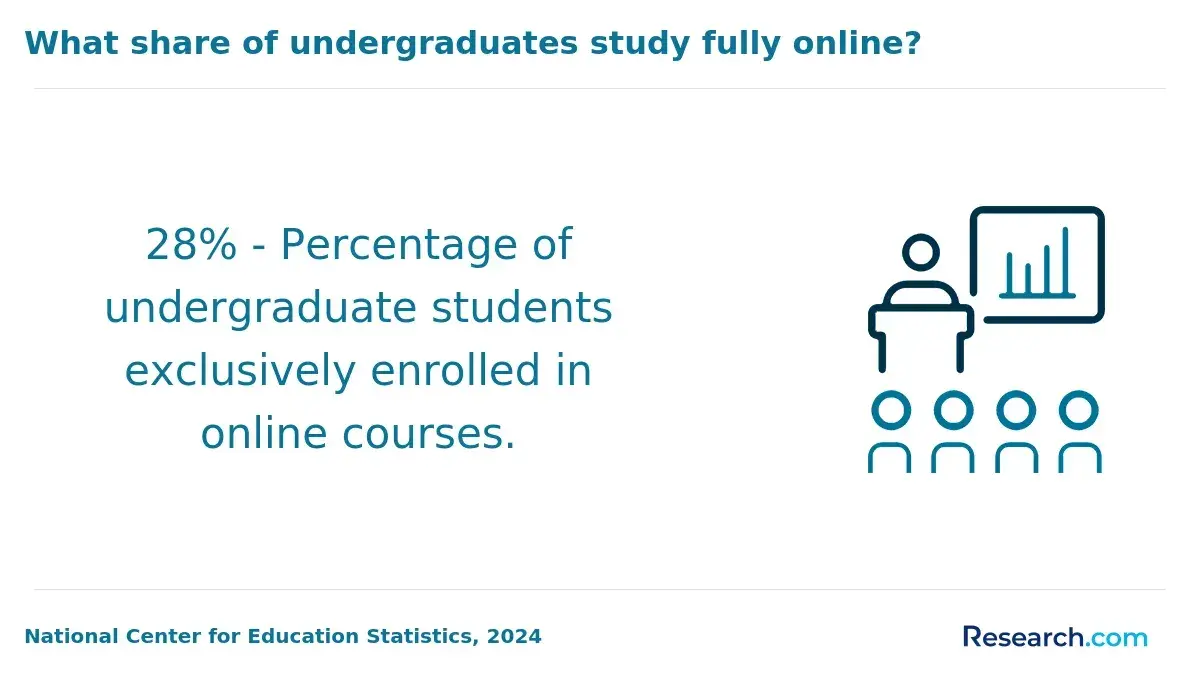
Yes, many students work full-time while studying online, but success depends on the program format and your weekly time management. Nearly 70% of students enrolled exclusively in online programs are employed full-time, so many schools design online coursework for adults who must balance classes with jobs, family responsibilities, and commuting schedules.
The most manageable programs usually offer asynchronous coursework, meaning you can watch lectures, participate in discussions, and complete assignments outside set class times. Some courses may still require live sessions, group meetings, exams, or project deadlines, so “online” does not always mean completely self-paced.
What to check before enrolling
- Course format: Ask whether classes are asynchronous, synchronous, hybrid, or self-paced.
- Weekly workload: Estimate how many hours each course requires, especially during terms with major projects.
- Term structure: Shorter accelerated terms may help you finish faster but can be harder with a full-time job.
- Group project expectations: Esports business courses often involve marketing plans, event proposals, sponsorship briefs, or team-based simulations.
- Student support: Look for academic advising, tutoring, library access, career coaching, and technical support available outside standard business hours.
A practical work-study approach
Full-time workers should start with a course load they can sustain rather than the maximum allowed. A slower pace may be better than withdrawing from courses, missing deadlines, or paying for credits you cannot complete. If your employer offers tuition assistance, flexible scheduling, or professional development support, ask early and document program costs clearly.
The flexibility that supports esports business students is also common in other online professional programs, including options such as a marriage and family therapy degree online. The key is not the field alone but whether the program structure fits the reality of your workweek.
What Skills Do I Need to Succeed in an Online Esports Business Program as a Career Changer?
Career changers need two skill sets to succeed in an online esports business bachelor’s program: the habits required for online learning and the business skills needed for esports work. Around 70% of adult students identify time management and self-drive as critical to success in online education, and that is especially true in a field where coursework may include fast-moving industry topics, digital collaboration, and applied business projects.
- Time management: You need a repeatable weekly study schedule. Waiting for free time rarely works for adult learners with full-time jobs or family obligations.
- Self-direction: Online programs require you to track deadlines, read instructions carefully, ask questions early, and keep progressing without frequent in-person reminders.
- Esports industry awareness: Students should understand the basic esports ecosystem, including teams, leagues, tournament organizers, publishers, sponsors, streaming platforms, creators, and fan communities.
- Business fundamentals: Marketing, finance, management, consumer behavior, analytics, budgeting, and operations are central to esports business roles.
- Digital communication: Clear writing and professional communication matter because online courses and esports organizations often rely on chat tools, video meetings, shared documents, and remote collaboration.
- Data literacy: You do not need to be a data scientist for most business roles, but you should be comfortable interpreting audience metrics, campaign performance, event results, and basic financial information.
- Critical thinking: Esports business decisions often involve uncertain markets, changing audiences, sponsorship risk, platform shifts, and tight event timelines.
- Adaptability: The industry changes quickly, so students must be willing to learn new platforms, revise assumptions, and stay current with competitive gaming trends.
Common skill gaps for career changers
Many career changers underestimate the cultural side of esports. Employers may expect candidates to understand fan behavior, game communities, streaming etiquette, influencer relationships, and the difference between traditional sports audiences and esports audiences. At the same time, some students overestimate the value of being a gamer. Personal gaming experience can help, but employers typically need evidence of business judgment, reliability, communication, and execution.
One professional studying esports business online described the adjustment this way: “The hardest part was organizing my time without the usual campus structures. I had to develop new habits to stay consistent.” He also noted that learning multiple digital tools was challenging at first, but those tools eventually helped him connect with classmates and instructors. His experience reflects a common pattern: online success depends less on talent alone and more on consistency, responsiveness, and willingness to learn independently.
How Do I Transition Into a New Career With an Online Esports Business Bachelor's Degree?
Changing careers with an online esports business bachelor’s degree works best when you treat the degree as one part of a broader transition plan. Nearly 60% of adults have experienced a significant career change, but successful switches usually require more than completing courses. You need to connect your prior experience, academic work, networking, and practical projects to the specific esports roles you want.
Build a transition plan before graduation
- Choose a target role early. Decide whether you are aiming for event operations, sponsorship, marketing, community management, analytics, sales, or another business area. A focused goal makes course projects and networking more useful.
- Map your transferable skills. Identify what you already bring from your current career, such as client communication, budgeting, project coordination, content planning, sales, customer service, or leadership.
- Select relevant coursework and projects. Use assignments to build work samples, such as sponsorship decks, tournament plans, marketing campaigns, fan engagement strategies, or market research reports.
- Use university resources. Career counseling, resume reviews, employer events, alumni networks, mentorship programs, and internship offices can help you translate your degree into job-search momentum.
- Gain hands-on experience. Volunteer for tournaments, support campus esports programs, help with local events, contribute to gaming communities, or pursue internships and part-time roles.
- Network with purpose. Follow esports organizations, attend virtual panels, join professional communities, and contact alumni or practitioners with specific questions rather than generic requests.
- Document outcomes. Track metrics from projects when possible, such as audience growth, event attendance, engagement, sponsorship targets, campaign performance, or operational improvements.
How to position your previous career
Do not present yourself as someone with “no relevant experience” if you have professional experience outside esports. Instead, explain how your background applies to esports business problems. A retail manager may understand customer experience and staffing. A teacher may understand training, communication, and youth programs. A sales representative may understand sponsor outreach and account management. The goal is to show that esports is the new industry, not that professionalism is new to you.
Students in other online career pathways, including those pursuing a degree in office administration, face a similar challenge: the credential is most powerful when paired with planning, relevant experience, and a clear explanation of transferable skills.
How Long Does It Take to Change Careers With an Online Esports Business Bachelor's Degree?
A traditional bachelor’s degree is commonly planned around about four years of study, but career changers should build a more personalized timeline. The average time to complete a bachelor’s degree in the U.S. is closer to 5.1 years for full-time, first-time students, and adult learners who study part-time may take longer depending on course load, transfer credits, work schedules, and life responsibilities.
Your career-change timeline has two parts: the time required to finish the degree and the time required to secure a relevant esports business role. These may overlap if you pursue internships, volunteer work, freelance projects, networking, or part-time industry roles while enrolled.
Factors that can shorten or extend the timeline
- Transfer credits: Prior college coursework can reduce the number of credits you need if the school accepts them.
- Enrollment intensity: Full-time study may move faster, while part-time study can be more sustainable for working adults.
- Accelerated formats: Some online programs offer shorter terms or heavier course loads, but the pace can be demanding.
- Credit for experience: Some institutions may evaluate professional experience, military training, certifications, or prior learning, depending on school policy.
- Course availability: Required courses that are offered only at certain times can affect graduation timing.
- Job-search preparation: Students who build portfolios and connections before graduation may be better positioned to transition sooner.
A realistic plan may include taking longer than the standard four-year model, especially if you need to keep working. One graduate described balancing coursework with a full-time job as manageable but demanding: “There were moments when balancing deadlines felt overwhelming, but the ability to take courses at my own pace made a big difference.” She added that knowing the process might take longer helped her stay committed rather than discouraged.
The practical takeaway is simple: choose a pace you can complete. Finishing steadily is usually better than overloading your schedule, burning out, and stopping out before earning the credential.
Can I Get a Job With No Experience After an Online Esports Business Bachelor's Degree?
It is possible to get an entry-level esports business job after earning an online bachelor’s degree, but having no direct esports experience can make the job search more difficult. About 62% of recent graduates in related business disciplines receive at least one job offer within six months, but individual outcomes depend on location, role type, networking, internships, portfolio quality, and how well applicants explain their transferable skills.
Employers hiring for early-career esports business roles often look for proof that a candidate can contribute quickly. A degree can show commitment and foundational knowledge, but practical evidence matters. That evidence may come from class projects, volunteer event work, student esports organizations, internships, freelance marketing work, community moderation, analytics projects, or sponsor research.
How to strengthen your application without prior esports employment
- Create a portfolio. Include business plans, sponsorship proposals, event budgets, marketing calendars, content strategies, or audience research completed during the program.
- Volunteer strategically. Support local tournaments, school esports clubs, online leagues, or community events to gain credible experience.
- Translate prior work experience. Customer service, sales, operations, project management, content creation, and team leadership can all apply to esports business roles.
- Target realistic first roles. Coordinator, assistant, intern, associate, community, operations, and support roles may be more attainable than management positions immediately after graduation.
- Show industry fluency. Be prepared to discuss esports audiences, monetization, sponsorships, platforms, event formats, and current business challenges.
The degree is not a substitute for experience, but it can help you organize your learning, access career resources, and build work samples. The strongest candidates use the program as a platform for experience rather than waiting until graduation to start proving themselves.
What Certifications Help Career Changers in Esports Business Fields?
Certifications can help career changers add practical, recognizable skills to an online esports business bachelor’s degree. They are most useful when they support a specific target role, such as digital marketing, sponsorship, project management, analytics, or event operations. Recent studies show that over 50% of employees will need reskilling by 2025, which makes continuing education especially relevant in a fast-changing field such as esports business.
Certifications should not be collected randomly. Choose credentials that fill a skill gap, strengthen your resume for a defined job title, or help you complete stronger portfolio projects.
- Certified Esports Management Professional: This type of credential can support knowledge in esports operations, event management, sponsorship, and organizational planning.
- Digital marketing certifications: Credentials from platforms such as Google Ads and HubSpot can be useful for roles involving audience growth, paid media, content strategy, email marketing, and brand campaigns.
- Project Management Professional: PMP certification may be valuable for professionals managing complex esports projects, tournaments, product launches, or cross-functional initiatives.
- Certified Sponsorship Professional: Sponsorship is central to many esports business models, so a credential focused on sponsorship sales and activation can complement coursework in partnerships and revenue generation.
How to choose the right certification
- Match it to a role. Marketing applicants should prioritize marketing tools; operations applicants may benefit more from project management training.
- Check employer recognition. Review job postings to see which certifications or tools appear repeatedly.
- Consider cost and time. A certification should improve your readiness without delaying degree progress unnecessarily.
- Apply the skill immediately. Use the certification to produce a portfolio item, such as a campaign plan, sponsorship proposal, or project schedule.
The best combination is a bachelor’s degree that provides broad business and esports context, plus targeted certifications that prove you can use specific tools and methods employers recognize.
What Jobs Can I Get After an Online Esports Business Bachelor's Degree?
An online esports business bachelor’s degree can prepare career changers for entry-level and early-career roles in esports organizations, gaming companies, agencies, event firms, collegiate esports programs, media companies, and brands that sponsor gaming audiences. Approximately 40% of bachelor’s degree recipients aged 25 and older report changing careers after graduation, so the degree can support a mid-career pivot when paired with relevant experience and a focused job search.
The most realistic roles usually combine general business ability with esports-specific knowledge. Job titles vary by employer, and smaller organizations may combine several responsibilities into one position.
- Event Coordinator: Supports tournament planning, schedules, vendors, registration, staffing, logistics, and attendee experience. Coursework in event management and operations can be especially relevant.
- Marketing Assistant: Helps execute campaigns, manage content calendars, analyze engagement, support brand activations, and promote teams, events, or gaming products.
- Sponsorship Coordinator: Assists with sponsor research, proposal development, fulfillment tracking, partner communication, and activation reports.
- Operations Analyst: Uses data, reporting, and process analysis to support business decisions for esports teams, events, platforms, or programs.
- Community Manager: Builds and moderates fan communities, manages online engagement, supports social platforms, and helps maintain brand voice across digital spaces.
Related roles to consider
- Partnerships assistant: Supports business development and brand relationships.
- Content operations coordinator: Helps coordinate publishing schedules, creator assets, and campaign workflows.
- Collegiate esports program assistant: Supports campus esports operations, student engagement, events, and administration.
- Social media coordinator: Manages posts, monitors engagement, and supports campaigns tied to esports audiences.
For career changers, the best first job may not have “esports” in the title. Roles in gaming media, live events, digital marketing, sports partnerships, streaming operations, or community engagement can also help build relevant experience. Students considering additional education in a different field may compare options such as an online masters in psychology, but for esports business roles, targeted experience and industry networking are usually more directly relevant than unrelated graduate study.
What Is the Job Outlook for Esports Business Careers for Career Changers?
The job outlook for esports business careers is tied to the growth of competitive gaming, streaming, sponsorship, live events, digital media, and brand investment in gaming audiences. The esports market is projected to expand at a compound annual growth rate (CAGR) of approximately 15% through the mid-2020s, which suggests continued demand for business professionals who understand the industry.
That positive outlook does not mean every role is easy to secure. Esports remains competitive, and hiring may fluctuate with sponsorship budgets, media rights, event revenue, investor confidence, and broader economic conditions. Career changers should evaluate the market carefully and avoid assuming that industry growth automatically translates into immediate job security.
Factors that shape the outlook
- Audience growth: Larger and more engaged audiences can increase demand for marketing, content, partnerships, events, and community roles.
- Sponsorship and advertising: Many esports organizations depend on brand partnerships, so business development and activation skills can be valuable.
- Streaming and media platforms: Changes in platform strategy can create new roles but also shift employer needs quickly.
- Technology trends: Enhanced streaming, analytics, and virtual reality solutions may create new ways to engage audiences and generate revenue.
- Economic cycles: Funding and sponsorship changes can affect hiring stability, especially at smaller organizations.
Online esports business programs can help students understand these dynamics through coursework in strategy, marketing, finance, event planning, and digital business models. However, students should still build adaptable skills that can transfer beyond esports, such as project management, analytics, communication, and sales.
Career changers comparing adjacent technology-driven fields may also want to understand broader digital labor trends, including topics covered in resources about an AI degree. Esports business is not isolated from wider technology and media shifts, so flexible skill development is important.
What Are the Salary Expectations After Switching to a Esports Business Career?
After completing an online esports business bachelor’s degree, career changers entering the esports industry can generally expect entry-level salaries between $45,000 and $65,000 annually, with median earnings often near $55,000. These figures are a practical starting point, not a guarantee. Actual pay depends on role, employer size, location, prior experience, portfolio strength, and the revenue model of the organization.
Compensation may be higher in larger metropolitan esports hubs or with employers that have stronger sponsorship, media, event, or technology revenue. It may be lower at small startups, community organizations, early-stage teams, or roles that rely heavily on internships and contract work. Career changers with prior experience in sales, marketing, operations, finance, events, or analytics may be able to negotiate more effectively if they can show direct relevance to the role.
What can influence starting pay
- Job function: Sponsorship, sales, analytics, and operations roles may pay differently from community or entry-level event support roles.
- Location: Larger markets with more esports employers may offer higher pay but can also have higher living costs.
- Experience: Prior professional experience can matter even if it was outside esports.
- Portfolio quality: Work samples that show measurable outcomes can strengthen your application.
- Education and credentials: A bachelor’s degree, relevant certifications, and specialized training can support your case, especially when aligned with the role.
When evaluating salary, also consider benefits, remote-work options, advancement potential, travel requirements, contract status, and whether the role provides experience that moves you closer to your long-term target position.
What Graduates Say About Online Esports Business Bachelor's Degrees for Career Changers
- Vance: "Choosing an online esports business bachelor's degree was a strategic move for me to break into a thriving industry without having to pause my current job. The flexibility of the program allowed me to balance work and study, while the affordable tuition made this career shift financially feasible. Today, I feel empowered with the knowledge to navigate esports management professionally, and that has opened doors I never imagined."
- Effie: "Reflecting on my journey, pursuing an online esports business bachelor's degree was not just about changing careers but investing in a future I'm passionate about. The cost was reasonable compared to traditional degrees, and the curriculum's relevance made every lesson worthwhile. This degree program truly transformed my perspective on the esports industry and equipped me with the skills to drive real impact in my new role."
- Gomez: "From a professional standpoint, the decision to enroll in an online esports business bachelor's program was deliberate and well considered. I appreciated how the course structure addressed industry trends, which made applying concepts straightforward and practical. The financial commitment was manageable, and the career advancement opportunities that followed reaffirmed the value of choosing this educational path."
Other Things You Should Know About Esports Business Degrees
Online esports business students typically need a reliable computer, high-speed internet, and gaming peripherals to participate in courses. Some programs might also require specific software for data analysis and virtual collaboration to enhance learning and skill development.
Most online esports business degrees incorporate practical components such as internships, project-based courses, or collaboration with esports organizations. These opportunities help students develop industry-specific skills and build professional networks despite studying remotely.
Yes, many accredited online esports business programs qualify for federal financial aid, scholarships, and employer tuition reimbursement programs. It is advisable to contact the school's financial aid office to explore specific options and eligibility requirements.
References
- eSports Degrees Taken Seriously | Immersive-FX https://immersive-fx.com/articles/esports-degrees-taken-seriously/
- Top Careers in Esports: Explore Your Future in Gaming https://www.marshmallowchallenge.com/blog/top-careers-in-esports-explore-your-future-in-gaming/
- Gaming & Esports Jobs https://hitmarker.net/jobs
- Job transformation and opportunities in eSports | Gamers https://vocal.media/gamers/job-transformation-and-opportunities-in-e-sports
- Esports degrees pros and cons: Are they worth the money? https://esportsinsider.com/2024/02/esports-degrees-pros-and-cons
- Game Business & Esports Undergraduate Certificate https://www.fullsail.edu/degrees/game-business-esports-certificate
- Explore Career Pathways in Esports https://britishesports.org/esports-and-education/career-pathways/
- Gaming and Esports Careers with Full Sail Degrees - The Hub https://hub.fullsail.edu/articles/gaming-and-esports-careers-with-full-sail-degrees
- The Business of Esports Specialization https://algomau.ca/academics/faculty-of-business-economics/the-business-of-esports-specialization/
- Gaining life skills through esports qualifications https://www.businessandindustry.co.uk/education-technology/gaining-life-skills-through-esports-qualifications/