2027 Online Counselor Education Doctorate Programs with Specializations: Concentrations, Tracks, and Career Paths

Co-Founder and Chief Data Scientist
Choosing an online counselor education doctorate is really a choice about identity: future professor, supervisor, researcher, clinic leader, school counseling expert, or behavioral health administrator. The decision matters because the U.S. Bureau of Labor Statistics reported a May 2024 median wage of $65,140 for school and career counselors and advisors, while many doctorate-aligned leadership and faculty roles use different salary structures.
This guide helps licensed counselors, educators, supervisors, and career changers compare specializations, understand how tracks affect coursework and dissertation focus, and choose a path that fits long-term goals.
Key Things You Should Know
- A specialization is usually a formal focus area, a concentration is often a defined cluster of electives, and a track may describe a research, leadership, or practice pathway within the doctorate.
- Many require about 48 to 72 post-master's credits, with coursework in advanced counseling theory, supervision, pedagogy, research methods, leadership, ethics, and dissertation preparation.
- BLS May 2024 data show higher median pay in roles such as medical and health services management and training and development management than in many direct counseling roles, but those jobs often require administrative experience beyond the doctorate.
What Are the Best Specializations and Concentrations for an Online Counselor Education Doctorate?
The best specialization is the one that matches your intended work setting, research agenda, and professional credentials. In online counselor education doctorate programs, the core degree is often Counselor Education and Supervision, while the specialization or concentration shapes your electives, practicum or supervision experiences, dissertation topic, and post-degree positioning.
Use the comparison below to understand what each common option is designed to do and when it may or may not be the right fit.
| Specialization, Concentration, or Track | Best Fit | Common Coursework or Research Focus | Career Paths It May Support | When to Consider Another Option |
| Counselor Education and Supervision | Licensed counselors who want to teach, supervise, publish, or lead counselor training programs | Supervision models, counselor pedagogy, advanced ethics, program evaluation, multicultural counseling, doctoral research | Core faculty member, clinical supervisor, program director, counselor educator, researcher | If your primary goal is business operations or executive health administration |
| Clinical Mental Health Counseling | Counselors who want deeper expertise in clinical systems, evidence-informed practice, or advanced supervision | Psychopathology, integrated care, assessment, crisis intervention, treatment outcomes, clinical supervision | Clinical director, supervisor, faculty member, consultant, advanced practitioner | If you want a school counseling, higher education, or policy-focused career |
| School Counseling | Professionals focused on K-12 counseling systems, student support, and school counselor preparation | School counseling leadership, student services, college and career readiness, data-informed interventions | School counseling faculty, district counseling coordinator, student services leader, supervisor | If you do not plan to work with schools, school systems, or school counselor preparation |
| Addiction Counseling | Counselors working in substance use treatment, recovery systems, co-occurring disorders, or prevention | Addiction theory, relapse prevention, trauma and substance use, program evaluation, behavioral health policy | Addiction counseling faculty, treatment program leader, clinical supervisor, consultant | If your state or employer requires a separate addiction credential you do not plan to pursue |
| Marriage, Couple, and Family Counseling | Counselors who want to focus on relational systems, family dynamics, and systemic supervision | Family systems theory, relational assessment, couple counseling, intergenerational trauma, supervision | Faculty member, family counseling supervisor, clinical consultant, program leader | If you need a marriage and family therapy license rather than counseling-based credentials |
| Trauma, Crisis, or Grief Counseling | Clinicians serving trauma-exposed populations, crisis teams, or community mental health systems | Trauma-informed supervision, crisis response, grief theory, resilience, secondary traumatic stress | Trauma program consultant, crisis services supervisor, faculty member, clinical trainer | If you need a broad academic research identity rather than a focused applied specialty |
| Leadership, Advocacy, and Program Evaluation | Counselors aiming for administrative, policy, nonprofit, or systems-level roles | Leadership theory, grant writing, evaluation, accreditation, advocacy, organizational change | Department chair, nonprofit executive, behavioral health administrator, accreditation coordinator | If your main goal is tenure-track research or direct clinical specialization |
| Research, Assessment, and Quantitative Methods | Students who want academic, publishing, assessment, or data-heavy roles | Quantitative methods, qualitative methods, psychometrics, statistics, research design, measurement | Research faculty, assessment specialist, institutional researcher, evaluation consultant | If you prefer an applied doctorate with less intensive methodology training |
A broad Counselor Education and Supervision doctorate is often the safest choice if you want academic flexibility. A narrow concentration is more useful when you already know the population, setting, or leadership niche you want to serve.
One common mistake is assuming a specialization automatically changes licensure status. Doctoral concentrations can deepen expertise, but counseling licensure, school counseling certification, supervision credentials, and addiction credentials still depend on state rules, supervised hours, exams, and employer requirements.
How Do I Choose the Right Track in My Counselor Education Doctoral Degree?
Start with the career you want, then work backward to the curriculum, faculty expertise, residency requirements, and dissertation model. A strong track should make your coursework and research easier to connect, not force you to retrofit unrelated classes into a career story.
Follow this sequence when comparing online counselor education doctoral tracks. It keeps the decision practical and helps you avoid choosing a concentration only because it sounds marketable.
- Name your target role: decide whether you are aiming for faculty work, clinical supervision, school counseling leadership, behavioral health administration, research, consulting, or policy.
- Check the curriculum map: compare required doctoral seminars, electives, practicum or internship expectations, research methods, and dissertation milestones.
- Match faculty expertise: review whether faculty publish, supervise dissertations, or lead grants in your intended area, because online students still need close research mentorship.
- Confirm accreditation and licensure relevance: look for CACREP alignment when counselor education faculty roles are a goal, and check state rules for school, clinical, or specialty credentials.
- Evaluate delivery format: ask whether intensive residencies, synchronous seminars, supervision labs, or dissertation defenses require travel or fixed attendance times.
- Estimate opportunity cost: compare tuition, employer reimbursement, workload, dissertation timeline, and whether the specialization helps you advance without leaving full-time work.
The trade-off is usually breadth versus precision. A leadership track can make sense for a counseling director who wants promotion into administration, while a research track is stronger for someone planning to compete for faculty roles or publish in counselor education journals.
If your long-term interest is teaching adults, building online learning experiences, or supporting counselor training outside a traditional faculty role, it may also be worth comparing adjacent education pathways such as the best online instructional design master's programs. That route will not replace a counselor education doctorate, but it can clarify whether your real goal is counseling scholarship or learning design.
What Career Paths Can I Pursue With a Doctorate in Counselor Education?
A doctorate in counselor education can support academic, clinical leadership, supervision, research, and systems-level roles. The degree is most directly aligned with preparing counselors, supervising clinicians, conducting counseling research, and leading counseling-related programs.
The table below connects common career directions with the specialization choices that usually make the most sense. Salary data should be read as occupational context, not a prediction of what any graduate will earn.
| Career Path | What the Role Often Involves | Useful Doctoral Focus | Salary or Labor Market Context |
| Counselor educator or faculty member | Teaching master's counseling students, advising, supervising, publishing, serving on accreditation or curriculum committees | Counselor Education and Supervision, Research Methods, Teaching and Supervision | BLS May 2024 data place postsecondary teacher pay in a broad range by field, institution type, and appointment status, so research productivity and faculty fit matter heavily. |
| Clinical supervisor or clinical director | Overseeing counselors, reviewing cases, managing ethical risk, improving care quality, supporting licensure supervision | Clinical Mental Health Counseling, Supervision, Trauma, Addiction | These roles may combine counseling expertise with management duties, so salary often depends on setting, funding model, and supervisory scope. |
| School counseling leader | Coordinating school counseling programs, supporting counselors, using student data, aligning services with district goals | School Counseling, Leadership, Program Evaluation | BLS reported a May 2024 median wage of $65,140 for school and career counselors and advisors, but district-level leadership may use different pay schedules. |
| Behavioral health administrator | Managing programs, budgets, compliance, staff, quality improvement, partnerships, and service delivery | Leadership, Advocacy, Program Evaluation, Clinical Mental Health | Administrative experience is usually as important as the doctorate for senior leadership roles. |
| Researcher or evaluation consultant | Designing studies, analyzing outcomes, evaluating counseling programs, writing reports, supporting grants | Research, Assessment, Quantitative or Qualitative Methods | This path is strongest for students who want a dissertation that can become publications, grants, or evaluation contracts. |
| Private practice owner or consultant | Providing advanced clinical services, training other counselors, consulting with agencies, building specialty programs | Clinical Mental Health, Trauma, Addiction, Couple and Family Counseling, Leadership | Income varies widely because it depends on licensure, payer mix, location, referrals, business model, and caseload. |
For many students, the practical question is whether they want to advance inside counseling or move into broader education and administration. Counselor education doctorates are strongest when your work remains connected to counselor preparation, supervision, or counseling systems.
Which Counselor Education Doctoral Concentrations Lead to the Highest-Paying Jobs?
The highest-paying roles connected to counselor education doctorates tend to be administrative, executive, consulting, or specialized faculty roles rather than standard counseling positions.
A concentration can help you compete for those roles, but experience, licensure, institutional type, geography, publications, and management scope usually matter more than the concentration name alone.
The following salary context uses U.S. occupational data where counselor education graduates may plausibly work, depending on experience and credentials. Treat these figures as market signals, not guaranteed outcomes.
| Concentration That May Help | Potential Higher-Paying Direction | Why It May Pay More | Relevant U.S. Salary Context |
| Leadership, Administration, or Program Evaluation | Behavioral health administrator, clinic executive, nonprofit program director | These roles combine counseling knowledge with staffing, compliance, budgets, and strategy | BLS May 2024 data reported a $117,960 median annual wage for medical and health services managers. |
| Teaching, Supervision, and Research | Tenure-track faculty, doctoral faculty, department chair | Faculty advancement may depend on publication record, accreditation experience, advising, and leadership | Postsecondary compensation varies substantially by discipline, rank, contract length, and institution type. |
| Clinical Mental Health, Trauma, or Addiction | Clinical director, specialty program consultant, integrated care supervisor | Specialty expertise can support higher-responsibility supervision or program development roles | Pay depends heavily on employer type, funding source, and whether the role includes management duties. |
| Research, Assessment, and Evaluation | Program evaluator, assessment director, grant-funded researcher | Quantitative and evaluation skills can transfer into institutional, nonprofit, and public-sector decision-making | Compensation is often tied to grant funding, technical skill, and project scope rather than licensure alone. |
| Training, Pedagogy, and Online Counselor Education | Training director, learning leader, continuing education provider | Organizations pay for scalable training, compliance education, and workforce development | BLS May 2024 data reported a $127,090 median annual wage for training and development managers. |
If compensation is a major priority, compare concentrations by the roles they can realistically support in your region. Leadership and program evaluation may offer broader management mobility, while research and faculty tracks may provide long-term academic credibility but require a competitive publication and teaching profile.
A red flag is choosing the concentration with the highest salary association while ignoring the job's actual requirements. For example, a leadership concentration may help, but many senior roles still require years of budget, compliance, staff management, and quality-improvement experience.
Are Online Counselor Education Doctorate Degrees Respected by Employers and Academic Institutions?
Online counselor education doctorates can be respected when they come from accredited institutions, use rigorous faculty-led research expectations, include meaningful supervision training, and are transparent about residencies, dissertation standards, and student outcomes.
Employers and universities usually care less about the word "online" and more about accreditation, institutional reputation, faculty quality, scholarly preparation, and whether the program fits the role.
For counselor education faculty roles, CACREP accreditation is especially important because many counseling programs prefer or require faculty who graduated from CACREP-accredited doctoral programs in Counselor Education and Supervision. This is not universal, but it is common enough that applicants interested in academia should treat accreditation as a major decision factor.
Before enrolling, verify the signals that employers and academic search committees are likely to notice. These are more useful than relying on marketing claims alone:
- Institutional accreditation: confirm that the university is accredited by a recognized institutional accreditor.
- Programmatic accreditation: check whether the doctoral counseling program is CACREP-accredited or clearly explains its accreditation status.
- Faculty scholarship: look for faculty publications, grants, editorial work, professional leadership, and dissertation supervision in your area.
- Residency and supervision quality: ask how the program teaches doctoral supervision, observes skills, and builds community among online students.
- Graduate placement transparency: request information on faculty placements, leadership roles, licensure-supervision outcomes, and dissertation completion support.
Online delivery has become more normal across graduate education, but respect still depends on rigor. A program with weak research mentorship, unclear accreditation, or limited faculty engagement may create problems whether it is online or campus-based.
How Do Online Counselor Education Doctoral Programs Handle Research and Dissertation Requirements?
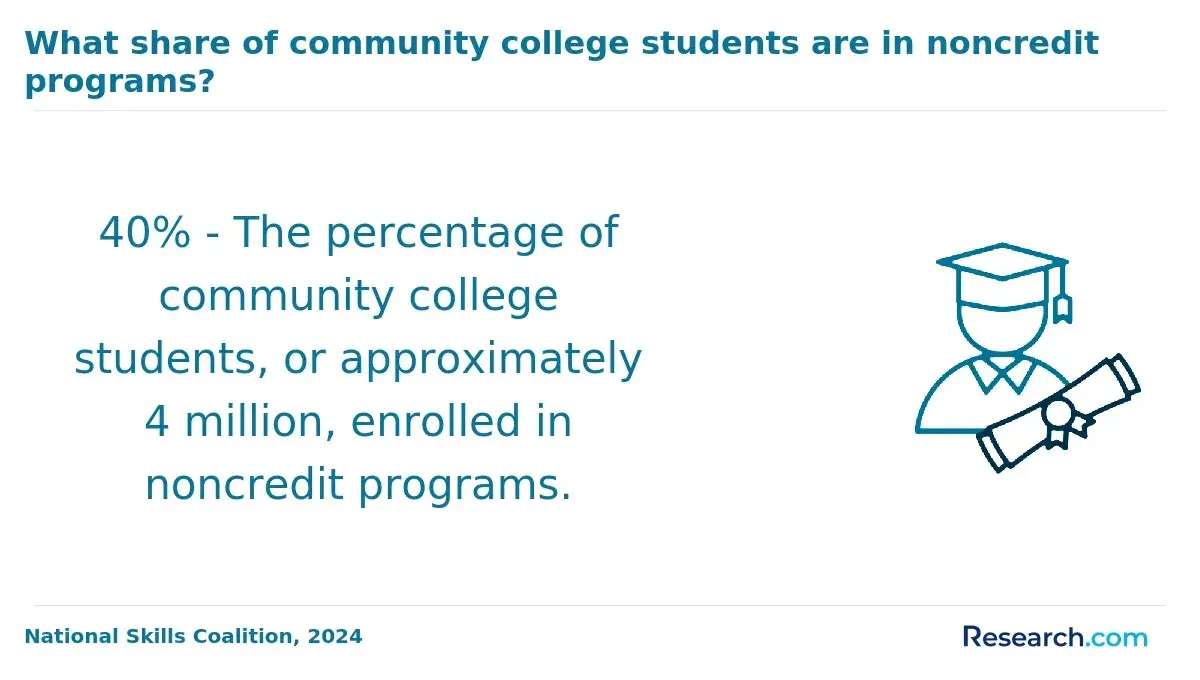
Online counselor education doctoral programs usually handle research through sequenced methods courses, virtual research seminars, faculty mentoring, proposal development, dissertation writing, and an oral defense that may be conducted online or during a required residency. Students should expect the dissertation to be a central part of the degree, not a final paperwork step.
Many programs align doctoral preparation with advanced counselor education standards. CACREP's doctoral framework emphasizes areas such as counseling, supervision, teaching, research and scholarship, leadership and advocacy, which is why even clinically oriented students typically take substantial research and pedagogy coursework.
Dissertation expectations vary by track, so compare the research model before choosing a concentration. The examples below show how specialization choice can change your likely dissertation direction.
| Track or Concentration | Possible Dissertation Direction | Research Design Often Seen | Practical Outcome |
| Counselor Education and Supervision | Doctoral supervision practices, counselor development, gatekeeping, professional identity | Qualitative interviews, mixed methods, survey research | Academic publications, supervision training models, faculty job materials |
| School Counseling | College readiness, school counselor role clarity, student mental health interventions | Program evaluation, secondary data analysis, case study | District improvement plans, school counselor training, leadership evidence |
| Trauma or Crisis Counseling | Trauma-informed supervision, crisis response training, counselor burnout | Qualitative, intervention evaluation, phenomenology | Clinical training resources, agency protocols, conference presentations |
| Addiction Counseling | Recovery support, co-occurring disorders, counselor attitudes, treatment retention | Survey research, program evaluation, mixed methods | Treatment program improvement, specialty teaching profile |
| Leadership or Program Evaluation | Program outcomes, accreditation processes, workforce development, service access | Evaluation study, policy analysis, organizational case study | Administrative evidence, consulting portfolio, leadership advancement |
| Research and Assessment | Measurement tools, counseling outcomes, counselor competency assessment | Quantitative analysis, psychometrics, validation study | Research publications, assessment roles, stronger doctoral faculty profile |
A common mistake is enrolling in a concentration without confirming that a faculty member can chair your dissertation in that area. Ask whether the program has enough faculty depth if your topic involves trauma, addiction, school counseling, multicultural counseling, quantitative analysis, or another specialized method.
Can I Work Full-Time While Pursuing an Online Counselor Education Doctorate?
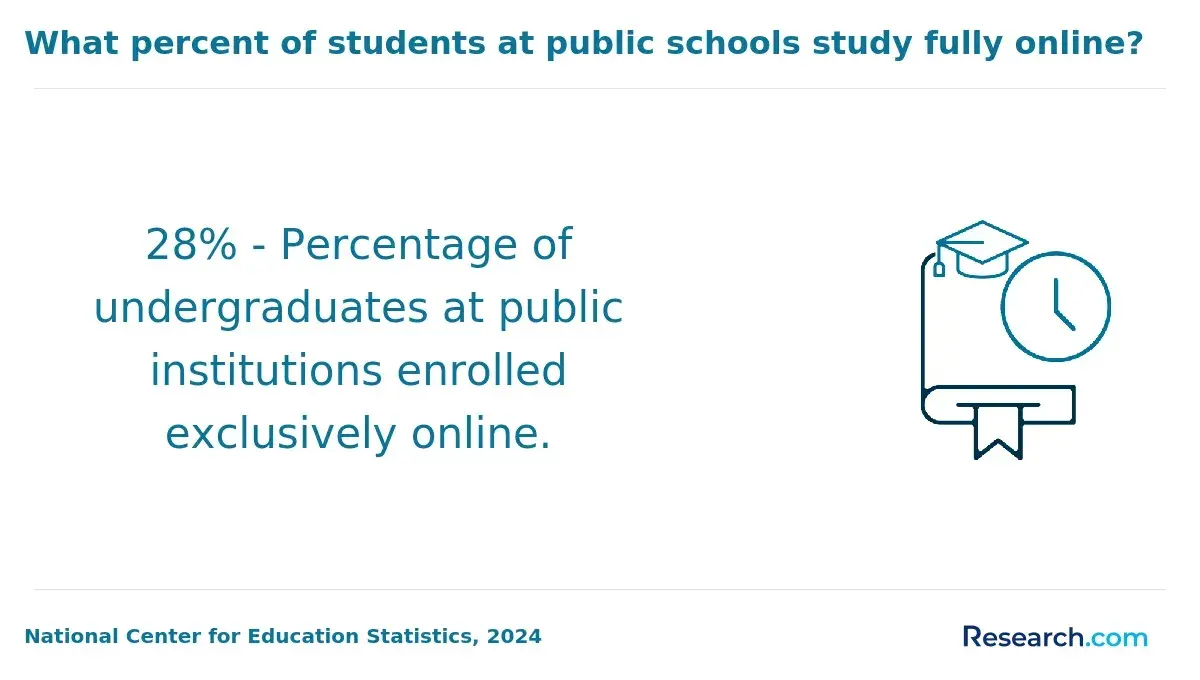
Many students work full-time while pursuing an online counselor education doctorate, but it is easier when the program is intentionally built for working professionals. The challenge is not only weekly coursework; it is the cumulative load of doctoral reading, synchronous seminars, practicum or supervision activities, residencies, comprehensive exams, dissertation research, and writing.
Program timelines vary, but many online counselor education doctorates require about three to five years, and dissertation delays can extend that timeline. The flexibility of online learning helps, but doctoral work still requires predictable weekly time and employer support during heavier terms.
Use these questions to test whether full-time work is realistic with a specific track. They focus on scheduling pressure points that are easy to underestimate before enrollment:
- Are classes asynchronous, synchronous, or blended? fixed evening seminars may work for some professionals but create problems for shift workers or school-based counselors with evening family responsibilities.
- How many residencies are required? ask about travel length, frequency, cost, and whether residencies include supervision skill demonstrations or dissertation milestones.
- Can practicum or internship hours be completed at your current workplace? some programs allow this with approval, while others require separate supervision or teaching experiences.
- When do comprehensive exams occur? exam preparation can temporarily reduce your ability to take extra clients, teach overload courses, or manage administrative projects.
- What is the dissertation support model? programs with writing groups, milestone deadlines, and active chair availability are often easier to manage while employed.
The best fit for full-time professionals is usually a program with part-time pacing, clear milestone maps, evening or asynchronous delivery, transparent residency costs, and faculty who regularly mentor working doctoral students. Avoid programs that advertise flexibility but cannot explain how online students complete supervision, teaching, and research requirements.
What Are the Admission Requirements for a Counselor Education Doctoral Program Online?
Admission requirements vary by university, but online counselor education doctoral programs usually expect applicants to have a counseling-related master's degree, professional counseling preparation, strong academic writing, and a clear reason for doctoral study. Some programs require licensure or license eligibility; others admit school counselors, rehabilitation counselors, or closely related professionals if prerequisites are met.
Most applicants should be ready to submit a focused package that shows academic readiness, professional maturity, and a match with faculty expertise. The list below covers common requirements and why they matter:
- Accredited master's degree: many programs prefer a master's in counseling or a closely related field, and some specifically prefer CACREP-accredited preparation.
- Graduate GPA threshold: schools often set a minimum GPA, but competitive applicants also show strong writing, research fit, and professional purpose.
- Professional license or eligibility: LPC, LMHC, school counseling certification, or related credentials may be required or strongly preferred depending on the program.
- Resume or curriculum vitae: highlight counseling practice, supervision, teaching, presentations, publications, leadership, advocacy, and specialty training.
- Statement of purpose: explain the track you want, the research questions you may pursue, and why the faculty and curriculum are a match.
- Letters of recommendation: choose recommenders who can speak to counseling competence, scholarship, ethics, leadership, and readiness for doctoral work.
- Interview: expect questions about research interests, multicultural awareness, professional identity, time management, and career goals.
If your background is in psychology, social work, education, or human services rather than counseling, ask admissions staff whether bridge coursework is required.
Applicants still exploring entry-level counseling routes can use guides to the easiest counseling degree programs to understand how foundational counseling preparation differs from doctoral counselor education.
A major red flag is applying to a doctoral concentration before confirming prerequisite fit. A trauma or leadership track may sound appealing, but the program may still require counseling licensure, graduate counseling coursework, or documented clinical experience.
How Much Does an Online Counselor Education Doctoral Degree Cost and How Can I Fund It?
The cost of an online counselor education doctorate depends on credit requirements, tuition model, university type, residency travel, dissertation continuation fees, books, technology fees, and how long the dissertation takes. Instead of comparing tuition by headline price only, calculate the full cost of attendance for the exact track you are considering.
For federal financing, graduate and professional students may borrow up to $20,500 per academic year through the Direct Unsubsidized Loan program under current Federal Student Aid rules, while Graduate PLUS Loans may cover remaining approved cost of attendance for eligible borrowers. This matters because doctoral programs often span multiple academic years, so loan planning should account for both annual limits and total debt.
Use this cost checklist when comparing programs. It separates obvious tuition charges from the costs that often surprise online doctoral students:
- Direct tuition: multiply total required credits by the published per-credit rate for your residency status or online program category.
- Mandatory fees: include technology, online learning, student services, graduation, dissertation, and clinical documentation fees.
- Residency expenses: estimate travel, lodging, meals, parking, missed work, and childcare for required campus intensives.
- Dissertation costs: budget for transcription, statistical software, participant recruitment, editing, survey tools, or extended enrollment if your timeline changes.
- Credentialing costs: include licensure-supervisor training, professional memberships, conference travel, liability insurance, and continuing education if relevant to your track.
- Opportunity cost: consider reduced caseload, fewer adjunct courses, or lower work availability during exams, residencies, and dissertation writing.
Funding can come from employer tuition assistance, university scholarships, assistantships, federal loans, professional association awards, military or veteran benefits, public service loan forgiveness eligibility, and dissertation grants.
Students who are comparing affordability across counseling doctorates can also review options for the cheapest online PhD in counseling, but low tuition should be weighed against accreditation, faculty fit, and completion support.
The biggest financial mistake is choosing the lowest posted tuition without checking whether the specialization adds residencies, extra practicum requirements, or dissertation delays. A slightly higher-tuition program with strong faculty mentoring and a clear completion structure may be more practical than a cheaper program with weak dissertation support.
What Is the Difference Between a Counselor Education Ph.D. and a Professional Counselor Education Doctorate?
A Counselor Education Ph.D. is usually the better fit for students who want research-intensive academic careers, faculty roles, publications, grant work, or a strong scholarly identity in counselor education.
A professional doctorate, often an Ed.D. or similarly practice-oriented doctorate, is usually designed for experienced practitioners who want leadership, supervision, applied research, or systems-level change.
The distinction is not always absolute because universities design doctorates differently. Some Ed.D. programs include rigorous dissertations, and some Ph.D. programs include applied leadership training, so you should compare the actual curriculum rather than relying only on the degree abbreviation.
The table below summarizes how the two models commonly differ and how specialization choice may affect the outcome.
| Comparison Point | Counselor Education Ph.D. | Professional Counselor Education Doctorate |
| Primary Purpose | Builds scholars, researchers, faculty members, and counselor education leaders | Builds advanced practitioners, supervisors, administrators, and applied leaders |
| Best-Fit Student | Someone aiming for tenure-track faculty work, doctoral teaching, research, or publishing | Someone aiming for leadership, program improvement, clinical supervision, or organizational change |
| Research Emphasis | Usually heavier emphasis on theory, methodology, scholarship, and dissertation publication potential | Often emphasizes applied inquiry, program evaluation, improvement science, or practice-based research |
| Specialization Impact | Research track, supervision track, or counselor education focus can shape faculty competitiveness | Leadership, clinical, school counseling, or program evaluation tracks can support applied advancement |
| Common Career Outcomes | Faculty member, researcher, doctoral advisor, academic program leader | Clinical director, district leader, supervisor, agency administrator, consultant |
| Decision Risk | May be more research-heavy than needed for someone who does not want academic work | May be less competitive for research-intensive faculty searches if it lacks strong scholarly training |
If you are comparing broader education doctorates for leadership roles, guides to the cheapest online EdD programs can help you understand affordability outside counseling-specific doctoral pathways. However, if your target is counselor education faculty work, make sure the degree is clearly aligned with counselor education and supervision expectations.
A useful rule is this: choose the Ph.D. when scholarship, faculty hiring, and research identity are central; choose a professional doctorate when applied leadership, supervision, and organizational improvement are the priority. When in doubt, compare graduate placements, dissertation titles, and faculty mentoring capacity rather than the degree label alone.
Other Things You Should Know About Counselor Education Programs
Sometimes, but it depends on the program. Changing tracks may require different electives, a new advisor, revised practicum plans, or a different dissertation chair. Ask whether credits transfer internally before assuming you can switch without extending your timeline.
Not always. Some universities list concentrations on transcripts, while others treat tracks as advising pathways or elective clusters. If the distinction matters for employment, licensure supervision, or promotion, ask the registrar and program director how the specialization is documented.
A niche concentration is useful when it matches a clear career goal, such as addiction program leadership or school counseling faculty work. A general counselor education doctorate may be better if you want flexibility across teaching, supervision, research, and administration.
Many online programs include some applied requirements, such as supervision practice, teaching experiences, internships, or campus residencies. The amount varies by school and track, so confirm whether these experiences can be completed locally, online, or through your current workplace.
References
- 25 Best Online EdD Programs of 2025 https://www.eddprograms.org/schools/best-online-doctor-of-education-programs/
- The Pipeline Problem in Doctoral Counselor Education and Supervision - The Professional Counselor https://tpcjournal.nbcc.org/the-pipeline-problem-in-doctoral-counselor-education-and-supervision/
- Ph.D. in Counselor Education https://catalog.shsu.edu/graduate-and-professional/college-departments/education/counselor-education/counselor-education-phd/
- CACREP-Accredited Online Counseling Programs https://onlinecounselingprograms.com/online-counseling-degrees/cacrep-accredited/
- Ph.D. Counselor Education and Supervision | Mercer https://professionaladvancement.mercer.edu/academic-programs/graduate-and-professional/counseling-programs/counselor-education-and-supervision/
- Ph.D. in Counselor Education and Supervision https://www.ucumberlands.edu/academics/graduate/phd-counselor-education-and-supervision
- Importance of CACREP Accreditation for Online Counseling Programs https://www.onlineeducation.com/counseling/faqs/importance-of-cacrep-accreditation
- What You Can Do with a PhD in Counselor Education & Supervision | Palo Alto University https://paloaltou.edu/resources/blog/what-you-can-do-phd-counselor-education-supervision
- About CACREP - CACREP https://www.cacrep.org/about-cacrep/