2027 Online Clinical Nurse Specialist Doctorate Programs for Experienced Professionals Without Research Backgrounds

Co-Founder and Chief Data Scientist
Experienced nurses often hesitate to pursue a Clinical Nurse Specialist doctorate because they have led care teams, not research studies. That gap is manageable in many online DNP pathways, which teach evidence appraisal, quality improvement, and applied project design instead of assuming prior publication experience.
The timing is relevant: the U. S. Bureau of Labor Statistics projects 40% employment growth for nurse anesthetists, nurse midwives, and nurse practitioners from 2023 to 2033. This guide explains admissions, curriculum, research expectations, workload, and program selection so you can decide whether this doctorate fits your goals.
Key Things to Know About Clinical Nurse Specialist Doctorates for Professionals with No Research Background
- Most Clinical Nurse Specialist doctorates are DNP programs, not PhD programs, so they usually emphasize evidence-based practice, systems improvement, and patient outcomes rather than original theory-building research.
- Prior research experience is helpful but rarely the deciding factor; programs usually weigh graduate nursing preparation, clinical experience, APRN eligibility, recommendations, a goal statement, and readiness for doctoral writing.
- The strongest fit for non-researchers is typically an accredited online or low-residency DNP with structured statistics support, faculty mentorship, staged project milestones, and a practice-focused capstone instead of a traditional dissertation.
Can you get into Clinical Nurse Specialist doctorate programs without a research background?
Yes, many experienced nurses can get into Clinical Nurse Specialist doctorate programs without having worked as research assistants, published journal articles, or completed independent research projects.
The key distinction is between a Doctor of Nursing Practice and a PhD in Nursing. A DNP prepares nurses to translate evidence into practice, lead clinical improvement, evaluate outcomes, and influence systems of care. A PhD prepares nurses to generate new scientific knowledge through original research.
For a Clinical Nurse Specialist, the doctorate is most often a DNP with a CNS population focus or a post-master's DNP for nurses who already hold advanced practice preparation. Applicants without a research background are typically evaluated on whether they can succeed in graduate-level analysis, not whether they already know how to conduct a full study.
Admissions expectations vary by school, but non-research applicants usually need to show readiness in several areas. The table below summarizes what programs often look for and how it affects applicants who have stronger clinical experience than research experience.
| Admissions factor | What programs may look for | Meaning for non-researchers |
| Graduate nursing education | MSN, BSN-to-DNP eligibility, or APRN preparation depending on the pathway | Your academic foundation matters more than prior publication history. |
| Clinical experience | Specialty practice, leadership, precepting, quality work, or advanced clinical judgment | Strong bedside, unit-based, or systems experience can support your case. |
| Goal statement | Clear CNS focus, population interest, and practice problem you want to improve | A practical, evidence-based goal can offset limited research exposure. |
| Statistics or research coursework | Prior graduate course or willingness to complete prerequisites | You may need a refresher, but lack of advanced statistics is not always disqualifying. |
| Licensure and certification fit | RN license, APRN eligibility, or CNS certification pathway alignment | State authorization and certification eligibility should be verified before enrolling. |
One reason this path is realistic is that DNP programs are designed to teach the research-adjacent skills students need: literature review, evidence grading, data interpretation, ethics, outcome measurement, and implementation planning. If you have never written a formal proposal, the right program should break that process into smaller checkpoints rather than expecting you to arrive with a complete research agenda.
A good admissions strategy is to position your experience as evidence of doctoral readiness. Instead of saying you have "no research background," describe the clinical problems you have identified, the protocols you have helped improve, the patient outcomes you care about, and the teams you have influenced. Those examples show why you are ready for applied doctoral work.
Can you substitute work experience for research experience in Clinical Nurse Specialist doctorate admissions?
Work experience can often substitute for research experience in practice-focused admissions, but it does not eliminate the need to learn research methods during the doctorate. Admissions committees may view experience in quality improvement, evidence-based policy updates, infection prevention, safety initiatives, staff education, or clinical leadership as highly relevant preparation for a CNS DNP.
The strongest substitute is not years of employment by itself. It is experience that shows you can identify a clinical problem, use evidence, work with stakeholders, measure change, and communicate results. A nurse with 10 years of experience but no examples of systems improvement may be less compelling than a nurse with fewer years who has led unit education, participated in outcome audits, or helped implement a new care pathway.
Use the following framing when translating work experience into doctoral readiness. These examples can help you write an admissions essay, prepare for an interview, or ask a recommender to address your fit.
- Connect clinical experience to measurable problems, such as readmissions, falls, sepsis response, pain management, medication safety, or patient education gaps.
- Describe how you have used guidelines, policies, dashboards, audits, or chart reviews to make decisions, even if you did not call the work "research."
- Highlight collaboration with physicians, pharmacists, social workers, nurse educators, informatics staff, or quality departments because CNS practice is systems-facing.
- Explain what you still need to learn, especially statistics, evidence appraisal, and project evaluation, so the program sees you as realistic rather than overconfident.
The U.S. Bureau of Labor Statistics reported a May 2024 median annual wage of $126,260 for nurse practitioners, a related APRN category that many schools and employers use as a labor-market benchmark when discussing advanced nursing roles. This figure should not be read as a CNS-specific salary guarantee, but it does show that advanced clinical practice roles are economically significant enough for employers to value high-level preparation.
Work experience is most persuasive when it is current, relevant, and aligned with your intended CNS population. Adult-gerontology, pediatrics, neonatal, women's health, and psychiatric-mental health pathways may each expect different clinical exposure. Before applying, confirm whether your background supports the population focus you want, especially if your experience is in a different specialty.
What are the best online Clinical Nurse Specialist doctorate programs for professionals without research experience?
The best online Clinical Nurse Specialist doctorate for a professional without research experience is not simply the most famous or most selective program. It is the program that matches your licensure goals, specialty population, schedule, project support needs, and comfort level with statistics and scholarly writing.
CNS options can also be less common than broader nurse practitioner tracks, so you may need to compare DNP programs carefully rather than assume every online nursing doctorate includes a CNS pathway.
If you are still comparing advanced nursing routes, reviewing related online nurse practitioner programs can help you understand how online APRN programs structure clinical requirements, tuition, and student support, even if your final goal is CNS practice.
The table below outlines the program features that matter most for non-researchers. Use it to separate programs that merely allow online study from programs that are realistically built for working clinicians who need research skill development.
| Program feature | Best fit for non-researchers | Potential red flag |
| Accreditation | CCNE- or ACEN-accredited nursing program with clear CNS pathway information | Unclear accreditation status or vague language about certification eligibility |
| Project model | Applied DNP project with staged proposal, implementation, and evaluation milestones | Dissertation-like expectations without structured methods support |
| Research preparation | Required courses in evidence-based practice, statistics, epidemiology, and outcomes evaluation | Assumption that students already know advanced literature appraisal and data analysis |
| Faculty support | Assigned advisor, project chair, writing support, and practice-site guidance | Self-directed project development with limited faculty availability |
| Online format | Asynchronous or hybrid format with predictable synchronous sessions and limited residencies | Frequent required meetings that conflict with shift work |
| Clinical placement | Transparent explanation of student and school responsibilities for practice hours | Unclear placement expectations until after enrollment |
For non-researchers, a "best" program usually has three design elements: predictable coursework, intensive faculty feedback, and a practice-based project structure. A program that expects students to find a site, define a project, build a data plan, and navigate institutional approvals with little guidance can be unnecessarily risky, even if the curriculum looks flexible.
Ask admissions staff direct questions before applying. You want to know how many students enter without formal research experience, how project topics are approved, what happens if a practice site changes, whether statistical consulting is available, and how faculty respond when a student struggles with scholarly writing. Strong programs should answer these questions clearly.
What does the curriculum look like for an online Clinical Nurse Specialist doctorate?
An online Clinical Nurse Specialist doctorate usually combines advanced clinical coursework, systems leadership, evidence-based practice, population health, informatics, health policy, and a DNP project. The curriculum is designed to help students move from expert clinical practice to broader influence over care standards, outcomes, interprofessional teams, and organizational change.
The specific course sequence depends on whether you enter with a BSN, an MSN, APRN preparation, or prior CNS certification. BSN-to-DNP pathways are longer and include advanced practice preparation. Post-MSN DNP pathways are usually shorter and focus more on leadership, evidence translation, and doctoral project work.
The table below shows common curriculum areas and how they support students who do not already have research experience.
| Curriculum area | What you study | Why it matters for non-researchers |
| Evidence-based practice | Clinical question development, literature appraisal, evidence grading, and guideline use | Builds the foundation for using research without requiring prior publication experience |
| Biostatistics and epidemiology | Basic statistical interpretation, risk, population patterns, and outcome measures | Helps you understand data well enough to evaluate practice changes |
| CNS clinical specialization | Advanced assessment, specialty management, consultation, and population-focused care | Connects doctoral work to your intended patient population |
| Systems leadership | Organizational change, finance, quality, safety, and interprofessional collaboration | Prepares you to influence care beyond one patient assignment or unit |
| Informatics | Clinical data systems, documentation, decision support, and outcome tracking | Supports project measurement and evidence-based workflow improvement |
| DNP project seminars | Problem identification, proposal writing, implementation, evaluation, and dissemination | Turns research methods into a guided applied project process |
Students often underestimate the amount of writing in these programs. Even applied doctorates require scholarly papers, project proposals, literature reviews, and formal presentations. If writing has not been part of your recent job, plan to rebuild that skill early rather than waiting until the project phase.
Career goals also affect curriculum fit. For example, a nurse comparing CNS leadership with psychiatric advanced practice may want to review role-specific compensation context, such as psychiatric nurse practitioner salary, before choosing a doctoral track. Salary data should be one input, not the only reason to select a specialty.
How much research will you need to do in an online Clinical Nurse Specialist doctorate program?
You will need to engage deeply with research, but in a DNP program you usually apply existing evidence rather than conduct original bench or theory-generating research. For a non-researcher, that means the challenge is less about becoming a scientist and more about becoming fluent enough in evidence to improve practice responsibly.
Most online CNS doctorates require research-related work in several forms. These requirements are manageable if they are taught progressively, but they can feel overwhelming if you assume a DNP is "less academic" than other doctorates.
- Reading and critiquing peer-reviewed studies to determine whether findings are valid and applicable to your patient population.
- Developing clinical questions using frameworks such as PICO or similar evidence-based practice models.
- Completing statistics or epidemiology coursework focused on interpreting data, not necessarily performing advanced independent analysis.
- Designing an applied project that includes a problem statement, evidence review, implementation plan, evaluation method, and dissemination plan.
- Working with organizational data, such as audits, quality metrics, workflow measures, patient education outcomes, or compliance rates.
A useful way to think about the workload is this: you may not have to become a traditional researcher, but you do have to become a safe consumer and translator of research. That includes knowing when evidence is strong, when it is weak, and when a proposed practice change needs more careful evaluation.
The BLS May 2024 median annual wage for medical and health services managers was $117,960, which is relevant because some DNP-prepared CNS graduates move toward clinical leadership, quality, education, or systems roles. The number does not represent a guaranteed doctorate outcome, but it helps explain why employers may value nurses who can connect clinical expertise with measurable organizational improvement.
Can applied research projects replace traditional dissertations in Clinical Nurse Specialist doctorates?
Yes, in many DNP programs, an applied DNP project replaces the traditional dissertation. The project still requires rigorous thinking, evidence review, ethical practice, and outcome evaluation, but its purpose is different. A dissertation usually aims to generate new generalizable knowledge. A DNP project usually aims to improve practice in a real healthcare setting by applying existing evidence.
This distinction is especially important for professionals without research backgrounds. An applied project can be a better fit because it begins with a clinical or systems problem you already understand. Instead of asking you to develop a new theory, the program guides you to evaluate what the evidence says, implement a feasible change, and measure whether the change helped.
The table below compares the two models so you can decide which structure fits your goals and learning style.
| Feature | Applied DNP project | Traditional dissertation |
| Main purpose | Improve practice, quality, safety, education, or outcomes in a specific setting | Generate original research knowledge for a scholarly field |
| Typical fit | Experienced clinicians, APRNs, nurse leaders, and practice-focused professionals | Future researchers, tenure-track faculty, and nurse scientists |
| Data use | Often uses practice metrics, audits, surveys, or process measures | Often uses formal research design, sampling, and original data collection |
| Mentorship need | Faculty project chair plus practice-site mentor are often critical | Research chair and committee with methodological expertise are central |
| Best for non-researchers | Usually stronger fit if the program teaches methods step by step | Possible, but often a steeper learning curve |
An applied project is not an "easy" substitute. It still requires approvals, stakeholder engagement, literature synthesis, implementation planning, and evaluation. The difference is that the final product should be useful to a clinical setting, not only to an academic discipline.
If you are choosing between a DNP and a PhD, start with your career target. Choose the DNP if you want to remain close to practice, lead clinical improvement, direct programs, teach practice-oriented content, or influence care delivery. Consider a PhD if you want to design independent research studies, compete for research funding, or pursue a research-intensive academic role.
How can you gain research skills to prepare for a Clinical Nurse Specialist doctorate?
You do not need to delay applying for years just to build a research résumé, but you should address basic gaps before enrollment. The goal is to become comfortable with evidence, data, and scholarly writing before the pace of doctoral coursework intensifies.
A practical preparation plan should focus on the skills you will use most often in a DNP program. The steps below are especially useful for nurses whose experience has been primarily clinical, managerial, or educational.
- Take a short refresher in graduate statistics or evidence-based practice if your last course was several years ago.
- Practice reading one peer-reviewed nursing article each week and summarizing the purpose, sample, method, findings, and limitations in plain language.
- Ask your current workplace whether you can observe or assist with a quality improvement, policy review, infection prevention, patient safety, or education project.
- Learn how your organization tracks outcomes, such as dashboards, audits, incident reports, patient satisfaction data, or readmission measures.
- Strengthen academic writing by using your school library resources, citation tools, and writing center support before the first major doctoral paper is due.
- Identify two or three practice problems you might want to explore, but avoid locking yourself into a project before faculty review the idea.
AI tools can also lower the barrier to learning research methods, but they should be used carefully. They can help you define terms, create study schedules, or generate questions to ask a librarian. They should not replace your own appraisal of evidence, create citations you have not verified, or write assignments in violation of school policy.
If you are still clarifying your advanced nursing direction, resources on how to become a nurse practitioner can help you compare APRN timelines and prerequisites with the CNS doctorate route. This comparison is useful when you are deciding whether your next step should be certification, specialization, or doctoral study.
What challenges will non-researchers face in Clinical Nurse Specialist doctorate programs?
Non-researchers can succeed in online CNS doctorate programs, but they should expect a learning curve. The challenge is usually not intelligence or clinical skill. It is adjusting to a doctoral environment where claims must be supported by evidence, projects must be measurable, and writing must meet scholarly standards.
The table below summarizes common challenges and the support features that can reduce risk before you enroll.
| Challenge | Why it happens | Support to look for |
| Statistics anxiety | Many experienced nurses have not used formal statistics since graduate school | Introductory statistics review, tutoring, recorded lectures, and faculty office hours |
| Literature review overload | Students may not know how to filter, appraise, and synthesize large bodies of evidence | Health sciences librarian support and structured evidence appraisal templates |
| Scholarly writing gaps | Clinical documentation does not prepare students for doctoral argumentation | Writing center access, sample papers, rubrics, and early feedback |
| Project scope creep | Experienced clinicians often choose problems that are too large for one DNP project | Project seminars, faculty coaching, and clear approval checkpoints |
| Workplace data barriers | Students may not control access to quality metrics or patient data | Practice-site agreements and early guidance on feasible outcome measures |
Several mistakes are especially common among applicants who are strong clinicians but new to research. Avoiding them can save time, money, and frustration.
- Choosing a program based mainly on reputation while ignoring whether faculty actively support first-time doctoral project writers.
- Assuming years of experience automatically replace research preparation, instead of showing how that experience connects to evidence-based change.
- Underestimating the time needed for literature reviews, data planning, and project approvals.
- Selecting a dissertation-style pathway when your career goal is practice leadership rather than research production.
- Focusing only on tuition while overlooking residency costs, clinical travel, technology fees, and lost work hours.
A manageable program should make expectations visible before you enroll. If a school cannot explain project milestones, faculty advising, statistics support, or practice-hour expectations, treat that as a red flag rather than a minor administrative issue.
Is it possible to balance the demands of online Clinical Nurse Specialist doctorates with work responsibilities?
Yes, but balance depends on program design, employer flexibility, family responsibilities, and your tolerance for sustained academic work. Online does not mean light. A doctoral program may reduce commuting, but it still requires weekly reading, writing, discussion, project planning, clinical or practice hours, and meetings with faculty or site mentors.
Most working students do better when they choose a format that matches their actual schedule rather than their ideal schedule. Asynchronous courses can help shift workers, while synchronous sessions may be valuable if you need live discussion and accountability. Low-residency formats can provide stronger connection, but travel days and lodging costs should be planned in advance.
Before enrolling, build a realistic workload plan. These steps can help you determine whether now is the right time or whether you should wait one application cycle.
- Map your weekly work schedule, commute, caregiving responsibilities, sleep needs, and non-negotiable obligations before estimating study time.
- Ask the program how many hours students typically spend weekly during core courses, clinical semesters, and the DNP project phase.
- Talk with your manager about schedule flexibility, project-site possibilities, tuition support, and whether doctoral work can align with departmental goals.
- Choose a practice problem that matters to your workplace but is narrow enough to complete within program timelines.
- Create a backup plan for high-demand periods, such as accreditation visits, staffing shortages, family emergencies, or project approval delays.
Work-school balance is easier when your doctoral project overlaps with your professional role. For example, a CNS student working in acute care might focus on patient education, fall prevention, sepsis screening, or transition-of-care processes. The closer the project is to your real environment, the easier it may be to access stakeholders and understand workflow constraints.
The strongest warning sign is chronic overextension before the program even begins. If you are already unable to protect time for reading or writing, enrolling immediately may create unnecessary risk. In that case, taking one preparatory course, reducing overtime, or negotiating employer support may be the smarter first step.
How can you select the best Clinical Nurse Specialist doctorate program for your career goals?
Selecting the best program starts with your intended outcome. A nurse who wants CNS certification, a nurse educator role, a quality leadership position, and an executive clinical role may all need different program features. The right doctorate should connect your current experience to the role you want next, not simply add letters after your name.
Use a decision process that tests fit from several angles: licensure, specialty, format, support, project model, cost, and career payoff. The following questions are worth asking before you apply or accept admission.
- Does the program clearly identify a CNS population focus, and does it align with certification or state requirements relevant to your goals?
- Is the program accredited by a recognized nursing accreditor, and are graduates eligible for the credential or role you are targeting?
- How much of the program is asynchronous, synchronous, hybrid, or in person, and can you meet those requirements while working?
- What specific support exists for students who have not completed formal research projects before?
- Does the DNP project model match your career goal, or would a PhD, post-master's certificate, or non-degree leadership training be more appropriate?
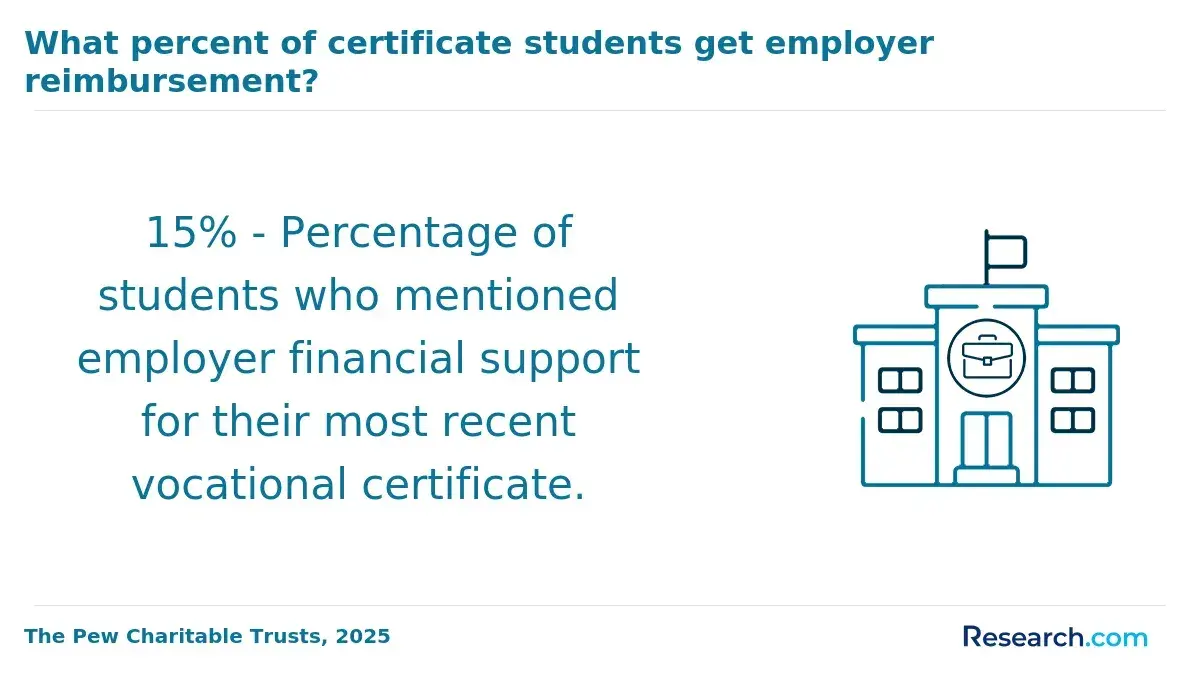
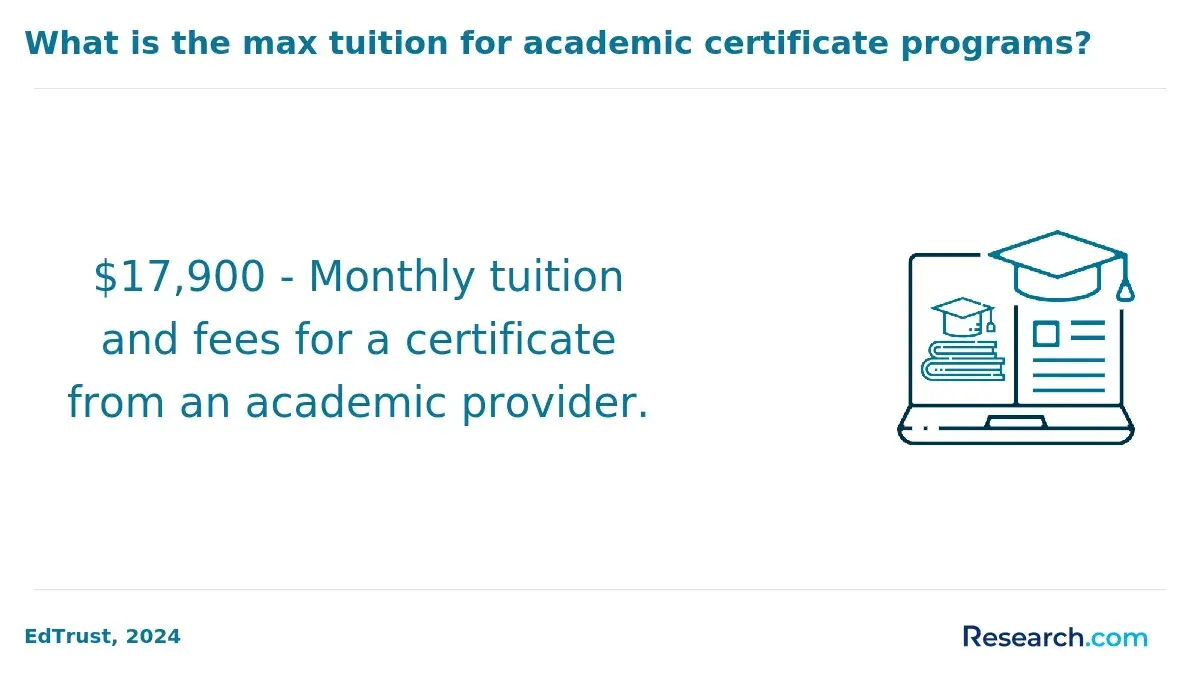
- What are the total costs, including tuition, fees, travel, books, clinical compliance, reduced work hours, and certification expenses?
- Who helps secure clinical or practice experiences, and what happens if a site falls through?
ROI should be evaluated broadly. Consider salary potential, promotion requirements, leadership access, job mobility, teaching opportunities, professional credibility, and whether the doctorate helps you do work you actually want. Institution type alone does not determine value; program fit, accreditation, support quality, and your career strategy matter more.
If your interests overlap with psychiatric-mental health practice, comparing CNS-focused options with the best PMHNP programs online can clarify whether your goal is specialist consultation and systems improvement or direct psychiatric diagnosis and prescribing. That distinction affects coursework, clinical hours, certification, and long-term role identity.
A strong final shortlist usually includes no more than three to five programs. For each one, document admission requirements, CNS pathway details, project support, format, clinical expectations, total cost, and graduation requirements. If a program cannot answer these questions clearly, keep looking.
Other Things You Should Know About Clinical Nurse Specialist
Requirements vary by state, employer, and certification pathway. Some CNS roles may be available with an MSN and appropriate certification, while other employers prefer or require doctoral preparation for advanced leadership, academic, or systems-level positions.
Post-MSN DNP pathways often take less time than BSN-to-DNP pathways, but timelines vary by transfer credits, enrollment status, clinical hours, and project pace. Working nurses should ask each school for part-time and full-time completion plans.
Coursework may be online, but most programs still require supervised practice hours, project work in a healthcare setting, and sometimes campus intensives or virtual synchronous sessions. Always confirm residency and clinical requirements before enrolling.
No doctorate automatically raises salary. Compensation depends on role, employer, region, certification, experience, bargaining structure, and whether the degree helps you move into higher-responsibility clinical, leadership, education, or quality positions.
References
- Clinical Nurse Specialist Online Degrees: Guide to Top Schools https://www.edumed.org/online-schools/nursing-rn-programs/clinical-nurse-specialist/
- What Can You Do With a Doctorate in Nursing? https://credenzahealth.com/career-advice/what-can-you-do-with-a-doctorate-in-nursing
- Can You Earn a DNP Online? | All Nursing Schools https://www.allnursingschools.com/dnp/online-or-on-campus/
- Online Doctor of Nursing Practice (DNP) Degrees for the Neonatal Clinical Nurse Specialist Role https://www.doctorofnursingpracticednp.org/online-doctor-of-nursing-practice-dnp-degrees-for-the-neonatal-clinical-nurse-specialist-role/
- Nurses Advance Their Profession, Clinical Specialties and Healthcare Industry Through Research https://consultqd.clevelandclinic.org/nurses-advance-their-profession-clinical-specialties-and-healthcare-industry-through-research
- How to Become a Clinical Nurse Specialist https://www.coloradotech.edu/degrees/studies/nursing/articles/how-to-become-a-clinical-nurse-specialist
- Doctor of Nursing Practice, Clinical Nurse Specialist https://www.pointloma.edu/graduate-studies/programs/doctor-nursing-practice-clinical-nurse-specialist
- Career Advancement Pathways for Nurses : Expert RN shares 10+ Professional growth opportunities - MuminMed https://blog.muminmed.com/career-advancement-pathways-for-nurses/
- How do we bridge the gap between theory and practice in nursing? | Keypath Education https://keypathedu.com/latest/theory-practice-gap-in-nursing