2027 Online Clinical Nurse Specialist Doctorate Programs with Specializations: Concentrations, Tracks, and Career Paths

Co-Founder and Chief Data Scientist
Choosing an online Clinical Nurse Specialist doctorate is really a choice about the kind of advanced nurse expert you want to become. The U.S. Bureau of Labor Statistics reports a 2024 median annual wage of $132,050 for advanced practice registered nurses, with much faster-than-average projected growth.
This guide is for nurses comparing CNS doctoral tracks, concentrations, and career outcomes. You will learn how specialization choices can shape coursework, practicum experiences, research topics, certification alignment, and whether your next step points toward clinical leadership, academia, quality improvement, policy, informatics, or advanced specialty practice.
Key Things You Should Know
- A CNS track usually defines the formal curriculum and population or role preparation, while a concentration may add focused study in areas such as education, informatics, quality, leadership, or evidence-based practice.
- DNP programs generally emphasize applied clinical leadership and a scholarly project, while Ph.D. programs emphasize original research, theory, and dissertation-based inquiry.
- APRN roles had a 2024 median wage of $132,050 according to BLS data, but salary and advancement depend on setting, certification, leadership scope, employer type, geography, and whether the specialization matches the role you want.
What Are the Best Specializations and Concentrations for an Online Clinical Nurse Specialist Doctorate?
The best online Clinical Nurse Specialist doctorate specialization is the one that aligns with your patient population, professional authority, research interest, and long-term career target. In many schools, the track is the formal degree pathway, the specialization is the major clinical or professional focus, and the concentration is a narrower cluster of courses or scholarship within that pathway.
CNS programs differ from many nurse practitioner pathways because the CNS role often combines advanced clinical expertise with consultation, systems improvement, evidence translation, staff development, and patient outcome improvement.
If your goal is direct diagnostic and prescribing-focused primary care, you may also want to compare CNS options with online nurse practitioner programs, since the curriculum and certification outcomes can be different.
The table below compares common CNS doctoral specializations and concentration areas. Use it to identify which option fits your clinical background, preferred work setting, and likely doctoral project or dissertation topic.
| Specialization or concentration | Best fit | Typical coursework emphasis | Common research or project focus | Career paths it may support |
| Adult-Gerontology CNS | RNs with experience in acute care, chronic illness management, critical care, oncology, cardiology, or complex adult care | Advanced assessment, adult-gerontology pathophysiology, pharmacology, population health, systems-based care | Reducing hospital readmissions, improving sepsis response, fall prevention, care transitions, evidence-based protocols | Adult-gerontology CNS, clinical practice leader, hospital-based outcomes specialist, service-line clinical expert |
| Pediatric CNS | Nurses who want advanced expertise in children's hospitals, pediatric specialty clinics, or family-centered pediatric systems | Pediatric assessment, developmental care, family systems, pediatric quality and safety, interprofessional coordination | Medication safety, pediatric pain management, family education, pediatric care coordination | Pediatric CNS, pediatric quality specialist, clinical educator, pediatric program coordinator |
| Neonatal CNS | Experienced NICU nurses seeking advanced leadership in neonatal care environments | Neonatal physiology, high-risk infant care, developmental support, family-centered NICU practice | Thermoregulation, infection prevention, feeding protocols, NICU discharge readiness | Neonatal CNS, NICU clinical leader, neonatal outcomes coordinator, neonatal educator |
| Psychiatric-Mental Health CNS or behavioral health focus | Nurses focused on behavioral health systems, psychiatric care integration, trauma-informed care, or mental health quality improvement | Psychiatric assessment, behavioral health systems, population mental health, crisis care, therapeutic interventions | Reducing restraint use, suicide screening, integrated behavioral health workflows, staff training in de-escalation | Behavioral health CNS, psychiatric quality leader, clinical educator, care model consultant |
| Leadership or health systems concentration | CNSs who want executive, director-level, or systemwide clinical leadership roles | Organizational leadership, finance, health policy, implementation science, workforce development | Reducing variation in care, improving throughput, leading evidence-based change across units | Clinical director, director of nursing practice, service-line leader, chief nursing officer pathway |
| Quality and safety concentration | Nurses who want to lead measurable improvements in patient outcomes, safety culture, and regulatory readiness | Quality methods, patient safety science, data interpretation, risk reduction, regulatory standards | Central-line infection reduction, medication safety, adverse event reporting, care bundle compliance | Quality improvement leader, patient safety officer, CNS quality consultant, clinical outcomes analyst |
| Nursing education concentration | CNSs interested in faculty, staff development, simulation, curriculum design, or academic-practice partnerships | Teaching strategies, curriculum design, evaluation, simulation, learner assessment | Clinical judgment development, simulation outcomes, transition-to-practice programs | Nursing faculty, clinical educator, professional development specialist, academic program leader |
| Informatics or digital health concentration | Nurses interested in electronic health records, decision support, data workflows, telehealth, or AI-enabled clinical improvement | Health informatics, data governance, clinical decision support, workflow design, analytics | Improving documentation usability, alert fatigue reduction, telehealth quality, dashboard-based care improvement | Nurse informaticist, clinical systems leader, digital health consultant, quality analytics specialist |
A broad CNS doctorate may be better if you want flexibility across units or plan to stay in a clinical leadership role without narrowing your patient population too much. A focused concentration is better when your employer, certification plan, faculty mentor, and project topic all point toward a specific specialty area.
Before you choose, watch for these common red flags in specialization pages and program brochures:
- Vague specialization language: if the school says "clinical leadership" but does not list specialty courses, practicum expectations, or project examples, ask for a curriculum map.
- No faculty match: a neonatal, psychiatric, or informatics interest is harder to support if no faculty member has related practice or research expertise.
- Certification mismatch: confirm whether the track prepares graduates for CNS certification in your intended population focus, because not every concentration is a certification pathway.
- Assuming online means fully remote: many online CNS doctorates still require local practica, campus intensives, simulation days, or employer-approved project sites.
How Do I Choose the Right Track in My Clinical Nurse Specialist Doctoral Degree?
Choosing the right track starts with the outcome you want, not the course title that sounds most impressive. A track should connect your current license, clinical experience, state requirements, certification plan, faculty support, practicum access, and career goal into one coherent path.
Use the following steps to narrow your options. This sequence helps you avoid choosing a concentration based only on salary potential, convenience, or a single interesting course.
- Define your target role first: decide whether you want to be a practicing CNS, faculty member, clinical executive, quality leader, informatics expert, researcher, or policy-focused nurse leader.
- Check the credential outcome: ask whether the program leads to a DNP, Ph.D., post-master's DNP, BSN-to-DNP, or doctoral completion pathway, because each option changes the timeline and scholarly expectations.
- Verify certification alignment: confirm whether the curriculum supports CNS certification in your population focus and whether your state recognizes or regulates the CNS role as an APRN category.
- Compare the practicum model: identify whether clinical hours can be completed at your workplace, whether preceptors must hold certain credentials, and whether the school helps secure placements.
- Match faculty expertise to your project: review faculty publications, clinical areas, and funded projects before committing to a niche dissertation or DNP project topic.
- Assess course fit: compare required specialty, statistics, evidence-based practice, policy, finance, leadership, informatics, and teaching courses across schools.
- Estimate opportunity cost: consider reduced work hours, practicum travel, technology fees, conference requirements, and time away from shifts, not just tuition.
If you are deciding between a CNS route and a nurse practitioner route, focus on day-to-day role authority.
A CNS doctorate often prepares you to improve care systems and specialty practice outcomes, while NP programs are more commonly designed around assessment, diagnosis, treatment, and patient-panel management. This difference is important if you are researching how to become a nurse practitioner as an alternative.
A helpful decision rule is to choose the narrowest track that still protects your future options. For example, a NICU nurse committed to neonatal outcomes may benefit from a neonatal CNS focus, while a nurse who wants hospital-wide clinical leadership may be better served by adult-gerontology CNS plus quality, safety, or systems leadership coursework.
What Career Paths Can I Pursue With a Doctorate in Clinical Nurse Specialist?
A doctorate in Clinical Nurse Specialist can support several career paths, but the degree does not automatically create the same outcome for every graduate. Employers usually evaluate your RN and APRN licensure, specialty certification, doctoral project or dissertation, leadership record, clinical background, and ability to produce measurable improvements.
The table below connects common doctoral CNS tracks with career paths. It is designed to help you think beyond job titles and focus on the work you would actually do.
| Career path | Best-aligned CNS doctorate focus | Typical responsibilities | Useful skills | Salary context |
| Clinical Nurse Specialist | Population-focused CNS track such as adult-gerontology, pediatric, neonatal, or psychiatric-mental health | Consult on complex cases, guide evidence-based practice, educate nurses, improve outcomes, support specialty protocols | Advanced assessment, consultation, evidence translation, coaching, clinical reasoning | BLS does not separately report CNS wages; APRN roles had a 2024 median annual wage of $132,050 |
| Clinical practice leader | Adult-gerontology CNS, acute care emphasis, quality and safety concentration | Lead practice councils, standardize protocols, evaluate outcomes, reduce care variation | Implementation science, data interpretation, staff influence, project leadership | Compensation often depends on hospital system, specialty area, and leadership scope |
| Quality or patient safety leader | Quality and safety, informatics, evidence-based practice, health systems leadership | Track safety metrics, investigate adverse events, lead improvement projects, prepare for regulatory reviews | Root cause analysis, dashboard use, risk reduction, interprofessional communication | May overlap with management roles; BLS reported a 2024 median wage of $117,960 for medical and health services managers |
| Nurse educator or faculty member | Nursing education concentration, Ph.D. in nursing, DNP with education coursework | Teach clinical courses, design curricula, mentor students, evaluate learning outcomes, support academic-practice partnerships | Curriculum design, simulation, assessment, mentoring, scholarship | Pay varies widely by institution type, rank, contract length, and whether the role is academic or hospital-based |
| Nurse scientist or researcher | Ph.D. in nursing with CNS-related population or systems focus | Design studies, publish research, pursue grants, build evidence for clinical practice or policy | Quantitative or qualitative methods, theory, grant writing, dissemination | Often tied to university rank, research funding, and health system research infrastructure |
| Informatics or digital health leader | Informatics, data analytics, digital health, quality systems | Improve clinical workflows, support EHR optimization, evaluate decision support tools, translate clinical needs for technology teams | Workflow analysis, data literacy, change management, user-centered design | Salary varies by health system, informatics responsibility, and management level |
| Behavioral health systems specialist | Psychiatric-mental health CNS or behavioral health concentration | Improve psychiatric care processes, train staff, support crisis workflows, build integrated care protocols | Behavioral health assessment, trauma-informed care, de-escalation, program evaluation | May overlap with psychiatric APRN, care coordination, quality, or leadership compensation structures |
Psychiatric-mental health deserves special attention because some nurses compare CNS preparation with PMHNP preparation. If your goal is psychiatric diagnosis, medication management, and provider-based mental health care, compare the CNS route with the best PMHNP programs online before choosing a doctoral concentration.
The strongest career path is usually built by stacking the doctorate with specialty experience, certification, measurable project outcomes, committee leadership, and a clear portfolio. A dissertation on nurse staffing safety or a DNP project reducing ICU infections can be more persuasive to employers than a concentration title alone.
Which Clinical Nurse Specialist Doctoral Concentrations Lead to the Highest-Paying Jobs?
The highest-paying CNS-related opportunities tend to be in advanced practice, executive leadership, high-acuity specialty systems, informatics leadership, and roles that combine clinical expertise with budget, staffing, technology, or quality accountability.
However, concentration choice alone does not determine pay; employer type, state labor market, union contracts, shift structure, leadership scope, and certification all matter.
Recent BLS wage data can help set realistic expectations, even though CNS-specific salaries are not separated in federal occupational tables. Use these figures as labor-market context rather than a promise of what any one graduate will earn.
| Concentration or track | Higher-paying role direction | Why compensation may be stronger | Important limitation |
| Adult-gerontology or acute care CNS | Hospital CNS, critical care practice leader, specialty service-line expert | High-acuity settings often value advanced specialty expertise and measurable outcome improvement | Pay depends heavily on hospital structure and whether the role is classified as APRN, educator, or management |
| Neonatal CNS | NICU CNS, neonatal program leader, perinatal safety consultant | NICU expertise is specialized and often linked to complex patient care, staff education, and safety protocols | Fewer roles may be available compared with broader adult-focused tracks |
| Leadership or health systems | Clinical director, director of nursing practice, executive leadership pathway | Management roles may include budget, staffing, compliance, and strategic accountability | A doctorate supports advancement, but employers often require substantial leadership experience |
| Informatics or digital health | Clinical informatics leader, EHR optimization director, analytics-focused quality role | Health systems increasingly need clinicians who can connect patient care, data, and technology workflows | Some roles require additional informatics certification, analytics experience, or project portfolio evidence |
| Psychiatric-mental health or behavioral health systems | Behavioral health CNS, psychiatric quality leader, integrated care program specialist | Mental health access needs can increase demand for nurses with advanced behavioral health expertise | PMHNP and CNS scopes differ; compare credential outcomes before assuming similar roles |
For nurses weighing psychiatric tracks, it can be useful to compare the CNS role with provider-focused PMHNP compensation data, including state differences in psychiatric nurse practitioner salary. That comparison can clarify whether your goal is systems-level behavioral health improvement or direct psychiatric provider practice.
If income is a major factor, ask programs for employer lists, alumni job titles, certification pass information if applicable, and examples of doctoral projects that led to expanded responsibilities. A concentration with strong practicum access and faculty mentorship may have better practical value than a higher-sounding title with weak clinical placement support.
Are Online Clinical Nurse Specialist Doctorate Degrees Respected by Employers and Academic Institutions?
Online CNS doctorates can be respected by employers and academic institutions when the program is properly accredited, academically rigorous, and aligned with professional nursing standards.
Employers usually care less about whether didactic courses were online and more about whether the school is institutionally accredited, the nursing program is accredited by a recognized nursing accreditor, and the graduate completed appropriate clinical, scholarly, and specialty requirements.
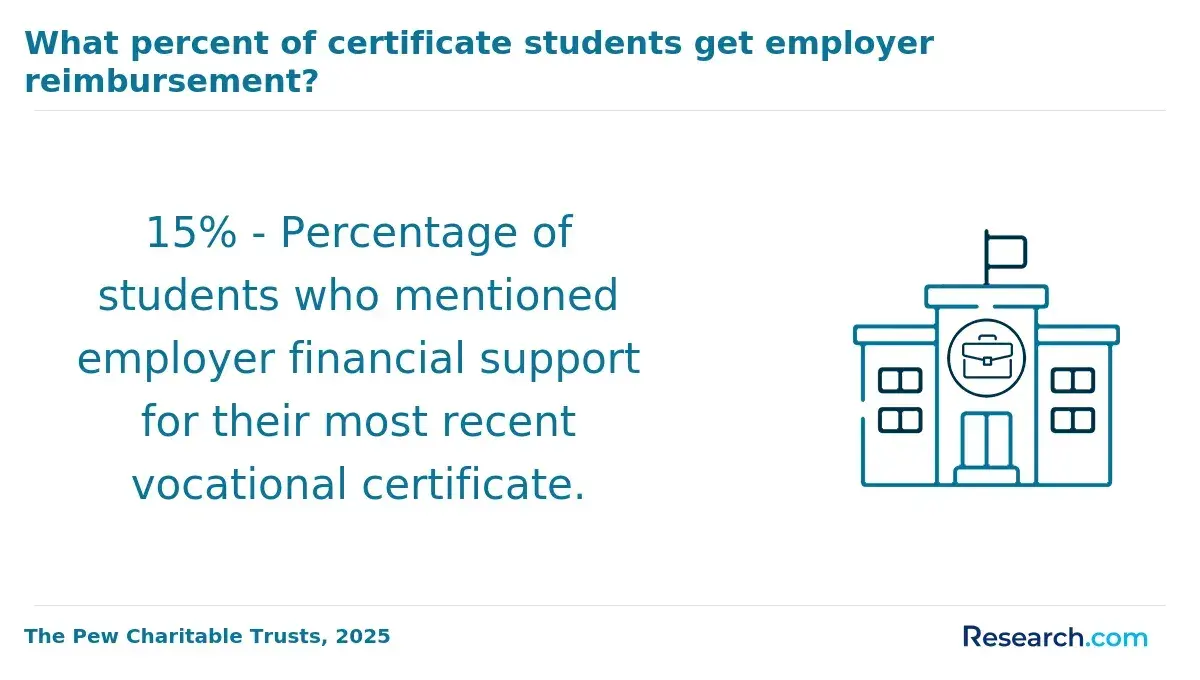
For nursing doctorates, accreditation and authorization are not small details. They affect financial aid eligibility, employer tuition reimbursement, transferability, certification eligibility, academic hiring, and sometimes state authorization for online students.
When evaluating respectability, verify these items before enrolling:
- Institutional accreditation: the university should hold recognized regional or national institutional accreditation accepted by employers and graduate schools.
- Nursing program accreditation: look for recognized nursing accreditation, commonly through CCNE or ACEN, depending on the program type.
- State authorization: confirm the school can legally enroll online students in your state and support clinical placement there.
- Certification fit: if the track is intended to prepare CNS certification candidates, confirm the certifying body and population focus.
- Clinical placement standards: respected programs have clear preceptor qualifications, site approval processes, and faculty oversight.
- Scholarly rigor: review DNP project or Ph.D. dissertation examples to see whether graduates produce publishable, practice-changing, or system-relevant work.
A major red flag is a program that advertises "fully online" without explaining clinical hour requirements, scholarly project oversight, faculty qualifications, or state restrictions. Another warning sign is a specialization that sounds marketable but does not connect to certification, practicum sites, or faculty expertise.
How Do Online Clinical Nurse Specialist Doctoral Programs Handle Research and Dissertation Requirements?
Online CNS doctoral programs handle research differently depending on whether the degree is a DNP or a Ph.D. The DNP usually centers on applied evidence-based change in a real clinical setting, while the Ph.D. centers on original research that contributes new knowledge to nursing science.
The table below explains how scholarly expectations differ. This distinction is central because your specialization often determines the patient population, data source, project site, methods course needs, and faculty mentor fit.
| Requirement | DNP with CNS focus | Ph.D. in nursing with CNS-related focus |
| Main scholarly product | DNP project, practice improvement project, quality initiative, or evidence-based systems intervention | Dissertation based on original research and a defended contribution to nursing science |
| Typical purpose | Apply evidence to improve outcomes in a specific practice setting | Generate new knowledge, test theory, analyze phenomena, or build research evidence |
| Methods emphasis | Quality improvement, implementation science, program evaluation, evidence appraisal, outcome measurement | Advanced qualitative, quantitative, mixed methods, theory, statistics, research design |
| Common CNS topics | Falls, infection prevention, readmissions, staff competency, sepsis protocols, behavioral health screening, EHR workflow | Clinical decision-making, workforce outcomes, patient safety theory, symptom science, care disparities, implementation mechanisms |
| Site requirements | Usually requires a practice site, stakeholder approval, measurable outcomes, and faculty supervision | May require access to participants, datasets, clinical sites, or research networks, depending on the study |
| Best for | Nurses who want practice leadership, specialty clinical impact, and applied systems change | Nurses who want research careers, tenure-track faculty roles, grant work, or scholarly leadership |
Specialization choice can shape your project from the beginning. A neonatal CNS student might study NICU discharge readiness, while an informatics-focused student might evaluate alert fatigue or telehealth documentation. A leadership concentration may support projects on staffing models, safety culture, or evidence adoption across multiple units.
Before choosing a program, ask how students are matched with faculty mentors, whether workplace projects are allowed, what institutional review board process applies, and whether the school expects publication, presentation, or repository submission. These details can determine whether the program is workable with your schedule and whether your scholarly product strengthens your career portfolio.
Can I Work Full-Time While Pursuing an Online Clinical Nurse Specialist Doctorate?
Many nurses work full-time while pursuing an online CNS doctorate, but feasibility depends on the degree type, practicum load, dissertation or project stage, employer flexibility, and family responsibilities. Online coursework reduces relocation barriers, but it does not eliminate clinical hours, synchronous sessions, writing deadlines, statistics courses, or project-site responsibilities.
A post-master's DNP is often more compatible with full-time work than a research-intensive Ph.D. or BSN-to-DNP pathway, but that is not guaranteed. DNP programs also commonly require students to document at least 1,000 post-baccalaureate practice hours across prior and program-based experiences, consistent with national DNP expectations.
To decide whether full-time work is realistic, evaluate the program's workload in practical terms:
- Weekly course time: ask how many hours students typically spend on reading, discussion boards, recorded lectures, writing, and group work for each course.
- Synchronous requirements: confirm whether live class sessions, intensives, defenses, simulations, or orientation events conflict with shift work.
- Practicum scheduling: determine whether hours can be completed at your employer and whether practicum activities must occur during weekday business hours.
- Project timing: DNP projects and dissertations often become more time-intensive during proposal, implementation, data analysis, and defense periods.
- Employer support: tuition benefits, schedule flexibility, project sponsorship, and access to data can make the difference between a manageable and unsustainable plan.
A common mistake is assuming asynchronous courses are easy to fit around rotating shifts. In reality, doctoral work requires long writing blocks, faculty meetings, stakeholder communication, and iterative revisions. If you work nights, weekends, or variable shifts, ask current students how the program handles deadlines and group assignments.
What Are the Admission Requirements for a Clinical Nurse Specialist Doctoral Program Online?
Admission requirements vary by school and pathway, but online CNS doctoral programs generally expect strong nursing preparation, an active RN license, relevant clinical experience, and evidence that the applicant can complete doctoral-level scholarship. Requirements are often stricter for tracks that prepare students for APRN certification or require specialized clinical placements.
The following list summarizes common requirements and why each one matters for specialization selection:
- Accredited nursing degree: applicants may enter with a BSN, MSN, or post-master's nursing credential, depending on whether the program is BSN-to-DNP, MSN-to-DNP, Ph.D., or doctoral completion.
- Active RN license: most programs require an unencumbered RN license, and some require licensure in the state where clinical hours will occur.
- Graduate-level preparation: post-master's applicants may need prior advanced pathophysiology, pharmacology, and assessment coursework, especially for APRN-oriented tracks.
- Clinical experience: specialty tracks such as neonatal, pediatric, psychiatric, or adult-gerontology CNS may prefer or require relevant practice experience.
- GPA threshold: many programs set a minimum undergraduate or graduate GPA, but competitive review may consider writing ability, leadership, and specialty fit.
- Statement of goals: this is where you explain why a specific concentration, faculty mentor, patient population, or research problem fits your career plan.
- Letters of recommendation: strong letters often come from clinical leaders, faculty, supervisors, or APRNs who can speak to advanced practice readiness.
- Writing sample or interview: doctoral programs may assess whether you can develop a scholarly question and communicate at a graduate level.
If you are applying to a specialized track, do not use a generic personal statement. Name the population or systems problem you want to study, explain your clinical preparation, and show that the program's faculty and practicum model can support your goal.
International coursework, compact licensure, state authorization, and APRN recognition rules can create additional complexity. Always verify requirements with the school, state board of nursing, and certifying organization before assuming a track will meet your professional goals.
How Much Does an Online Clinical Nurse Specialist Doctoral Degree Cost and How Can I Fund It?
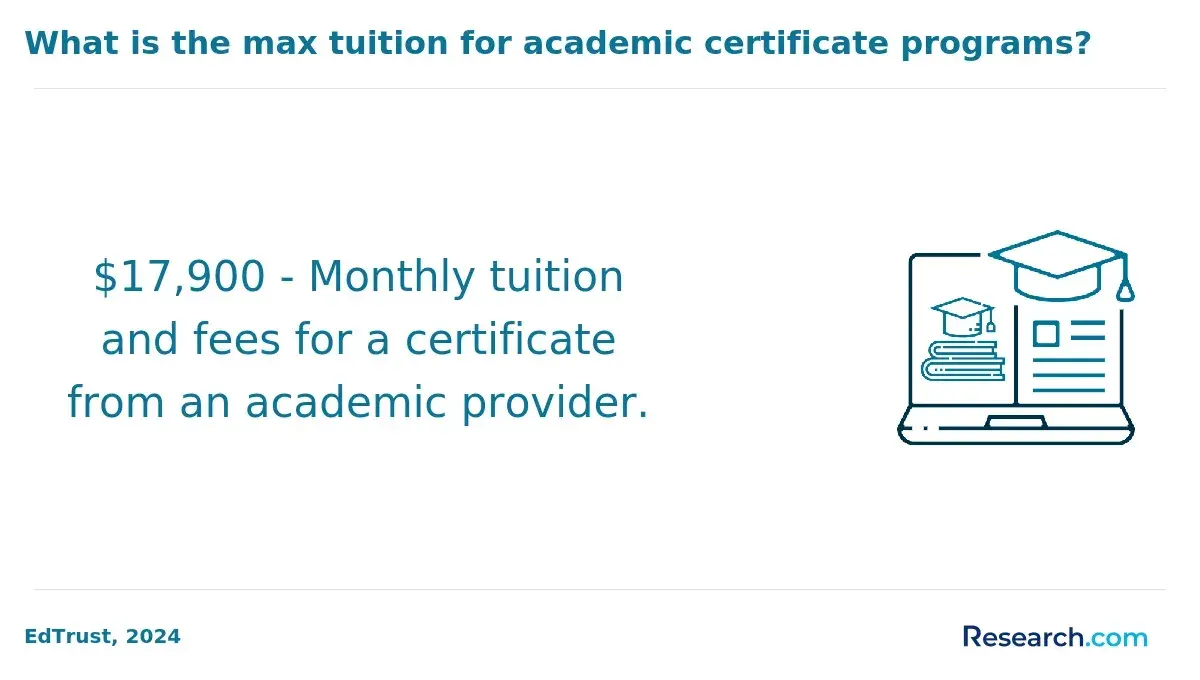
The cost of an online CNS doctoral degree depends on public or private status, residency rules, credit requirements, transfer credits, clinical placement fees, technology fees, travel for intensives, and whether you reduce work hours.
NCES graduate tuition data released in 2024 shows that average graduate tuition and required fees remain substantially lower at public institutions than at private nonprofit institutions, which is why comparing total cost of attendance matters more than comparing per-credit tuition alone.
Program websites may show tuition in different ways, so convert every option into an estimated full-program cost. When available, collect these price elements directly from the school:
- Per-credit tuition for your residency status
- Total required credits after transfer review
- Technology, distance learning, clinical, simulation, graduation, and program fees
- Travel costs for required campus intensives or presentations
- Books, software, statistical tools, background checks, immunizations, and certification preparation
- Lost income if you reduce shifts during practicum, project implementation, dissertation writing, or clinical intensives
Funding options usually include a mix of federal aid, employer support, scholarships, assistantships, military or veteran benefits, and payment plans. Graduate and professional students may be eligible for up to $20,500 per year in federal Direct Unsubsidized Loans, while Grad PLUS Loans may cover additional approved cost of attendance after eligibility review.
Use this funding checklist before committing to a specialization or school:
- Ask about employer tuition reimbursement: hospitals may support DNP or CNS coursework when the doctoral project benefits quality, safety, education, or retention goals.
- Compare net cost, not sticker price: include scholarships, transfer credits, tuition discounts, and required fees.
- Check scholarship restrictions: some awards apply only to DNP, Ph.D., full-time, rural health, faculty preparation, or specific population-focus students.
- Look for funded research fit: Ph.D. applicants should ask about assistantships, stipends, tuition remission, and faculty grants.
- Calculate specialization ROI carefully: a leadership concentration may pay off through promotion, while a niche clinical concentration may pay off through advanced specialty positioning, not immediate salary change.
A common financial mistake is choosing the cheapest program without checking whether it supports your intended CNS population, state requirements, and practicum needs. A low-cost program that does not lead to your target credential or project support can be more expensive in the long run.
What Is the Difference Between a Clinical Nurse Specialist Ph.D. and a Professional Clinical Nurse Specialist Doctorate?
The main difference is purpose. A Clinical Nurse Specialist Ph.D. is a research doctorate designed to prepare nurse scientists, scholars, and academic researchers. A professional Clinical Nurse Specialist doctorate, usually a DNP, is a practice doctorate designed to prepare advanced clinical leaders who apply evidence to improve care delivery, systems, and patient outcomes.
The comparison below can help you decide which degree type fits your career direction. This choice affects courses, timelines, research expectations, faculty mentorship, and the type of final scholarly product you complete.
| Category | Ph.D. with CNS-related focus | DNP with CNS focus |
| Primary goal | Generate original nursing knowledge through research | Translate evidence into practice and improve clinical systems |
| Best for | Future nurse scientists, tenure-track faculty, researchers, grant-funded scholars | Clinical leaders, CNSs, quality leaders, educators, executives, practice innovators |
| Final project | Dissertation | DNP scholarly or quality improvement project |
| Course emphasis | Theory, research design, statistics, methods, scholarly inquiry | Evidence-based practice, leadership, policy, systems, informatics, quality improvement |
| Specialization effect | Shapes dissertation population, theory, research question, and methods | Shapes clinical hours, project site, intervention design, and practice outcomes |
| Typical career outcome | Research, academic scholarship, faculty research roles, policy research | Advanced clinical practice leadership, specialty consultation, quality improvement, executive or educator roles |
Choose a Ph.D. if you want to design studies, publish original research, teach in a research-intensive academic environment, or pursue funded scholarship. Choose a DNP if you want to remain close to practice, lead evidence-based change, strengthen clinical systems, and build a portfolio of measurable improvements.
Some nurses eventually combine both worlds through academic-practice partnerships, publication, adjunct teaching, or leadership research. Still, the best first choice is the degree that matches the work you want to do most days after graduation.
Other Things You Should Know About Clinical Nurse Specialist Programs
Sometimes, but it depends on the school and how far you are into specialty coursework or practicum planning. Changing from leadership to education may be easier than changing from adult-gerontology CNS to neonatal CNS because population-focused tracks can require different clinical experiences and faculty approval.
Most universities do not label the diploma as "online," but policies vary. Employers are more likely to evaluate the institution, nursing accreditation, clinical preparation, certification alignment, and your doctoral project than the delivery format listed on the transcript.
It may be, especially if you already hold a doctorate and only need additional specialty preparation for a new population focus. A post-master's certificate can be more targeted, but you must confirm certification eligibility, clinical hours, and state requirements.
Yes. A specialized track can connect you with faculty, preceptors, professional organizations, and project sites in a specific area such as neonatal care, informatics, or quality improvement. That network can influence practicum opportunities, publications, conference presentations, and future job leads.
References
- Top Online Clinical Nurse Specialist Programs (CNS Rankings) https://www.npschools.com/rankings/all-online-cns-programs
- Doctor of Nursing Practice, Clinical Nurse Specialist https://www.pointloma.edu/graduate-studies/programs/doctor-nursing-practice-clinical-nurse-specialist
- The Difference Between a Clinical Nurse Specialist (CNS) vs. Nurse Practitioner (NP) https://blog.methodistcollege.edu/difference-between-cns-vs-np
- Navigating the Cost of a Graduate Degree https://www.myamericannurse.com/navigating-the-cost-of-a-graduate-degree/
- Clinical Nurse Specialist (CNS) Career Guide: Advancing Nursing Expertise https://nurseslabs.com/clinical-nurse-specialist-cns-career-guide/
- Clinical Nurse Specialist (CNS) Degrees and Specialty Certifications https://www.allnursingschools.com/clinical-nurse-specialist/degrees/
- Best Online Ph.D. Nursing Programs for 2026 | Ranked https://www.nurseeducator.com/degrees/phd/
- Online Doctor of Nursing Practice (DNP) Degrees for the Neonatal Clinical Nurse Specialist Role https://www.doctorofnursingpracticednp.org/online-doctor-of-nursing-practice-dnp-degrees-for-the-neonatal-clinical-nurse-specialist-role/