2027 Is an Online Clinical Nurse Specialist Doctorate Worth It? ROI, Salary Growth, and Career Impact

Co-Founder and Chief Data Scientist
Choosing an online Clinical Nurse Specialist doctorate is really a return-on-investment decision: will the degree improve your clinical authority, salary prospects, and leadership options enough to justify the cost and time?
The U.S. Bureau of Labor Statistics reported a May 2024 median annual wage of $93,600 for registered nurses, while nurse practitioners reached $129,210, showing how advanced clinical roles can shift earning potential. This guide is for experienced nurses weighing doctoral study, career mobility, debt, and online flexibility before committing.
Key Things You Should Know
- An online Clinical Nurse Specialist doctorate is most likely to pay off when it leads to advanced practice authority, system-level leadership, quality improvement, faculty roles, or executive clinical positions rather than only a title change.
- Using May 2024 BLS wage data, the median pay gap between registered nurses at $93,600 and nurse practitioners at $129,210 shows the kind of earnings difference advanced nursing roles may create, although CNS outcomes vary by state, specialty, and employer.
- ROI depends heavily on total program cost, employer tuition support, part-time versus full-time enrollment, loan interest, and whether your target job actually rewards doctoral preparation.
What Is the ROI of an Online Clinical Nurse Specialist Doctorate?
The ROI of an online Clinical Nurse Specialist doctorate is the value you receive after subtracting the direct and indirect costs of the degree. For most nurses, that value includes potential salary growth, access to higher-level roles, stronger clinical credibility, and the ability to influence patient care at the unit, population, or health-system level.
A Clinical Nurse Specialist, or CNS, is an advanced practice registered nurse whose work often combines expert clinical care, evidence-based practice, staff education, quality improvement, and systems leadership.
A doctorate may be a Doctor of Nursing Practice, or DNP, focused on practice leadership, or less commonly a research-oriented doctorate such as a PhD if the goal is scholarship or academia.
The clearest way to evaluate ROI is to separate financial return from career return. A doctorate may be worth it even if the immediate salary increase is modest, but only if it helps you reach a role you could not realistically access with your current credential.
This table shows the main ROI components and how each one should affect your decision:
| ROI factor | Why it matters | How to evaluate it |
| Tuition and fees | Higher program cost increases the salary increase needed to break even. | Compare total program cost, not only cost per credit. |
| Salary lift | The degree pays back faster when it leads to a clearly higher-paying role. | Compare current pay with realistic salaries in your target specialty, employer type, and region. |
| Time in school | Longer enrollment can delay promotion, reduce availability for overtime, or increase burnout risk. | Decide whether part-time study protects your income better than faster completion. |
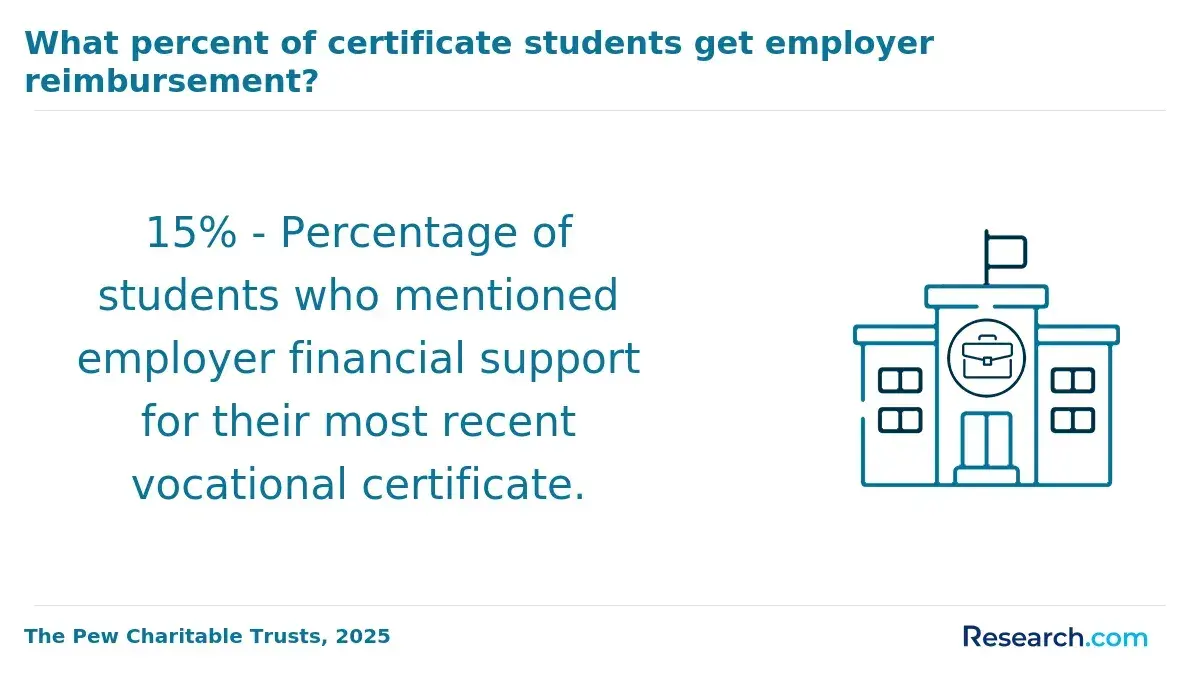
| Employer support | Tuition reimbursement can dramatically reduce out-of-pocket cost. | Ask whether your employer funds doctoral nursing study and whether you must stay after graduation. |
| Career access | Some roles value doctoral-level systems, leadership, and evidence-translation skills more than bedside roles do. | Review job postings for CNS, clinical director, quality, education, and advanced practice leadership roles. |
A practical break-even calculation is simple: divide your total net cost by the expected annual increase in compensation. For example, if a nurse spends $60,000 after aid and employer support and later earns $15,000 more per year, the pre-tax break-even point is about four years; if the increase is only $5,000, the payback period becomes much longer.
The biggest mistake is assuming the doctorate automatically produces a large raise. In many organizations, the financial return depends less on the credential itself and more on whether the nurse moves into a higher-scope role, a leadership track, or a specialty market with strong demand.
How Much Can Salaries Increase After an Online Clinical Nurse Specialist Doctorate?
Salary growth after an online Clinical Nurse Specialist doctorate can range from limited to substantial, depending on the job you move into. A CNS who remains in a similar staff or educator role may see only incremental pay growth, while a CNS who advances into advanced practice, clinical leadership, quality, population health, or executive roles may see a stronger return.
May 2024 BLS wage data provides a useful baseline for comparing broad nursing and healthcare leadership categories. These figures are not CNS-specific guarantees, but they help show where doctoral-level clinical and leadership preparation may intersect with higher-paying labor markets:
| Role category | May 2024 median annual wage | How to interpret the figure |
| Registered nurses | $93,600 | A useful baseline for experienced nurses considering whether doctoral study can move them beyond their current pay ceiling. |
| Nurse practitioners | $129,210 | Relevant when the CNS doctorate supports advanced practice authority or when nurses are comparing CNS and NP pathways. |
| Medical and health services managers | $117,960 | Relevant for nurses using a doctorate to move toward clinical operations, service-line leadership, quality, or administration. |
These medians should be used carefully. A nurse in a high-cost metropolitan hospital, a specialized ICU, or an advanced practice role may already earn above national medians, while a nurse in academia, rural care, or a lower-paying health system may see a smaller salary lift.
If salary is your main goal, compare CNS outcomes with other advanced practice nursing paths. For example, nurses considering behavioral health roles may want to review state-level psychiatric nurse practitioner salary patterns before choosing between CNS, NP, or dual-preparation options.
Also remember that salary growth is not always immediate. The doctorate may first help you qualify for promotion, lead a quality initiative, publish or present evidence-based work, or move into a larger organization before the financial impact appears.
Which Career Paths Offer the Strongest Financial Return With an Online Clinical Nurse Specialist Doctorate?
The strongest financial return usually comes from roles where the doctorate changes what you are eligible to do, not merely how you are perceived. CNS doctoral preparation tends to be most valuable when it is tied to advanced clinical specialization, systems improvement, leadership, education, or measurable patient-care outcomes.
The following table compares common career directions by likely financial return and the main reason the doctorate may matter:
| Career path | Potential ROI strength | Why the doctorate may help |
| Advanced practice CNS in a high-acuity specialty | Strong when state scope and employer compensation align | Supports expert consultation, protocol development, staff competency, and complex patient care. |
| Clinical quality or patient safety leader | Strong when tied to system-level responsibility | Doctoral training in evidence translation and outcomes measurement can fit quality-improvement leadership. |
| Nursing professional development or clinical education leader | Moderate to strong | Can improve credibility for curriculum design, competency programs, and practice-change initiatives. |
| Academic faculty | Variable | Doctoral preparation may be required or preferred, but faculty salaries may lag some clinical leadership roles. |
| Staff nurse role without expanded responsibility | Weak | The degree may add expertise but may not change compensation enough to justify high debt. |
One current trend shaping ROI is the growing need for clinicians who can translate evidence into safer, more efficient care. Hospitals are under pressure to improve quality metrics, reduce adverse events, manage staffing constraints, and adopt clinical technologies responsibly.
A CNS with doctoral-level training can be well positioned for that work, especially if the program includes data analysis, implementation science, informatics, and interprofessional leadership.
However, nurses should not assume that every advanced nursing route rewards the same credential. If your interest is psychiatric assessment, diagnosis, and medication management, compare CNS study with best PMHNP programs online because that pathway may fit a different scope of practice and job market.
The best ROI usually appears when your doctoral project, clinical specialty, and target job market all point in the same direction. A generic doctorate with no clear specialty strategy can be much harder to translate into a promotion or higher salary.
How Does an Online Clinical Nurse Specialist Doctorate Affect Career Advancement?
An online Clinical Nurse Specialist doctorate can affect career advancement by helping nurses move from expert practice into visible, system-level influence. Instead of only delivering care at the bedside, doctoral-prepared CNS professionals may lead practice changes, design clinical guidelines, evaluate outcomes, mentor staff, and advise administrators on care delivery.
The career impact is strongest when the program builds skills that employers can immediately use. Look for coursework and projects that connect clinical expertise with organizational priorities:
- Evidence-based practice and implementation science, so you can move research into routine care.
- Clinical outcomes measurement, so you can show whether a practice change improves safety, quality, cost, or patient experience.
- Health informatics and data literacy, so you can work with electronic health record data, dashboards, decision-support tools, and AI-enabled workflows responsibly.
- Leadership and interprofessional collaboration, so you can influence physicians, nurses, administrators, and allied health professionals.
- Policy and ethics, so you can navigate scope-of-practice rules, equity concerns, and institutional risk.
Career advancement also depends on state rules and employer structure. In some states, a CNS may be recognized as an advanced practice registered nurse with a defined scope, while in others the role may be treated differently. Employers also vary: a Magnet-designated academic medical center may have a clear CNS ladder, while a smaller facility may not have many doctoral-level nursing positions.
A common red flag is choosing a program before confirming whether your workplace or target employers actually hire CNS professionals into advanced roles. Before enrolling, search current job postings, speak with CNS leaders, and ask human resources how doctoral preparation affects pay bands or promotion criteria.
How Much Does an Online Clinical Nurse Specialist Doctorate Cost Compared With Its Potential Benefits?
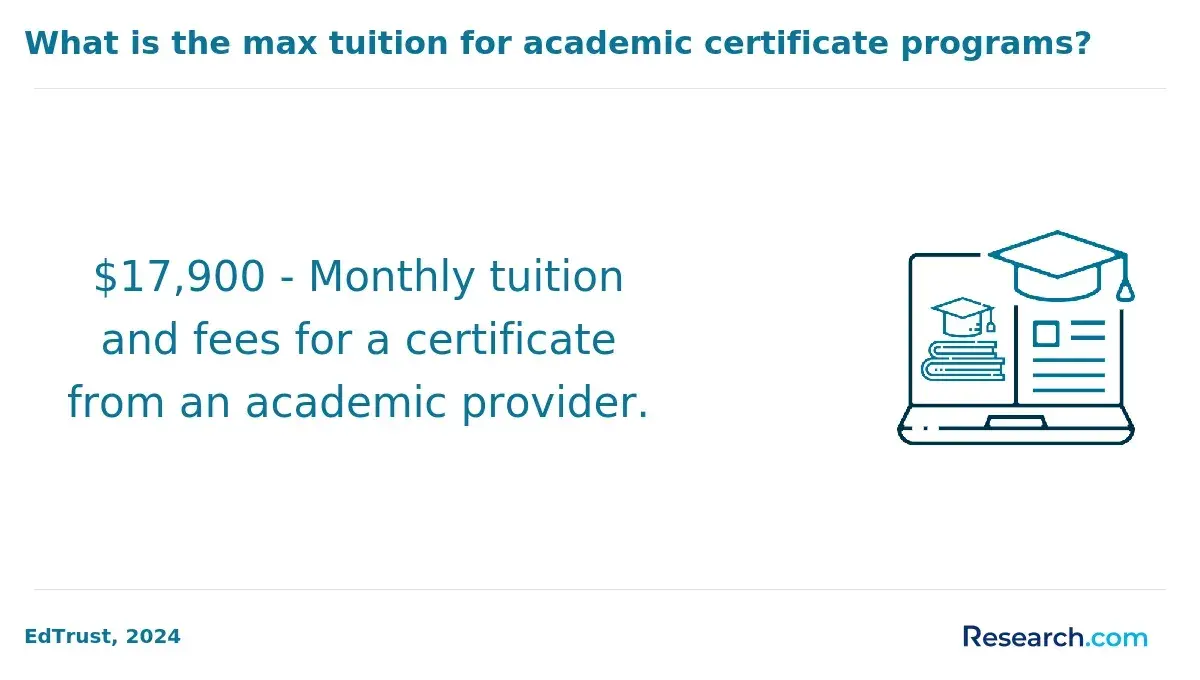
The cost of an online Clinical Nurse Specialist doctorate includes more than tuition. A realistic estimate should include university fees, clinical or practicum expenses, travel for any required intensives, books and technology, certification or licensure-related costs, and interest if you borrow.
One important current cost factor is federal graduate loan pricing. For Direct Unsubsidized Loans first disbursed during the 2024-2025 aid year, the fixed interest rate is 8.08%, which means a high-borrowing doctoral student may pay substantially more than the original tuition amount over time.
When comparing programs, build a total-cost list before looking at reputation or convenience. The items below are the cost categories most likely to change your real ROI:
- Published tuition for all required credits, including any additional project, residency, or continuation credits.
- Mandatory university and online learning fees that are not included in the tuition headline.
- Travel, lodging, and lost work time for required campus visits, simulations, intensives, or presentations.
- Clinical placement expenses, background checks, immunizations, liability insurance, and onboarding requirements.
- Loan origination fees and interest if you finance part or all of the program.
This table shows how cost and benefit categories should be weighed together rather than reviewed separately:
| Cost or benefit | Short-term effect | Long-term ROI effect |
| Lower tuition | Reduces borrowing pressure | Improves ROI if quality, accreditation, and clinical support are still strong. |
| Employer tuition assistance | Lowers out-of-pocket cost | Can make a moderate salary increase financially worthwhile. |
| Flexible online format | Helps students keep working | Protects income and reduces opportunity cost. |
| Required travel or intensives | Adds expenses and scheduling pressure | May be worthwhile if the experiences strengthen clinical preparation and networking. |
| Higher post-degree role | May not happen immediately | Drives ROI if the role increases pay, authority, or leadership trajectory. |
The biggest cost mistake is comparing only tuition per credit. A lower per-credit price can still lead to a higher total cost if the program requires more credits, additional fees, repeated clinical placement costs, or longer enrollment.
How Does the Time Required for an Online Clinical Nurse Specialist Doctorate Affect Its ROI?
Time affects ROI because it determines how quickly you can use the degree and how much income, overtime, or promotion opportunity you may give up while enrolled. Many online doctorate students continue working, which can protect earnings, but it may also extend the timeline and increase stress.
Program length depends on entry point, transfer credits, whether the student already holds an MSN, project requirements, and part-time or full-time pacing. The table below explains how different timing choices affect return on investment:
| Enrollment approach | ROI advantage | ROI risk |
| Full-time enrollment | May lead to faster completion and earlier eligibility for doctoral-level roles. | Can reduce work hours, increase burnout, or create short-term income loss. |
| Part-time enrollment | Allows many nurses to keep earning while studying. | May delay the point when the degree can produce career benefits. |
| Employer-supported study | May reduce tuition cost while preserving employment. | May include service commitments or limits on job changes after graduation. |
| Delayed enrollment | Allows time to save, clarify goals, and secure support. | May postpone advancement if the doctorate is required for your target role. |
To understand the time cost, calculate more than the graduation date. Estimate how many hours per week the program requires, whether clinical hours can be completed at or near your workplace, and whether your work schedule can absorb doctoral project deadlines.
A practical approach is to map your timeline in three stages:
- Estimate the total months to completion based on your entry point and intended course load.
- Identify any income changes during enrollment, including reduced shifts, lost overtime, or unpaid clinical time.
- Compare the delayed or reduced income with the expected timing of promotion, role change, or salary growth after graduation.
A fast program is not always the best financial choice. If acceleration forces you to cut work hours sharply or choose a weak clinical placement, a slower but better-supported path may produce stronger long-term ROI.
Does an Online Clinical Nurse Specialist Doctorate Have the Same Career Value as a Campus-Based Degree?
An online Clinical Nurse Specialist doctorate can have the same career value as a campus-based degree when the program is properly accredited, academically rigorous, clinically credible, and accepted by your target employers or licensing board. The delivery format matters less than whether the program prepares you for the role you want.
Online does not mean entirely remote. CNS and DNP programs commonly include supervised practice experiences, doctoral projects, skills validation, or campus-based intensives. These requirements can strengthen credibility, but they also affect cost and scheduling.
This comparison helps clarify when online and campus formats differ in value:
| Factor | Online doctorate | Campus-based doctorate |
| Career recognition | Can be comparable if accredited and clinically robust. | Often well understood by local employers, especially if the school has regional hospital ties. |
| Flexibility | Usually stronger for working nurses. | May require fixed class times and commuting. |
| Clinical placement | May require the student to help identify sites or preceptors. | May offer stronger local placement networks. |
| Networking | Depends on cohort design, faculty access, and residency requirements. | May offer more frequent in-person faculty and peer interaction. |
| Total cost | Can be lower if it reduces relocation or commuting, but fees and travel may still apply. | Can be higher if relocation, parking, commuting, or reduced work hours are required. |
Before assuming an online degree is equal, verify accreditation and state authorization. Nursing students should look for recognized nursing accreditation, appropriate state approvals, and clear alignment with CNS certification or role expectations in the state where they plan to practice.
The main red flag is a program that is flexible but vague. If a school cannot clearly explain clinical placement expectations, doctoral project support, faculty qualifications, accreditation status, or graduate outcomes, the convenience may not justify the risk.
How Does an Online Clinical Nurse Specialist Doctorate Compare With Other Career Advancement Options?
An online Clinical Nurse Specialist doctorate is only one path to advanced nursing career growth. Depending on your goal, a different credential may produce a faster, cheaper, or more direct return.
The most important comparison is between the job you want and the credential that employers actually request. The table below summarizes common alternatives:
| Option | Best fit | When it may beat a CNS doctorate on ROI |
| MSN-level CNS preparation | Nurses who need CNS preparation but not doctoral-level leadership training. | When target employers do not require a doctorate and the nurse wants lower cost. |
| DNP with CNS focus | Nurses seeking advanced clinical leadership, systems improvement, and doctoral credibility. | When doctoral preparation is preferred for promotion, faculty roles, or health-system leadership. |
| Nurse practitioner program | Nurses seeking diagnosis, treatment, prescribing authority, and provider roles. | When the target role is direct provider practice rather than CNS consultation or systems leadership. |
| Post-master's certificate | Advanced nurses adding a focused specialty. | When a narrow credential change is enough to reach the next role. |
| Healthcare leadership or informatics certificate | Nurses moving toward administration, analytics, or technology-enabled care. | When the career goal does not require advanced practice nursing preparation. |
If your goal is provider practice, compare the CNS doctorate with online nurse practitioner programs. NP routes may align more directly with primary care, specialty care, prescribing, and billable provider roles, while CNS routes often emphasize expert consultation, practice improvement, and clinical systems leadership.
A doctorate makes less financial sense when a lower-cost credential can produce the same job outcome. It makes more sense when your target role requires or strongly prefers doctoral preparation, when your employer funds much of the cost, or when the degree unlocks leadership opportunities that a certificate would not.
Which Professionals Are Most Likely to Benefit From an Online Clinical Nurse Specialist Doctorate?
The professionals most likely to benefit from an online Clinical Nurse Specialist doctorate are experienced nurses who already have a clear specialty, strong clinical credibility, and a realistic plan for using doctoral preparation. The degree is usually less effective as a vague career reset and more effective as a targeted advancement tool.
The best candidates often share several traits. Use this list to assess whether your profile fits the degree's strongest use cases:
- Experienced RNs or advanced practice nurses who want to lead evidence-based change in a defined clinical specialty.
- CNS-prepared nurses who need a doctorate for advancement, faculty eligibility, executive credibility, or large-scale quality leadership.
- Nurses whose employers recognize CNS roles and offer pay, promotion, or project leadership tied to advanced credentials.
- Working nurses who need online flexibility but can still complete in-person clinical or project requirements.
- Nurses who have employer funding, scholarships, savings, or low borrowing needs that keep the break-even period manageable.
Some nurses may be better served by a different pathway. If you want the fastest route into provider practice, diagnosing and prescribing, or outpatient specialty care, it may be worth reviewing how to become a nurse practitioner before committing to a CNS doctorate.
You may want to delay or avoid the doctorate if you are unsure which role you want, if your employer does not reward doctoral preparation, if you would need to borrow heavily at high interest, or if a certificate or MSN-level option would meet the same goal.
How Can Students Determine Whether an Online Clinical Nurse Specialist Doctorate Is Worth It?
Students can determine whether an online Clinical Nurse Specialist doctorate is worth it by testing the degree against a specific career outcome. The right question is not "Is a doctorate prestigious?" but "Will this program help me reach a role that justifies the cost, time, and opportunity trade-offs?"
Use the following steps before applying or borrowing for a program:
- Define your target role, such as CNS in critical care, quality director, clinical educator leader, faculty member, or advanced practice specialist.
- Collect salary evidence from job postings, employer pay bands, professional contacts, and regional labor-market data rather than relying only on national averages.
- Calculate total net cost after scholarships, employer reimbursement, grants, and expected borrowing.
- Estimate your break-even point by dividing net cost by realistic annual compensation growth.
- Confirm accreditation, state authorization, CNS role alignment, clinical placement support, and certification preparation.
- Ask whether graduates move into the roles you want and whether the school can describe completion support and doctoral project expectations clearly.
- Compare the doctorate with lower-cost alternatives, including MSN, certificate, NP, informatics, education, or leadership pathways.
Before enrolling, ask schools direct questions that reveal whether the program is built for working nurses and real career advancement:
- What percentage of students complete the program, and how long do working nurses typically take?
- Who is responsible for securing clinical or practicum sites?
- How does the program support students whose states have different CNS recognition or scope rules?
- What kinds of doctoral projects have recent students completed, and how were those projects connected to measurable practice outcomes?
- Do graduates commonly move into CNS, leadership, faculty, quality, or executive roles?
A good decision balances ambition with evidence. The degree is most worth it when it connects to a defined career step, keeps debt manageable, and develops skills that employers value now: clinical leadership, outcomes measurement, implementation science, informatics, and the ability to improve care across teams and systems.
Other Things You Should Know About Clinical Nurse Specialist
No. Both can be advanced nursing roles, but they usually emphasize different work. Nurse practitioners often focus on diagnosing and treating patients as providers, while Clinical Nurse Specialists often focus on expert clinical consultation, staff development, evidence-based practice, and system-level care improvement. Scope varies by state.
Not always. Requirements vary by state, employer, certification pathway, and role level. Some CNS roles may accept master's-level preparation, while others prefer or require doctoral preparation for leadership, faculty, or advanced clinical practice responsibilities.
Many online doctoral nursing programs are designed for working nurses, but "online" does not mean low workload. Students should expect advanced coursework, clinical or practice hours, a doctoral project, and deadlines that may require schedule adjustments.
Students should look for institutional accreditation and recognized nursing program accreditation, commonly from bodies such as CCNE or ACEN. They should also verify state authorization, clinical placement rules, and whether the program aligns with CNS certification or role expectations where they plan to practice.
References
- Master’s in Nursing Costs: What You’ll Pay and How to Get the Best Return https://www.onlineu.com/resources/financial-planning/masters-in-nursing-roi
- How Much Do Clinical Nurse Specialists Make? – Nursing Education https://nursingeducation.org/careers/clinical-nurse-specialist/salary/
- The Impact of Education on Nursing Practice https://www.aacnnursing.org/news-data/fact-sheets/impact-of-education-on-nursing-practice
- Clinical Nurse Specialist (CNS) Career Guide: Advancing Nursing Expertise https://nurseslabs.com/clinical-nurse-specialist-cns-career-guide/
- How Do Employers View Online Nurse Practitioner Education? | ThriveAP https://provider.thriveap.com/blog/how-do-employers-view-online-nurse-practitioner-education
- Career Options for Nurses in Specialist Care https://www.elysiumhealthcare.co.uk/careers/blog/career-options-for-nurses-in-specialist-care/
- Is It Better to Become a Doctor or Nurse? Career Comparison https://credenzahealth.com/career-advice/is-it-better-to-become-a-doctor-or-nurse-career-comparison
- Five Key Reasons to Pursue a CNS Career | Omaha https://blog.methodistcollege.edu/five-reasons-to-become-a-clinical-nurse-specialist-omaha
- Five ways a doctoral degree in nursing can transform your career https://onlinedegrees.bradley.edu/blog/five-ways-a-doctoral-degree-in-nursing-can-transform-your-career
- Nurse Practitioner Degree vs MSN: What to Choose ? https://learntastic.com/blog/earn-an-msn-or-np-degree-which-is-right-for-you