2027 Best Online Clinical Nurse Specialist Doctorate Programs for Senior-Level Roles: Careers, Salaries, and Advancement Paths

Co-Founder and Chief Data Scientist
Senior nursing leadership is getting more competitive as health systems ask clinical leaders to improve quality, staffing, safety, and costs. The U.S. Bureau of Labor Statistics projects medical and health services manager employment to grow 23% from 2024 to 2034, much faster than average, making advanced clinical leadership credentials more valuable.
This guide is for CNSs and experienced nurses comparing online doctorates. You'll learn which degree types fit executive, academic, and specialist roles, how salaries and ROI work, and how to choose a program that supports advancement without overpaying.
Key Things You Should Know
- An online DNP with a clinical nurse specialist or systems leadership focus is usually the strongest doctorate for applied executive, quality, patient safety, and service-line leadership roles. A PhD is usually better for tenure-track faculty, funded research, and policy scholarship.
- Relevant senior-role salary benchmarks vary by occupation. BLS May 2024 data lists $117,960 as the median annual wage for medical and health services managers, while nurse practitioners have a $129,210 median wage.
- ROI depends less on the word "doctorate" and more on accreditation, CNS/APRN alignment, practicum quality, employer recognition, tuition, time to completion, and whether the degree fills a clear promotion or transition gap.
Which Online Clinical Nurse Specialist Doctorate Programs Best Prepare Graduates for Senior-Level Leadership Roles?
The best online clinical nurse specialist doctorate program is not simply the one with the highest name recognition. For senior-level roles, the strongest fit is usually a program that combines advanced clinical expertise, systems thinking, outcomes measurement, finance, interprofessional leadership, and a doctoral project tied to real organizational problems.
A clinical nurse specialist, or CNS, is an advanced practice registered nurse who improves care for a patient population, nursing team, or health system. CNS doctoral programs are most often Doctor of Nursing Practice programs, though some nurses choose a PhD when their goal is research, university teaching, or policy scholarship.
Nurses still comparing graduate clinical pathways may also want to review online nurse practitioner programs, since NP and CNS roles can overlap in advanced assessment and clinical leadership but differ in scope, certification, and day-to-day practice.
The table below compares the main doctorate pathways and how well each typically aligns with senior-level career goals. Use it to decide whether your target outcome is executive practice, academic scholarship, advanced specialty leadership, or a hybrid role.
| Doctorate pathway | Best fit for | Typical senior-level outcomes | Key limitation to check |
| Online DNP with CNS concentration | Certified or aspiring CNSs who want advanced clinical and systems leadership | CNS director, clinical practice leader, quality and safety leader, service-line clinical expert | Must align with state APRN rules, population focus, certification eligibility, and clinical hour requirements |
| Online DNP in executive leadership | Experienced nurses moving toward administration, operations, or C-suite tracks | Director of nursing practice, chief nursing executive pipeline, clinical operations executive | May not prepare students for CNS certification if it lacks a CNS track |
| Online DNP in healthcare systems or quality | Nurses focused on outcomes, informatics, safety, and process improvement | Quality director, patient safety officer, evidence-based practice director | May be less useful for roles requiring direct APRN CNS credentials |
| Online PhD in nursing | Nurses pursuing research, academic leadership, grants, and theory development | Research scientist, professor, academic program director, policy scholar | Usually less practice-focused than a DNP and may require dissertation-intensive research preparation |
| Post-master's online DNP | Master's-prepared CNSs who already hold advanced practice preparation | Promotion into system, director, educator, or executive practice roles | Prior graduate coursework and clinical hours may affect completion time |
In practical terms, the best programs for leadership usually share several features. These features matter because senior employers want proof that doctoral study improved the nurse's ability to lead change, not just complete coursework.
- Accreditation from a recognized nursing accreditor such as CCNE, ACEN, or CNEA, plus institutional accreditation recognized by the U.S. Department of Education.
- A curriculum that includes evidence-based practice, healthcare finance, policy, population health, ethics, informatics, quality improvement, and organizational leadership.
- A doctoral project or dissertation that can be linked to measurable outcomes, such as reducing readmissions, improving sepsis response, strengthening nurse retention, or standardizing specialty protocols.
- Faculty with CNS, APRN, executive, research, or specialty expertise aligned with your career target.
- Online delivery designed for working nurses, with transparent expectations for synchronous sessions, campus immersions, practicum hours, and project site approvals.
A common mistake is choosing a doctorate because it is "online" and affordable without confirming whether it supports CNS certification, state authorization, or the leadership role you actually want. Before enrolling, ask the school whether graduates commonly move into director, executive, academic, quality, or advanced clinical practice roles, and request examples of doctoral project topics connected to your specialty.
Which Senior-Level Careers Can You Pursue With an Online Clinical Nurse Specialist Doctorate?
An online clinical nurse specialist doctorate can support several senior-level pathways, but the best path depends on whether you want to stay close to patient care, lead teams and systems, teach future nurses, or influence policy. The doctorate is most valuable when it builds on strong clinical experience and gives you a portfolio of measurable leadership outcomes.
The table below summarizes common career directions for doctoral-prepared CNSs and experienced nurses. It is not a list of guaranteed job titles, because employers vary by hospital system, academic institution, state scope of practice, and organizational structure.
| Career path | Primary responsibilities | Best doctorate fit | Why employers value the credential |
| Clinical nurse specialist leader | Improve care standards, mentor nurses, implement evidence-based protocols, evaluate outcomes | DNP with CNS concentration | Connects advanced clinical judgment with system-level improvement |
| Director of nursing practice | Oversee nursing standards, professional practice models, clinical ladders, and quality initiatives | DNP in CNS, executive leadership, or healthcare systems | Signals readiness to lead practice change across departments |
| Quality and patient safety director | Analyze performance data, reduce adverse events, lead improvement projects, support regulatory readiness | DNP in quality, systems leadership, or informatics | Demonstrates applied research and outcomes evaluation skills |
| Service-line or specialty program director | Lead clinical programs in oncology, critical care, cardiology, behavioral health, women's health, or geriatrics | DNP with relevant population or specialty focus | Combines specialty expertise with administrative and financial decision-making |
| Chief nursing officer or executive pipeline role | Guide nursing strategy, staffing models, quality priorities, budgets, and executive partnerships | DNP in executive leadership or healthcare systems | Shows preparation for enterprise-level leadership and evidence-based decision-making |
| Nursing faculty or academic program leader | Teach, mentor students, manage curriculum, evaluate programs, conduct scholarship | PhD for research-intensive roles; DNP for practice-focused education | Meets doctoral expectations for many faculty and academic leadership appointments |
| Clinical informatics or transformation leader | Improve electronic health record workflows, decision support, documentation quality, and data use | DNP in informatics, quality, or systems leadership | Supports technology-enabled care improvement and interdisciplinary collaboration |
Day-to-day responsibilities in these roles often include leading committees, coaching clinical teams, analyzing outcomes data, presenting recommendations to executives, writing policy, preparing accreditation documentation, and translating research into practice. Doctoral-prepared CNSs may also serve as the bridge between bedside nursing, medical staff, finance teams, informatics, and executive leadership.
Role requirements can vary significantly. A hospital may require national CNS certification for an advanced practice CNS role, while a quality or executive position may care more about project leadership, budget responsibility, and prior management experience. Academic employers may prefer or require a PhD for tenure-track research appointments but accept a DNP for clinical faculty, program coordination, or practice leadership roles.
How Much Can You Earn in Senior-Level Roles With an Online Clinical Nurse Specialist Doctorate?
Salary potential depends on role, region, employer type, years of experience, specialty, union environment, and whether the position is clinical, administrative, academic, or executive. A doctorate may improve competitiveness for senior roles, but it does not create a uniform salary outcome across all CNS career paths.
BLS May 2024 wage data gives useful benchmarks for occupations related to doctoral-level nursing leadership. These figures are national medians, so they should be treated as context rather than a promise of what one graduate will earn.
| Occupation benchmark | Median annual wage, May 2024 | How it relates to CNS doctorate careers |
| Nurse practitioners | $129,210 | Useful APRN salary benchmark for advanced clinical roles, although CNS compensation is not reported as a separate BLS category |
| Medical and health services managers | $117,960 | Relevant for director, administrator, operations, and executive leadership pathways |
| Postsecondary nursing instructors and teachers | $86,530 | Relevant for faculty, clinical education, and academic program roles |
| Registered nurses | $93,600 | Baseline context for nurses evaluating whether a doctorate supports movement beyond staff or unit-level roles |
These salary benchmarks show why career target matters. A doctoral-prepared CNS moving into a system-level quality or executive role may be evaluated against healthcare management pay bands, while a CNS staying in advanced clinical practice may be evaluated against APRN compensation structures.
Nurses considering behavioral health leadership may also compare market data such as psychiatric nurse practitioner salary patterns, especially if their CNS interests overlap with mental health systems, access, and care coordination.
Compensation can be strongest when the doctorate helps the nurse qualify for roles that manage budgets, lead large teams, oversee regulatory outcomes, or direct high-priority service lines. It may be weaker when the graduate remains in a role where pay scales are tied mainly to years of service, union contracts, or existing clinical ladders that do not reward doctoral preparation.
Before assuming a doctorate will increase income, compare salary bands for your actual target role. Ask your employer whether doctoral education affects promotion eligibility, differential pay, executive succession planning, faculty rank, or leadership-track placement.
Which Skills Help Online Clinical Nurse Specialist Doctorate Graduates Qualify for Executive Positions?
Executive roles require more than excellent clinical knowledge. Senior-level employers look for nurses who can define a problem, persuade stakeholders, manage change, read financial and outcomes data, and sustain improvements after a project ends.
The strongest online CNS doctorate programs help students build a leadership toolkit that can be demonstrated through projects, presentations, practicum work, and measurable outcomes. The table below explains the competencies that often matter most for executive advancement.
| Leadership skill | Why it matters in senior roles | How a doctorate can develop it |
| Evidence-based practice translation | Executives need leaders who can turn research into feasible protocols and measurable change | Doctoral projects, literature synthesis, practice guidelines, and outcomes evaluation |
| Quality improvement and patient safety | Health systems prioritize reducing harm, improving reliability, and meeting regulatory expectations | Process mapping, root-cause analysis, safety science, and performance dashboards |
| Healthcare finance | Senior leaders must understand staffing, reimbursement, resource allocation, and cost-benefit trade-offs | Finance coursework, business cases, budget proposals, and service-line analysis |
| Data literacy and informatics | Leaders increasingly use electronic health record data, predictive tools, and dashboards to guide decisions | Informatics courses, data interpretation, outcome tracking, and technology adoption projects |
| Change management | Practice improvements fail when teams are not engaged or workflows are unrealistic | Interprofessional practicum experiences, stakeholder analysis, and implementation planning |
| Executive communication | Directors and executives must present concise recommendations to boards, C-suite leaders, physicians, and frontline staff | Scholarly presentations, policy briefs, leadership simulations, and capstone defense work |
Technology is reshaping these expectations. AI-supported documentation, clinical decision support, predictive analytics, and virtual care tools are expanding the need for nursing leaders who can evaluate technology ethically and clinically.
A doctoral-prepared CNS does not need to be a software engineer, but should understand data governance, bias, privacy, workflow design, and how technology affects patient safety and staff workload.
To make these skills visible to employers, build a leadership portfolio before graduation. Strong portfolio evidence may include the following:
- A doctoral project summary with baseline problem, intervention, outcomes, limitations, and sustainability plan.
- Examples of committee leadership, protocol development, staff education, or interprofessional project management.
- Dashboards or reports that show your ability to interpret quality, staffing, safety, or financial metrics.
- Presentations to executives, shared governance councils, specialty conferences, or academic audiences.
- Letters or evaluations from preceptors who can speak to your leadership, not only your clinical competence.
A common red flag is a program that teaches leadership in theory but offers limited practicum integration with real healthcare organizations. For executive goals, applied experience matters because hiring committees want to see how you perform in complex systems.
Which Online Clinical Nurse Specialist Doctorate Specializations Lead to the Best Leadership Opportunities?
The best specialization is the one that matches a high-need patient population, your prior experience, and the leadership problems your target employers are trying to solve. A specialization should make your doctorate more focused, not narrower in a way that limits future mobility.
Some CNS doctorate specializations are organized by population, such as adult-gerontology, pediatrics, neonatal, women's health, or psychiatric-mental health. Others are organized by system priority, such as quality and safety, informatics, education, public health, or executive leadership.
The table below compares common specialization directions and the leadership opportunities they may support. Use it to evaluate fit rather than assuming one specialty is universally best.
| Specialization direction | Leadership roles it can support | Best fit for |
| Adult-gerontology or acute care CNS | Critical care CNS leader, hospital practice director, sepsis or transitions-of-care program leader | Nurses with strong inpatient, ICU, step-down, emergency, or complex chronic care experience |
| Psychiatric-mental health or behavioral health systems | Behavioral health program director, integrated care leader, crisis response or access improvement leader | Nurses focused on mental health access, care coordination, substance use, and population outcomes |
| Oncology, cardiovascular, or specialty service-line focus | Service-line clinical director, specialty program leader, evidence-based protocol lead | Specialty nurses who want to lead disease-specific programs and clinical standards |
| Quality, safety, and outcomes | Quality director, patient safety officer, clinical transformation leader | Nurses who enjoy data, process improvement, regulatory readiness, and cross-department collaboration |
| Informatics and digital health | Clinical informatics leader, EHR optimization director, virtual care transformation leader | Nurses who want to lead technology adoption, documentation improvement, and data-informed care |
| Nursing education or academic leadership | Faculty leader, clinical education director, curriculum director, simulation leader | Nurses who want to teach, design curriculum, or lead professional development programs |
| Executive leadership | Director, administrator, chief nursing officer pipeline, system nursing leader | Experienced managers or CNSs pursuing broader operational responsibility |
Psychiatric-mental health is a strong example of a specialization where leadership demand can be driven by access gaps, workforce shortages, and integration of behavioral health into primary and acute care settings. Nurses exploring this route may compare doctorate options with the best PMHNP programs online if they are deciding between a CNS-oriented leadership path and a nurse practitioner path with direct psychiatric diagnosis and treatment responsibilities.
When choosing a specialization, avoid focusing only on what sounds prestigious. Instead, look at where you already have credibility, where employers are investing, and where a doctoral project could produce measurable outcomes. The best specialization for advancement is usually one that helps you become the obvious candidate for a defined leadership problem.
How Does an Online Clinical Nurse Specialist Doctorate Support Career Advancement Into Executive Leadership?
An online clinical nurse specialist doctorate supports advancement by helping experienced nurses move from expert clinician to system-level change leader. The degree can strengthen credibility, expand professional networks, and produce a doctoral project that shows readiness for higher responsibility.
The path from CNS or experienced nurse to executive leadership is usually gradual. A doctorate can accelerate parts of the journey, but it works best when paired with strategic experience and visible organizational impact.
- Clarify the leadership destination: decide whether you are pursuing advanced clinical practice leadership, quality and safety, academia, informatics, operations, or executive administration.
- Select a doctorate type that matches the destination: choose a DNP for applied practice leadership or a PhD for research-intensive academic and scientific roles.
- Use practicum and project work strategically: design doctoral work around a real problem your employer or target industry values.
- Build leadership evidence before graduation: chair committees, manage initiatives, mentor staff, publish or present findings, and document outcomes.
- Translate the degree into promotion language: explain how your doctoral preparation improved quality, cost, patient experience, staffing, risk, or regulatory performance.
The doctoral project is often the most important advancement tool in an applied DNP program. A strong project gives you a concrete story for interviews: what problem you identified, how you used evidence, who you led, what changed, and what the organization learned. For executive roles, this is more persuasive than simply listing coursework.
Online delivery can also support advancement because working nurses can often remain employed while completing doctoral study. That said, online does not mean low effort. Students should expect sustained reading, writing, data analysis, practicum coordination, group work, and leadership project demands. Underestimating the time commitment is one of the most common reasons doctoral study becomes stressful or delayed.
How Do Employers Evaluate Online Clinical Nurse Specialist Doctorate Degrees for Senior-Level Positions?
Most employers evaluate online doctorate degrees by legitimacy, relevance, and demonstrated impact. The delivery format matters less when the institution is accredited, the nursing program is properly accredited, and the graduate can show that the degree developed skills directly relevant to the position.
For senior-level healthcare roles, hiring committees often look beyond the diploma. They assess whether the candidate can lead people, manage complexity, and improve measurable outcomes. An online doctorate can be competitive when it is backed by strong clinical experience, a relevant practicum, and leadership results.
Employers commonly review several factors when considering doctoral-prepared CNS candidates:
- Institutional accreditation and nursing program accreditation from a recognized accrediting body.
- Whether the program supports CNS certification, APRN recognition, or specialty preparation when the role requires it.
- Relevance of the doctoral project or dissertation to the employer's priorities, such as safety, staffing, throughput, patient experience, equity, or cost reduction.
- Prior management, committee, service-line, faculty, research, or quality improvement experience.
- Communication skills, executive presence, and ability to explain complex clinical issues to nonclinical stakeholders.
- Professional reputation, references, publications, presentations, certifications, and specialty involvement.
State rules also matter. CNS practice authority, prescriptive authority, title protection, and APRN recognition vary by state. If your target role includes advanced practice functions, verify state board requirements before enrolling. If your target role is administrative, certification may be less central, but employers may still value national credentials and specialty expertise.
A red flag is any program that cannot clearly explain accreditation, state authorization, clinical placement expectations, or whether its curriculum meets CNS certification-related requirements. Another red flag is a program that promises executive outcomes without showing how students develop leadership evidence employers can actually evaluate.
Which Professionals Benefit Most From an Online Clinical Nurse Specialist Doctorate?
An online clinical nurse specialist doctorate is most useful for nurses who already have a strong clinical base and want to influence care beyond an individual patient assignment. It is generally a better fit for professionals seeking broader authority, advanced practice leadership, academic responsibility, or system-level change.
The degree can be especially valuable for several groups. These examples can help you decide whether doctoral study matches your career stage and goals.
- Master's-prepared CNSs who want to move into director, system practice, quality, academic, or executive leadership roles.
- Experienced RNs with graduate preparation who want a practice doctorate that builds leadership, outcomes evaluation, and evidence-based change skills.
- Nurse managers or clinical educators who want stronger credibility for professional practice leadership, curriculum leadership, or enterprise-wide initiatives.
- Specialty nurses in high-acuity or high-need fields who want to lead protocols, service lines, or population health programs.
- Nurses considering academic roles who prefer practice-focused teaching and clinical scholarship over a research-intensive PhD path.
The degree may not be the best next step for everyone. Nurses who mainly want direct diagnosis and treatment authority may need to compare CNS preparation with nurse practitioner pathways, and those starting from earlier career stages may need to understand how to become a nurse practitioner before choosing between APRN roles.
Nurses whose employers do not reward doctoral preparation should also be cautious unless the degree supports a clear transition to another organization, academic role, or specialty leadership path.
Doctoral study can still be worthwhile later in a nursing career if it supports a defined goal. A midcareer or late-career nurse may use the degree to move into consulting, education, executive practice, policy, or specialty leadership. The key question is whether the expected professional value justifies the time, tuition, and opportunity cost.
What Is the Return on Investment of an Online Clinical Nurse Specialist Doctorate for Senior-Level Careers?
ROI for an online clinical nurse specialist doctorate includes financial returns, career mobility, leadership authority, professional credibility, and long-term role flexibility. The financial side should be evaluated carefully because doctoral tuition, fees, books, travel for immersions, reduced work hours, and delayed earnings can change the value equation.
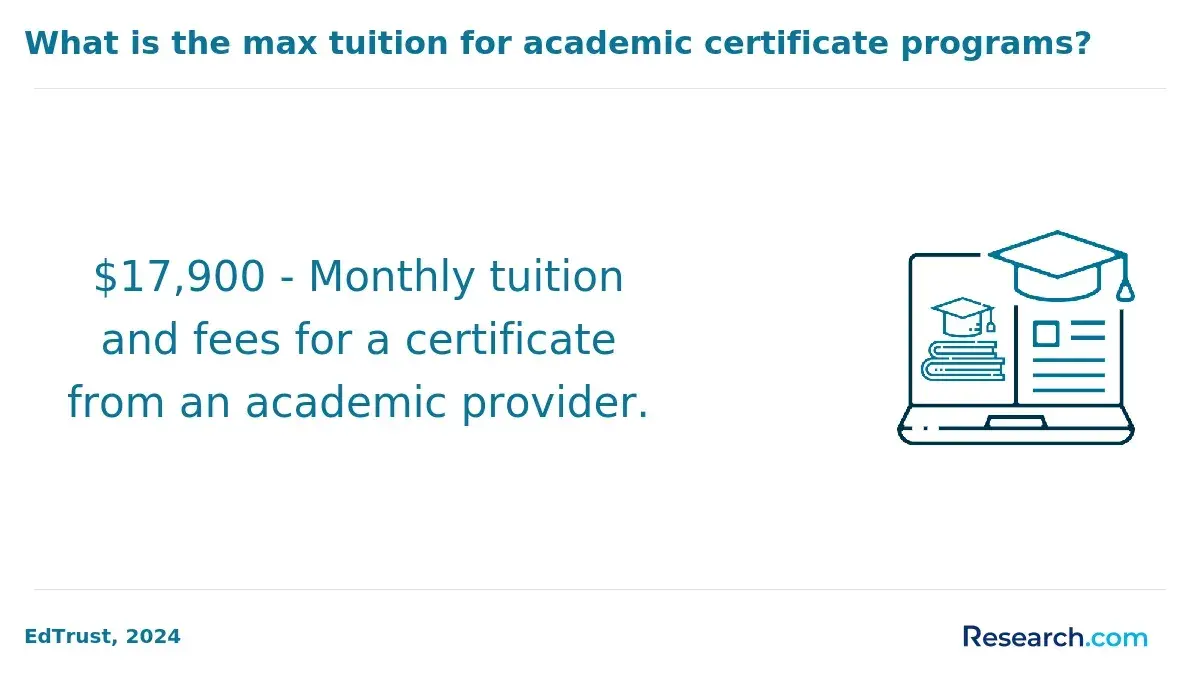
NCES data published in the 2024 Digest of Education Statistics shows that average graduate tuition and required fees for the 2022-23 academic year were about $12,600 at public institutions and about $29,900 at private nonprofit institutions. These are broad averages, not nursing doctorate prices, but they highlight why students should compare total program cost instead of focusing only on per-credit tuition.
The table below summarizes major ROI factors. It is designed to help you think beyond salary alone, since a doctorate can create value through promotion eligibility, academic options, and leadership credibility even when the immediate pay increase is modest.
| ROI factor | Why it matters | What to verify before enrolling |
| Total cost | Tuition is only part of the expense | Program fees, clinical fees, technology fees, travel, books, and graduation costs |
| Time to completion | Longer programs may increase opportunity cost | Part-time options, maximum time limits, course load, and project timeline |
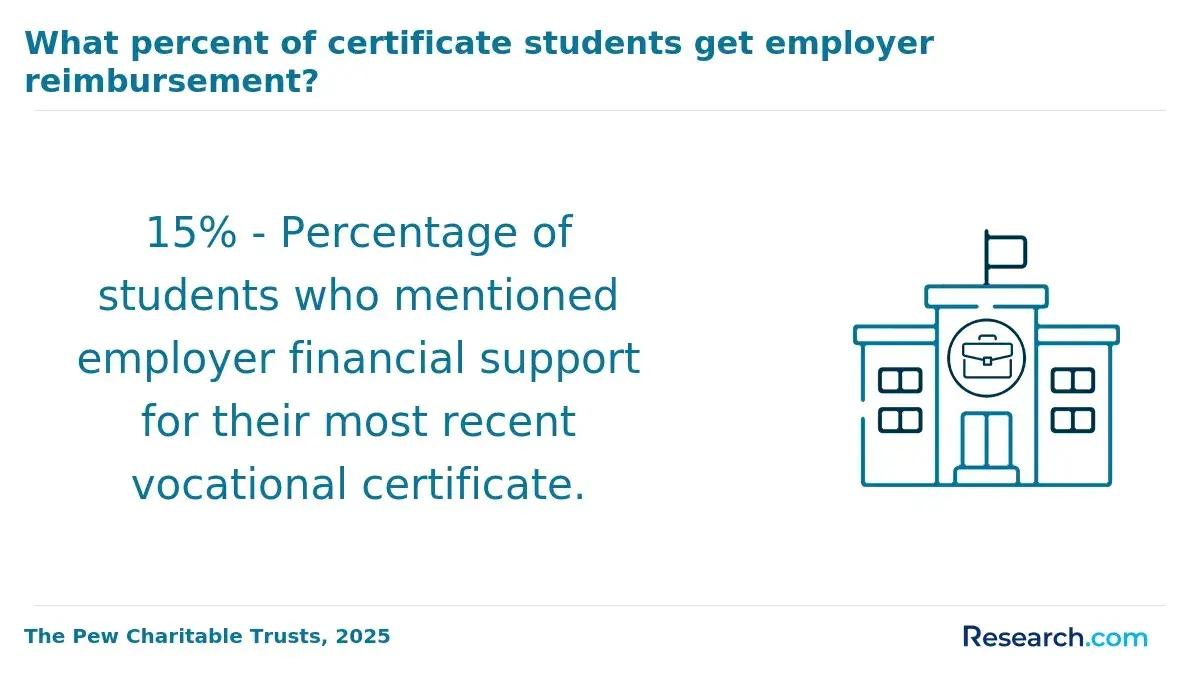
| Employer support | Tuition assistance can significantly improve ROI | Annual reimbursement limits, service commitments, grade requirements, and eligible programs |
| Promotion connection | The degree is most valuable when it unlocks a specific role or pay band | Whether your target employer rewards DNP, PhD, CNS certification, or executive experience |
| Project value | A strong doctoral project can become evidence for promotion or consulting | Whether the program allows projects tied to your workplace or target specialty |
| Career flexibility | Doctoral preparation may open education, policy, consulting, or leadership paths | Alumni outcomes, faculty networks, practicum partners, and specialty recognition |
To estimate ROI realistically, compare the total cost of attendance with the compensation range for your target roles, not just your current salary. Also consider nonfinancial returns such as eligibility for faculty rank, stronger executive credibility, national presentation opportunities, or the ability to lead system-wide initiatives.
Common ROI mistakes include assuming a doctorate automatically produces a promotion, ignoring employer tuition assistance, choosing a school based only on prestige, and selecting a research doctorate when an applied doctorate better matches the intended role. The safest approach is to define your target position first, then choose the lowest-risk accredited program that builds the required evidence, network, and credentials.
How Should Students Choose the Best Online Clinical Nurse Specialist Doctorate Program for Executive Career Goals?
Choosing the best online clinical nurse specialist doctorate program starts with the career outcome, not the school search. A nurse pursuing chief nursing officer roles needs a different mix of finance, operations, and executive mentorship than a CNS pursuing specialty practice leadership or a future professor pursuing nursing science research.
Use the following steps to compare programs in a practical way. Each step helps prevent a costly mismatch between the degree, the curriculum, and your leadership goal.
- Define your target role in writing, including preferred setting, such as hospital system, academic medical center, university, ambulatory network, behavioral health organization, public health agency, or consulting practice.
- Choose the correct doctorate type: prioritize a DNP for practice, executive, quality, informatics, and applied leadership roles, and prioritize a PhD for research-intensive academic or scientific careers.
- Confirm accreditation, state authorization, and any CNS certification alignment before discussing tuition or admissions.
- Compare curriculum depth in finance, policy, informatics, quality improvement, evidence-based practice, leadership, and population health.
- Ask how practicum sites are approved and whether you can complete leadership hours in your workplace or specialty area.
- Review doctoral project expectations, including data access, IRB or quality review processes, faculty support, timeline, and dissemination options.
- Calculate total cost, including fees, travel, technology, books, and any income reduction from fewer work hours.
- Evaluate career support, alumni roles, faculty mentorship, executive networking, publication support, and leadership practicum partnerships.
- Ask your employer how the degree affects promotion, pay, leadership-track eligibility, tuition assistance, and succession planning.
- Speak with current students or alumni about workload, responsiveness, faculty expertise, and whether the program delivered the leadership preparation promised.
Admissions requirements commonly include an active RN license, a BSN or MSN depending on entry point, graduate GPA minimums, transcripts, professional references, a resume, a personal statement, and sometimes advanced practice certification or clinical experience. Post-master's DNP programs may review prior graduate clinical hours, while BSN-to-DNP programs usually take longer and include more advanced practice preparation.
Online format details deserve close attention. Some programs are mostly asynchronous, while others require live classes, scheduled intensives, campus visits, or local practicum arrangements. Working nurses should ask how many hours per week students typically spend on coursework and project work, especially during practicum and final project terms.
Watch for red flags before committing. These include unclear accreditation language, vague clinical placement policies, poor transparency about total cost, limited faculty expertise in your specialty, weak career outcome information, and pressure to enroll before you have verified licensure or certification implications. A high-quality program should welcome detailed questions because serious doctoral students are making a major professional and financial decision.
Other Things You Should Know About Clinical Nurse Specialist Programs
Sometimes. Prescriptive authority for clinical nurse specialists depends on state law, APRN recognition, certification, education, and employer policy. Check your state board of nursing before choosing a program if prescribing is part of your career goal.
Usually, yes. Online DNP and CNS-focused programs commonly require practicum or clinical hours tied to advanced practice, leadership, or a doctoral project. Requirements vary by entry point, prior graduate hours, certification status, and school policy.
Not in every case. Many CNSs enter practice with a master's degree, depending on state and certification requirements. A DNP may be preferred for senior practice leadership, academic, quality, and executive roles, but requirements vary by employer.
Possibly, but you must verify state authorization, clinical placement rules, and whether the program meets your state's APRN or CNS requirements. This is especially important if the program includes certification preparation or advanced practice clinical hours.
References
- What Is a CNS in Nursing? Clinical Nurse Specialist Role Overview https://credenzahealth.com/career-advice/is-being-a-clinical-nurse-specialist-right-for-you
- Top Online Clinical Nurse Specialist Programs (CNS Rankings) https://www.npschools.com/rankings/all-online-cns-programs
- Nursing Career Paths And Specializations | Davis & Elkins https://www.dewv.edu/top-nursing-career-paths-and-specializations-for-2025/
- Top Options for Healthcare Career Advancement https://www.baypath.edu/news/bay-path-university-blogs/post/top-options-for-healthcare-career-advancement/
- Five ways a doctoral degree in nursing can transform your career https://onlinedegrees.bradley.edu/blog/five-ways-a-doctoral-degree-in-nursing-can-transform-your-career
- 6 Steps to Become a Clinical Nurse Specialist (CNS) https://nursinglicensemap.com/advanced-practice-nursing/clinical-nurse-specialist-cns/
- Online Doctor of Nursing Practice (DNP) Degrees for the Clinical Nurse Specialist-Women’s Health Role https://www.doctorofnursingpracticednp.org/online-doctor-of-nursing-practice-dnp-degrees-for-the-clinical-nurse-specialist-womens-health-role/
- Doctor of Nursing Practice, Clinical Nurse Specialist https://www.pointloma.edu/graduate-studies/programs/doctor-nursing-practice-clinical-nurse-specialist