2027 Low-Cost Online Clinical Nurse Specialist Doctorate Programs with Financial Aid: Scholarships, Grants, and Employer Tuition Support

Co-Founder and Chief Data Scientist
Choosing an online Clinical Nurse Specialist doctorate is often a cost decision as much as an academic one. The median annual wage for nurse practitioners was $129,210 in May 2024, according to the U. S. Bureau of Labor Statistics, but tuition, fees, clinical requirements, and borrowing costs can vary widely. This guide is for registered nurses and advanced practice nurses comparing affordable CNS-focused DNP or doctoral pathways. You will learn how to identify lower-cost programs, stack scholarships and employer support, avoid hidden costs, and decide whether a program's price aligns with your clinical, leadership, and salary goals.
Key Things You Should Know
- The lowest total cost usually comes from accredited public universities, post-master's DNP pathways, flat-rate online tuition, and programs that do not require expensive campus residencies.
- Federal Direct Unsubsidized Loans for graduate students carry an 8.08% interest rate for 2024-2025, so every grant, scholarship, tuition reimbursement payment, or cash-flowed course can reduce long-term cost.
- A low-cost CNS doctorate is strongest when it preserves eligibility for advanced practice recognition, clinical leadership roles, and employer promotion pathways rather than simply offering the lowest tuition line.
Which Online Clinical Nurse Specialist Doctorate Programs Offer the Lowest Total Cost?
The lowest-cost online Clinical Nurse Specialist doctorate programs are usually post-master's Doctor of Nursing Practice programs with a CNS population focus, a leadership or systems improvement track that accepts CNS-prepared nurses, or a DNP completion pathway for advanced practice registered nurses. A Clinical Nurse Specialist is an advanced practice registered nurse who improves patient outcomes through expert clinical practice, staff education, evidence-based practice, and systems-level quality improvement.
When comparing programs, total cost matters more than advertised tuition. A school with a slightly higher per-credit rate may be cheaper if it requires fewer credits, offers stronger institutional aid, accepts previous graduate coursework, or does not require repeated travel. Students comparing CNS doctorates may also review broader online nurse practitioner programs to understand how APRN tuition, clinical placement expectations, and online fees differ across nursing specialties.
The table below shows the program types most likely to produce a lower total cost. It does not rank individual schools because tuition, fees, residency rules, and aid policies change frequently; instead, it identifies the cost patterns students should verify before applying.
| Program type | Why it can be lower cost | Best fit | Main cost risk |
| Public university online post-master's DNP with CNS focus | Often combines lower per-credit tuition with a shorter doctoral completion plan for nurses who already hold an MSN | MSN-prepared CNSs or APRNs seeking a practice doctorate | Out-of-state online tuition, mandatory fees, or limited CNS population options |
| Flat-rate online DNP program | Charges the same online tuition regardless of residency, which can benefit out-of-state students | Students who cannot relocate or access in-state graduate nursing rates | Flat tuition may still exclude clinical, technology, graduation, or residency fees |
| Part-time DNP completion pathway | Allows students to keep working and use employer tuition assistance over multiple benefit years | Working CNSs, nurse educators, and hospital-based clinical leaders | Longer time in school can increase fees and delay career advancement |
| Program accepting transfer or waived graduate credits | Reduces the number of credits billed after transcript review | Nurses with recent MSN coursework, national certification, or prior doctoral credits | Credit acceptance is school-specific and may not apply to DNP project courses |
| Online program with local clinical or project placement | Can reduce travel, housing, and missed-work costs | Students with a supportive employer or preceptor network | Students may need to secure approved sites themselves |
The strongest low-cost choice is usually not the program with the cheapest posted credit hour. It is the program with the lowest verified cost after credits required, fees, travel, financial aid, employer support, and time away from work are included.
What Financial Aid Is Available for Online Clinical Nurse Specialist Doctorate Students?
Online CNS doctorate students may qualify for several forms of aid, but eligibility depends on accreditation, enrollment intensity, citizenship or eligible noncitizen status, satisfactory academic progress, and school participation in federal aid programs. The first step is usually the FAFSA, even for students who expect to rely mostly on employer benefits or scholarships.
Graduate nursing students should pay close attention to loan cost. Federal Direct Unsubsidized Loans for graduate students have an 8.08% fixed interest rate for 2024-2025, and Grad PLUS Loans have a 9.08% fixed interest rate. That means lower borrowing is not just about reducing the amount owed at graduation; it also reduces interest that can accumulate while completing clinical hours, a DNP project, or part-time study.
The main financial aid categories differ in how they are awarded and how they affect future repayment. Use this comparison to decide which funding sources to pursue first.
| Aid type | Repayment required? | Typical source | Best use for CNS doctorate students |
| Institutional grants | No, if conditions are met | University or nursing school | Reducing tuition before loans are packaged |
| Scholarships | No, if conditions are met | Professional associations, hospitals, foundations, schools | Offsetting tuition, books, project expenses, or specialty preparation costs |
| Employer tuition assistance | Usually no, unless service or grade requirements are not met | Hospital, health system, university medical center, government employer | Paying per term while maintaining income |
| Federal Direct Unsubsidized Loan | Yes | U.S. Department of Education | Filling remaining gaps after free aid and employer support |
| Federal Grad PLUS Loan | Yes | U.S. Department of Education | Covering approved cost of attendance beyond unsubsidized loan limits |
| Private education loan | Yes | Bank, credit union, or private lender | Only after comparing federal borrower protections and total repayment cost |
A practical funding order is to seek money that does not require repayment first, then employer benefits, then federal loans, and only then private loans if a carefully reviewed gap remains. This order protects flexibility because doctoral students may need to adjust enrollment around work schedules, clinical site availability, or family responsibilities.
Which Scholarships Help Reduce the Cost of an Online Clinical Nurse Specialist Doctorate?
Scholarships for online CNS doctorate students often come from nursing schools, state nursing organizations, clinical specialty associations, hospital foundations, diversity and workforce development programs, and local community foundations. Some awards are open to all graduate nursing students, while others prioritize advanced practice, underserved communities, leadership, research, or quality improvement.
Scholarship searches work best when students match their application to their professional role rather than searching only for "CNS doctorate scholarship." A CNS student may qualify as an APRN, nurse educator, clinical leader, quality improvement nurse, rural health professional, military-connected nurse, or doctoral nursing student.
These scholarship categories are worth prioritizing because they commonly align with CNS doctoral goals and may be renewable or stackable with employer benefits.
- School-based graduate nursing scholarships: Ask the nursing school whether admitted online DNP students are automatically considered or must submit a separate application.
- State nurses association scholarships: These may favor residents, licensed nurses in the state, or students planning to serve local workforce needs.
- Clinical specialty scholarships: Awards linked to critical care, oncology, pediatrics, gerontology, psychiatric-mental health, or women's health can fit CNS population tracks.
- Hospital foundation awards: Some health systems fund employees who pursue graduate nursing education tied to clinical excellence, evidence-based practice, or leadership development.
- Diversity, equity, and workforce scholarships: These may support nurses from underrepresented backgrounds or students committed to medically underserved communities.
- Doctoral project or research awards: Smaller awards can help pay for data tools, conference presentations, quality improvement materials, or dissemination expenses.
The common mistake is waiting until admission to look for scholarships. Many deadlines fall before the academic term starts, and some require recommendation letters, an essay, proof of enrollment, a CV, or a project proposal. Create a scholarship calendar before applying to programs so financial aid offers and external awards can be compared together.
How Can Employer Tuition Assistance Help Pay for an Online Clinical Nurse Specialist Doctorate?
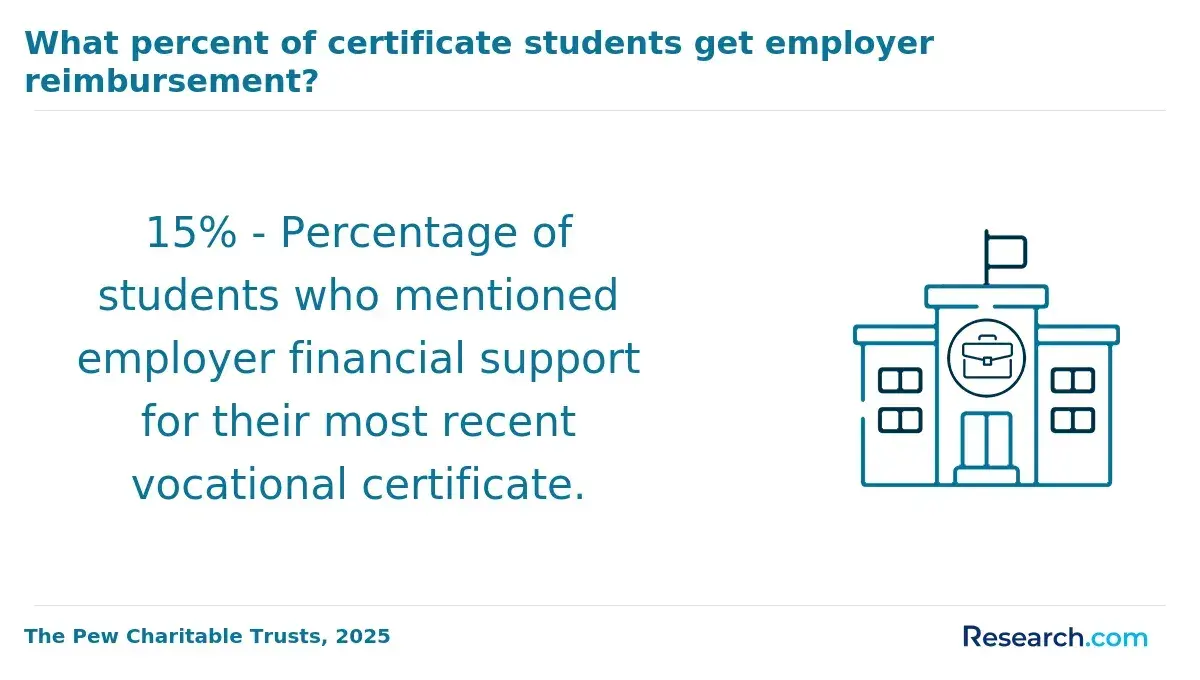
Employer tuition assistance can be one of the most valuable funding sources for online CNS doctorate students because many are already working in hospitals, academic medical centers, outpatient systems, or specialty units. This benefit may come as upfront tuition payment, reimbursement after grades post, a scholarship from the employer's foundation, or a service-based tuition agreement.
Employer support is especially useful for nurses deciding between advanced practice and leadership paths. If your long-term plan includes broader APRN mobility, reviewing how to become a nurse practitioner can help you compare the CNS route with NP-focused education before committing to a tuition agreement.
Before relying on an employer benefit, students should read the policy closely. The financial value can change dramatically depending on reimbursement timing, tax treatment, grades required, and whether the employee must remain with the organization after receiving funds.
- Annual cap: Determine the maximum benefit per calendar year and whether doctoral nursing programs qualify.
- Payment timing: Upfront payment reduces cash-flow pressure, while reimbursement may require the student to pay tuition first.
- Eligible expenses: Some policies cover tuition only, while others include fees, books, certification preparation, or required software.
- Grade requirement: Many employers require a minimum grade for reimbursement, which can affect funding if a course must be repeated.
- Service obligation: Some employers require repayment if the nurse leaves within a specified period after receiving assistance.
- Program approval: The employer may require accreditation, job relevance, manager approval, or enrollment at a partner school.
Employer-sponsored study makes the most sense when the doctorate connects directly to promotion, practice authority, clinical ladder advancement, education roles, or system-level quality work. It is less attractive if the repayment obligation would trap the student in a role that no longer fits their career plan.
How Do Assistantships, Fellowships, and Research Funding Work for Online Clinical Nurse Specialist Doctorate Students?
Assistantships and fellowships are less common in online practice doctorates than in full-time campus-based PhD programs, but they are still worth asking about. Some nursing schools offer graduate assistant roles, teaching support positions, project funding, traineeships, or small research awards that can reduce tuition or provide a stipend.
The key distinction is that DNP students usually complete a practice-focused project, while PhD students usually complete original research. A CNS student in a DNP program may be more likely to find funding tied to quality improvement, evidence implementation, informatics, patient safety, or clinical education than to a traditional lab-based research assistantship.
Use the following steps to uncover funding that is not always visible on the tuition page.
- Ask the nursing graduate program whether online DNP students are eligible for assistantships, hourly teaching roles, or project-based stipends.
- Contact faculty whose clinical expertise matches your CNS population focus and ask whether funded quality improvement or workforce projects need doctoral student support.
- Review the university graduate school website, not just the nursing school page, for fellowships open to professional doctorate students.
- Ask whether your DNP project can be aligned with a funded employer initiative, such as reducing readmissions, improving sepsis protocols, or strengthening preceptor development.
- Confirm whether accepting a stipend changes your financial aid package, work hours, tax situation, or employer tuition benefits.
The main red flag is assuming that online status automatically excludes funding. Some awards do require campus presence, but others are remote-friendly or project-based. Students should ask directly because funding rules often vary by department, faculty grant, and academic year.
Which Program Features Have the Biggest Impact on the Total Cost of an Online Clinical Nurse Specialist Doctorate?
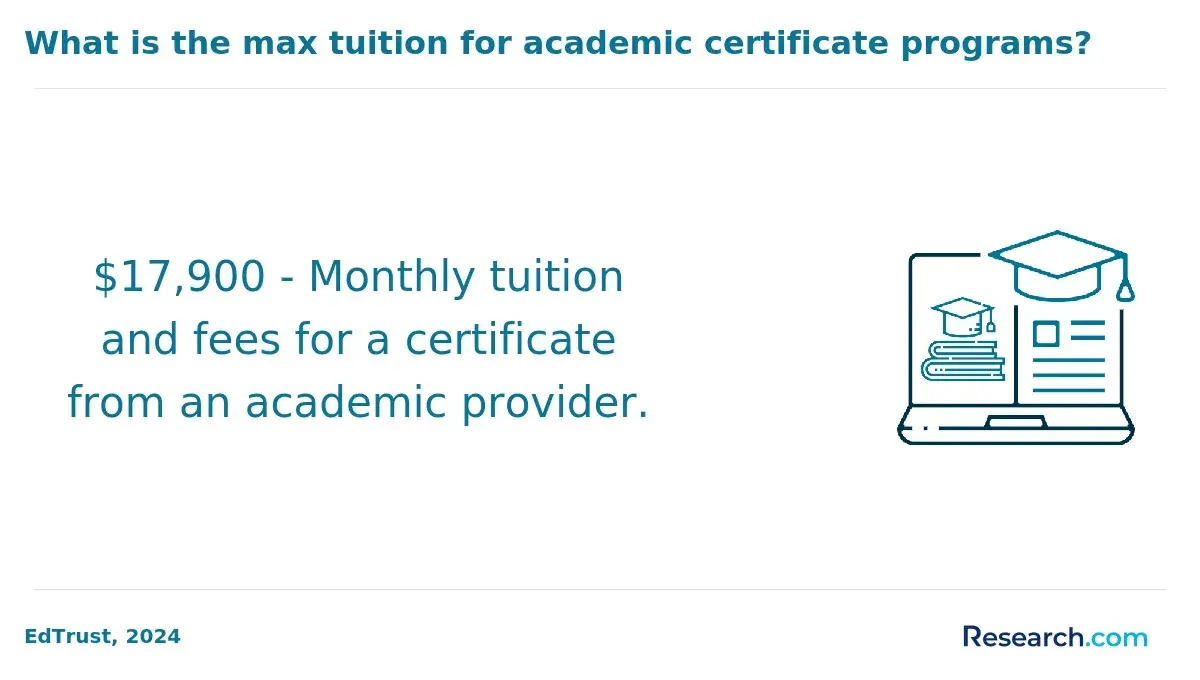
The biggest cost drivers are not always obvious. Published tuition is important, but doctoral nursing students also pay through time, travel, clinical coordination, technology, lost work hours, and project expenses. A lower tuition program can become expensive if it requires several campus visits or if clinical placement delays extend enrollment.
For cost comparison, students should build a full cost-of-attendance estimate before applying. The table below identifies the features that most often change the true price of an online CNS doctorate.
| Feature | How it affects cost | What to verify |
| Credits required | More credits usually mean higher tuition and fees | Whether MSN credits, APRN certification, or prior doctoral coursework reduce the plan |
| Per-credit tuition | Sets the base tuition cost | Whether online, in-state, out-of-state, or specialty nursing rates apply |
| Mandatory fees | Can add meaningful cost beyond tuition | Technology, clinical, simulation, graduation, program, and distance-learning fees |
| Residency or immersion requirements | May require travel, lodging, meals, and unpaid time away from work | Number, location, length, and frequency of in-person requirements |
| Clinical or practice hours | Can affect work schedule and placement costs | Required hours, placement support, site approval process, and preceptor expectations |
| DNP project support | Poor support can delay completion | Faculty advising, project site requirements, data access, and timeline expectations |
| Enrollment pace | Part-time study may preserve income but extend fee exposure | Minimum credits per term, maximum completion time, and aid eligibility thresholds |
A common mistake is comparing only tuition per credit. A better method is to request a degree audit or sample plan of study, multiply credits by tuition, add all mandatory fees, estimate travel and lost work time, then subtract confirmed aid and employer support.
How Can Students Reduce Borrowing While Earning an Online Clinical Nurse Specialist Doctorate?
Reducing borrowing requires planning before the first term. Because graduate federal loan interest rates are significantly higher than undergraduate rates, even modest reductions in borrowed principal can improve long-term affordability. The goal is not simply to avoid debt at all costs; it is to borrow only for costs that support a realistic career and income plan.
These tactics help CNS doctorate students lower the amount they finance while staying on track academically.
- Complete the FAFSA early and ask each school for a full aid estimate before paying an enrollment deposit.
- Request a written cost breakdown that includes tuition, fees, expected residencies, clinical costs, books, software, and graduation fees.
- Apply to at least a few external scholarships before the admission decision, especially state nursing and specialty association awards.
- Map employer tuition benefits across calendar years, then choose a part-time or year-round schedule that captures the maximum available support.
- Use cash payment plans for smaller balances when feasible rather than borrowing the full cost of attendance.
- Ask whether transfer credits, portfolio review, or prior graduate coursework can reduce the number of credits billed.
- Choose a DNP project that can be completed at your workplace or a local approved site to reduce travel and placement delays.
- Revisit borrowing each term instead of accepting the maximum loan amount automatically.
The biggest red flag is borrowing for convenience before exhausting lower-cost options. Students should also avoid choosing a program solely because it offers a high loan-based aid package; loans increase access, but they do not make a program cheaper.
Does Paying Less for an Online Clinical Nurse Specialist Doctorate Affect Career Outcomes?
Paying less does not automatically weaken career outcomes if the program is accredited, clinically appropriate, and respected by employers in the student's target setting. Career value depends more on licensure alignment, faculty expertise, clinical and project quality, employer recognition, leadership opportunities, and graduate support than on tuition alone.
The salary context is encouraging but should be interpreted carefully. The U.S. Bureau of Labor Statistics reported a May 2024 median annual wage of $129,210 for nurse practitioners, a related APRN category; CNS compensation may differ because employers classify roles differently across hospitals, academic systems, and specialty units. Students comparing CNS pathways with psychiatric-mental health advanced practice roles may also review psychiatric nurse practitioner salary patterns by state to understand how specialty, geography, and demand can influence earnings.
A lower-cost program is most likely to support strong outcomes when it meets several quality conditions. These factors should carry as much weight as tuition in the final decision.
- Accreditation: The program should hold recognized nursing accreditation and meet employer and state expectations for doctoral nursing education.
- CNS alignment: Coursework and clinical expectations should match the student's population focus, certification goals, and state APRN recognition rules where applicable.
- Clinical relevance: Practice experiences should build advanced assessment, systems leadership, quality improvement, evidence-based practice, and interprofessional collaboration skills.
- Employer recognition: The degree should support the roles the student is targeting, such as CNS, clinical educator, advanced practice leader, quality director, or nursing faculty.
- Completion support: Strong advising, project mentoring, and clinical coordination can prevent costly delays.
Borrowing may make sense when the program is accredited, the student has a realistic advancement path, employer support is limited but future role mobility is strong, and total debt remains manageable relative to expected earnings. Borrowing is harder to justify when the program lacks clear CNS alignment, requires expensive travel, or does not improve the student's career options.
Which Online Clinical Nurse Specialist Doctorate Programs Offer the Best Combination of Cost, Financial Aid, and Flexibility?
The best-value online CNS doctorate programs combine moderate tuition, transparent fees, flexible pacing, meaningful financial aid, and strong clinical relevance. For many working nurses, flexibility has direct financial value because it allows continued employment, employer tuition assistance, and local project completion.
Students considering psychiatric-mental health or related APRN pathways may compare CNS options with the best PMHNP programs online, especially if clinical placement support is a deciding factor. While CNS and PMHNP programs prepare nurses for different roles, both illustrate how placement quality and program structure can affect real cost.
The table below summarizes which program profile tends to provide the best overall value for different student situations.
| Student situation | Best-value program profile | Why it works | When to be cautious |
| MSN-prepared CNS seeking a doctorate | Post-master's online DNP completion pathway | May require fewer credits and build on existing advanced practice preparation | If the program lacks CNS-specific mentoring or requires extensive travel |
| Working hospital nurse with strong employer benefits | Part-time online DNP with flexible sequencing | Spreads tuition across benefit years while preserving income | If extended enrollment increases fees or delays advancement |
| Out-of-state student | Flat-rate online tuition program | Avoids nonresident tuition surprises | If flat-rate tuition excludes high mandatory fees |
| Student with prior doctoral credits | Program with generous transfer review | Can lower both tuition and completion time | If transfer credits do not apply to core DNP or project requirements |
| Student without a reliable clinical network | Program with documented placement assistance | Reduces delay risk and protects graduation timeline | If placement help is informal rather than guaranteed by policy |
In most cases, the best combination is not the cheapest program or the most prestigious program. It is the program that lets the student finish on time, meet CNS-related career requirements, use available aid, and avoid unnecessary borrowing.
How Should Students Compare Low-Cost Online Clinical Nurse Specialist Doctorate Programs?
Students should compare low-cost online CNS doctorate programs using a net-cost and career-fit framework. Net cost includes tuition, fees, travel, books, technology, clinical expenses, lost income, interest, scholarships, grants, and employer support. Career fit includes accreditation, CNS alignment, faculty expertise, clinical placement, state authorization, and employer recognition.
Use this decision process before committing to a program. It is designed to prevent the most common affordability mistakes, including overlooking fees, assuming all aid is grant aid, or choosing the lowest tuition without checking completion support.
- Confirm the program's nursing accreditation and whether it supports your intended CNS population, certification, or advanced practice recognition goals.
- Request a personalized plan of study showing total credits required after transfer review.
- Ask for a written total cost estimate that separates tuition, mandatory fees, residency travel, clinical costs, and project expenses.
- Compare financial aid offers by separating free aid, employer support, federal loans, and private loans.
- Ask whether online students qualify for the same scholarships, grants, assistantships, or payment plans as campus students.
- Verify clinical placement responsibilities, site approval timelines, and whether the school helps resolve placement problems.
- Review completion rates, student support, faculty access, and DNP project advising before prioritizing tuition alone.
- Calculate expected borrowing under part-time and full-time schedules, including how each option affects work income and employer benefits.
- Ask your employer whether the doctorate qualifies for promotion, clinical ladder advancement, leadership roles, or tuition reimbursement.
- Choose the program that provides the strongest combination of affordability, completion confidence, and career relevance.
Students comparing APRN pathways should also think about role identity. If the goal is diagnosis and treatment in a provider role, a nurse practitioner pathway may fit better; if the goal is expert clinical practice, staff development, quality improvement, and systems leadership, the CNS doctorate may be the stronger match. A guide on how to become a nurse practitioner can help clarify the distinction before a student invests in a doctoral plan.
Other Things You Should Know About Clinical Nurse Specialist
No. Both can be advanced practice registered nurses, but the roles often differ. Nurse practitioners commonly focus on direct diagnosis and treatment, while Clinical Nurse Specialists often combine expert clinical care with staff education, quality improvement, evidence-based practice, and systems change. State rules and employer job descriptions vary.
Most practice-focused doctoral nursing programs require supervised practice hours, a scholarly project, or both. The exact number depends on prior graduate preparation, certification status, and the school's curriculum. Students should ask how hours are approved, documented, and completed locally.
It can support teaching roles, especially in clinical education, staff development, simulation, adjunct instruction, or practice-focused nursing faculty positions. Some tenure-track academic roles may prefer or require a research doctorate, so students interested in university faculty careers should compare DNP and PhD expectations.
Common requirements include an active RN license, a BSN or MSN depending on entry point, graduate transcripts, professional references, a resume or CV, a statement of goals, and sometimes APRN certification or clinical experience. Requirements vary by school and by whether the program is post-BSN or post-MSN.
References
- Most Affordable Online NP Programs (2026): Comprehensive https://www.npschools.com/rankings/all-affordable-online-np-programs
- Tuition Reimbursement for Nursing https://www.brighthorizons.com/employers/benefits/tuition-reimbursement-for-nursing
- Is Financial Assistance Available to Earn a DNP? https://www.doctorofnursingpracticednp.org/is-financial-assistance-available-to-earn-a-dnp/
- NELP-Nursing Education, PhD/DNP https://www.msfinancialaid.org/nelp/
- Scholarships & Financial Aid https://www.aacnnursing.org/students/scholarships-financial-aid
- Best Online Ph.D. Nursing Programs for 2026 | Ranked https://www.nurseeducator.com/degrees/phd/
- Clinical Nurse Specialist (CNS) Programs https://www.widener.edu/academics/graduate-studies/adult-gerontology-clinical-nurse-specialist-msn
- Most Affordable Online DNP Programs https://www.onlineu.com/most-affordable-colleges/dnp-degrees
- Doctor of Nursing Practice, Clinical Nurse Specialist https://www.pointloma.edu/graduate-studies/programs/doctor-nursing-practice-clinical-nurse-specialist
- Financial Aid for Nursing Students https://www.coloradotech.edu/degrees/studies/nursing/articles/nursing-financial-aid