2027 Cheapest Online Clinical Nurse Specialist Doctorate Programs That Pay Well: Tuition, Duration, and Career Outcomes

Co-Founder and Chief Data Scientist
Key Things About the Cheapest Online Clinical Nurse Specialist Doctorate Programs That Pay Well
- The cheapest online Clinical Nurse Specialist doctorate options are usually public DNP programs, especially MSN-to-DNP tracks requiring fewer credits than BSN-to-DNP routes; realistic total tuition planning often ranges from about $20,000 to $45,000 for lower-cost public options before fees.
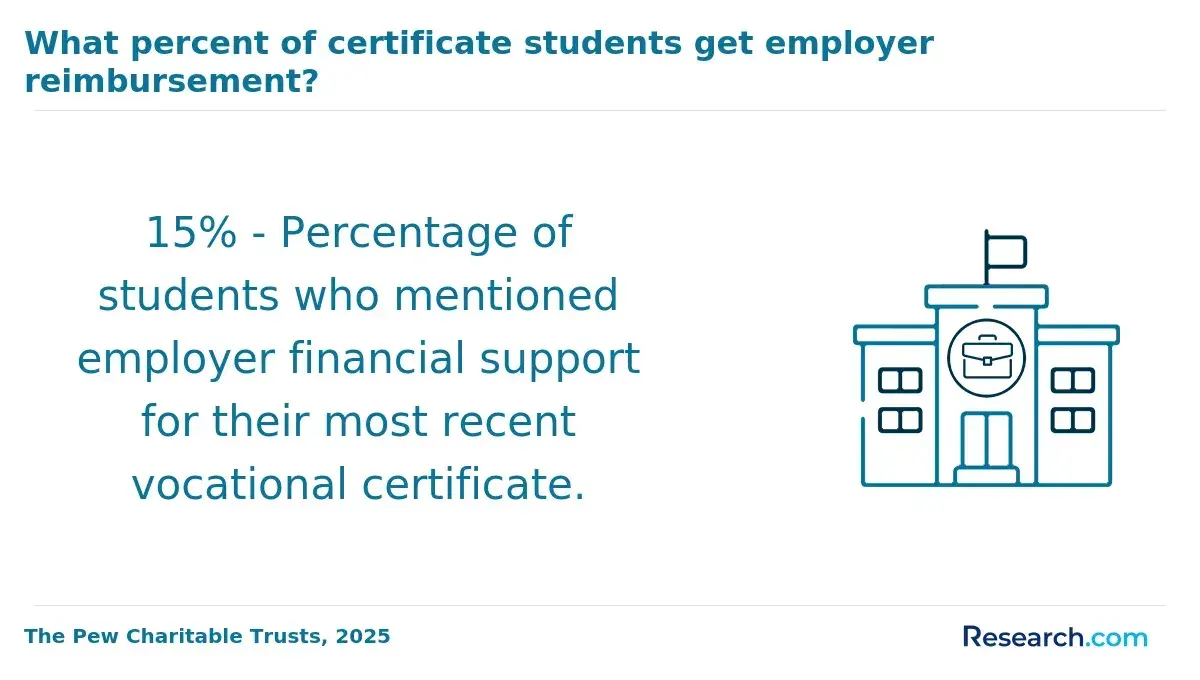
- Federal loans, employer reimbursement, HRSA-linked programs, Nurse Faculty Loan Program support, military benefits, and institutional scholarships can reduce out-of-pocket cost, but most graduate nursing students must file the FAFSA and apply early to be considered.
- Most online CNS doctoral candidates finish in 2 to 4 years depending on prior degree level, transfer credits, project requirements, clinical-hour gaps, and whether they study full-time or part-time while working.
What is the estimated cost of completing an online doctorate in Clinical Nurse Specialist?
The estimated cost of an online doctorate in Clinical Nurse Specialist depends mainly on whether you enter with a BSN or MSN, whether the school charges resident or flat online tuition, and how many clinical or DNP project credits you still need. The lowest-cost route is usually an MSN-to-DNP program for licensed APRNs who already hold graduate clinical preparation.
NCES graduate tuition data released in 2024 shows a persistent affordability gap between public and private graduate education. For CNS doctoral applicants, that means the school's control type matters less than the actual per-credit nursing tuition, required fees, and whether the online rate is the same for out-of-state students.
The table below summarizes practical cost ranges you can use for early budgeting. These are planning ranges, not guaranteed prices, because universities update tuition and fees frequently.
| Program route | Typical credit pattern | Estimated tuition-only range | Best fit |
| MSN-to-DNP CNS or APRN-focused DNP | About 30 to 45 credits | $20,000 to $55,000 | Practicing CNSs, APRNs, or MSN-prepared nurses seeking leadership, quality, faculty, or systems roles |
| BSN-to-DNP with CNS concentration | About 65 to 85 credits | $45,000 to $100,000+ | BSN-prepared nurses who want one continuous route into advanced practice and doctoral preparation |
| Private nonprofit online or hybrid DNP | Varies widely by transfer credit and specialization | $55,000 to $120,000+ | Students who value a specific clinical concentration, faculty match, or institutional network enough to justify higher cost |
| Ph.D. in nursing with CNS-aligned research focus | Often 45 to 70 credits beyond the master's | Highly variable; funded options may reduce tuition | Nurses aiming for research-intensive academic roles rather than practice leadership |
To compare programs correctly, calculate total program cost instead of focusing only on the advertised per-credit rate. Multiply tuition by required credits, then add technology fees, clinical fees, DNP project fees, background checks, immunization tracking, travel, books, and any dissertation or project continuation charges.
The biggest savings usually come from choosing a program that accepts prior graduate credits, charges a flat online tuition rate, lets you complete clinical hours near your workplace, and does not require repeated campus visits. A higher-priced school can still be a better value if it shortens your timeline, provides strong clinical placement support, or connects you to a higher-paying leadership role.
How long does it take to complete the cheapest online Clinical Nurse Specialist doctorate program?
The cheapest online Clinical Nurse Specialist doctorate program typically takes 2 to 4 years, but the timeline depends on entry point. MSN-prepared CNS candidates often finish faster because they already have graduate nursing coursework and clinical hours, while BSN-to-DNP students must complete advanced practice, doctoral, and specialty requirements in one longer sequence.
Use the table below to estimate how your background affects the time commitment. This matters because an extra year of tuition, fees, and reduced work hours can change the real ROI of a "cheap" program.
| Student profile | Common completion time | Why the timeline differs | Budget impact |
| MSN-prepared CNS or APRN | 2 to 3 years part-time | Fewer credits, more transferable graduate coursework, and existing clinical preparation | Usually the lowest total cost route |
| MSN-prepared nurse without CNS certification | 3 to 4 years | May need specialty clinical courses and supervised hours before or during doctoral work | Moderate to high cost depending on required clinical credits |
| BSN-to-DNP CNS student | 3 to 5 years | Combines advanced practice preparation, doctoral core, specialty courses, and DNP project work | Higher tuition because of the larger credit load |
| Full-time accelerated DNP student | As few as 2 to 3 years when allowed | Heavier course loads and less schedule flexibility | Can reduce calendar time but may reduce work income |
Accelerated study makes sense when you have strong employer support, protected study time, reliable clinical placement access, and enough savings to handle temporary income pressure. Part-time study is usually safer for full-time nurses, especially those in leadership roles, because DNP courses, clinical hours, and evidence-based practice projects can be difficult to compress.
If you are comparing CNS and NP pathways, reviewing how to become a nurse practitioner can help clarify how advanced practice timelines differ by role, specialization, and prior education.
Before enrolling, ask each program these timeline questions so you do not underestimate the workload:
- How many credits will I personally need after transcript review?
- How many DNP practice hours must I complete to reach the required doctoral total?
- Can I use my workplace for clinical hours or the DNP project?
- Are courses offered every term, or will one missed course delay graduation by a full year?
- Is there a maximum time limit, continuation fee, or re-enrollment fee if my project takes longer than planned?
Which accredited universities offer the lowest tuition for an online Clinical Nurse Specialist doctorate?
The lowest-tuition online Clinical Nurse Specialist doctorate programs are usually housed at regionally accredited public universities with CCNE- or ACEN-accredited nursing programs. Because CNS concentrations can open, pause, or change delivery format, you should verify current availability, state authorization, tuition, and clinical placement rules directly with the school before applying.
The table below highlights accredited universities that are often worth checking first because they offer online or mostly online DNP pathways with CNS-relevant tracks or advanced nursing leadership options. The "cost position" column is a comparison cue, not a final ranking.
| University | Relevant doctoral pathway | Delivery note | Cost position to verify |
| University of South Alabama | DNP pathways with Clinical Nurse Specialist-related options | Online coursework with clinical requirements arranged by program rules | Often competitive among public online nursing doctorates |
| East Carolina University | DNP with advanced practice and CNS-relevant preparation | Online or hybrid elements may vary by track and residency status | Potentially strong value for eligible in-state or regional students |
| University of Missouri | DNP with Adult-Gerontology Clinical Nurse Specialist options | Online coursework with required clinical and project components | Moderate public-university pricing to compare against flat-rate online options |
| University of Wisconsin-Milwaukee | DNP with CNS-related population focus options | Online and hybrid expectations should be confirmed by track | Worth comparing for Midwest applicants and those seeking CNS faculty depth |
| Old Dominion University | DNP pathways for advanced nursing practice and leadership | Online delivery varies by concentration and clinical placement needs | May be competitive depending on residency and credit transfer |
Do not choose a program on tuition alone. A cheap program can become expensive if it requires travel, does not approve your clinical site, delays DNP project completion, or lacks the CNS population focus required for your state or employer. Similarly, a moderately priced program may produce better value if it offers strong faculty mentorship, predictable course sequencing, and project support tied to your current workplace.
Applicants comparing broader APRN options may also want to review affordable online nurse practitioner programs, especially if their long-term goal is direct diagnosis and treatment authority rather than CNS consultation, systems improvement, and expert clinical leadership.
Use this checklist before submitting applications:
- Confirm institutional accreditation and nursing program accreditation through the school and the accreditor.
- Ask whether the track prepares graduates for CNS certification in your population focus.
- Request a personalized degree plan showing accepted transfer credits and remaining credits.
- Ask whether online students pay resident, nonresident, or flat-rate online tuition.
- Confirm clinical placement responsibilities in writing, including whether you must find your own preceptors.
- Check whether the program requires campus intensives, on-site orientation, or in-person project defense.
What hidden fees should you expect in an online Clinical Nurse Specialist doctorate program?
Hidden fees can turn a low advertised tuition rate into a higher total cost of attendance. This is especially important for online CNS doctoral students because doctoral project courses, clinical compliance requirements, and technology platforms often carry recurring charges.
The table below shows common extra costs and why they matter when comparing programs.
| Hidden cost | Why it matters | How to budget for it |
| Technology or online learning fees | Charged per course, per credit, or per term | Add them to every term, not just the first term |
| Clinical compliance systems | May include background checks, drug screening, immunization tracking, and document management | Expect recurring costs when clinical documentation expires |
| Practicum or clinical course fees | Often attached to specialty or DNP practice courses | Ask whether fees apply to each clinical course |
| DNP project or dissertation continuation fees | Charged if your project extends beyond the standard sequence | Plan a reserve if you work full-time or need site approvals |
| Travel for campus intensives | Online programs may still require short residencies | Include airfare, hotel, meals, parking, and unpaid time off |
| Graduation, transcript, and certification paperwork fees | Small charges can add up at the end of the program | Include them in your final-term budget |
The most common budgeting mistake is comparing only tuition per credit. A better approach is to ask the financial aid office for a full program cost sheet and then create your own total-cost estimate.
Ask these questions before you accept admission:
- What is the total estimated cost for my exact degree plan, including fees?
- Are online students charged different tuition than campus students?
- How many campus visits are required, and when do they occur?
- What happens financially if I need an extra term for my DNP project?
- Are clinical placement services included in tuition or billed separately?
- Can I reduce credits through transfer, portfolio review, or prior graduate coursework?
Avoid paying full tuition upfront unless there is a clear discount and refund policy. Monthly payment plans, employer reimbursement timing, and federal loan disbursement schedules can make cash flow easier to manage.
What financial aid options and federal grants are available for online Clinical Nurse Specialist doctoral candidates?
Online Clinical Nurse Specialist doctoral candidates can often use the same federal aid systems as campus students if they attend an eligible accredited institution and enroll at least half-time. The FAFSA is the starting point for most federal loans, institutional grants, work-study consideration, and need-based school funding.
Graduate students generally do not receive Pell Grants, but they may qualify for Direct Unsubsidized Loans, Grad PLUS Loans, federal work-study, institutional scholarships, employer assistance, and service-linked nursing programs. The table below summarizes the major options and the type of student each one may help.
| Aid option | How it can reduce cost | Best fit |
| FAFSA-based federal loans | Provides access to Direct Unsubsidized and Grad PLUS borrowing for eligible students | Students who need structured financing and want federal borrower protections |
| Institutional nursing scholarships | Can reduce tuition directly, often through competitive awards | Applicants with strong academic records, leadership, service, or specialty focus |
| Nurse Faculty Loan Program | May cancel a large share of qualifying loans for graduates who become nurse faculty | CNS doctoral students planning academic teaching roles |
| NURSE Corps Loan Repayment Program | Helps repay qualifying nursing education debt for service in eligible shortage settings | Nurses willing to work in approved high-need facilities |
| Employer tuition reimbursement | Offsets tuition while you remain employed | Working nurses whose hospitals or health systems fund advanced education |
| Military and veteran education benefits | May cover tuition, fees, or living costs depending on eligibility | Veterans, active-duty service members, spouses, or dependents with available benefits |
Employer support is often the most practical cost reducer for working CNS candidates. Hospitals may fund doctoral study when the DNP project supports quality improvement, patient safety, Magnet goals, care standardization, or retention of advanced clinical leaders.
Use this sequence to reduce out-of-pocket costs:
- File the FAFSA as soon as the application opens for your enrollment year.
- Ask the nursing school whether separate scholarship applications are required.
- Request written details on employer reimbursement limits, grade requirements, and repayment obligations if you leave your job.
- Ask your manager whether your DNP project can align with a funded organizational priority.
- Compare federal loan terms with private loans before borrowing.
- Reapply for scholarships every year instead of assuming first-year awards are the only options.
If you are still deciding between CNS, NP, and other APRN routes, comparing curricula and role outcomes across related programs can help you avoid borrowing for a credential that does not match your intended scope of practice.
How can fellowships and research stipends offset the cost of an online Clinical Nurse Specialist doctorate?
Fellowships, assistantships, and research stipends are less common in online DNP programs than in full-time campus Ph.D. programs, but they can still reduce costs for students who ask early and align their work with faculty or health-system priorities. Funding is more likely when your project supports measurable outcomes such as infection prevention, readmission reduction, evidence-based protocols, workforce development, or specialty care coordination.
The table below explains which funding sources are most realistic for CNS doctoral candidates and what trade-offs to expect.
| Funding source | Potential benefit | Common limitation |
| Graduate assistantship | May provide tuition support, stipend, or hourly pay | Often limited to campus-based or research-intensive programs |
| Teaching assistant role | Builds academic experience and may provide compensation | May require scheduled availability during work hours |
| Research project stipend | Supports work on funded faculty or clinical research | Usually tied to grant availability and faculty needs |
| Health-system project funding | May cover data tools, conference costs, or partial tuition | Requires strong alignment with employer priorities |
| Professional association award | Can support conference travel, research dissemination, or small scholarship needs | Awards are competitive and may not cover tuition directly |
To improve your chances, treat funding as part of your admissions strategy rather than an afterthought. Contact program directors, faculty with CNS expertise, and financial aid staff before the priority deadline.
Practical steps include:
- Identify faculty whose research or quality-improvement work matches your specialty population.
- Ask whether online DNP students are eligible for assistantships, teaching roles, or funded project work.
- Prepare a short project proposal showing how your CNS expertise can improve outcomes or reduce costs.
- Ask your employer to sponsor the project if it supports a strategic metric.
- Track small awards for travel, certification, poster presentation, and conference dissemination because they reduce the total cost of completing the doctorate.
A stipend should not be the only reason to choose a program. If funding requires too many unpaid hours or delays graduation, the financial benefit may disappear.
What is the average starting salary and long-term earnings potential for Clinical Nurse Specialist doctorate graduates?
Clinical Nurse Specialist doctorate graduates do not have one single federal salary category, so salary planning should use role-based benchmarks. The strongest comparisons usually come from advanced practice nursing, nurse leadership, quality and safety, healthcare management, and academic nursing roles.
BLS May 2024 data reports median annual pay of $132,050 for nurse anesthetists, nurse midwives, and nurse practitioners as a combined advanced practice group. CNS roles are not identical to NP roles, but this benchmark helps doctoral candidates understand the compensation environment for advanced clinical expertise.
The table below gives practical salary context for common CNS doctorate outcomes. Use it to test whether the program's cost is reasonable for the roles you realistically plan to pursue.
| Role after CNS doctorate | Typical salary benchmark to review | Long-term earnings factors |
| Clinical Nurse Specialist or advanced practice clinical leader | Often evaluated against APRN and senior RN leadership compensation | Specialty area, hospital size, state APRN rules, certification, and leadership scope |
| Director of nursing practice, quality, or evidence-based practice | Often aligned with healthcare management salary structures | System size, budget responsibility, service line complexity, and measurable outcomes |
| Chief nursing officer or executive nursing leader | Executive compensation varies widely by organization | Prior leadership record, graduate credentials, financial responsibility, and regional market |
| Nursing faculty or DNP program faculty | Usually lower than executive healthcare leadership but may offer stability and loan programs | Rank, tenure status, clinical practice opportunities, and faculty shortage incentives |
| Consultant in quality, safety, or clinical transformation | Compensation depends on client base and specialization | Reputation, measurable project results, informatics skills, and contract volume |
Starting salary after the doctorate depends heavily on whether you are moving into a new role or using the degree to advance within your current health system. A nurse who already holds a well-paid CNS position may see a smaller immediate raise but stronger eligibility for executive, faculty, or system-level roles over time.
Salary comparisons across APRN specialties can also clarify opportunity cost. For example, reviewing psychiatric nurse practitioner salary data may help candidates decide whether CNS leadership, NP practice, or another specialty better fits their financial and clinical goals.
What high-paying career paths justify the cost of an online doctorate in Clinical Nurse Specialist?
High-paying career paths can justify the cost of an online doctorate in Clinical Nurse Specialist when the degree helps you move from bedside expertise into system-level responsibility. The doctorate is most financially useful when it supports roles involving quality outcomes, clinical governance, executive decision-making, academic leadership, or specialized consulting.
An online doctorate is not strictly required for every executive nursing role. Some employers value an MSN plus strong leadership experience, while academic medical centers, Magnet-focused hospitals, nursing schools, and large health systems may prefer or require a doctorate for senior practice, faculty, or executive roles.
The table below compares high-paying pathways and when a CNS doctorate is most likely to make sense.
| Career path | Why it can pay well | When the doctorate makes sense |
| Chief nursing officer or associate chief nursing officer | Compensation reflects enterprise responsibility, staffing strategy, quality metrics, and financial oversight | Best for nurses with prior management experience and a clear executive trajectory |
| Director of clinical practice or evidence-based practice | Organizations pay for leaders who standardize care and improve outcomes across units | Strong fit for CNSs who enjoy systems improvement more than one-on-one clinical practice |
| Quality, safety, and outcomes executive | High-value roles are tied to compliance, patient safety, performance improvement, and risk reduction | Best when the DNP project builds a measurable quality portfolio |
| DNP faculty or clinical track professor | Doctoral credentials are often expected for graduate nursing education | Good fit for candidates interested in teaching, curriculum, and workforce development |
| Healthcare consultant or clinical transformation advisor | Specialized expertise can command higher project-based compensation | Best for experienced CNSs with documented outcomes and strong professional networks |
The degree makes less financial sense if you do not want leadership, teaching, consulting, research translation, or advanced systems work. If your goal is primarily diagnosis and prescribing in a specific population, an NP pathway may be a better match; candidates comparing psychiatric options can review best PMHNP programs online to understand how placement support and specialty focus affect career outcomes.
Before enrolling, define the job title you want after graduation. Then compare job postings in your region to see whether they require a DNP, prefer a doctorate, or accept equivalent experience.
Which high-paying industries actively recruit professionals with an online doctorate in Clinical Nurse Specialist?
Industries that recruit CNS doctorate graduates usually need nurses who can connect advanced clinical expertise with organizational change. The strongest opportunities tend to appear where patient complexity, regulatory pressure, quality measurement, and workforce development are central business concerns.
BLS employment projections released in 2024 show healthcare leadership and advanced practice roles remain among the faster-growing parts of the labor market. For CNS doctoral candidates, the key takeaway is not that every role requires a doctorate, but that systems-level nursing expertise is valuable in settings under pressure to improve outcomes and efficiency.
The table below summarizes industries where a CNS doctorate can be especially marketable.
| Industry | Common job titles | Why the industry recruits CNS doctorate holders |
| Hospitals and academic medical centers | Clinical Nurse Specialist, director of nursing practice, outcomes leader | Need expert clinicians who can improve care standards, mentor nurses, and lead evidence-based initiatives |
| Large health systems | System director of quality, clinical transformation leader, nursing practice executive | Need leaders who can standardize practice across multiple sites |
| Universities and nursing schools | DNP faculty, clinical professor, program director | Need doctorally prepared nurses to teach advanced practice and doctoral students |
| Government and public health systems | Veterans health nursing leader, clinical program manager, population health advisor | Need expertise in complex patient populations, care coordination, and quality improvement |
| Consulting, health technology, and quality organizations | Clinical consultant, patient safety advisor, implementation specialist | Need clinicians who can translate evidence into scalable processes and tools |
The highest ROI usually comes from industries where your CNS expertise solves measurable problems. Examples include reducing infections, improving throughput, strengthening specialty protocols, lowering readmissions, improving nurse competency, or preparing organizations for accreditation and quality reporting.
When evaluating a program, ask whether faculty and alumni have connections to the industries you want. A low-cost doctorate is more valuable when it also gives you a DNP project, practicum site, and mentor network aligned with your target role.
How quickly can you achieve a positive ROI on an online Clinical Nurse Specialist doctorate?
A positive ROI on an online Clinical Nurse Specialist doctorate depends on the total cost you pay, the income you preserve while studying, the salary increase or promotion you secure, and whether the degree opens roles that were previously unavailable. The fastest payback usually comes from low tuition, employer reimbursement, part-time study while employed, and a promotion into leadership or consulting soon after graduation.
Use the simple formula below for your own planning: total out-of-pocket cost divided by estimated annual salary gain equals approximate payback period before taxes and living-cost changes. If the result is longer than the time you expect to stay in the role, the program may not be financially efficient.
The table below shows how different cost and salary scenarios affect payback speed. These are examples for planning, not promises of earnings.
| Out-of-pocket doctorate cost | Annual salary increase after graduation | Approximate pre-tax payback period | ROI interpretation |
| $20,000 | $10,000 | About 2 years | Strong if the role is stable and the program is accredited |
| $35,000 | $15,000 | About 2.3 years | Reasonable for candidates moving into leadership or faculty roles |
| $60,000 | $15,000 | About 4 years | Acceptable only if long-term promotion potential is strong |
| $90,000 | $10,000 | About 9 years | Risky unless the program provides major career access or nonfinancial value |
Common ROI mistakes are predictable and avoidable. The most expensive errors happen before enrollment, not after graduation.
- Choosing an unaccredited or weakly recognized program because it is cheap.
- Ignoring whether the CNS track matches state certification and employer expectations.
- Borrowing for a private program without comparing public online alternatives.
- Taking a full-time load while working full-time without a realistic plan for clinical hours and project work.
- Failing to use employer tuition benefits before taking loans.
- Choosing a Ph.D. when an applied DNP better matches practice leadership goals, or choosing a DNP when a research Ph.D. is needed for a tenure-track research career.
The best balance is usually a CCNE- or ACEN-accredited public online DNP with a CNS-relevant concentration, transparent fees, strong project support, and a degree plan that lets you keep working. If the program can connect your doctoral project to a promotion pathway, the ROI improves significantly.
Other Things You Should Know About Clinical Nurse Specialist
Yes, if it comes from a properly accredited institution with an accredited nursing program and meets the clinical or leadership expectations of the employer. Employers generally care more about accreditation, certification eligibility, clinical experience, and outcomes than whether coursework was online.
No. A DNP is an applied practice doctorate focused on clinical leadership, systems improvement, and evidence-based practice. A Ph.D. is a research doctorate designed for generating new nursing knowledge and pursuing research-intensive academic careers.
Often yes, but policies vary. Some schools allow students to arrange approved local clinical sites and preceptors, while others provide limited placement support or require specific affiliated sites. Always confirm placement responsibility before enrolling.
Yes, many programs can enroll students only in states where the university is authorized to offer distance education and where clinical placements are permitted. Check both state authorization and CNS certification alignment before applying.
References
- Top Online Clinical Nurse Specialist Programs (CNS Rankings) https://www.npschools.com/rankings/all-online-cns-programs
- Scholarships & Financial Aid https://www.aacnnursing.org/students/scholarships-financial-aid
- Doctor of Nursing Practice, Clinical Nurse Specialist https://www.pointloma.edu/graduate-studies/programs/doctor-nursing-practice-clinical-nurse-specialist
- Your Guide to Online PhD Nursing Programs: What They Are, What to Expect, and How to Choose the Right One – FRESHRN https://www.freshrn.com/online-phd-nursing-programs/
- 6 Steps to Become a Clinical Nurse Specialist (CNS) https://nursinglicensemap.com/advanced-practice-nursing/clinical-nurse-specialist-cns/
- Clinical Nurse Specialist Online Degrees: Guide to Top Schools https://www.edumed.org/online-schools/nursing-rn-programs/clinical-nurse-specialist/
- How Much Do Clinical Nurse Specialists Make? – Nursing Education https://nursingeducation.org/careers/clinical-nurse-specialist/salary/
- PhD Scholarships: Explore Your Online Education Aid Options https://www.oedb.org/phd-scholarship/
- Clinical Nurse Specialist (CNS) Career Guide: Advancing Nursing Expertise https://nurseslabs.com/clinical-nurse-specialist-cns-career-guide/
- How Much Can You Earn With a Doctor of Nursing Practice (DNP)? https://www.allnursingschools.com/dnp/salary/