2026 Online Chemistry Bachelor's Degree Programs With No Prerequisites

Co-Founder and Chief Data Scientist
Many professionals holding degrees unrelated to chemistry face barriers when seeking to enter the chemistry field due to prerequisite coursework requirements. This limits access to flexible online bachelor's degree programs that could facilitate career pivots. Approximately 35% of U. S. workers express interest in pursuing science degrees but are deterred by rigid admissions criteria. Online chemistry bachelor's degrees with no prerequisites eliminate these barriers, offering accessible pathways for adult learners and working professionals. This article explores available programs designed for such students, outlining how they enable seamless transitions into chemistry careers without prior coursework, thus addressing a common educational bottleneck.
Key Benefits of Online Chemistry Bachelor's Degree Programs With No Prerequisites
- Online chemistry bachelor's programs offer flexible scheduling, enabling working professionals to balance studies with job and family commitments through asynchronous courses and part-time enrollment options.
- Students benefit from accelerated skill acquisition via focused curricula designed to build foundational chemistry knowledge quickly without prerequisite barriers, reducing time to degree completion.
- These programs provide valuable credentials aligned with industry standards, allowing learners to advance careers within budget constraints and timelines that accommodate life responsibilities.
What Does 'No Prerequisites' Mean for Online Chemistry Bachelor's Degree Programs, and Who Benefits Most?
In online bachelor's degree programs, no prerequisites means students can start their Chemistry studies without prior coursework in chemistry or related sciences. This is different from open admission policies, which focus on acceptance regardless of GPA or test scores, and low-barrier enrollment, which may reduce application requirements or paperwork. No-prerequisite programs emphasize foundational chemistry education from the beginning, making them ideal for those without formal science backgrounds.
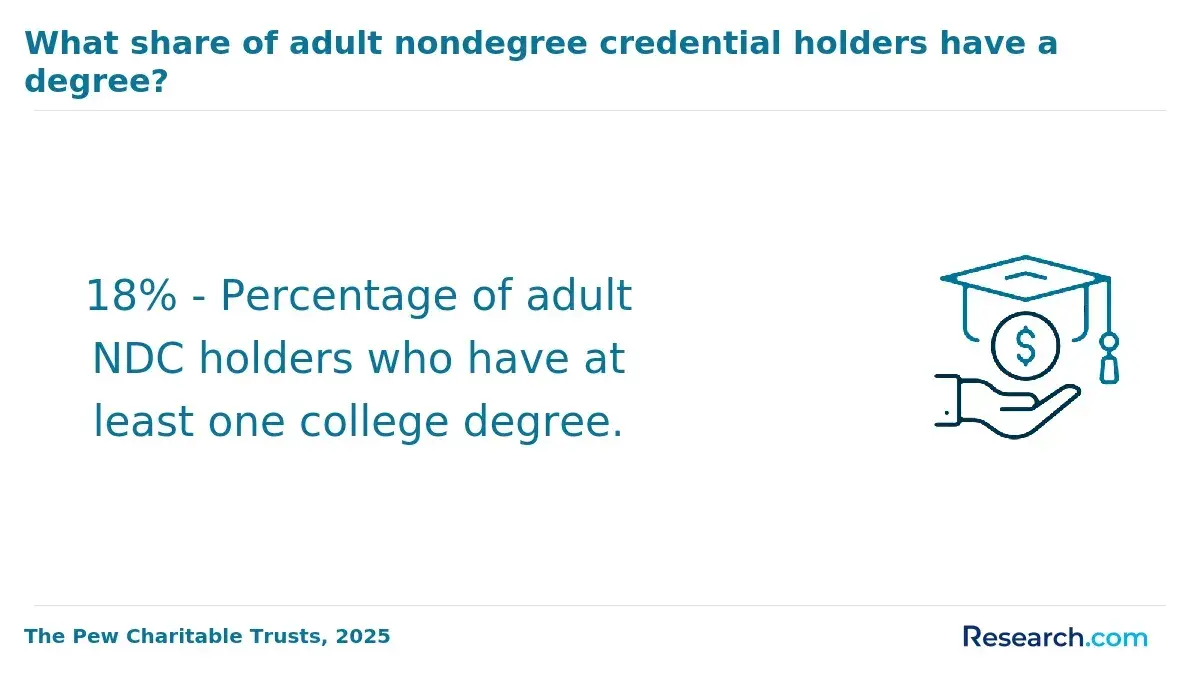
Such programs particularly benefit career changers, working adults seeking flexible education paths, returning learners who paused their studies, and first-generation college students who often face academic entry barriers. These online chemistry bachelor's degree programs with no prerequisites for admission open access to degree completion without the need to repeat earlier science courses. According to the National Center for Education Statistics (NCES), non-traditional students-such as those over age 24, part-time enrollees, or full-time workers-are an increasing share of undergraduate populations, highlighting the growing importance of accessible pathways.
Readers exploring these degrees should consider several critical aspects to make informed decisions:
- Program Accessibility: Admission policies that widen participation in chemistry degrees by eliminating prerequisite coursework, fostering inclusivity.
- Quality Standards: Accreditation and curriculum requirements that maintain rigorous academics without traditional entry hurdles.
- Student Support: Services like advising and tutoring geared toward adult learners and non-traditional students, ensuring academic success.
- Career Outcomes: Employment prospects and industry recognition for graduates of no-prerequisite chemistry programs, especially in STEM fields.
Those interested in flexible academic routes may also explore related options like the RN to BSN program without clinicals, which similarly supports working adults and career changers. These evolving pathways expand access to education and career advancement in sciences and health fields alike.
Which Accredited Online Chemistry Bachelor's Programs Accept Students With No Prior College Coursework?
Several accredited institutions in the United States offer online chemistry bachelor's degrees with no prior coursework required, making these programs accessible for working adults, first-generation students, and career changers. These online chemistry bachelor's programs accepting students without prerequisites provide flexible entry points by either waiving standard admissions requirements or offering integrated bridge courses to build foundational knowledge.
- Southern New Hampshire University (SNHU): SNHU's fully online Bachelor of Science in Chemistry admits students with just a high school diploma, waiving traditional college prerequisites. The program includes foundational coursework designed to develop essential skills over time. SNHU serves over 135,000 students annually, demonstrating extensive experience with nontraditional learners.
- Oregon State University Ecampus: OSU offers an online chemistry degree with open enrollment, allowing students without prior college science to begin with bridge courses. Accredited by NWCCU, OSU has approximately 30,000 students and focuses strongly on STEM education.
- Liberty University: This private institution provides an online Bachelor of Science in Chemistry with minimal prerequisites. Students with a high school credential can apply directly, supported by introductory coursework. Liberty's robust online community exceeds 80,000 students and benefits from extensive financial aid options.
- Florida Institute of Technology: Florida Tech welcomes students without prior college credit into its online chemistry program, emphasizing preparatory classes and personalized tutoring. Accredited by SACSCOC, the university has about 6,000 students with small class sizes for personalized attention.
- University of North Dakota (UND): UND offers a flexible online chemistry bachelor's program accessible to students lacking previous college coursework. It features foundational chemistry and math courses to bridge gaps. Accredited by HLC, UND's 14,000 student enrollment benefits from strong career support and financial aid services.
Most accredited online chemistry bachelor's degrees with no prior coursework share features such as open or low-barrier admissions, integrated foundational classes, and comprehensive online student support. Prospective students should verify each institution's accreditation, availability of financial aid, credit transfer policies, and career outcomes to ensure their education is legitimate and aligns with professional goals. For those exploring flexible admission pathways, reviewing options related to accredited nursing schools without teas test may offer useful insights into low-barrier programs.
2026 Update: Lab Access and Safety Requirements Before You Enroll
For 2026, this section adds a closer look at how online chemistry bachelor’s programs handle required lab work, especially for students entering without prior chemistry coursework.
- Whether labs are fully online, completed with mailed lab kits, or require in-person attendance
- Any campus visits, weekend intensives, or partner-site lab requirements
- Safety rules for home lab kits, including storage, supervision, and equipment disposal
- Additional lab fees, shipping costs, or materials not included in tuition
- Technology requirements for virtual labs, simulations, webcams, or proctored lab assessments
- Whether lab courses meet requirements for graduate school, teacher certification, or pre-professional pathways
Checking lab expectations early helps students avoid schedule conflicts, unexpected costs, and program mismatches before committing to an online chemistry degree.
How Do Open-Admission Policies in Online Chemistry Programs Differ From Traditional Selective Admissions?
Open admission policies for online chemistry bachelor's programs allow all applicants who meet minimal requirements-usually a high school diploma or equivalent-to enroll without mandating previous coursework, minimum GPA, or standardized test scores. This contrasts with selective admissions, which impose strict criteria like competitive GPAs, prerequisite classes, interviews, or placement exams. Rolling admissions review applications continuously until classes fill, while conditional admissions permit entry contingent on completing remedial work. For instance, the University of Maryland Global Campus openly shares its open-admission approach on its admissions page, and the IPEDS database confirms many public open universities follow similar policies.
- Accessibility and Flexibility: Open admission reduces enrollment barriers, expanding access for working adults and career changers by not requiring prior academic achievements.
- Academic Preparation Differences: Students enter with diverse educational backgrounds, prompting programs to offer developmental courses, orientations, or tutoring to bridge gaps.
- Support Services: Programs emphasize advising, virtual labs, and additional learning tools to assist students regardless of varying readiness levels.
- Maintaining Quality: Despite open entry, reputable programs hold accreditation and meet academic standards ensuring the degree's professional recognition.
- Career Considerations: Prospective students should evaluate whether the program's challenge level and resources align with their ambitions, particularly for research-focused careers or graduate education.
- Recent Trend: Over 30% of online science bachelor's programs adopted open or minimal admissions by 2023, according to the National Center for Education Statistics, reflecting rising demand for accessible STEM education.
When reflecting on how open-admission policies compare to traditional methods, a professional who pursued an online chemistry bachelor's without prerequisites described the journey as both challenging and rewarding. He found the lack of upfront barriers encouraging but encountered unexpected struggles adapting to foundational science concepts. "It wasn't just about getting in; staying on track required tapping into tutoring and online study groups," he recalled. This hands-on support helped him gain confidence while balancing work and school. His experience highlighted how open admission can open doors, yet demands personal initiative and the right support system to succeed in a rigorous field.
What Are the Typical Enrollment Requirements for No-Prerequisite Online Chemistry Bachelor's Programs?
- Proof of High School Completion: Although many online chemistry bachelor's programs waive prerequisites, they still require verified documentation of a high school diploma or equivalent, such as a GED. This foundational credential ensures students have the educational background needed for college-level coursework.
- English Proficiency: Programs often ask non-native English speakers to submit language test scores like TOEFL or IELTS to confirm their ability to comprehend course material and communicate effectively. This requirement supports student success and aligns with standards at both public and private nonprofit institutions offering admission with no prerequisites.
- Minimum Age Requirement: Generally, applicants must be at least 18 years old to enroll independently in these programs. Younger learners may access college classes through dual-enrollment arrangements, allowing them to study both high school and chemistry bachelor's degree courses concurrently.
- Open-Admission Policies: Many no-prerequisite online chemistry bachelor's programs follow open-admission policies, which remove previous coursework barriers but still expect students to engage with foundational science concepts throughout their studies.
- Alternative Pathways: Students lacking a high school diploma can pursue a GED or take advantage of dual-enrollment options with local schools or colleges, helping bridge to accredited chemistry programs without traditional admission criteria.
- Application Preparation: To avoid delays, applicants should gather key documents in advance, including transcripts, proof of secondary education completion, identification, and any required language proficiency evidence. Exploring resources such as the Majuba college online application can also simplify the process.
Are No-Prerequisite Online Chemistry Bachelor's Programs Available at Regionally Accredited Universities?
Regionally accredited universities offering no-prerequisite online chemistry bachelor's programs are uncommon but crucial for students seeking quality and recognition. Regional accreditation affirms that the institution meets high academic standards endorsed by the U.S. Department of Education and CHEA, ensuring coursework is respected by employers and other schools. This distinction is important because nationally accredited or unaccredited programs often lack rigor and may hinder professional licensure or further education. Proper accreditation also impacts eligibility for federal financial aid, which can be essential for affordability.
Students should carefully verify accreditation status before enrolling in no-prerequisite chemistry programs. Here is a concise checklist to guide this process:
- Confirmed Regional Accreditation: Use the U.S. Department of Education's database or CHEA's directory to confirm that both the university and its chemistry program hold valid regional accreditation from recognized agencies like the Higher Learning Commission.
- Program Recognition: Ensure the chemistry degree is fully online with clear policies confirming no prerequisite coursework is needed for admission.
- Financial Aid Eligibility: Confirm accreditation status to access federal aid such as Pell Grants and student loans, helping offset tuition costs.
- Credit Transfer Policies: Understand the school's approach to transferring credits to other regionally accredited institutions should you choose to continue your education elsewhere.
A professional who completed an online chemistry bachelor's program without prerequisites reflected on the journey, highlighting initial doubts about program quality due to low barriers for entry. She emphasized, "Finding a regionally accredited school was key-it gave me confidence my degree would hold weight." Navigating the application was straightforward, but juggling studies and work required strong time management. Now, she appreciates that the accredited program opened doors at her company and made graduate school applications possible, underscoring the value of accessible yet credible education pathways.
How Do Students Without Academic Prerequisites Catch Up in Online Chemistry Bachelor's Courses?
Students entering online Chemistry bachelor's programs without prior academic preparation often encounter challenges in grasping fundamental scientific concepts. To support these learners, many accredited schools provide structured resources that help develop essential skills while progressing through their degree requirements.
- Developmental Courses: Several programs offer bridge or refresher courses covering key areas like mathematics, general Chemistry, and scientific thinking. For instance, institutions such as Southern New Hampshire University and the University of Florida Online provide foundational Chemistry content designed to prepare students for advanced coursework by reinforcing core principles.
- Tutoring Services: Personalized tutoring is frequently available in quality programs, with dedicated STEM tutors assisting students through virtual sessions. These services help clarify complex topics, improve problem-solving abilities, and prepare learners for exams, catering particularly to adults balancing education with other responsibilities.
- Peer Mentoring: Connecting newcomers with experienced peers or alumni creates a support network that promotes effective study habits and time management. According to data from the National Survey of Student Engagement, such community-building efforts significantly enhance retention rates and increase the likelihood of degree completion in online learning environments.
- Self-Assessment Tools: Many schools provide diagnostic quizzes and readiness evaluations prior to or early in enrollment. These tools enable students to recognize knowledge gaps, allowing them to seek targeted support promptly and tailor their study approach accordingly.
- Proactive Engagement: Experts advise students to communicate early and often with academic advisors and participate in orientation sessions aimed at STEM majors. Engaging with available resources from the start bolsters confidence and academic success, particularly in challenging subjects like Chemistry.
A 2023 study in the Journal of Online Education found that programs incorporating bridge courses and comprehensive support systems achieved a 15% greater first-year student retention compared to those lacking these features, underscoring the value of well-designed academic assistance in open-admission Chemistry degrees.
What Support Services Help No-Prerequisite Students Succeed in Online Chemistry Bachelor's Programs?
Online chemistry bachelor's programs admitting students without prerequisites often provide a comprehensive range of student success services designed to support academic achievement and overall well-being. These offerings cater to learners balancing work, family, and coursework, particularly in fully online formats.
- Academic Advising: Skilled advisors assist students in planning course paths, selecting electives, and understanding degree requirements. Flexible options include both synchronous and asynchronous sessions, accommodating diverse schedules.
- Mental Health Resources: Programs commonly offer virtual counseling and wellness workshops to help students manage stress and build emotional resilience, reducing the risk of dropout.
- Disability Accommodations: Compliance with federal accessibility regulations ensures tailored services like extended test times and assistive technology, creating an equitable learning experience.
- Career Counseling: Guidance on internships, resume development, and job placement relevant to chemistry careers is widely available. Online career fairs and personalized coaching improve post-graduate employment prospects.
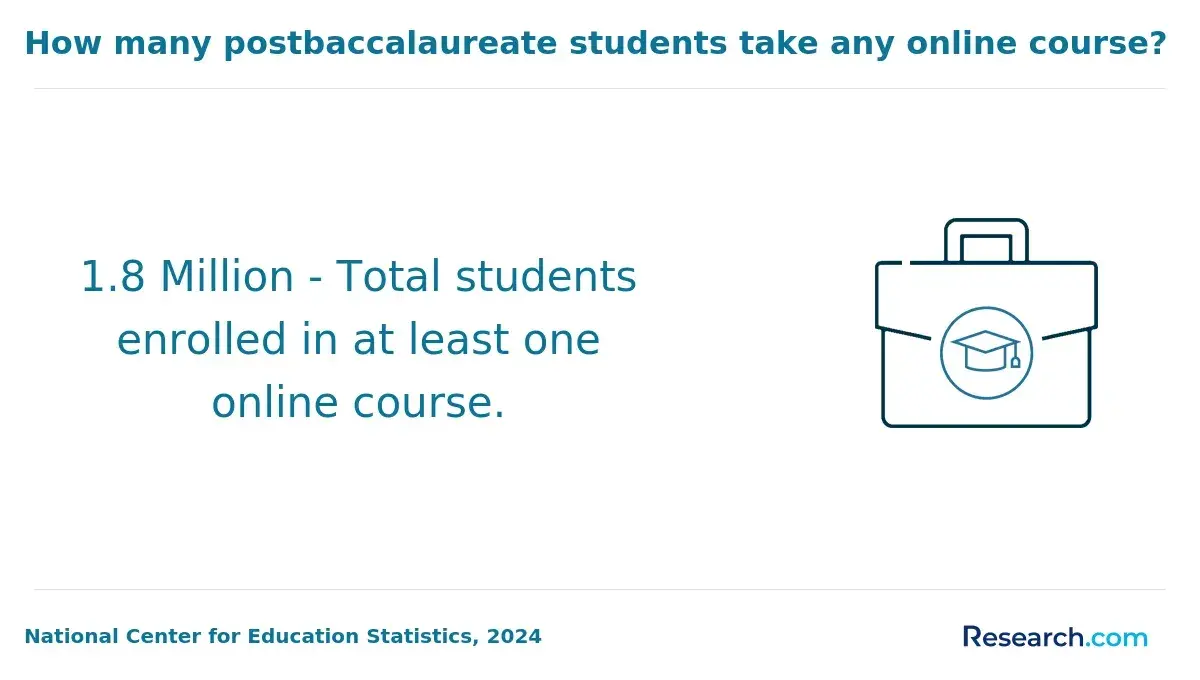
Institutions featured in U.S. News Best Online Bachelor's Programs rankings tend to emphasize robust support systems that promote student retention and success. Asynchronous advising and resource access allow students to progress effectively despite nontraditional hours. According to the National Center for Education Statistics, colleges with comprehensive student support see about 15% higher retention rates for online students, highlighting the importance of investing in programs offering strong services. For prospective chemistry students without formal prerequisites, choosing colleges with these supports can significantly enhance persistence and degree completion.
Can Transfer Credits or Prior Learning Assessments Replace Prerequisites in Online Chemistry Programs?
Transfer credits and Prior Learning Assessments (PLA) play a crucial role in substituting prerequisite coursework for students pursuing online chemistry bachelor's degree programs. These approaches help accelerate progress by waiving entry requirements and lowering educational costs, especially for those benefiting from transfer credits for online chemistry degrees.
- Transfer Credit Flexibility: Accredited institutions often accept transfer credits from regionally accredited colleges, allowing students to bypass foundational chemistry prerequisites if they completed equivalent courses. Some schools permit up to 90 transfer credits toward the degree, easing admission for returning or transfer students.
- Prior Learning Assessments (PLA): PLA programs use exams such as CLEP (College Level Examination Program) and DSST (DANTES Subject Standardized Tests) to evaluate experiential learning. Passing these exams can substitute for foundational chemistry courses, ideal for learners with relevant work experience or self-study backgrounds.
- ACE Credit Recommendations: The American Council on Education (ACE) evaluates workplace training, military service, and professional certifications, many of which are accepted by universities. This framework supports awarding credit for practical chemistry-related knowledge, reducing or eliminating prerequisite requirements.
- Documentation Process: To maximize prerequisite waivers, students should submit comprehensive documentation, including transcripts, exam scores, certifications, and detailed descriptions of work experience. Early coordination with admissions staff optimizes credit evaluation and PLA acceptance.
- Institutional Leaders: Thomas Edison State University, Excelsior College, and Charter Oak State College stand out for flexible PLA policies and high transfer credit caps. These institutions accept a wide range of exams and ACE-approved credits, well-suited for students aiming to fast-track online chemistry programs.
- Emerging Trend: Recent surveys show over 70% of online students utilize transfer credits or PLA to bypass prerequisites or general education courses-highlighting increasing acceptance of these pathways.
Working adults looking for affordable, accessible STEM education pathways can also explore radiology tech online programs as a related example of low-barrier entry fields.
What Is the Average Time to Completion for No-Prerequisite Online Chemistry Bachelor's Degree Programs?
Most online bachelor's degree programs in Chemistry require approximately 120 credit hours, the standard framework for earning a bachelor's degree. The average time to complete no-prerequisite online chemistry bachelor's programs varies significantly, influenced by factors such as enrollment pace, term length, and transfer credits. Students with no prior coursework generally must complete the full credit load, often taking about four years at a traditional full-time pace.
- Credit Requirements: A Chemistry bachelor's degree combines general education, major courses, and electives to total roughly 120 credits. Students without transfer credits start with this full requirement, lengthening their program duration compared to those who can transfer prior college credits.
- Enrollment Pace: Full-time students typically take 12-15 credits per term, accelerating degree completion. Part-time enrollment extends the timeline for students balancing work and family responsibilities. Some accredited online programs offer flexible and accelerated options, allowing motivated learners to shorten their degree timelines.
- Term Structure: Many programs use eight-week terms instead of traditional 16-week semesters, enabling students to complete more courses annually and potentially graduate sooner. Year-round course offerings support continuous enrollment without extended breaks, further reducing time to completion.
- Competency-Based Formats: Certain institutions offer competency-based learning, where progress depends on demonstrated mastery rather than seat time. This approach benefits self-directed students aiming for rapid advancement.
- Open vs. Selective Admission: IPEDS data reveals that open-admission online Chemistry programs, which accept students without formal prerequisites, often have longer average completion times and lower graduation rates than selective programs. However, these open-access options provide essential opportunities for nontraditional students who may lack previous academic preparation.
- Financial Impact: Time to completion directly affects total tuition paid and opportunity cost. Faster degree completion lowers expenses and enables earlier workforce entry, making this a critical factor when comparing programs, especially for those exploring accelerated paths such as accelerated dietitian programs.
How Does Tuition Compare Between No-Prerequisite and Standard Online Chemistry Bachelor's Programs?
- Tuition Rates: Open-admission Chemistry bachelor's programs often promote lower per-credit-hour tuition to appeal to students without formal prerequisites. However, their tuition can sometimes match or exceed that of selective programs depending on how the institution finances its offerings.
- Additional Fees: Many no-prerequisite options require foundational or developmental classes, which may carry extra fees not found in standard online Chemistry programs. These surcharges can significantly increase the overall cost beyond the advertised per-credit price.
- Institution Type: Public universities typically offer more affordable tuition for no-prerequisite Chemistry degrees due to state subsidies. Conversely, private or for-profit institutions-common providers of open-enrollment programs-often have higher tuition rates to offset operational expenses and maintain online delivery infrastructure.
- Program Delivery: Fully online no-prerequisite programs sometimes invest heavily in student support and flexible pacing, potentially raising tuition compared to traditional selective programs with prerequisites and more streamlined course structures.
- Total Cost Consideration: It's vital to evaluate the entire expense of the Chemistry degree-including developmental courses and associated fees-rather than focusing solely on per-credit tuition. A comprehensive cost assessment helps avoid unexpected expenses and ensures accurate comparison when choosing between no-prerequisite and standard-admission Chemistry programs.
Which Online Chemistry Bachelor's Programs Allow Students To Start Without A High School Diploma Or GED?
Several accredited online chemistry programs welcome applicants holding a high school equivalency credential such as a GED or HiSET, offering pathways beyond traditional diplomas. These institutions often implement flexible admission criteria that evaluate an applicant's readiness through placement tests or prerequisite coursework, allowing enrollment despite nontraditional academic backgrounds.
- Flexible Admission Policies: Many schools recognize GED or HiSET credentials as equivalent to a high school diploma. Applicants may need to demonstrate proficiency in math and science before full acceptance into chemistry courses.
- Conditional Enrollment: Some programs provide provisional admission, requiring students to complete foundational studies or bridge courses before advancing to core chemistry subjects, supporting seamless transition into degree requirements.
- Accreditation Standards: Prospective students should confirm programs hold accreditation from recognized agencies like the Higher Learning Commission to ensure quality education and access to federal financial aid, which remains available to GED holders.
- International and Adult Student Guidance: Applicants with secondary education outside the U.S. usually must submit credential evaluations confirming equivalency to a GED or diploma. Universities offer detailed instructions for transcript submission and standardized assessments.
- Support Services: Effective programs provide tailored advising, tutoring, and career support aimed at nontraditional learners, enhancing academic success and professional readiness in chemistry fields.
What Graduates Say About Their Online Chemistry Bachelor's Degree Program With No Prerequisites
- Eddie: "Choosing the online chemistry bachelor's degree program with no prerequisites was a game-changer for me because it allowed me to start fresh without worrying about prior coursework. The affordable tuition made it possible to invest in my education without financial strain. Since graduating, I've landed a solid position in a lab where I'm able to apply new skills every day-definitely worth the commitment."
- Sage: "I appreciated how this program's flexible structure accommodated my busy schedule as a working professional. The lack of prerequisites opened the door for me to pursue my passion in chemistry without redundant classes, which saved both time and money. Reflecting on my journey, earning this degree has elevated my career prospects and boosted my confidence in a competitive field."
- John: "With no prior background, the online chemistry degree felt approachable and realistic to complete. The cost was reasonable compared to traditional programs, which removed barriers that usually hold people back. Professionally, this degree has enhanced my credibility and has been instrumental in securing promotions in my industry."
Other Things You Should Know About Chemistry Degrees
Students in no-prerequisite online chemistry bachelor's programs can access a variety of financial aid options, including federal grants, loans, and work-study programs. Many schools also offer institutional scholarships and payment plans tailored to distance learners. Additionally, some employers provide tuition reimbursement for online education, which can help reduce overall costs.
Graduates can leverage their online chemistry degree to pursue roles in research, education, or industry, such as laboratory technicians, chemical sales representatives, or quality control analysts. Additionally, they might consider further education in graduate programs to specialize in fields like pharmacology or environmental science.
Quality online chemistry programs hold regional accreditation and often possess specialized accreditation from organizations like the American Chemical Society (ACS). These accreditations verify that curriculum content, faculty qualifications, and laboratory resources meet rigorous academic standards. Prospective students should confirm accreditation status to ensure their degree will be respected by employers and graduate programs.
References
- Can You Take Prerequisites Online? https://www.sophia.org/blog/higher-education/can-you-take-prerequisites-online/
- The College Admission Process at Less Selective Colleges | College Coach Blog https://blog.getintocollege.com/blogs/2021/09/21/20/07/the-college-admission-process-at-less-selective-colleges
- The Best Master’s Degrees for Career Changers from UNE Online https://online.une.edu/blog/the-best-masters-degrees-for-career-changers-from-une-online/
- Online College Tuition Comparison: Online vs. In-Person https://www.uagrantham.edu/blog/online-college-tuition-comparison-online-vs-in-person/
- How Prerequisite Courses Prepare You for Advanced Courses https://straighterline.com/blog/how-prerequisite-courses-prepare-you-for-advanced-courses
- No diploma? No problem! - Asher College https://asher.edu/no-diploma-no-problem/
- How Many Years is a Bachelor's Degree? https://www.snhu.edu/about-us/newsroom/education/how-long-does-it-take-to-get-a-bachelors-degree
- Non-Degree Students: Take a Single Course | Colorado State University Global https://csuglobal.edu/admissions/non-degree-students