2026 Hybrid vs Fully Online Chemistry Bachelor's Degree Programs

Co-Founder and Chief Data Scientist
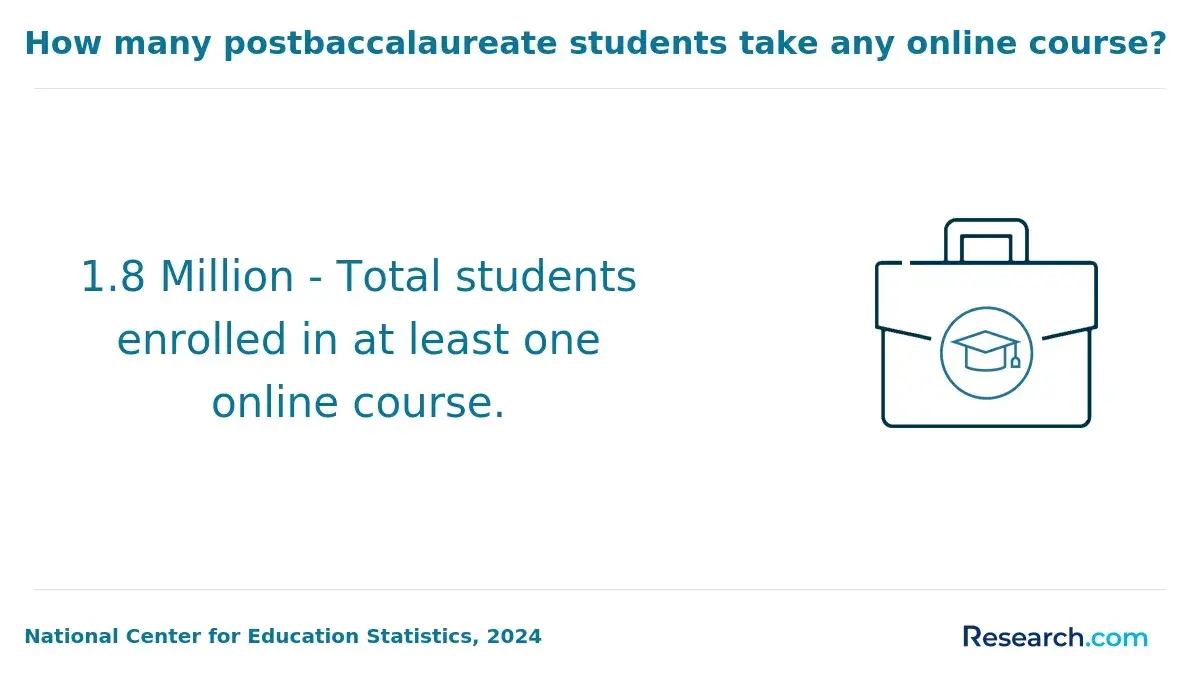
Facing a demanding work schedule and a six-hour commute, a prospective student contemplates whether to attend a hybrid chemistry bachelor's program that requires occasional campus visits or choose a fully online option allowing complete remote access. The decision hinges on balancing the need for flexible study hours with the benefits of in-person lab work and networking. In 2023, approximately 30% of chemistry bachelor's degree recipients enrolled in some form of online education, reflecting a growing acceptance of remote science learning. This article explores the key differences between hybrid and fully online programs to help students select the best path for their academic and professional goals.
Key Benefits of Hybrid vs Fully Online Chemistry Bachelor's Degree Programs
- Hybrid programs offer structured in-person labs enhancing hands-on skills, while fully online formats rely on virtual simulations that increase accessibility but reduce tactile experience.
- Fully online degrees provide greater scheduling flexibility, ideal for working students; hybrid formats require on-campus attendance, limiting some time-management options.
- Hybrid formats support networking through face-to-face interactions, whereas fully online programs depend more on virtual communication, impacting peer collaboration and mentorship opportunities.
What Is a Hybrid vs Fully Online Chemistry Bachelor's Degree?
Hybrid and fully online chemistry bachelor's degree formats primarily differ in how course content is delivered, the extent of in-person interaction, and the overall learning structure. About 37% of U.S. college students have participated in some form of online or hybrid learning, indicating increased flexibility and accessibility in higher education. The following comparison highlights key distinctions between these two educational models.
Hybrid Programs
- Course delivery combines online lectures with required in-person labs and exams, supporting practical skill development.
- Students must attend scheduled on-campus sessions, creating a fixed routine with face-to-face commitments.
- Direct interaction with professors and classmates during on-site activities promotes immediate feedback and collaboration.
- The learning experience balances hands-on experiments and digital tools, providing a tactile and immersive environment.
- Ideal for students who want a mix of flexibility and traditional classroom engagement while pursuing a hybrid chemistry bachelor's degree program.
Fully Online Programs
- All coursework is delivered virtually, including lectures, labs, and assessments, without any campus visits.
- Asynchronous class schedules offer maximum flexibility, allowing students to study at their own pace.
- Communication primarily occurs through discussion boards, video conferencing, and email exchanges.
- Virtual labs and simulations replace physical experiments, focusing on conceptual understanding and technological proficiency.
- This format suits learners seeking convenience and adaptability in their fully online chemistry bachelor's degree studies.
Prospective students assessing differences between hybrid and online chemistry bachelor's degree formats should consider their learning preferences and lifestyle needs. Those interested in exploring short degrees that pay well may find that program structure plays a crucial role in their educational success.
How Does a Hybrid vs Fully Online Chemistry Bachelor's Degree Program Work?
Both hybrid and fully online chemistry bachelor's degree programs follow well-defined academic pathways, yet they differ in course delivery and student interaction methods. Enrollment in online higher education programs has increased by nearly 15% over the past five years, highlighting a growing demand for flexible learning. Comparing the hybrid chemistry bachelor's degree program structure with fully online chemistry bachelor's degree delivery methods reveals distinct operational approaches.
Hybrid Programs
- Course content such as lectures and assignments is primarily delivered online through learning management systems.
- Regularly scheduled in-person lab sessions or workshops provide hands-on experience essential for chemistry studies.
- Students attend some on-campus classes or study groups, enhancing peer interaction and instructor access.
- Class participation includes both synchronous online discussions and face-to-face dialogues.
- Communication with instructors and peers occurs via email, online forums, video conferencing, and in-person meetings.
Fully Online Programs
- All lectures, assignments, and assessments are accessible online through a centralized portal without need for campus visits.
- Laboratory components are often conducted via virtual labs, interactive simulations, or arranged at approved local facilities.
- Classes are generally asynchronous, allowing students to complete tasks on flexible schedules while managing their time independently.
- Occasional synchronous sessions like live webinars or video calls support real-time interaction.
- Communication is maintained primarily through email, forums, video chats, and messaging systems.
For students exploring degree options, discovering the cheapest online doctorate in organizational leadership can also provide insight into flexible, affordable online learning formats.
Are Admission Requirements Different for Hybrid and Fully Online Chemistry Bachelor's Degrees?
Admission standards for hybrid and fully online chemistry bachelor's programs generally align, but subtle distinctions arise based on institutional policies and the delivery method. These differences play a role in how applicants prepare and submit their materials. Below are key contrasts in admission factors between the two program formats.
- Technical Requirements: Fully online programs mandate reliable technology access, like a personal computer and high-speed internet, to support virtual labs and coursework. Hybrid formats may require less stringent tech readiness, since some in-person attendance reduces reliance on digital tools.
- Application Materials: Hybrid applicants often need to provide geographic details or demonstrate proximity to campus for required face-to-face sessions. In contrast, fully online programs typically have no location limitations, potentially simplifying application verification.
- Lab Experience Prerequisites: Hybrid programs frequently expect prior physical lab experience due to their on-site components, while fully online degrees tend to incorporate virtual labs, opening admission to students without hands-on lab backgrounds.
- Academic Qualifications: Both formats usually ask for similar academic benchmarks such as minimum GPAs and foundational coursework. However, hybrid options sometimes require standardized test scores or campus interviews more commonly than their fully online counterparts.
- Health and Safety Clearances: Hybrid program candidates may need vaccinations or health clearance documents because of on-campus time, whereas fully online applicants are not subject to this.
When discussing these differences, a student enrolled in a fully online chemistry bachelor's program shared her perspective. She mentioned feeling relief that the application process was straightforward without needing to prove physical presence. However, she encountered challenges demonstrating her readiness for virtual labs without prior hands-on experience. "The program offered orientation sessions to help bridge that gap," she recalled, "which made me confident despite lacking traditional lab backgrounds." Her experience highlights how online programs adapt to varied student profiles while maintaining accessible admission pathways.
Is the Learning Experience Better in Hybrid vs Online Chemistry Bachelor's Degrees?
Hybrid chemistry bachelor's degree programs blend online flexibility with the advantages of in-person learning, providing a more engaging educational experience. Students benefit from direct interaction with instructors and classmates during on-campus sessions, which is especially valuable for mastering lab techniques and complex theories.
Access to physical laboratories and academic support services enhances hands-on learning that is essential in chemistry. These face-to-face opportunities foster collaboration and active participation, creating a dynamic environment where difficult concepts can be addressed more effectively. This hybrid format tends to offer a balanced experience, maintaining the convenience of online study while preserving key aspects of traditional chemistry education.
In contrast, fully online chemistry bachelor's degrees emphasize convenience and adaptability but often lack the tactile laboratory experiences crucial to the subject. Student involvement can be inconsistent, as many programs rely on virtual simulations and remote communication tools that do not fully replace hands-on work.
Interaction with faculty and peers is mostly limited to discussion boards, video conferences, and emails, often making the learning process feel less personal and immediate. Resource access is predominantly digital, requiring strong self-discipline to stay engaged and progress. While suitable for those needing flexibility, fully online programs may not fully support the collaborative and practical demands inherent in chemistry studies.
Which Is More Flexible: Hybrid or Fully Online Chemistry Bachelor's Degree?
Hybrid chemistry bachelor's degree programs offer a mix of online coursework and scheduled in-person sessions, such as labs or collaborative discussions. This setup strikes a balance between remote study and essential campus attendance, ensuring hands-on experiences while maintaining some flexibility.
Students benefit from accessing lectures and readings online, but must plan for regular visits during practical activities. While hybrid options provide flexible learning to an extent, they may pose challenges for those with highly unpredictable or demanding schedules. For students seeking flexible options in chemistry bachelor's degree programs, hybrid models can work well but still require careful time management.
Fully online chemistry degrees enhance flexibility by allowing students to engage with course materials remotely and asynchronously. Learners can access lectures, submit assignments, and complete exams at times that fit their personal responsibilities, enabling independent study pacing. This format removes geographic limitations and often suits those balancing work, family, or other commitments.
Some programs may include virtual labs or occasional in-person requirements, which slightly affect flexibility but generally remain more adaptable than hybrid formats. According to a 2023 Online Learning Consortium survey, 72% of students cited asynchronous access as the main reason for choosing fully online programs. Prospective students may also explore options like accelerated finance degree programs for alternative flexible study paths.
What Is the Workload for Hybrid vs Fully Online Chemistry Bachelor's Degrees?
Although hybrid and fully online chemistry bachelor's degree programs typically follow equivalent academic standards and credit requirements, their course delivery methods create differences in pacing and how students manage their time. Research from a 2023 National Survey on Student Engagement shows that online students commonly spend about 15-20 hours per week on coursework, similar to traditional formats but influenced by how programs are structured. These variations affect how students approach their studies and balance their weekly commitments.
In hybrid chemistry programs, students divide their time between on-campus sessions and online activities. Scheduled in-person labs and lectures provide set times for learning, helping students stay organized and adhere to deadlines with regular interaction from instructors and classmates. The online portion usually involves watching recorded classes, completing assignments digitally, and engaging in forum discussions, which demands additional effort outside of class hours. This combination creates a structured yet flexible workload that promotes consistent study habits.
Fully online chemistry programs often emphasize asynchronous learning, granting students the freedom to access lectures and coursework whenever convenient. While this flexibility is beneficial, it requires strong self-discipline to maintain steady progress without fixed class times. Students must independently schedule study sessions, complete virtual labs, and submit quizzes or projects on time. The self-paced nature of these programs allows for greater autonomy but necessitates proactive time management to avoid falling behind.
How Does Tuition Compare for Hybrid vs Online Chemistry Bachelor's Degrees?
Tuition costs for hybrid and fully online chemistry bachelor's degree programs can vary significantly based on delivery format, institutional policies, credit requirements, and additional fees. Research shows that fully online programs generally have slightly lower overall tuition compared to hybrid alternatives, largely due to reduced on-campus expenses. This trend, however, depends on many nuanced factors influencing total student costs.
- Per-Credit Costs: Hybrid programs often charge per-credit rates close to on-campus tuition because students utilize campus facilities and resources. In contrast, fully online programs sometimes offer discounted per-credit pricing to attract remote learners, which can lower overall tuition expenses.
- Technology Fees: Fully online programs typically require mandatory technology or online learning platform fees to support virtual coursework. Hybrid programs may have fewer or lower technology fees since part of the instruction happens in person.
- Campus and Facility Fees: Students in hybrid chemistry programs often pay additional fees for campus facilities, laboratories, or onsite resources necessary for hands-on learning. Fully online students usually avoid these charges as their coursework does not require physical access to campus facilities.
- Residency Pricing Policies: Some hybrid programs enforce in-state residency requirements for reduced tuition rates, potentially increasing costs for out-of-state students. Many fully online programs offer uniform tuition regardless of residency, making pricing more predictable for distant learners.
- Payment Flexibility: Fully online programs frequently provide more adaptable payment options, including subscription models or installment plans, aiding students in managing finances remotely. Hybrid programs often maintain traditional payment schedules tied to campus policies.
When asked how tuition compares for hybrid versus online chemistry bachelor's degrees, a graduate of a hybrid program shared his perspective. He recalled feeling uncertain at first about balancing the tuition costs with the program's hybrid demands, especially considering lab fees that added an unexpected financial layer. "The payment plan helped, but it took a lot of coordination between financial aid and the bursar's office," he explained. Navigating residency rules also made tuition projections complex until he confirmed his eligibility for in-state rates. His experience underscored how tuition differences impact more than just the price tag - they affect the entire student budgeting and administrative process.
Do Employers Prefer Hybrid or Fully Online Chemistry Bachelor's Degrees?
Employer perceptions of hybrid and fully online chemistry bachelor's degrees have changed significantly as online education has gained wider acceptance. A 2021 survey by the Society for Human Resource Management found that about 76% of employers now accept online degrees, including hybrid formats, as comparable to traditional on-campus credentials. This evolving view sets the context for how employers assess hybrid versus fully online chemistry degrees.
- Hands-On Experience: Hybrid chemistry degrees often have the edge because they combine online coursework with face-to-face laboratory or practical sessions. Employers value this hands-on training, which can be harder to verify in fully online programs that rely on virtual labs or remote partnerships.
- Employer Skepticism: Fully online chemistry bachelor's degrees may still raise concerns among employers about the depth of practical lab experience candidates receive. Those hiring for laboratory or research roles tend to prefer hybrid graduates, given their direct exposure to experimental settings.
- Skill Development: Both hybrid and fully online graduates demonstrate flexibility, self-motivation, and time management skills. These qualities are important to employers across many work environments, making either format valuable for career readiness.
- Perceived Balance: Hybrid formats are often seen as providing a more balanced combination of theoretical knowledge and applied skills. This perception can influence employer preference, especially in technical fields requiring hands-on competencies.
Prospective students weighing whether do employers prefer hybrid chemistry degrees should also consider how each format aligns with employer expectations in their desired career paths. For those exploring additional qualifications, programs like art therapy certification provide alternative avenues for professional growth within related fields.
Who Should Choose a Hybrid vs Fully Online Chemistry Bachelor's Degree?
The decision between pursuing a hybrid chemistry bachelor's degree for working professionals and a fully online chemistry degree often hinges on individual learning preferences, schedule flexibility, and lifestyle demands. Each format offers distinct advantages that align with different student needs. Below is a comparison to help identify which mode suits particular situations best.
- Hands-On Learners: Prefer some face-to-face engagement, benefiting from direct interaction with instructors and peers during labs or discussions. Hybrid programs provide access to campus resources like labs and study groups, enhancing practical understanding.
- Flexible Schedulers: Require the ability to study anytime and anywhere without campus visits. Fully online chemistry degree flexibility and employer acceptance make it ideal for those balancing jobs or family responsibilities, allowing coursework on their own time.
- Structured Environment Seekers: Thrive with scheduled in-person sessions that create routine and accountability. Hybrid formats help maintain consistent study habits through a blend of on-campus and virtual meetings.
- Remote or Busy Students: Live far from campus or juggle caregiving roles, needing a program that accommodates limited availability. Fully online degrees provide extensive remote access without geographic constraints.
- Career-Focused Professionals: Benefit from hybrid programs offering occasional on-site experiences while continuing work. This balance supports networking and practical skills development crucial for STEM careers like chemistry.
For those comparing options, examining programs such as data science programs may also offer insight into how degree formats can cater to diverse student profiles and professional goals.
How Can I Succeed in a Hybrid vs Fully Online Chemistry Bachelor's Degree Program?
Succeeding in hybrid and fully online chemistry bachelor's degree programs requires different approaches because of variations in class structure and interactions. Hybrid students juggle in-person and remote commitments, while online learners depend entirely on virtual environments. The following strategies help students excel in each format by addressing study habits, engagement, and time management.
- Time Management: Hybrid students should carefully schedule on-campus labs and lectures alongside remote study, while fully online learners need consistent daily routines to establish productive study habits without face-to-face accountability.
- Preparation: Reviewing materials before in-person sessions boosts participation and understanding in hybrid courses, whereas online students must stay proactive in engaging with content independently to avoid falling behind.
- Digital Tool Mastery: Both student groups benefit from using virtual lab simulations and learning platforms effectively, but online learners especially need to participate frequently in forums and discussion boards to build connections.
- Networking Opportunities: Hybrid students can form relationships through in-person interactions with peers and professors, while online students should join virtual study groups and schedule regular meetings to foster collaboration.
- Adaptability: Switching between physical and digital environments challenges hybrid students to stay flexible, while fully online learners should create quiet, distraction-free spaces dedicated to focused study.
- Active Learning: Engaging with content by summarizing, solving problems, and using flashcards benefits all students, deepening their grasp of chemistry concepts regardless of format.
What Graduates Say About Hybrid vs Fully Online Chemistry Bachelor's Degree Programs
- Eddie: "Choosing a fully online chemistry bachelor's program allowed me to balance work and study without relocating. The flexibility of asynchronous classes meant I could dive deep into complex topics at my own pace, which really helped me grasp difficult concepts. Now, as a lab technician, the skills I gained through remote simulations and virtual labs give me a competitive edge every day."
- Sage: "Enrolling in a hybrid chemistry program was my way to maintain some in-person interaction while leveraging the convenience of online coursework. Navigating the blend of face-to-face labs and online lectures challenged me to stay disciplined, but the support from professors made the journey manageable and rewarding. Professionally, the hybrid experience has made me more adaptable and confident in diverse work environments."
- John: "I opted for a fully online chemistry degree because it provided the accessibility I needed after relocating for family reasons. Adjusting to virtual labs was initially daunting, but the robust online resources and peer collaboration tools helped me stay engaged. This degree has opened doors to roles I never thought possible without a traditional on-campus experience."
Other Things You Should Know About Chemistry Degrees
In 2026, both hybrid and fully online chemistry programs typically offer academic advising and support services through digital platforms. Hybrid programs might offer in-person options, while fully online programs provide virtual support like video calls and chat. Online resources often include access to digital libraries and tutoring sessions.
Internship options are generally available to both hybrid and fully online chemistry students but may depend on the program's partnerships and student location. Hybrid students often have easier access to local internships through campus connections, while fully online students may need to seek remote or local opportunities independently.
Both hybrid and fully online programs typically provide academic advising, tutoring, and career services via virtual platforms. Hybrid programs may offer some in-person advising, but fully online students usually rely on digital communication tools like video calls and messaging for support.
Accreditation is essential regardless of program format, ensuring the quality and recognition of the degree in chemistry. Prospective students should verify that both hybrid and online programs are accredited by regional or national accrediting bodies recognized for science education.
References
- Online and hybrid college programs explained. Flexibility, risk, and the real value equation | CG https://collegegrind.org/posts/online-and-hybrid-college-programs-explained/
- Chemistry Graduate Program Tuition https://www.collegetuitioncompare.com/amp/graduate/chemistry/
- Chemistry at Applied Science Private University | You Apply https://youapply.com/program/chemistry-bachelor-applied-science-private-university
- Hybrid Degree Benefits https://degreeonline.education/tag/hybrid-degree-benefits/
- Online Chemistry Courses Options https://www.mehanijo.com/online-chemistry-courses-options/
- How to Deliver High-Quality Chemistry Labs Online and On Campus https://www.scienceinteractive.com/blog/2026/how-to-deliver-high-quality-chemistry-labs-online-and-on-campus/
- Active Learning in Hybrid-Online General Chemistry - R Discovery https://discovery.researcher.life/article/active-learning-in-hybrid-online-general-chemistry/7eae1d9aad043f46bb6c9dded5e49de6
- Difference between Hybrid, Online & In-Class Degree Programmes | BSBI https://www.berlinsbi.com/blog/what-is-the-difference-between-hybrid-online-and-in-class-degree-programmes
- The Rise of Hybrid & Online Degrees: Are They Worth It? | EdNet Consultants https://www.ednetconsultants.com/the-rise-of-hybrid-online-degrees-are-they-worth-it/
- Experience of Students Taking Hybrid General Organic and Chemistry Course at A Community College https://www.gavinpublishers.com/article/view/experience-of-students-taking-hybrid-general-organic-and-chemistry-course-at-a-community-college