2026 Online Chemistry Bachelor's Degree Programs With Weekly Start Dates

Co-Founder and Chief Data Scientist
Professionals seeking to enter the chemistry field often face rigid enrollment dates that disrupt ongoing work or personal commitments. Online chemistry bachelor's degree programs with weekly start dates solve this by offering immediate and flexible access to coursework.
This model supports planned career pivots, 81% of students in flexible science programs report improved balance between education and employment. Consequently, working adults can begin studies at their convenience without waiting months for the next session. This article explores the landscape of these programs, highlighting how their structure, accreditation, and support services empower learners to transition efficiently into the chemistry industry.
Key Benefits of Online Chemistry Bachelor's Degree Programs With Weekly Start Dates
- Online chemistry bachelor's programs with weekly start dates enable working professionals and career changers to begin studies immediately, without waiting for traditional semesters.
- This enrollment model removes delays, allowing students to start coursework within days of acceptance, overcoming a major barrier to returning to education.
- Students can earn regionally accredited chemistry degrees while balancing work and personal commitments, enhancing flexibility without sacrificing quality or accreditation standards.
What Are Weekly Start Dates in Online Chemistry Bachelor's Programs, and How Do They Differ From Traditional Term-Based Enrollment?
Weekly or rolling start dates in higher education allow students to begin online chemistry bachelor's programs every week instead of only at fixed semester or quarter intervals. This enrollment model contrasts with traditional semester-based chemistry degrees, which restrict start times to specific academic terms such as fall or spring. By offering weekly enrollment windows, institutions remove lengthy waiting periods between application approval and the first day of class.
Schools like Western Governors University and Purdue Global use continuous enrollment systems that enable students to register and begin classes on their own schedule. This flexibility is particularly valuable for adult learners balancing work, family, and education, as it allows them to customize their coursework around career and life demands without being confined by rigid academic calendars.
The difference between weekly enrollment and semester-based chemistry degrees is evident in the accelerated pace and minimized interruptions. Students can maintain momentum without long breaks or gaps, which helps reduce dropout risks and supports sustained focus.
- Flexible Enrollment: Students can start classes any week, eliminating delays caused by fixed semester schedules and allowing for personalized academic pacing.
- Improved Time Management: Continuous enrollment helps students align studies with personal and professional commitments, making education more accessible and sustainable.
- Accelerated Completion: The ability to start promptly and progress without waiting for semester changes often enables faster degree attainment.
- Lower Risk of Gaps: Without long breaks between terms, students maintain academic momentum, reducing the chance of dropping out or losing focus.
- Career Alignment: Flexible start dates enable working professionals to time their education around career demands, such as job changes or project cycles.
Students interested in maximizing speed and savings should explore transfer credit policies and prior learning assessments, which often allow substantial credit for previous college coursework or relevant experience. Financial aid opportunities and accreditation status are key factors to consider when selecting an accredited online chemistry bachelor's program.
For those evaluating options across health-related sciences, researching programs such as online pharmacy degree programs can provide comparative insight into pricing, curriculum, and career outcomes. Ultimately, weekly start dates have become increasingly popular among working adults pursuing online degrees because of their adaptability, convenience, and alignment with professional and personal goals.
Which Accredited Institutions Offer Online Chemistry Bachelor's Degree Programs With Weekly or Rolling Start Dates?
Several regionally accredited institutions offer online accredited chemistry bachelor's degree programs with weekly start dates, providing flexible enrollment options for working professionals and adult learners. These programs enable students to begin coursework promptly without waiting for traditional semester cycles-an advantage for those balancing careers and education.
- American Public University: Offers a Bachelor's degree in Chemistry with tuition around $285 per credit. Enrollment occurs weekly under continuous enrollment policies. The program holds accreditation from the Higher Learning Commission (HLC).
- Granite State College: Features an online Bachelor of Science in Chemistry averaging $300 per credit, with rolling admissions and start dates happening weekly or biweekly. Granite State College is accredited by the New England Commission of Higher Education (NECHE).
- Columbia Southern University: Provides an online Bachelor of Science in Chemistry at approximately $350 per credit. Weekly start dates are available, and the university is accredited by the Southern Association of Colleges and Schools Commission on Colleges (SACSCOC).
- Walden University: Offers a Bachelor of Science in Chemistry charging about $405 per credit, with courses starting every week through rolling admission. Walden is regionally accredited by the Higher Learning Commission (HLC).
- Florida Institute of Technology: Features a fully online Bachelor of Science in Chemistry at roughly $745 per credit, with enrollment every Monday. It holds accreditation from the Southern Association of Colleges and Schools Commission on Colleges (SACSCOC).
All these institutions uphold regional accreditation standards, ensuring quality education and access to federal financial aid. Their rolling enrollment allows students to progress at their own pace, often complemented by generous transfer credit policies and prior learning assessments that can accelerate degree completion and reduce costs.
Compared to traditional semester-based formats that start two or three times yearly, these flexible options minimize gaps in learning and help adult learners maintain momentum. When evaluating programs, prospective students should weigh tuition alongside credit transfer policies and financial aid resources to make informed decisions. Exploring programs with rolling start dates can enhance both affordability and scheduling flexibility.
For those seeking more options beyond Chemistry, reviewing affordable online nursing programs can provide additional insight into cost-effective degree pathways with similar flexible enrollment advantages.
How Do Weekly Start Dates in Online Chemistry Programs Benefit Working Adults and Non-Traditional Students?
Weekly start dates in online chemistry bachelor's programs eliminate the rigid enrollment timelines common in traditional semester systems, enabling students to begin their studies as soon as they are accepted. This immediacy bridges the gap between the decision to pursue a degree and the actual start of coursework, keeping motivation high and preventing delays caused by waiting for fixed deadlines.
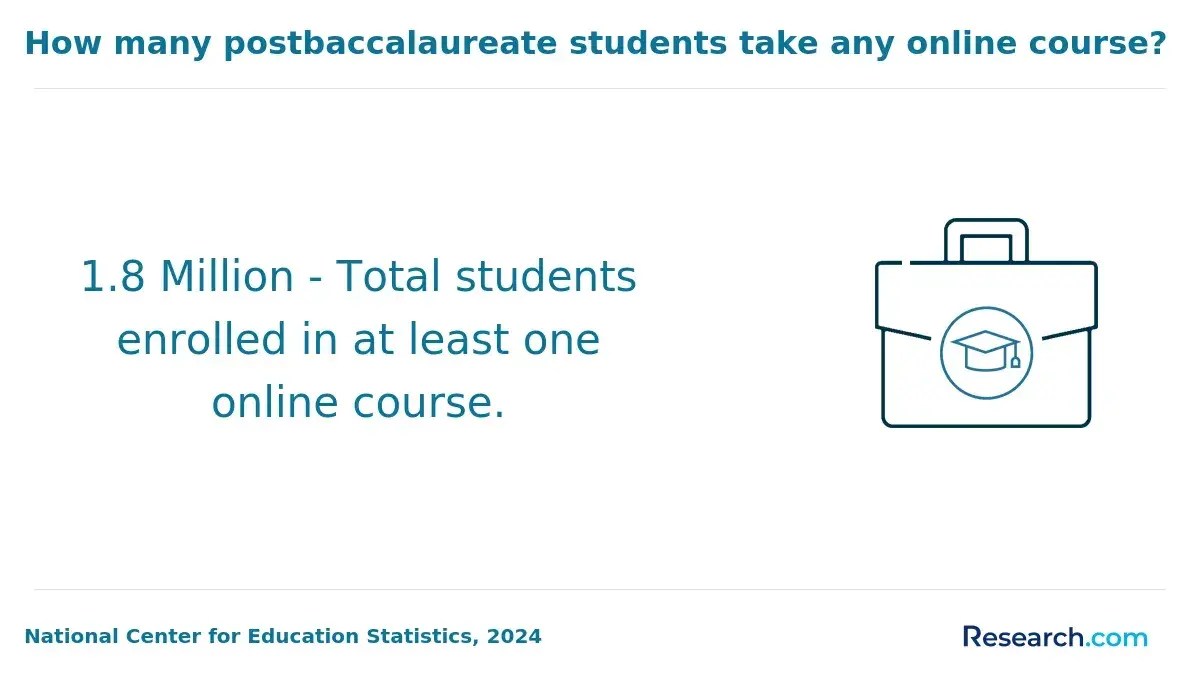
Data from the National Center for Education Statistics (NCES) and the Lumina Foundation demonstrates that this flexible scheduling significantly improves persistence and completion rates among adult learners, who often balance work and family responsibilities. The ability to enroll at any point allows these students to maintain steady progress without the interruptions that fixed semesters might create.
Financially, this flexibility offers a clear advantage-by starting courses right away, students can accelerate degree completion and enter the chemistry workforce sooner, shortening the time before earning potential increases. This also reduces the overall cost of education by minimizing unpaid time spent waiting between enrollment periods.
- Flexible Enrollment: Removing strict deadlines grants adult learners full control over when to begin, reducing procrastination and dropout risks.
- Improved Retention: Continuous start options cater to complex schedules, bolstering engagement and increasing graduation rates.
- Prompt Course Access: Students translate their career goals into action quickly by starting coursework immediately post-acceptance.
- Earlier Career Growth: Bypassing semester waits speeds up degree completion, allowing faster entry or advancement in the chemistry field.
A professional who enrolled in an online chemistry bachelor's program with weekly start dates shared his experience: juggling full-time work and family initially made him hesitant to commit. Once he discovered the self-paced nature, he valued being able to start courses the week after application approval.
"It gave me a sense that I wasn't stuck waiting to chase my goals." This flexibility reduced his stress about timing and helped maintain momentum. He also appreciated how the program's rolling starts allowed him to adjust his study load during demanding periods at work, making the journey more manageable and focused on steady progress toward his career.
What Is the Total Tuition Cost for Online Chemistry Bachelor's Programs That Allow Weekly Enrollment?
Online chemistry bachelor's degrees with weekly enrollment typically charge tuition on a per-credit basis, generally ranging from $300 to $600 per credit. Given that most programs require around 120 credits, students can anticipate total expenses between $36,000 and $72,000. This pricing model offers flexibility but varies significantly across institutions.
- Per-Credit Variability: Some public universities offer in-state online tuition rates to all students regardless of residency, providing an affordable option that benefits many learners looking for the average tuition cost for online chemistry bachelor's degree programs.
- Flat-Rate Tuition: A few schools implement flat-rate tuition for credit blocks each term, which can reduce expenses for those who enroll in heavier course loads, but this approach may limit scheduling flexibility.
- Additional Costs: Beyond tuition, students should plan for technology fees, lab fees, and course materials, which can cumulatively add several hundred to thousands of dollars to the total expenses for chemistry bachelor's programs with rolling start dates.
- Cost-Competitive Programs: Institutions like Fort Hays State University and Western Governors University offer locked-in or flat-rate tuition with weekly start options, often reducing financial barriers for budget-conscious students.
Prospective students can leverage transfer credit policies and prior learning assessments to accelerate their path and save money. Those interested in further education may consider pursuing a master of healthcare administration as a complementary graduate degree. Evaluating tuition frameworks, fees, and enrollment formats is essential to ensure a smooth academic journey aligned with personal finances and career goals.
How Quickly Can Students Complete an Online Chemistry Bachelor's Degree When Enrolling Through a Weekly Start Option?
Taking a heavier course load, typically 12 to 15 credits, allows students to complete their degree more quickly than part-time learners who take fewer classes. Some programs permit enrollment in several courses at once, further speeding progress. Programs often accept up to 90 transfer credits, letting students bypass many general education requirements. This can dramatically shorten the time needed to graduate.
Competency-based or self-paced formats let students advance as soon as they demonstrate subject mastery, often reducing the duration compared to traditional term schedules. Full-time students generally finish within 3 to 4 years, while part-time students may take 5 to 6 years or longer. Weekly start dates offer the flexibility to adjust course loads each term depending on personal commitments.
A professional who completed a self-paced online chemistry bachelor's program with weekly starts shared that juggling work, family, and studies was challenging but manageable thanks to the program's flexibility. She mentioned, "Having the ability to start whenever I was ready and move at my own pace made all the difference-I wasn't tied down to a rigid schedule."
The transfer credits she brought in, combined with competency assessments, allowed her to focus only on essential courses. Reflecting on her journey, she noted that the freedom to tailor her education to her life's demands gave her confidence and kept her motivated throughout the process.
What Admission Requirements Must Students Meet to Enroll in an Online Chemistry Bachelor's Program With a Weekly Start Date?
Online bachelor's programs in chemistry with weekly start dates often use rolling admissions, making entry more flexible than traditional semester-based options. Most require a high school diploma or GED, but minimum GPA standards may be relaxed or waived, reflecting an emphasis on widening access. Many such programs suspend the need for standardized test scores like the SAT or ACT, aligning with growing test-optional trends.
This easier access may mean academic rigor and support vary widely. Open-admission programs typically provide tutoring and advising services to help students succeed, whereas selective programs usually have stricter entry criteria and deliver more structured guidance and smaller class sizes. Students returning after a break in education should consider these factors carefully when choosing a program.
Applicants with unconventional backgrounds are encouraged to submit personal statements or recommendation letters that highlight their determination, past experiences, and career plans. Such additions can improve admission chances and appropriate course placement.
Data from the National Center for Education Statistics reveals a nearly 20% increase in online postsecondary enrollments over the last five years, indicating rising demand for flexible structures like weekly-start chemistry degrees.
- Credential Requirements: Most programs require a high school diploma or GED, but often have flexible or no GPA minimums to attract diverse learners.
- Test Waivers: Standardized tests like SAT/ACT are usually optional or waived, easing barriers for many prospective students.
- Rolling Admissions Benefits: Weekly enrollment opportunities let students start promptly and progress continuously, suiting those balancing work and life commitments.
- Varied Support Levels: Less selective programs often emphasize tutoring and advising, while more competitive programs offer smaller classes and more structured resources.
- Application Strategy: Non-traditional students should strengthen their applications with detailed personal statements or recommendations demonstrating motivation and readiness.
How Do Online Chemistry Programs With Weekly Starts Handle Transfer Credits From Previous College Coursework?
Weekly-start online chemistry bachelor's degree programs often provide flexible transfer credit policies that recognize prior college coursework, military training, and employer-based learning. This flexibility, endorsed by many accredited institutions, helps students accelerate degree completion and reduce tuition costs significantly.
The American Council on Education (ACE) plays a crucial role by evaluating non-traditional learning experiences and recommending equivalent credits. ACE credit recommendations enable students to convert military courses or professional certifications into academic credit, easing their transition and shortening their time to degree.
Notably, Western Governors University and Southern New Hampshire University accept up to 90 transfer credits, including ACE credits, offering some of the highest transfer limits available. These generous policies allow students to bypass redundant courses, saving both time and money.
Prospective students should always request a transcript evaluation before enrolling-this helps clarify how many credits will transfer and what degree requirements remain. Recent data indicate that over 70% of students enrolled in online STEM bachelor's degree programs utilize transfer credits, reflecting the growing reliance on credit policies to expedite education.
- Flexible Credit Acceptance: Transfer credits from community colleges, military training, and employer-based learning are widely accepted, allowing students to avoid retaking equivalent courses.
- ACE Credit Recommendations: The American Council on Education's evaluations convert non-traditional learning into college credit, enabling faster degree progress.
- Cost Reduction: By reducing required coursework, transfer credits lower tuition expenses and related costs substantially.
- Transcript Evaluation Essential: Official credit evaluations before enrollment help students understand their remaining requirements and plan effectively.
- High Transfer Limits: Schools like Western Governors University and Southern New Hampshire University offer transfer caps up to 90 credits, providing quicker graduation paths.
What Financial Aid and Scholarship Options Are Available for Students Enrolling in Weekly-Start Online Chemistry Programs?
Federal financial aid options play a crucial role for students pursuing online chemistry bachelor's degree programs with weekly start dates, offering access to Pell Grants, subsidized and unsubsidized Stafford loans, and work-study opportunities. These forms of aid require students to file the Free Application for Federal Student Aid (FAFSA), which becomes available on October 1 each year. Although weekly-start programs provide flexible enrollment, financial aid is typically awarded based on the traditional academic year, meaning students should carefully plan aid applications around this schedule.
The College Board's Trends in Student Aid report indicates that the average federal grant package for undergraduate students exceeds $6,000, although award amounts vary depending on financial need and enrollment status. Because weekly start dates differ from semester-based calendars, students should communicate with their school's financial aid office to understand how aid is allocated during overlapping or partial terms. This ensures they maximize support across the nontraditional enrollment periods typical of such programs.
Numerous scholarships targeted specifically at chemistry bachelor's programs with rolling start dates can supplement federal aid. Organizations like the American Chemical Society and various colleges offer scholarships for chemistry students and online learners based on merit, need, or underrepresented status. Applying early through FAFSA is essential, since many grants and institutional scholarships follow a first-come, first-served system. Academic merit and financial need remain critical eligibility factors, and sometimes work-study options apply, depending on available funding.
For working professionals or adult learners, exploring prior learning assessments and generous transfer credit policies can accelerate degree completion and reduce costs. To get a clearer picture of potential earnings post-graduation, students might also research how much do medical coders make as an example of career outcomes in related fields.
- Federal Aid Eligibility: Online chemistry students qualify for Pell Grants, Stafford loans, and work-study, but funds are allocated based on the traditional academic year regardless of weekly start dates.
- Scholarship Opportunities: Professional organizations like the American Chemical Society and specific universities offer scholarships designed for chemistry majors and online learners, helping reduce overall costs.
- FAFSA Importance: Early FAFSA submission is crucial because many grants and institutional awards are limited and granted on a first-come, first-served basis, so delay can limit aid access.
- Financial Aid Timing: Although weekly starts provide flexibility, students must coordinate with financial aid offices to understand how aid disbursements align with their enrollment periods.
- Average Aid Amounts: According to College Board data, the average federal aid package exceeds $6,000, but actual awards vary according to individual financial need and program enrollment.
What Accreditation Standards Should a Weekly-Start Online Chemistry Bachelor's Program Meet to Ensure Employer and Transfer Recognition?
When evaluating accredited online Chemistry bachelor's degree programs with employer recognition, understanding accreditation is crucial. Regional accreditation remains the gold standard for credit transferability and employer acceptance within the Chemistry field. This accreditation is awarded to degree-granting institutions that meet strict academic and quality standards, unlike national accreditation, which typically applies to vocational or for-profit schools with less rigorous criteria.
There are seven regional accrediting bodies recognized by the U.S. Department of Education: the Middle States Commission on Higher Education (MSCHE), New England Commission of Higher Education (NECHE), Higher Learning Commission (HLC), Northwest Commission on Colleges and Universities (NWCCU), Southern Association of Colleges and Schools Commission on Colleges (SACSCOC), Western Association of Schools and Colleges Senior College and University Commission (WSCUC), and the Western Association of Schools and Colleges Accrediting Commission for Community and Junior Colleges (ACCJC).
Weekly-start online chemistry programs are most frequently accredited by HLC, SACSCOC, and WSCUC, as these organizations serve regions with many institutions offering rolling admission and flexible course schedules. Attending a nationally accredited-only institution may reduce transfer credit acceptance standards for weekly-start online Chemistry degrees or limit eligibility for graduate programs, since regionally accredited credentials are more widely recognized.
- Regional vs National: Regional accreditation is highly respected for Chemistry degrees-it guarantees academic rigor and facilitates smoother transfer of credits, unlike national accreditation, which often covers non-traditional schools.
- Seven Regional Bodies: The recognized accreditors-MSCHE, NECHE, HLC, NWCCU, SACSCOC, WSCUC, and ACCJC-ensure quality; among these, HLC, SACSCOC, and WSCUC lead in accrediting programs with weekly start dates.
- Verification Essential: Checking accreditation at the U.S. Department of Education's website is vital to avoid enrolling in unrecognized programs.
- Transfer Risks: Credits from nationally accredited schools may face rejection by regionally accredited colleges, making academic progression in Chemistry more difficult.
Prospective students seeking cost-efficient options may also explore a cheapest online nutrition degree as a related field or stepping stone while comparing prices and transfer policies across programs.
How Is Coursework Structured in Online Chemistry Bachelor's Programs With Weekly Starts Compared to Semester-Based Formats?
Weekly-start chemistry bachelor's degree programs commonly deliver content asynchronously via video lectures, providing students the flexibility to study at any time during the week. Learners participate in discussion boards and submit assignments by weekly deadlines, promoting steady progress. Digital collaboration tools facilitate group work and peer interaction despite remote learning.
This contrasts with traditional semester formats, which typically span 15 weeks, while weekly-start courses often condense material into five to eight weeks, demanding heightened self-discipline and time management. This accelerated model effectively builds core chemistry skills such as analytical problem-solving, conceptual understanding, and virtual laboratory techniques.
However, it may offer fewer opportunities for in-depth research or longer experimental projects common in semester-long classes. Preparing mentally and logistically by establishing a solid study routine, prioritizing weekly tasks, and maintaining communication with instructors is critical for success in this fast-paced environment.
Enrollment in programs with rolling weekly start dates has increased by over 20% in recent years, reflecting strong demand for flexible learning options.
- Flexible Asynchronous Structure: Video lectures and online forums allow for scheduling study around personal commitments while adhering to regular deadlines.
- Condensed Course Terms: Five- to eight-week courses accelerate learning but require focused time management compared to traditional semesters.
- Key Competency Focus: Students rapidly develop problem-solving abilities and conceptual application, though deep experiential learning may be limited.
- Self-Discipline Required: Success depends on consistent study habits and effective prioritization to handle the intensive workload.
- Increasing Popularity: Growing enrollment shows that working professionals and adult learners appreciate the flexibility of weekly starts.
Can Students Earn Credit Through CLEP, DSST, or Prior Learning Assessment in Weekly-Start Online Chemistry Programs?
Credit by Examination programs, such as CLEP (College Level Examination Program) and DSST (DANTES Subject Standardized Tests), enable students to convert prior knowledge into academic credit, shortening the path to a chemistry bachelor's degree and cutting associated expenses. CLEP exams, managed by the College Board, focus on fundamental topics relevant to chemistry curricula, while the American Council on Education (ACE) provides credit recommendations for DSST tests and military training evaluations.
Among online chemistry programs with weekly start dates, several stand out for their accommodating Prior Learning Assessment (PLA) policies. These institutions accept diverse evidence types, including portfolio-based assessments that compile certifications, professional experience, and military transcripts. Limits on PLA credits typically range from 30 to 60 semester hours, depending on the school's criteria.
Students should supply detailed documentation, such as course syllabi, certificates, or experience summaries, to the registrar or academic advising offices for formal credit evaluation. Taking advantage of weekly enrollment periods gives students ongoing opportunities to submit credit requests, helping them accelerate degree completion. Confirming documentation requirements and submission deadlines with admissions advisors ensures smooth processing and maximizes savings on time and tuition.
- Credit by Examination Options: CLEP and DSST provide standardized exams that award course credits, easing both academic load and tuition costs.
- Prior Learning Assessment Flexibility: Programs with weekly starts often accept portfolios and military training, granting up to 60 credits based on documented learning.
- Documentation Requirements: Detailed transcripts, certificates, or work samples must be submitted for formal evaluation and credit approval.
- Institutional Limits on Credit: Most schools cap how many credits can be earned through PLA; check these limits to plan effectively.
- Advantages of Weekly Enrollment: Frequent start dates allow continuous credit submission opportunities, speeding up degree progress.
What Graduates Say About Online Chemistry Bachelor's Degree Programs With Weekly Start Dates
- Eddie: "Choosing an online chemistry bachelor's degree with weekly start dates was perfect for me since I needed flexibility to balance work and study. The program's affordable tuition made it accessible without sacrificing quality, which was a big relief. Completing the degree opened doors to advanced lab roles and gave my career the boost I was aiming for-highly recommended!"
- Sage: "I was drawn to the online chemistry bachelor's degree program because of the convenience of weekly start dates-there was no waiting to begin pursuing my goals. The cost was reasonable compared to traditional programs, which helped me avoid excessive debt. Reflecting back, earning this degree truly transformed my career, allowing me to transition into research and development with much more confidence."
- John: "From a professional standpoint, the most valuable aspect of this online chemistry bachelor's degree with weekly start dates was the ability to immediately align my education with job market demands. The program's pricing was transparent and fair, which made committing financially easier. Since graduating, the new credentials have markedly improved my job prospects and salary potential in the chemical industry."
Other Things You Should Know About Chemistry Degrees
To choose the best 2026 weekly-start online chemistry bachelor's program, consider factors like curriculum relevance to your career goals, accreditation status, faculty expertise, availability of laboratory components, flexibility of scheduling, and career support services tailored to entering the chemistry field.
To support retention and academic success, weekly-start programs typically offer dedicated academic advising, tutoring services, and virtual writing or math labs tailored to chemistry coursework. Career counseling and technical support are often available 24/7 to accommodate varying schedules. Additionally, peer discussion forums and virtual study groups provide collaborative environments crucial for mastering complex chemistry concepts.
Prospective students should assess accreditation status and chemistry faculty expertise to ensure academic quality. Evaluating flexible scheduling options-such as weekly start dates combined with part-time enrollment-and transfer credit policies is critical for non-traditional students. It is also advisable to review program curriculum alignment with career objectives and the availability of financial aid or prior learning assessments that may reduce time and cost to degree completion.
References
- Online Chemistry Courses for Credit: 3 Great Benefits and More - Prereqcourses https://www.prereqcourses.com/online-chemistry-courses-for-credit/
- Four benefits of term schedules vs. the traditional semester schedule - RMCAD https://www.rmcad.edu/blog/four-benefits-of-term-schedules-vs-the-traditional-semester-schedule/
- Search https://trinity.edu/academics/departments/chemistry/student-opportunities
- How does your Department Handle Transfer Credits? https://thefora.org/index.php
- World's Largest platform as University Common Application https://www.planstudyabroad.uniagents.com/course-details.php
- Accreditation https://www.cheminst.ca/about/about-csc/accreditation/
- Online Bachelor's & Certificates Admission Requirements https://www.setonhill.edu/apply-afford/applying-to-seton-hill/online-bachelors-degree-certificate-program/online-bachelors-certificates-admission-requirements.html
- Degree accreditation https://www.rsc.org/standards-and-recognition/accreditation/degree-accreditation
- Online Class Formats https://cod.edu/academics/online/online-class-formats/index.html