2027 Online BA in Psychology - Mental Health: How to Compare Degrees When You Want Both Employment and Graduate Study
Audited and Verified:
Our Editorial and Data Verification Process
Research.com uses government datasets, official education statistics and primary institutional information to support its career and degree guides. Our review process checks factual accuracy, occupational definitions, source dates and the requirements associated with the credentials discussed.
How This Article Was Fact-Checked
Our editorial team verifies salary estimates, employment projections, education requirements and program information against original data providers and official organizations. Salary figures are checked against the relevant occupational definitions and reporting periods. Information about licensure, accreditation and required in-person training is reviewed separately.
Fact-checked and verified on:

Co-Founder and Chief Data Scientist
An online psychology BA with a mental health focus can serve two goals: finding work after graduation and building a strong graduate-school application. Those goals overlap, but they are not identical. An appealing concentration may offer useful service-system knowledge while leaving little room for research experience; a research-heavy program may offer fewer routes into community work.
This guide shows prospective and early-career students how to compare both kinds of preparation, check the practical demands of online study, and avoid mistaking a bachelor's degree for a clinical qualification.
Key Things You Should Know
- Compare programs on two separate outcomes: evidence of readiness for nonclinical work and evidence of readiness for the specific graduate degree you may pursue.
- Many bachelor's degrees require about 120 semester credits, but transferred credits, course sequencing, and placement requirements - not the online label - determine your remaining time and cost.
- A mental health concentration does not authorize therapy, diagnosis, or independent assessment; check the credential rules for any regulated job before choosing a degree.
What is an online BA in psychology with a mental health focus?
It is a bachelor of arts degree in psychology that adds coursework on topics such as psychological disorders, substance use, prevention, and mental health service systems. The focus may be a formally designated concentration, a set of electives, or simply the program's description. Check the catalog and transcript designation rather than assuming those terms mean the same thing.
For someone seeking both employment and graduate study, the strongest fit combines psychological science with opportunities to practice writing, data interpretation, and appropriate nonclinical support skills. A focus on recovery services may be especially relevant if you are exploring understanding career progression in addiction recovery; specific support and counseling roles can have different credential requirements.
Is an online psychology bachelor's degree accredited and recognized?
An online BA is a recognized bachelor's degree when it is awarded by an appropriately institutionally accredited college or university. Confirm the institution's accreditation status and that it covers the school awarding the degree. Then check whether the diploma and transcript identify the same degree available to campus students, if that distinction matters to an employer or graduate program.
Do not look for APA accreditation of a general psychology BA: APA's professional accreditation does not serve as a blanket seal for undergraduate psychology majors. Recognition for a future professional degree is a separate question. For example, when comparing an addiction counseling program selection guide with BA options, verify the target state's credential rules and any program recognition relevant to that credential.
What jobs can you get with an online psychology bachelor's degree?
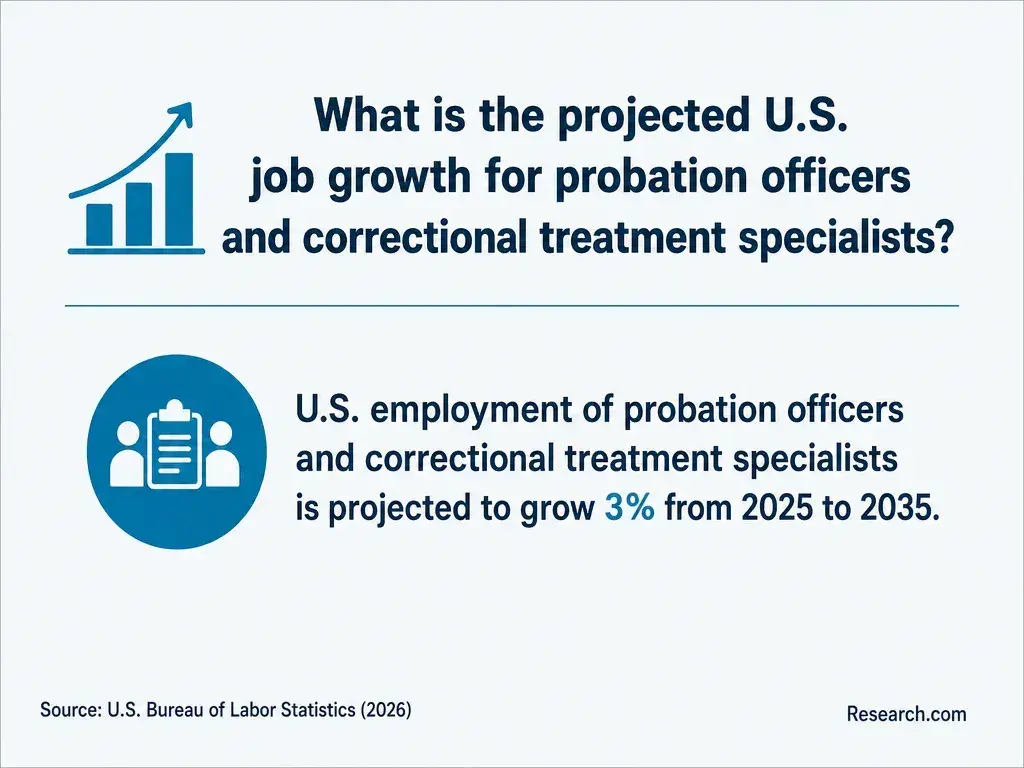
A psychology BA can support applications for nonclinical positions, but the degree alone does not establish eligibility. Employers may require relevant work experience, a background check, a driver's license, additional training, or a particular credential. The table separates plausible job targets from the evidence that can make an applicant more competitive.
| Role to investigate | Typical work | Preparation to look for |
| Human-services or case-support assistant | Documentation, resource navigation, and coordination under agency procedures | Service-system knowledge, accurate records, and supervised experience |
| Behavioral-health intake or program coordinator | Scheduling, information gathering, and referral coordination within assigned duties | Confidentiality training, communication skills, and knowledge of referral boundaries |
| Research assistant | Literature searches, approved data tasks, recruitment support, or study administration | Statistics, research methods, and documented research experience |
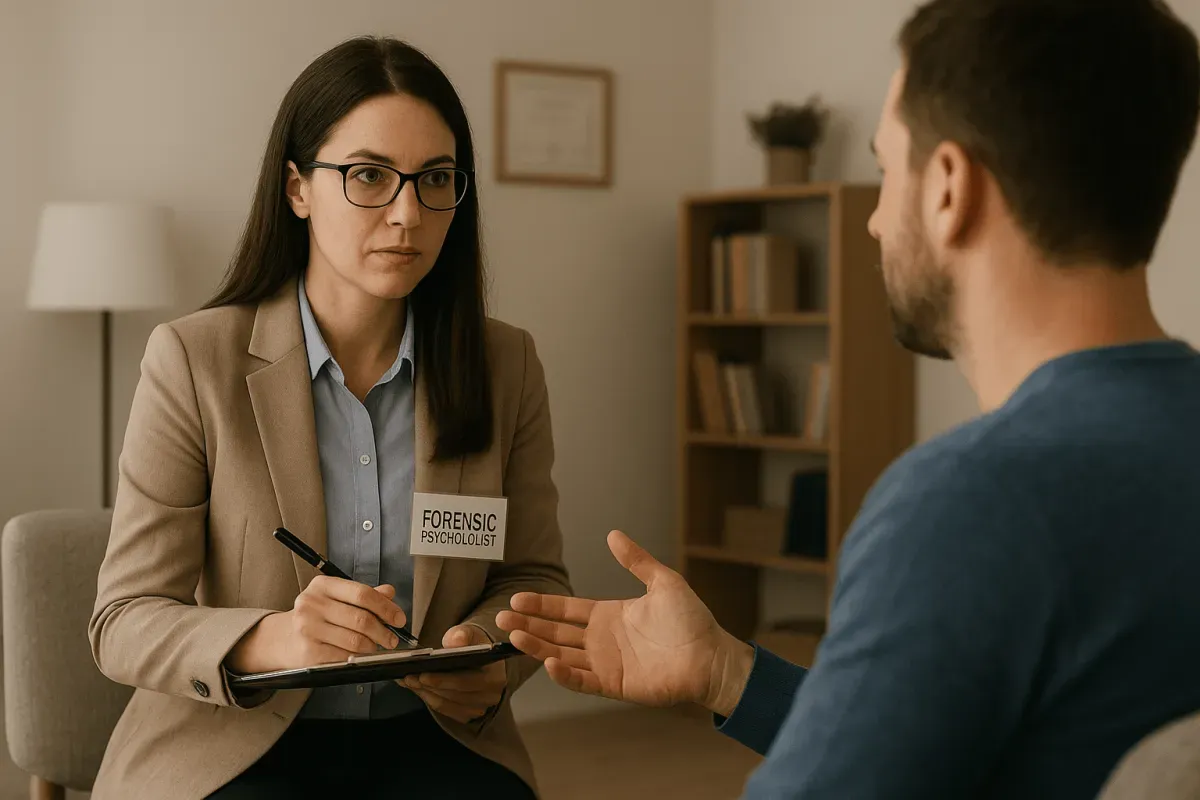
These are job families, not promises about what a particular employer will accept. A supervised agency placement may strengthen a services application; a faculty project may be more persuasive for research work and graduate admissions. A forensic elective can broaden subject knowledge, but career planning with a forensic psychology graduate degree is a separate decision from qualifying for a licensed forensic role.
No. A psychology BA - including one labeled mental health - does not by itself qualify you to provide psychotherapy, diagnose conditions, independently administer restricted assessments, or practice as a licensed psychologist or counselor. Those paths generally require a qualifying professional degree and additional jurisdiction-specific steps, such as supervised practice and examinations.
Start with the exact occupation and state where you intend to work, then consult that licensing board's education rules. Counseling, clinical social work, psychology, and addiction counseling have distinct pathways. If counseling is the goal, compare a qualifying program's requirements and total expense rather than assuming any psychology master's will suffice; mental health counseling tuition and funding options can help frame that later financial decision.
Expect a psychology core alongside general education and mental health-related electives. Catalogs differ, so compare required courses - not just attractive elective titles. For dual-purpose preparation, statistics and research methods matter as much as abnormal psychology: they help you assess evidence at work and meet the expectations of many graduate programs.
Useful combinations include developmental and social psychology, psychopathology as an academic subject, cultural psychology, research ethics, and courses on community services or substance use. Ask whether advanced methods, a faculty-guided project, or a supervised nonclinical placement is available online and how often it runs. If you are considering compressed online master's study in forensic psychology later, check that program's prerequisites before sacrificing foundational methods courses for extra specialty electives.
The academic questions are similar - what you study, who supervises you, and what work you can show afterward - but access may differ. Online classes can reduce commuting without making research meetings, group work, or placements asynchronous. Campus programs may offer easier access to local labs and agencies; online programs may connect students to remote projects or approved sites near home. Neither arrangement should be assumed.
Request a sample course schedule and the rules for internships, campus visits, and research participation. Find out whether an online student can obtain a faculty recommendation based on substantive work. The same scheduling scrutiny matters for a later degree: comparisons of the fastest psychology master's formats are useful only if their live-session and project demands also fit your schedule.
Requirements vary by school and by whether you apply as a first-year or transfer student. Institutions commonly request prior academic records and an application; some have separate conditions for entering or continuing in the major. Admission to the college is not the same as approval of every previous course toward the psychology degree.
If you have prior credits, request a written degree audit showing which satisfy general education, statistics, research methods, major electives, and residency requirements. That distinction matters if you hope to finish efficiently and preserve graduate-school prerequisites. A future specialized master's may have different entry rules: use tuition and eligibility for forensic psychology programs as a reminder to compare actual graduate requirements, not to assume every mental health BA prepares you for every specialization.
Many bachelor's programs are built around roughly 120 semester credits and a four-year full-time plan. Your remaining time depends on accepted credits that apply to requirements, course availability, enrollment pace, and any placement or residency obligation. Part-time study can make weekly work manageable while extending the period over which you pay fees and balance school with employment.
Compare a personalized estimate, not advertised tuition alone: multiply remaining billable credits by the applicable tuition rate, then add mandatory fees, books or software, and any travel or placement costs. Ask financial-aid staff how your proposed enrollment pace affects aid eligibility. An affordable psychology degree route is the one with a workable remaining cost and schedule - not necessarily the lowest posted per-credit price.
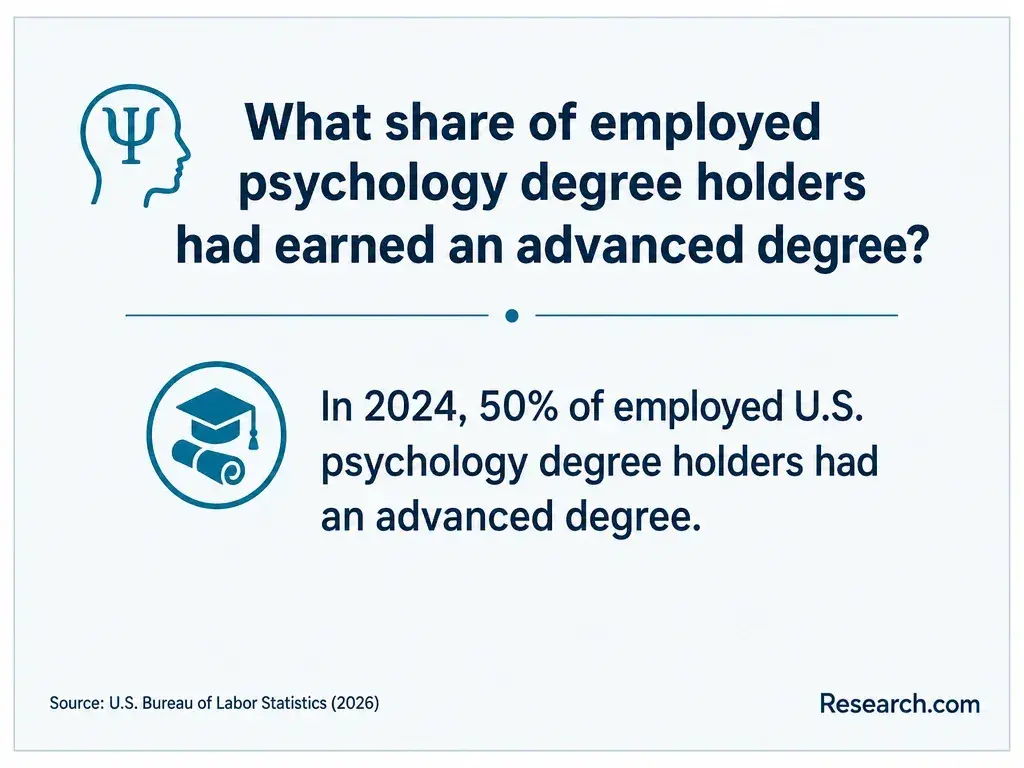
Yes, if its coursework and opportunities match the graduate programs you may actually pursue. Admission eligibility, a competitive application, and readiness for graduate work are different tests. A mental health focus can demonstrate interest, but graduate selectors may also value strong grades in methods, substantive research or service experience, informed goals, and recommendations from people who know your work.
Compare prospective BA programs against both of your intended outcomes. The table identifies the evidence each goal is likely to draw on; it does not represent universal admissions or hiring requirements.
| Possible next step | Most relevant BA evidence | Potential gap to check |
| Nonclinical support employment | Supervised agency work, documentation, and referral knowledge | Employer-specific experience or certification |
| Research-oriented psychology graduate study | Statistics, methods, faculty-guided research, and strong academic writing | Specific prerequisites and research fit |
| Licensure-track professional study | Required prerequisites, relevant experience, and clear career goals | Professional-program admissions and state credential rules |
Shortlist graduate programs before selecting BA electives, and ask whether the undergraduate school can provide the research or supervised nonclinical opportunities you need. If a later nonclinical master's is under consideration, an online psychology master's affordability guide can help you plan for the cost of that separate degree. A psychology master's is not universally required before doctoral or professional-school admission.
What salary and job outlook can psychology graduates expect?
There is no single salary or growth rate for "online psychology BA graduates." Pay and outlook follow occupations, locations, employers, experience, and credentials - not a concentration name. The US Bureau of Labor Statistics Occupational Outlook Handbook reports occupation-wide wages and projections for roles such as social and human service assistants; those figures are useful benchmarks, not starting-salary estimates for BA graduates.
Compare current postings for two or three jobs you would pursue immediately, recording required credentials, duties, pay ranges when disclosed, and whether a placement would help you qualify. Then compare that near-term prospect with the cost and time of any required graduate degree. If speed is central to that calculation, investigate fast-track psychology degree programs online only after confirming that their pace leaves room for the experience and methods preparation your next step requires.
Other Things You Should Know About Psychology
Compare the actual requirements. A BS may require more science or quantitative coursework, but the label alone does not establish better job or graduate-school preparation.
Possibly, if the program approves the site, duties, supervision, and deliverable in advance. Employment alone does not satisfy an academic placement requirement.
Yes. Check eligible programs, grade and employment conditions, payment timing, and whether repayment is required if you leave the job.
No. It may strengthen an application, but state rules and employers determine whether training, certification, supervision, or lived-experience criteria apply to a particular peer-support role.
- Types of Financial Aid: Grants, Work-Study, and Loans | studentaid.gov https://studentaid.gov/understand-aid/types
- Cost of Attendance (Budget) | 2025-2026 Federal Student Aid Handbook https://fsapartners.ed.gov/knowledge-center/fsa-handbook/2025-2026/vol3/ch2-cost-attendance-budget
- Accreditation in the U.S. | ed.gov http://www.ed.gov/laws-and-policy/higher-education-laws-and-policy/college-accreditation/accreditation-in-the-us
- NYS Mental Health Counseling: License Requirements | nysed.gov https://www.op.nysed.gov/professions/mental-health-counselors/license-requirements
- Your Guide to Fieldwork in the University of Cincinnati's Bachelor of Social Work Program | UC News https://www.online.uc.edu/blog/your-guide-to-fieldwork-in-the-university-of-cincinnatis-bachelor-of-social-work-program.html
- Program: Psychology, M.S. - University of Houston Clear Lake https://catalog.uhcl.edu/preview_program.php
- Transfer credit policies - Office of Admissions https://admit.washington.edu/apply/transfer/policies/
- Bachelor of Arts in Psychology - Online Program | CSULB CPaCE https://www.cpace.csulb.edu/courses/bachelor-of-arts-in-psychology
- Frequently Asked Questions for Students - School of Social Work | Boise State Online https://www.boisestate.edu/socialwork/fieldwork/student-faqs/
- Costs - UGA Student Financial Aid - University of Georgia https://osfa.uga.edu/costs/