2027 Online BA in Psychology - Addictions for Work in School Prevention Programs: Compare Degree Fit and Hiring Requirements

Co-Founder and Chief Data Scientist
If you want to help prevent substance use among students, an online psychology BA with an addictions focus may be useful - but the concentration alone will not qualify you for every school-based role. Districts, nonprofits, and public agencies hire for different tasks, and positions involving counseling have separate requirements.
This guide is for prospective students and career changers comparing degree routes. It explains which prevention jobs may be accessible with a bachelor's degree, what employers may require beyond coursework, and how to check whether an online program offers the preparation and local experience you need.
Key Things You Should Know
- An online psychology BA with addictions coursework can support applications for nonclinical prevention, outreach, and program-support jobs; it does not authorize counseling, diagnosis, or therapy.
- A bachelor's degree commonly requires about 120 semester credits, but hiring may also depend on youth-serving experience, background clearance, and a state or employer-recognized prevention credential.
- Choose the target job first: school counselor and substance-use treatment positions generally require qualifications beyond a psychology BA, while some prevention-support roles may not require an addictions concentration at all.
What Is an Online Psychology Degree in Addictions for School Prevention Work?
Usually, this is a psychology bachelor's degree delivered partly or wholly online, with a formal addictions concentration or a set of relevant electives. The transcript and catalog determine which description is accurate. Its value for school prevention lies in combining psychological science with adolescent development, substance-use risk and protective factors, and the evaluation of prevention efforts - not in preparing graduates to treat substance-use disorders.
School prevention may include classroom education, family outreach, staff training support, referral information, and coordination with community partners. These activities differ from diagnosing a student or providing treatment. When comparing addiction-focused undergraduate psychology degrees, check whether the relevant courses are required, merely available as electives, or part of an officially named concentration.
Degree fit: A psychology BA makes sense if you want broad behavioral-science preparation and may later pursue research, program evaluation, or graduate study. A public health, education, or human-services route may be more direct if your target employer emphasizes school programming or community outreach. If you already hold a bachelor's degree, targeted prevention training and supervised experience may be a faster route than earning another one.
What Jobs Can You Get in School-Based Addiction Prevention With a Psychology Bachelor's?
Job titles are unreliable shortcuts: a "prevention specialist" employed by a community agency may visit schools, while a similarly named district position may require a different credential. The comparison below separates likely nonclinical duties from roles that require another qualification.
| Target role | Typical school-related work | What to check before applying |
| Prevention program assistant or coordinator | Schedule lessons, prepare materials, support outreach, and document activities | Required degree, youth experience, travel, and background clearance |
| Community health worker or outreach worker | Connect students and families with approved resources and support education campaigns | Employer training, language skills, and limits on direct student contact |
| Prevention or program-evaluation assistant | Track implementation, organize approved data, and summarize results | Statistics skills, data-access rules, and grant-reporting experience |
| School counselor or substance-use counselor | Provide services within a defined professional scope | Qualifying graduate education, supervision, and applicable state credential rules |
Relevant evidence can matter more than the concentration label: experience working respectfully with adolescents, facilitating approved activities, documenting referrals, or evaluating attendance and implementation can strengthen an application. If your goal is treatment rather than prevention support, compare addiction counseling academic preparation against your state's actual counselor requirements instead of assuming psychology electives meet them.
What Education and Licensing Requirements Apply to School Prevention Careers?
There is no single national license for all school prevention work. A district, contracted nonprofit, state prevention agency, and treatment provider may each set different qualifications. Many support positions are nonclinical, but working around minors can require background screening, mandated-reporter training, and adherence to district policies. A state-recognized prevention certification, where available, may add specific education, experience, supervision, or examination requirements; a psychology BA is not an automatic substitute.
By contrast, a school counselor position generally follows the state's education-agency credential rules, and substance-use counseling follows the relevant state board's rules. Compare those requirements with the exact degree and supervised training offered. If counseling is your end goal, comparing condensed accredited counseling study routes can inform a later program search, but an accelerated schedule does not remove state education or supervision requirements.
Before enrolling, save several local job postings and separate required qualifications from preferred ones. Ask the hiring district or agency whether the position delivers universal prevention, makes referrals, or provides regulated counseling; then confirm any credential with the responsible state authority.
Online coursework can reduce commuting without eliminating scheduled obligations. Live classes, group projects, exams, and a local placement may still conflict with work or caregiving. Campus programs may make faculty projects and nearby youth-serving partnerships easier to access, but neither format guarantees a relevant internship.
Compare formats by asking who finds and approves field sites, whether placement hours must occur during school hours, who supervises the work, and whether any visits to campus are required. An online program with a workable local-school partnership may be stronger for this goal than a campus program with no prevention opportunities. Conversely, if you cannot attend weekday activities, an advertised internship may have little practical value. For broader format questions, use psychology degree planning for prospective online students alongside each program's current schedule and placement policy.
For school prevention, prioritize adolescent development, learning and social psychology, substance-use science, prevention approaches, statistics, and research methods. Useful applied work should teach students to distinguish a program's intended outcomes from what its evidence actually shows. Courses in cultural responsiveness, family and community systems, and ethics also matter when communicating with students and caregivers.
Look beyond course titles to assignments. A supervised, nonclinical project might involve an evidence review or a plan to evaluate how consistently a prevention curriculum is delivered. Access to student records or surveys is not automatic; school authorization, privacy rules, and any applicable research review must be addressed first. Coursework about addiction assessment or counseling does not confer permission to perform those services.
If you expect to pursue graduate research or evaluation work, check that statistics and methods courses build on each other. Accelerated graduate psychology course sequencing may help frame a later academic comparison, but a psychology MS is not inherently necessary for entry-level prevention work or a substitute for a qualifying counseling degree.
Schools commonly request evidence of prior education, such as a high school transcript or college transcripts; transfer applicants may face separate credit-evaluation rules. Requirements for admission to the university can differ from requirements to declare or complete the psychology major. Ask for an official degree audit showing which accepted credits satisfy general education, psychology prerequisites, electives, and remaining institutional requirements.
Returning students should pay particular attention to statistics and research-methods equivalencies: credit accepted by the institution may still fail to satisfy a major requirement. If you are comparing an accelerated program in another specialty, such as forensic psychology bachelor's completion planning, check whether its remaining electives actually prepare you for youth prevention. Speed alone does not make the concentration relevant.
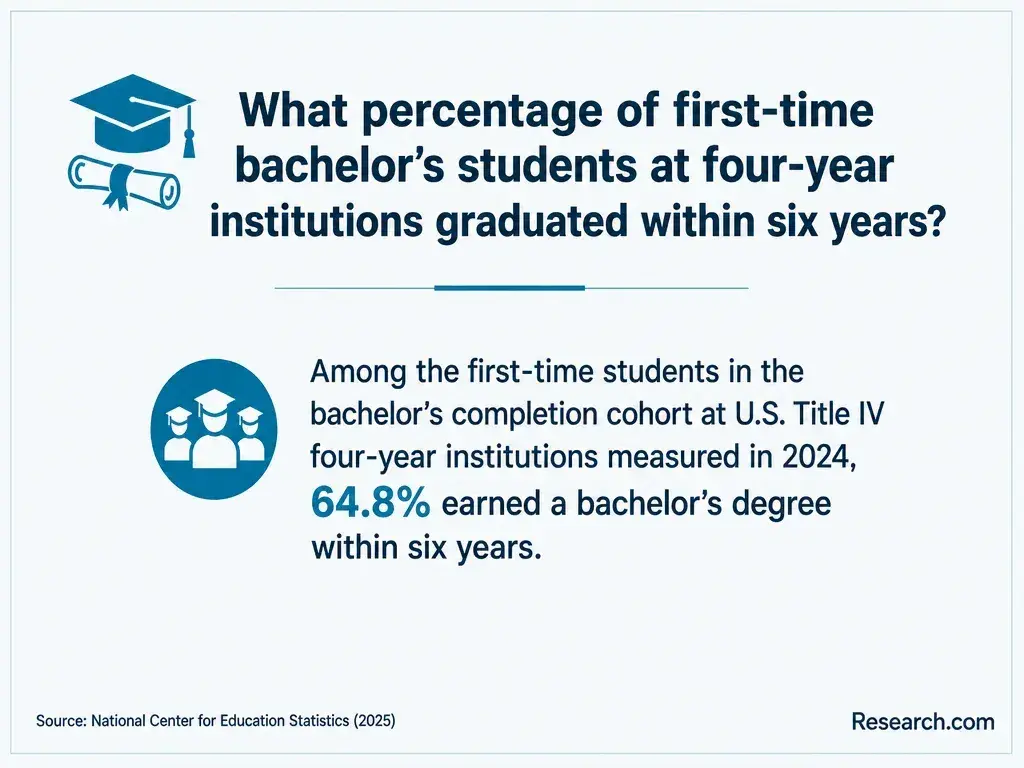
A bachelor's degree commonly totals about 120 semester credits; remaining time depends on accepted credits that apply to the degree, course availability, and how many courses you can take each term. Transfer students should obtain a written degree audit before relying on an advertised completion time. For those comparing shorter schedules, accelerated psychology study for returning students is most useful when paired with a realistic plan for fieldwork and other fixed-time commitments.
Published tuition is only one cost. Compare the price of your remaining credits, mandatory fees, books, technology, possible travel, and any unpaid placement hours. Ask whether summer courses carry different charges and whether the courses you need run often enough to maintain your planned pace. A cheaper per-credit rate can be a poor bargain if missing courses delay graduation or a required placement is inaccessible.
First, verify that the degree-granting institution holds recognized institutional accreditation and that it applies to the school awarding your degree. Do not expect APA accreditation for a general psychology BA: APA's program accreditation has a different scope and is not a badge for undergraduate addictions concentrations.
Next, match any professional recognition to the actual target credential. A state prevention certification may have its own approved training and experience rules. Counseling and social-work programs have distinct accreditation and licensure considerations, but their standards should not be attributed to a psychology BA. If graduate counseling becomes your goal, compare its qualifying program requirements and mental health counseling tuition fees and financial aid as a separate investment, not as an automatic continuation of the undergraduate concentration.
There is no reliable single salary for "psychology BA graduates in school addiction prevention." Employers may classify similar work as community outreach, human-services assistance, education support, or program coordination, with different pay structures. District pay schedules, grant funding, part-time appointments, and required experience can matter as much as the major.
For context - not a BA-prevention salary - the U.S. Bureau of Labor Statistics reports a $59,190 median annual wage in May 2024 for the combined occupation of substance abuse, behavioral disorder, and mental health counselors. That occupation includes roles with education and credential requirements beyond a psychology bachelor's degree. Its median should not be used to predict pay for an entry-level school prevention assistant. To assess prospects, compare local postings and public-sector pay schedules for the exact title, duties, and credential level you seek.
Calculate the degree's value against those likely entry-level offers and your net education cost. Undergraduate addiction counseling grants and scholarships may suggest funding avenues to investigate, but confirm eligibility and whether an award applies to your specific psychology program before counting it in your budget.
How Do You Choose a Reputable Online Psychology Program?
Start with the job postings you collected, not a program's concentration name. A strong choice closes the gaps between those postings and your present experience at a cost and schedule you can sustain. Use the following checks before committing:
- Request the current catalog and degree audit; identify required prevention-relevant courses, their rotation, and any campus or live-session obligations.
- Ask who approves local youth-serving placements, what supervisors must provide, and whether weekday school hours are necessary.
- Verify institutional accreditation and ask the relevant state authority - not just admissions staff - about any prevention or counseling credential you intend to seek.
- Compare written estimates of remaining tuition and fees with local job qualifications and pay, including the time and cost of missing experience.
If a full degree is necessary, planning a budget for an online psychology degree can support the cost comparison. If you already meet employers' degree requirements, ask whether approved prevention training, supervised youth work, or evaluation experience would address the remaining gap more directly.
Other Things You Should Know About Psychology
Possibly. Schools and partner organizations set their own volunteer roles, screening, training, and supervision rules. Ask for an approved role with clear duties rather than assuming volunteers can lead lessons or speak privately with students.
Not without the required permissions. Consult the school and your institution before collecting responses; student privacy, parent or guardian permission, consent or assent, and research-review rules may apply depending on the project.
Do not promise secrecy or offer counseling outside your role. Follow the school's safeguarding and referral procedures, including applicable reporting duties, and connect the student with an authorized professional.
Ask what outcomes it was studied for, with which age groups, and under what conditions. Evidence that a program improved knowledge is not automatically evidence that it reduced substance use; local fit and faithful implementation also matter.
- Accreditation in the U.S. | ed.gov http://www.ed.gov/laws-and-policy/higher-education-laws-and-policy/college-accreditation/accreditation-in-the-us
- School-Based Mental Health Practitioners: A Resource Guide for Educational Leaders - PMC https://pmc.ncbi.nlm.nih.gov/articles/PMC9559124/
- Child Abuse Prevention Training and Resources | ca.gov https://www.cde.ca.gov/ls/ss/ap/
- Certified Addiction Counselor (CAC) clinical training program | colorado.gov https://bha.colorado.gov/for-service-providers/learning-and-development/certified-addiction-counselor-cac-clinical-training
- Behavioral Health Career Descriptions | samhsa.gov https://www.samhsa.gov/about/careers/behavioral-health-workforce/careers-by-state/descriptions
- Background Checks FAQs | HeadStart.gov https://www.headstart.gov/human-resources/article/background-checks-faqs
- What Can I Do With A Bachelor's In Psychology? | Midway University https://www.midway.edu/blog/blog-bachelors-in-psychology.html
- What Can You Do with a bachelor's in Psychology? | UMass Global https://www.umassglobal.edu/blog-news/can-you-do-a-bachelors-psychology-top-careers-skills-build-your-future
- Supervised Field Experience | College of Education | SDSU https://education.sdsu.edu/graduate/school-psychology-eds/supervised-field-experience
- Choosing a Program - APA Accreditation https://accreditation.apa.org/choosing-a-program