2027 MSL Programs for Securities Compliance Staff Without a Law Degree

Co-Founder and Chief Data Scientist
Securities compliance staff often learn regulations on the job, then reach a point where interpreting legal requirements becomes central to their work. A Master of Studies in Law (MSL) may help, but it is a substantial commitment—and a compliance credential or targeted course may solve the same problem.
This guide explains which non-JD legal studies programs merit a closer look, what to check in their curricula, and how to weigh the degree against your responsibilities, budget, and career goals.
Key Things You Should Know
- An MSL can strengthen legal analysis for securities compliance work, but it does not qualify graduates to practice law and is not generally required for compliance jobs.
- Choose by regulatory fit: a corporate compliance degree may suit enterprise-wide oversight, while financial-services coursework is more directly relevant to broker-dealer or investment-adviser work.
- The U.S. Bureau of Labor Statistics reports $80,730 in median annual pay for compliance officers in May 2025 and 4% projected growth for 2025-2035; neither figure predicts an MSL graduate's earnings.
What is an MSL in securities compliance, and who is it designed for?
An MSL is a graduate legal studies degree for people who need to understand and apply law in their work but do not intend to become attorneys. Schools may use other names, including Master of Legal Studies (MLS) or Master of Science in Jurisprudence (MSJ). The name alone tells you less than the required courses and available electives.
In securities compliance, staff may review employee activity, test supervisory procedures, monitor communications, investigate exceptions, prepare examination responses, or help update policies. Legal study is most useful when a role calls for interpreting rules and translating them into controls—not simply following an established checklist. An MSL is not a Juris Doctor (JD) and does not authorize someone to give legal advice or practice law.
The degree usually makes more sense for someone who already has a bachelor's degree and substantive compliance responsibilities. Someone seeking an entry-level legal-support role may have a different educational starting point, such as choosing an associate degree in paralegal studies; that route is not a substitute for graduate-level compliance study.
Can you work in securities compliance without a law degree?
Yes. Securities compliance teams include people with backgrounds in finance, operations, accounting, investigations, technology, and legal support. Employers assess whether candidates understand the firm's activities, can identify regulatory risk, document decisions, and communicate effectively with legal counsel and business teams. An MSL may deepen those skills, but it is not a universal hiring requirement.
If you are entering the field, first compare openings for the specific role you want. A broker-dealer surveillance analyst, investment-adviser compliance associate, and corporate legal assistant may need different training. For legal-support work rather than graduate compliance study, finding affordable online paralegal programs with ABA approval may be relevant. ABA approval concerns a qualifying paralegal education program; it is not institutional accreditation or a personal certification, and paralegal education does not authorize independent legal practice.

What are the best MSL programs for securities compliance professionals?
There is no single best program for every securities compliance role. Start with the regulatory work you expect to do, then compare the courses you would actually take. These named programs illustrate the difference between a broader corporate-compliance route and a financial-services-focused alternative; the latter is an MSJ, not an MSL.
The comparison identifies each program's educational fit, not a ranking or a claim that either degree guarantees a particular job. Confirm current admissions rules, format, course availability, tuition, and required fees directly with each school before applying.
| Program | Credential and focus | Potential fit | Most important check |
| Fordham University School of Law | Master of Studies in Law in Corporate Compliance; broad organizational compliance focus | Staff pursuing enterprise compliance, investigations, or oversight roles that may extend beyond securities | Whether currently available courses cover the securities rules and firm type relevant to your job |
| Seton Hall University School of Law | Master of Science in Jurisprudence in Financial Services Compliance; financial-sector focus | Staff seeking legal study closely connected to financial-services regulation | How the current curriculum addresses broker-dealers, investment advisers, or the specific business you serve |
A relevant course list matters more than a specialization label. Ask for the current degree plan and course rotation: an elective that rarely runs may not help you complete your intended sequence. Also compare total required credits, attendance expectations, and the institution's accreditation rather than assuming similarly named degrees are interchangeable.
What do MSL securities compliance programs teach?
A useful curriculum connects legal interpretation to daily decisions: researching a rule, determining which activities it covers, documenting a conclusion, and designing a defensible control. Depending on the program, relevant subjects may include securities regulation, administrative law, corporate governance, enforcement, investigations, ethics, risk management, and privacy.
Look past course titles. For broker-dealer work, examine coverage of Financial Industry Regulatory Authority (FINRA) rules, supervision, communications, and recordkeeping. For investment-adviser work, look for the Investment Advisers Act, fiduciary duties, disclosures, conflicts, and examinations. A course in general corporate law can provide context without teaching either rule set in depth.
Cross-functional courses may also matter: employee investigations and reporting processes can overlap with workplace obligations. That makes online legal studies degrees emphasizing human resources law worth considering for staff moving toward broader enterprise compliance, though HR coursework should not replace securities-specific study.
Are online MSL programs as credible as campus-based programs?
Online delivery does not, by itself, make a degree less credible. Evaluate the institution's accreditation, the credential awarded, instructor access, assessment methods, and whether the courses teach the regulatory skills you need. An online degree with applied research and policy-writing assignments may be more useful to a working analyst than a convenient schedule with little relevant coursework.
Online does not necessarily mean self-paced. Ask whether classes have live meetings, fixed deadlines, required campus visits, group projects, or a set course sequence. If you work during trading hours or support examinations on short notice, those details can determine whether a program is workable. Also confirm whether online students can take the securities electives advertised in the catalog.
What are the admission requirements for an MSL program?
MSL programs generally target applicants who hold a bachelor's degree, though each school sets its own requirements. An application may call for transcripts, a résumé, a statement of purpose, and recommendations. Professional experience can strengthen an application, but do not treat it as either a universal prerequisite or a replacement for a published degree requirement.
If you have an associate degree but no bachelor's degree, check admissions eligibility before budgeting for graduate school. Transferring an associate degree into legal studies bachelor's study may be a preliminary route; the receiving institution decides which credits apply. Applicants with a bachelor's degree should ask whether any prerequisite courses are required and whether prior graduate coursework could count toward the MSL rather than assuming it will transfer.
How long do MSL programs take, and how much do they cost?
Completion time depends on required credits, course sequencing, and whether you enroll full-time or part-time. An advertised accelerated path may assume a heavier course load than a working compliance professional can sustain. Request a term-by-term plan based on the schedule you would actually follow, including when required courses are offered.
For cost, compare the total cost to finish, not one school's per-credit rate with another school's advertised program price. Request current tuition and mandatory fees for your intended enrollment period, then account for books, technology, legal research access, and any travel or campus requirements. Ask whether an employer will reimburse the degree, impose a repayment condition if you leave, or support a shorter credential instead.
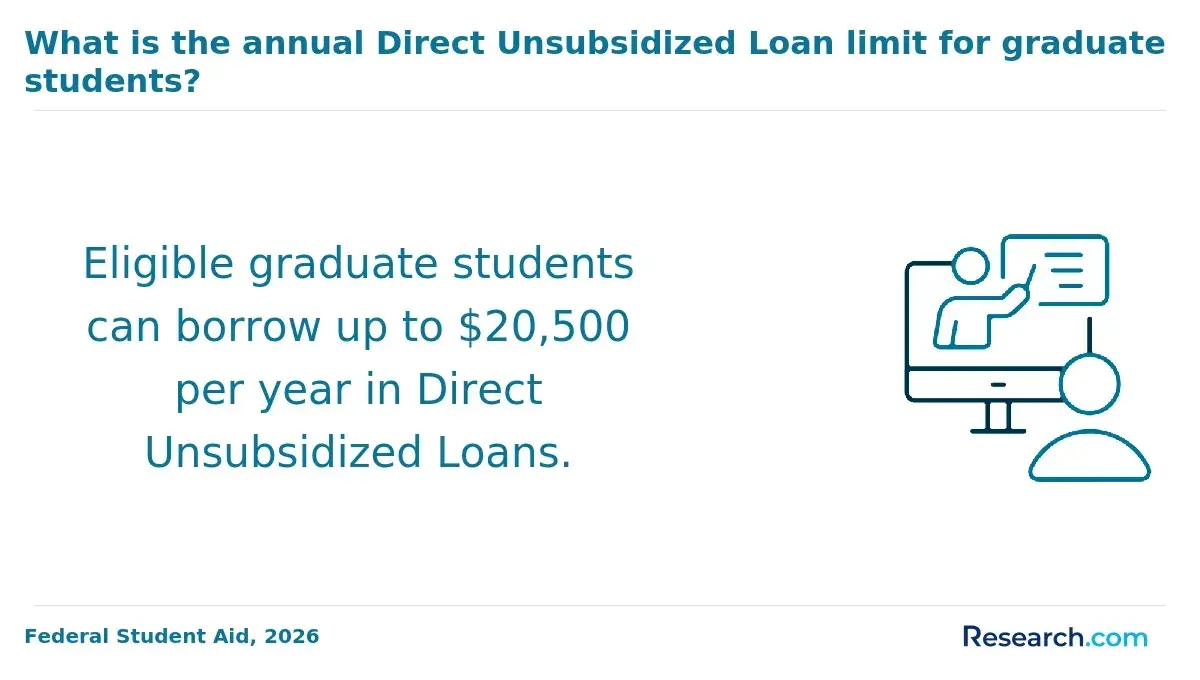
Federal aid eligibility depends on the institution, program, and student; do not assume every legal studies certificate qualifies because a degree at the same school does. Before borrowing, compare the degree's cost and time commitment with a graduate certificate, relevant professional training, or responsibilities you could gain at work. A less extensive option may be the better investment if it closes the specific skill gap behind your decision.
What careers can an MSL prepare you for in securities compliance?
An MSL can support progression into work that requires more independent analysis, such as compliance advisory, surveillance oversight, policy development, regulatory examinations, or compliance management. Advancement still depends on experience with the relevant firm type and the ability to apply rules to its products, clients, and controls. The degree does not confer attorney status or replace supervised, job-specific training.
For a career changer, the immediate goal may instead be an entry-level investigation, operations, or legal support position. Experience in audit, data analysis, finance, or process documentation can transfer, while securities rules and examination practices will still need to be learned. Someone pursuing legal support rather than a graduate compliance role could investigate exploring accelerated online paralegal education but should compare that curriculum with actual compliance job postings before enrolling.
How much do securities compliance professionals earn after an MSL?
The Bureau of Labor Statistics reports median annual pay of $80,730 in May 2025 for compliance officers, with 4% projected job growth, 2025-2035 and about 32,700 projected openings per year. This is a broad occupational category, not a salary figure for securities specialists or MSL graduates. It is useful as labor-market context, not as an estimate of the degree's return.
Compensation for a particular position can depend on location, firm type, seniority, supervisory responsibilities, and prior securities experience. To judge whether an MSL is financially sensible, compare postings for roles you could realistically pursue with and without it, then weigh any potential career benefit against tuition, borrowing, and time away from other development opportunities. Avoid attributing a pay difference to the degree when employers may be rewarding experience or a required registration instead.
Do securities compliance professionals need licenses or certifications?
Not everyone in securities compliance needs a securities registration. Requirements depend on the activities performed, the employer's status, and applicable FINRA and state rules. Certain registered roles require examinations and firm sponsorship; the Securities Industry Essentials (SIE) exam can be taken without firm sponsorship, but passing it alone does not authorize someone to perform registered activities.
Professional compliance certifications are different from regulatory registrations. An employer may value a relevant credential, but a certification does not replace a required registration or an MSL's broader coursework. Before paying for either path, ask your employer which duties trigger registration, which qualifications it supports, and whether the role you want calls for a degree, a credential, demonstrated experience, or a combination.
Other Things You Should Know About Law & Paralegal
Do not assume they will. A law school determines whether any previous coursework can apply to its JD under its own policies and applicable standards. Get a written answer from a prospective JD program before treating an MSL as a first step toward becoming an attorney.
Only if your employer's confidentiality rules and the school's assignment requirements permit it. Ask whether you can use public enforcement matters, hypothetical facts, or properly approved and anonymized examples instead.
No. For your decision, the more useful evidence is the coursework you can complete, its relevance to your work, the teaching and feedback you will receive, and the full cost.
Yes. A manager or compliance leader may identify the skills needed for advancement, clarify whether the degree matters for promotion, and explain reimbursement rules. That conversation can prevent you from paying for coursework that does not address your intended role.
References
- Guide to Broker-Dealer Registration | sec.gov https://www.sec.gov/about/divisions-offices/division-trading-markets/division-trading-markets-compliance-guides/guide-broker-dealer-registration
- Securities Regulation - New York Law School https://www.nyls.edu/securities-regulation/
- Compliance (Law) (CPGL) | Fordham University https://bulletin.fordham.edu/courses/cpgl/
- MLS vs J.D.: Which Legal Degree Fits Your Career Goals? | UC Law San Francisco MLS https://mls.uclawsf.edu/articles/mls-vs-jd/
- MSL vs. LLM vs. JD: Which Law Degree Is Best for Your Career Path? | USC Online https://online.usc.edu/news/msl-llm-jd-law-degree-best-career-path/
- Master of Legal Studies (MLS) vs. JD: What's the Difference? | SMU Online Master of Legal Studies https://onlinemasterlegalstudies.smu.edu/articles/mls-vs-jd/
- Securities Law - eCornell - Cornell University https://ecornell.cornell.edu/certificates/law/securities-law/
- Master of Legal Studies (MLS) vs. JD: Which Is Right for You? | Wake Forest MLS https://mls.law.wfu.edu/articles/mls-vs-jd-which-is-right-for-you/
- What is a Master of Studies in Law (MSL)? | George Washington University School of Law https://msl-law.gwu.edu/articles/what-is-a-master-of-studies-in-law/
- Securities Regulation - LibGuides at New York Law School https://libguides.nyls.edu/securitiesresources/regulation