2027 Most Affordable Bachelor's Degrees for Supervisor Roles

Co-Founder and Chief Data Scientist
Choosing a bachelor's degree for supervisor roles is really a cost-versus-career decision: you need a program that builds leadership skills without creating unnecessary debt. College Board reported average public four-year in-state tuition and fees of $11,610 for 2024-25, while many management, healthcare, technology, and public service roles increasingly expect bachelor's-level preparation.
This guide is for students, working adults, and transfer learners comparing affordable paths. You'll learn which degree types fit supervisory careers, what they cost, how to evaluate online and hybrid programs, and how to avoid expensive enrollment mistakes.
Key Things You Should Know
- Affordable supervisor-focused bachelor's degrees are usually found through in-state public universities, online degree-completion programs, community college transfer pathways, employer tuition benefits, and programs that accept substantial transfer credit.
- According to May 2024 BLS wage data, supervisory and management-related roles vary widely, from median pay near the mid-$40,000s for some retail supervisory jobs to more than $100,000 for selected healthcare and technology management roles.
- The best degree depends on the industry you want to supervise: business is the broadest option, healthcare and nursing suit regulated care settings, IT/cybersecurity fit technical teams, and education, criminal justice, engineering, and psychology align with more specialized workplaces.
Top 10 Most Affordable Bachelor's Degrees for Supervisor Roles
Business Degrees
A bachelor's in business administration, management, operations, or organizational leadership is often the most flexible degree for future supervisors. It fits retail, logistics, sales, banking, hospitality, human resources, and office administration. Affordable options are common because many public universities and online completion programs offer business majors at scale. Choose this path if you want broad management mobility rather than a licensed occupation.
Look for courses in accounting, business analytics, employment law, project management, and people management, because supervisors are usually judged on both team performance and operational results.
Healthcare Degrees
Healthcare administration, health services management, and public health degrees prepare students to supervise clinics, medical offices, care coordination teams, billing departments, and community health programs. This path works best for students who want leadership roles in healthcare but do not necessarily want direct clinical licensure. Affordable online programs are common, especially for transfer students with general education credits.
Prioritize programs with healthcare finance, compliance, quality improvement, data privacy, and medical terminology. Healthcare employers often value practical experience, so internships or field projects can matter as much as the major name.
Information Technology Degrees
An IT bachelor's degree prepares students to supervise help desk teams, systems support staff, network operations, cloud support, or technology service departments. It is a practical choice for students who like troubleshooting, documentation, and team coordination.
Affordable IT programs often include online labs and asynchronous coursework, making them suitable for working adults. Look for curricula covering networking, databases, cloud platforms, IT service management, scripting, and project management. This degree is strongest when paired with experience or certifications, because many IT supervisors first prove themselves in hands-on technical roles.
Computer Science Degrees
Computer science is more technical than IT and is best for students who may supervise software developers, data teams, automation projects, or technical product work. It can be harder and more math-heavy than business or IT, but it may open stronger technology leadership pathways. Affordable options exist at public universities, though students should check course sequencing carefully because prerequisites can extend completion time.
Key subjects include programming, algorithms, databases, software engineering, systems design, and security. Choose this degree if you want technical credibility before moving into supervision.
Cybersecurity Degrees
A cybersecurity bachelor's degree prepares students for security operations, risk management, compliance, and incident response teams. It is a strong fit for future supervisors in security operations centers, government contractors, finance, healthcare, and managed security services.
Because the field changes quickly, affordability should not be the only filter; labs, current tools, faculty experience, and certification alignment matter. Look for coursework in network defense, cloud security, digital forensics, governance, risk, and compliance. This path is especially valuable for students who already have IT experience and want to supervise security-focused teams.
Psychology Degrees
Psychology can support supervisory roles in human services, workforce development, behavioral health administration, training, customer experience, and nonprofit management. It is not usually a direct path to licensed counseling without graduate school, so students should be realistic about outcomes. Affordable psychology programs are widely available online and on campus.
For supervisor preparation, choose electives in organizational psychology, statistics, research methods, conflict resolution, and human development. This degree fits students who want to understand motivation, communication, and behavior, then apply those skills in people-focused workplaces.
Nursing Degrees
A BSN can lead to charge nurse, nurse supervisor, care coordinator, clinical team lead, or unit management pathways, although roles and requirements vary by state and employer. This degree is best for licensed or aspiring nurses, not students seeking a general management credential.
Affordable RN-to-BSN programs can be especially cost-effective because they build on prior nursing education. Check state board approval, clinical requirements, and whether online coursework still requires local placements. Leadership, evidence-based practice, quality improvement, informatics, and population health courses are especially relevant for supervisory nursing roles.
Education Degrees
Education degrees can prepare graduates for various roles, including classroom leadership, childcare center supervision, instructional coordination support, training roles, or eventual school administration pathways. However, public school teaching and administrative roles often require state licensure, exams, student teaching, or graduate study.
Affordable programs may be available through state universities, especially for residents. Students should verify that the program meets licensure rules in the state where they plan to work.
Useful supervisory coursework includes classroom management, assessment, curriculum design, educational technology, child development, and leadership in learning environments.
Criminal Justice Degrees
A criminal justice bachelor's degree can support supervisory paths in law enforcement, corrections, probation, security management, emergency management, and public safety administration. It is most useful when paired with agency experience, academy training, or civil service requirements. Affordable online programs are common because many working officers and public safety employees study part time.
Look for courses in ethics, constitutional law, investigations, corrections, leadership, emergency planning, and data-driven policing. Before enrolling, confirm whether your target agency values the degree for promotion or requires a different credential.
Engineering Degrees
Engineering bachelor's degrees can lead to supervisory roles in manufacturing, construction, utilities, quality assurance, product development, and technical operations. They are usually more rigorous and less flexible than general management degrees, but they provide strong technical credibility. Affordable options are often found at public universities, though lab access and accreditation are important.
ABET accreditation can matter for engineering licensure and employer recognition. Choose this route if you want to supervise technical teams and can commit to advanced math, science, design, and project-based coursework.
What types of bachelor's degrees best prepare graduates for supervisory and management roles?
The best bachelor's degrees for supervisory and management roles combine three things: industry knowledge, people leadership, and operational decision-making. A "supervisor-focused" degree does not have to include the word supervisor in the title. In practice, employers often look for a relevant major, evidence that the applicant can lead teams, and experience solving workplace problems.
Use the comparison below to match degree types with the supervisory environments where they tend to make the most sense. This helps you avoid choosing a broad major when your target field requires technical, clinical, educational, or public safety preparation.
| Degree type | Best fit for | Supervisory strengths | When to choose another option |
| Business or management | Retail, operations, sales, logistics, offices, HR support | Budgeting, staffing, workflow, team performance | You need clinical, technical, teaching, or engineering credentials |
| Healthcare administration | Clinics, medical offices, care coordination, health operations | Compliance, patient flow, billing, quality improvement | You want direct patient care licensure |
| IT, computer science, or cybersecurity | Technical support, software, security, cloud, data teams | Technical planning, incident response, systems thinking | You dislike math, troubleshooting, or fast-changing tools |
| Nursing | Hospitals, clinics, long-term care, care teams | Clinical judgment, patient safety, shift leadership | You do not plan to become or remain licensed as a nurse |
| Education | Schools, childcare, training, learning programs | Instruction, assessment, coaching, classroom or program leadership | Your target state licensure rules are not met by the program |
| Criminal justice | Law enforcement, corrections, security, emergency management | Policy, ethics, command structure, risk response | Your target agency prioritizes academy training or another major |
| Engineering | Manufacturing, construction, utilities, technical operations | Process design, safety, quality control, technical project oversight | You want the fastest or least math-intensive degree |
If you are still deciding among fields, review broader labor-market and major-selection factors in a guide to the best college degrees for the future before narrowing your list to a supervisor-oriented program.
How much do affordable supervisor-focused bachelor's degree programs typically cost?
Affordable bachelor's programs for future supervisors usually cost less when students choose public in-state tuition, transfer credits efficiently, study online while working, or use employer tuition assistance. The biggest mistake is comparing only per-credit tuition while ignoring fees, books, residency rules, repeated courses, and how many credits the school will actually accept.
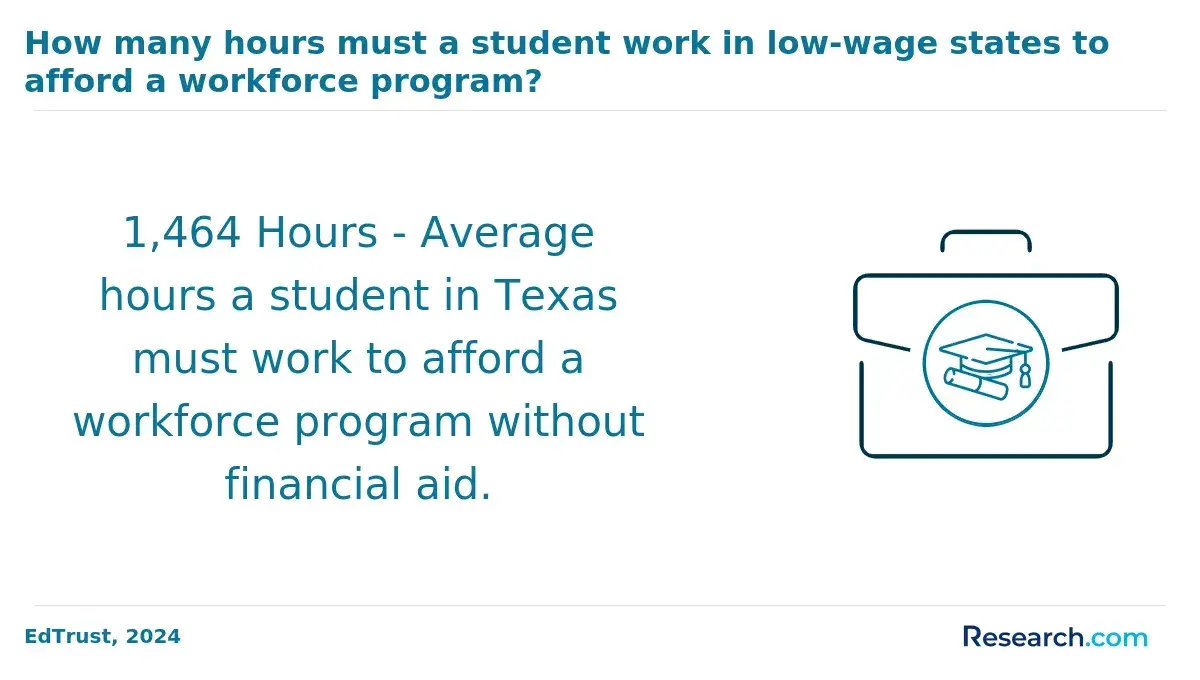
The following 2024-25 tuition and fee benchmarks from College Board show why residency and institution type matter. These figures are averages, so your actual cost may be higher or lower depending on state, school, program fees, and financial aid.
- Public four-year, in-state average tuition and fees: $11,610 for 2024-25.
- Public four-year, out-of-state average tuition and fees: $30,780 for 2024-25.
- Private nonprofit four-year average tuition and fees: $43,350 for 2024-25.
For working adults, the most affordable path is often not the school with the lowest advertised tuition; it is the school that accepts the most valid transfer credits and lets the student continue earning income. Students comparing a lower-cost bachelor's with a less demanding program should also consider whether an easy bachelor's degree still matches the level of analytical, technical, or licensure preparation required for the supervisory role they want.
Which accredited online and hybrid bachelor's programs are most affordable for future supervisors?
The most affordable accredited online and hybrid bachelor's programs for future supervisors are usually not one national list of schools. They tend to fall into repeatable categories that lower total cost while preserving employer-recognized credentials. The best choice depends on your transfer credits, state residency, schedule, and target industry.
This table summarizes the program formats most likely to reduce cost for supervisor-focused students. Use it to identify which model fits your situation before requesting tuition estimates from individual schools.
| Program model | Why it can be affordable | Best for | Main caution |
| In-state public online bachelor's | Often charges lower resident tuition than private or out-of-state options | Students who can use state residency benefits | Some online programs charge separate distance-learning fees |
| Online degree-completion program | Accepts prior college credits toward upper-division coursework | Transfer students and working adults | Generous transfer marketing does not always mean all credits apply to the major |
| Community college plus university transfer | Lets students complete lower-division coursework at lower tuition | Cost-conscious students starting from scratch | Poor advising can cause credits to transfer as electives only |
| Hybrid regional public program | Combines local access with some online flexibility | Students who need labs, clinicals, or occasional campus support | Commuting and schedule requirements can add hidden costs |
| Competency-based bachelor's | May reduce time and cost for students who already know the material | Experienced adults with strong self-discipline | Not ideal for students who need frequent live instruction |
| Employer-partnered program | Uses tuition assistance, reimbursement, or negotiated rates | Employees whose company supports education benefits | Benefits may require grades, continued employment, or approved majors |
Before enrolling, ask each school for a written degree audit, total program cost estimate, transfer evaluation, modality requirements, and accreditation details. If a school refuses to clarify total remaining credits or fees, treat that as a red flag.
What admission requirements and prerequisites do bachelor's programs for supervisor roles usually have?
Admission requirements for bachelor's programs vary by school and major, but most affordable supervisor-focused programs use standard undergraduate criteria. Selective technical, nursing, education, and engineering programs may add prerequisites or separate major admission after the first year.
Expect schools to ask for documents and academic records that verify college readiness and transfer eligibility. These requirements matter because missing prerequisites can delay graduation and raise total cost.
- High school diploma, GED, or equivalent completion record for first-year applicants.
- Official transcripts from all colleges previously attended for transfer applicants.
- Minimum GPA requirement, often higher for nursing, education, engineering, and competitive technology majors.
- Prerequisite coursework such as college algebra, statistics, anatomy, programming, composition, or lab science, depending on the major.
- Placement testing or completed college-level English and math for some applicants.
- Background checks, immunization records, drug screening, or clinical clearance for some healthcare, nursing, education, and criminal justice placements.
- State licensure-related steps for teaching and nursing programs, which may include exams, field placements, or board-approved curriculum requirements.
If you are not ready for a full bachelor's program, a fast-track associates degree online may help you build transferable credit first, but you should confirm transfer agreements before paying tuition.
What core courses and specializations are common in bachelor's degrees for supervisors?
Core courses in bachelor's degrees for supervisors usually fall into two categories: general leadership skills and industry-specific knowledge. A good program should teach students how to manage people, interpret data, improve processes, communicate clearly, and make ethical decisions within a specific work setting.
The course areas below are especially useful because they connect directly to day-to-day supervisory responsibilities. Not every program will include all of them, so compare the curriculum against your target role.
- Organizational behavior and leadership, which help students understand motivation, team dynamics, communication, and conflict.
- Human resource management, including hiring basics, performance feedback, employee relations, and workplace policy.
- Operations or process management, which supports scheduling, workflow design, productivity, inventory, service delivery, and quality control.
- Accounting, budgeting, or healthcare finance, because supervisors often manage resources even when they are not full financial managers.
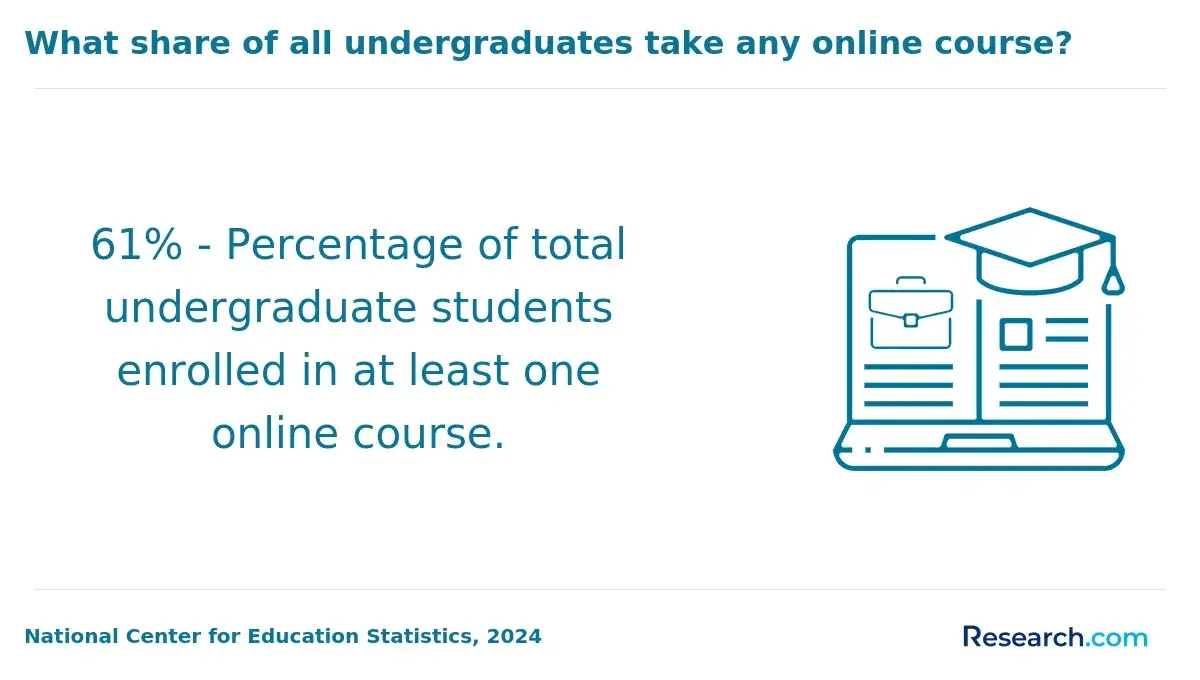
- Business analytics, statistics, or data literacy, which help supervisors use dashboards and performance metrics responsibly.
- Project management, including scope, timelines, risk, stakeholders, and cross-functional coordination.
- Ethics, compliance, and employment law, especially in healthcare, education, criminal justice, finance, and public sector environments.
- Technology tools, such as HR systems, customer relationship platforms, scheduling software, cybersecurity basics, or industry-specific information systems.
AI and automation make data literacy more important for supervisors. Even when AI tools handle scheduling, reporting, or triage, human supervisors still need to verify outputs, manage exceptions, protect privacy, and make fair decisions.
What supervisor and management careers can you pursue with these bachelor's degrees?
A bachelor's degree can support many supervisory paths, but the exact job title depends on industry experience, licensure, employer size, and whether the role is technical or people-focused. Many graduates begin in coordinator, specialist, analyst, charge, lead, or assistant manager roles before moving into formal supervision.
This table connects common degrees to supervisor and management roles. It is designed to help you see realistic pathways rather than assume every bachelor's degree leads directly to management immediately after graduation.
| Degree background | Possible roles | Typical responsibilities | Experience usually needed |
| Business or management | Assistant manager, operations supervisor, office manager, sales supervisor | Staff scheduling, workflow, customer issues, performance tracking | Often 1-3 years in the industry or department |
| Healthcare administration | Clinic supervisor, patient access supervisor, care coordination lead | Patient flow, compliance, billing coordination, team performance | Healthcare office or operations experience is valuable |
| IT or cybersecurity | Help desk supervisor, IT operations lead, security operations lead | Ticket queues, escalation, incident response, service quality | Hands-on technical experience is commonly expected |
| Computer science | Software team lead, QA lead, technical project coordinator | Code review support, sprint coordination, technical planning | Portfolio, internships, or developer experience often matter |
| Nursing | Charge nurse, nurse supervisor, care manager | Shift coordination, clinical safety, patient assignments, documentation | Active RN license and clinical experience are typically required |
| Education | Lead teacher, program coordinator, training supervisor | Instructional support, curriculum implementation, staff coaching | Licensure or classroom experience may be required |
| Criminal justice | Corrections supervisor, security manager, public safety coordinator | Policy enforcement, incident reporting, shift leadership, safety planning | Agency, security, or public safety experience is important |
| Engineering | Manufacturing supervisor, quality supervisor, project engineer lead | Process improvement, safety, technical review, production coordination | Technical project or field experience is often expected |
Students who want faster career mobility without committing to a full degree may compare degree plans with quick certifications that pay well, especially in IT, project management, healthcare administration support, and skilled technical fields.
What salary ranges and earning potential can graduates in supervisory roles expect?
Salary potential for supervisory roles depends heavily on occupation, location, industry, shift requirements, union rules, licensure, and technical complexity. A bachelor's degree may improve eligibility for promotion, but it does not guarantee a specific wage. The most useful way to evaluate ROI is to compare the expected role, not just the major.
The May 2024 BLS median wage figures below provide a current national reference point for selected roles related to supervision or management. Use them as broad benchmarks, then check local job postings for your city and industry.
| Role or occupation group | Relevant degree backgrounds | May 2024 median annual wage | What the figure means for students |
| First-line supervisors of retail sales workers | Business, management, retail operations | $46,320 | Entry supervisory roles may be accessible, but ROI depends strongly on tuition cost and advancement speed. |
| First-line supervisors of office and administrative support workers | Business, healthcare administration, public administration | $66,140 | Office supervision can reward process, communication, and systems skills. |
| First-line supervisors of production and operating workers | Business, engineering technology, operations | $67,330 | Manufacturing and operations supervision often values technical process knowledge. |
| Registered nurses | Nursing | $93,600 | BSN-prepared nurses may pursue supervisory roles after gaining clinical experience and meeting employer rules. |
| General and operations managers | Business, operations, engineering, technical majors | $101,280 | This category covers many industries, so experience and sector matter as much as degree title. |
| Medical and health services managers | Healthcare administration, nursing, public health | $117,960 | Healthcare management can offer strong earnings, but roles often require healthcare experience. |
| Computer and information systems managers | IT, computer science, cybersecurity | $171,200 | High wages reflect technical leadership expectations and usually significant prior experience. |
When estimating return on investment, compare total remaining program cost with likely promotion timelines. A low-cost degree that helps you qualify for internal promotion may be more valuable than a prestigious program that requires heavy borrowing and does not match your target role.
How strong is employer demand and job growth for graduates in supervisory positions?
Employer demand for supervisors is uneven. Some frontline supervisory categories grow slowly because automation, self-service tools, and lean staffing reduce layers of management. At the same time, healthcare, technology, cybersecurity, logistics, and complex operations continue to need people who can coordinate teams, interpret data, and manage risk.
BLS 2024-34 projections show especially strong growth for some management-adjacent fields, including medical and health services managers and computer and information systems managers. That does not mean every graduate moves directly into those roles, but it does show why healthcare and technology degrees can be attractive for students who want long-term supervisory potential.
Current hiring trends also favor supervisors who can work across people and systems. Employers increasingly expect supervisors to use scheduling platforms, HR dashboards, productivity metrics, cybersecurity practices, compliance tools, and AI-assisted reporting. Students should therefore choose programs that build digital fluency, not only traditional leadership theory.
To improve employability while studying, take practical steps that create evidence of readiness. These actions are especially important for online students who may need to be more intentional about networking and hands-on experience.
- Work in the industry you want to supervise, even if the role starts as entry-level or part-time.
- Build a portfolio of projects such as process maps, dashboards, training materials, policy reviews, or quality-improvement proposals.
- Ask employers which degrees, certifications, licenses, or years of experience are required for promotion.
- Choose electives that add measurable skills, such as analytics, project management, budgeting, compliance, or industry software.
- Use internships, practicums, capstones, or clinical placements to prove that you can apply leadership concepts in real settings.
How can students evaluate accreditation, reputation, and quality when choosing a supervisor degree?
Accreditation and quality checks are essential because an inexpensive degree is not affordable if employers, licensing boards, or graduate schools do not recognize it. Start with institutional accreditation from an agency recognized by the U.S. Department of Education or the Council for Higher Education Accreditation.
Then check programmatic accreditation when it matters for the field, such as CCNE or ACEN for nursing, CAEP for educator preparation, ABET for engineering, or specialized business accreditation where relevant.
Use the following checklist before enrolling. It focuses on practical verification, not rankings alone.
- Confirm institutional accreditation directly through recognized accreditation databases, not only the school's marketing pages.
- Check whether programmatic accreditation is required or strongly preferred for your target role, state license, graduate program, or employer.
- Request a written transfer-credit evaluation showing which credits apply to general education, major requirements, electives, and remaining graduation requirements.
- Ask for the total estimated cost to finish, including tuition, fees, books, technology charges, clinical costs, testing fees, and travel for hybrid requirements.
- Review graduation rates, retention rates, student support services, career services, and employer partnerships with a focus on students like you.
- Verify that online, hybrid, clinical, student-teaching, lab, or residency requirements fit your location and work schedule.
- Ask whether the curriculum includes current tools used in the field, such as analytics platforms, electronic health records, cybersecurity labs, HR systems, or project management software.
Common red flags include pressure to enroll immediately, unclear accreditation language, unusually vague tuition estimates, credits that do not transfer into the major, licensure claims that are not state-specific, and promises of guaranteed jobs or salaries. A trustworthy school should answer cost, accreditation, transfer, and outcome questions clearly before you commit.
Other Things You Should Know About
For many students, a public in-state online or hybrid business administration, management, or organizational leadership degree is the most affordable broad option. However, healthcare, nursing, IT, cybersecurity, education, criminal justice, or engineering may be better if your target supervisory role requires industry-specific training.
Yes, if the school is properly accredited and the program matches the role you want. Employers usually care about accreditation, relevant skills, experience, and performance more than whether courses were online or on campus.
It can be enough for many entry-level and mid-level supervisory roles, especially when combined with experience. Some fields, such as nursing, education, engineering, and public administration, may require licenses, certifications, graduate study, or employer-specific promotion steps.
Start with transfer credits, choose in-state public tuition when possible, ask about employer tuition assistance, compare total remaining cost rather than sticker price, and avoid programs that will not provide a written degree audit before enrollment.
References
- The Labor Market for Recent College Graduates https://www.newyorkfed.org/research/college-labor-market
- How does a college degree improve graduates’ employment and earnings potential? - APLU https://www.aplu.org/our-work/4-policy-and-advocacy/publicuvalues/employment-earnings/
- Aligning and Embedding Industry Certifications with Bachelor’s Degrees https://workcred.org/Our-Work/Aligning-and-Embedding-Industry-Certifications-with-Bachelor-Degrees.aspx
- Average Cost of College [2025]: Yearly Tuition + Expenses https://educationdata.org/average-cost-of-college
- 7 in-demand certifications in 2025 | edX https://www.edx.org/resources/in-demand-professional-certifications
- 2025 Most Affordable Online Management Degrees https://www.onlineu.com/most-affordable-colleges/management-degrees
- Supervisor https://www.spherion.com/job-profiles/supervisor/
- How Much Does the Average Bachelor's Degree Cost? - Credible https://www.credible.com/student-loans/how-much-does-the-average-bachelors-degree-cost
- Federal occupations by college major https://help.usajobs.gov/working-in-government/unique-hiring-paths/students/federal-occupations-by-college-major