2027 Most Affordable Bachelor's Degree Programs for Adults With No College Degree

Co-Founder and Chief Data Scientist
Starting college as an adult means balancing tuition, time, work, and family responsibilities from the first credit. College Board's 2024 data shows average published in-state tuition and fees at public four-year colleges reached $11,610, making affordability a practical requirement, not just a preference.
This guide is for adults with no prior college credits who want a low-cost bachelor's pathway. You'll learn which majors tend to fit working adults, how to compare total costs, how aid works, and how to avoid programs that look cheap but do not support your goals.
Key Things You Should Know
- The most affordable path is usually an accredited public, in-state, online, or competency-based bachelor's program that keeps total tuition, fees, books, and lost work time low, not just one with a low per-credit price.
- The federal Pell Grant maximum is $7,395 for the 2024-25 award year, which can materially reduce annual out-of-pocket cost for eligible low- and moderate-income adult learners.
- High-ROI affordable majors often include information technology, computer science, cybersecurity, nursing, accounting, and engineering, but licensing rules, prerequisites, and math intensity can change the real cost and timeline.
Top 10 2026 Most Affordable Bachelor's Degree Programs for Adults With No College Degree
Business Degrees
Business is one of the most flexible affordable bachelor's options because many schools offer online, evening, and transfer-friendly formats. Adults who want office, management, sales, accounting, human resources, or operations roles often benefit from a general business administration degree. Choose accounting or finance if you want a more technical path; choose management or marketing if you want broader mobility. The trade-off is competition: a general business degree works best when paired with internships, employer projects, Excel skills, analytics tools, or industry experience.
Healthcare Degrees
Healthcare bachelor's programs can be affordable when they lead to administrative, public health, health informatics, or allied health roles without long clinical sequences. They fit adults who want mission-driven work but may not want bedside nursing. Look closely at whether the program is clinical or nonclinical. Clinical tracks may require labs, background checks, immunizations, placements, and state-specific requirements, which can raise costs. Nonclinical healthcare administration degrees are usually more flexible but may have lower starting pay than licensed clinical routes.
Information Technology Degrees
Information technology degrees usually focus on networks, systems, cloud platforms, databases, user support, and business technology. They can be strong options for adults because some programs accept industry certifications or prior technical experience toward credit. IT is often more applied than computer science, with less advanced math. It fits learners who enjoy troubleshooting and supporting systems. To improve value, choose programs that prepare you for credentials such as CompTIA, Cisco, AWS, Microsoft, or cloud administration certifications.
Computer Science Degrees
Computer science can offer strong salary potential, but it is not always the easiest or fastest affordable degree. Programs usually include programming, algorithms, data structures, software engineering, databases, and discrete math. It fits adults who can commit to steady practice and problem-solving. Before enrolling, review placement support, portfolio requirements, and whether courses teach current languages and development workflows. A lower-cost CS degree can be valuable, but only if you build projects and prepare for technical interviews.
Cybersecurity Degrees
Cybersecurity degrees prepare adults for roles in security operations, risk management, incident response, compliance, and network defense. Affordable programs are strongest when they combine theory with labs and certification preparation. This major fits detail-oriented learners who can keep up with changing threats and tools. Entry-level cybersecurity roles can be competitive, so adults with no tech background may need to start in IT support, networking, or systems administration before moving into security-focused work.
Psychology Degrees
Psychology is affordable and widely available online, but adults should understand its limits. A bachelor's degree can support roles in human services, case management, behavioral health support, HR, sales, research assistance, or community programs. However, becoming a licensed counselor, psychologist, or therapist typically requires graduate education and supervised experience. Psychology is a good fit if you want a people-focused foundation; it is a weaker fit if you need a direct licensed career immediately after the bachelor's.
Nursing Degrees
Nursing can be high-value, but first-time adult students must distinguish pre-licensure BSN programs from RN-to-BSN programs. Adults with no nursing license need a pre-licensure pathway with clinical placements, labs, and state board eligibility. These programs can be less flexible and more expensive than fully online degrees. RN-to-BSN programs are for licensed registered nurses and usually do not fit beginners. Before choosing nursing, confirm accreditation, NCLEX eligibility, clinical site expectations, and whether schedules can work with your job.
Education Degrees
Education degrees can be affordable through public universities, but licensure rules matter. Adults who want to teach in public schools usually need a state-approved teacher preparation program, student teaching, background checks, and exams. Online coursework may still require in-person classroom placements. Education is a strong fit for adults committed to teaching in a specific state; it is less ideal for those who may move often or need a fully asynchronous program. Always check state approval before enrolling.
Criminal Justice Degrees
Criminal justice degrees are often affordable and flexible, especially online. They can support careers in law enforcement, corrections, probation, security management, emergency management, and public administration. Adults should compare degree requirements with agency hiring rules because some public safety roles prioritize exams, physical standards, academy training, military experience, or local civil service rules. This degree works best when paired with communication skills, ethics, report writing, leadership, and knowledge of constitutional procedures.
Engineering Degrees
Engineering can offer strong earnings, but it is rarely the simplest low-cost route. ABET-accredited engineering programs often require calculus, physics, labs, and sequenced courses that may be harder to complete part time. Adults should check whether the program is engineering, engineering technology, or applied technology because career options and licensure pathways differ. Engineering fits learners with strong math preparation and schedule flexibility. If cost is the main constraint, a public university pathway with community college prerequisites may help.
What makes a bachelor's degree program truly affordable for first-time adult students?
A bachelor's program is truly affordable when it minimizes the full cost of earning the degree while still preserving accreditation, employer recognition, academic support, and career fit. For adults starting with zero credits, the advertised tuition rate is only one part of the decision. A program with cheap tuition but poor advising, limited course availability, or no path to your target career can become more expensive if it delays graduation.
The table below shows the main cost factors adults should compare before assuming one bachelor's program is cheaper than another.
| Cost factor | Why it matters for adults | What to compare |
| Tuition and mandatory fees | This is the largest visible cost and varies by residency, institution type, and delivery format. | Per-credit cost, flat-rate terms, online fees, technology fees, and residency rules. |
| Books, software, and supplies | Adult learners in technical, nursing, or design-heavy programs may face recurring material costs. | Open educational resources, included e-texts, lab kits, proctoring fees, and required devices. |
| Time to completion | Extra semesters increase tuition and may delay career advancement. | Course availability, prerequisite sequences, accelerated terms, and part-time pacing. |
| Work and caregiving fit | A low-cost campus program can become expensive if it forces schedule changes or lost income. | Asynchronous courses, evening options, clinical hours, weekend labs, and attendance rules. |
| Completion support | Adults often need proactive advising to avoid taking unnecessary credits. | Degree maps, adult learner advising, tutoring, career services, and prior learning review. |
As a benchmark, College Board reported average published 2024-25 tuition and fees of $11,610 for in-state students at public four-year institutions, compared with much higher averages for out-of-state and private nonprofit options. That does not mean every public university is the best choice, but it explains why in-state public and online public pathways are often the first place cost-conscious adults should look.
How can adults with no prior college credits qualify for low-cost bachelor's programs?
Adults with no prior college credits usually qualify for low-cost bachelor's programs by meeting standard first-year or adult admission requirements rather than transfer requirements. Most schools ask for a high school diploma or GED, transcripts, an application, and sometimes placement information. Test-optional admission is common, but selective programs may still require additional materials.
Use this sequence to improve your odds of finding a legitimate low-cost pathway without overpaying at the start.
- Confirm you are applying as a first-time undergraduate adult learner, not as a transfer student.
- Collect high school, GED, military, workforce training, certification, and exam records before speaking with admissions.
- Ask whether the school offers credit for prior learning, CLEP, DSST, military training, workplace credentials, or portfolio assessment.
- Compare public in-state universities, community college transfer pathways, and competency-based bachelor's programs before choosing a private option.
- Look for colleges with no application fee if you need to apply to several affordable programs without adding unnecessary upfront costs.
The common mistake is assuming "no college degree" means "no college credit potential." Even without previous enrollment, some adults may reduce cost through standardized exams, employer training, military learning, industry certifications, or state-approved prior learning assessments.
What types of financial aid and tuition discounts are available specifically for adult learners?
Adult learners may qualify for the same major federal aid programs as younger students, but they may also have access to employer benefits, workforce grants, and institution-specific adult completion discounts. The Free Application for Federal Student Aid is still the starting point because it determines eligibility for Pell Grants, federal loans, and many state or institutional awards.
These are the aid sources adults should review before deciding that college is unaffordable.
- Federal Pell Grants: The maximum Pell Grant for the 2024-25 award year is $7,395, and eligibility depends mainly on financial need, enrollment intensity, and program eligibility.
- Federal student loans: These can fill gaps, but adults should borrow conservatively because repayment may overlap with existing family, housing, or consumer debt.
- State grants: Many states offer need-based, workforce, teacher, healthcare, or adult completion grants, but rules vary widely.
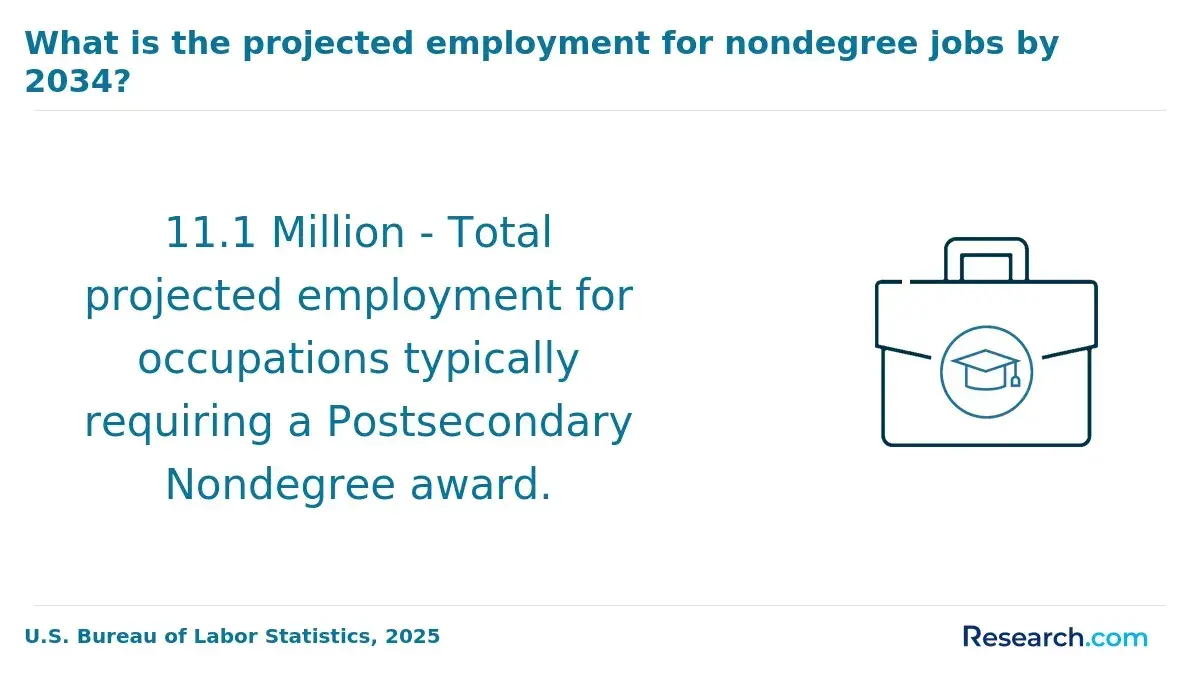
- Employer tuition assistance: Some employers reimburse tuition or pay schools directly, often with grade, program, or continued-employment requirements.
- Military and veteran benefits: Eligible students may use GI Bill, Tuition Assistance, or related benefits, depending on service history and program approval.
- Institutional adult learner discounts: Some universities reduce tuition for online, degree-completion, military, public service, or partner-employer students.
A key red flag is any school that pushes private loans before helping you understand grants, employer benefits, public options, and total degree cost. Affordable programs should be willing to provide a clear cost estimate before you enroll.
How do online bachelor's programs compare to campus options in cost and flexibility for adults?
Online bachelor's programs often make the most sense for adults who need to keep working, avoid commuting, or study around caregiving responsibilities. Campus programs may be better for majors requiring labs, studios, clinicals, or intensive in-person networking. The cheapest format is the one you can realistically finish without repeating courses or stopping out.
The comparison below summarizes how online and campus formats affect cost and flexibility for adult learners.
| Factor | Online bachelor's programs | Campus bachelor's programs |
| Schedule flexibility | Often stronger, especially when courses are asynchronous. | Depends on evening, weekend, hybrid, or cohort availability. |
| Direct costs | May reduce commuting and campus fees, but can include technology or proctoring fees. | May include parking, transportation, campus fees, and location-based costs. |
| Program availability | Strong for business, IT, psychology, criminal justice, and healthcare administration. | Often stronger for engineering labs, pre-licensure nursing, education placements, and sciences. |
| Support and networking | Varies by school; strong programs offer online tutoring, advising, and career services. | May provide easier access to faculty, labs, student groups, and local recruiting. |
| Best fit | Working adults who need flexibility and can manage independent study. | Adults who need hands-on facilities or prefer structured in-person accountability. |
For parents comparing flexible formats, resources on online courses for moms can also help frame questions about scheduling, childcare, pacing, and support. The bigger point is that online is not automatically easier; it works best when the program has strong advising and clear weekly expectations.
Which accredited universities offer the lowest tuition bachelor's pathways for working adults?
The lowest-tuition bachelor's pathways for working adults are commonly found at regionally accredited public universities, public online campuses, community-college-to-university transfer partnerships, and competency-based institutions. Instead of relying only on national rankings, adults should compare net price, course availability, accreditation, and whether the school regularly serves part-time students.
The table below groups common affordable university pathways by model rather than ranking individual schools, because tuition changes by residency, program, fees, and aid eligibility.
| Affordable pathway type | Examples of institutions to research | Why it can be low cost | Best-fit adult learner |
| Public in-state online university | University of Florida Online, Florida International University Online, Arizona State University Online, Oregon State Ecampus | Public tuition structures and broad online program availability may reduce relocation and commuting costs. | Adults who qualify for favorable residency rates or need a recognized public university brand. |
| Regional public university | Fort Hays State University, Eastern New Mexico University, University of North Carolina system campuses, CUNY and SUNY online options | Regional publics often price online and in-state programs competitively to serve working adults. | Students who want lower tuition and practical majors without highly selective admissions. |
| Community college transfer pathway | State articulation agreements leading to public universities | Lower-division credits may cost less before transfer to a bachelor's-granting institution. | Adults willing to follow a degree map carefully and confirm transfer rules in advance. |
| Competency-based university | Western Governors University and similar approved models | Flat-rate terms may lower cost for students who can complete courses quickly. | Self-directed adults with strong study habits or relevant work knowledge. |
Before enrolling, ask each school for a written estimate of total credits required, tuition and fees by term, expected course sequence, and financial aid eligibility. A school that looks inexpensive per credit may cost more if required courses are not offered often enough for part-time adults.
How long does it typically take adults starting from zero credits to finish a bachelor's degree?
Adults starting from zero credits typically need about 120 semester credits for a bachelor's degree. A full-time student can often finish in about four academic years, while part-time adult learners commonly need longer. Accelerated and competency-based formats can shorten the timeline, but they require sustained time, discipline, and course availability.
The table below shows realistic timeline patterns adults can use when comparing program formats.
| Enrollment pattern | Typical completion range | Cost implication | Best fit |
| Full time | About 4 years | May reduce total calendar time but can limit work hours. | Adults with savings, strong aid, partner support, or flexible employment. |
| Part time | About 5 to 7 years | Spreads payments out but may increase fees and delay career benefits. | Adults balancing full-time work, caregiving, or unpredictable schedules. |
| Accelerated terms | About 3 to 4 years when sustained | Can reduce time if courses are passed on schedule. | Motivated students comfortable with compressed workloads. |
| Competency-based | Varies by pace and prior knowledge | Can be cost-effective when students complete many competencies per term. | Self-directed adults with strong reading, writing, and time management skills. |
If speed matters, compare programs by workload and completion support, not just marketing claims. Adults looking for manageable online majors may also want to review guidance on the easiest degree to get online, while remembering that the best choice is still the degree that fits your career goal.
Which bachelor's majors offer the best salary potential for adults seeking affordable degrees?
The best salary potential usually comes from affordable bachelor's degrees that connect to technical, licensed, analytical, or operations-critical work. However, salary depends on experience, location, employer, industry, portfolio, certifications, and graduate education. Adults should use wage data as a planning tool, not as a promise.
The table below uses recent U.S. labor market wage context to compare majors that often offer stronger return-on-investment potential when completed at a low cost.
| Affordable bachelor's major | Related role example | U.S. median annual wage context | ROI note |
| Computer science | Software developer | BLS May 2024 median pay for software developers was $133,080. | Strong potential when paired with projects, internships, and technical interview preparation. |
| Cybersecurity or IT | Information security analyst | BLS May 2024 median pay for information security analysts was $124,910. | Often requires practical labs, certifications, and sometimes prior IT experience. |
| Nursing | Registered nurse | BLS May 2024 median pay for registered nurses was $93,600. | Can be high-value, but pre-licensure programs require clinical time and board eligibility. |
| Business or accounting | Accountant or auditor | BLS May 2024 median pay for accountants and auditors was $81,680. | Accounting is usually more career-specific than general business and may support CPA preparation. |
| Engineering | Civil engineer | BLS May 2024 median pay for civil engineers was $99,590. | ABET accreditation and math readiness can strongly affect licensing and completion. |
Adults planning for management, psychology, education leadership, research, or advanced clinical careers should also consider whether graduate school will eventually be needed. If that is part of the plan, compare the bachelor's cost carefully so you preserve borrowing capacity for later options such as affordable online doctoral programs.
How can adults verify accreditation, quality, and outcomes of low-cost bachelor's programs?
Adults should verify that a low-cost bachelor's program is accredited, legitimate, and aligned with the outcome they want before submitting a deposit. Accreditation matters because it can affect federal aid eligibility, transfer credit, graduate school admission, employer recognition, and licensure approval. The safest starting point is institutional accreditation recognized by the U.S. Department of Education or the Council for Higher Education Accreditation.
The table below summarizes the quality checks adults should complete before enrolling in a low-cost program.
| Quality check | What it tells you | Why it matters |
| Institutional accreditation | Whether the college meets recognized quality standards. | It is often required for federal aid, credit transfer, and graduate admission. |
| Programmatic accreditation | Whether a specific program meets field standards. | It may be essential in nursing, education, engineering, counseling-related pathways, and some health fields. |
| Licensure alignment | Whether the program meets requirements in your state. | Online programs may not qualify graduates for licensure in every state. |
| Student outcomes | Completion, retention, loan repayment, and employment indicators. | Low tuition is less valuable if many students do not finish or cannot use the credential. |
| Credit and course policies | How credits apply and when courses are available. | Poor sequencing can delay graduation and increase total cost. |
Watch for these red flags when evaluating affordability claims.
- The school will not clearly state total tuition, fees, and required credits before enrollment.
- Admissions staff pressure you to enroll immediately or borrow before comparing options.
- The program claims accreditation but does not name the accreditor clearly.
- The degree is advertised for a licensed career without state-specific licensure disclosures.
- Transfer, prior learning, or certification credit is promised verbally but not documented in writing.
What affordable bachelor's degrees align with in-demand careers and licensing requirements?
Affordable bachelor's degrees are most useful when they connect to careers with real hiring demand and, when relevant, meet licensing or certification rules. The strongest choices usually combine low net cost with a clear occupational pathway. For example, BLS projections published in 2024 show information security analyst employment growing 33% from 2023 to 2033, which signals strong demand but not automatic entry without skills and experience.
The table below connects common affordable bachelor's options to career alignment and licensing considerations.
| Degree area | Career alignment | Licensing or credential issue | Decision note |
| Nursing | Registered nursing and clinical care | Requires an approved pre-licensure pathway and NCLEX eligibility. | High-value for adults who can manage clinical schedules. |
| Education | K-12 teaching | Requires state-approved teacher preparation and student teaching. | Best when you know the state where you plan to teach. |
| Engineering | Engineering design, infrastructure, manufacturing, systems | ABET accreditation can matter for professional engineering licensure. | Strong fit for math-ready students who can handle sequenced coursework. |
| Accounting | Accounting, auditing, tax, compliance | CPA rules usually require additional credits beyond the bachelor's in many states. | Good option for adults who want a structured business career path. |
| Cybersecurity and IT | Security operations, network administration, cloud support | Industry certifications may be expected even when not legally required. | Strong fit when programs include labs and employer-recognized tools. |
| Psychology | Human services, HR, behavioral support, case management | Clinical licensure generally requires graduate study. | Best for adults who understand the bachelor's is a foundation, not a therapy license. |
To choose well, start with the career requirement and work backward to the degree. Adults should ask schools and employers these questions before enrolling.
- Does this bachelor's degree meet the education requirement for my target job or license in my state?
- Will I need graduate school, certification, supervised hours, or an exam after graduation?
- Are internships, clinicals, labs, or student teaching required, and can I complete them while working?
- What entry-level jobs do students from this program commonly pursue?
- How does the school support adult learners with advising, tutoring, career services, and course planning?
Other Things You Should Know About
Yes. Many accredited online bachelor's programs accept first-time adult undergraduates with a high school diploma or GED. You may still need placement steps, prerequisites, or program-specific admission for nursing, education, engineering, or other selective majors.
The cheapest route is often a combination of community college lower-division credits, an in-state public university, federal and state aid, employer tuition assistance, and careful course planning. The best option depends on residency, major, schedule, and aid eligibility.
They can be, if the school is properly accredited and the program matches the job. Employers usually care about accreditation, skills, experience, portfolio quality, licensure eligibility, and whether the degree is relevant to the role.
Not always. A fast program is only valuable if you can handle the workload and the credential supports your goal. A cheap program is only valuable if it is accredited, finishable, and aligned with your career path.
References
- All Forms of Financial Aid for College | Ascent Funding https://www.ascentfunding.com/blog/types-of-financial-aid/
- College Admissions Glossary (Categories)) — Elite Educational Institute https://eliteprep.com/college-admissions-glossary-categories
- Admission Requirements to Study in Poland — 2026 - StudyinEurope.eu https://www.studyineurope.eu/study-in-poland/admission-requirements/
- Top 50 Scholarships for Non-Traditional Students to Apply for in July 2026 https://bold.org/scholarships/by-type/non-traditional-scholarships/
- Does College Pay Off? A Comprehensive Return On Investment Analysis - FREOPP https://freopp.org/whitepapers/does-college-pay-off-a-comprehensive-return-on-investment-analysis/
- Online Degree vs. Traditional: Choosing the Right Path https://beal.edu/online-degree-vs-traditional/
- Best Colleges for Non-Traditional Students in 2026 https://www.college-scholarships.com/best-colleges-for-non-traditional-students/
- What Are the Benefits of Online Education for Adult Learners? https://www.straighterline.com/blog/self-paced-what-are-the-benefits-of-online-education-for-adult-learners
- Is College Worth It? - Public Policy Institute of California https://www.ppic.org/publication/is-college-worth-it/
- 50+ Scholarships & Grants for Study Abroad in 2025 | Go Overseas https://www.gooverseas.com/blog/study-abroad-scholarships-grants