2027 Master of Legal Studies vs. a Compliance Certification for Experienced Professionals

Co-Founder and Chief Data Scientist
Experienced professionals considering a move into compliance face a consequential choice: invest in a Master of Legal Studies (MLS) or pursue a targeted professional certification. Both can strengthen your understanding of legal and regulatory work, but they serve different purposes and carry different costs.
This guide compares their recognition, coursework, eligibility, schedules, and career usefulness so you can identify the smaller - or deeper - investment your next role actually calls for.
Key Things You Should Know
- Choose an MLS when you need broad, graduate-level legal knowledge across functions; choose certification when you need to demonstrate competence in a defined compliance specialty and meet the issuer's eligibility rules.
- Neither credential is generally required to become a compliance officer, and an MLS does not qualify you to practice law. The occupation's median pay was $80,730 in May 2025, not a predicted salary for either credential.
- Compliance officer employment is projected to grow 4% from 2025-2035. Before spending money, check target job postings, certification eligibility, total program costs, and whether your employer will support the route you choose.
What is the difference between a Master of Legal Studies and a compliance certification?
An MLS - sometimes called a Master of Studies in Law (MSL) or Master of Jurisprudence - is a graduate degree designed primarily for people who want legal knowledge without becoming attorneys. A compliance certification is a professional credential awarded by a certifying organization after its requirements are met. A school-issued certificate documents completion of coursework; it is not automatically a professional certification.
The distinction matters because employers may value academic breadth and demonstrated specialty knowledge differently. This comparison captures the main trade-offs; individual programs and certifying bodies set their own rules.
| Decision factor | MLS degree | Compliance certification |
| Primary purpose | Build broad legal and regulatory literacy | Validate knowledge in a defined compliance field |
| Awarded by | A college or university | A professional certifying organization |
| Typical assessment | Courses, assignments, and program assessments | Eligibility review and an examination; some credentials also require experience |
| Ongoing obligation | The degree does not expire | Renewal and continuing education may be required |
| Key limitation | Does not confer attorney licensure | May be too narrow for a broader legal-knowledge goal |
For example, the Compliance Certification Board awards credentials such as Certified Compliance & Ethics Professional (CCEP), while the Association of Certified Anti-Money Laundering Specialists awards Certified Anti-Money Laundering Specialist (CAMS). Their subject matter and eligibility differ. If you want academic study but not a full degree, a legal studies master's degree vs. graduate certificate comparison addresses a third option; a graduate certificate is still distinct from professional certification.
Which professionals benefit most from an MLS or compliance certification?
An MLS may suit an experienced human resources, healthcare, finance, procurement, or operations professional whose work crosses several legal subjects. Its value is strongest when the person needs to interpret legal concepts, communicate with counsel, and make better decisions across departments - not simply pass a specialty exam.
Certification may be the more direct choice for someone already performing compliance tasks who wants a credential aligned with a specific next job, such as ethics-program management or anti-money-laundering work. Relevant experience is often as important as the credential: a hiring manager may prefer evidence that you have assessed risks, written policies, conducted monitoring, or handled investigations.
If your goal is a first compliance role, neither option necessarily comes first. Identify the field you want to enter, then compare postings with your current skills. Employer training, a relevant project at work, or a focused course may close a narrower gap without requiring a graduate degree.
Do you need an MLS or certification to work in compliance?
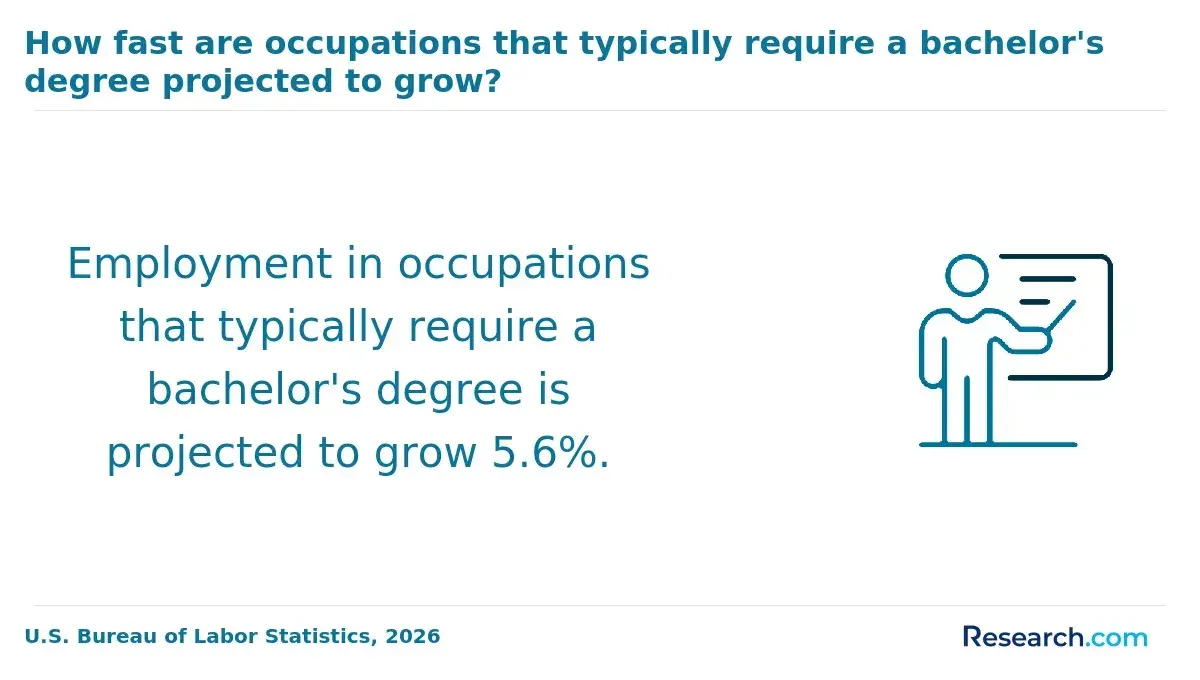
Generally, no. Compliance officers work across industries with different regulations and hiring practices; there is no single MLS or professional certification required for the occupation nationwide. Employers may instead ask for a bachelor's degree, relevant industry knowledge, experience with internal controls, or familiarity with the rules governing their business. A particular position may prefer or require a named certification, so the job posting matters more than a general claim about the field.
An MLS can help a professional understand how law shapes organizational decisions, but it is a non-Juris Doctor (non-JD) degree. It does not authorize its holder to practice law or independently give legal advice reserved for licensed attorneys. Likewise, certification confirms that its issuer's standards were met; it does not replace any license or qualification a particular regulated position may require.
How do MLS curricula compare with compliance certification coursework?
MLS curricula commonly begin with legal research, statutory interpretation, contracts, and the workings of the U.S. legal system, then allow electives in areas such as business regulation, healthcare, employment, or privacy law. That foundation can be useful when your responsibilities span multiple rule sets or require frequent collaboration with attorneys.
Certification preparation is usually organized around the issuing body's exam content and the work of a particular specialty. For a compliance-and-ethics credential, that may include program oversight, risk assessment, training, monitoring, and responses to misconduct. Anti-money-laundering preparation addresses a different set of risks and controls. A preparation course is not necessarily required, and finishing one does not itself award the certification.
Compare actual syllabi rather than concentration names. An MLS with a few compliance electives may offer less practice in investigations or control testing than your target role requires; an exam-preparation course may offer less grounding in legal analysis than a cross-functional role demands.
How do online and campus-based programs compare for working professionals?
Online MLS study can remove commuting, but "online" does not mean self-paced. Courses may require live meetings, timed exams, group work, a set sequence, or occasional campus attendance. Campus-based study can make scheduled discussion and local networking easier, but travel and fixed class times may be substantial constraints.
Certification preparation may be available through independent study, live online instruction, or in-person training. The certifying organization may separately specify how and where examinations are delivered. Before enrolling, ask for a sample weekly schedule and the rules on attendance, examinations, and missed sessions. If shift work or travel is unpredictable, those details matter more than the delivery label. For degree shopping, business law degree options for balancing study and work can help frame the scheduling questions to ask.
What are the admission requirements for MLS and compliance programs?
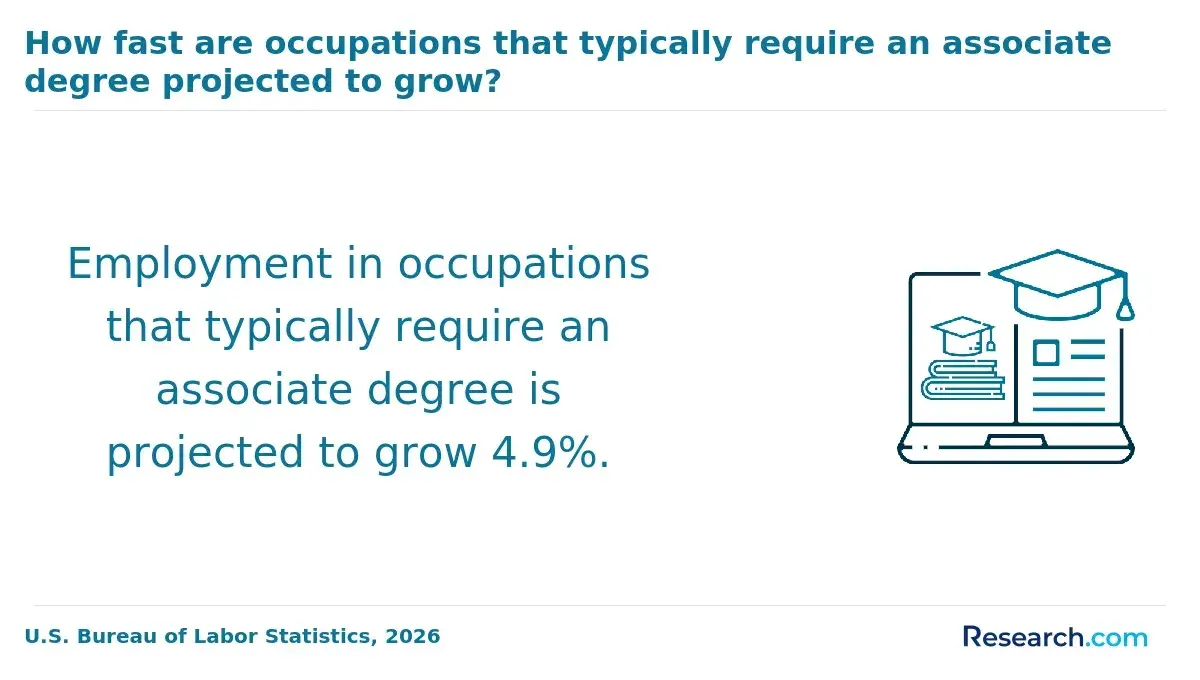
MLS programs generally require an accredited bachelor's degree and an application that may include transcripts, a résumé, a statement of purpose, or recommendations. Requirements vary; neither a JD nor prior legal employment should be assumed necessary. A certification may instead depend on the issuer's combination of education, experience, professional standing, examination, and application rules. Check the requirements for the specific credential before paying for preparation.
If you have previous graduate coursework, ask whether an MLS program will accept it and how it would apply to required courses. Accreditation alone does not guarantee transfer: the receiving institution makes that decision. Our guide to transfer-friendly business law programs offers additional context, but obtain a written evaluation from any MLS program you are considering.
How long do MLS and compliance certification programs take?
An MLS usually requires sustained graduate coursework over multiple terms; the actual timeline depends on required credits, part-time enrollment, course sequencing, and any capstone or residency. Certification preparation can be shorter, but eligibility may depend on experience you have not yet acquired, and exam scheduling or a retake can extend the path.
Ask an MLS program for a term-by-term plan based on the number of courses you can realistically complete while working. Then compare it with the certification issuer's eligibility and testing process - not just an exam-prep provider's advertised course length. If speed is decisive, comparing accelerated business law master's options may help you assess faster degree formats without assuming that an accelerated schedule will be manageable.
How much do MLS degrees and compliance certifications cost?
There is no reliable single price for either route. For an MLS, request the total tuition based on required credits plus mandatory fees, books, technology costs, and any travel. For certification, add the application and exam fees, optional preparation materials, possible retake costs, and future renewal or continuing-education expenses. Comparing a degree's per-credit price with an exam fee alone understates the difference - and comparing either without employer reimbursement misses a potentially important benefit.
Opportunity cost matters as much as the bill. A part-time MLS can occupy evenings across several terms; focused certification preparation may fit around work more easily, but only if you already meet - or can meet - the issuer's requirements. Ask your employer whether assistance covers graduate credit, exam fees, preparation, and renewals, and whether repayment is required if you leave. For degree prices, use online master's in legal studies affordability comparisons as a starting point, then confirm the current total directly with each school.
Federal aid may be available for an eligible degree at an eligible institution, subject to the student's circumstances. Do not assume the same is true of noncredit exam preparation or a certificate: confirm the specific program's aid eligibility with the school's financial aid office before relying on it.
What careers and salaries can each pathway lead to?
Both pathways can support applications for compliance roles, but neither independently qualifies someone for a particular title or salary. An MLS may be especially relevant to cross-functional policy, regulatory affairs, or risk roles that involve legal analysis. A specialty certification may speak more directly to employers filling a defined compliance position. Prior industry experience, responsibility level, and location remain central hiring factors.
According to the U.S. Bureau of Labor Statistics, compliance officers had median annual pay of $80,730 in May 2025, with 4% projected employment growth from 2025-2035 and about 32,700 projected openings per year. Those are occupation-wide figures, not outcomes for MLS graduates or certified professionals. They establish a market benchmark, not a basis for assuming either credential will pay for itself.
For a career move, compare a sample of postings for your intended role and industry. Note which ones require experience you already have, which specify a certification, and which value graduate legal study. If the main gap is hands-on work - such as documenting controls or helping with an audit - seek that responsibility before committing to tuition or exam fees.
How can you choose an accredited and reputable program?
For an MLS, confirm that the institution holds recognized institutional accreditation, then review its current catalog for required courses, faculty, assessment methods, graduation rules, and full costs. Accreditation concerns the institution; it is not a promise that the degree will satisfy a particular employer. American Bar Association approval of certain paralegal education programs is a separate concept and is not an MLS endorsement or an individual certification.
For professional certification, use the credential issuer's current handbook to verify eligibility, exam scope, fees, renewal rules, and how employers in your target field use the designation. Be cautious of a training provider that calls its course-completion certificate a professional certification without identifying an independent issuer or an assessment.
A practical final test is to match the purchase to the gap: choose the MLS if broad legal study is repeatedly relevant to your target work and you can justify its time and total cost; choose certification if employers recognize a specific credential and you meet its requirements; choose neither yet if experience or a narrower course is the missing piece.
Other Things You Should Know About Law & Paralegal
No. Earning an MLS does not make you an attorney. Whether a particular workplace communication is privileged depends on the applicable law and circumstances, not on an employee's legal studies degree.
No. An MLS is not a license to practice law, and "Esq." should not be used to imply that you are an attorney.
Do not assume they will. A law school determines whether any prior coursework qualifies under its policies and applicable rules. Get a written answer from the JD program before treating an MLS as a route to JD credit.
Review the written reimbursement agreement before enrolling. It may set limits on covered expenses or require repayment if you leave within a specified period; the terms vary by employer.
References
- Master of Legal Studies in Healthcare Compliance | wsulaw.edu https://www.wsulaw.edu/academics/master-of-legal-studies/
- Master of Legal Studies (MLS) vs. JD: What's the Difference? | SMU Online Master of Legal Studies https://onlinemasterlegalstudies.smu.edu/articles/mls-vs-jd/
- Online Master of Legal Studies (MLS) | Emory University School of Law | Atlanta, GA https://law.emory.edu/admission/online-master-legal-studies-mls/index.html
- Master of Legal Studies & Graduate Certificates | Winston College of Law https://winston.utk.edu/admissions/degree-programs/master-of-legal-studies/
- MLS vs. JD: Which Legal Path Is Right for Non-Lawyers? | Goodwin College of Professional Studies https://drexel.edu/law/news/legal-studies-blog/mls-vs-jd-which-legal-path-is-right-for-non-lawyers/
- Compliance Jobs: Top Officer and Analyst Careers | USC Online https://online.usc.edu/news/compliance-jobs-best-careers-pursue-legal-certificate/
- What Can You Do With a Master of Legal Studies? | WashU Law https://online.law.washu.edu/articles/what-can-you-do-with-master-of-legal-studies/