2027 Paralegal Education for Real Estate Agents: Comparing General and Property-Focused Training

Co-Founder and Chief Data Scientist
Real estate agents already work with contracts, deadlines, and title issues, but that experience does not automatically translate into paralegal work. The useful next step depends on your goal: handling transactions more confidently, moving into a law firm, or building a broader legal-support career.
This guide compares general paralegal education with property-focused training, explains where credentials matter, and shows how to assess cost, scheduling, and career fit before enrolling.
Key Things You Should Know
- Choose general paralegal education if you want access to legal-support work beyond property transactions; choose a property-focused route if real estate law is your clear target and the program still teaches core research and writing skills.
- Agents generally do not need paralegal credentials to maintain a real estate license. A school-issued certificate is not professional certification, and paralegal training does not authorize independent legal advice.
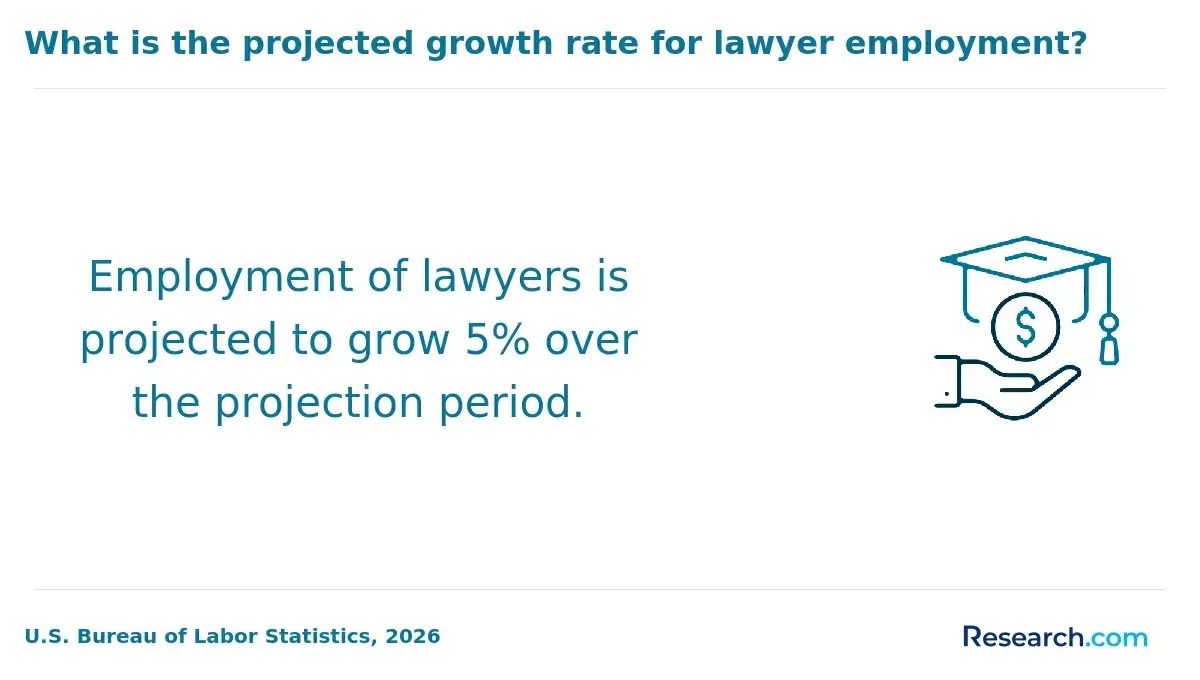
- Check the career trade-off: U.S. paralegals and legal assistants had median annual pay of $62,890 in May 2025, with 0% projected growth for 2025-2035, according to the Bureau of Labor Statistics (BLS). Compare that broad occupation—not a promised real estate paralegal salary—with your current earnings and training costs.
What Is Paralegal Education for Real Estate Agents?
Paralegal education teaches legal research, writing, document preparation, procedure, and professional ethics. For an agent, property-focused study adds context for purchases, financing, title, leasing, and closings. The aim is to support legal work accurately—not to turn brokerage experience into authority to practice law.
A real estate paralegal typically works under an attorney's supervision on matters such as reviewing title materials, tracking contract obligations, organizing due-diligence records, and preparing drafts for attorney review. An agent's transaction knowledge can help, but law firms may also expect skills that brokerage training does not cover, especially legal research, citation, confidentiality, and recognizing when a question must go to an attorney.
Agents seeking better transaction knowledge without changing careers may need a targeted course or employer training rather than a full paralegal credential. Agents pursuing law-firm work should assess whether a broader program provides stronger preparation for legal-support duties.
Do Real Estate Agents Need Paralegal Training or Certification?
Paralegal education is generally not a condition of holding a real estate agent license. Licensing and continuing-education rules come from the applicable state real estate regulator. Paralegal training may be valuable for a career move or for understanding transactions, but it does not replace required real estate education.
For legal-support hiring, requirements depend on the employer and jurisdiction. Some employers prefer a paralegal degree or certificate; others place greater weight on relevant experience. A paralegal certificate is awarded by an educational program. Professional certification is a separate credential awarded through a certifying organization or applicable state system, with its own eligibility and examination rules. Neither is universally required for every U.S. paralegal job.
The distinction matters at work: a real estate license does not authorize an agent to act as an attorney, and paralegal education does not authorize a graduate to provide independent legal advice. State rules and the supervising attorney's responsibilities govern permissible legal-support work.
How Do General and Real Estate Paralegal Programs Compare?
The most useful comparison is not the program label but how much core legal training accompanies the property coursework. The table shows the trade-offs for an agent considering a career change:
| Decision factor | General paralegal program | Property-focused training |
| Curriculum | Legal research, writing, ethics, and several practice areas | Real estate transactions and property law; core legal subjects vary by program |
| Career flexibility | Better suited to exploring multiple law-firm departments | Most directly relevant to real estate, title, and related transactional work |
| Starting point | Useful when legal-support skills are new, even if transaction work is familiar | Useful when the student already has foundational training or needs targeted knowledge |
| Time and cost | Often a larger course commitment, depending on credential level | May be shorter if offered as a course or certificate; a full specialty program may not be |
| Main limitation | May provide few property-specific assignments | May leave gaps in research, writing, or other practice areas |
For a prospective law firm paralegal, favor a general foundation with real estate electives or practical assignments when available. For an agent who intends to stay in brokerage, focused property-law study may avoid paying for coursework unrelated to that goal. In either case, compare actual syllabi: "real estate" in a program description may mean one elective rather than a substantial specialty.
What Degrees and Certificates Prepare Agents for Real Estate Paralegal Work?
The right credential depends largely on the education you already have. A credit-bearing paralegal certificate may suit an agent with prior college education who needs legal-support skills; admission prerequisites differ, and some certificates require a completed degree. An associate degree combines general education and paralegal coursework. A bachelor's degree generally involves a broader academic commitment and may make sense if earning a bachelor's is already part of your plan.
Compare the complete curriculum rather than assuming a longer credential has a better return. If a bachelor's is your goal, review shorter online paralegal bachelor's programs to compare, then confirm how your existing credits would apply. The receiving institution—not the school where you previously studied—decides whether credits transfer and satisfy degree requirements.
A Master of Legal Studies or similar non-JD degree is another option for professionals seeking legal knowledge, but it is not normally necessary for entry-level paralegal work. Neither that degree nor a paralegal credential qualifies its holder to practice as an attorney.
What Do Real Estate Paralegal Programs Teach?
A useful program connects property-law concepts to supervised legal-support tasks. Look for assignments that require students to research an issue, document a source, manage a transaction timeline, or prepare a draft for review—not just memorize real estate terminology.
Relevant coursework may cover contracts and contingencies, deeds and ownership interests, title and lien records, mortgages, leasing, land-use issues, and closing documentation. Core paralegal courses should also address legal research and writing, ethics, confidentiality, and the boundary between legal information and legal advice. Coursework varies by school and does not itself establish job-ready proficiency.
Agents bring familiarity with clients and deadlines but should look closely at how a program teaches legal research and document review. Those are areas where experience using brokerage forms may not transfer directly to a law firm's work.
Are Online or Campus Paralegal Programs Better for Real Estate Agents?
Online study can reduce commuting for an agent with showings or irregular hours, but online does not mean self-paced. Classes may have scheduled meetings, weekly deadlines, proctored exams, or an in-person internship. Campus study may offer easier access to supervised practice and local contacts, but travel and fixed class times can be substantial costs.
When reviewing the best online paralegal certificate programs, check each school's current schedule and practical requirements. If an internship is required, ask who arranges it, whether your current real estate job can count, and whether a placement near you is permitted. Do not assume that transaction experience substitutes for legal work under attorney supervision.
Choose the format you can complete consistently while still getting feedback on research and writing. A convenient delivery format is less valuable if required courses or placements conflict with your busiest work periods.
How Long Do Real Estate Paralegal Programs Take and Cost?
A short property-law course may take weeks, a college certificate may take several terms, and an associate or bachelor's degree usually involves a longer commitment. Your actual timeline depends on prerequisites, transfer credit, part-time enrollment, and when required courses are offered. Ask for a term-by-term plan rather than relying on an advertised minimum completion time.
For cost, compare the amount you would pay to finish, not just a tuition rate. Include mandatory fees, books and legal research access, technology, travel, prerequisite courses, and internship expenses. Ask whether the quoted price covers the whole credential or only one term and whether tuition differs by residency or enrollment status. To build a shortlist, you can compare affordable ABA-approved paralegal programs, then confirm each program's current charges and approval status directly.
A lower-priced noncredit course may be sensible for an agent seeking specific knowledge, but its credits may not apply toward a degree. Federal aid also cannot be assumed: eligibility depends on the institution, the particular program, and the student. Confirm program-level aid eligibility with the financial aid office before counting grants or loans in your budget.
What Are the Admission Requirements for Paralegal Programs?
Requirements differ by credential and school. An associate program commonly admits students under the college's undergraduate rules, while a post-baccalaureate certificate may require a completed bachelor's degree. Other certificates may require prior college coursework or specific general education classes. Check the current catalog for required transcripts, minimum academic standing, and prerequisite courses; do not treat a recommended background as a mandatory requirement.
If application paperwork is a concern, legal studies study options without an application essay may offer a useful comparison. Verify the current requirements for the specific program you choose: legal studies and paralegal programs serve different goals, and an easier application does not make one a substitute for the other.
What Jobs, Salaries, and Outlook Do Real Estate Paralegals Have?
Agents who complete relevant training may pursue real estate paralegal or legal assistant roles in law firms, as well as property-related support work with title or other transaction organizations. Typical duties can include tracking closing requirements, organizing due diligence, reviewing public records, and preparing documents for attorney review. Job titles and supervision arrangements vary; an agent's license alone does not establish eligibility for a legal-support role.
BLS reports median annual pay of $62,890 in May 2025 for paralegals and legal assistants. It projects 0% growth for 2025-2035, although about 40,800 openings per year are projected. These figures cover paralegals across practice areas, not real estate paralegals specifically. They are useful for evaluating a career change but do not predict an individual offer.
Title examination is a related path that may draw on an agent's property knowledge without being the same job as a paralegal. BLS reports median annual pay of $58,650 in May 2025 for title examiners, abstractors, and searchers, with 2% projected growth for 2025-2035. Compare local job descriptions before choosing training: a title employer may prioritize record-search experience, while a law firm may emphasize legal writing and attorney-supervised work.
If you are considering a broader move into workplace policy or compliance rather than property work, compare legal studies degrees with human resources law coursework as a separate path. That study serves a different goal from preparing for a real estate paralegal position.
How Can Agents Choose an Accredited Real Estate Paralegal Program?
Start by separating two checks: institutional accreditation concerns the college or university, while ABA approval applies to qualifying paralegal education programs. ABA approval is not institutional accreditation, is not required for every paralegal job, and does not make graduates "ABA-certified." Verify any advertised approval in the American Bar Association's current paralegal program directory, and verify institutional accreditation through a recognized accreditor or U.S. Department of Education resources.
Once a program passes those checks, use the following questions to test whether it fits your actual goal:
- Ask for the current curriculum and identify required legal research, writing, ethics, and real estate coursework—not merely electives you might be unable to schedule.
- Request a term-by-term completion plan showing prerequisites, class meeting times, campus visits, and any internship placement rules.
- Get a written estimate of tuition and required expenses, and ask the financial aid office whether this specific program qualifies for aid.
- Compare local job postings with the credential and practical skills the program teaches, then ask whether previous college credits or relevant work can apply under published policies.
A red flag is an unverified claim that a certificate makes you professionally certified, guarantees legal employment, or allows independent legal practice. If your goal is simply stronger brokerage knowledge, compare the full program's cost and time with a focused course before committing.
Other Things You Should Know About Law & Paralegal
Not without appropriate permission and safeguards. Client files can contain confidential personal and financial information. Ask the instructor or employer for a fictional assignment instead, or obtain guidance before using any redacted work sample.
Potentially, but check your state's rules, brokerage agreement, and law-firm conflict and confidentiality policies. The roles have different duties, and you must be clear with clients about which role you are performing.
Usually not automatically. Ask the receiving college whether it awards credit for the particular course or through a formal prior-learning process. Approval for real estate license renewal does not itself make a course transferable college credit.
Give concrete examples of deadline tracking, document organization, title-issue coordination, and communication with closing participants. Describe your role accurately; do not present brokerage experience as attorney-supervised legal work if it was not.
References
- Guidelines on the Use of Paralegals | North Carolina State Bar https://www.ncbar.gov/paralegal-certification/guidelines-on-the-use-of-paralegals/
- Online Paralegal Certification Training | Greater Altoona CTC https://www.gactc.edu/adult-education/online-training/paralegal/
- Online Real Estate Law Advanced Paralegal Course | BCI https://blackstone.edu/real-estate-law/
- Advanced Paralegal: Real Property Law - Georgia Center https://www.georgiacenter.uga.edu/professional-programs/advanced-paralegal-real-property-law/
- What Does a Paralegal Do? Roles, Skills, and Work Settings | American Military University https://www.amu.apus.edu/area-of-study/legal-studies/resources/what-does-a-paralegal-do-the-roles/
- Real Estate Transactions and Finance | New York Law School https://www.nyls.edu/real-estate-transaction-and-finance/
- Online Certified Paralegal Training | University of South Carolina Upstate https://careertraining.uscupstate.edu/training-programs/certified-paralegal/
- Paralegal, AS - CT State Catalog https://catalog.ctstate.edu/programs/paralegal-as/
- How to Become a Paralegal | UW Professional & Continuing Education https://www.pce.uw.edu/news-features/articles/how-to-become-a-paralegal
- Job Skills For Paralegals | imbc.edu https://imbc.edu/paralegal/paralegal-career/job-skills-for-paralegals/