2027 Low-Cost Online Public Policy Doctorate Programs with Financial Aid: Scholarships, Grants, and Employer Tuition Support

Co-Founder and Chief Data Scientist
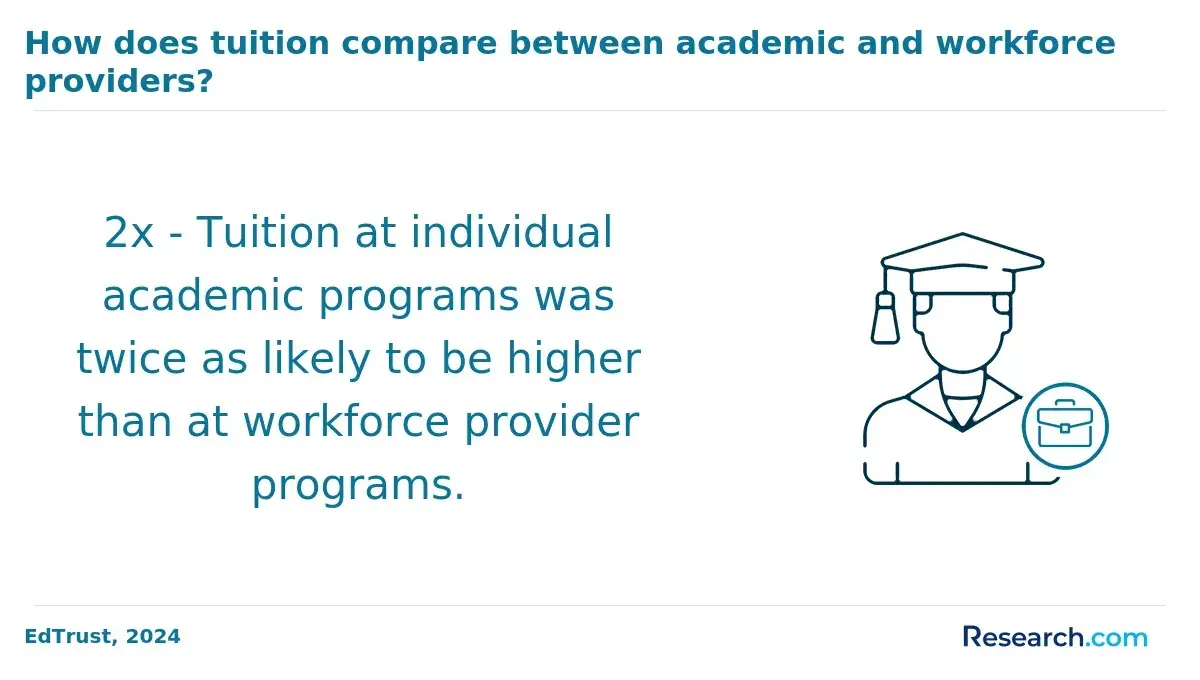
Choosing an online public policy doctorate is often a cost-versus-career decision: the degree can support leadership, research, teaching, and government roles, but doctoral tuition can vary widely. NCES data released in 2024 shows average graduate tuition and required fees were $12,596 at public institutions and $29,931 at private nonprofit institutions for 2022-23, before living costs or borrowing costs. This guide helps working professionals, public servants, nonprofit leaders, and future faculty compare affordable programs, identify funding, avoid hidden costs, and decide whether a lower-cost doctorate still supports their goals.
Key Things You Should Know
- The lowest total cost usually comes from regionally accredited public universities with flat online tuition, fewer required credits, limited residency travel, and dissertation policies that do not add years of continuation fees.
- Graduate students can generally borrow up to $20,500 per year through Federal Direct Unsubsidized Loans before considering Grad PLUS Loans, so scholarships, grants, assistantships, and employer support should be pursued first.
- Employer tuition assistance can be powerful but capped tax-free educational assistance is commonly limited to $5,250 per year under current IRS rules, making policy details such as repayment clauses and eligible programs just as important as the benefit amount.
Which Online Public Policy Doctorate Programs Offer the Lowest Total Cost?
The lowest-cost online public policy doctorate is usually not the program with the lowest advertised per-credit tuition. The better comparison is total net cost: required credits, tuition rate, mandatory fees, residency travel, dissertation enrollment rules, transfer credit, financial aid, and how long the dissertation phase typically takes.
Public policy doctorate options may appear under several related names, including PhD in Public Policy, PhD in Public Administration and Policy, Doctor of Public Administration, or Doctor of Strategic Leadership with a public policy concentration. A PhD is usually more research-oriented, while a DPA is often designed for senior practitioners in government, nonprofit, or public-sector consulting roles.
The table below summarizes the types of online or primarily online doctorate programs that tend to produce the lowest total cost. Use it as a screening tool before requesting a school's official cost sheet.
| Program category | Typical cost position | Best fit | Main cost risk to verify |
| Public university online DPA | Often lowest sticker cost when online tuition is flat | Working public administrators, nonprofit executives, city or county leaders | Residency, dissertation, and semester fees can raise the final price |
| Public university online PhD in Public Administration and Policy | Often strong value if research support is available | Students aiming for applied research, policy analysis, or higher education | Longer research timelines can increase continuation costs |
| Private nonprofit online PhD in Public Policy | May cost more before aid but can offer flexibility | Students needing asynchronous study, multiple start dates, or specialized policy tracks | Higher per-credit tuition and technology fees may offset convenience |
| Private for-profit or large online doctoral provider | Varies widely and requires careful net-price review | Students who need maximum scheduling flexibility | Doctoral completion time, borrowing level, and dissertation support should be scrutinized |
For many applicants, the first shortlist should include regionally accredited public institutions that publish clear online tuition rates and have established doctoral pathways in public administration, public policy, or governance.
Valdosta State University's online Doctor of Public Administration and Old Dominion University's online or distance-accessible PhD in Public Administration and Policy are examples of programs students commonly examine when looking for public-sector doctoral options with comparatively practical formats.
Students interested in policy-adjacent local development careers may also compare doctoral study with an urban planning degree online, especially if their goal is planning, housing, transportation, or community development rather than doctoral-level research.
A common mistake is ranking programs by tuition alone. A program with a slightly higher per-credit price can cost less overall if it requires fewer credits, accepts more transfer work, includes dissertation support early, or offers stronger institutional scholarships.
Conversely, a low sticker price can become expensive if students spend extra terms enrolled in dissertation continuation credits.
What Financial Aid Is Available for Online Public Policy Doctorate Students?
Online doctoral students at accredited institutions may qualify for many of the same federal aid programs as campus-based graduate students, but graduate aid is loan-heavy. The Free Application for Federal Student Aid is still the starting point because schools use it to determine federal loan eligibility and, in some cases, institutional grants or need-based awards.
The main aid types differ in whether they must be repaid, whether they are competitive, and whether they are tied to enrollment status. The table below helps separate the most common funding sources.
| Aid type | Usually repaid? | Common source | Best use case |
| Federal Direct Unsubsidized Loan | Yes | Federal Student Aid | Baseline borrowing after grants and scholarships are applied |
| Grad PLUS Loan | Yes | Federal Student Aid | Remaining cost after other aid, subject to credit review |
| Institutional scholarship or grant | No | University or academic department | Reducing tuition directly, often based on merit, need, service, or professional background |
| External scholarship | No | Foundations, professional associations, civic organizations | Targeted support for public service, research, identity-based eligibility, or policy interests |
| Employer tuition assistance | Usually no, unless repayment clause applies | Employer benefit program | Working professionals whose doctorate aligns with organizational goals |
| Assistantship, fellowship, or research funding | No, but work or research may be required | University, research center, grant-funded project | Students with research skills or faculty-aligned policy interests |
Federal Direct Unsubsidized Loans for graduate students are generally capped at $20,500 per academic year. That cap matters because an online doctorate with a manageable annual tuition bill may be financeable without Grad PLUS borrowing, while a higher-cost program may push students into more expensive debt sooner.
Before accepting any loan, students should ask the financial aid office for a year-by-year estimate, not just a first-term award letter. Doctoral programs often become more expensive than expected when dissertation enrollment, residencies, or reduced course loads extend the timeline.
Which Scholarships Help Reduce the Cost of an Online Public Policy Doctorate?
Scholarships for online public policy doctorate students usually fall into three groups: institutional awards, professional association awards, and mission-based scholarships tied to public service, leadership, research, or underrepresented communities. Doctoral students should not assume scholarships are only for undergraduates; many awards are open to graduate-level research and professional practice.
The best scholarship strategy is to match the award to your profile rather than applying randomly. Public policy applicants often have strong eligibility signals because their work connects to government, equity, nonprofit management, public finance, criminal justice, health policy, education policy, or community development.
These scholarship categories are most relevant for public policy doctoral students:
- University doctoral scholarships: Ask whether online doctoral students are eligible for the same merit, diversity, public service, military, alumni, or departmental awards as campus students.
- Public administration and policy association awards: Professional organizations may support research, conference participation, dissertation work, or students preparing for public-sector leadership.
- Government and civic leadership scholarships: Some state, county, municipal, and civic organizations fund students who plan to improve public institutions or serve specific communities.
- Research-focused dissertation awards: These are especially useful once the dissertation topic is approved and the student can show a clear policy problem, method, and public benefit.
- Identity-based and service-based scholarships: Awards may support veterans, first-generation graduate students, women in leadership, students of color, or professionals serving high-need communities.
One red flag is a school that mentions "scholarship opportunities" but cannot explain eligibility, renewal rules, award amounts, or whether online doctoral students historically receive them. A stronger program will tell you when to apply, which awards are realistic for part-time students, and whether scholarships reduce tuition before loans are packaged.
Students should also look beyond "public policy" as a keyword. Awards in public administration, governance, social policy, education reform, health policy, public finance, criminal justice, labor policy, and nonprofit leadership may be more plentiful than awards using the exact degree name.
How Can Employer Tuition Assistance Help Pay for an Online Public Policy Doctorate?
Employer tuition assistance can be one of the strongest funding sources for an online public policy doctorate because many students already work in government agencies, nonprofits, universities, consulting firms, healthcare systems, or public affairs roles. The benefit is most useful when the doctorate clearly connects to the employee's current position or a documented leadership pathway.
Under current IRS rules, up to $5,250 in employer-provided educational assistance may be excluded from taxable income each year when the program meets applicable requirements. That figure will not cover most doctoral programs by itself, but it can meaningfully reduce annual borrowing when combined with scholarships or a lower-cost public university.
Before relying on an employer benefit, students should review the policy carefully. The most important questions are practical, not just financial:
- Does the employer pay the school directly, reimburse after grades are posted, or reimburse only after the course is completed?
- Are doctoral programs eligible, or does the policy apply only to certificates, bachelor's degrees, or master's programs?
- Is the degree required to be job-related, preapproved, or tied to a career development plan?
- Is there a grade requirement for reimbursement?
- Does the employee have to remain with the organization for a set period after receiving funds?
- Does the policy cover fees, books, residencies, dissertation credits, or only tuition?
Employer support makes the most sense for students who plan to stay in the same sector and can use the doctorate to solve problems their organization already values. It is riskier for students who expect to change employers soon, because repayment clauses can turn a benefit into a liability.
A useful tactic is to bring your supervisor a one-page proposal. Explain how the doctorate supports agency performance, grant writing, evaluation, compliance, leadership succession, data-informed decision-making, or policy implementation. Employers are more likely to approve funding when the return is concrete.
How Do Assistantships, Fellowships, and Research Funding Work for Online Public Policy Doctorate Students?
Assistantships and fellowships are less common in fully online professional doctorates than in full-time campus PhD programs, but they are still worth asking about. Public policy research often depends on data analysis, program evaluation, grant support, literature reviews, and community partnerships, all of which can sometimes be done remotely.
The main difference is that assistantships usually require work, while fellowships may fund study, research, or dissertation progress without the same weekly service requirement. Online students may face more restrictions because some awards are tied to campus employment, residency, or full-time enrollment.
Students should ask each program about these funding possibilities:
- Research assistant roles: Faculty may need help with policy evaluation, survey design, qualitative coding, administrative data review, or grant reports.
- Teaching assistant or online course support roles: Some departments hire doctoral students to grade, facilitate discussions, or support undergraduate public administration courses.
- Dissertation fellowships: These may help students finish data collection, analysis, or writing after coursework is complete.
- Grant-funded project appointments: Policy centers, institutes, or university research offices may fund students whose skills match active projects.
- Conference or research travel funds: These smaller awards can reduce the cost of presenting research or attending required academic events.
The strongest applicants for research funding usually contact faculty early and show alignment. Instead of saying you need money, explain your policy area, methods experience, software skills, professional background, and availability.
A student with experience in budgeting, GIS, statistics, program evaluation, stakeholder interviews, or legislative analysis may be more useful to a research team than a student who only has general interest.
One common mistake is waiting until the dissertation phase to ask about funding. Ask before enrollment whether online students have received assistantships, whether part-time students are eligible, and whether funding is guaranteed, competitive, or rare.
Which Program Features Have the Biggest Impact on the Total Cost of an Online Public Policy Doctorate?
The biggest cost drivers are usually structural. A program's tuition rate matters, but the final bill is often shaped by credit requirements, enrollment rules, dissertation support, and whether the student can stay employed while studying.
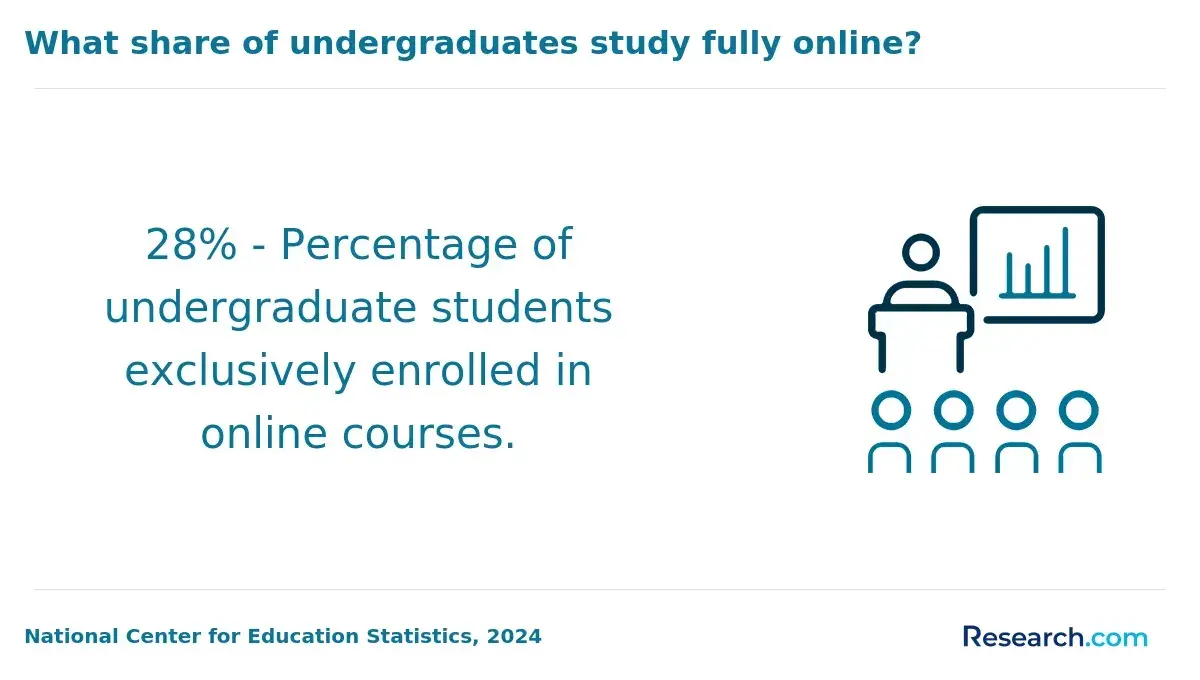
Online learning is now mainstream in graduate education, which gives students more choice but also requires closer comparison. NCES reporting released in 2024 shows that a large share of postbaccalaureate students take at least some distance education coursework, meaning online format alone is no longer a reliable signal of either affordability or quality.
These features usually have the greatest effect on total cost:
- Required credits: A 48-credit doctorate can cost far less than a 60-credit doctorate even when the per-credit rate is similar.
- Transfer credit policy: Programs that accept relevant post-master's or doctoral credits can reduce both tuition and time.
- Residency requirements: Short residencies may be valuable, but travel, lodging, meals, and missed work should be included in the budget.
- Dissertation enrollment rules: Programs that require continuous enrollment during dissertation work can add costs if the dissertation takes longer than planned.
- Course sequencing: Lockstep programs may delay graduation if a student misses one course, while flexible sequencing can reduce downtime.
- Part-time availability: Part-time study can preserve income, but it may increase total terms and fees.
- Technology and online fees: Mandatory per-credit or per-term fees can materially change the real price.
Students should also evaluate academic support as a cost factor. Strong dissertation advising, methods training, writing support, and milestone tracking can prevent expensive delays. Paying slightly more for a program that helps students finish may be cheaper than choosing a bare-bones option with weak doctoral support.
How Can Students Reduce Borrowing While Earning an Online Public Policy Doctorate?
The most effective borrowing strategy is to reduce the amount borrowed before loans are accepted, not after interest has already started accumulating. For online public policy doctorate students, that usually means combining a lower-cost program with employer support, scholarships, controlled pacing, and careful dissertation planning.
Students who mainly want public-sector advancement rather than doctoral research should also consider whether a faster graduate credential would meet the same goal. For example, a 1 year MPA online may be a better financial move for professionals who need management credentials but do not need a doctorate for teaching, research, or executive leadership.
A practical debt-reduction plan should happen in this order:
- Build a total-cost spreadsheet that includes tuition, fees, residencies, books, dissertation enrollment, travel, and estimated time to completion.
- Submit the FAFSA early so the school can package federal aid and determine whether any need-based institutional aid is available.
- Ask the department which scholarships, grants, assistantships, and dissertation awards are open to online doctoral students.
- Apply for employer tuition assistance before the first term begins, because many employers do not approve retroactive requests.
- Take only the loan amount needed for billed and necessary costs rather than automatically accepting the full amount offered.
- Use pay-as-you-go strategies for books, fees, or one course per term when that prevents higher-interest borrowing.
- Choose a dissertation topic that is feasible with available data, realistic access, and a manageable research design.
The biggest red flag is borrowing as if the published program length is guaranteed. Doctoral timelines can change because of research access, advisor availability, proposal revisions, job demands, or family responsibilities. A good financial plan includes a cushion for at least some additional dissertation time.
Does Paying Less for an Online Public Policy Doctorate Affect Career Outcomes?
Paying less does not automatically weaken career outcomes, but choosing a program only because it is cheap can. Employers and academic hiring committees are more likely to care about accreditation, research quality, dissertation relevance, leadership experience, writing ability, analytical skills, and the student's professional network than about whether the tuition was high or low.
Career outcomes vary because public policy doctorates lead to different paths. Graduates may pursue senior public administration, policy analysis, nonprofit leadership, public affairs consulting, legislative work, applied research, program evaluation, or teaching.
BLS data published in the Occupational Outlook Handbook reports median pay for political scientists at $132,350 in 2023, but that figure reflects a specific occupation and should not be treated as the expected salary for every public policy doctorate holder.
The table below shows how affordability interacts with career value. It is not a ranking of schools; it is a way to judge whether a lower-cost option still supports your intended outcome.
| Career goal | What matters most | When a low-cost program works well | When to consider paying more |
| Government or nonprofit executive leadership | Applied leadership, budgeting, policy implementation, ethics | The program offers practitioner-focused coursework and lets you keep working | A higher-cost program has a strong executive network in your region or sector |
| Policy analyst or evaluator | Research design, statistics, qualitative methods, data tools | The lower-cost program has rigorous methods training and faculty in your policy area | The pricier program offers funded research, specialized datasets, or stronger methods mentoring |
| College teaching | Doctoral accreditation, research output, teaching experience | The program supports publication, conference activity, and teaching preparation | You need a research-intensive faculty pipeline with stronger scholarly placement |
| Social policy or human services leadership | Systems thinking, equity, program design, public finance | The curriculum connects policy to real agency problems | A different professional degree better matches licensure or clinical leadership goals |
Students focused on social welfare, community practice, behavioral health policy, or agency leadership may also compare public policy doctorates with the best online MSW programs, especially if licensure or direct service leadership matters more than doctoral research.
A low-cost doctorate is most likely to produce good value when it is accredited, reputable in the student's field, aligned with the student's career target, and affordable enough that loan payments do not restrict future job choices.
Which Online Public Policy Doctorate Programs Offer the Best Combination of Cost, Financial Aid, and Flexibility?
The best combination depends on the student's profile. A mid-career city manager, a nonprofit director, a military-affiliated student, and an aspiring policy professor may all define value differently. The strongest choices balance affordability with completion support, credible faculty, and funding access.
The comparison below shows which program profiles often provide the best fit for common student situations. Students should verify current tuition, fees, aid eligibility, and accreditation directly with each institution before enrolling.
| Student situation | Best-value program profile | Why it can be affordable | What to confirm before applying |
| Working public administrator seeking advancement | Online DPA at a public university | Often practical, career-aligned, and designed for employed students | Whether coursework, residencies, and dissertation expectations fit a full-time job |
| Aspiring researcher or faculty member | Online or hybrid PhD in Public Administration and Policy | May offer stronger research training and faculty mentorship | Publication support, teaching opportunities, and research funding for online students |
| Student with strong employer support | Flexible online doctorate with employer-approved curriculum | Employer payments can reduce annual loan need | Reimbursement timing, repayment clauses, and annual benefit limits |
| Student needing maximum schedule flexibility | Asynchronous online public policy or public administration doctorate | Maintaining income can offset a higher tuition rate | Total credits, fees, dissertation support, and completion data |
| Student with prior doctoral coursework | Program with generous transfer or advanced standing policy | Accepted credits reduce billed tuition | Maximum transferable credits and whether old credits expire |
In practical terms, the strongest shortlists often start with public university programs, then add private nonprofit options only if they offer a better schedule, policy specialization, military or employer discount, or stronger dissertation support. Institution type alone does not determine value; the net cost and career fit matter more.
A useful rule is to compare at least three programs: one lowest-sticker-cost public option, one program with the strongest funding or employer fit, and one program with the best curriculum match. The best choice is the one that remains affordable after aid while still supporting the outcome you actually want.
How Should Students Compare Low-Cost Online Public Policy Doctorate Programs?
Students should compare programs like a long-term investment, not a semester-by-semester purchase. The right question is not "Which tuition rate is lowest?" but "Which accredited program gives me the best chance to finish with manageable debt and credible career value?"
Applicants coming from sociology, political science, criminal justice, public administration, economics, planning, social work, or nonprofit leadership can all be competitive, but they may need different preparation. Students still building an academic foundation may find it useful to review the best online bachelors in sociology programs to understand how social research, inequality, institutions, and data analysis connect to later public policy study.
Use this comparison process before committing to a program:
- Confirm regional accreditation and make sure the doctorate title matches your career goal, whether that is research, teaching, executive leadership, or applied policy work.
- Request the full program cost in writing, including tuition, fees, residency expenses, dissertation credits, continuation fees, and estimated book or technology costs.
- Ask whether online students are eligible for institutional scholarships, assistantships, fellowships, military benefits, public service discounts, or alumni awards.
- Compare curriculum depth in policy analysis, economics, statistics, qualitative methods, ethics, governance, leadership, and dissertation research.
- Review faculty expertise and look for advisors who publish or work in your intended policy area.
- Ask for doctoral completion support details, including milestone timelines, writing support, dissertation chair assignment, and proposal review processes.
- Estimate net cost after scholarships, grants, employer support, and realistic annual loan borrowing.
- Check whether the program format supports your work schedule without extending the degree so long that fees accumulate.
Red flags include unclear fee schedules, vague dissertation expectations, pressure to enroll before aid is finalized, no evidence that online students receive funding, and a curriculum that does not match the advertised policy focus. A low-cost program should still be transparent, academically rigorous, and aligned with your professional direction.
The final decision should weigh three factors together: affordability, completion likelihood, and career relevance. If one of those is weak, the cheapest program may not be the best investment.
Other Things You Should Know About Public Policy
No. A PhD in Public Policy is usually more research-focused and may fit students interested in scholarship, policy analysis, or teaching. A Doctor of Public Administration is typically more practice-oriented and often fits experienced public-sector or nonprofit leaders.
Not always. Many programs accept applicants with related master's degrees in public administration, political science, sociology, economics, education, social work, criminal justice, public health, or nonprofit management. Some programs may require prerequisite coursework if your background is not policy-related.
It can, especially for applied, adjunct, or teaching-focused roles, but requirements vary by institution. Students aiming for tenure-track research positions should examine faculty mentorship, research methods depth, publication support, and graduate teaching opportunities before enrolling.
Public policy itself is generally not a licensed profession. However, related roles in law, social work, education administration, planning, or healthcare may have separate licensure or certification rules, so students should check requirements for their target occupation and state.
References
- Financial Aid and Scholarships | Department of Public Policy https://dpp.ceu.edu/financial-aid
- Funding your Degree https://gradsense.org/funding-your-degree/
- Average Cost of a Doctorate Degree [2026]: Ph.D., Psy.D. & More https://educationdata.org/average-cost-of-a-doctorate-degree
- Deciding if a PhD is right for you https://www.povertyactionlab.org/resource/deciding-if-phd-right-you
- Educational Funding https://phdproject.org/educational-funding/
- How Much Does a PhD Cost https://aituedu.org/how-much-does-a-phd-cost/
- Complete Guide to Scholarships & Grants [2026 Update] https://www.applykite.com/blog/phd-guide-funding
- Funding and Scholarships Options for Online PhD Programs 2026 - GTR Blogs | Career Guidance Articles https://gtracademy.org/blog/scholarships-options-for-online-phd-programs/
- Full-time PhD Programme https://unu.edu/merit/doctorate-degree/full-time-phd-programme
- Commonwealth PhD Scholarships - Commonwealth Scholarship Commission in the UK https://cscuk.fcdo.gov.uk/scholarships/commonwealth-phd-scholarships-for-least-developed-countries-and-vulnerable-states/