2027 How Long Does It Take to Earn an Online Public Policy Doctorate? Timelines, Credits, and Dissertation Options

Co-Founder and Chief Data Scientist
Figuring out the timeline for an online Public Policy doctorate means comparing credits, research requirements, work schedules, and total cost before you enroll. College Board's latest graduate pricing data shows published graduate tuition and fees can exceed $12,000 at public institutions and $30,000 at private nonprofit institutions, so an extra year matters. This guide is for working professionals weighing doctoral study in public policy, public administration, governance, or policy analysis. You'll learn typical completion times, credit loads, dissertation choices, transfer rules, and practical ways to choose a program that fits your goals.
Key Things to Know About Online Public Policy Doctorate Program Timelines
- Most online Public Policy doctorate programs take about 3 to 5 years for post-master's students, while research-heavy PhD-style paths can run longer because dissertation design, data collection, and committee review add time.
- Typical credit requirements range from roughly 45 to 72 post-master's credits, with doctoral coursework, research methods, comprehensive exams, and dissertation or applied project credits making up the total.
- A traditional dissertation is common, but some professional doctorates offer an applied dissertation, policy capstone, or doctoral project; the fastest option is usually the one with clear milestones, active faculty support, and a topic tied to accessible data.
What is the typical completion time for online Public Policy doctorate programs?
The typical completion time for an online Public Policy doctorate is 3 to 5 years for students entering with a relevant master's degree. Students who enroll part time, pause during the dissertation stage, change topics, or need prerequisite coursework may take 5 to 7 years or more.
National doctorate data can be misleading if applied too literally to online professional programs. The National Science Foundation's latest Survey of Earned Doctorates reported that U.S. research doctorates commonly take about 7 years of registered enrollment across fields, but many online Public Policy doctorates are structured as professional or applied programs with tighter course sequences and shorter expected timelines.
The table below summarizes common timeline patterns so you can estimate how program structure affects your calendar, not just the number of credits listed in the catalog.
| Program structure | Common completion range | Best fit | Main timeline risk |
| Full-time post-master's online doctorate | 3 to 4 years | Students with flexible work schedules and strong research preparation | Heavy weekly workload and limited room for missed terms |
| Part-time post-master's online doctorate | 4 to 6 years | Working professionals balancing leadership roles, family obligations, or public-sector employment | Dissertation momentum can slow after coursework ends |
| Cohort-based professional doctorate | 3 to 5 years | Students who want structured pacing, fixed course order, and peer support | Falling out of sequence may require waiting for the next course rotation |
| Research-intensive PhD-style program | 5 to 7 years or longer | Students aiming for academic research, think tank roles, or advanced policy scholarship | Original research, committee review, and publication expectations can extend completion |
If you are still building the social science foundation for doctoral policy work, undergraduate preparation matters. Students earlier in the pathway may benefit from comparing best online bachelors in sociology programs before planning a future graduate route into public policy, public administration, or social policy research.
How many total credit hours are required for an online Public Policy doctorate?
Most online Public Policy doctorate programs require approximately 45 to 72 credits beyond the master's degree. Programs that admit students with only a bachelor's degree, or that combine master's-level and doctoral coursework, may require closer to 75 to 90 credits.
Credit totals matter because they determine tuition, sequencing, and how many terms you must remain enrolled before starting the dissertation or doctoral project. A 48-credit program can still take longer than a 60-credit program if it has limited course availability, required residencies, or a slow dissertation approval process.
The table below shows how credits are commonly distributed in online public policy, public administration, and policy leadership doctorates.
| Credit category | Typical credit range | What it usually includes | Timeline implication |
| Core public policy coursework | 15 to 24 credits | Policy theory, governance, public finance, ethics, implementation, and evaluation | Usually completed in the first 1 to 2 years |
| Research methods and analytics | 9 to 18 credits | Quantitative methods, qualitative methods, statistics, program evaluation, and research design | Weak preparation here often delays proposal approval |
| Specialization or electives | 6 to 18 credits | Health policy, education policy, urban policy, environmental policy, security policy, or nonprofit leadership | Elective availability can affect pacing |
| Comprehensive exam or doctoral seminar credits | 0 to 6 credits | Exam preparation, literature synthesis, or doctoral portfolio work | May create a checkpoint before dissertation enrollment |
| Dissertation, capstone, or doctoral project | 9 to 18 credits | Proposal, data collection, analysis, defense, and final manuscript or applied deliverable | Often the most variable part of the degree |
Students comparing policy-adjacent graduate fields should also note that applied planning programs may use different studio, practicum, or project requirements. If your interest is more land use, transportation, housing, or community development than policy research, an urban planning degree online may have a more directly applied credit structure.
Is a dissertation required for an online Public Policy doctorate?
A dissertation is required in many online Public Policy doctorate programs, especially PhD, DPA, and policy research doctorates. However, the term "dissertation" can mean different things depending on the institution. Some programs require a traditional five-chapter scholarly dissertation, while others allow an applied dissertation focused on solving a real policy, organizational, or implementation problem.
The dissertation stage usually begins after core coursework, research methods, and comprehensive exams. It requires a topic, committee approval, proposal defense, institutional review board approval when human subjects are involved, data collection, analysis, writing, revision, and final defense.
A traditional dissertation may be the better choice if you want to teach, publish, pursue policy research roles, or compete for positions in universities, research institutes, or government analysis units. It may not be the fastest option if you choose a topic that depends on restricted government data, hard-to-access participants, or complex multi-agency approvals.
Before enrolling, ask the school for recent examples of completed dissertation topics, average time from proposal to defense, committee assignment timelines, and whether students receive structured dissertation courses after completing coursework. These details reveal more about likely completion time than the word "online" does.
Are there alternatives to completing a dissertation for online Public Policy doctorate programs?
These alternatives can be useful for students whose goals are professional leadership, executive public administration, nonprofit strategy, policy implementation, or consulting rather than academic research. The key difference is usually the final product: instead of producing a theory-driven research dissertation, students may design a policy intervention, evaluate a public program, create an implementation plan, or solve a documented organizational problem.
Use the following decision points to evaluate whether a non-dissertation option is a better fit for your timeline and goals:
- Choose a traditional dissertation if you want academic credibility, publication potential, or eligibility for research-intensive roles.
- Choose an applied dissertation if you want doctoral-level research but prefer a problem of practice connected to your agency, nonprofit, or policy area.
- Choose a capstone or doctoral project if the program is explicitly designed for executive leadership and provides clear deliverables, rubrics, and faculty review checkpoints.
- Avoid assuming a capstone is faster unless the school publishes a defined sequence for proposal approval, project implementation, final review, and defense.
Students focused on broad public administration leadership may also compare a doctorate with a shorter master's pathway. For example, a 1 year MPA online can be a better fit if the goal is advancement into management rather than original doctoral research.
How do practicums or clinical hours affect the online Public Policy doctorate timeline?
Public Policy doctorates usually do not require clinical hours in the way nursing, counseling, psychology, or social work programs do. However, some programs include practicums, consulting projects, policy labs, residencies, or applied field experiences that can affect the timeline.
These requirements can be valuable because they help students connect research to real agencies, legislatures, nonprofits, or community organizations. They can also create scheduling friction if placements, supervisors, travel, or synchronous meetings are required.
The table below explains how applied requirements may influence an online Public Policy doctorate schedule.
| Applied requirement | How common it is in public policy doctorates | Possible timeline effect | What to verify before enrolling |
| Virtual residency | Common in many online doctorates | May require attendance during fixed weekends or intensive sessions | Dates, frequency, attendance policy, and whether sessions are recorded |
| In-person residency | Varies by school | Can add travel time and work disruption | Number of visits, location, cost, and whether exceptions are allowed |
| Policy practicum or consulting project | More common in applied professional doctorates | Can extend completion if site access or supervisor approval is delayed | Whether students find their own sites or the program provides support |
| Data-based agency project | Common for applied dissertations and capstones | Can move quickly if data is available, but slowly if permissions are needed | Data access rules, confidentiality requirements, and IRB expectations |
If you are comparing public policy with human services fields, note that social work programs have more formalized field education expectations. Reviewing the best online MSW programs can help clarify the difference between policy-focused applied research and supervised professional practice hours.
What factors determine how fast you can finish an online Public Policy doctoral degree?
The fastest path depends on more than motivation. It depends on enrollment intensity, credit transfer approval, course sequencing, research readiness, faculty availability, employer flexibility, and how early you start planning the dissertation or doctoral project.
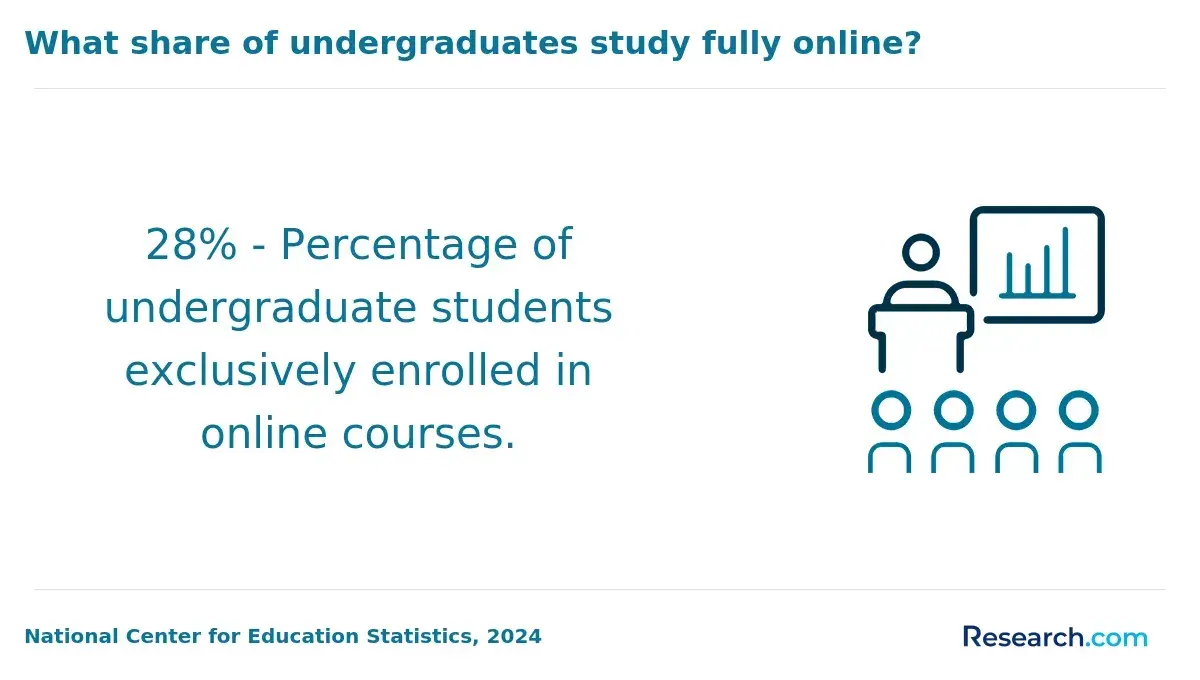
One current trend working in students' favor is the growth of flexible online graduate enrollment. NCES distance education reporting published in 2024 shows that postbaccalaureate students continue to use online learning at high levels, which has pushed many institutions to offer asynchronous courses, virtual residencies, and more structured doctoral support. That flexibility helps working adults, but it does not remove the time required for research and writing.
Use these factors to estimate your realistic completion speed before choosing a program:
- Enrollment load: Full-time doctoral study can shorten the calendar, but it may require 20 or more hours per week during research-heavy terms.
- Course rotation: Programs with every course offered each term are easier to accelerate than programs with annual rotations.
- Summer enrollment: Continuous summer study can save time, while skipping summers can add a year or more across the degree.
- Research preparation: Students who enter with strong statistics, qualitative methods, and academic writing skills usually move through proposal development more efficiently.
- Topic feasibility: A focused policy question using accessible data is more timeline-friendly than a broad study requiring multiple agencies or restricted datasets.
- Committee responsiveness: Faculty workload, committee changes, and slow feedback cycles can create delays outside the student's direct control.
- Employer support: Flexible schedules, tuition assistance, sabbaticals, or protected research time can make steady progress more realistic.
A common mistake is choosing the shortest advertised timeline without checking weekly workload. A three-year doctorate may only be realistic if you can take courses every term, avoid long breaks, and begin dissertation planning in the first year.
Are there fast-track or accelerated online Public Policy doctorate options available?
Fast-track and accelerated online Public Policy doctorate options do exist, but they are less common than accelerated master's programs. When available, they usually shorten the timeline through year-round enrollment, shorter terms, generous transfer credit, embedded dissertation milestones, or cohort-based sequencing.
Accelerated programs make sense for students who already have a relevant master's degree, a focused research interest, stable work hours, and strong academic writing skills. They are risky for students who expect to learn research methods from scratch, need frequent breaks, or are unsure whether they want a dissertation, capstone, or leadership-focused doctoral project.
The table below compares standard and accelerated formats so you can evaluate whether "fast" is realistic for your schedule.
| Feature | Standard online doctorate | Accelerated online doctorate | Decision point |
| Calendar model | Fall, spring, and optional summer terms | Year-round enrollment often expected | Acceleration usually requires continuous study |
| Course pacing | One or two courses per term | Condensed terms or heavier course loads | Faster pacing increases weekly workload |
| Research milestones | Dissertation planning may begin after coursework | Topic development may start early in the program | Early alignment can prevent dissertation drift |
| Transfer credit | Limited or case-by-case | May allow more post-master's credit | Only approved credits shorten the timeline |
Be cautious with any program advertising very short completion times without explaining dissertation support, course availability, and minimum enrollment requirements. A fast-track path can be efficient, but only if the curriculum and your life schedule can sustain the pace.
Can you transfer graduate credits into an online Public Policy doctorate program?
Many online Public Policy doctorate programs allow transfer credit, but policies vary widely. Some schools accept only 6 to 12 doctoral-level credits, while others may accept 18 to 30 graduate credits from a prior master's or specialist program if the courses match the curriculum and meet grade, age, and accreditation requirements.
Transfer credit can reduce cost and coursework time, but it rarely eliminates dissertation, capstone, residency, or comprehensive exam requirements. Schools also commonly reject credits that are too old, not doctoral level, not aligned with public policy outcomes, or already counted toward a completed degree beyond the institution's allowed limit.
To maximize approved transfer credit, take these steps before you enroll:
- Request an unofficial transfer review before committing to the program, not after your first term begins.
- Gather syllabi, catalog descriptions, transcripts, credit-hour definitions, and evidence of graduate-level research assignments.
- Ask whether transferred credits reduce total tuition, shorten the course sequence, or simply waive electives.
- Confirm whether dissertation, doctoral project, comprehensive exam, and residency credits must be completed in residence at the university.
- Get the approved transfer decision in writing, including the number of credits accepted and the remaining degree plan.
The red flag is assuming that a completed master's degree automatically cuts the doctorate in half. In most programs, a master's degree qualifies you for admission; it does not guarantee maximum transfer credit.
Is there a maximum time limit to complete an online Public Policy doctorate?
Yes, most universities set a maximum time limit for completing a doctorate. A common range is 7 to 10 years from initial enrollment, though some programs use shorter limits for professional doctorates or require students to complete candidacy, exams, or dissertation milestones within specific windows.
Maximum time limits matter because they can affect students who pause for work, family, health, military service, agency responsibilities, or dissertation delays. If you exceed the limit, the school may require course revalidation, reapplication, additional credits, a new dissertation proposal, or formal extension approval.
Before applying, ask the program these questions:
- What is the maximum time allowed from first enrollment to graduation?
- Does the clock pause during approved leaves of absence?
- How long can students remain in dissertation or doctoral project continuation status?
- Are older courses ever revalidated, or must they be repeated?
- What happens if a student changes dissertation chairs or committee members late in the program?
This policy is especially important for part-time students. A slower pace can be sensible and sustainable, but it should still leave enough room for proposal approval, research, revisions, and defense before the university deadline.
How can students avoid delays in their online Public Policy doctorate timeline?
Students avoid timeline delays by treating the doctorate as a managed project rather than a long series of courses. The most successful plan connects credit load, research milestones, employer support, and personal bandwidth before the first term begins.
Use this practical sequence to stay on schedule:
- Build a term-by-term degree map showing required courses, electives, residencies, exams, dissertation credits, summer terms, and expected graduation date.
- Choose a research area early, then narrow it to a policy problem with accessible data, a realistic population, and faculty expertise in the department.
- Meet with an advisor before registering each term to avoid missing prerequisite courses or falling out of sequence.
- Set weekly study blocks for reading, writing, statistics practice, and dissertation notes instead of saving research work for term breaks.
- Ask your employer about tuition assistance, flexible scheduling, research leave, conference support, or a temporary workload adjustment during exams and proposal defense.
- Keep a running file of literature, datasets, policy documents, IRB notes, and possible committee members from the first year.
- Clarify every milestone in writing, including comprehensive exam rules, proposal defense expectations, manuscript format, revision timelines, and final defense deadlines.
The most common delays come from vague dissertation topics, inaccessible data, skipped summers, unresolved transfer credits, unclear residency expectations, and underestimating full-time workload. The best prevention is to ask direct questions before enrolling and choose a program whose structure matches your actual schedule, not your ideal schedule.
From an ROI standpoint, completion time matters because every added term can increase tuition and opportunity cost. BLS wage data from May 2024 lists the median annual pay for political scientists at $139,380, but that figure should be used as a labor-market benchmark, not a promised outcome. The degree is most likely to be worth the time when it supports a specific goal such as policy research leadership, executive public administration, academic teaching, think tank work, or senior nonprofit strategy.
Other Things You Should Know About Public Policy
It can be, especially when the university is institutionally accredited, the curriculum includes rigorous research training, and the final project is relevant to the student's policy field. Employers usually care more about accreditation, reputation, skills, and work experience than whether courses were delivered online.
Some require it, but many professional doctorate programs have made the GRE optional or do not use it. Applicants should check whether the program instead emphasizes a master's degree, writing sample, statement of purpose, professional experience, and research fit.
Many students do, but full-time work usually fits better with part-time doctoral enrollment. The heaviest periods are research methods courses, comprehensive exams, proposal development, and final dissertation or project writing.
Prioritize institutional accreditation, faculty expertise in your policy area, transparent credit requirements, dissertation or capstone support, residency rules, transfer credit policy, student support services, and published expectations for time-to-degree.
References
- Best Online Ph.D. in Public Policy Programs (2026) – PublicAdministrationPolicy.org https://publicadministrationpolicy.org/degree/phd-in-public-policy/
- PhD Milestones https://benshapi.ro/blog/2025/PhD-guide/
- Part Time PhD: What to Expect and How to Succeed https://www.thesavvyscientist.com/part-time-phd/
- How long is a PhD program: Duration and key factors https://vinuni.edu.vn/how-long-is-a-phd-program/
- Doctor of Public Administration (DPA) Online: Top Programs https://www.phds.me/online-programs/doctor-of-public-administration-dpa/
- How Long Does It Take to Get a PhD After a Master's Degree? https://streamlinedai.app/blog/how-long-phd-after-masters