2027 Is an Online Ed.D. in Leadership and Learning in Organizations a Good Fit for Compliance Training Leaders?
Audited and Verified:
Our Editorial and Data Verification Process
Research.com uses government datasets, official education statistics and primary institutional information to support its career and degree guides. Our review process checks factual accuracy, occupational definitions, source dates and the requirements associated with the credentials discussed.
How This Article Was Fact-Checked
Our editorial team verifies salary estimates, employment projections, education requirements and program information against original data providers and official organizations. Salary figures are checked against the relevant occupational definitions and reporting periods. Information about licensure, accreditation and required in-person training is reviewed separately.
Fact-checked and verified on:

Co-Founder and Chief Data Scientist
Compliance training leaders are often asked to do more than document course completion. They may need to change workplace behavior, evaluate whether learning transfers to the job, and coordinate with legal, risk, and operational teams. An online Ed.D. in Leadership and Learning in Organizations could strengthen those capabilities, but it is a substantial investment, not a compliance credential.
This guide helps experienced training professionals judge whether doctoral study fits their responsibilities, what to look for in a program, and when a narrower qualification or workplace project would serve them better.
Key Things You Should Know
- An Ed.D. is most useful when you lead organization-wide learning and change, not when you primarily need to update regulatory content or administer required courses.
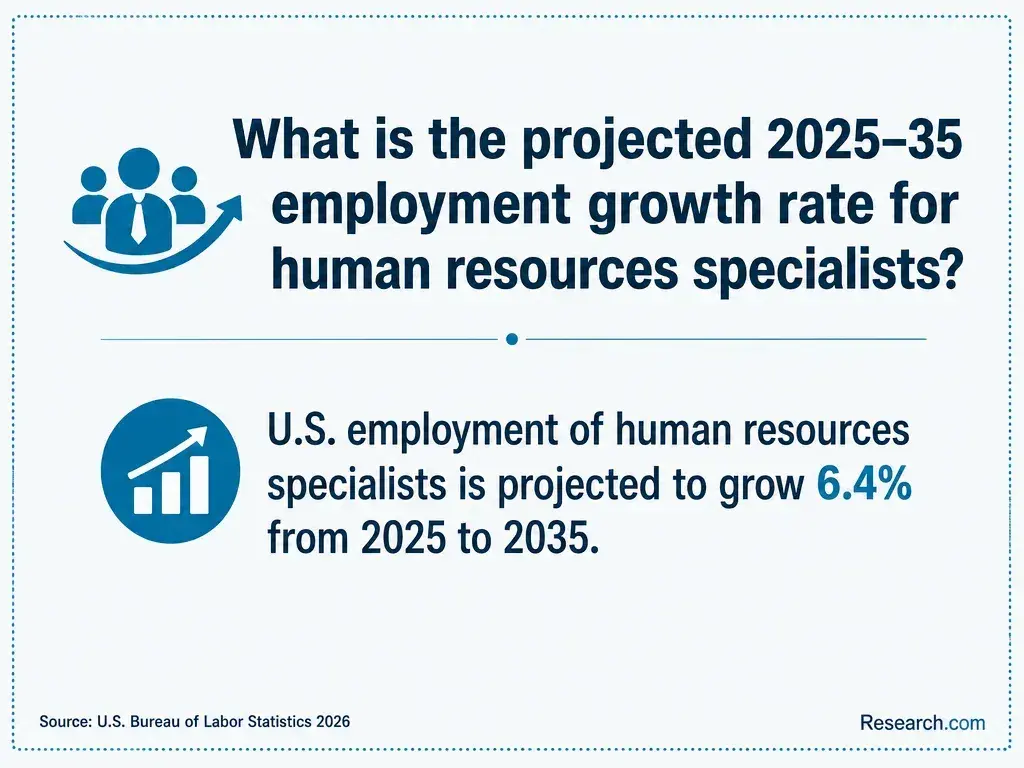
- U.S. training and development manager employment is projected to grow 6.4% from 2025 to 2035, but that projection does not establish demand for Ed.D. graduates specifically.
- Before enrolling, confirm that the program supports applied evaluation, accommodates your work schedule, and permits a feasible project using appropriately authorized organizational data.
Is an online Ed.D. in Leadership and Learning in Organizations right for compliance training leaders?
It can be a good fit if your work has expanded from delivering mandatory training to leading how an organization learns, changes, and checks whether its practices improve.
Compliance training leaders bring useful experience: they translate complex requirements, work across departments, and understand the consequences of poor implementation. A practice-oriented Ed.D. can help them examine the systems around training rather than treating every compliance failure as a knowledge gap.
Consider a recurring policy violation. Employees might misunderstand the rule, but the cause could also involve conflicting incentives, an impractical workflow, inadequate supervision, or unclear ownership.
Doctoral study in organizational learning and applied inquiry can help a leader investigate those possibilities and evaluate a response. It cannot replace the legal or technical expertise needed to interpret the rule.
The main alternatives differ in what they help you accomplish. Compare their focus with the responsibility you actually want to hold.
| Pathway | Primary value | Important limitation |
| Leadership and learning Ed.D. | Organizational change, adult learning, and practice-focused inquiry | Requires substantial time and may not deepen industry-specific regulatory expertise |
| Targeted compliance or instructional-design development | Faster preparation for a defined knowledge or delivery gap | Usually offers less depth in organizational research and change leadership |
| Employer-sponsored project or mentorship | Direct experience leading a cross-functional improvement effort | Quality depends on access to responsibility, feedback, and evidence |
| Research-oriented PhD | Preparation for sustained scholarly research | May be a less direct route for a primarily practice-focused leader |
If your immediate goal is to improve a course, reporting dashboard, or audit process, start with targeted development and a measurable workplace project. The Ed.D. becomes more compelling when you have, or are moving toward, authority over learning strategy and can use rigorous inquiry to inform decisions across teams.
What does an online Ed.D. in Leadership and Learning in Organizations teach?
Programs with this focus generally connect leadership practice, adult learning, organizational change, and research methods. For a compliance training leader, the valuable shift is from asking whether employees completed training to asking whether the learning addressed a real performance problem and what other conditions shape behavior.
Relevant study may include needs assessment, learning transfer, stakeholder engagement, program evaluation, and qualitative or quantitative inquiry. Those tools can support questions such as whether employees can apply a procedure during work, whether managers reinforce it, and whether a redesigned process is usable.
Completion rates alone cannot answer those questions; incident counts also require care because changes in reporting can affect the numbers without reflecting changes in underlying behavior.
Course exposure is not proof of expertise in statistics, legal interpretation, or compliance program design. Check the actual curriculum and faculty support for the methods you expect to use. A program's applied project may offer useful practice, but its required format and acceptable project setting vary.
What careers can compliance training leaders pursue with an online Ed.D.?
The most plausible outcome for an experienced leader is broader responsibility within a role they already know: directing training and development, leading an enterprise learning function, managing compliance education across business units, or consulting on learning and organizational change.
These jobs require different combinations of people management, regulatory knowledge, budgets, evaluation, and influence. An Ed.D. may strengthen a candidate's approach to those responsibilities; it does not confer them automatically.
A compliance training specialist seeking a first management role may gain more immediate value from supervising staff, owning a budget, and documenting a successful cross-functional project. An established training manager may be better positioned to use doctoral study to redesign learning strategy or evaluate implementation across sites. Employers will still assess sector knowledge and leadership results.
Some graduates consider university or public-service roles, but those are separate hiring markets. Readers considering organizational leadership doctorates for university leadership work should compare higher-education experience requirements with their compliance background rather than assume the doctorate bridges the gap.
Online study can preserve geographic access while you remain employed, but online does not necessarily mean self-paced. A cohort may require live evening classes, group meetings, fixed deadlines, or campus convenings. During an applied project, access to faculty, research support, and organizational partners matters as much as the location of lectures.
A campus-based program may suit someone who needs frequent in-person collaboration or access to local research networks. An online program may better suit a compliance leader whose project is based at their employer, provided attendance requirements and project supervision fit the job. Ask each program for its live-session schedule, travel obligations, group-work expectations, and support when a student's employer or project site changes.
Delivery format also does not resolve prior doctoral work automatically. If you left another doctorate unfinished, information about online Ed.D. study for returning doctoral applicants can help frame the questions to ask, but the new institution must decide whether any earlier study applies.
Course titles and requirements differ, but a relevant curriculum should give compliance training leaders a coherent sequence: leadership and organizational diagnosis; adult learning and instructional improvement; research and evaluation methods; and supervised application. The distinction matters because a single course on organizational change is not the same as sustained preparation to study and implement it.
Examine course descriptions for methods that match your work. If you need to evaluate a training intervention, look for instruction in defining outcomes, selecting appropriate comparisons, interpreting incomplete data, and explaining limitations. If your challenge is adoption across departments, look for organizational change, culture, and stakeholder work alongside learning design.
Finally, confirm how study culminates. Schools may require a dissertation, dissertation in practice, capstone, or another assessed project; the names alone do not establish equivalent work. Guidance on reviewing nontraditional Ed.D. completion requirements is a starting point, not a substitute for the program handbook and an explanation of faculty oversight.
Requirements are set by each university. Programs may ask for graduate-level preparation, professional leadership experience, transcripts, recommendations, a statement of purpose, and evidence that the applicant can undertake doctoral work.
An education degree is not a universal prerequisite: substantial responsibility for compliance learning, implementation, and evaluation may be more relevant than an education-related job title.
Present specific responsibilities rather than claiming that course volume proves leadership. Explain a real organizational learning problem, the decisions you influenced, how you used evidence, and what you still need to learn. Do not promise access to employee records or a workplace project unless the organization can authorize it.
Applicants with an education specialist degree can investigate Ed.S. progression into an online Ed.D.. Credits considered during admission are not necessarily credits transferred into the doctorate; obtain a written evaluation from the institution before assuming a shorter path.
There is no reliable universal price or completion time for an online leadership Ed.D. Required credits, enrollment pace, tuition structure, fees, convenings, and the time needed to complete the final project vary by institution. Published minimum timelines may not reflect a working leader's schedule or delays in securing project approvals and usable data.
For a meaningful comparison, request a written estimate covering required tuition and fees, likely travel, and the cost of additional terms if completion takes longer. Then review employer reimbursement limits, continued-employment conditions, and any effect of reducing paid work. An Ed.D. is a weak financial choice if its cost depends on an unconfirmed promotion or salary increase.
If your career goal shifts toward university administration, tuition support routes for higher education leadership doctorates may provide another comparison. Verify aid and employer terms for the exact program you would attend; funding for one doctoral pathway does not establish funding for another.
There is no single license required for all compliance training leadership jobs. Requirements depend on the industry, employer, and duties. A leader who designs and manages training may face different expectations from someone who provides legal advice, conducts a regulated professional activity, or holds a designated compliance officer position.
Professional certifications may demonstrate knowledge in a particular compliance field, training practice, or risk function, but an Ed.D. does not award them automatically. Check the credentialing organization's eligibility and renewal rules against your target job. Likewise, a general leadership and learning doctorate should not be mistaken for preparation for teacher or school-administrator licensure.
There is no defensible salary figure for Ed.D. graduates specifically working in compliance training leadership. The closest broad U.S. Bureau of Labor Statistics benchmark is training and development managers, whose median annual salary was $133,000 in May 2025. That occupational median covers managers with different credentials, industries, responsibilities, and experience; it is not an Ed.D. graduate salary or a forecast of what enrollment will earn you.
Use the benchmark to identify the level of role you are considering, then examine actual job postings and your employer's pay structure. A specialist moving into management faces a different compensation question from a director seeking a larger enterprise role. In either case, demonstrated leadership responsibility and sector expertise matter alongside the degree.
How can you choose an accredited online Ed.D. program?
Start by confirming the university's institutional accreditation through the accreditor's official directory and checking that it applies to the institution awarding the degree. Accreditation alone does not establish that a program is suited to compliance training, qualifies anyone for licensure, or offers the project structure you need.
To narrow a shortlist, ask program staff for documents and answers that make the practical fit testable:
- Request the curriculum, required course sequence, and descriptions of research-methods and organizational-learning coursework.
- Obtain the attendance schedule, any campus-convening requirements, and the rules governing group work and changes in enrollment pace.
- Ask what final deliverable is required, whether an employer-based compliance training question is eligible, and what happens if access to the project site changes.
- Confirm the approvals needed before using employee or learner information, along with faculty guidance, privacy expectations, and any applicable institutional review.
- Request an individualized cost estimate and written answers about aid, prior-credit evaluation, and program-specific completion requirements.
Choose for the work you intend to do, not the broad appeal of the degree name. A strong fit lets you develop leadership and evaluation skills without relying on unauthorized workplace data, an unrealistic schedule, or an assumed career payoff.
Other Things You Should Know About EdD Leadership Programs
Yes, if the project concerns learning, implementation, or organizational practice rather than offering a legal interpretation. Have qualified legal or compliance personnel review the underlying requirements.
Only if you have permission to share them. Remove confidential details where appropriate and confirm employer ownership, university rules, and any restrictions on public presentation.
Ask the program whether an approved external partner, publicly available information, or another project design is permitted. Do not assume a course assignment or an informal consulting arrangement will satisfy the final requirement.
Possibly, but the certifying organization decides which activities qualify and what documentation it requires. Confirm its rules before counting doctoral courses as continuing education.
- Understanding College Costs | studentaid.gov https://studentaid.gov/resources/prepare-for-college/students/choosing-schools/consider-costs
- Institutional Eligibility | 2025-2026 Federal Student Aid Handbook https://fsapartners.ed.gov/knowledge-center/fsa-handbook/2025-2026/vol2/ch1-institutional-eligibility
- Training Needs Assessment - Planning & Evaluating | U.S. Office of Personnel Management https://www.opm.gov/policy-data-oversight/training-and-development/planning-evaluating/
- What's the Difference Between Asynchronous and Synchronous Learning? | Ohio State Online https://online.osu.edu/content-hub/blogs/whats-the-difference-between-asynchronous-and-synchronous-learning/
- Synchronous vs. Asynchronous Classes: What You Need to Know - Boston University Questrom https://www.bu.edu/questrom/blog/synchronous-vs-asynchronous-classes-what-you-need-to-know/
- Program: Education, EdD | south.edu https://catalog.south.edu/preview_program.php
- UNC EdD Online: Organizational Learning and Leadership https://online.unc.edu/online-doctoral-programs/online-edd-organizational-learning-and-leadership/
- Doctoral Learning and Resources - Section 7. Learning Modalities and Resources - Academics at Walden University https://academics.waldenu.edu/handbook/learning-modalities/doctoral-research-resources
- What Is a Problem of Practice? | spalding.edu https://online.spalding.edu/blog/what-is-problem-practice
- Doctorate of Education in Leadership and Adult Learning in Organizations (EdD) - William Woods University https://www.williamwoods.edu/academics-programs/leadership-and-adult-learning-in-organizations-edd-online/