2027 Is a BS in Business Administration Useful for Running A Home Care Business? Degree Fit and Opportunity Cost
Audited and Verified:
Our Editorial and Data Verification Process
Research.com uses government datasets, official education statistics and primary institutional information to support its career and degree guides. Our review process checks factual accuracy, occupational definitions, source dates and the requirements associated with the credentials discussed.
How This Article Was Fact-Checked
Our editorial team verifies salary estimates, employment projections, education requirements and program information against original data providers and official organizations. Salary figures are checked against the relevant occupational definitions and reporting periods. Information about licensure, accreditation and required in-person training is reviewed separately.
Fact-checked and verified on:

Co-Founder and Chief Data Scientist
Running a home care business means managing staff, cash flow, client relationships, and rules that differ by state and service type. A BS in Business Administration can strengthen the management side, but it may not be the fastest way to meet the requirements for opening an agency.
If you are considering a degree before launching - or while operating a small agency - this guide separates useful coursework from required home care preparation. It will help you compare the degree with targeted training and experience, then decide whether the time and cost fit your plans.
Key Things You Should Know
- A BS in Business Administration can help an owner budget, hire, schedule, and measure performance, but it does not replace home care licensing or clinical credentials.
- First identify your service model and state requirements: nonmedical personal care, skilled home health, and publicly funded services can have different rules.
- A bachelor's degree commonly takes about four years of full-time study from the start; compare your remaining credits and net cost with the skills you need before launch.
Is a BS in Business Administration useful for running a home care business?
Yes - particularly if you expect to employ caregivers rather than provide every service yourself. A BS in Business Administration offers broad preparation in accounting, management, operations, marketing, and decision-making. Those subjects apply to setting prices, covering payroll, recruiting reliably, and deciding whether an agency can take on more clients.
Its limit is just as important: business coursework does not establish safe care procedures, satisfy an agency license, or qualify someone to provide nursing services. An owner with caregiving or healthcare experience may already understand clients' needs but lack financial and staffing skills; someone from a business background may face the opposite gap. Before choosing a program, compare its actual curriculum and applied assignments, not just its title. US online business education program comparisons can help you identify programs to investigate, but the school's current catalog controls what you would study.
What licenses and education are required to start a home care business?
There is no single US owner-education rule for every home care business. Requirements depend on the state, the services offered, the payer, and whether the business is an independent agency or a franchise. Nonmedical companionship and personal care should not be assumed to have the same rules as skilled home health services. Clinical work requires appropriately licensed professionals, and an agency seeking Medicare participation faces additional requirements beyond simply forming a business.
Before paying for a degree or signing a lease, define the services and location, then ask the state agency that regulates those services about agency licensure, administrator qualifications, caregiver training, background checks, supervision, and inspections. Check local business requirements and payer enrollment separately. A university's admissions office cannot confirm that its degree satisfies a state home care rule. Likewise, what to check before applying for a business administration degree concerns academic eligibility, not permission to operate an agency.
How does a business administration degree compare with home care training?
These pathways solve different problems. The comparison below shows which preparation is most relevant to the decision in front of you; none should be treated as a substitute for a requirement imposed by a regulator.
| Pathway | Most useful for | Main limitation |
| BS in Business Administration | Broad financial, staffing, marketing, and operations decisions | Usually takes substantially longer than targeted training and is not a home care license |
| Home care-specific training and supervised experience | Service delivery, care coordination, documentation, and day-to-day agency practices | May leave gaps in budgeting, hiring systems, and growth planning |
| Targeted business courses or mentorship | Closing a defined gap before or during launch | Less comprehensive than a degree and not necessarily eligible for degree credit |
If launch readiness is the immediate goal, required home care preparation comes first. A degree becomes more compelling when you also want a broad business credential or expect to manage a growing organization. A leadership-focused degree may be another option, but review its accounting and operations content before choosing online organizational leadership programs for quicker graduation over a business administration curriculum.
Prioritize courses against the decisions an agency owner actually makes. Managerial accounting helps distinguish revenue from the costs of wages, travel, supervision, and administration. Finance and spreadsheet courses can support cash-flow planning when payroll is due before a payer settles an invoice. Human resources and employment-law courses provide a foundation for recruiting and supervising staff, though state-specific legal advice remains essential.
Operations and analytics courses are useful for scheduling, tracking missed visits, and examining capacity without exposing client information in a class project. Marketing can help an owner assess referral channels and explain services accurately. If purchasing and logistics are unusually important to your proposed model, compare relevant electives with supply chain bachelor's options focused on completion speed; for a typical personal-care agency, that specialization may be less valuable than staffing and cash-flow coursework.
Online study can reduce travel and make it easier to remain employed, but it does not automatically offer self-paced work. An owner handling caregiver callouts may find fixed live sessions, group meetings, proctored exams, or rigid deadlines difficult. Campus study can provide in-person discussion and local connections, but commuting and scheduled classes compete with agency hours.
Ask each program for sample course schedules, attendance rules, group-project expectations, and policies for pausing enrollment. If you want to use agency work for an internship or capstone, obtain academic approval before relying on it for credit, and plan to protect client and employee information. When you compare business administration degrees for working learners, test their actual weekly obligations against your busiest operating weeks.
A bachelor's degree commonly takes about four years of full-time study when starting without college credit. An applicant with previous coursework may finish sooner, but only the receiving school can determine which credits satisfy general education, business core, elective, and residency requirements. Part-time study may be easier to sustain while launching an agency but extends the calendar commitment.
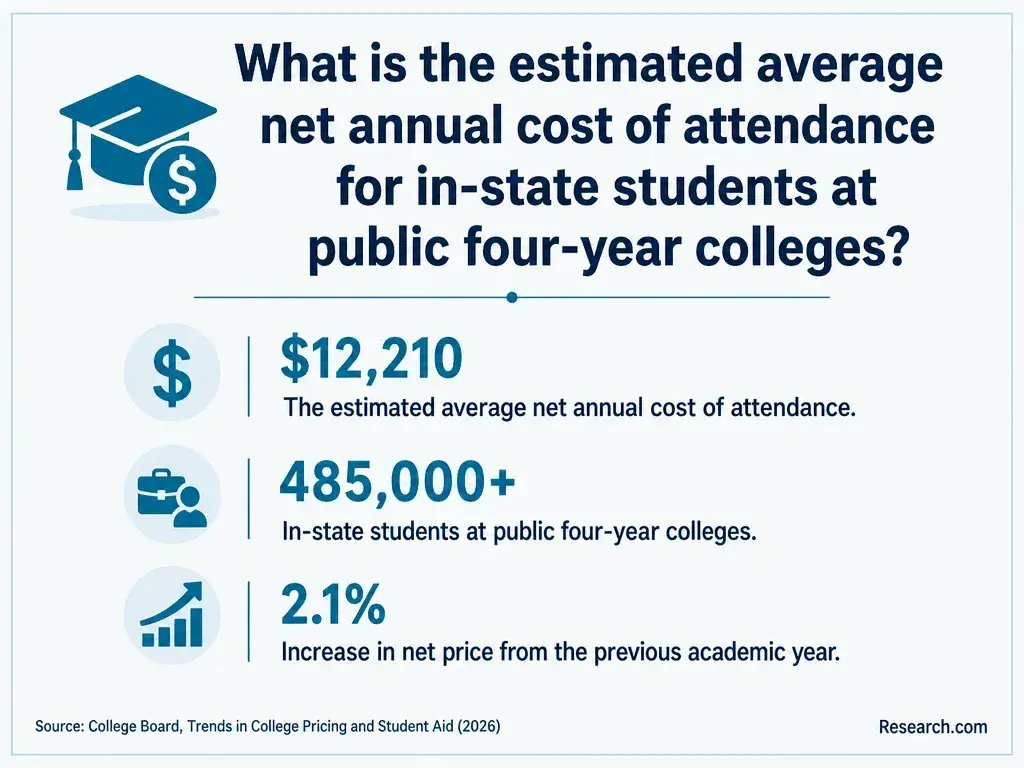
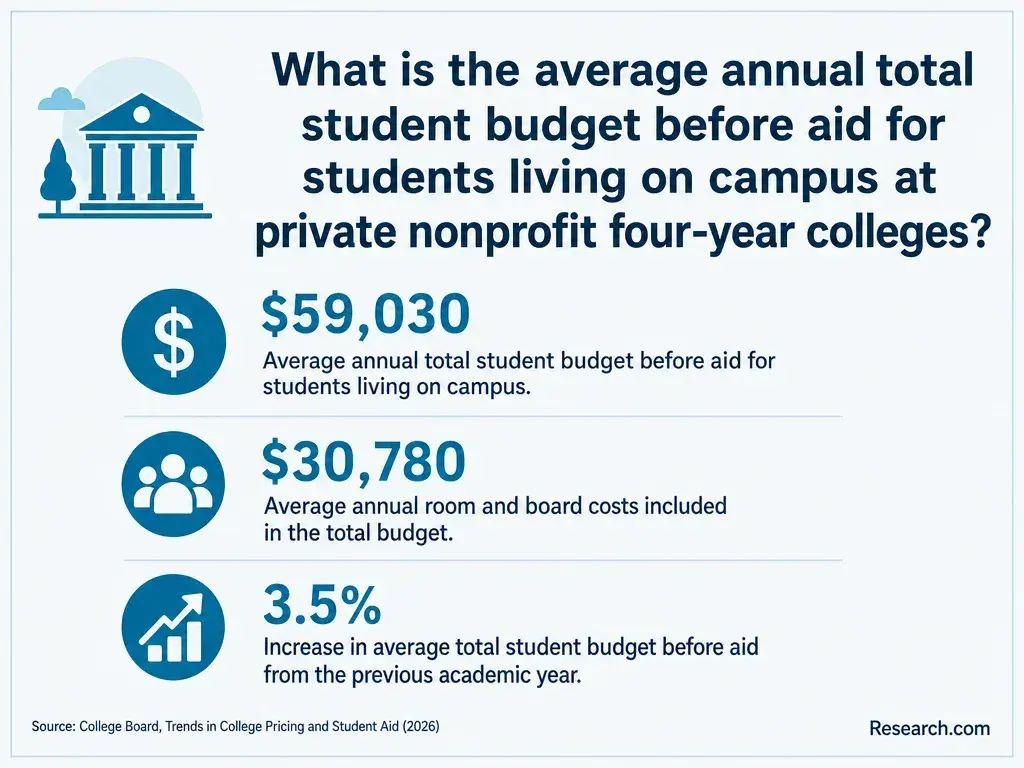
There is no responsible single price estimate without a school, residency status, credit evaluation, and aid offer. Compare remaining tuition and mandatory fees with books, technology, travel, borrowing costs, and income you may give up. If your immediate gap is coordinating projects rather than earning a broad degree, tuition and aid questions for project management students offer a useful way to scrutinize that alternative's full cost; a project management degree is not itself home care preparation.
Requirements vary by school and by whether you enter as a first-year, transfer, or returning student. Programs commonly request prior transcripts and may set GPA or prerequisite rules; some admit students to the university before they can enter the business major. Check whether accounting, mathematics, economics, or statistics must be completed before particular courses rather than assuming they are admission barriers.
If you have prior college work, request an official degree audit showing where each accepted credit applies and which courses remain. Coursework from another business field may transfer without replacing a required business administration course. Project management undergraduate transfer pathways can be a comparison point if you have credits in that subject, but the business administration school must make its own equivalency decision.
First verify that the institution holds accreditation recognized by the US Department of Education. Then check whether the business school or specific program is covered by any advertised business accreditation, such as AACSB, ACBSP, or IACBE. Those designations have different scopes; an institution's accreditation does not mean every business program has separate programmatic accreditation.
Accreditation matters for educational credibility and can affect aid eligibility, but it does not certify an agency to provide home care or prove that graduates become successful owners. Confirm the exact degree, accreditation scope, and aid eligibility directly with the school.
Lists of online business administration degrees accepting federal aid applications can narrow your search, but submitting the FAFSA does not guarantee aid or establish a program's current price.
For an aspiring home care owner, the most relevant alternative careers are roles that build transferable experience: staffing or operations coordination, recruiting, office administration, and client-service management. Entry requirements differ by employer, and a degree alone does not make a graduate an agency administrator or clinical supervisor. Relevant employment can also reveal whether you want the responsibility of ownership before you invest in it.
As one salary reference, the US Bureau of Labor Statistics reports a May 2025 median annual wage of $75,940 for human resources specialists and projects 6% employment growth from 2025 to 2035. That occupation-wide figure is not a starting salary for business graduates, a home care owner's income, or a forecast for a particular agency.
If a faster degree is part of your backup career plan, online colleges with accelerated business programs warrant scrutiny for course load and remaining-credit rules, not just advertised completion time.
Is a business administration degree worth the opportunity cost for home care entrepreneurs?
It can be worth it when you need substantial business preparation, want a bachelor's credential for a career beyond your agency, and can study without compromising launch capital or essential operating work. It is less likely to be the best first investment when a state-required qualification, supervised home care experience, or a specific budgeting skill is the immediate obstacle.
Make the decision in sequence: confirm your service model and state requirements; identify the business tasks you cannot yet perform confidently; obtain a school-specific remaining-credit and net-cost estimate; then compare that path with targeted courses, mentorship, and relevant agency work. Include delayed earnings and time away from building the business, not just tuition.
A national comparison of accelerated business bachelor's schools can identify options, but a shorter advertised timeline has value only if your credits apply and the pace is sustainable. If the degree's wider career value does not justify its cost, learn the required home care and business skills directly and revisit the BS later.
Other Things You Should Know About Business Administration
A franchise may provide operating systems and training, but it can also involve fees and contractual restrictions. Review its support and obligations independently; a franchise does not remove applicable state requirements.
Do not build a revenue forecast on that assumption. Medicare coverage for home health services is limited by eligibility and service rules; ordinary companionship is not the same as covered skilled home health care. Verify each intended payer's terms.
Build relationships by clearly describing services, service areas, and intake procedures. Follow applicable privacy and referral rules, and avoid promises about outcomes or coverage that you cannot substantiate.
Yes. A forecast that treats the owner's scheduling, recruiting, or care work as free can make an agency look more profitable than it would be with replacement staff. Model that labor separately from owner profit.
- GAC - Subject 111-8-31 HOME HEALTH AGENCIES https://rules.sos.ga.gov/gac/111-8-31
- Home Care Regulations | Department of Health https://www.pa.gov/agencies/health/facilities/out-patient-healthcare-facilities/home-care/home-care-regulations
- Analysis of State Efforts to Comply with Fair Labor Standards Act Protections to Home Care Workers | ASPE https://aspe.hhs.gov/reports/analysis-state-efforts-comply-fair-labor-standards-act-protections-home-care-workers-0
- Manage your business - Small Business Administration https://www.sba.gov/counseling/manage-your-business/
- Home Health Agencies | CMS https://www.cms.gov/medicare/health-safety-standards/certification-compliance/home-health-agencies
- What Can You Do With a Business Degree? | American Military University https://www.amu.apus.edu/area-of-study/business-administration-and-management/resources/what-can-you-do-with-a-business-degree/
- Business Administration Bachelor's Degree Online | The Pennsylvania Institute of Technology https://www.pit.edu/programs/b-s-business-administration/
- What Can You Do With a Business Administration Degree? | snhu.edu https://www.snhu.edu/about-us/newsroom/business/what-can-you-do-with-a-business-administration-degree
- What's the Difference Between Business Administration and Business Management? | Husson University https://www.husson.edu/online/blog/2022/02/business-administration-vs-business-management
- Opportunities With a Business Administration Degree | Saint Mary's University of Minnesota https://www.smumn.edu/blog/what-doors-can-a-business-administration-degree-open/