2027 Is a 2-Year Applied Business & Technology Degree Worth It: Accelerated Bachelor's ROI & Time Trade-Offs

Co-Founder and Chief Data Scientist
The key question is not whether a 2-year applied business & technology degree is faster. It is whether the faster path produces enough career value to justify the pace, cost, and pressure of an accelerated schedule. For students who want to move into business operations, technology support, analytics, project coordination, or management-adjacent roles sooner, the format can be appealing. For students who need a slower academic rhythm, extensive internships, or a highly traditional campus experience, it may be a poor fit.
Recent data shows that graduates with accelerated business and technology degrees increase their earning potential by an average of 15% within three years compared to those with associate degrees. That potential gain matters, but it should be weighed against tuition, financial aid timing, workload, lost income, employer recognition, and whether the credential supports your target job market.
This guide explains how 2-year applied business & technology programs work, what admissions and weekly workload usually look like, how online options compare, what costs and financial aid issues to check, and how to judge return on investment before enrolling.
Key Benefits of a 2-Year Applied Business & Technology Degree
- Accelerated 2-year degrees in applied business & technology reduce time to workforce entry, increasing lifetime earnings by up to 20% compared to longer programs.
- The condensed curriculum offers practical skills aligned with industry demands, improving employment rates by 15% over traditional 4-year degrees.
- Lower tuition costs and fewer living expenses minimize debt, enhancing return on investment within three years post-graduation.
How Do 2-Year Applied Business & Technology Programs Work?
A 2-year applied business & technology program is built for speed and practical career preparation. Instead of spreading general education, business, management, and technology coursework across the standard 48 months, these programs compress the academic calendar into an intensive sequence that can often be completed in 18 to 24 months.
The format is not simply “fewer classes.” Students usually complete a similar credential in a tighter schedule, with shorter terms, fewer breaks, and less room to fall behind. That structure can work well for focused learners, working adults with clear goals, and students who already have some college credit or professional experience.
- Accelerated pacing: Coursework is condensed into a shorter timeline, which can help students graduate and return to the workforce sooner. The trade-off is a faster pace with less recovery time between assignments and exams.
- Year-round enrollment: Many programs run continuously through the calendar year rather than relying on long summer breaks. This keeps momentum high but can make vacations, work peaks, and family obligations harder to manage.
- Condensed course terms: Classes often last six to eight-week sessions instead of full semesters. Students need to engage early because the first missed week can represent a large share of the course.
- Credit load expectations: A typical term may include 12 to 15 credits. In an accelerated calendar, that can feel heavier than the same number of credits in a traditional semester.
- Instructional format: Programs may be online, in person, or hybrid. Online formats add flexibility, while in-person or hybrid models may provide more structure, networking, and hands-on support.
- Assessment methods: Expect frequent quizzes, applied projects, presentations, reports, and exams. The emphasis is usually on using business and technology concepts in practical scenarios.
- Curriculum progression: Courses are sequenced carefully so that foundational skills in communication, business operations, information systems, data use, and project work build toward more advanced applications.
The biggest advantage is time. Completing a degree sooner may reduce some indirect costs and help students pursue promotions or new roles earlier. However, per-term expenses can be higher, and students may need to reduce work hours to keep up. When weighing the return on investment, consider career demand as well; related fields are associated with an 8% employment increase over the next decade. Students comparing very different professional directions may also review healthcare-focused alternatives such as a pharmacy degree online, but the right choice should start with the career you actually want.
What Are the Admission Requirements for a 2-Year Applied Business & Technology Degree?
Admission requirements for 2-year applied business & technology programs are usually designed to confirm that applicants can handle a compressed academic schedule. Schools may be more flexible than highly selective traditional programs, but accelerated formats still require readiness in writing, quantitative reasoning, technology use, and independent study.
Requirements vary by institution, so applicants should verify details directly with the admissions office. Pay close attention to whether the program is a degree-completion pathway, a first-time bachelor’s option, or a transfer-friendly program for students who already hold credits.
- Prior education: Most programs require a high school diploma or equivalent, such as a GED. Some programs may expect prior college credits, especially if the degree is structured as an accelerated completion pathway.
- GPA expectations: A minimum GPA around 2.0 to 2.5 on a 4.0 scale is common. More selective or transfer-based programs may set higher standards because students must move quickly through upper-level coursework.
- Standardized tests: SAT or ACT scores are less frequently required, especially for adult learners, transfer students, or applicants with relevant work experience. If tests are optional, a strong transcript or resume can matter more.
- Prerequisite courses: Schools may require or recommend basic coursework in mathematics, English, computer applications, or introductory business. Missing prerequisites can delay the accelerated timeline.
- Work experience: Experience in business, administration, customer operations, information technology, logistics, finance, or related settings can strengthen an application and help students connect coursework to real workplace problems.
- Additional materials: Some programs ask for letters of recommendation, a personal statement, a resume, or an interview. These materials help admissions teams assess motivation, schedule readiness, and career fit.
Applicants should also ask how transfer credits are evaluated, whether prior learning or professional certifications can count toward the degree, and how quickly an official credit review can be completed. Accelerated bachelor’s pathways can reduce completion time by nearly two years compared to traditional programs, according to sources like the National Center for Education Statistics, but only if the student enters with the right academic plan. Students comparing workload across intensive programs may also examine options such as DNP programs to understand how admission expectations differ by field.
What Does a Typical Week Look Like in a 2-Year Applied Business & Technology Program?
A typical week in a 2-year applied business & technology program is structured and assignment-heavy. Students should expect steady deadlines rather than occasional high-stakes exams only. In accelerated terms, weekly consistency matters more than last-minute studying because a single late project can affect a large portion of the course grade.
- Class sessions and lectures: Students may attend live sessions, watch recorded lectures, or complete guided modules. Topics often combine business fundamentals with technology tools, systems thinking, data interpretation, and operational problem-solving.
- Assignments and assessments: Weekly assignments may include case studies, discussion posts, spreadsheet tasks, short papers, presentations, quizzes, and applied projects. These are designed to check progress frequently.
- Group collaboration: Many courses include team projects that mirror workplace expectations. Students may need to coordinate schedules, divide tasks, resolve conflict, and present a shared recommendation.
- Independent study: Reading, research, software practice, and project preparation take substantial time outside class. Students who wait until the end of the week often struggle in six to eight-week terms.
- Instructor engagement: Office hours, discussion boards, email, and feedback sessions can be important, especially when technical concepts or business analysis assignments move quickly.
- Time management: The schedule usually requires several focused study blocks each week. Working students should plan coursework around job demands before the term starts, not after deadlines begin stacking up.
The best preparation is to build a weekly routine before classes start. Block study time, confirm work coverage during major project weeks, and learn the school’s learning management system early. Students with unpredictable shifts, caregiving responsibilities, or heavy travel should ask whether courses are asynchronous, whether deadlines are flexible, and how group work is handled.
One professional who completed a 2-year accelerated bachelor’s degree in applied business & technology described the experience as demanding but motivating. “I quickly realized that staying organized wasn’t optional,” he said, explaining that project deadlines often competed with job responsibilities. “There were moments when I questioned if I could keep up, but the fast pace kept me engaged and constantly learning.” His experience reflects a common pattern: the workload can be intense, but students who manage the schedule well may build discipline that carries into their careers.
Are 2-Year Applied Business & Technology Programs Available Online?
Yes. Many 2-year applied business & technology programs are available online or in hybrid formats. Online delivery is often a practical match for accelerated programs because it removes commuting time and allows working adults to fit coursework around jobs, family responsibilities, or relocation limits.
Flexibility does not mean the program is easier. Online students need reliable technology, strong self-direction, and a clear plan for meeting short-term deadlines. Before enrolling, compare delivery format as carefully as tuition or curriculum.
- Fully online programs: These allow students to complete coursework remotely. They can be ideal for students who need geographic flexibility, but they require strong independent study habits.
- Hybrid programs: These combine online coursework with occasional in-person meetings, labs, presentations, or workshops. Hybrid formats may offer more structure and networking but can be harder for students who live far from campus.
- Asynchronous learning: Students access lectures and assignments on their own schedule. This is useful for working adults, but weekly deadlines still apply.
- Synchronous learning: Students attend live virtual classes at set times. This can improve interaction and accountability but may conflict with work schedules.
- Technology requirements: Students typically need a dependable computer, stable internet access, webcam or microphone access, and sometimes specialized software for analytics, collaboration, or business applications.
- Student support services: Online tutoring, advising, technical support, library access, and career services can make a significant difference. Ask whether these services are available outside standard business hours.
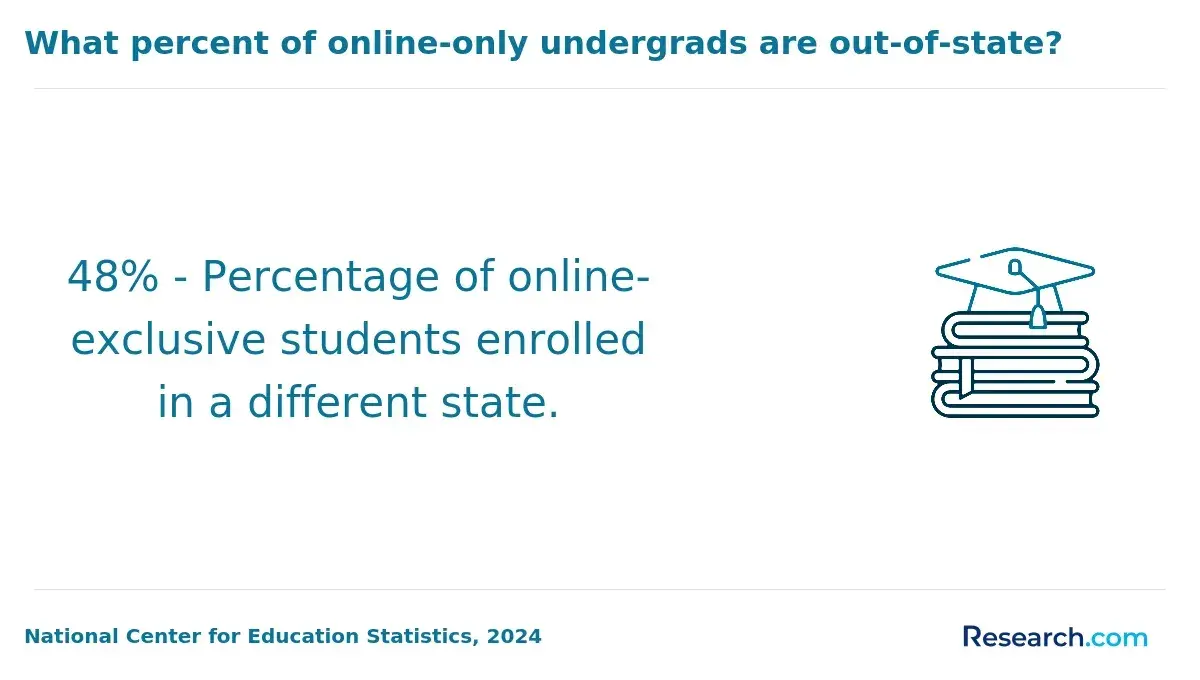
- Pacing and engagement: Online accelerated programs can still be completed in about two years instead of four, but students must actively participate to avoid falling behind.
If affordability and online delivery are both priorities, students can compare program costs, accreditation, support services, and outcomes across the best online business schools before committing to an accelerated option.
How Much Does a 2-year Applied Business & Technology Degree Cost?
The cost of a 2-year applied business & technology degree depends on tuition model, transfer credits, school type, fees, technology requirements, and whether the student can keep working while enrolled. Accelerated programs may reduce total time in school, but they do not automatically guarantee the lowest total cost.
Students should calculate the full price of attendance, not just tuition. A program with a lower sticker price may become more expensive if it accepts fewer transfer credits, requires costly software, or forces a student to reduce work hours.
- Tuition structure: Schools may charge by credit hour, term, semester, or program. Accelerated terms can carry higher per-term charges because more coursework is packed into a shorter period.
- Mandatory fees: Technology access, lab fees, student services, graduation fees, and administrative charges can add several hundred dollars to total expenses.
- Textbooks and learning materials: Business and technology courses may require textbooks, digital access codes, case-study platforms, or subscriptions.
- Technology and lab costs: Students may need updated hardware, reliable internet, productivity software, analytics tools, or other course-specific applications.
- Reduced indirect costs: Because accelerated pacing can shorten enrollment by about two years compared to traditional degrees, students may reduce some housing, commuting, and time-related expenses.
- Opportunity cost: The most overlooked cost is lost or reduced income. If the workload forces a student to cut hours at work, that should be included in the ROI calculation.
Ask each school for a written estimate that includes tuition, fees, books, technology costs, expected transfer credits, and the total number of terms needed to graduate. Students exploring shorter or lower-cost credentials in other fields may compare options such as medical billing and coding certification online, but a certificate and a bachelor’s-oriented applied business & technology path usually serve different career goals.
Can You Get Financial Aid for 2-Year Applied Business & Technology Programs?
Students can often use financial aid for 2-year applied business & technology programs, but eligibility depends on the school, accreditation, enrollment status, degree level, and program approval for aid. The most important first step is confirming that the institution is properly accredited and that the specific program qualifies for the aid source you plan to use.
Accelerated calendars can make aid planning more complicated because terms are shorter and disbursement timing may differ from traditional semesters. Students should speak with the financial aid office before enrolling and ask for a term-by-term funding plan.
- Federal student aid eligibility: Most accredited applied business & technology programs may qualify students for federal financial aid, including Pell Grants and Direct Loans. Students typically begin by completing the FAFSA.
- Targeted scholarships and grants: Private organizations, industry associations, employers, and state programs may offer funding for business, technology, adult learners, transfer students, or career changers. Grants and scholarships do not require repayment.
- Employer tuition assistance: Working adults may be able to use tuition reimbursement or direct employer assistance. Check grade requirements, reimbursement timing, annual caps, job tenure rules, and whether you must remain with the employer after receiving benefits.
- Payment plans: Schools may offer installment plans that spread charges across a term. This can help with cash flow but does not reduce the total cost.
- Impact of accelerated pacing: Because students complete courses faster than in traditional four-year programs, they should verify when aid is disbursed, how summer or year-round enrollment is handled, and what happens if they withdraw from a short term.
One graduate described the financial aid process as manageable but demanding. “Balancing work, school, and managing my aid was intense,” she said. Shorter terms required close communication with the financial aid office so grants and loans were applied on time. Employer reimbursement helped, but it required maintaining strong grades and meeting tenure eligibility rules. Her experience highlights a practical lesson: aid can make an accelerated program financially feasible, but only if students track deadlines and requirements carefully.
What Jobs Can You Get With a 2-Year Applied Business & Technology Degree?
A 2-year applied business & technology degree can prepare graduates for roles that sit between business operations and technology use. These positions often require communication skills, basic data literacy, process improvement, software familiarity, and the ability to coordinate work across departments.
Job titles vary by employer, and a degree alone does not guarantee employment. Candidates usually improve their prospects by pairing the degree with internships, work experience, certifications, a portfolio of projects, or demonstrated skill with common business and technology tools.
- Business analyst assistant: Graduates may help collect data, document workflows, prepare reports, and support process improvement projects. This role can be a stepping stone toward business analysis, operations analysis, or systems-focused work.
- Technology support specialist: Students with stronger technical skills may move into roles that troubleshoot systems, support users, maintain basic IT operations, or coordinate technology services for business teams.
- Project coordinator: Graduates may help track timelines, budgets, deliverables, meetings, and communication for business or technology initiatives. This role rewards organization and clear documentation.
- Administrative manager: Some graduates move into office operations, workflow management, vendor coordination, and team support roles. Technology fluency can be valuable as organizations digitize administrative processes.
- Industry versatility: Graduates may pursue opportunities in finance, healthcare, manufacturing, retail, logistics, education, and other sectors that rely on business systems and digital tools.
The accelerated undergraduate format can be useful for working adults and career changers who need marketable skills quickly. However, advancement may depend on experience, performance, professional certifications, and whether the employer requires a traditional bachelor’s degree for management tracks.
Students comparing career paths across fields may also review programs such as the cheapest online acute care nurse practitioner programs, which involve different timelines, clinical expectations, and licensing considerations than business and technology roles.
How Do Salaries Compare for 2-year Applied Business & Technology Degree vs. Traditional Bachelor's Degrees?
Salary comparisons should be interpreted carefully because outcomes depend on job title, industry, location, prior experience, employer recognition, and whether the program is viewed as equivalent to a traditional bachelor’s degree. A faster degree may help a student enter the workforce sooner, but a traditional bachelor’s pathway may offer broader recruiting access in some markets.
- Early-career salaries: Graduates with a 2-year applied business & technology degree typically start with a median salary around $48,000, while accelerated bachelor’s graduates earn approximately $55,000 to $60,000. In contrast, traditional four-year bachelor’s degree holders often begin with around $72,000 annually, reflecting employers’ preference for broader academic preparation.
- Long-term earning potential: Traditional bachelor’s degree holders often see stronger salary growth in leadership, management, and strategic roles. Applied degree holders may progress more slowly unless they build specialized skills, certifications, or strong work experience.
- Employer perception: Some employers focus on skills and experience, while others screen applicants based on degree type, school reputation, or traditional academic pathways. Students should review job postings in their target market before enrolling.
- Career progression timelines: Accelerated programs can save 1-2 years of education, giving graduates more time to gain work experience. That earlier entry can partly offset a lower starting salary.
- Lifetime earnings gap: Entering the workforce earlier may narrow the difference over time, but the gap usually remains in favor of bachelor’s degree graduates, especially in fields where advanced qualifications are strongly rewarded.
The practical takeaway is to compare total career value, not salary alone. A lower-cost accelerated pathway may make sense if it leads quickly to a target role, promotion, or employer-supported advancement. A traditional bachelor’s degree may be the better investment if your goal is competitive corporate recruiting, graduate school, or leadership roles that strongly prefer a conventional four-year credential. Students considering later advancement in another field may also examine specialized pathways such as the cheapest BSN to DNP programs, but salary expectations should always be tied to the specific profession.
Which Factors Most Affect ROI for Accelerated Applied Business & Technology Degrees?
The ROI of an accelerated applied business & technology degree depends on more than tuition. Students should measure the full investment against the degree’s ability to improve earnings, shorten time to employment, support promotion, and remain useful as technology and business practices change.
- Time-to-completion: Accelerated programs typically shorten degree length from four years to around two. Finishing sooner can reduce time in school and help students pursue full-time employment or advancement earlier.
- Tuition and total cost: Per-credit or per-term rates may be higher in intensive formats, but total cost may be lower if the student completes fewer terms. Always include fees, books, software, travel, and lost income in the calculation.
- Opportunity cost savings: Graduating sooner may allow students to earn earlier and build experience faster. Data shows that bachelor’s holders in these fields earn roughly 65% more annually than those with only a high school diploma.
- Employment outcomes and industry demand: ROI improves when the program is aligned with roles that are hiring in the student’s region or preferred remote market. Business analytics, project coordination, systems support, and operations-focused roles may reward applied skills.
- Transferability and applicability of skills: Skills in project management, information systems, data analysis, communication, and process improvement can transfer across industries. The more portable the skills, the stronger the long-term value.
- Accreditation and employer acceptance: A lower-cost program can become a poor investment if employers or graduate schools do not recognize the credential. Confirm institutional accreditation and ask how graduates use the degree.
- Student fit: Even a well-priced program can have weak ROI if the student cannot sustain the accelerated pace. Withdrawal, failed courses, or delayed completion can quickly reduce the value of the faster format.
A strong ROI case usually includes a clear target job, manageable debt, confirmed transfer credit, solid student support, and evidence that employers value the credential. If any of those pieces are missing, students should pause before enrolling.
How Do You Decide If a 2-year Applied Business & Technology Degree Is Right for You?
A 2-year applied business & technology degree may be right for you if you need a faster path to a credential, can handle compressed coursework, and have a realistic career goal that matches the program’s curriculum. It is less likely to be a good fit if you need a slower pace, extensive campus involvement, long internship windows, or a highly traditional academic route.
Start with your career goal. Review job postings for the roles you want and note the degree level, experience, software skills, certifications, and salary ranges employers request. If the program’s coursework maps closely to those requirements, the degree may support a strong ROI. If the connection is vague, keep looking.
- Choose the accelerated path if: you are organized, comfortable with weekly deadlines, able to study year-round, and motivated by faster completion.
- Be cautious if: you work unpredictable hours, need frequent breaks between terms, struggle with independent learning, or have major obligations that could interrupt coursework.
- Check financial fit: Compare total program cost with expected earnings and employment opportunities. Bachelor’s holders in business and technology fields generally earn 20-30% more than those with associate degrees.
- Evaluate employer perception: Some employers may value applied skills, while others may favor graduates with longer study periods, internships, or traditional bachelor’s degrees.
- Plan for future education: If you may pursue graduate school or a licensed profession later, confirm that the credential will meet admissions or prerequisite expectations.
The right decision is the one that fits your schedule, budget, learning style, and target job market. A fast degree is valuable only when it moves you toward a specific outcome without creating unmanageable academic or financial risk.
What Graduates Say About Their 2-Year Applied Business & Technology Degree
- : "Choosing the two-year applied business & technology program was a game-changer for me because I wanted to jumpstart my career without the typical four-year wait. The accelerated schedule was intense, but staying organized and committed made it manageable. Since graduating, I've landed a management role that values my practical skills and knowledge, making the investment of roughly $30,000 well worth it. — Dino"
- : "I took the two-year applied business & technology program to balance work and study efficiently. Although the course load was challenging, the structure taught me valuable time management skills that I use daily. Reflecting now, this degree opened doors in the tech sector that I wouldn't have accessed otherwise, especially considering the affordable cost compared to traditional programs. — Kallie"
- : "From a professional standpoint, enrolling in the applied business & technology degree accelerated my career trajectory significantly. Managing an accelerated curriculum alongside a part-time job demanded discipline, but mastering that pace built resilience. With graduation behind me, I now apply cutting-edge business and technology concepts at my firm, proving that the investment and effort truly pay dividends. — Landon"
Other Things You Should Know About Applied Business & Technology Degrees
In 2027, a 2-year Applied Business & Technology degree can be a time-efficient alternative to traditional bachelor's programs. It often leads to faster entry into the job market. However, the ROI depends on the industry, employer recognition, and individual career goals. For some, an accelerated bachelor's may yield better long-term benefits.
Transfer credit is set by the receiving university, not the 2-year program. Many bachelor’s-completion pathways accept up to 60 semester credits from an approved associate degree, but business and technology courses transfer best when they match the bachelor’s curriculum and come from an accredited institution.
References
- Accelerated Degrees in Business & Accounting - Summit Technology Academy https://sta.lsr7.org/academics/accelerated-college/accelerated-business-degree-program
- Should I Apply for a Business-Technology Degree? | The Red Pen https://theredpen.in/blog/should-i-apply-for-a-business-technology-degree/
- BA (Hons) Business & Management (2-year Accelerated Degree) | Bournemouth University https://www.bournemouth.ac.uk/study/courses/ba-hons-business-management-2-year-accelerated-degree
- Top 1 to 2-Year Online DBA Programs: Accelerate Your Education https://www.eimt.edu.eu/top-1-year-2-year-accelerated-dba-programs-online
- University 2 Business: Technological careers, how university programs evolve - OPIT - Open Institute of Technology https://www.opit.com/magazine/university-2-business-technological-careers-how-university-programs-evolve/
- Help international who needs financial aid find reasonable/slight reaches for business/finance - Applying to College - College Confidential Forums https://talk.collegeconfidential.com/t/help-international-who-needs-financial-aid-find-reasonable-slight-reaches-for-business-finance/3671098
- Accelerated Business Degrees https://www.ncirl.ie/Study/Accelerated-Business-Degrees
- Bachelor of Arts in Applied Business and Technology Solutions – Business & Tech Degree https://aut-edu.uz/bachelors/bachelor-of-arts-in-applied-business-and-technology-solutions
- Financial Aid | Online IT Education - CIAT https://www.ciat.edu/financing
- 5 Reasons You Should Consider an Accelerated Business Degree https://blog.ncirl.ie/5-reasons-you-should-consider-an-accelerated-business-degree