
2027 How to Compare Applied Business & Technology Degree Programs Effectively

Co-Founder and Chief Data Scientist
Choosing an applied business & technology degree is not just a question of which school looks convenient. Programs with similar names can prepare students for very different outcomes: business operations, information systems, analytics, cybersecurity, supply chain technology, project management, or supervisory roles that blend business judgment with technical fluency.
This guide is for prospective students, working adults, transfer students, and career changers who need to compare programs before committing tuition dollars and time. Recent data shows that over 65% of applied business & technology graduates secure employment within six months, but outcomes vary by accreditation, specialization, hands-on learning, employer connections, schedule format, and total cost. Use the sections below to evaluate whether a program fits your career target, learning style, budget, and long-term professional plans.
Key Benefits of Comparing Applied Business & Technology Degree Programs Effectively
- Verify program accreditation and institutional credibility to ensure quality education and employer recognition in the applied business & technology field.
- Compare curricula to confirm alignment with your career goals, focusing on specialization options and practical skill development relevant to industry demands.
- Evaluate total costs against potential return on investment, considering financial aid, flexible scheduling, and average graduate employment rates, which exceed 85% within six months.
What Types of Accreditation Should a Applied Business & Technology Degree Program Have?
Accreditation should be one of the first filters you use when comparing applied business & technology degree programs. It affects whether a school can participate in federal financial aid, whether credits may transfer, how employers view the credential, and whether the degree can support future graduate study or certification goals. According to the U.S. Department of Education, nearly 90% of employers prefer candidates with degrees from regionally or nationally accredited institutions.
The most important distinction is whether the institution itself is accredited and whether the business or technology program has an additional field-specific credential. A program can have strong marketing, flexible scheduling, and appealing course titles, but accreditation is what helps verify that it meets recognized academic standards.
- Regional Accreditation: Regional accreditation reviews the institution as a whole and is often the most widely accepted form of institutional accreditation for credit transfer, graduate school admission, and federal financial aid eligibility. Students who may later change schools, pursue a bachelor’s or graduate degree, or apply for employer tuition reimbursement should give this category close attention.
- National Accreditation: National accreditation is common among career-oriented, technical, or specialized institutions. It can be legitimate, but acceptance varies by employer, graduate school, and transfer institution. Before enrolling, ask whether credits have transferred to the schools you might attend later and whether major employers in your field recognize the credential.
- Programmatic Accreditation: Programmatic accreditation applies to a specific discipline or department. In business-related fields, accreditation from organizations such as the Accreditation Council for Business Schools and Programs (ACBSP) can signal that the curriculum has been reviewed against industry-informed standards. It is especially useful when comparing programs that claim to prepare students for management, analytics, information systems, or applied business roles.
Ask admissions offices direct questions: Who accredits the institution? Is the accreditor recognized by the U.S. Department of Education? Does the business or technology program hold separate accreditation? Will credits transfer to nearby public universities? Are graduates eligible for the certifications you may want? Students comparing other accredited pathways, including fast-track EdD degree programs, should apply the same level of scrutiny before enrolling.
What Specializations Are Offered in Applied Business & Technology Degree Programs?
Specializations help turn a broad applied business & technology degree into a clearer career pathway. Because business roles increasingly depend on software, data, security, automation, and digital operations, students should choose a concentration based on the type of work they want to do after graduation. With business roles incorporating more technology, related jobs are expected to grow 11% between 2020 and 2030, according to the U.S. Bureau of Labor Statistics.
Common specialization areas include:
- Information Systems Management: This option focuses on the connection between business processes and technology systems. Students commonly study systems analysis, database concepts, project management, enterprise software, and IT decision-making. It is a practical fit for students interested in business analyst, systems coordinator, IT supervisor, or technology operations roles.
- Cybersecurity: A cybersecurity concentration prepares students to understand digital risk from a business perspective. Coursework may cover network security, threat assessment, compliance, risk management, incident response, and protection of business data. This path is best for students who want technical responsibility and are comfortable with detail-oriented problem solving.
- Data Analytics: Data analytics emphasizes how organizations collect, interpret, and use information to make decisions. Students may work with spreadsheets, databases, visualization tools, statistics, and reporting methods. This specialization can support roles in business analysis, operations reporting, sales analytics, and performance measurement.
- Supply Chain Technology: This area connects logistics, operations, inventory, procurement, and technology-enabled process improvement. It can be useful for students interested in manufacturing, distribution, transportation, retail operations, or procurement environments where automation and data systems shape daily decisions.
When comparing specializations, do not rely only on the title. Review the required courses, software tools, capstone projects, internship options, and employer partnerships tied to each track. A concentration should build a coherent skill set, not just add a few electives to a general business curriculum. Students considering other flexible accredited pathways, such as accredited online counseling programs, should use the same approach: confirm that the curriculum matches the career outcome, not just the degree label.
How Can You Compare Courses Across Applied Business & Technology Degree Programs?
Course comparison is where program differences become visible. Two applied business & technology degrees may advertise similar outcomes, but one may emphasize management theory while another requires database work, analytics projects, cybersecurity labs, or process-improvement assignments. Research shows that programs with well-defined curricula and strong skill training can achieve course completion rates up to 15% higher than more generalized options.
Start by collecting each program’s degree plan, course descriptions, prerequisites, credit requirements, and sample syllabi if available. Then compare what students actually learn, how they are assessed, and whether the curriculum builds skills in a logical sequence.
- Review Course Syllabi: Syllabi show more than catalog descriptions. Look for weekly topics, major assignments, required software, grading methods, readings, and project expectations. Strong applied programs usually include case studies, simulations, business technology projects, and deliverables that resemble workplace tasks.
- Identify Skill Acquisition: Prioritize courses that teach practical skills alongside business concepts. Useful topics may include data analysis, systems thinking, process mapping, project coordination, database fundamentals, cybersecurity awareness, communication, budgeting, and technology-enabled decision-making.
- Check Workload and Sequencing: Credit hours alone do not reveal difficulty. Ask how many courses students usually take while working, whether courses must be completed in a strict order, and whether technical classes require prerequisites. A program that looks flexible may still be difficult to manage if key courses are offered only once per year.
- Look for Experiential Learning: Internships, capstones, consulting projects, simulations, and portfolio assignments help demonstrate readiness to employers. A final project tied to a real business problem can be more valuable than a purely exam-based curriculum.
- Evaluate Faculty Credentials: Instructors with both academic preparation and relevant industry experience can connect theory to workplace practice. Review faculty profiles for experience in business operations, information systems, analytics, cybersecurity, supply chain, project management, or entrepreneurship.
| Course Feature | Why It Matters | Question to Ask |
| Required technical tools | Shows whether students practice with current workplace methods. | Which software, platforms, or systems will I use? |
| Capstone or applied project | Helps students graduate with evidence of practical problem-solving. | Can I use the final project in a portfolio or interview? |
| Business communication assignments | Applied technology roles often require explaining technical findings to nontechnical teams. | Will I practice presentations, reports, dashboards, or executive summaries? |
| Internship or field experience | Can improve job readiness and help students test a career direction. | Does the school help secure placements, or must students find them independently? |
Students who need a flexible business pathway may also compare related options, including online EMBA programs, but the same rule applies: examine the courses, not just the credential name.
What Scheduling Options Are Available in Applied Business & Technology Degree Programs?
Scheduling can determine whether a program is realistic. Many applied business & technology students are working adults, parents, military-affiliated learners, or transfer students who cannot attend traditional weekday classes. The best schedule is the one you can sustain without undermining your job, finances, health, or academic performance.
Common scheduling formats include:
- Part-Time Enrollment: Part-time study lets students take fewer courses each term. It usually extends the time to completion, but it can reduce stress and make it easier to maintain employment. This option is often best for students with full-time jobs or caregiving responsibilities.
- Evening and Weekend Classes: Evening and weekend courses are designed for students who can commute but need classes outside standard work hours. They provide face-to-face interaction while limiting disruption to daytime employment.
- Online Learning: Fully online courses may be asynchronous, synchronous, or a combination of both. Asynchronous courses provide the most scheduling control, while live online meetings offer more structure. Students comparing online options should verify deadlines, proctored exam rules, technology requirements, and whether group projects require real-time meetings. Cost-conscious students may also compare online colleges for business degree options when evaluating flexible applied business pathways.
- Hybrid Formats: Hybrid programs combine online coursework with campus meetings, labs, workshops, or intensive sessions. They can be a good compromise for students who want flexibility but still value in-person support and hands-on learning.
- Accelerated and Self-Paced Tracks: Accelerated formats compress courses into shorter terms, while self-paced tracks may allow students to move quickly through familiar material. These options can shorten completion time, but they require strong time management and may not be ideal for students who need consistent instructor contact.
Before choosing a format, ask how often courses are offered, whether required classes are available online every term, how quickly students typically finish, and what happens if you need to pause enrollment. A flexible program should have clear policies for stop-outs, transfer credits, prior learning credit, and re-entry.
What Are the Pros and Cons of Online vs Campus-Based Applied Business & Technology Degrees?
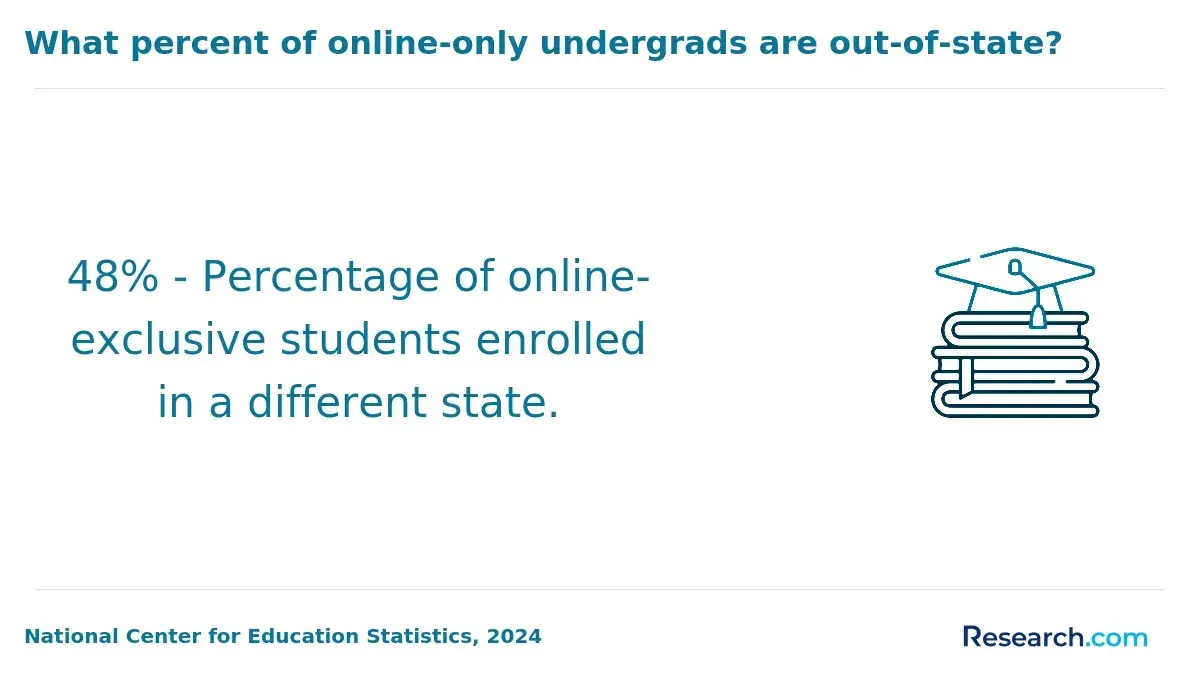
The choice between online and campus-based study affects more than convenience. It shapes how you interact with faculty, complete technical work, build relationships, access career services, and stay motivated. Nearly 38% of U.S. college students are enrolled exclusively in distance education, making online delivery a mainstream option, but it is not automatically the best fit for every learner.
Online Programs
- Greater Flexibility: Online programs are often the strongest option for students who work full time, live far from campus, travel frequently, or need to study around family obligations.
- Broader Program Access: Students are not limited to nearby schools, which can make it easier to find a specific specialization, transfer-friendly format, or affordable option.
- Need for Self-Management: Online success depends on planning, discipline, communication, and comfort with learning management systems. Students who rely on in-person reminders or spontaneous office visits may need extra support.
- Possible Limits on Hands-On Work: Some technical labs, team projects, and networking experiences are harder to replicate online. Strong online programs address this with virtual labs, structured collaboration, career events, and portfolio-based assignments.
Campus-Based Programs
- Immediate Interaction: In-person classes allow students to ask questions, join discussions, meet with instructors, and collaborate with classmates more naturally.
- Stronger Local Networking: Campus programs may have closer ties to local employers, alumni groups, internships, job fairs, and regional business communities.
- Access to Facilities: Students may benefit from computer labs, workshops, tutoring centers, advising offices, and technology resources that are easier to use on campus.
- Less Scheduling Flexibility: Fixed class times, commuting, parking, and campus attendance requirements can be difficult for working adults or students with unpredictable schedules.
| Factor | Online Degree | Campus-Based Degree |
| Best for | Working adults, remote learners, self-directed students | Students who want in-person structure and local networking |
| Main advantage | Flexibility and geographic access | Face-to-face support and campus resources |
| Main challenge | Motivation and limited informal interaction | Commuting and fixed schedules |
| Career preparation | Strong when it includes projects, virtual collaboration, and career services | Strong when it includes labs, internships, and employer engagement |
The author interviewed a graduate who completed an online applied business & technology degree to better understand the student experience. He described the process as a “balancing act” between full-time work and school. The flexibility helped him continue earning an income, but he also found that isolated study periods required more self-motivation than he expected.
He explained, “Choosing the right program took weeks of research, weighing course offerings and accreditation carefully to ensure the online format wouldn’t limit my future job prospects.” He said the experience strengthened his self-discipline and digital communication skills, both of which became useful in his career.
When asked what stood out most, he noted, “The biggest hurdle was missing the immediate feedback you get on campus, but the convenience and expanding my network through virtual groups helped bridge the gap.”
How Do GPA Requirements Vary Among Applied Business & Technology Degree Programs?
GPA requirements vary because applied business & technology programs serve different student populations. Some are designed for recent high school graduates, others for transfer students, and many for adults returning to college after time in the workforce. A lower GPA does not always prevent admission, but it can affect whether you are admitted directly, conditionally, or with additional requirements.
- Varied Minimum Standards: Some programs set a clear minimum GPA, typically between 2.5 and 3.0 on a 4.0 scale. This standard helps schools assess academic readiness, especially for programs with quantitative, technical, or writing-intensive coursework.
- Holistic Admissions: Many programs consider work experience, transfer credits, military training, personal statements, recommendation letters, or evidence of professional responsibility. This can benefit career changers and working adults whose earlier academic records do not reflect their current ability.
- Conditional Acceptance: Students below the standard GPA may be admitted provisionally, placed on academic probation, or required to complete bridge courses. This can be a useful pathway, but students should understand the conditions for full admission and financial aid implications before enrolling.
- Emphasis on Recent Performance: Some institutions give greater weight to recent coursework, especially if the applicant has shown improvement. Strong grades in business, math, writing, technology, or general education courses can help offset earlier academic challenges.
- Balance of Quantitative and Qualitative Factors: GPA may function as a strict cutoff at some schools and as one admissions factor at others. Students should contact admissions advisors before self-selecting out, especially if they have relevant work experience or completed transferable college credits.
If your GPA is near or below a program’s stated threshold, ask whether the school offers academic coaching, tutoring, conditional admission, transfer credit review, or a trial term. Also ask whether students admitted conditionally are eligible for the same courses, financial aid options, and degree timeline as fully admitted students.
How Can You Compare Tuition Across Applied Business & Technology Degree Programs?
Tuition comparison should focus on total cost, not just the advertised per-credit rate. Applied business & technology students often pay different amounts depending on residency, online status, transfer credits, fees, technology requirements, and pace of enrollment. The average undergraduate tuition and fees at public colleges have increased by almost 3% annually over the past ten years, making careful cost comparison essential.
Use these factors when comparing programs:
- Total Program Cost: Add tuition, mandatory fees, technology fees, textbooks, software, lab charges, portfolio fees, graduation fees, and any required campus visits. A program with lower tuition may not be cheaper if fees are high or transfer credits are limited.
- Cost Per Credit: Compare per-credit rates by residency status, online enrollment, and part-time versus full-time study. If you plan to attend part time, confirm whether tuition changes at lower course loads.
- Transfer Credit Policy: Generous transfer policies can reduce the number of credits you must complete. Ask for an official transfer evaluation before enrolling, not just an informal estimate.
- Financial Aid Availability: Compare scholarships, grants, institutional aid, payment plans, and federal aid eligibility. Focus on net cost after aid, not sticker price.
- Employer Tuition Benefits: Some employers offer tuition assistance or reimbursement. Ask whether the program qualifies, whether courses must be job-related, and whether reimbursement is paid before or after grades are posted.
- Long-Term Value: A lower-cost program is not automatically better if it lacks accreditation, career support, relevant courses, or employer recognition. Compare cost alongside completion rates, placement support, and curriculum strength.
When I asked a graduate who completed an applied business & technology degree about her tuition comparison process, she described it as both practical and stressful. “I spent hours crunching numbers, juggling between scholarships and employer benefits,” she shared.
“It wasn’t easy to know if I was really getting the best value because some costs weren’t immediately obvious.” She said that mapping every expected expense helped her avoid surprises and make a more confident decision.
“Knowing where every dollar was going helped me avoid surprises and made me appreciate how much the degree investment mattered for my career.”
Does a Applied Business & Technology Degree Meet Licensure Requirements?
An applied business & technology degree usually prepares students for business, operations, technology, analytics, or management-related roles rather than state-licensed professions. However, licensure and certification still matter in some career paths, especially when a role involves regulated work, public accountability, financial compliance, cybersecurity standards, project management credentials, or industry-specific technical certification. Nearly one-third of U.S. jobs mandate professional certification or licensure.
Before enrolling, determine whether your target job requires a state license, an industry certification, or simply an accredited degree. These are not the same. A license is typically required by law for certain work, while a certification is often voluntary but valued by employers.
- Curriculum Alignment: Review whether the program teaches the knowledge required for your intended credential. For example, a cybersecurity-focused program should clearly connect coursework to security concepts, risk management, and ethical practices.
- Accreditation Standards: Licensure boards and certification bodies may require or prefer degrees from accredited institutions. Regional or specialized accreditation can help confirm that the program meets recognized academic standards.
- State-Specific Requirements: Rules vary by state. If your career goal involves regulated work, check the licensing board in the state where you plan to work before enrolling.
- Supervised Experience: Some credentials require supervised work, practicum hours, or documented professional experience. Ask whether the program helps students arrange these experiences or only provides classroom preparation.
- Exam Eligibility: Some certifications require specific courses, degree levels, work experience, or graduation from approved programs before candidates can sit for an exam. Confirm eligibility directly with the credentialing body.
The safest approach is to work backward from the job you want. Identify the license or certification, read the official eligibility rules, and then ask the program to show exactly how its curriculum supports those requirements.
Which Applied Business & Technology Programs Have the Best Career Placement Rates?
The best career placement rates are usually found in programs that combine relevant curriculum, employer engagement, internships, career coaching, and transparent outcome reporting. According to the National Association of Colleges and Employers (NACE), graduates from programs with targeted career services achieve an employment rate of about 85% within six months of completing their degree.
Placement rate claims should be verified carefully. Ask how the school defines “placed,” whether the job must be related to the degree, how many graduates responded to the survey, and whether the rate includes students who were already employed before enrolling.
- Employer Partnerships: Programs with active employer relationships may offer internships, guest speakers, advisory boards, recruiting events, and hiring pipelines. These connections can be especially valuable in applied fields where practical skills matter.
- Internship Opportunities: Internships help students build experience, test career interests, and make employer contacts before graduation. Ask whether internships are required, optional, paid, credit-bearing, or available to online students.
- Alumni Outcomes: Strong programs can usually describe where graduates work, what roles they enter, and how quickly they find relevant employment. Look for job titles, industries, salary context, and evidence that alumni remain connected to the program.
- Career Support Services: Resume reviews, interview preparation, portfolio development, job fairs, career coaching, and LinkedIn support can improve job readiness. The most useful services are available before graduation, not only after students complete the program.
Students seeking applied business & technology programs with strong job placement should prioritize transparent outcomes over broad promises. If your long-term goal includes senior management, training leadership, or organizational strategy, you may also compare advanced credentials such as an online PhD in organizational leadership.
A strong placement rate is only meaningful if it reflects the kinds of roles you want. Compare outcomes by specialization, student population, location, and delivery format before making a decision.
How Do Salaries Compare Across Applied Business & Technology Degree Program Graduates?
Salary outcomes can help you estimate the return on an applied business & technology degree, but they should be interpreted carefully. The median annual wage for related occupations was approximately $67,000 in recent years, yet individual earnings depend on role, industry, location, experience, prior education, certifications, and the strength of the student’s professional network.
Several factors influence salary differences among graduates:
- Role Differences: Entry-level positions in applied business & technology typically start between $45,000 and $55,000 annually. Graduates in roles such as business analyst or IT project manager may earn salaries exceeding $75,000, especially when the position requires specialized technical, analytical, or leadership responsibilities.
- Industry Impact: Technology-focused sectors, software-related environments, and cybersecurity roles may offer higher pay than some business roles in retail or manufacturing. However, industry salary patterns also depend on employer size, region, and job scope.
- Location Variance: Metropolitan areas and tech hubs tend to provide salaries about 20% above the national average. Students who plan to stay in a specific region should compare local wages rather than relying only on national figures.
- Experience Level: Graduates with several years of experience, prior supervisory responsibility, or relevant certifications may move beyond entry-level ranges more quickly. Career progression often depends on combining degree knowledge with measurable workplace results.
When comparing programs, ask whether salary data is reported by specialization, job title, and graduation year. A single average can hide important differences between analytics, cybersecurity, operations, and general business roles. Students still deciding on degree level may also review associate degree options as part of a broader cost, time, and salary comparison.
What Graduates Say About Comparing Applied Business & Technology Degree Programs Effectively
- Asha: "Before enrolling in the Applied Business & Technology degree program, I was comparing several options that offered practical skills without the exorbitant fees associated with traditional programs. The average cost of attendance was a significant consideration for me, and this program struck a perfect balance between affordability and quality education. Completing the degree has opened doors to new career opportunities and helped me advance within my company much faster than I expected."
- Lindy: "Choosing to pursue an applied business & technology degree was a thoughtful decision influenced heavily by cost and return on investment. Many programs felt out of reach financially, but this one offered reasonable tuition while still delivering a solid curriculum. Reflecting on my journey, the degree has provided me with the professional confidence and expertise to navigate complex business environments effectively."
- Nadia: "I had been hesitant about returning to school due to the expense versus the potential career benefits, especially when considering programs in applied business & technology. However, after discovering the program's cost was much more manageable than others, I took the leap. The practical knowledge I gained has been instrumental in my role, and I now approach projects with a much more strategic and informed perspective."
Other Things You Should Know About Applied Business & Technology Degrees
Students should evaluate the qualifications and professional experience of faculty members in applied business & technology programs. Instructors with relevant industry experience or advanced degrees can provide practical insights and current knowledge that enhance learning. Additionally, faculty accessibility and mentorship opportunities are important factors that influence student success and engagement.
Comparing the flexibility of graduation requirements is crucial in 2027 because it determines how easily students can tailor their studies to fit personal schedules, enabling them to balance education with work or personal responsibilities and adapt to emerging industry trends.
The availability of up-to-date technological tools and resources is essential for applied business & technology programs. Prospective students should inquire about access to software, labs, and equipment that reflects current industry standards, as these resources are crucial for developing relevant technical skills.
References
- Accreditation - ABET https://www.abet.org/accreditation/
- The Education Exemption for Your CSLB License: A Guide - Make Me A Contractor - Blog https://contractorslicensingschools.com/blog/the-education-exemption-for-your-cslb-license-a-guide/
- Undergraduate Business Schools with the best Job Placement - MBA Crystal Ball https://www.mbacrystalball.com/best-undergraduate-business-schools-job-placement/
- Best Degrees for Business and Technology https://www.cyberdegrees.org/listings/business-and-technology-concentrations/best-programs/
- Business + Applied Technology - Contra Costa College https://www.contracosta.edu/academics/business-applied-technology/
- Understanding Business School Accreditation: AACSB and ACBSP Explained https://www.aiuniv.edu/blog/2015/april/aacsb-vs-acbsp
- Bachelor of Arts in Applied Business and Technology Solutions – Business & Tech Degree https://aut-edu.uz/bachelors/bachelor-of-arts-in-applied-business-and-technology-solutions
- MBA Career Trends: Tech Industry Placements at Top Programs https://www.clearadmit.com/2022/03/top-mba-program-career-placement-outcomes-post-mba-careers-tech/
- Bachelor of Applied Business & Technology Solutions https://timescoursefinder.com/arizona-state-university/bachelor-of-applied-business-technology-solutions/CRS-516088
- How Much is Tuition? Online Tuition Costs | SNHU https://www.snhu.edu/tuition-and-financial-aid/online


