2026 Internship, Practicum or Clinical Requirements for Physical Education Master's Programs

Co-Founder and Chief Data Scientist
Meeting internship, practicum, or clinical requirements can determine whether a physical education master's student qualifies for state licensure or key certifications. With over 65% of programs in 2024 increasing hands-on training hours to align with evolving employer expectations, students face longer, more intensive fieldwork that can conflict with work or family obligations. This shift signals a growing emphasis on practical competence rather than theoretical knowledge alone, reshaping the roadmap to career readiness. Navigating these mandates involves balancing time, location, and professional objectives, especially for career changers. This article examines these experiential requirements, clarifying their scope and implications to guide informed program selection and successful completion.
Key Things to Know About Internship, Practicum or Clinical Requirements for Physical Education Master's
- Internship length varies widely, with 2024 data showing programs averaging 200 hours; longer placements enhance skill depth but delay graduation, impacting professional timelines for working students.
- Employers increasingly prioritize practicum diversity, valuing candidates with experience across multiple settings, which can complicate placement but improves adaptability for varied PE roles.
- Clinical requirements often necessitate in-person attendance, restricting access for remote learners and raising opportunity costs, forcing students to weigh geographic flexibility against licensure progression.
What Is the Difference Between an Internship, Practicum, and Clinical Placement?
The distinctions between internship, practicum, and clinical placement in physical education master's programs carry significant implications for graduate students weighing their fieldwork options. Choosing one over another affects exposure to autonomous decision-making, intensity of supervision, workplace scheduling, and the nature of client interaction-factors that recruiters and licensing bodies scrutinize closely. For example, graduates relying primarily on practicums may face challenges demonstrating readiness for roles demanding independent professional judgment, unlike those who have completed comprehensive internships.
- Internship: Internships represent the most immersive field experience, placing students into professional settings where they assume meaningful responsibilities and manage caseloads with growing autonomy. These multi-month commitments require adherence to workplace standards and often fixed weekly hours that simulate professional work demands. Employers and licensure boards regard internships as pivotal due to their emphasis on applied skill development and independent judgment, with many citing them as key hiring criteria for recent graduates.
- Practicum: Practicums focus more narrowly on observational learning and gradual skills application within structured environments that limit direct client responsibility. Students typically shadow experienced practitioners and undertake limited duties under close instructor oversight and frequent evaluations. This format offers scheduling flexibility but is often seen as less robust on a resume for positions requiring demonstrated autonomy, though it remains an essential foundation for meeting physical education graduate fieldwork requirements and professional expectations.
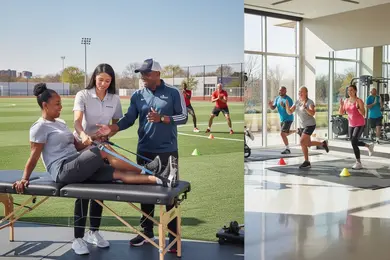
- Clinical Placement: Clinical placements are specialized experiences primarily integrated into programs with a health or rehabilitation emphasis, involving supervised patient care governed by strict clinical protocols. These placements align with healthcare facility schedules and require students to apply therapeutic exercise interventions safely and effectively. Both academic and clinical supervisors rigorously assess performance, reflecting the significant responsibility assumed despite close supervision. For licensure in health-focused physical education roles, these placements carry substantial weight in validating clinical competence.
According to a 2024 report by the National Association for Sport and Physical Education, over 75% of employers consider completed internships the most significant factor in hiring recent master's graduates, underscoring the practical value of deeply engaged, responsible fieldwork. Understanding these differences helps prospective students tailor their program choices toward experiential learning that aligns with target licenses, employment settings, and realistic workplace demands often encountered after graduation. Those reviewing physical education graduate fieldwork requirements and professional expectations should weigh how each training type supports measurable competency development and workforce readiness over perfunctory credit fulfillment or flexible scheduling.
Students exploring pathways to complete an easiest online masters degree option may encounter these experiential components distinctly structured to fit diverse career objectives, but acknowledging their operational tradeoffs clarifies the active role field experiences play in shaping professional trajectories.
What Internship or Practicum Requirements Do Physical Education Master's Programs Have?
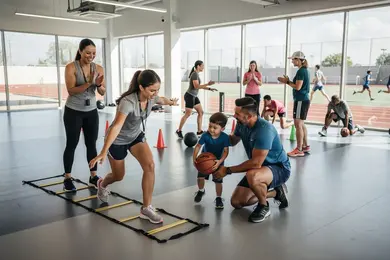
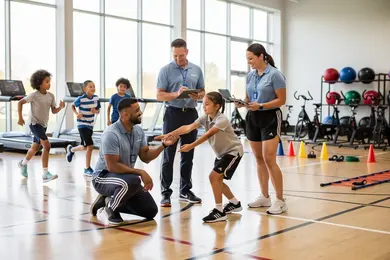
Internship and practicum requirements in physical education master's programs represent distinct pathways for professional preparation, each shaped by program design and real-world constraints. These experiences are less about fulfilling credit hours and more about embedding students in environments where instructional and managerial skills are rigorously tested. Scheduling conflicts and placement quality frequently influence time-to-completion and practical readiness, demanding that students weigh their options carefully before enrollment.
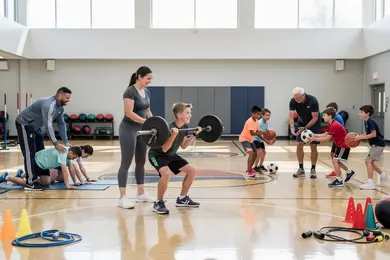
- Internship Requirement Structure: Internships in physical education graduate programs typically mandate 100 to 300 hours of direct involvement in school or community sports settings, emphasizing applied teaching and curriculum development. These placements often require significant coordination with external partners and pose scheduling challenges for working professionals, as inconsistent supervision quality can hinder the learning process and delay degree progression. The emerging trend from the National Association for Sport and Physical Education's 2024 data indicates that nearly 35% of students experience diminished mentoring during internships, underscoring how critical the selection of a well-supported internship is for employability.
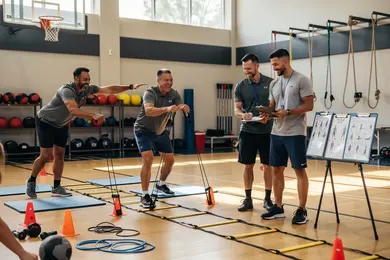
- Practicum Requirement Structure: Practicums tend to be more structured and pedagogically focused, prioritizing skill development such as assessment techniques and program management under experienced educators' guidance. These are often embedded within coursework and may offer hybrid or condensed formats, which can benefit career changers balancing work commitments but may reduce exposure depth. The variability in practicum quality and field site diversity directly impacts graduates' readiness for licensure and professional entry, with stronger programs correlating to smoother transitions into physical education roles.
How Many Clinical Hours Are Required for Physical Education Master's Programs?
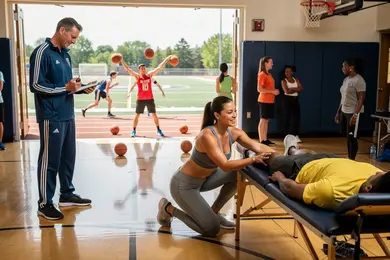
Clinical hour requirements in physical education master's programs are highly variable, reflecting the interplay between accreditation standards, licensure demands, and program emphases on practical competencies. Many programs mandate between 300 and 800 supervised hours, but the exact amount significantly impacts how students balance workload and progress through curricular stages, particularly when clinical placements must align with state-specific licensure criteria. This variation often forces students to navigate scheduling complexities or risk delayed graduation if placements prove scarce or inflexible, underscoring the need for careful planning around practicum availability and timing. According to a 2024 report from the National Center for Education Statistics, graduates completing more than 500 clinical hours had a noticeably higher employment rate within six months, illustrating how substantial hands-on experience directly influences workforce readiness and hiring outcomes. Ultimately, the clinical hour expectation is not merely a quantitative hurdle but a strategic element shaping how effectively students transition from academic settings to professional physical education roles.
One recent applicant recalled the challenge of managing rolling admissions while awaiting confirmation of clinical placement options, which were critical to fulfilling the program's minimum hour requirements. Uncertain about whether the available sites would accommodate her schedule, she hesitated to commit during the early rounds of admissions, fearing that enrolling without secured practicum hours could extend her timeline significantly. When placements eventually opened just before the deadline, she felt a mix of relief and urgency, emphasizing how real-world constraints on clinical experience can create difficult tradeoffs between early acceptance and assured progression through core program milestones.
How Are Internship Placements Assigned in Physical Education Master's Programs?
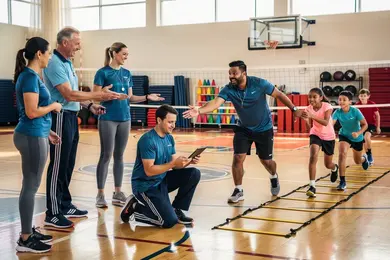
Internship placements in physical education master's programs are often managed through institutional partnerships with local schools, sports organizations, or health centers, creating a network where students are matched with sites based on these affiliations. Universities frequently use faculty-led evaluations combined with student preferences to assign practicum locations, balancing candidate qualifications and program requirements. While some students must secure their own placements subject to program approval, many programs maintain structured systems to streamline this process. The criteria for assigning practicum sites in physical education graduate programs typically weigh a student's prior experience and certifications to align placements with their professional goals, a factor noted by 68% of programs surveyed in a 2024 national education report.
These assignment methods come with practical tradeoffs affecting access to high-quality sites and scheduling flexibility. Programs with limited partner networks can restrict diversity in placement options, potentially delaying students who compete for scarce, sought-after practicum environments. Geographic constraints often complicate placements for working adults or transfer students aiming to apply previously earned credits, influencing their ability to complete internships without extending program duration. Faculty coordination plays a critical role in mediating timing conflicts and ensuring site compliance with licensure standards, but this can add administrative burden and affect workforce readiness. For those exploring cross-disciplinary or flexible training, combining coursework with external opportunities like online mental health counseling programs (CACREP-accredited) can offer complementary skill development outside traditional physical education practicum frameworks.
Can Working Adults Complete Internships Part-Time?
Internship structures in physical education master's programs vary widely in their accommodation of part-time participation for working students, largely depending on program design and external requirements. Cohort-based placements typically follow a set schedule, limiting flexibility for part-time completion, whereas self-arranged internships may offer more leeway but require significant initiative to secure appropriate sites. Employer-sponsored internships occasionally provide tailored hours aligned with work schedules, yet these arrangements depend heavily on existing partnerships and supervisor willingness to adjust training timelines. Accreditation and licensure standards often impose minimum weekly hour requirements or completion windows, effectively restricting some programs' ability to grant part-time options despite growing demand; according to a 2024 National Association for Sport and Physical Education survey, around 62% of graduate programs formally allow part-time internships, but the degree of flexibility varies considerably.
The practical impact of pursuing part-time internships includes potential scheduling conflicts and a narrower selection of placement sites willing to accommodate nontraditional hours. Extending clinical experiences over months instead of weeks can lengthen overall program completion times and complicate time management, especially when balancing full-time employment. However, students who secure internships at organizations open to remote supervision or flexible shifts often gain richer, more personalized experiences without sacrificing employment. One common scenario involves students delaying internship start dates due to ongoing job commitments, which can introduce uncertainty in meeting graduation deadlines and require early negotiation with program advisors to align academic and professional expectations effectively.
One physical education master's student recalled hesitating to commit to an internship while juggling a demanding work schedule during the rolling admissions cycle. She monitored admission decisions closely, aware that some program offers arrived after critical employment deadlines. When her acceptance finally came, she had to quickly evaluate whether the available part-time clinical placements could accommodate her evening hours, realizing that without confirming this early, she might face postponing graduation or compromising work performance. This experience underscored the importance of proactive communication with both academic advisors and prospective internship sites well before finalizing enrollment decisions.
Do Internship Hours Count Toward Professional Licensure Requirements?
Internship hours in physical education master's clinical hours for teacher licensure are typically accepted toward professional licensure requirements when they meet strict conditions: completion under direct supervision by certified physical education professionals within approved educational settings such as K-12 classrooms, with thorough documentation aligned to state pedagogical standards. Programs accredited by national bodies often design internships to fulfill these prescribed criteria, ensuring alignment with licensing board mandates on supervision, content, and minimum hour requirements. However, acceptance hinges on adherence to these regulatory frameworks, as internships outside approved environments or lacking qualified oversight usually do not qualify for licensure credit despite their practical benefits.
The variability in state licensing policies and program structures creates notable challenges, as some physical education internships focus more on skill development than meeting official hour thresholds, forcing students to secure additional supervised experience before exam eligibility or graduation. For example, a career changer enrolled in a non-accredited online program might gain valuable industry skills but face delays in obtaining licensure credentials due to internship hours not counting toward formal requirements. Approximately 78% of accredited programs integrate internships to meet licensure criteria, yet those outside this group must navigate complex verification and planning decisions. Students evaluating programs should prioritize how internship hours intersect with their licensure timeline to reduce barriers to early career entry. Those balancing coursework with other obligations may also find value in resources like 5 week college courses online that align with more flexible educational pathways.
How Are Internship or Practicum Experiences Evaluated?
Evaluations of internship and practicum experiences in physical education master's programs extend beyond simple hour verification to focus on competency development through layered assessment methods. Field instructors provide critical qualitative feedback grounded in direct observation, assessing instructional proficiency, communication skills, and adaptability in school or community settings. This feedback is often integrated with student reflections and structured performance rubrics designed to align with state licensure standards and specific program learning outcomes. However, the variability of supervisor expertise and site resources can introduce subjectivity, complicating the consistency of evaluations and sometimes requiring supplemental reviews or remediation before students can advance.
In practice, performance concerns identified during evaluations-such as struggles with classroom management or lesson planning-may trigger targeted interventions or delay program completion, reflecting the real stakes of these assessments. According to a 2024 report by the National Association for Sport and Physical Education, nearly 78% of accredited programs employ multisource assessments that combine mentor observations, student portfolios, and reflective assignments to ensure a comprehensive appraisal of practical readiness. Such multidimensional approaches help balance subjective impressions with more objective measures, yet differences in placement environments and role scope can still affect outcomes, emphasizing the need for students to understand how evaluation frameworks will reflect their performance in diverse real-world contexts.
What Challenges Do Students Face During Graduate Internships or Clinicals?
Graduate internships or clinicals within physical education master's programs represent critical junctures that often test students' capacity to juggle academic expectations alongside complex practical demands. These experiences carry substantial implications, sometimes causing delays in graduation or an imbalance between work, study, and personal commitments due to the intensity and unpredictability of field placements.
Challenges commonly faced during these practica include:
- Time Management Strain: Many students simultaneously maintain employment-nearly 57% according to the National Center for Education Statistics-creating heightened pressure to allocate sufficient hours to clinical work without sacrificing academic performance or personal wellbeing.
- Supervision Inconsistency: Site placements vary widely in quality and mentoring support. While some provide structured oversight and diverse experiences, others offer minimal guidance, limiting reflective learning and professional growth.
- Placement Availability and Geographic Constraints: Limited options in certain regions force students to accept sites with logistical challenges such as long commutes, impacting both time efficiency and energy levels.
- Emotional and Cognitive Workload: The combination of practical demands and ethical responsibilities-especially when expected to act independently early-can cause significant anxiety, fatigue, and stress, exacerbating barriers to effective learning.
- Evaluation and Performance Pressure: Students often face high-stakes assessments from supervisors emphasizing productivity and client outcomes over educational objectives, which can narrow the scope of learning and heighten performance anxiety.
These complexities underline the need for prospective candidates to critically evaluate potential sites and develop robust strategies for stress management and time allocation tailored to the demands of physical education clinical requirements.
Do Internships Improve Job Placement After Graduation?
Internship experiences in physical education master's programs can significantly influence job placement by signaling practical workplace readiness and aligning candidate skills with employer expectations. Recruiters often view candidates who have completed relevant internships as more capable of transitioning smoothly into professional roles, with demonstrated communication and instructional competencies. Additionally, internships frequently grant access to internal hiring pipelines and professional references, which can be critical in sectors where job listings are sparse or informal networks dominate. A 2024 report from the National Association of Colleges and Employers (NACE) found that students with internship experience were 23% more likely to receive job offers within six months of graduation, underscoring the role internships play in enhancing employability in physical education fields where transfer credit savings or program cost reductions may be limited.
Despite these advantages, the impact of internships on job placement is subject to variability tied to placement quality, geographic factors, and industry saturation. Not all internships translate directly into employment gains; some may offer limited responsibility or weak mentorship, diminishing their value as hiring signals. In regions with extensive competition or fewer physical education roles, even strong internship experience may not ensure a smoother job market entry. For working professionals or career changers, the time commitment required can delay degree completion and offset benefits if internships extend program duration or complicate scheduling. Those evaluating programs should also consider how transfer credits reduce the cost of a physical education degree, as such savings can offset the opportunity costs of extended practical training. For candidates considering alternative or complementary pathways, resources like masters in child psychology online might offer comparative insights on balancing practical training with cost and program flexibility.
How Can Students Choose a Program That Matches Their Career Goals and Schedule?
Choosing a physical education master's program demands careful balancing of rigorous internship or practicum requirements with real-world scheduling constraints. Mismatches between program structure and a student's availability can delay graduation, reduce job readiness, or restrict specialization opportunities, especially for career changers and working professionals. Approximately 68% of graduate physical education programs require at least one semester-long internship or practicum, highlighting the importance of aligning these commitments with personal and professional responsibilities.
- Align Program Structure With Career Goals. Different roles in physical education-such as licensed teaching, coaching, or rehabilitative fitness-require specific practicum experiences. Prioritize programs that partner with community organizations or schools to ensure hands-on training supports preferred career outcomes.
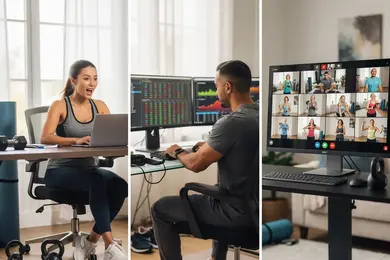
- Evaluate Internship Flexibility. Investigate whether clinical training can be scheduled part-time, during evenings, or through virtual placements. Flexibility here often determines whether you can maintain employment or family obligations during the program.
- Consider Program Delivery Formats. Part-time and online program options frequently offer pacing that fits working professionals, though fully online programs may limit direct clinical experience critical for certification. Balancing these tradeoffs affects both workload intensity and readiness.
- Assess Geographic Placement Requirements. Local versus distant placements impact travel time and personal logistics. Programs permitting remote or nearby practicum are more manageable for those with tight schedules.
- Understand Credit Transfer and Prior Learning Policies. Some institutions accept previous coursework or relevant experience, reducing time spent on practicums or classroom requirements and accelerating completion.
- Prioritize Employer-Relevant Pathways. Aligning with program offerings that match labor market demands and licensure standards improves post-graduation employability, especially as practical experience often shapes hiring decisions.
Those investigating overlapping options, such as combining a physical education master's with credentials in related fields, may find comparative insights in bachelor project management programs known for flexible online formats. Balancing hands-on training with flexibility remains a central challenge to effectively managing clinical placement and work commitments during physical education master's studies.
What Graduates Say About Internship, Practicum or Clinical Requirements for Physical Education Master's
- Tristan: "During my practicum, I quickly realized that many employers prioritized hands-on coaching experience over formal licensure, which was a constraint since I hadn't completed certification yet. I decided to focus on building a robust portfolio of practical skills and networking within local sports organizations. This approach helped me secure a role as an assistant coach, though I noticed salary growth was limited without full licensure, so I'm planning to pursue that next to advance."
- Jesiah: "I faced a tough decision right after graduation because the remote work options for my field were scarce, and relocating wasn't feasible due to personal reasons. Opting for an internship that allowed some flexibility, I gained diverse practical experience that opened doors to a community health position focused on physical education programming. While the role didn't offer the highest pay, the experience was invaluable in steering my career toward wellness education, which I hadn't initially considered."
- Christopher: "The hiring landscape emphasized internships and certifications over academic credentials alone, which was initially discouraging given the competition for certain educator roles. Knowing this, I consciously pursued an internship that involved curriculum development, a decision that differentiated me during job interviews. Ultimately, this hands-on experience led to a teaching position where I could use those skills directly, though I remain aware that advancing into leadership roles will require additional qualifications."
Other Things You Should Know About Physical Education Degrees
Working professionals often underestimate how demanding internship or practicum placements can be within physical education master's programs. These requirements frequently involve early mornings, evenings, or weekends to coordinate with school schedules or facility hours, leading to significant scheduling conflicts. Prioritizing programs with flexible placement options or that allow some integration with current employment can mitigate burnout and improve completion success.
The learning environment and mentorship quality during an internship critically impact skill development and networking opportunities. Placements at well-respected schools or community organizations tend to better prepare candidates for the diverse challenges of physical education careers and often open doors for future employment. Prospective students should prioritize programs with strong community ties and proven placement success rather than those that simply meet minimum hour requirements.
Supervision models vary from close one-on-one mentorship to more autonomous student-led experiences. While independence can foster confidence and adaptability, insufficient supervision may leave critical skill gaps unaddressed in a discipline as practice-focused as physical education. Students aiming for licensure or specialized career paths should seek programs that ensure regular, structured feedback and direct observation from experienced professionals.
Programs with integrated clinical experiences often provide a more cohesive learning trajectory, linking theory directly to practice throughout course progression. This integration can reduce the shock of transitioning to full-time fieldwork and better align with employer expectations for readiness. However, if immediate practical exposure conflicts with academic workload or personal circumstances, a program with separate, clearly delineated internship periods may offer better pacing and focus.
References
- TIPS Training: What Is TIPS Certification? | 360training https://www.360training.com/blog/tips-certification
- Physical Education https://international.pwsztar.edu.pl/studying/faculty-of-health-sciences/physical-education/
- What Hours Count Toward Licensure for Mental Health Professionals https://tamarasuttle.com/what-hours-count-toward-licensure-for-mental-health-professionals/
- Physical Education, M.A.T. https://www.citadel.edu/teacher-education/graduate-programs/mat-physical-education/
- Master of Science in Health Physical Education Teaching https://education.wayne.edu/health-physical-education-teaching/ms
- Home | TIPS-USA https://www.tips-usa.com/
- Wychowanie fizyczne studia - Studia sportowe - WSKFiT https://en.wskfit.pl/wychowanie-fizyczne-studia-licencjackie/
- TIPS Certification Online https://www.tipsalcohol.com/
- | NRR | Dove Medical Press https://www.dovepress.com/internship-challenges-encountered-by-nursing-students-a-qualitative-st-peer-reviewed-fulltext-article-NRR
- Clinical Placements for Graduate Students: Challenges and Best Practices https://eimpartnerships.com/articles/clinical-placements-for-graduate-students-challenges-and-best-practices