2026 Industry Demand for Physical Education Master's Graduates: Job Outlook & Hiring Trends

Co-Founder and Chief Data Scientist
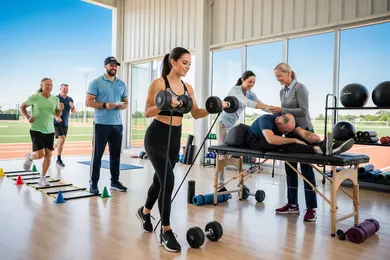
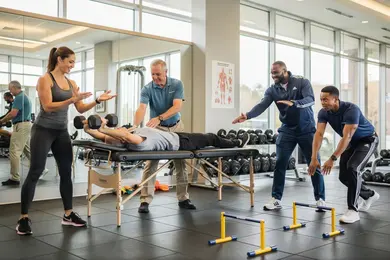
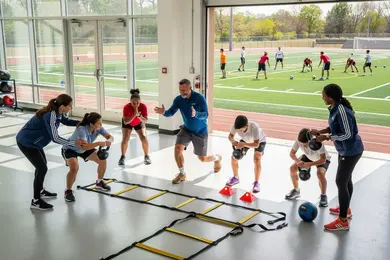
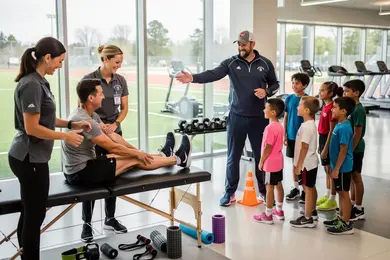
The present landscape for physical education master's graduates is shaped by evolving employer demands emphasizing specialized credentials and multifaceted skill sets. Roles within K-12 athletics coordination, community health programs, and adaptive physical education increasingly require advanced knowledge in compliance standards, data-driven program assessment, and leadership capabilities. For working professionals and career changers, online accredited programs with flexible schedules often serve as crucial pathways to meet licensure requirements and develop portfolio projects aligned with industry-standard tools.
According to the National Center for Education Statistics, enrollment of adult learners in online graduate education rose by over 15% since 2024, reflecting a growing preference for accessible, career-aligned study options. This article examines current hiring trends, credential expectations, and practical considerations to help readers assess the fit between physical education graduate study and their professional objectives, financial priorities, and job market targets.
Key Things to Know About Industry Demand for Physical Education Master's Graduates
- The growing specialization within physical education roles demands mastery in areas like adaptive PE or health promotion, narrowing job suitability and requiring targeted credentials beyond a generic master's degree.
- Employers increasingly prioritize candidates with demonstrated applied skills and certifications over purely academic qualifications, reflecting a shift toward workforce readiness and ongoing professional development.
- While online physical education master's programs expand access for working adults, a 2024 National Center for Education Statistics report highlights significant enrollment drops in on-campus formats, emphasizing the timing and cost advantages of flexible learning options.
What is the Current Job Outlook for Physical Education Master's Graduates?
The current job outlook for physical education master's graduates highlights a complex interplay between credential demands, evolving employer expectations, and sector-specific hiring nuances. Rather than broadly optimistic growth, practical employment trends emphasize the significance of targeted qualifications, technological adaptability, and regional variation in opportunity availability.
Graduates must navigate an environment where licensure, specialization, and hybrid role flexibility increasingly define competitive hiring and salary trajectories.
- Credential Importance: Employers, especially within K-12 public schools, prioritize candidates holding state-specific physical education teaching certificates alongside their master's degrees. Without these credentials, competition intensifies, and typical entry roles or advancement opportunities can be considerably limited.
- Technology Integration: Hiring managers are seeking physical education professionals fluent in digital fitness platforms and data tracking technologies, reflecting growing adoption of hybrid and remote instructional models. Master's graduates adept in tech can access roles that blend traditional education with emerging wellness program delivery.
- Sector-Specific Demand: Beyond traditional schools, community health initiatives, sports management entities, and rehabilitative services show increasing demand for master's-level expertise. These sectors often require specialized certifications in exercise science or health promotion, which enhance employability and salary prospects.
- Regional Hiring Variability: Urban and suburban districts tend to offer more diverse physical education roles with competitive compensation, while rural areas might provide fewer openings but also face less candidate saturation. Graduates targeting specific geographies should weigh this balance carefully.
- Advancement and Leadership Paths: Progression often involves moving into curriculum development, program administration, or community outreach coordination. Employers expect demonstrated competency in pedagogical methods combined with evaluation and leadership skills, raising the bar beyond purely instructional roles.
- Employment Trends and Hiring Demand: The physical education master's degree increasingly serves as a baseline in fields prioritizing both academic and practical competencies. Employment trends show that role availability aligns closely with evolving standards for certification, technological fluency, and interdisciplinary program design.
For budget-conscious adult learners or career changers, assessing affordable and accredited online physical education master's programs with flexible schedules is crucial. Such programs that integrate licensure pathways and technology training better prepare graduates to meet real-world employer demands and labor-market expectations.
Exploring resources like cheapest MBA programs online can also provide comparative insights into ROI considerations across advanced degrees when weighing professional development choices.
Which Industries Hire the Most Physical Education Master's Graduates?
The demand for physical education master's graduates is concentrated in sectors that require specialized knowledge to meet regulatory standards, complex organizational goals, and evolving client or population health needs. These industries leverage graduate-level expertise not merely for instructional abilities but for leadership, research application, program design, and integration of emerging technologies or interdisciplinary practices.
Hiring trends in these fields reflect how advanced training translates into distinct occupational roles with varied pathways for career advancement and operational impact.
- Education Sector: K-12 schools, both public and private, dominate employment, valuing master's credentials for curriculum leadership, coaching, and administrative advancement. The emphasis here is on credentialing as a prerequisite for salary progression and elevated responsibilities beyond classroom teaching.
- Higher Education Institutions: Universities and colleges seek graduates for roles in student wellness, research, and community outreach initiatives. The focus is on evidence-based interventions and federal compliance, requiring mastery of integrating theory with practice in diverse campus settings.
- Public Health Agencies: These organizations prioritize candidates who can design and lead health promotion programs under fluctuating public funding and policy frameworks. Expertise in behavior change and measurable outcomes is critical for addressing preventative health in community populations.
- Private Sector Wellness: Fitness companies and corporate wellness firms show increasing reliance on professionals capable of combining hands-on knowledge with digital tools, such as biometric data analysis and virtual coaching, to tailor client-centered solutions in competitive markets.
- Healthcare Facilities: Rehabilitation centers and specialized clinics demand advanced credentials aligned with clinical competencies for individualized programming addressing chronic conditions or injuries. This sector's hiring reflects broader trends toward interdisciplinary, evidence-based patient care models requiring practical application of physical education training.
What are the Most Common Job Titles for Physical Education Master's Degree Holders?
Job titles attached to master's graduates in physical education often signify more than mere roles; they reflect how employers parse the field's complexity and differentiate candidates based on licensure, experience, and specialized skills. These titles also map typical career trajectories, indicating when advanced credentials unlock supervisory or research responsibilities versus frontline instructional work.
Understanding these distinctions is crucial for candidates assessing realistic job prospects and salary benchmarks.
- Physical Education Teacher: This common entry point in K-12 settings requires state certification, underscoring regulatory licensure as a gatekeeper. Its focus remains on direct curriculum delivery, with limited managerial duties but strong demand in districts emphasizing wellness and compliance.
- Recreation Coordinator: Often found in community or nonprofit sectors, this role values applied skills in program implementation and client engagement over formal teaching credentials. It suits graduates targeting operational management in fitness or wellness but usually does not demand advanced research abilities.
- Health Educator: Employers hire these professionals to design and evaluate health initiatives, blending field research with advocacy. The role often necessitates experience in health promotion environments and familiarity with regulatory constraints, placing it at an intersection of education and public health.
- Wellness Program Director: A leadership role that typically requires mastery of strategic planning and interdisciplinary collaboration. Employers expect these individuals to manage larger initiatives, often with grant-writing responsibilities, reflecting an advanced application of physical education knowledge beyond teaching.
- Exercise Science Researcher: Concentrated in academic or clinical settings, this position demands rigorous research skills and publication competency. Unlike most other titles, it generally requires doctoral training, positioning the physical education master's as a platform rather than a terminal credential for entry.
A graduate recounted hesitating between applying as a physical education teacher or health educator, noting the subtle but important differences in job listings. They observed how many postings for "wellness coordinator" combined duties found separately in other titles, which complicated role identification.
The experience highlighted the importance of decoding employer language to align their master's-level skills with roles carrying realistic advancement and salary potential, especially given the varied credential expectations across sectors.
How Does Salary for Physical Education Master's Graduates Compare to Other Advanced Degrees?
Salary patterns for physical education master's graduates reveal important nuances about employer valuation and career limitations compared with other advanced degree holders. Unlike advanced degrees in STEM or healthcare, where specialized technical skills command significant premiums, physical education expertise often translates to stable but capped earning potential tied closely to education and community health sectors.
- Industry Premium: STEM and healthcare master's degrees typically yield higher salaries due to direct ties to critical technical roles and clinical services, whereas physical education roles frequently fall within public or nonprofit sectors with standardized pay scales.
- Role Specialization: Physical education graduates often pursue teaching, coaching, or administration, where salary growth is influenced by certifications and licenses but generally remains modest compared to specialized engineer or healthcare practitioner tracks.
- Credential Signaling: State teaching licenses and coaching certifications improve earning potential for physical education graduates, reflecting employer preferences for credentialed candidates in educational or athletic settings.
- Geographic Variation: Compensation adjusts notably with location; metropolitan areas offer higher pay due to demand and cost of living, amplifying differences even within physical education fields.
- Advancement Ceiling: Unlike degrees in fast-evolving sectors with broad managerial pathways, physical education masters holders face narrower upper salary limits, often constrained by union contracts and public institution budgets.
- Return-on-Investment Tradeoff: For students weighing accelerated career progression, physical education programs can provide consistent demand-driven employment stability but typically less lucrative growth, making affordability and flexibility key factors-highlighting the value of an affordable online bachelor's degree background or parallel credentialing for maximizing outcomes.
What Hiring Trends are Shaping Demand for Physical Education Master's Talent?
Hiring decisions for physical education master's graduates increasingly reflect a demand for candidates who blend specialized expertise with leadership and adaptability. Employers prioritize those who go beyond foundational knowledge, emphasizing practical skills that directly respond to evolving organizational challenges.
- Technical Specialization: Candidates with advanced mastery in exercise science, kinesiology, or health promotion are more competitive, as employers link this depth to improved program effectiveness and participant outcomes.
- Leadership Readiness: Many roles now require managing programs, training staff, and cross-disciplinary cooperation, making demonstrated leadership and strategic thinking critical for upward mobility and broader impact.
- Credential Alignment: Beyond the degree, certifications in adaptive physical education, youth development, or fitness technology enhance marketability, signaling targeted expertise that matches employer expectations.
- Interdisciplinary Collaboration: Effective communication with administrators, healthcare providers, and families is vital, reflecting how physical education professionals serve diverse stakeholders in education and community settings.
- Technology Integration: Proficiency with digital tools for performance measurement and virtual coaching is increasingly required, enabling scalable, data-driven program delivery aligned with modern employer needs.
What Skills and Specializations are Most in Demand for Physical Education Master's Roles?
Employer demand for physical education master's graduates increasingly hinges on specialized, applied expertise rather than broad theoretical knowledge. Hiring managers prioritize candidates who bring targeted competencies that directly support current industry needs, reflecting a shift toward roles combining education with health facilitation and program innovation.
Screening processes often filter for graduates with quantifiable skills and credentials that address real-world challenges in diverse physical activity settings.
- Kinesiology Specialization: Mastery in motor learning and biomechanics stands out as a key hiring criterion. Candidates with these skills contribute to injury prevention and rehabilitation, appealing especially to clinical and sports organizations emphasizing evidence-based intervention.
- Technology Integration: Proficiency in digital tools like wearable fitness devices and data analytics is essential. Employers seek graduates who can personalize fitness plans and manage virtual training, blending education and wellness technology management effectively.
- Adaptive Physical Education: Certification in this area significantly enhances employability. Ability to serve students with disabilities aligns with growing public health mandates for inclusive activity programs in schools and community centers.
- Program Management: Leadership capabilities including strategic planning, budgeting, and cross-sector coordination distinguish candidates ready for administrative roles. Employers favor graduates who can develop and oversee comprehensive physical education initiatives.
- Applied Health Promotion: Graduates who demonstrate skills in designing inclusive programs for varied populations, such as aging adults or special needs groups, meet a rising demand for physical education specialists acting as health facilitators.
The emphasis on these advanced competencies for physical education master's graduates translates into stronger positioning in hiring and career advancement. Candidates who align their studies with these priority areas improve their ROI amid competitive, budget-conscious job markets. For those balancing work and education, evaluating program flexibility alongside curriculum relevance is critical.
Adult learners and career changers should consider accredited online options with practical skill-building components, such as those highlighted in social media university courses that offer flexible schedules and industry-connected outcomes.
How Do Employers Describe the Value of Physical Education Master's Graduates?
Employers consistently emphasize how a master's in physical education supplies candidates with critical skills beyond academic knowledge, focusing on practical application and leadership within educational and community settings. These graduates distinguish themselves by integrating evidence-based instructional strategies with adaptive responses to diverse student populations, a combination less prevalent among bachelor's-level peers.
In competitive hiring processes, demonstrated ability to manage programs and contribute measurable wellness outcomes often tips the scales in favor of master's-trained applicants.
- Technical Depth: Employers look for proficiency in current health and fitness technologies and data-driven assessment tools. Graduates are expected to use these resources to track student progress accurately and tailor interventions that improve engagement and physical literacy.
- Applied Problem-Solving: Master's preparation emphasizes real-world curriculum design and inclusive activity development, preparing candidates to meet diverse needs and adapt to shifting educational standards effectively.
- Leadership Readiness: Hiring authorities value demonstrated skills in managing teams and extracurricular programs, anticipating that graduates will coordinate interdisciplinary initiatives that advance school wellness goals.
- Credential Fit: Many organizations prioritize candidates who hold certifications alongside their degrees, as these credentials not only confirm practical competencies but also frequently streamline licensure requirements and compliance with regulatory standards.
- Cross-Functional Communication: Advanced degree holders are often expected to function as liaisons among school administrators, families, and community health partners, showcasing expertise in translating technical insights into actionable policy and practice improvements.
During a late-2025 interview cycle, a recent graduate recalled how the hiring panel probed deeply into a project portfolio showcasing both data analysis and program management experience. While the panel appreciated the advanced methodology and leadership examples, they raised concerns about the candidate's relative adaptability in unpredictable physical education settings, favoring individuals who could balance specialization with flexible, on-the-ground problem-solving.
This nuanced feedback underscored how employers weigh both credentialed expertise and practical versatility when evaluating master's-level applicants for roles that blend instructional duties with broader programmatic responsibilities.
What ROI Do Physical Education Master's Graduates Typically See from Their Degree Investment?
Return on investment (ROI) for physical education master's graduates extends beyond immediate salary increases, encompassing nuanced tradeoffs between education costs, time commitment, and tangible career progression. For many working professionals and career changers, the decision to pursue this degree hinges on whether its potential to unlock leadership roles or specialized positions justifies the upfront expenses and opportunity costs involved.
For example, a mid-career fitness professional aiming for administrative roles may find that employer tuition assistance combined with a flexible online program significantly shortens time-to-payoff, whereas full-time students without such support face longer recovery periods.
- Tuition Cost: The direct financial outlay often defines initial ROI boundaries. Affordable, accredited programs that reduce debt burdens improve long-term financial viability, especially when paired with employer tuition reimbursement.
- Opportunity Cost: Time spent studying can mean lost wages or reduced work hours, affecting near-term income. Those balancing full-time employment and study typically experience a slower financial return.
- Salary Growth: Income increases usually emerge gradually, often tied to incremental promotions rather than immediate jumps, reflecting typical pay scales in education and fitness sectors.
- Promotion Access: Holding a master's degree frequently qualifies candidates for supervisory or specialist roles that require advanced credentials, signaling employer value beyond base pay.
- Credential Requirements: Licensure or certification prerequisites vary by state and sector; programs aligned with these requirements improve job-market competitiveness and facilitate credential portability.
- Career-Change Leverage: For those pivoting into education or healthcare wellness roles, the degree can serve as a credential bridge, though measurable returns depend on labor market demand and prior experience.
- Market Resilience: Graduates positioned within growing sectors such as adapted physical activity or healthcare-related fitness tend to experience more stable hiring prospects, crucial for cost-recovery in fluctuating economies.
What Job Search and Hiring Strategies Work Best for Physical Education Master's Candidates?
For physical education master's candidates, job search strategy in 2024 must prioritize distinguishing specialized competencies that match employer priorities rather than relying on broad degree claims. Employers increasingly use digital screening and targeted searches to filter applicants who present concrete evidence of applied skills aligned with evolving industry demands.
For example, candidates emphasizing expertise in adapted physical activity or kinesiology research can gain a competitive edge over those with more generalist profiles, as schools and organizations look for precise fit with program goals and funding streams. The consequence of neglecting such alignment often results in early exclusion from finalist pools despite strong academic records.
- Credential Positioning: Candidates should highlight specialized knowledge areas-like curriculum design or digital health integration-to reflect current professional standards and certification relevance. Job search strategies for physical education master's graduates increasingly reward clarity on niche skills over generic academic titles.
- Portfolio Evidence: Documented lesson plans, assessment tools, or community program results translate theoretical training into tangible workplace value. This demonstrable proof often counters stiff competition by satisfying employer demands for practical impact.
- Employer Targeting: Researching specific hiring institutions and tailoring applications to their unique challenges-including public health initiatives or technology adoption-helps candidates navigate internal filters and connect with decision-makers.
- Interview Preparation: Rather than rehearsed narratives, candidates should focus on articulating how graduate-level expertise addresses real challenges in student engagement or inclusivity, signaling readiness to contribute immediately.
- Timing Applications: Aligning submission deadlines with school hiring cycles or grant-funded project timelines maximizes chances of consideration, especially where budgets and staffing fluctuate seasonally.
Physical education master's candidates who strategically integrate these approaches will outperform peers relying solely on traditional résumé frameworks. Networking remains important, but must be directed through relevant professional associations to yield actionable job leads instead of broad contacts.
Adopting a disciplined, project-based job search strategy reflects an appreciation for how advanced academic training translates into employer-recognized value in today's market. Career changers and adult learners seeking affordable, accredited online programs should assess how these programs support such targeted outcome-oriented strategies and accommodate flexible scheduling.
Understanding labor market nuances helps balance investment against realistic advancement potential. Those exploring interdisciplinary options might consider complementary fields such as an MS in applied artificial intelligence, which increasingly intersects with physical education roles involving data-driven performance and health monitoring.
How Will Future Trends Like AI And Automation Affect Hiring for Physical Education Master's Graduates?
AI and automation are reshaping hiring for physical education master's graduates by redefining employer expectations rather than replacing these professionals. A growing share of hiring managers prioritize candidates who blend hands-on expertise with technological fluency, acknowledging that advanced human judgment remains indispensable in program design and student engagement.
Graduates who can interpret complex data sets from wearable devices or fitness tracking software are better positioned to meet evolving job requirements.
- Technical Fluency: Employers expect graduates to navigate digital workflows and apply software tools to analyze movement and health data effectively. Comfort with technology enhances program evaluation and outcome measurement, moving beyond traditional coaching roles.
- Ethical Oversight: Physical education professionals handle sensitive information related to student health and performance. Understanding and applying privacy regulations is crucial to maintain trust and comply with evolving legal standards.
- Adaptive Delivery: Hybrid instruction models combining in-person and remote coaching demand flexibility. Graduates able to pivot between face-to-face and digital environments respond to shifting program designs favored by employers.
- Leadership Integration: While technology supports communication and monitoring, human leadership remains critical. Candidates who leverage data-driven insights to motivate and engage athletes stand out in hiring pools.
- Strategic Judgment: Data interpretation skills enable tailored interventions and support evidence-based justifications for program adjustments. This capacity distinguishes master's graduates as strategic partners rather than routine executors.
Considering these dynamics, the job outlook for physical education master's graduates hinges on integrating practitioner experience with informed use of emerging technologies. This shift echoes broader educational trends such as those highlighted by the easiest degree to get discussions, where practicality and digital adaptation increasingly influence hiring priorities and program outcomes.
What Do Graduates Say About Industry Demand for Physical Education Master's Graduates?
- Tristan: "Balancing full-time work with my master's in physical education was a major constraint, so I chose a program known for its flexible online classes. Although it limited in-person internship opportunities, the coursework helped me build a solid portfolio that ultimately caught the attention of a community fitness center. The downside was realizing employers placed more value on hands-on experience over just credentials, pushing me to seek volunteer coaching roles post-graduation."
- Jesiah: "After switching careers, I had to be conscious of both time and budget, which led me to choose a part-time physical education program with a focus on certifications. While this meant slower progress, it allowed me to complete internships alongside working, enhancing my resume in ways that licensure alone wouldn't. In practice, I found that employers increasingly sought candidates with diverse practical experiences, which helped me land a youth sports coordinator role faster than expected."
- Christopher: "I entered the field with hopes of fast-tracking my career, but discovered that without licensure, salary growth and advancement were somewhat limited despite having a physical education master's. The heavy workload of the program was intense, yet it forced me to develop strong time management skills which proved crucial when applying for remote coaching positions. Employers valued my adaptability and specialized skills, but I realized the importance of continually updating certifications to stay competitive."
Other Things You Should Know About Physical Education Degrees
Flexibility is crucial, especially for working professionals or career changers. Programs offering asynchronous coursework and part-time options allow students to maintain job responsibilities while advancing their education. Rigid, full-time cohort models often limit the ability to gain practical experience simultaneously, which employers highly value, so prioritizing flexible formats can improve both learning outcomes and employability.
Yes, hands-on practicums are often more decisive than purely theoretical coursework in the hiring process. Employers look for graduates who have demonstrated the ability to apply physical education principles in real-world settings. Investing time in programs with robust field experiences tends to enhance job readiness and networking opportunities, making graduates more competitive despite potentially higher program costs or longer completion times.
Budget-conscious students must weigh tuition costs against program outcomes such as accreditation, curriculum relevance, and career support services. Cheaper programs without recognized accreditation or up-to-date course content may limit job prospects despite initial savings. Ultimately, allocating resources to accredited, career-focused programs - even with higher upfront costs - tends to yield stronger long-term returns through better hiring outcomes and salary potential.
While strong program reputation can facilitate initial interviews, employers increasingly prioritize demonstrable skills and certifications over school name alone. Graduates who proactively supplement their degrees with certifications, internships, or specialization tend to navigate hiring challenges more effectively. Therefore, investing effort in skill development and practical experience usually outweighs the nominal advantage of attending a widely recognized institution.
References
- Top 10 Career Options in Physical Education [ 2025 https://www.foundit.in/career-advice/career-in-physical-education/
- Is College Worth it? | Return on Investment Analysis of College Degree https://educationdata.org/college-degree-roi
- 5 Careers with a Master's in Physical Education https://www.sports-management-degrees.com/lists/careers-with-a-masters-in-physical-education/
- Graduates pivot careers due to AI and job automation https://ise.org.uk/knowledge/insights/431/graduates_pivot_careers_due_to_ai_and_job_automation/
- 7 Great Careers You Can Have with a Masters in PE & Health https://www.midwestteachersinstitute.org/7-great-careers-with-masters-in-physical-education/
- Effective job search strategies https://agmu.edu/en/effective-job-search-strategies
- Securing your Job in Physical Education https://thepeproject.com/applying/index.html
- Top 20 Careers With a Master’s in Exercise Science | PLNU https://www.pointloma.edu/resources/health-sciences/top-20-careers-masters-exercise-science
- Become an Physical Education Teacher: Career Path Guide | Skills U https://skillsu.com/role/physical-education-teacher
- Professional career in physical education: a systematic review http://pepsic.bvsalud.org/scielo.php