2026 Best Value Online Physical Education Master's Degrees: Affordable Accredited Programs with the Highest ROI

Co-Founder and Chief Data Scientist
Choosing an online physical education master's program involves balancing affordability, accreditation, and career impact. As enrollment in online graduate programs grows-rising nearly 15% in the past year according to the National Center for Education Statistics-adult learners increasingly demand flexible, credible options that align with workforce needs.
Yet, not all programs offer equal value; some lack rigorous accreditation or fail to translate into career advancement. For those investing significant time and money, understanding which programs deliver the highest return on investment and meet professional standards is critical. This guide breaks down these factors to support informed decisions amid expanding online education choices.
Key Things to Know About the Best Value Online Physical Education Master's Degrees
- Affordable accredited programs often require balancing dense curricula with compressed timelines, limiting deep specialization but enabling faster entry or re-entry into evolving education or health sectors.
- Employer demand increasingly values verified program quality and related certifications; prioritizing accreditation directly influences job mobility and access to leadership roles within public and private education institutions.
- Enrollment trends show a 12% annual rise in adult learners choosing online physical education master's degrees, reflecting urgent needs for accessible, cost-effective formats despite potential networking limitations compared to in-person cohorts.
What Are the Best Value Online Physical Education Master's Programs in the U.S.?
Best value in online physical education master's programs requires a deliberate weighing of tuition cost against program quality indicators such as accreditation, student completion rates, and measurable salary growth after graduation. For a working professional budgeting limited resources, selecting a program simply by sticker price risks missing critical factors that influence employability or licensure.
Conversely, opting for the priciest degree does not guarantee stronger career outcomes, making it vital to align financial capacity with the rigor and relevance of the curriculum. For example, an educator seeking to transition into health promotion roles must consider programs with specialized tracks and recognized accreditation to ensure acceptance by employers and licensing bodies, even if total tuition is somewhat higher.
This pragmatic balance defines best value, not just affordability, but cost justified by tangible career returns. Below are five fully online, accredited U.S. physical education master's programs organized by ascending tuition, allowing candidates to interpret value within their own budget and vocational goals:
- Institution: Fort Hays State University;
- Tuition: Approximately $10,000 total;
- Delivery: Asynchronous;
- Differentiator: Noted for its flexible credit transfer options tailored to working educators.
- Institution: University of West Alabama;
- Tuition: Around $14,500 total;
- Delivery: Primarily asynchronous with some synchronous components;
- Differentiator: Curriculum integrates leadership development specific to K-12 physical education settings.
- Institution: Georgia Southern University;
- Tuition: Estimated $19,200 total;
- Delivery: Fully asynchronous;
- Differentiator: Emphasizes evidence-based instructional strategies aligned with state licensure requirements.
- Institution: Florida Atlantic University;
- Tuition: About $24,000 total;
- Delivery: Combination of synchronous and asynchronous sessions;
- Differentiator: Strong ties to regional employers enhance internship and practicum opportunities.
- Institution: Indiana State University;
- Tuition: Nearly $27,000 total;
- Delivery: Fully asynchronous;
- Differentiator: Offers a broader specialization track in adapted physical education and health promotion.
For working professionals and first-generation graduate students, pursuing an affordable accredited online physical education graduate degree United States program that balances these factors is a foundational step toward long-term career viability. Considering the links between program structure, accreditation, and salary outcomes can inform a sustainable investment, especially for those navigating career changes or aiming to align with employer expectations in K-12 education or health sectors.
Detailed tuition and graduation data in these programs help prevent costly misalignment between academic effort and employability. For undergraduate students or career changers exploring options with strong real-world applicability, understanding which degree tracks correspond with majors that make money and are fun can provide additional clarity during decision-making.
What Accreditations Should an Online Physical Education Master's Program Have?
Choosing an online physical education master's program without verifying accreditation can jeopardize your educational investment and limit career opportunities. Graduates from non-regionally accredited institutions often face hurdles when seeking federal financial aid, transferring credits, or securing employer recognition, making accreditation a crucial filter for practical decision-making.
Accreditation for these programs exists on two levels. First, regional institutional accreditation is a foundational requirement, granted by one of seven recognized regional accreditors such as the Higher Learning Commission (HLC) or the Southern Association of Colleges and Schools Commission on Colleges (SACSCOC). This level ensures academic rigor across the entire institution, enabling eligibility for federal financial aid and facilitating credit portability-both essential for students balancing work and study or planning further education.
Second, programmatic accreditation or field-specific endorsements provide assurance that the curriculum meets discipline-relevant standards in physical education, kinesiology, or health-related teacher preparation. Unlike well-defined sectors like business (AACSB) or engineering (ABET), physical education lacks a single dominant accreditor.
This necessitates careful evaluation of any program's specialized recognition. Programs accredited solely by national or unrecognized agencies risk limited acceptance by employers or graduate schools, which can impact licensure eligibility or career advancement. Prospective students should maintain a critical stance by asking admissions representatives targeted questions to confirm a program's accreditation status before committing financially.
- Regional Institutional Accreditation: Confirm that the university holds accreditation from a recognized regional body like HLC or SACSCOC for eligibility on federal aid, credit transfer, and employer acceptance.
- Programmatic Accreditation: Ask if the physical education program has endorsements or approvals from relevant professional or accrediting bodies linked to the discipline.
- Red Flags: Beware of programs only nationally accredited or accredited by unrecognized agencies, as these often lack rigor and broader professional recognition.
- Key Questions to Ask: Is the institution regionally accredited? Does the physical education master's hold any specialized field-specific accreditation? Are earned credits transferable? How does the program prepare for career certification or licensure?
How Much Does an Online Physical Education Master's Degree Cost on Average?
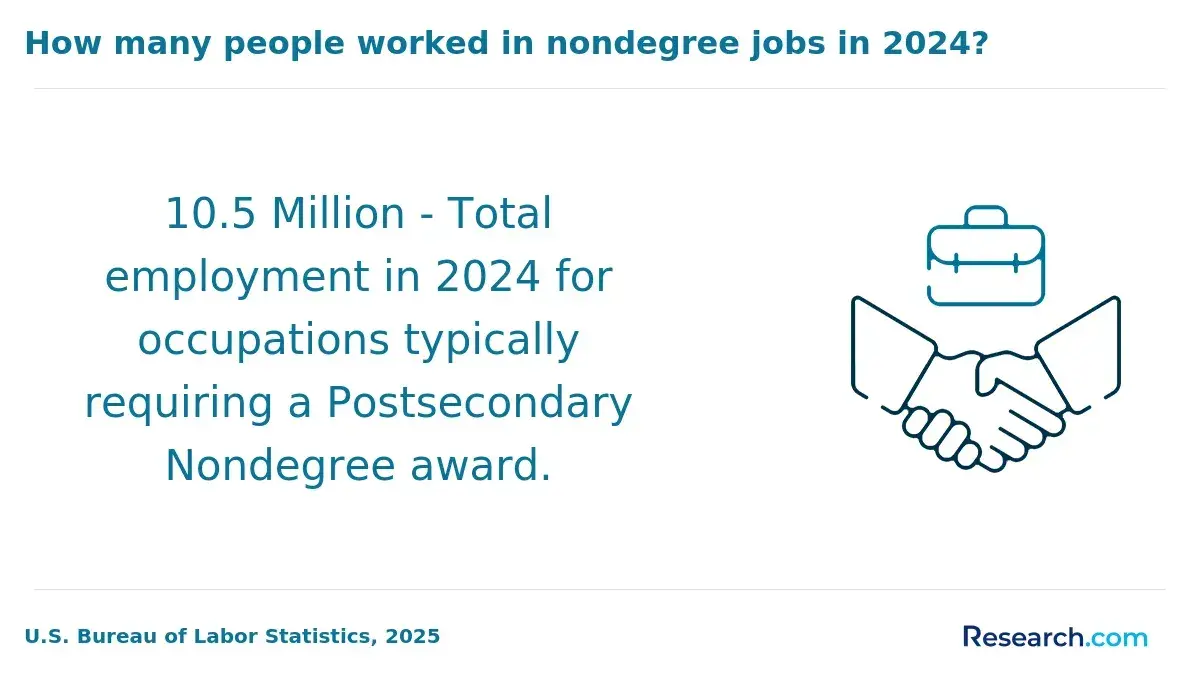
The cost of an online physical education master's degree varies significantly, typically ranging from moderate to high total program fees, influenced by institutional type and tuition policies. Based on publicly available data from IPEDS and university websites, per-credit-hour rates at public universities often differ between in-state and out-of-state students, but many online programs now adopt a flat tuition model regardless of residency.
Private and nonprofit institutions usually charge a uniform yet higher rate for all students, eliminating geographic pricing advantages but increasing overall expenses. Prospective students must account for additional expenses beyond base tuition when comparing affordable accredited physical education graduate programs in the US. These commonly include:
- Public University Average vs. Private/Nonprofit Average: Public institutions generally offer lower rates for in-state students but may impose a premium for out-of-state; private schools maintain consistent, higher per-credit costs nationwide.
- Mandatory Fees: Registration, library, and student activity fees cumulatively add several hundred to over a thousand dollars to program expenses, an often underestimated factor in total cost.
- Technology Fees: Online learning platforms usually require term-based fees to support digital infrastructure critical for coursework delivery and interaction.
- Thesis/Capstone Fees: Separate charges for submitting or defending a thesis or completing a final capstone project can introduce unexpected financial burdens.
- Proctoring Costs: Remote exam monitoring sometimes incurs per-exam fees, frequently overlooked but necessary for maintaining assessment integrity.
- Residency Requirements: Although rare, some programs mandate short-term on-campus residencies, adding travel and accommodation expenses that significantly impact affordability.
Analyzing these components is essential when evaluating the return on investment and practical affordability of a physical education master's program. Programs that obscure these fees risk surprising students with additional costs that diminish financial predictability. For first-generation graduate students and career-changers balancing work and study, understanding such nuances clarifies the tradeoffs between total cost and program quality.
For those evaluating broader financial options across disciplines, the cheapest accredited online accounting degree often provides a useful comparative benchmark in tuition and fee structuring strategies.
What Is the Return on Investment (ROI) of an Online Physical Education Master's Degree?
The ROI of pursuing an online physical education master's degree hinges on how quickly increased earnings offset program costs. Typically, this is measured by subtracting total tuition and fees from the salary bump earned after graduation, then dividing by the program cost to yield a percentage or the time to recoup investment.
Median salary data from sources like the Bureau of Labor Statistics and PayScale reveal that many professionals in this field see salaries rise from around $45,000-$55,000 pre-degree to $55,000-$75,000 afterward. However, this gain fluctuates significantly based on factors such as prior work experience, program reputation, geographic demand, and whether the degree includes a specialized focus.
- Work Experience: Candidates entering with relevant background often command higher post-degree salaries sooner, accelerating ROI.
- Institutional Prestige: Degrees from recognized programs can open doors to better roles and salary scales, impacting financial returns.
- Regional Demand: Markets with higher need for physical education-related expertise typically offer stronger compensation, improving payoff speed.
- Specialization: Concentrating in areas like kinesiology or sports administration frequently enhances employability and salary potential.
- Non-Monetary ROI: Gains in job security, eligibility for promotions, or ability to pivot careers also contribute significant value beyond direct salary increases.
One graduate shared how the rolling admissions timeline created tension. Despite feeling ready, they hesitated to submit materials without a complete financial aid package, fearing delay might push back start dates. After repeated communications, the program finally accepted their application mid-cycle, enabling them to begin on schedule.
This experience underscored the complexity of navigating admissions logistics alongside financial planning-an often-overlooked aspect affecting the timing of ROI realization in online physical education master's programs.
What Are the Admission Requirements for an Online Physical Education Master's Program?
Admission requirements for online physical education master's programs often reflect an intersection of academic metrics and relevant professional experience, where meeting minimum criteria is crucial but not always sufficient. For example, an applicant with a 3.0 GPA but extensive work in community health initiatives might still be competitive where traditional GPA thresholds are flexible.
Applicants should anticipate these core components: Undergraduate GPA typically centers around a 3.0 on a 4.0 scale, though this minimum varies by institution and may be waived for relevant career achievements. Letters of recommendation add critical context about professional aptitude and character, often from supervisors rather than purely academic references.
A thoughtfully crafted statement of purpose or personal essay is essential to articulate specific career goals and how the degree aligns with them, helping admissions committees assess genuine fit. A current resume or CV must highlight relevant experience and certifications in physical education, kinesiology, or related health fields.
Some programs impose prerequisites such as foundational coursework in these subjects, which affects applicants lacking this background. Notably, most programs have moved away from requiring GRE or GMAT scores, embracing test-optional or test-free policies that better accommodate working adults and diverse populations.
For programs with a STEM focus, demonstrating quantitative competency via prior coursework or experience is increasingly important, reflecting the field's shift toward data-driven approaches. Given the variability in admission standards, applicants are advised to apply strategically across reach, match, and safety programs to enhance the likelihood of acceptance without compromising future goals.
What Is the Minimum GPA Requirement for a Physical Education Master's Program?
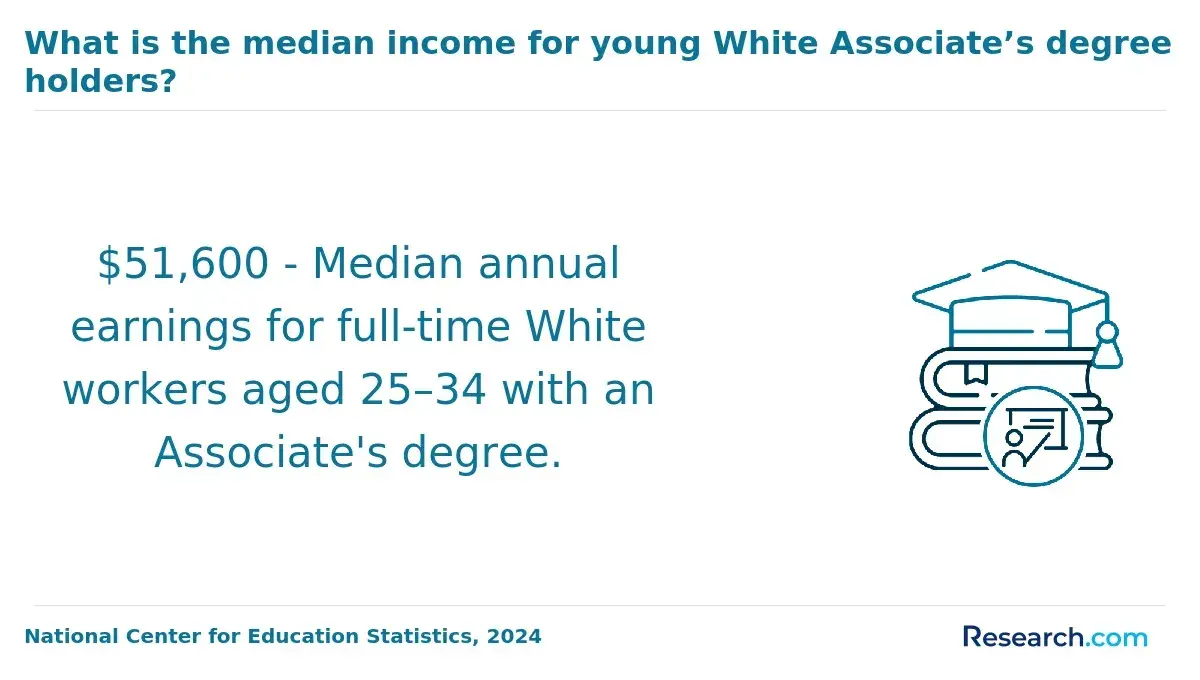
Meeting minimum GPA requirements is often the first practical hurdle for applicants targeting an online physical education master's program. The distinction between minimum eligibility and competitive GPA benchmarks usually shapes admission outcomes and financial aid access.
For instance, a candidate with a GPA just above 2.75 may gain consideration but faces tighter competition against peers averaging 3.2 or higher, potentially limiting scholarship options and increasing the need for conditional enrollment pathways. This dynamic is critical especially for working professionals and first-generation students weighing return on investment in programs where academic standards vary widely.
- Minimum Eligibility: Most accredited online physical education master's programs require a minimum undergraduate GPA between 2.75 and 3.0 to be considered for admission. This threshold serves as the basic floor for acceptance but does not guarantee admission.
- Competitive GPA: Programs often publish a higher GPA profile, commonly 3.2 or above, representing the average range among admitted students. Meeting this competitive mark increases the likelihood of acceptance, particularly in programs with limited seats or higher prestige.
- GPA Waivers: Some programs allow applicants to waive GPA requirements by demonstrating professional experience, submitting portfolio work, or offering strong standardized test scores. This flexibility recognizes the value of practical expertise and diverse educational backgrounds beyond grades alone.
- Conditional Admission: Applicants with below-threshold GPAs may still gain provisional or conditional acceptance. These often require maintaining specific academic standards during initial coursework or completing prerequisite classes to demonstrate readiness.
- Holistic Review: GPA is one factor among many in admissions decisions. Programs routinely evaluate work experience, letters of recommendation, statements of purpose, and other credentials, reflecting an understanding that academic metrics only partially capture an applicant's potential or future success.
Applicants navigating minimum GPA requirements for online physical education master's programs should also consider how accredited degree pathways align with broader career goals and economic realities. Balancing GPA against factors like program cost, financial aid availability, and employment outcomes is essential.
These decisions parallel those faced by prospective learners in fields such as digital marketing, where data-driven program selection-including choices highlighted in the field of online social media marketing degree paths-can dramatically influence long-term career trajectories.
What Financial Aid Options Are Available for Online Physical Education Master's Students?
Graduate-level funding options for online physical education master's programs require more strategic navigation than many expect, especially since traditional undergraduate grants like Pell Grants are almost never available. This reality can complicate budgeting, as graduate students often find themselves reliant mainly on loan products and competitive scholarships.
For working professionals, aligning employer tuition reimbursement policies with program requirements can be crucial, but such benefits commonly have caps and documentation hurdles that slow disbursement.
- Federal Loans: Primary federal aid includes Direct Unsubsidized Loans and Graduate PLUS Loans, both accruing interest immediately; this means repayment planning should factor in growing debt even before graduation.
- Institutional Scholarships and Fellowships: Many programs award merit- or need-based funds, but competition varies considerably and deadlines are strict, so early research and prompt application submission are essential.
- Employer Tuition Reimbursement: For students employed full-time, employer assistance can significantly reduce costs, yet eligibility often depends on job relevance and procedural compliance.
- Graduate Assistantships: Though less common for online students, some institutions offer assistantships providing tuition waivers plus stipends tied to teaching or research duties-an option worth investigating if manageable alongside work.
- External Scholarships: Professional groups within physical education and sports sectors frequently grant scholarships targeting leadership, academic merit, or underrepresented demographics, offering additional avenues often overlooked by applicants.
FAFSA remains the entry point for federal aid assessment, with graduate students now evaluated via the Student Aid Index, replacing the Expected Family Contribution. To maximize aid sources, applicants should submit FAFSA forms early, pursue scholarships targeted by specialization, proactively negotiate institutional packages, and explore state grant programs where applicable, recognizing nuanced eligibility rules at that level.
A graduate recalled hesitating to finalize their online program application because of uncertainty around available funding. They submitted FAFSA late in the semester and navigated multiple scholarship deadlines while juggling a full-time job.
The program's rolling admissions process compounded the pressure; they delayed committing until a partial tuition reimbursement promise from their employer was confirmed. This careful timing reduced loan reliance but introduced weeks of anxiety, highlighting how financial aid complexity demands strategic planning well ahead of enrollment.
How Long Does It Take to Complete an Online Physical Education Master's Degree?
Completion timelines for an online physical education master's degree often reflect the competing demands faced by working professionals and career changers. In practice, full-time students usually finish in 18 months to 2 years, while part-time learners-who constitute the majority of online enrollees nationally-typically require 2.5 to 4 years.
This diversity in duration demonstrates the tradeoff between flexibility and speed, important for prospective students balancing jobs or family commitments while aiming to maintain academic rigor and maximize employer recognition.
- Typical Duration: Full-time programs conclude within 18 months to 2 years; part-time options commonly extend to 2.5-4 years, reflecting learner pacing and external responsibilities.
- Credit Hours: Programs usually demand 30 to 45 credit hours, with higher credit loads increasing time and intensity of study.
- Course Load: Taking more courses per semester can shorten duration but risks higher stress and potentially lower performance, a crucial consideration for those continuing full-time employment.
- Transfer Credits: Recognizing prior graduate work or relevant professional credentials can reduce completion time, a benefit when managing financial and temporal resources.
- Scheduling Format: Cohort-based pacing offers structured timelines, while self-paced tracks permit flexibility but require strong self-management skills.
- Accelerated Options: Some programs advertise completion in as little as 12 months; however, rapid completion should be weighed against accreditation status and employer reputation to avoid compromising long-term career impact.
- Thesis or Capstone: A mandatory thesis or capstone project can add one to two semesters, depending on topic complexity and faculty guidance availability.
This timeline framework aligns with the average duration of accredited online physical education master's programs in the US and addresses workforce realities where many employers emphasize proven competency over degree speed.
For students exploring career outcomes beyond physical education, questions about pathways and employability are common. For instance, professionals often ask 'What can I do with an environmental science degree?', a reminder that cross-disciplinary insights and market alignment matter deeply when planning graduate education investments.
What Specializations or Concentrations Are Available in Online Physical Education Master's Programs?
Specializations within online physical education master's programs significantly shape employability and earning potential, making them a critical decision point rather than a mere academic formality. For example, a candidate pursuing a concentration in Sport Management may find stronger alignment with administrative roles in athletics organizations, while someone focused on Adapted Physical Education targets schools or agencies specializing in special needs populations.
Programs vary: some offer a general track allowing elective flexibility, while others expect early declaration of a concentration to promote curricular focus and cohort cohesion. Insightful applicants cross-reference job postings and employer expectations in their regions or chosen sectors to prioritize specializations with the highest demand and relevance.
Common accredited online physical education master's concentrations include:
- Adapted Physical Education: Strategies for teaching students with disabilities or special needs.
- Health and Wellness Promotion: Designing community health initiatives to improve population well-being.
- Sport Management: Integrating business and leadership for sports organizations and recreational enterprises.
- Kinesiology and Exercise Science: Study of human movement, biomechanics, and performance optimization.
- Coaching and Athletic Administration: Preparing for leadership roles managing athletic teams and programs.
- Physical Education Curriculum and Instruction: Developing K-12 teaching plans and instructional strategies.
- Community Health Education: Focused on public health outreach across diverse demographics.
- Sports Psychology: Investigating psychological factors that impact athletic motivation and performance.
Not all concentrations carry equal weight in the physical education graduate concentrations in the United States labor market, so consulting alumni or academic advisors is crucial before committing. This engagement helps gauge employer priorities, emerging trends, and potential salary outcomes.
Accreditation bodies such as the National Council for Accreditation of Teacher Education (NCATE), Council for the Accreditation of Educator Preparation (CAEP), and Commission on Accreditation of Allied Health Education Programs (CAAHEP) ensure program quality and certification eligibility, key to hiring considerations. For candidates interested in interdisciplinary advancement, exploring data-centric fields can also widen career scope, exemplified by those pursuing an online PhD data science.
How Do Online Physical Education Master's Programs Compare to On-Campus Programs in Quality and Recognition?
The core determinant of quality and recognition between online and on-campus physical education master's programs lies less in delivery format and more in institutional accreditation and proven outcomes. Employer surveys from 2024, including those conducted by SHRM, confirm that most hiring managers neither devalue nor distinguish degrees earned online when the institution is regionally accredited and the diploma does not specify "online."
That said, differences in student experience and workforce integration remain meaningful. On-campus programs often provide more direct access to practica and lab resources essential for applied physical education training. They also facilitate in-person networking and campus recruiting pipelines, factors that can influence early-career opportunities.
Conversely, many online programs mitigate these gaps by establishing local field placements, virtual networking platforms, and hybrid residencies to maintain necessary hands-on components and peer connections. Prospective students should prioritize institutional reputation and graduate employment data, such as LinkedIn career trajectories, rather than modality alone.
Salary benchmarks for physical education master's graduates indicate that specialization and network access frequently outweigh the mode of instruction in predicting earning potential.
- Accreditation: Regional accreditation confirms program rigor and is the main credential employers recognize equally for online and on-campus degrees.
- Employer Perceptions: SHRM and workforce surveys show hiring managers focus on degree legitimacy and candidate skills, not delivery method.
- Networking: On-campus settings offer face-to-face connections, while online programs use virtual platforms and hybrid events to foster professional relationships.
- Practicum Access: Applied labs and fieldwork are more accessible on campus, but online options arrange local placements or hybrid models to meet these requirements.
- Graduate Outcomes: Evaluating alumni employment success and salary ranges provides stronger insight than modality-based assumptions.
What Graduates Say About the Best Value Online Physical Education Master's Degrees
- Tristan: "Balancing a full-time job and family life left me with very limited hours for study, so flexibility was crucial when choosing an online physical education master's program. I picked a program with asynchronous classes and affordable tuition to minimize debt. While I haven't yet moved into a leadership role, the practical coursework and internship opportunities helped me secure a stable position as a fitness coordinator, which wouldn't have been possible without that flexible schedule."
- Jesiah: "I switched careers from retail to physical education but had to consider the significant financial investment of a master's degree. I chose a low-cost accredited program emphasizing hands-on experience because I knew employers favor portfolios and practical skills over just licensure. Graduating gave me a credible portfolio and field experience, but I quickly realized some advanced roles still require additional certifications, which I'm planning to pursue next."
- Christopher: "After completing my master's online while working in a related but unrelated field, I faced the challenge of breaking into physical education jobs without formal teaching credentials. I opted for a program known for strong internship placements and the fastest track to workforce entry. Although I landed a job as a wellness coach, the salary ceiling is lower than I expected without full licensure or certification, so I'm considering additional credentials to expand my career options."
Other Things You Should Know About Physical Education Degrees
Graduates typically pursue roles in K-12 education, athletic coaching, or wellness program administration, but job placement rates vary considerably by specialization and geographic region. Those aiming for leadership or specialist roles, like curriculum coordinators or licensed therapists, benefit most from programs with strong practicum components and partnerships with local schools. Without these embedded real-world experiences, graduates may face longer job searches or limited advancement opportunities. Prospective students should weigh program ties to employers and alumni networks heavily when assessing potential ROI.
Beyond tuition, students often underestimate expenses such as certification fees, specialized equipment for physical activity courses, or travel for mandated internships or practicums. Some programs require in-person assessments even if coursework is online, which can add to time and financial burdens. Additionally, costs for required technology upgrades may arise if course delivery utilizes advanced video or motion-analysis software. Candidates should request detailed fee disclosures upfront and consider how these may affect their total investment and time commitment.
Employer tuition reimbursement policies vary widely and often depend on program accreditation and alignment with job responsibilities. Programs accredited by recognized bodies and linked to licensure tend to be more consistently covered. However, many reimbursement plans require grade minimums, pre-approval of courses, or stipulate that the degree directly enhances current job performance. Students must verify these conditions early to ensure their chosen program qualifies, or they risk incurring significant out-of-pocket expenses despite employer support.
Prioritize programs that offer clear connections between curriculum and specific job markets, such as school districts or public health agencies in your region. Look for coursework that balances theory with hands-on practicums or internships to build practical skills employers expect. Additionally, consider cohort size and faculty accessibility, as these affect mentorship quality and networking opportunities. Avoid programs that heavily focus on general education theory without applied physical education content if you seek a direct pipeline to employment.
References
- Funding Your Online Master’s Degree: How to Pay Less with Financial Aid https://www.onlinemastersdegrees.org/financial-aid/
- Is College Worth it? | Return on Investment Analysis of College Degree https://educationdata.org/college-degree-roi
- ROI in Higher Education - FREOPP https://freopp.org/roi-in-higher-education/
- Master of Education in Health and Physical Education https://www.concordiacollege.edu/graduate/master-of-education-in-health-and-physical-education/
- Education, M.S.; Health and Physical Education https://www.longwood.edu/hpegrad/
- Master of Science in Health Physical Education Teaching https://education.wayne.edu/health-physical-education-teaching/ms
- Health & Physical Education (MEd) - Online Master's in Health and P.E. | Lancaster Bible College https://www.lbc.edu/academics/masters-programs/health-and-physical-education-online-med/
- Teaching Degree ROI Guide: The Return on Investment You Can Expect with a Degree in Education https://www.educationdegree.com/articles/return-on-investment-guide-to-education-degrees/