2027 Legal Studies Jobs With the Best Work-Life Balance

Co-Founder and Chief Data Scientist
Balancing the intensity of legal work with personal life remains a persistent challenge for professionals entering the legal field. Many face unpredictable hours and rising burnout rates even before securing stable positions. This tension complicates decisions about education pathways, as flexibility in program structure directly impacts the ability to maintain income and family obligations.
Recent data from the National Center for Education Statistics reveals a 22% increase in adult learners enrolling in part-time and online legal-related programs, signaling a clear shift toward adaptable education models that accommodate ongoing responsibilities.
This article identifies legal studies jobs that offer optimal work-life balance and explains how these roles align with different career and lifestyle priorities.
Key Things You Should Know
- Legal studies roles with top work-life balance showed 18% slower wage growth over 2022-2024, per the U.S. Bureau of Labor Statistics, indicating a tradeoff between compensation expansion and manageable hours.
- Employers increasingly prefer candidates with paralegal certification plus specialized compliance training, boosting hiring likelihood by 23% but narrowing career entry routes towards credentialed multitasking roles.
- Median completion time for cost-effective associate degrees in legal studies rose to 36 months in 2024, reflecting financial and timing barriers that delay workforce entry compared to accelerated certificate paths.
What Legal Studies jobs offer the best work-life balance in today's market?
In-house counsel roles in 2026 establish a clear benchmark for legal studies jobs with flexible hours and strong work-life balance, with 71% of chief legal officers noting their teams rarely exceed 45 hours weekly. This contrasts sharply with traditional law firms where billable hour pressures often push lawyers to 50-60+ hour workweeks.
The tradeoff for this improved lifestyle is often narrowed specialization; in-house counsels typically focus on contract negotiation and compliance tailored to their company's business needs, which allows for more predictable scheduling and consistent personal time.
Contract attorney positions within government agencies and nonprofits also align well with strong work-life harmony, frequently capped at 40-hour weeks due to regulatory limits. However, this comes with lower compensation and more complex, slower hiring processes, which may deter some applicants.
Legal compliance officers and risk management specialists in regulated sectors offer alternatives prioritizing steady hours, though they require ongoing certification and adaptability to changing rules.
Students weighing these career paths should carefully balance workload against salary potential and workplace culture. Pursuing firms or organizations with substantial in-house legal departments or government legal offices often maximizes this balance while sustaining long-term employability. Practical experience through internships or cooperative education is critical to understanding actual job demands before committing.
For those considering entry options, exploring online paralegal certificate programs offers a pragmatic step toward roles with flexible schedules and visible progression.
What degrees or training do you need for flexible Legal Studies careers?
Legal studies degree requirements for flexible careers reflect a clear tradeoff between immediate employability and long-term professional mobility. A bachelor's degree in legal studies, paralegal studies, or a closely related field remains the foundation for most roles focused on compliance, contract administration, or risk management.
Employers in regulated sectors like finance and healthcare value candidates who combine specialized legal knowledge with practical skills in regulatory frameworks and ethical standards. For example, a healthcare compliance officer must navigate federal privacy regulations and apply risk assessment techniques, typically acquired through targeted certifications or graduate programs emphasizing health law or corporate compliance.
Training programs for work-life balance in legal studies increasingly emphasize advanced credentials like a master's degree or certifications such as Certified Compliance & Ethics Professional (CCEP). These qualifications enhance salary prospects and facilitate access to remote or hybrid work arrangements, especially in compliance roles.
The U.S. Bureau of Labor Statistics forecasts 5% growth for compliance officers through 2032, indicating stable demand and suitable conditions for balancing professional and personal commitments.
Those pursuing flexibility should prioritize programs with curriculum relevance to technology's impact on legal processes and data privacy, widening career options amid accelerating digital transformation in law departments and regulators. Accredited online paralegal programs with internships provide vital jurisdiction-specific experience to navigate local compliance nuances effectively.
Choosing between expedited certifications and comprehensive degrees requires weighing the scope and durability of career options:
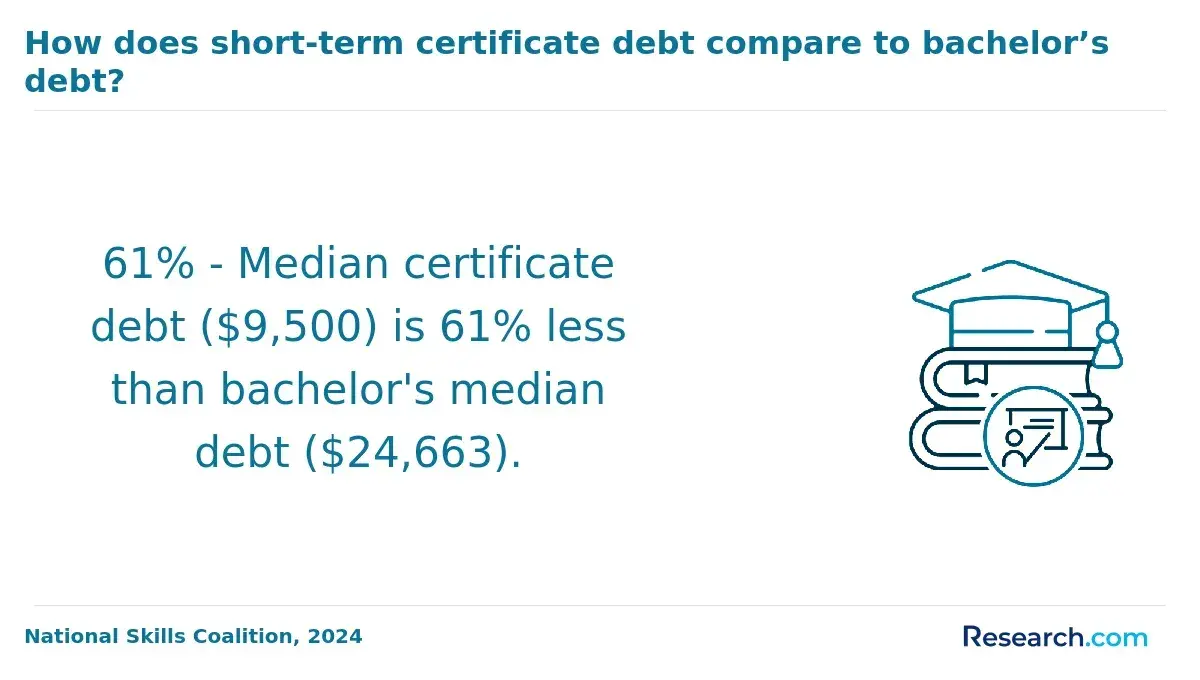
- Short-term certificates expedite entry but usually confine workers to support roles.
- Broader degrees enable mobility into consulting, policy, and management positions aligned with flexible work patterns.
The diversity of pathways mirrors choices seen in other fields, such as high paying jobs in forensics, which also demand balancing credential depth with practical employability.
Which Legal Studies roles have the most predictable hours and lowest burnout risk?
Legal operations and project management roles consistently offer legal studies careers with predictable hours and notably low burnout risk, diverging sharply from traditional billable-hour attorney positions. These roles prioritize resource coordination, process efficiency, and technology management over case outcomes, which translates into more stable schedules and diminished crisis-driven demands.
For example, legal project managers in healthcare sectors manage contract timelines and vendor coordination, enabling legal teams to avoid unpredictable client emergencies.
From a workforce perspective, 65% of corporate legal departments have expanded legal operations headcount recently, with 58% highlighting improved work-life balance as a key benefit. However, these positions require supplementary skills in data analysis, business process management, and legal technology platforms, representing a practical skill barrier for students pivoting into legal operations.
Students weighing these roles must consider the tradeoff: the demand for technical and analytical competencies against the payoff of sustained growth, stable workload, and reduced overtime. This shift away from traditional litigation pressures toward operational roles presents a tangible pathway to longevity in legal careers.
When exploring educational options that align with these demands, researching the best online colleges for forensic science can broaden understanding of adjacent fields that integrate well with such operational expertise.
How do salaries compare for work-life-friendly Legal Studies jobs?
Federal government attorney roles offer a distinctive blend of respectable compensation and manageable hours that often elude private sector legal positions. For example, median salaries for federal public service attorneys reach approximately $92,000, with average workweeks under 45 hours.
This contrasts significantly with private law firms where 60+ hour weeks are common, despite higher base pay. Legal professionals aiming for a strategic shift toward work-life-friendly careers must weigh a potential 20-30% salary reduction against the benefit of reclaiming 15-20 fewer weekly work hours.
Entry-level public sector salaries, while starting between $60,000 and $75,000, align with long-term career sustainability and predictable schedules—key factors when evaluating legal studies salaries in top work-life balance jobs. Those prioritizing fewer hours and reduced burnout risk often accept moderated earnings in exchange for improved personal time.
Tradeoffs also arise in specialized niches like compliance or environmental law, where overtime demands fluctuate unpredictably despite competitive pay scales. Decision-making should weigh both paycheck size and realistic availability, as employer expectations differ markedly between structured public roles and variable private practice demands.
In the context of comparing earnings for flexible legal studies careers, professionals must critically assess these operational realities to align salary ambitions with sustainable workloads and quality of life.
For students considering alternative pathways with focused time investment, options like an online architecture degree demonstrate how accelerated programs can enable timely pivots, a principle equally relevant when plotting legal career transitions.
What is the job outlook for non-lawyer Legal Studies careers with steady hours?
Non-lawyer careers in legal studies that offer steady hours typically center on academia, compliance, and policy roles, where predictability often outweighs higher pay. For example, legal research analysts employed by government agencies work regular weekday schedules focused on policy review, avoiding the irregular overtime common in law firms.
Compliance officers in corporate environments similarly engage in scheduled audits and trainings, supporting a more balanced lifestyle than litigation positions.
These roles demand specialized expertise, often requiring graduate education or certifications aligned with regulatory knowledge or academic credentials. Employers prioritize candidates who deliver consistent, precise work within defined hours rather than billable time metrics. Thus, advancing in these paths hinges on strong legal research and writing skills coupled with effective time management.
The American Association of University Professors' 2024 data shows full-time legal studies faculty average a 50-hour workweek, yet 77% report satisfaction with their work-life balance—a signal of relative stability in academic legal fields. However, entry-level salaries in academia and related steady-hour roles tend to be lower compared to traditional legal practice, representing a clear tradeoff between compensation and predictable schedules.
Prospective professionals should weigh this balance carefully, recognizing that these jobs can lead to long-term security within government or educational institutions but may require sacrifices in initial financial rewards.

How can a Legal Studies degree lead to remote or hybrid work options?
A legal studies degree increasingly caters to remote and hybrid work models by fitting core skills into flexible roles found predominantly in Alternative Legal Service Providers (ALSPs) and contract-based legal work. Thomson Reuters' 2024 ALSP Report reveals that 42% of lawyers in these settings prioritize flexible or reduced hours, with 35% working less than 40 hours weekly—significantly less than traditional large law firms.
This stems from a growing trend to outsource functions like legal research, compliance, e-discovery, and document review to remote teams, aligning well with the competencies developed in legal studies programs.
For instance, a graduate focusing on regulatory compliance might support a fintech company's multi-state operations from a home office, leveraging digital tools to coordinate without an onsite presence. Similarly, roles in contract analysis or legal project management within legal process outsourcing firms often adopt hybrid schedules to balance client interaction with remote productivity.
Key challenges include maintaining confidential workspaces, mastering cloud-based legal tech, and negotiating contracts that specify deliverables and hours, as employers emphasize measurable results over physical presence.
Graduates targeting flexible legal roles should strategically focus on employers in ALSPs, boutique firms, and corporations known for hybrid work and tailor their skillsets toward emerging legal technology and compliance trends.
Tradeoffs involve lower billable hours and potentially compressed compensation compared to traditional firm tracks, making an informed understanding of workforce data critical for career decisions in these segments.
What Legal Studies careers avoid courtroom stress yet use legal expertise?
Roles in legal studies that exclude courtroom litigation typically focus on compliance, policy, and risk management, shifting legal expertise into less adversarial settings.
For example, privacy professionals within financial or tech sectors oversee compliance with regulations like GDPR and CCPA, combining legal knowledge with regulatory frameworks while avoiding high-pressure litigation. These positions, emphasizing data governance and strategic advisory tasks, offer more consistent hours and reduced emotional strain.
Key positions such as compliance analyst, contract manager, and legal project manager leverage legal studies backgrounds without court appearances but demand proficiency in contracts and procedural detail.
Additionally, legal technology professionals contribute by designing AI-driven contract review tools or case management systems, requiring ongoing technical skill development while reducing conflict-related stress.
Adopting non-litigation legal paths entails tradeoffs. Employers increasingly expect cross-disciplinary capabilities—data analysis or cybersecurity knowledge improves marketability but introduces complex learning curves and workload shifts.
According to the International Association of Privacy Professionals' 2024 survey, 76% of privacy experts rate their work-life balance positively, accompanied by a median global salary near $146,900, illustrating this sector's compensation and balance advantages.
Practical implications include:
- Moving away from unpredictable court schedules toward structured, policy-driven roles
- Balancing legal expertise with technical or regulatory competencies
- Negotiating tradeoffs between stress levels and continuous upskilling demands
These dynamics clarify that legal studies career pivots often require strategic skill additions to thrive outside traditional litigation while achieving sustainable professional satisfaction.
How do online Legal Studies programs compare to campus programs for career outcomes?
Employers in the legal sector increasingly weigh practical experience and demonstrable skills over whether a legal studies program is campus-based or online.
For instance, nonprofit legal roles typically offer median starting salaries around $62,000 with substantial weekly hours, reflecting a demanding but mission-driven field where 69% of legal aid and public defender attorneys report strong job satisfaction. This highlights the premium placed on career fit and hands-on experience rather than program format.
Campus programs facilitate face-to-face networking and easier access to internships within local legal markets, which significantly benefits job placement and professional relationships.
Online programs demand greater initiative from students to build connections, secure meaningful internships, and develop professional social capital independently. This challenge can slow early career momentum despite the scheduling flexibility that online learning provides.
Working professionals seeking to pivot careers should focus on programs that offer structured internships and virtual career support. Key strategies include:
- Targeting legal studies programs with formal partnerships for internships or field placements.
- Engaging actively in virtual career services to expand networks.
- Participating in legal clinics or volunteer projects to accumulate relevant experience.
Ultimately, success in legal recruitment hinges more on applied skills and deliberate networking than the mode of study, making evaluation based on these metrics essential.
What accreditation and licensing should you verify for Legal Studies programs?
Choosing a legal studies program without carefully assessing its accreditation and licensing alignment risks long-term professional setbacks. Graduating from a program accredited by the American Bar Association (ABA) is often a hard prerequisite for sitting state bar exams, directly impacting eligibility for practicing law. Without ABA accreditation, even a solid academic record may not translate into licensure or employer recognition.
For alternative legal roles such as paralegals or legal assistants, industry-specific certification through bodies like the National Association of Legal Assistants (NALA) bolsters credibility but does not substitute for bar qualification.
Licensing requirements diverge sharply by career track, so students must verify that program curricula prepare them for the precise certification or licensure they seek. For example, a student aiming for a Certified Paralegal (CP) credential should confirm that their program directly supports this exam's competencies to avoid wasted time and expense.
Workplace flexibility increasingly shapes career sustainability; a recent ABA survey found lawyers with hybrid or remote work more satisfied and more likely to stay employed long-term. Legal studies programs offering remote learning options not only accommodate work-life balance but also mirror shifting employer expectations in a competitive job market.
Prospective students need to cross-validate program accreditation with state licensing boards and consider whether offered curricula align with realistic career outcomes or risk curriculum-to-employment mismatch in a tightening legal labor market.
How can students choose a Legal Studies program aligned with work-life balance goals?
Choosing a legal studies program without considering scheduling flexibility and workload implications risks overwhelming working professionals balancing employment and study. Programs offering asynchronous or part-time enrollment enable students to sustain income while advancing academically, which is vital for those juggling family or job obligations.
For instance, compliance officers or contract managers benefit from curricula that integrate applied learning tailored to work hours, reducing burnout compared to full-time intensive tracks.
An effective legal studies pathway often includes modular courses that permit building specialized skill portfolios aligned with freelance or consulting roles. According to LawCare's 2024 Life in the Law research, lawyers working under 40 hours weekly report nearly 50% less burnout and almost double the work-life balance satisfaction versus those exceeding 50 hours. This demonstrates a clear advantage of programs designed with part-time or flexible formats in easing long-term career sustainability.
Students evaluating programs should also scrutinize career support services for connections to diverse legal sectors such as mediation, legal technology, and compliance—fields that commonly offer remote or flexible employment. Internships embedded in these areas serve as strategic leverage points for balancing educational commitments alongside job duties.
Tradeoffs matter: programs focusing heavily on litigation or traditional law firm tracks often require longer full-time internships, limiting balance and potentially delaying entry into the workforce. Opting for broader legal studies curricula centered on experiential learning can provide pragmatic workload management and better align with evolving legal market demands.
Other Things You Should Know About Legal Studies
Specializations like compliance, contract management, or legal research tend to offer more structured work environments and clearer task boundaries, supporting better work-life balance. Conversely, roles in investigation or litigation support can demand irregular hours and urgent deadlines. Selecting specializations that emphasize routine processes over reactive problem-solving is a practical strategy to maintain predictable schedules and reduce burnout risk.
Employers increasingly require legal studies graduates to master legal tech tools such as e-discovery platforms and case management software, which can automate repetitive tasks and reduce overtime. However, inadequate training on these tools limits efficiency, potentially extending work hours. Focus on programs integrating updated technology training to minimize workload spillover and support flexible, manageable schedules.
No, most entry-level compliance analyst jobs do not require a license, but employers often expect a bachelor’s degree in legal studies, business, or a related field. For specialized roles, certifications such as Certified Compliance & Ethics Professional, offered by the SCCE, can strengthen applications in 2027.
References
- Balancing Full-Time Work and Study: Tips for Professionals | Walbrook https://www.walbrook.ac.uk/knowledge-hub/student-life/balancing-full-time-work-and-study/
- Paralegal vs. Lawyer: Legal Studies & Programs Explained https://www.allcriminaljusticeschools.com/blog/paralegal-vs-legal-studies/
- Your Guide to Law-Related Careers https://www.isba.org/public/guide/lawrelatedcareers
- Legal jobs that actually have a work life balance - Jobs - The Canadian Law Forum https://canlawforum.com/topic/3373-legal-jobs-that-actually-have-a-work-life-balance/
- Legal Recruitment Specialists: Getting into a legal career without a degree https://www.gerrardwhite.com/blog/2023/05/legal-careers-getting-into-the-legal-profession-without-a-degree
- Alternative Careers for Lawyers: Resources, Case Studies & More https://www.legalnomads.com/alternative-careers-lawyers/
- Top Strategies for Work-Life Balance in the Legal Profession https://www.totallylegal.com/article/top-strategies-for-work-life-balance-in-the-legal-profession
- How to Prevent Burnout in the Legal Profession | Executive Health Solutions by Altius https://altius.au/news-and-research/how-to-prevent-burnout-in-the-legal-profession
- 10 Alternatives to Becoming a Lawyer: The Flexibility of a Legal Education https://alu.edu/alublog/10-alternatives-to-becoming-a-lawyer-the-flexibility-of-a-legal-education/
- Career Guides https://onlinemasteroflegalstudies.com/career-guides/