2027 Legal Studies Career Paths With the Strongest Salary Growth

Co-Founder and Chief Data Scientist
Facing the decision to pivot into or advance within legal studies comes with a critical challenge: choosing a career path that not only aligns with evolving sector demands but also offers tangible salary growth amid shifting educational access. With the U.S. Department of Education reporting a 17% rise in online enrollment for adult learners between 2022 and 2024, the availability of flexible, part-time, and hybrid programs has transformed timing and accessibility, yet not all pathways yield equal economic returns. Understanding which legal careers deliver consistent wage increases amid workforce automation and compliance complexity becomes essential for strategic planning.
This article identifies legal studies career paths with the strongest salary growth potential and guides readers in aligning education investments with realistic labor market trajectories.
Key Things You Should Know
- Legal studies roles tied to cyber law and compliance show 28% salary growth since 2023 per U.S. Bureau of Labor Statistics, but require costly certification updates, delaying ROI for mid-career pivots.
- Employers increasingly prioritize candidates with dual expertise in legal studies and data analytics, shrinking entry-level openings but boosting salaries for hybrid roles by 22%, signaling a skills gap-driven premium.
- Programs under two years reduce time-to-market but yield 15% lower median salaries than JD equivalents, forcing candidates to weigh quicker access against long-term earning potential according to recent AACRAO data.
Which legal studies career paths offer the strongest long-term salary growth?
Strong salary growth in legal studies career paths primarily occurs in compliance and regulatory roles, especially for corporate compliance officers. These positions are slated to grow 13% from 2024 to 2034, outpacing the average for all occupations. Corporate compliance officers earned a median salary of $78,180 in 2024, with growth driven by increasing regulatory complexity in sectors like finance, healthcare, and technology.
The top legal studies professions for long-term income increase tend to prioritize candidates who combine regulatory knowledge with analytical and risk management skills. Certifications like Certified Compliance & Ethics Professional (CCEP) are often necessary to unlock meaningful wage escalation, unlike more traditional paralegal or court-related roles which generally offer slower salary trajectories. For instance, a compliance officer overseeing anti-money laundering programs at a financial institution will command notably higher salaries than court clerks due to tightened regulatory enforcement.
Salary scalability varies by geographic location and industry, with metropolitan areas offering superior compensation growth. Legal studies students targeting these roles should seek internships within compliance departments and pursue targeted education in regulatory law and ethics. Other growing roles such as privacy officers and contract managers exist but typically offer less robust compensation compared to primary compliance positions.
For those evaluating different paths, understanding the operational demands and credentialing requirements is essential to navigate salary growth effectively. Exploring types of paralegals and salaries can provide valuable context to benchmark career decision tradeoffs within legal studies fields.
What legal studies degrees best prepare you for high-paying legal careers?
Degrees integrating privacy law, cybersecurity, and data governance offer a distinct advantage for candidates targeting high-paying legal careers in 2026. Legal studies degrees for high-paying legal careers must emphasize regulatory compliance and technical proficiency, as employers in finance, healthcare, and technology sectors prioritize these combined skills. For example, healthcare entities require professionals adept in HIPAA alongside cybersecurity protocols-an intersection rarely addressed by traditional legal programs.
Specialized programs addressing frameworks like GDPR and CCPA produce graduates who avoid costly post-graduate credentialing by entering the workforce with both legal and technical competencies. Those relying on conventional law degrees frequently encounter employer resistance due to skill gaps, particularly in rapidly evolving privacy and cybersecurity roles. In practical terms, graduates blending legal analysis with hands-on skills such as risk management or digital forensics can access superior roles without additional certifications.
Choosing top legal studies programs preparing for lucrative law jobs involves assessing industry connections that enable internships and real-world experience-critical for navigating technical legal landscapes efficiently. Candidates moving from unrelated fields benefit most from accelerated joint degrees fusing law with information technology.
Salary data from the International Association of Privacy Professionals show growth in roles paying above $150,000, reinforcing that direct pathways in privacy and cybersecurity law define stronger financial trajectories than generic legal studies.
Those exploring intersecting fields may also consider careers in forensics to complement their legal expertise, given the practical overlap in investigative and regulatory demands relevant to privacy and cybersecurity law.
How much can you earn in legal studies careers at entry, mid, and senior levels?
Legal studies career salaries by experience level demonstrate distinct thresholds shaped by job function, employer type, and geographic context. Entry-level roles, such as paralegals, compliance analysts, or junior legal assistants, typically start between $50,000 and $70,000 annually. These positions offer essential footholds but require strategic navigation to surpass initial salary ceilings. For example, professionals entering government compliance might start near $55,000 but often encounter slower wage growth compared to the private sector, where corporate legal departments offer steeper earning trajectories tied to more competitive hiring and demonstrable expertise.
Mid-level professionals with five to ten years of experience, like compliance managers or legal analysts, often command $85,000 to $125,000. Advancement at this stage depends heavily on acquiring specialized certifications and managing increasingly complex legal projects. Long-term earnings prospects pivot on these targeted skills rather than general legal knowledge.
At senior levels, particularly in-house counsel roles within large corporations, total compensation can exceed $235,000, reflecting salary plus bonuses. The Association of Corporate Counsel's 2025 Chief Legal Officers Survey notes a 6.9% increase in base salaries from 2023 to 2025, underscoring the premium for seasoned professionals who excel in regulatory risk management and negotiation. This progression profiles the typical legal studies career's entry to senior level earnings in sustained, measurable increments aligned with experience and role complexity.
Prospective candidates must balance factors beyond salary, including ongoing educational demands, geographic mobility, and the tension between billable hours and advisory roles. Evaluating these alongside market realities will better position individuals for the practical challenges and opportunities embedded in legal studies careers. Those assessing pathways may also consult options like the cheapest criminal justice degree online as part of their broader educational strategy.
What is the job outlook for major legal studies roles over the next decade?
The legal studies job growth forecast in the United States emphasizes a sharp divide between roles adapting to technological advancement and those vulnerable to obsolescence. Positions such as legal operations managers have grown by 24% from 2020 to 2024, reflecting employer demand for professionals who combine legal expertise with operational skills like workflow optimization and vendor negotiation. These roles command median salaries around $142,000, illustrating tangible rewards for candidates who can master evolving tools such as contract lifecycle management and e-discovery platforms.
Meanwhile, traditional positions like paralegals and legal assistants face slower growth due to automation in document processing and AI legal research. Compliance officers show moderate employment trends for major legal studies careers, driven by stricter regulations in industries including finance, healthcare, and environmental policy. Such roles demand proficiency in risk assessment and regulatory enforcement, highlighting the value of specialized expertise over generalist legal knowledge.
Legal studies graduates aiming for practical readiness should prioritize acquiring skills in legal technology, data analysis, and project management. Employers increasingly expect candidates to demonstrate these competencies beyond foundational legal theory. Corporate legal departments exemplify this dynamic by pressuring staff to reduce costs through technology integration and streamlined vendor management. Those unable to adapt risk stagnation amid shifting job requirements.
Choosing an educational path in this field demands attention to applied training and real-world tools. For example, exploring an online animal science bachelor degree program costs and options can provide insight into balancing tuition with practical outcomes across disciplines, an approach useful for framing legal studies decisions as well.
What education and training are required for top-paying legal studies careers?
Holding a bachelor's degree in legal studies or paralegal studies no longer guarantees access to the highest-paying roles, particularly as ESG (Environmental, Social, and Governance) compliance reshapes employer demand. From 2019 to 2023, jobs linked to ESG, sustainability, and compliance surged by 91% globally, offering a 31% salary premium according to PwC's 2024 ESG Jobs Barometer. This shift underscores why candidates who rely solely on traditional legal credentials face a ceiling unless they deepen expertise in emerging areas.
For example, a compliance officer focused on ESG must combine robust legal knowledge with sustainability frameworks, often requiring a Juris Doctor (JD) alongside certifications like Certified Compliance and Ethics Professional (CCEP). In-house counsel supporting corporate ESG initiatives similarly need continuous regulatory education beyond JD completion. Paralegals and legal analysts aiming for top salary tiers must extend their qualifications with targeted internships and specialized training in fields such as data privacy, cybersecurity law, or international trade regulations.
Employers prioritize demonstrable experience coupled with current certifications, not just degrees. To succeed, a legal studies graduate targeting compliance management should pursue upskilling through online certifications aligned with specific industry regulations. Conversely, those focused on litigation or corporate law must commit to the JD and bar exam trajectory. Effective planning requires balancing program length, credential relevance, and market demand to avoid credential redundancy or delays in career progression.
How do online legal studies programs compare to campus options for career outcomes?
Campus-based legal studies programs provide distinct advantages in fast-evolving tech-driven roles, such as legal tech consulting or data protection officer positions, which have expanded roughly 25% recently. These programs commonly deliver access to specialized resources, targeted workshops, and collaborative networking opportunities, offering students direct exposure to current industry tools-a decisive factor for careers within tech and media sectors. For example, a cybersecurity-focused student on-campus in a metropolitan area might secure internships with leading media firms, accelerating early career advancement and salary growth.
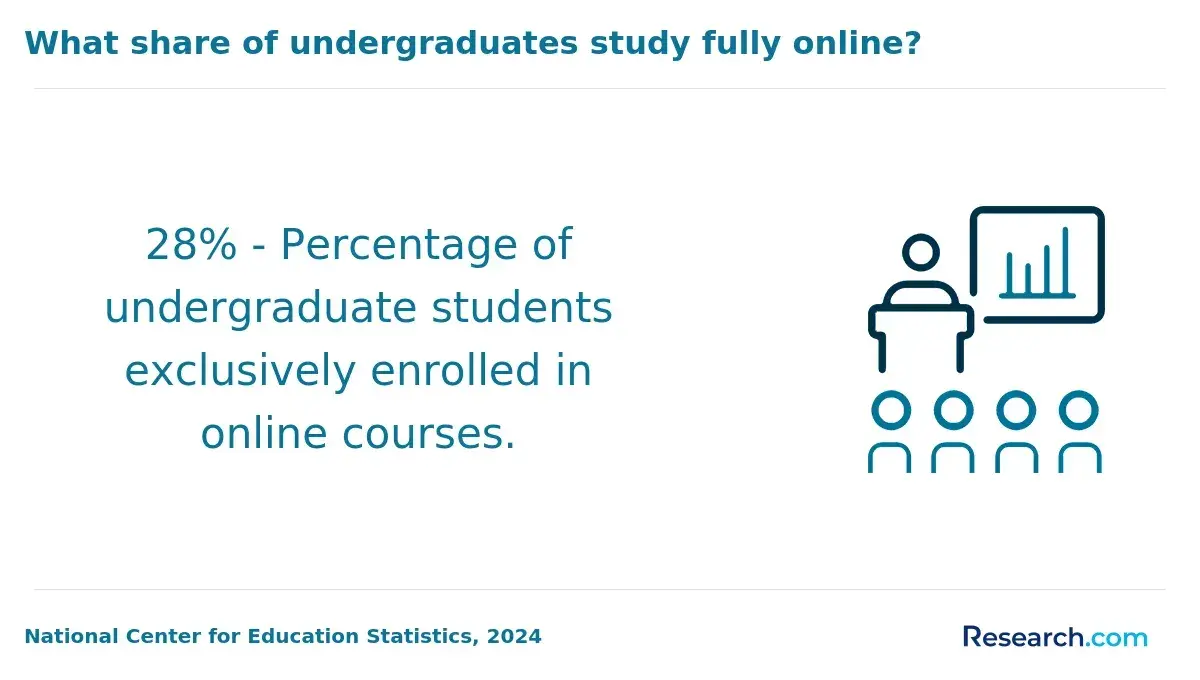
Online legal studies can match foundational outcomes but typically require a higher degree of self-motivation and independent networking to parallel campus-generated connections. Programs integrating synchronous learning and partnerships with firms present better alignment with employer expectations, especially for working professionals balancing education and employment. However, online students must actively seek out simulated casework or client-interaction modules to develop comparable practical skills.
Both tracks benefit from supplementary certifications or apprenticeships to capture salary premiums in specialized legal niches. Return on investment correlates with program rigor and alignment with rapidly shifting market demands, particularly in tech-legal intersections. Distance learners should critically assess whether an online curriculum embeds realistic practice elements and facilitates proactive network-building to approach parity with on-campus pathways.
Which legal studies specialties show the fastest salary and promotion growth?
Career momentum in legal studies increasingly favors specialists in regulatory compliance, intellectual property (IP) law, and government policy due to their alignment with rapidly evolving industry demands. The U.S. legal services sector's projected 10-12% CAGR growth through 2030 amplifies the premium on expertise that bridges legal frameworks with complex technical or policy landscapes.
For instance, regulatory compliance roles, especially in fintech, healthcare, and environmental sectors, deliver a 15-25% salary premium by enabling firms to swiftly navigate shifting regulations and mitigate risk. A compliance officer positioned within financial services might spearhead multi-million-dollar audits and contract negotiations, often ascending to senior compliance leadership in under a decade.
IP law professionals addressing patents in AI, biotech, or software fields typically see about 20% salary growth in three years, provided they combine legal acumen with technical literacy. Government policy advisors often pivot between legislative cycles, with their roles evolving toward senior counsel or director positions as regulatory frameworks expand.
Students and professionals must balance the cost and effort of specialized certifications against the operational value added by cross-disciplinary knowledge and tech fluency. Success depends heavily on practical exposure to sector-specific regulations and tools, which decisively shape promotion timing and earning trajectories.
How do accreditation and program quality affect legal studies career and salary potential?
Credentials and accreditation in legal studies dictate entry points and long-term growth by shaping employer perception and eligibility for specialized roles. Graduates from regionally accredited programs or those endorsed by reputable bodies secure clearer access to positions demanding rigorous understanding, such as alternative dispute resolution (ADR). With the ADR sector expanding from $7.1 billion in 2023 to $15.9 billion by 2030 at a 12.3% CAGR, demand rises for professionals trained in accredited, specialized curricula.
Without recognized accreditation, legal studies programs restrict graduates' options, limiting their ability to pursue certifications acknowledged by courts or arbitration entities. For example, a paralegal seeking a financial services role will face substantial pay gaps if their credential lacks industry-specific validation or ABA recognition. In contrast, graduates from credible programs benefit from streamlined credentialing critical to handling complex regulatory cases.
Practical program quality also plays a role by providing:
- Access to internships and employer networks
- Mentorship opportunities for emerging fields like corporate dispute resolution or intellectual property mediation
- Reduced time and cost barriers when pivoting careers
Without such resources, career progression involves additional certifications, lengthier learning, and diminished market competitiveness, especially given the evolving employer expectations and the growing emphasis on demonstrable competencies.
What are typical program length, tuition costs, and financial aid options in legal studies?
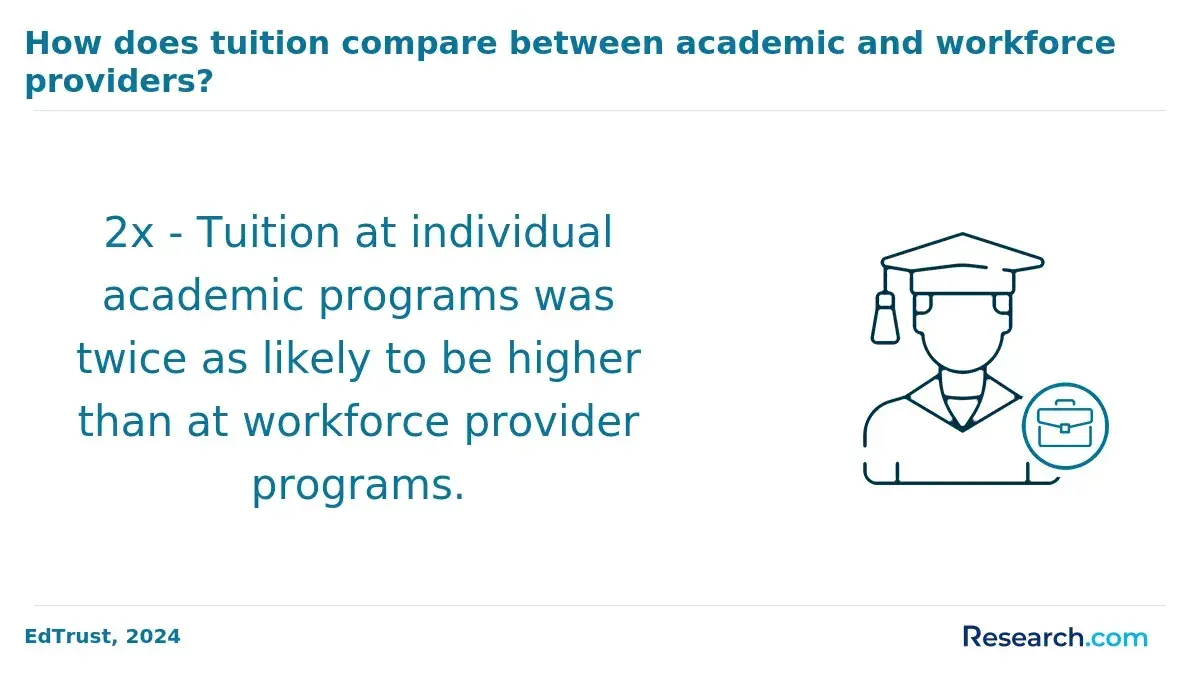
Legal studies programs in the U.S. present a strategic choice between expedited entry and longer-term career positioning. Certificate and associate programs, typically requiring 12 to 24 months, offer a prompt pathway into roles such as compliance analysts or paralegals but may restrict upward mobility without further credentials. Bachelor's degrees, spanning three to four years, provide broader access to supervisory or specialized legal roles yet often involve substantially higher tuition costs-sometimes exceeding $30,000 annually at four-year institutions.
Tuition variability reflects institutional type and credential level, with community colleges and online certificates generally costing between $2,000 and $8,000 total. Access to federal financial aid programs, including Pell Grants and Direct Loans, depends heavily on enrollment status, academic progress, and institution accreditation. Working adults navigating study alongside employment increasingly rely on scholarships and employer tuition assistance to offset costs.
Decision-making should weigh:
- Time investment versus salary trajectory: shorter certificates accelerate entry but cap advancement potential;
- Financial outlay against long-term earnings-higher education debt risks arise with four-year programs;
- Flexibility needs, especially for currently employed students requiring part-time or online formats;
- Alignment with sectors impacted by regulatory changes, where compliance expertise commands entry salaries near $60,000 and can exceed $150,000 at senior levels.
Identifying programs with employer-recognized credentials linked to evolving regulatory landscapes optimizes employment prospects and return on investment.
How can prospective students choose a reputable legal studies program aligned with their career goals?
Choosing a legal studies program requires alignment with targeted roles and an understanding of employer expectations for practical skills. For instance, individuals aiming for paralegal positions benefit more from programs emphasizing hands-on coursework and internships than purely theoretical content, since job readiness influences hiring decisions. Employment growth projections for specialized legal roles stand at 6% from 2024 to 2034, making skill relevance critical.
Accreditation status is a key indicator of program quality; recognized bodies like the American Bar Association provide certification that employers value. Evaluating published graduate employment data is essential-programs with placement rates under 70% in relevant legal fields may signal weak market fit.
Program format and duration affect accessibility. Full-time options with evening or hybrid schedules accommodate working professionals pivoting careers, whereas certificate or part-time paths often accelerate entry into non-attorney legal support roles. Balancing tuition costs against time to completion and income potential is vital for meaningful return on investment.
A law enforcement officer shifting to compliance should prioritize curricula blending legal frameworks with regulatory policy, while prospective court administrators must confirm coverage of courtroom procedures and case management systems. Additionally, strong alumni networks and employer partnerships enhance job placement prospects, reinforcing practical outcomes from the education.
Other Things You Should Know About Legal Studies
Paralegal and legal assistant roles most often require a certificate or an associate degree, plus 1–2 years of coursework from an ABA-approved program or equivalent training. Employers usually expect document review, legal research, and case management skills, and some states require registration or supervision rules.
The intensity and volume of coursework in legal studies programs correlate with skill depth and job readiness. Programs with extensive case analysis, research projects, and internship requirements better prepare graduates for demanding roles that command higher pay. Graduates of programs with lighter workloads may face slower salary growth as employers seek candidates with proven resilience and practical experience. Prioritizing programs with rigorous training enhances advancement prospects.
Specializing in high-demand areas like compliance, intellectual property, or cyber law increases early career salaries and promotion speed compared to generalist tracks. However, narrow focus limits flexibility if industry trends shift or job markets contract in those specialties. Students aiming for maximum salary growth should balance concentration choices with a solid foundational legal studies curriculum to adapt over time and maintain employability.
Employers increasingly demand candidates with practical experience, strong communication skills, and technical proficiency alongside academic credentials. Students should seek programs offering internships, externships, or practical simulations that develop these competencies. Ignoring experiential components reduces competitiveness, regardless of GPA or school ranking. Aligning education with employer expectations significantly impacts hiring outcomes and salary trajectories.
References
- What Can You Do with a Master’s in Legal Studies? https://onlinemasteroflegalstudies.com/career-guides/mls/
- Is Law a Good Career for the Future? Future of Legal Profession https://nbi-sems.com/blogs/news/is-law-a-good-career-for-the-future
- [PDF] J.D.s and Jobs: The Case for an ABA Accreditation Standard on ... https://jle.aals.org/cgi/viewcontent.cgi
- How to Judiciously Choose Your LL.M. Program | LLM GUIDE https://llm-guide.com/articles/how-to-judiciously-choose-your-llm-program
- 10 jobs you can do with a law degree https://www.lawsociety.com.au/resources/resources/career-hub/10-jobs-you-can-do-law-degree
- What Can You Do With a Master of Legal Studies (MLS)? https://mls.uclawsf.edu/articles/what-can-you-do-with-master-of-legal-studies/
- How Much Does a Law Degree Cost? | SoFi https://www.sofi.com/learn/content/law-degree-cost/
- Polish Graduate tracking system - articles https://ela.nauka.gov.pl/en/labor-market/young_lawyers_after_graduation
- Average Cost of Law School [2025]: Tuition + Expenses https://educationdata.org/average-cost-of-law-school
- How Much Do Paralegals Make? https://www.legalstudies.com/how-competitive-is-paralegal-salary-the-center-for-legal-studies/