2026 Internship, Practicum or Clinical Requirements for Chemistry Master's Programs

Co-Founder and Chief Data Scientist
Facing the requirement to complete an extensive internship or practicum can unsettle many chemistry master's students balancing employment or career shifts. A 2024 study by the American Chemical Society revealed that 62% of graduate students felt that unclear or onerous practical training components hindered timely program completion and limited access to relevant industry roles. This trend highlights a growing misalignment between academic clinical requirements and evolving employer expectations for hands-on experience in specialized subfields.
Understanding the specific nature and intensity of these training demands informs better program selection and career planning. This article unpacks internship, practicum, and clinical obligations in chemistry master's programs to clarify their practical impact and guide informed decisions.
Key Things to Know About Internship, Practicum or Clinical Requirements for Chemistry Master's
- Internship requirements often extend program duration by 3-6 months, presenting a tradeoff between depth of practical exposure and timely degree completion, critical for those balancing work and study.
- Employers increasingly prioritize candidates with practicum experience demonstrating laboratory proficiency and project management, making compliance a workforce-entry differentiator rather than a mere academic formality.
- Access to clinical placements remains uneven, with 40% of programs reporting placement scarcity in 2024, influencing students' strategy regarding program selection and geographic flexibility for hands-on training.
What Is the Difference Between an Internship, Practicum, and Clinical Placement?
Within chemistry master's programs, not all practical training formats carry the same operational weight or professional implications. Choosing between an internship, practicum, or clinical placement reflects distinct tradeoffs in supervision, autonomy, and relevance to licensure, ultimately shaping how graduates are vetted by employers and certification bodies. For instance, a student aiming for independent analytical roles may prioritize internships for their real-world responsibility, while those targeting regulated pharmaceutical chemistry paths might lean toward clinical placements.
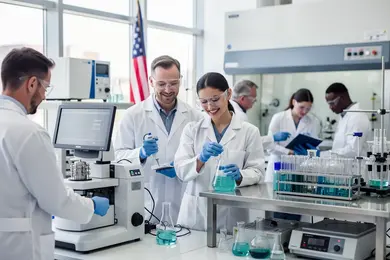
- Internship: Internships generally immerse students in external industry environments such as laboratories or chemical companies, where they take on direct project responsibilities with moderate supervision. This format emphasizes hands-on usage of instrumentation and analytical methods, often demanding a full-time schedule over several months, and is valued by employers as a strong indicator of immediate workforce readiness.
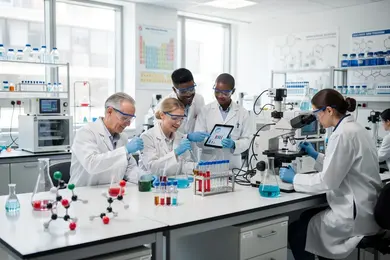
- Practicum: Practicums are more academically controlled, offering structured exposure within university-affiliated or partner labs that stress methodical skill development rather than independent task ownership. Students typically rotate through various experimental setups under close faculty oversight, balancing flexibility with rigor, and these experiences often fulfill degree requirements without the intensity of external employment.
- Clinical Placement: Clinical placements, though less frequent in chemistry than other fields, target niche areas like pharmaceutical chemistry where adherence to patient safety, confidentiality, and regulatory compliance is paramount. These placements involve supervised interaction with clinical specimens or patient data, aligning with licensure mandates and often requiring scheduling that matches healthcare facility operations.
Evaluating clinical placement requirements for chemistry graduate students reveals their critical role in professional licensing, particularly in sectors intersecting with healthcare. While internships tend to weigh more heavily in hiring decisions for independent laboratory analysts, practicums demonstrate foundational competency through academic rigor.
Data from the 2024 National Science Foundation report underscores that 67% of chemistry master's graduates credit internships as primary in securing their initial employment, reflecting employer emphasis on immersive, accountable experience over purely observational roles. For students balancing ongoing professional commitments or those prioritizing specific licensure pathways, understanding these differences is essential.
Those considering graduate training options should also factor that practicums often integrate more flexibly with coursework and carry lower external time demands than internships, which require sustained workplace immersion. Clinical placements' scheduling often mirrors healthcare shifts, posing logistical challenges but providing indispensable regulated experience.
For a comprehensive view of program demands, especially if cost or modality is a deciding factor, prospective students can explore resources on the cheapest online DNP programs, which illustrate how professional training structures may vary across fields and institutions.
What Internship or Practicum Requirements Do Chemistry Master's Programs Have?
Internship and practicum requirements in chemistry master's programs represent distinct pathways for integrating practical experience with academic study. Their structurally different formats influence how students balance professional exposure with rigorous coursework, often affecting time-to-degree and the depth of industry engagement. Understanding these differences is critical for graduate students, especially those managing work or transitioning careers, to align experiential components with their academic and employment goals.
- Internship Requirement Structure: Internships in chemistry master's programs frequently occur through partnerships with industry, government agencies, or research labs, providing hands-on exposure to applied techniques such as analytical instrumentation and quality control. These are typically optional but highly recommended, as data from the 2024 National Association of Graduate Chemists survey reveal that about 65% of graduates participated in internships or equivalent practical experiences. However, coordinating these placements can extend program duration due to scheduling constraints and the need to secure relevant positions, which may delay time-to-completion for working professionals or career changers balancing multiple commitments.
- Practicum Requirement Structure: Practicums tend to be more structured academic components, often integrated into the curriculum with specific credit requirements, and may include capstone research projects as substitutes for external placements. This format emphasizes independent problem-solving and technical mastery within a controlled environment, which can limit exposure to diverse professional settings but reduces reliance on external scheduling. For students unable to commit to traditional internships, practicums offer a viable alternative but may offer less direct industry networking and influence long-term employability differently.
How Many Clinical Hours Are Required for Chemistry Master's Programs?
Clinical hour expectations in chemistry master's programs are shaped less by rigid clinical definitions and more by accreditation criteria, licensure requirements, and program focus, which significantly affects student workload and timelines. For example, many American Chemical Society (ACS)-accredited programs mandate between 400 and 600 hours of hands-on lab or fieldwork, but these experiences vary widely in structure-some prioritize research engagements while others integrate extended internships lasting several hundred hours to align with industry standards. Meeting these hour obligations is critical, as delays or limited access to quality placements can push back graduation dates or complicate subsequent licensure pursuits, especially in specialized fields like clinical chemistry where post-graduate practical hours are often required.
Students must navigate scheduling complexities since practicum or internship hours frequently coincide with demanding coursework, making early planning essential to avoid bottlenecks. According to a 2024 survey by the National Science Foundation, over 65% of chemistry master's students reported balancing these experiential requirements with academic commitments as a primary challenge influencing program completion pace and career readiness.
One former student recalled hesitating during the rolling admissions process because she wasn't initially sure how her employer-supported internship hours would be credited toward the program's clinical requirements. The uncertainty around documented practicum hours made her delay acceptance while seeking clarification, risking application deadlines but ultimately ensuring her subsequent schedule allowed for uninterrupted progress. This experience highlights how nuanced hour mandates can compel candidates to carefully weigh timing and workload compatibility before fully committing to a program, underscoring the practical tradeoffs inherent in aligning educational credentials with professional expectations in chemistry career pathways.
How Are Internship Placements Assigned in Chemistry Master's Programs?
Internship placements in chemistry master's programs are often managed through university partnerships with industry and research laboratories, rather than relying solely on students to secure opportunities independently. These placements typically result from a matching process based on program policies that evaluate student qualifications such as academic achievements, research interests, and prior lab experience.
Faculty advisors play a key role in mediating assignments, ensuring alignment with career objectives and program criteria. This structured approach is reflected in a 2024 National Science Foundation survey showing that 68% of students' placements are influenced primarily by advisor recommendations and institutional connections, which underscores the importance of established networks in navigating the internship placement process for chemistry master's programs.
The reliance on institutional partnerships and faculty coordination introduces practical tradeoffs affecting students' access and flexibility. While these systems streamline placements within established frameworks, they can limit exposure to specialized or remote opportunities, often confining assignments geographically due to the hands-on nature of chemistry internships. Scheduling conflicts and competition among peers for limited slots may delay progression or require workload adjustments. Students transferring credits or balancing other commitments might find these constraints particularly challenging, as program-specific policies shape practicums with less flexibility than in some other fields.
Those considering career pivots can benefit from understanding how the interplay of these factors influences not only placement success but also long-term employability dynamics, much like emerging roles reflected in evolving fields such as medical coding, where access to timely practicum experiences directly impacts earning potential and job readiness. medical coder salary
Can Working Adults Complete Internships Part-Time?
Part-time internship options in chemistry master's programs are often limited by program structure, employer expectations, and accreditation requirements. Cohort-based placements generally follow full-time schedules to ensure continuous lab access and supervision, which can restrict part-time participation. Programs reliant on self-arranged internships may offer more flexibility but pose challenges in finding suitable employers willing to accommodate split schedules. Employer-sponsored internships in industry settings sometimes allow evening or weekend hours, particularly when tied to research partnerships, yet these remain exceptions rather than the norm due to the intensive, hands-on nature of chemistry work.
For working adults, this means balancing employment and internship demands often entails tradeoffs such as longer program durations and fewer placement choices. Scheduling conflicts can exclude students from full-time, immersive projects essential for licensure or advanced research roles. That said, those who secure sites approving remote or hybrid lab activities-now recognized by some programs to meet experiential requirements-may better manage work-study integration. A 2024 study by the National Student Clearinghouse Research Center found that 38% of graduate interns participate part-time, reflecting a niche but growing trend driven by workforce realities and program adaptation.
A chemistry master's student navigating rolling admissions delayed commitment while verifying if her preferred employer could accommodate a part-time internship aligned with her job. She recalled feeling "caught between rushing to meet deadlines and needing adequate information to plan." Ultimately, the employer agreed to a flexible schedule, but the uncertainty added stress and extended her program timeline. This experience underscored how critical early communication and realistic timelines are when planning part-time internships amidst competing professional responsibilities.

Do Internship Hours Count Toward Professional Licensure Requirements?
The acceptance of internship hours toward professional licensure requirements in chemistry master's programs depends heavily on the specific accreditation standards, licensing board regulations, and the structure of the program. For internship hours to be recognized, they generally must involve supervised work by licensed professionals and meet stringent documentation criteria reflecting real-world competencies aligned with approved fieldwork standards.
Programs accredited by organizations like the American Chemical Society often ensure internships are structured to fulfill these requirements, but recognition varies widely. This means that clinical placement hours recognized for licensure in chemistry graduate studies are not guaranteed across all programs and jurisdictions, making it essential for students to verify alignment with licensing criteria before committing to an internship component.
Failure to secure internship hours that count toward licensure can delay graduation timelines, licensure exam eligibility, and early career entry, especially for career changers or working professionals who rely on these hours to meet experience mandates. Licensing requirements differ across states and specialties within chemistry, with some requiring additional supervised post-graduate experience if internship hours fall short.
According to a 2024 analysis by the National Science Foundation, although nearly 67% of chemistry master's students reported their internship influenced certification pathways, only 45% had those hours formally credited toward licensure. This disconnect can necessitate supplementing internships with alternative supervised work or extended training. For those balancing workforce demands, consulting licensure authorities and program coordinators to confirm the standing of their internship is critical to avoid unexpected credentialing barriers.
Prospective candidates may also compare how other fields manage experiential training, such as evaluating online ultrasound tech programs where clinical placement hours are more uniformly recognized, offering insight into navigating these complexities.
How Are Internship or Practicum Experiences Evaluated?
Evaluating internship and practicum experiences in master's chemistry programs typically involves integrating supervisor observations with faculty assessments and student self-evaluations to form a holistic picture of performance. Site supervisors provide detailed feedback on technical competencies-such as laboratory skills, data analysis, and adherence to safety protocols-while faculty review these alongside students' reflective reports to verify alignment with academic objectives. Balancing subjective supervisor impressions with standardized evaluation criteria can be challenging, especially when placement environments or role responsibilities vary significantly, potentially leading to inconsistent grading or overlooked skill gaps.
A 2024 National Science Foundation survey found that 78% of chemistry graduate programs rely on this multi-source assessment model to assign final internship grades, emphasizing the importance of integrating diverse perspectives to capture both practical and professional development. These evaluations can directly influence a student's progression; for example, unsatisfactory assessments may trigger remediation or extension of internship time to address deficiencies before degree completion. Programs face ongoing tension in standardizing supervision quality across disparate employers, which affects not only grading fairness but also the readiness of graduates to meet employer expectations around reliability, adaptability, and communication within scientific teams.
What Challenges Do Students Face During Graduate Internships or Clinicals?
Graduate internships or clinicals within chemistry master's programs represent pivotal but often precarious transitional phases. These experiences frequently expose students to misaligned academic preparation and workplace realities, sometimes resulting in delayed program completion or compromised engagement with concurrent responsibilities. The practical demands and structural inconsistencies intrinsic to such placements necessitate deliberate navigation to avoid diminished outcomes and professional setbacks.
- Skills Gap and Technical Expectations: Internship environments typically require mastery of sophisticated instrumentation, strict adherence to safety standards, and advanced problem-solving techniques beyond those taught in coursework. This mismatch can lead to slower progress and increased frustration during short, intensive clinical periods.
- Time Management Strain: Balancing internship hours with ongoing coursework and research obligations creates significant scheduling conflicts. A 2024 National Science Foundation study found that nearly 65% of graduate chemistry students struggle to juggle these demands, often at the expense of either their academic performance or practical learning depth.
- Placement Limitations and Relevance: Access to internships directly tied to students' specific career goals is limited, as many positions emphasize prior industry experience or specialized skills. This restricts the practical value of internships for many students, especially those changing career paths or entering the field without extensive backgrounds.
- Inconsistent Supervision Quality: Variability in mentorship-ranging from structured guidance to minimal oversight due to supervisor workload-hampers skill acquisition and confidence building, disproportionately affecting those lacking prior professional experience.
- Evaluation and Performance Pressure: Interns operate under tight timelines and high employer expectations, amplifying stress related to real-time evaluation. Pressure to deliver meaningful results in unfamiliar settings can undermine learning, especially when coupled with ambiguous performance criteria.
These challenges compound operational, cognitive, and emotional burdens during a critical professional development stage, shaping not only immediate internship results but also longer-term employability prospects in chemisty-related fields.
Do Internships Improve Job Placement After Graduation?
Internship experiences in chemistry master's programs enhance job placement primarily by signaling workplace readiness and aligning graduates with employer expectations. Recruiters often view candidates with substantial practicum exposure as lower-risk hires because these individuals have demonstrated familiarity with technical workflows and professional environments relevant to pharmaceuticals, environmental science, or materials research. Internships also open internal pipelines where hiring frequently occurs through referrals or existing professional networks, which can be crucial in competitive sectors.
A 2024 report by the National Center for Education Statistics highlights that chemistry master's students who completed internships had a 23% higher likelihood of employment within six months post-graduation, reflecting these mechanisms in action. This dynamic intersects with the practical reality of how transfer credits impact chemistry master's degree tuition fees, since students weighing program costs may consider internships a valuable addition that improves return on investment through enhanced employability.
However, the advantage conferred by internships is not guaranteed or uniform. Variations in internship quality-ranging from brief observational stints to long-term project involvement-directly affect the strength of employment outcomes. In some specialized research or government roles, academic credentials or publication records remain more critical than internship experience. Geographic factors and industry saturation further modulate whether internship participation translates into job offers.
As a real-world scenario, a graduate with a relevant internship in pharmaceutical sales aligns well with growing demand across healthcare systems and related roles, including positions where understanding drug rep salary structures guides career planning. Nonetheless, these circumstances illustrate that internships improve early hiring signals but do not wholly replace the need for adaptability, continuous skill development, or strategic career navigation post-graduation.
How Can Students Choose a Program That Matches Their Career Goals and Schedule?
Selecting a master's program in chemistry that fits both career ambitions and scheduling realities is fundamentally a constraint-driven decision. Programs with misaligned internship and practicum requirements often cause extended time to degree, diminished job readiness, or insufficient specialization options. Effective choices critically balance experiential demands against personal availability and long-term professional goals.
- Align Experiential Components With Career Outcomes: Prioritize programs whose internships or practicums directly connect to desired industry roles or research areas. This connection enhances relevance and improves employability, as 2024 data from the National Science Foundation shows that over 65% of chemistry graduates completing structured internships secure related jobs within six months.
- Evaluate Scheduling Flexibility of Fieldwork: Seek programs offering varied internship timelines, such as summer or evening options, to accommodate working professionals. Limited flexibility can force conflicts between work and mandatory experiences, risking delayed graduation or compromised performance.
- Assess Availability of Part-Time or Hybrid Formats: Programs collaborating with industry for remote practicums provide practical alternatives for students balancing employment. Such models reduce geographic and time constraints while maintaining critical hands-on exposure.
- Understand Credit Transfer and Prior Learning Policies: Some programs recognize prior professional experience or non-credit internships, which can shorten degree completion times. Investigate these options early to avoid unexpected workload increases or extended study periods.
- Consider Geographic Placement Limitations: Internship sites tied to specific locales may restrict students unable to relocate or commute frequently. Confirm site accessibility aligns with your current living and working arrangements to prevent logistical barriers.
- Focus on Employer-Relevant Pathways: Programs that integrate internship tasks with professional certifications or industry standards tend to enhance employment prospects. Confirm how these experiential components translate into verifiable skills valued by chemistry employers.
Balancing fieldwork and employment during chemistry graduate studies requires careful scrutiny of these factors to optimize degree value and career outcomes. Students navigating such decisions should also explore adjacent accredited LPN programs easy to get into as comparative models of structured experiential learning within healthcare sectors.
What Graduates Say About Internship, Practicum or Clinical Requirements for Chemistry Master's
- Callen: "During my Chemistry master's internship, I realized that many employers place more weight on practical lab experience than on licensure. I debated whether to pursue certification or dedicate more time to internships; ultimately, I focused on gaining diverse hands-on skills through multiple practicum placements. This decision helped me secure a research associate role quickly, though I noticed salary growth is slower without formal licensure in some companies."
- Koen: "I faced a tough choice after graduation: accept a remote internship with a smaller biotech firm or hold out for an on-site opportunity with a larger organization. Given the competitive hiring landscape, I went with the remote option to enter the workforce faster and build relevant experience. This flexibility allowed me to pivot into a specialized analytical role sooner, though I had to work harder on networking without face-to-face connections."
- Owen: "After completing my Chemistry master's degree, I struggled to find roles that didn't require a professional license. I had to decide between pursuing licensure or gaining broader industry certifications to improve my employability. Choosing the latter led me to an internship where I applied those credentials directly, resulting in a stable position in quality control-though I remain aware this path may limit upward mobility in regulated sectors."
Other Things You Should Know About Chemistry Degrees
Many chemistry master's programs offer internships in varied settings, from industrial labs to academic research groups, but not all locations provide equivalent exposure to advanced techniques or industry-relevant workflows. Prioritizing internships within organizations known for cutting-edge chemical analysis or product development enhances skill acquisition and employer appeal. However, if location flexibility is crucial due to personal constraints, students must recognize that more accessible internships may offer less specialized training, potentially limiting immediate employability in niche sectors.
A longer internship focused on repetitive or narrowly scoped laboratory duties can build proficiency and confidence with certain instruments but may restrict broader skill development. Conversely, shorter internships that rotate through various roles can expose students to a wider array of techniques and project types, which employers often value for adaptability. When making this choice, prioritize internships that balance sufficient duration to solidify skills with opportunities to engage in multiple facets of chemical work.
Internship or practicum components in chemistry master's programs can demand intensive, often full-time hours during terms when coursework is also heavy, creating significant strain for working learners. Some programs permit evening or weekend placements, but these can extend overall time to completion or reduce the depth of engagement. Prospective students juggling employment should favor programs with built-in scheduling flexibility or options for virtual lab work to manage competing demands without sacrificing the quality of experiential learning.
Aligning internship experiences with targeted chemical industries-such as pharmaceuticals, materials science, or environmental chemistry-enhances job market relevance and signals commitment to employers in that niche. However, overly narrow focus risks pigeonholing candidates, especially if career goals evolve post-graduation. A recommended approach is to gain foundational experience in broader chemical methods first, then pursue specialized internships that strengthen resume differentiation while keeping options open.
References
- Work placements https://www.uv.es/uvweb/master-experimental-techniques-chemistry/en/master-s-degree-programme/curriculum/work-placements-1285890099032.html
- Clinical Practice: Practicum and Internship • Rocky Mountain University https://rm.edu/master-of-science-in-counseling/clinical-practice/
- Materials and Chemistry Institute (MaCI) Summer Internship | Physical and Life Sciences Directorate https://pls.llnl.gov/careers/internships/materials-chemistry-institute-maci-summer-internship
- Use the Tips app on iPhone https://support.apple.com/guide/iphone/tips-iph3afc3b3fc/ios
- Practicums Vs Internships: A Complete Guide | Psychology.org https://www.psychology.org/resources/internships-and-practicums/
- In Praise of Internships – Undergraduate and Graduate | LCGC International https://www.chromatographyonline.com/view/in-praise-of-internships-undergraduate-and-graduate
- Practicum vs. Internship in Counseling Programs: What’s the Difference? https://www.nec.edu/news/practicum-vs-internship-counseling-programs
- Chemistry Internships: Find 27 Chemistry Intern Jobs https://internshala.com/internships/chemistry-internship/