2026 Best Value Online Chemistry Master's Degrees: Affordable Accredited Programs with the Highest ROI

Co-Founder and Chief Data Scientist
Balancing cost, credibility, and career impact proves challenging when pursuing an online chemistry master's degree. With tuition fees rising steadily, applicants must navigate programs that truly deliver measurable returns, not just credentials. Recent data from the National Center for Education Statistics reveals a 7% increase in enrollment for online graduate programs in STEM fields since 2022, highlighting growing demand for flexible, reputable study options. This trend underscores the need to prioritize accredited programs that afford career flexibility without excessive debt. Identifying affordable degrees with proven outcomes can empower working professionals and first-generation students to invest wisely in their future pathways and workforce relevance.
Key Things to Know About the Best Value Online Chemistry Master's Degrees
- Accredited online chemistry master's programs often balance lower tuition with rigid lab or residency requirements, creating a tradeoff between affordability and hands-on skill acquisition critical for laboratory roles.
- Employers prioritize candidates from programs with regional accreditation and industry-relevant research experience, making academic credibility a non-negotiable factor for practical employability in chemical industries.
- Rising enrollment of adult learners in online STEM programs-up 18% in 2024 per the National Center for Education Statistics-reflects growing demand for flexible timing, influencing program structures to accommodate working professionals' schedules effectively.
What Are the Best Value Online Chemistry Master's Programs in the U.S.?
Best value in online chemistry master's programs means finding a degree that balances affordable tuition with rigorous accreditation, solid graduation rates, and measurable post-degree salary gains. This balance matters because overpaying for a poorly connected program can limit hiring potential in scientific industries, while cheaper options lacking accredited standards may hinder credential recognition. For example, a working professional weighing whether to enroll in a lower-cost asynchronous program must consider if the reduced interaction will affect networking opportunities critical to moving into specialized sectors like organic or environmental chemistry. The best affordable online chemistry master's degrees in the U.S. directly address such tradeoffs by offering credible curricula combined with flexible delivery, targeting working adults, career changers, or first-generation students who need tangible ROI.
- Institution Name: University of Florida
- Estimated Total Tuition: $16,800
- Delivery Format: Asynchronous
- Differentiator: One of the few programs combining affordable out-of-state rates with research-focused electives in organic and analytical chemistry.
- Institution Name: University of Central Florida
- Estimated Total Tuition: $18,250
- Delivery Format: Asynchronous
- Differentiator: Strong emphasis on interdisciplinary collaboration with engineering, reflecting real-world applications in materials science.
- Institution Name: Illinois Institute of Technology
- Estimated Total Tuition: $21,000
- Delivery Format: Synchronous
- Differentiator: Offers live sessions with industry professionals, providing networking opportunities alongside coursework.
- Institution Name: University of Massachusetts Lowell
- Estimated Total Tuition: $23,600
- Delivery Format: Asynchronous
- Differentiator: Focuses on environmental chemistry and sustainability, aligning with growing green industry demands.
- Institution Name: Oregon State University
- Estimated Total Tuition: $25,400
- Delivery Format: Asynchronous
- Differentiator: Integrates a flexible capstone project designed to accommodate varied professional goals within the chemical sciences.
- Accreditation Quality: All listed programs maintain regional accreditation and specialized recognition through chemistry-related professional bodies, which is critical as hiring managers often filter candidates based on institutional credibility.
- Graduation Rate: These programs exhibit graduation rates between 70% and 85%, reflecting strong student support systems and manageable online course designs.
- Post-degree Salary Lift: Graduates typically see salary increases of 20% to 30% within two years, with specialized tracks commanding higher premiums in sectors like green chemistry or materials development.
- Data Sources: Tuition and outcome figures gather from IPEDS, institutional disclosures, and national salary datasets pertinent to chemistry professionals for the current academic cycle.
For those interested in fast-tracking into healthcare-adjacent roles that intersect with chemical sciences, reviewing options such as the fastest medical assistant program can provide additional pathways that complement chemistry expertise.
What Accreditations Should an Online Chemistry Master's Program Have?
Choosing an online chemistry master's program without understanding its accreditation can jeopardize both your financial investment and career prospects. Employers and graduate schools often scrutinize accreditation status, which directly influences credit transferability and job market acceptance.
Accreditation for these programs typically involves two layers. First, Regional Institutional Accreditation is the foundational credential of the university, granted by one of seven regional accrediting bodies such as the Higher Learning Commission (HLC) or Southern Association of Colleges and Schools Commission on Colleges (SACSCOC). This level is essential not only for federal financial aid eligibility but also for ensuring your credits hold value if you transfer or pursue further education. Without regional accreditation, graduates risk limited recognition by employers in competitive STEM fields, which can stall career advancement.
Second, while chemistry-specific programmatic accreditation is less common, relevant professional bodies may accredit related fields or specialties within a program. For example, programs with applied science or chemical engineering components might seek ABET accreditation to bolster industry credentials. Given the absence of a universal chemistry accreditor, identifying programs affiliated with respected scientific standards or professional networks remains critical.
Watch out for schools only nationally accredited or those with unrecognized accrediting agencies. Such credentials typically carry less weight, restricting federal aid, credit transfer, and employer acceptance, which can diminish ROI.
- Regional Accreditation: Is the institution accredited by a recognized regional agency acknowledged by the U.S. Department of Education?
- Program Accreditation: Does the chemistry master's program hold any relevant field-specific recognition or endorsements?
- Documentation: Can the school provide clear, up-to-date evidence confirming accreditation status?
- Graduate Outcomes: Have alumni successfully transferred credits or obtained chemistry-related employment?
How Much Does an Online Chemistry Master's Degree Cost on Average?
Online chemistry master's degree costs vary widely, typically ranging from moderate totals for public university students to significantly higher expenses at private or nonprofit institutions. Data drawn from accredited programs indicate that per-credit-hour tuition often falls between affordable rates for in-state learners and premium fees for out-of-state enrollees, although many schools offer flat pricing for all online students regardless of residency. This pricing dynamic directly influences financial planning and ROI calculations, especially for career changers or working professionals who must weigh upfront investment against expected employment outcomes in scientific sectors.
- Public University Average: Tuition costs differ substantially between in-state and out-of-state students. In-state learners benefit from lower rates, while nonresidents may pay as much as double, though overall program costs remain reasonable when factoring combined credit hours.
- Private/Nonprofit Average: These programs usually have consistent tuition for all online students irrespective of residency, resulting in higher but predictable total fees. Additional charges can boost base tuition by 10 to 15%.
- Mandatory Fees: Beyond tuition, expect technology and administrative fees supporting digital platforms and student services. These add several hundred to a few thousand dollars to final costs, which can be easily overlooked in budgeting.
- Thesis or Capstone Fees: Completion requirements like research projects or comprehensive exams often bring specialized fees, affecting final financial commitments.
- Proctoring Costs: Some online exams require remote or onsite monitoring, imposing extra costs that vary by institution or testing provider.
- Residency Requirements: While most online master's degrees waive campus residencies, a few still require short on-campus visits, creating travel and lodging expenses that factor into total investment.
Comparing these costs helps prospective students identify programs aligned with their financial constraints and career goals. Those focusing on affordability without sacrificing accredited quality will note the tradeoffs between lower upfront tuition and potential differences in network access or specialization relevance. First-generation graduate students and career changers should also consider the full spectrum of fees when calculating the true price of an online chemistry master's degree.
Explore further insights including practical program comparisons beyond chemistry, such as RN BSN pathways, to better evaluate education investments.
What Is the Return on Investment (ROI) of an Online Chemistry Master's Degree?
Evaluating the financial merits of an online chemistry master's degree requires a clear understanding of its return on investment (ROI), calculated as the post-degree salary increase minus total program cost, divided by that cost, and expressed in percentage terms or years to recoup expenses. Median salaries for bachelor's-level chemists typically range from $60,000 to $65,000 annually, while those holding a master's degree in chemistry can expect median incomes between $75,000 and $90,000, varying by specialization and role. Given that program costs often lie between $15,000 and $35,000, most graduates face a payback period spanning two to five years, assuming steady employment.
- Work Experience: Prior industry experience often translates into quicker salary gains and faster ROI, as employers reward advanced credentials with promotions rather than entry-level wages.
- Institution Prestige: Degrees from well-regarded programs typically open doors to higher-paying positions and competitive markets, enhancing financial returns.
- Regional Demand: Graduates situated near pharmaceutical or environmental industry centers benefit from increased hiring demand, substantially improving ROI.
- Specialization: Concentrations like analytical chemistry or biochemistry tend to yield better salary boosts compared to broader, non-specialized paths.
- Non-Monetary ROI: Career flexibility, improved job security, and eligibility for leadership roles are critical benefits that don't appear directly in salary figures but shape long-term professional resilience.
One graduate recalled waiting anxiously through a rolling admissions cycle, unsure whether to commit financially without prompt notification. Balanced between urgency and uncertainty, the candidate lingered on submitting application materials, fearing that premature commitment might limit options. Once accepted, they recognized that the program's flexibility accommodated their work schedule, reinforcing that thoughtful timing in admissions can influence the overall investment experience beyond cost and salary outcomes.
What Are the Admission Requirements for an Online Chemistry Master's Program?
Admission to online chemistry master's programs often hinges on more than just academic record; it reflects a candidate's readiness for rigorous, technical graduate work and their potential fit within a competitive applicant pool. For example, a working professional with a 2.8 GPA but extensive lab experience might offset a lower academic threshold if strong recommendations and a focused statement of purpose highlight practical skills and clear career objectives.
Undergraduate GPA: Programs generally look for a minimum GPA around 3.0 on a 4.0 scale, though exceptions may be made based on the full application profile.
Letters of Recommendation: Two or three targeted endorsements from professors or professionals familiar with the applicant's chemistry background can validate technical aptitude and work ethic.
Statement of Purpose: A precise essay explaining motivations and alignment with the program reveals commitment and helps differentiate candidates beyond grades.
Resume or CV: Documenting relevant research, employment, or academic experience contextualizes transcripts and showcases applicable skills valued by employers and admissions staff alike.
Prerequisite Coursework: Foundational classes in general and organic chemistry, plus quantitative subjects like calculus, typically must be completed to demonstrate preparedness.
Standardized Tests: While historically important, GRE or GMAT requirements are increasingly waived in online chemistry programs; when required, the quantitative section often weighs most heavily.
Quantitative Competency: Confirming strong math skills through coursework, test scores, or professional application remains central due to chemistry's technical demands.
Given significant variability in admission standards, applicants should strategically apply across a range of programs-reach schools with stringent criteria, matches aligned to their credentials, and safety options-to maximize acceptance and better ensure program fit.
What Is the Minimum GPA Requirement for a Chemistry Master's Program?
In the competitive landscape of graduate admission GPA criteria for online chemistry master's degrees, knowing the difference between minimum eligibility and competitive standing is crucial for applicants. Most accredited online chemistry master's programs typically set a minimum undergraduate GPA requirement between 2.75 and 3.0. This threshold serves as the baseline allowing candidates to be reviewed, but it is not necessarily predictive of admission success. Competitive programs often expect a GPA of 3.2 or higher, reflecting the average profile of admitted students and improving admission chances significantly.
Applicants with GPAs below the minimum often face tradeoffs. Some programs offer GPA waivers or alternatives, accepting professional experience, portfolios, or standardized test scores to demonstrate capability. For example, a working professional with substantial research experience but a GPA under 2.75 might still qualify by leveraging a portfolio and letters of recommendation. Additionally, conditional or provisional admission routes exist, enabling entry contingent on completion of prerequisite courses or performance benchmarks in early graduate work, though this path requires extra commitment and risks delaying progress.
It's important to remember GPA is one part of a holistic review process that also weighs research experience, personal statements, recommendations, and alignment with career goals. For students balancing work and study or switching fields, this nuanced approach can open opportunities beyond strict GPA cutoffs. First-generation graduate students and career-changers often find programs with flexible admissions policies better reflect their diverse backgrounds and strengths.
- Minimum GPA Requirement: Accredited online chemistry master's programs commonly require an undergraduate GPA between 2.75 and 3.0 as the floor for eligibility.
- Competitive GPA: Programs often publish average admitted student GPAs around 3.2 or higher, indicating a stronger chance of admission.
- GPA Waivers and Alternatives: Professional experience, portfolios, or standardized test scores may substitute GPA requirements at some programs.
- Conditional or Provisional Admission: Candidates with below-threshold GPAs may gain admission by meeting additional academic requirements during initial coursework.
- Holistic Review Considerations: Admissions also assess research, recommendations, personal statements, and career goals alongside GPA.
For applicants considering interdisciplinary opportunities or related fields, exploring an online nutrition degree can also broaden future career options where chemistry expertise applies in healthcare and food science sectors.
What Financial Aid Options Are Available for Online Chemistry Master's Students?
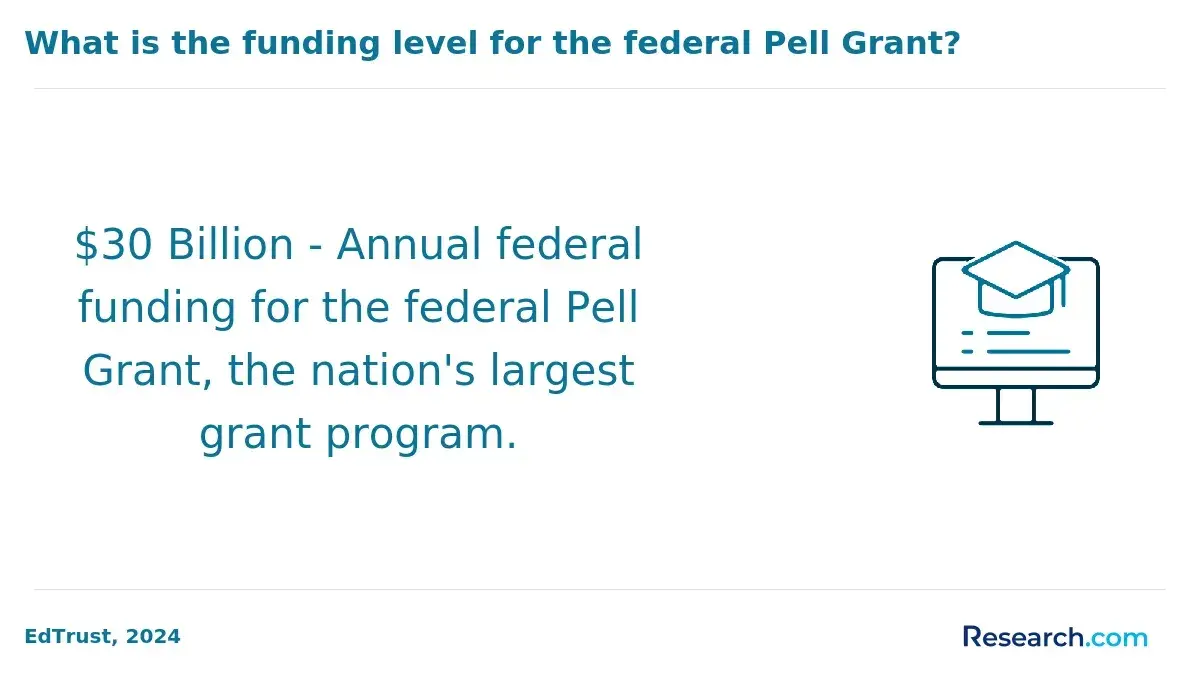
Funding an online chemistry master's degree requires strategic navigation of varied financial aid sources, each with specific conditions that influence affordability and long-term debt management. Unlike undergraduate education, graduate students won't qualify for federal grants like Pell Grants, a fact that trips up many first-generation applicants unfamiliar with graduate aid nuances. Understanding the types of federal loans, institutional support, and employer programs helps ensure a tailored approach aligned with one's work and personal circumstances.
- Federal Loans: Graduate students primarily access Direct Unsubsidized Loans and Graduate PLUS Loans via FAFSA, which calculates a Student Aid Index reflecting financial need. Unlike undergrad loans, interest accrues immediately, and the Graduate PLUS loan requires credit approval, making borrowing more restrictive and potentially costly if not planned carefully.
- Institutional Scholarships and Fellowships: Many programs award merit- or need-based scholarships and competitive fellowships that may cover tuition or provide stipends, but these are limited and demand early, well-prepared applications backed by strong academic or professional records.
- Employer Tuition Reimbursement: For professionals remaining employed, employer aid can reduce expenses significantly but often requires continued employment, meeting certain academic performance benchmarks, and adhering to program eligibility rules.
- Graduate Assistantships: Some online chemistry programs offer assistantships with tuition remission and stipends, though availability is more constrained compared to on-campus opportunities and may require periodic live participation or local residency.
- External Scholarships: Associations specific to chemistry and STEM fields offer specialized scholarships, usually competitive and contingent on demonstrating commitment to the discipline early in the application cycle.
To maximize aid, applicants should prioritize submitting FAFSA and institutional applications well before deadlines, aggressively research and apply for chemistry-focused scholarships, engage financial aid officers to negotiate possible adjustments, and investigate state grant or loan forgiveness programs tied to public sector or geographic commitments.
One recent graduate recalled uncertainty navigating rolling admissions and financial aid timelines, delaying their FAFSA application while waiting on institutional scholarship decisions. This hesitation compressed their window to secure favorable loan terms, forcing last-minute adjustments to their budget and study plan. Their experience underscored how timing and proactive engagement with financial aid offices are crucial to avoid costly surprises and maintain financial stability throughout the program.
How Long Does It Take to Complete an Online Chemistry Master's Degree?
Completing an online chemistry master's degree typically ranges from 18 months to 4 years, depending largely on enrollment status and program design. Full-time students often finish within 18 months to 2 years, while the majority of online learners, who study part-time, extend their programs over 2.5 to 4 years. This extended timeline reflects the common need for working professionals and first-generation graduate students to balance coursework with job demands and family obligations, which influences program pacing and outcomes.
Several factors shape the time to completion and carry long-term implications for career ROI and workforce readiness:
- Credit Hour Requirements: Most programs require between 30 and 45 credit hours; those with higher credit demands usually require more semesters, affecting total time and cost.
- Course Load per Semester: Increasing course load can accelerate graduation but may reduce the ability to maintain employment or other responsibilities effectively.
- Transfer Credits: Accepting transfer credits from prior graduate coursework can shorten the duration significantly, an advantage for individuals with relevant academic backgrounds.
- Program Structure: Cohort-based programs with fixed terms provide less flexibility but create a structured timeline, whereas self-paced tracks require strong self-directed time management but allow customization of study speed.
- Accelerated Programs: Some offer completion within 12 months without compromising accreditation or employer perception of quality, which is crucial as faster completion doesn't always equate to lower value.
- Thesis or Capstone Requirements: Adding one or two semesters, these elements depend on a student's ability to secure faculty mentorship and conduct research efficiently, affecting both duration and practical expertise gained.
Choosing the right pace aligns with practical realities: many employers in science fields value both accredited credentials and demonstrated competence over speed alone. Additionally, demand for professionals with advanced credentials is increasing across healthcare systems and research institutions, emphasizing a balanced approach to program length and quality.
Students seeking the best value online chemistry master's degree duration should weigh these tradeoffs carefully. Many also explore options for online exercise science degrees as comparative insights into program timing and outcomes become part of broader decision frameworks for graduate education.
What Specializations or Concentrations Are Available in Online Chemistry Master's Programs?
Specializations within online chemistry master's programs shape how students develop expertise and influence long-term career trajectories in meaningful ways. Employers often prioritize candidates with niche skills tailored to industry demands rather than broad chemistry knowledge alone. For instance, a professional targeting pharmaceutical R&D roles will find a concentration in pharmaceutical chemistry far more directly applicable-and better compensated-than a general chemistry track. Conversely, generalist tracks can offer flexibility but sometimes at the cost of clear specialization, which may complicate entry into competitive sectors.
- Analytical Chemistry: Focuses on methods and instruments to identify and quantify substances.
- Organic Chemistry: Examines carbon-based compounds and their chemical reactions.
- Inorganic Chemistry: Studies metals, minerals, and non-organic chemical behavior.
- Physical Chemistry: Investigates the physical principles that govern chemical processes.
- Biochemistry: Bridges biology and chemistry to analyze chemical processes in living systems.
- Environmental Chemistry: Addresses chemical mechanisms in ecosystems and pollution control.
- Materials Chemistry: Designs new materials with specialized physical or chemical properties.
- Pharmaceutical Chemistry: Centers on drug development, testing, and chemical formulation.
Many accredited programs in the United States require declaring a concentration at admission, while others allow opting for electives later, which directly impacts curriculum planning and career focus. Students pursuing online chemistry master's program specializations in the United States should conduct targeted research on job postings within their intended career paths to identify which concentrations employers emphasize. This approach aligns education with market realities, increasing employability and salary potential.
Not all concentrations have equal market value; fields like pharmaceutical chemistry and analytical chemistry often command higher salaries due to their application in regulated industries. Engaging with alumni or academic advisors can provide valuable insights into the labor market relevance and the real-world return on investment of various specializations.
- Accrediting Bodies: Programs commonly hold accreditation from regional entities such as the Higher Learning Commission (HLC) or specialized organizations like the American Chemical Society (ACS).
- Program Format: Most online chemistry master's degrees combine asynchronous coursework with occasional live lectures or lab components.
- Admission Requirements: Typically require a bachelor's degree in chemistry or related disciplines; GRE requirements vary by institution.
Prospective students should also assess financial factors carefully, as program costs can vary widely. For relevant comparative benchmarks, consulting resources on online speech pathology degree costs and fees can provide context on graduate program expenses and financial aid options within STEM and healthcare-related fields.
How Do Online Chemistry Master's Programs Compare to On-Campus Programs in Quality and Recognition?
Employer bias against online chemistry master's degrees from accredited institutions has significantly diminished, with surveys by SHRM and other workforce analysts confirming that most hiring managers do not differentiate between online and on-campus diplomas when the issuing school is regionally accredited and the transcript or diploma does not specify "online." This equalizing factor means accreditation remains the foremost credential validation in technical fields, including chemistry, where graduate salaries vary widely depending on specialization but generally fall within competitive STEM ranges. However, practical distinctions in student experience and networking persist.
On-campus programs often offer more immediate access to physical laboratories, hands-on research, and in-person faculty mentorship, which can be crucial for students targeting R&D or lab-intensive career paths. Moreover, direct engagement in campus career fairs and established employer pipelines may enhance hiring prospects for certain sectors that prioritize experiential learning. Conversely, online master's programs increasingly incorporate virtual lab simulations, hybrid residency weekends, and digital collaboration platforms that partially offset those gaps, catering better to working professionals or those balancing geographic constraints.
Students should carefully evaluate institutions based on demonstrated graduate employment outcomes rather than the delivery model alone. Examining LinkedIn profiles of alumni to observe roles secured, employers hired by, and career progression offers a transparent measure of program return on investment. For many career changers and first-generation graduate students, the institution's reputation and postgrad success data provide more actionable insights than modality distinctions.
- Accreditation: Regional accreditation is the primary indicator of credential legitimacy and employer recognition across online and campus formats.
- Employer Perception: Most recent employer surveys show degree modality has little impact compared to institutional prestige and candidate skills.
- Networking Opportunities: On-campus students benefit from direct contact with recruiters and peers; online programs mitigate barriers with virtual events and hybrid residencies.
- Practical Experience: Access to physical labs remains an on-campus advantage, though some programs offer virtual labs and limited in-person residencies.
- Graduate Outcomes: Transparent alumni career data is essential to assessing programs beyond modality, informing decisions for underrepresented and working adult populations.
What Graduates Say About the Best Value Online Chemistry Master's Degrees
- Callen: "Balancing a full-time job and family made time my biggest constraint, so I chose this master's program for its flexible schedule. The coursework was intense but manageable, allowing me to build a strong portfolio while working evenings. Employers here valued my practical lab skills and project experience more than the degree alone, which helped me secure a remote research analyst position faster than I anticipated."
- Koen: "After switching careers, I was cautious about investing heavily in education without guaranteed returns, so affordability and accreditation were key factors in my choice. The program strengthened my theoretical background but revealed the harsh reality that many advanced roles still require licensure or extensive industry experience. However, the internship I completed through the school opened doors to an entry-level lab tech role that's allowing me to grow within the field cautiously but steadily."
- Owen: "My main challenge was limited financial resources, which ruled out several prestigious programs. I opted for the most budget-friendly accredited master's to avoid debt, knowing it might restrict immediate salary growth. While the program didn't ease advancement into some specialized roles, the emphasis on remote collaboration tools and data analysis skills has proven valuable in securing contract projects and freelance consulting opportunities in the chemical industry."
Other Things You Should Know About Chemistry Degrees
Graduates typically find roles in pharmaceuticals, environmental science, quality control, and research support, but these outcomes vary widely by program focus and regional job markets. Online degrees that incorporate applied labs or partnerships with employers often yield stronger job placement rates. Prioritizing programs with a clear track record of relevant internships or industry collaboration can significantly improve employability, as purely theoretical programs may limit candidates to research or academic roles with narrower opportunities.
Yes, aside from tuition, many online chemistry programs require fees for laboratory kits, specialized software, or proctored exams, which can inflate overall costs by several hundred to a few thousand dollars. Additionally, some schools expect students to purchase textbooks or participate in optional but costly professional development workshops. Assessing these non-tuition expenses upfront is crucial because they impact the program's true affordability and your return on investment.
Evaluate programs based on curriculum alignment with your desired specialization and hands-on components critical for chemistry employment, such as virtual labs or research projects. Employer recognition often hinges on accreditation and faculty expertise, so those should weigh heavily in your choice. If your goal is industry-based work, prioritize programs offering networking opportunities and strong career services support over those oriented primarily toward academic research.
Programs often require a reliable computer capable of running simulation software, access to high-speed internet, and sometimes additional devices like microscopes or lab kits shipped to your home. The blend of synchronous and asynchronous learning varies, with some programs demanding strict real-time attendance that may affect working professionals' schedules. Understanding the technological demands and schedule flexibility beforehand can prevent unexpected conflicts that compromise your ability to complete the degree efficiently.
References
- How Long for a Chemistry Degree? | ValidGrad https://validgrad.com/blog/how-long-does-it-take-to-get-a-chemistry-degree/
- Master's in chemistry | edX https://www.edx.org/masters/online-masters-in-chemistry
- Financial Aid https://paloaltou.edu/financial-aid
- Funding Your Online Master’s Degree: How to Pay Less with Financial Aid https://www.onlinemastersdegrees.org/financial-aid/
- Average Cost of a Master's Degree: 2025 Analysis https://educationdata.org/average-cost-of-a-masters-degree
- Chemistry (MS) https://www.etamu.edu/programs/chemistry-ms/
- Is Grad School Worth It? A Comprehensive Return on Investment Analysis - FREOPP https://freopp.org/whitepapers/is-grad-school-worth-it-a-comprehensive-return-on-investment-analysis/
- Financial Aid for Master's Degrees https://online.norwich.edu/online/paying/financial-aid-masters-degrees