2027 Hybrid vs Fully Online Fire Science Bachelor's Degree Programs

Co-Founder and Chief Data Scientist
Imagine a working paramedic living in a rural area debating whether to log in for lectures at midnight or drive hours monthly for hands-on labs on campus. The choice pits the convenience of fully online study against the immersive experience of hybrid programs. Many prospective students grapple with balancing job responsibilities, family commitments, and the need for practical training.
According to the National Fire Protection Association, jobs in the firefighting and fire protection sector are projected to grow 6% through 2031, increasing demand for qualified graduates. This article explores how hybrid and fully online fire science bachelor's degree programs differ in flexibility, engagement, and career readiness to help students make an informed decision.
Key Benefits of Hybrid vs Fully Online Fire Science Bachelor's Degree Programs
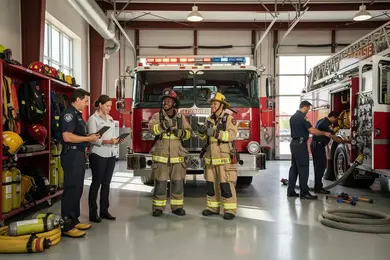
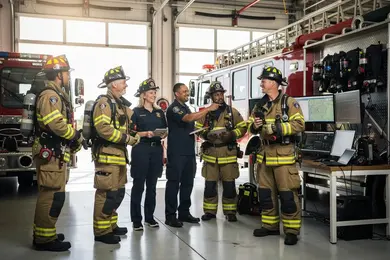
- Hybrid programs offer increased in-person interaction, fostering hands-on training and networking opportunities that fully online formats may lack.
- Fully online programs maximize flexibility, allowing students to access coursework anytime, essential for balancing shift work common in fire science careers.
- Hybrid formats support practical skill development alongside remote learning, aiding students in managing professional duties while benefiting from direct mentorship and peer collaboration.
What Is a Hybrid vs Fully Online Fire Science Bachelor's Degree?
Hybrid and fully online fire science bachelor's degree programs differ significantly in course delivery, in-person interaction, and overall learning structure. Recent data from the National Center for Education Statistics shows that nearly 35% of higher education students have taken at least one online course, highlighting the growing appeal of remote learning options. These differences affect student engagement, time management, and educational outcomes. Below is a comparison of key aspects in both program formats.
Hybrid Programs
- Hybrid fire science bachelor's degree program structure combines both online coursework and scheduled in-person sessions for a balanced learning approach.
- Students are expected to attend certain on-campus classes, labs, or workshops, often held on weekends or evenings to accommodate busy schedules.
- This format encourages direct interaction with instructors and peers, promoting hands-on learning important for practical fire science skills.
- Course delivery blends face-to-face instruction with online elements, enhancing student engagement through varied teaching methods.
- Hybrid students must carefully manage their time to balance on-campus commitments with online studies.
Fully Online Programs
- Fully online fire science bachelor's degree program format delivers all coursework entirely through digital platforms without requiring campus visits.
- Students benefit from greater flexibility, allowing them to study from any location and often follow self-paced or scheduled online calendars.
- While offering convenience and accessibility, fully online programs demand high levels of self-discipline and independent study.
- Interaction occurs primarily through virtual forums, emails, and video conferencing, limiting hands-on experiences.
- This format suits students needing maximum schedule adaptability or those balancing work and personal responsibilities.
For students comparing these degree options, also exploring resources like the cheapest MSW programs online can provide insight into affordable, flexible pathways for higher education.
How Does a Hybrid vs Fully Online Fire Science Bachelor's Degree Program Work?
Both hybrid and fully online Fire Science bachelor's degree programs follow structured academic pathways that offer comprehensive education in fire protection, emergency management, and related areas. While the curriculum content is similar, these programs differ in how coursework is delivered and how students engage with instructors and peers. According to the National Center for Education Statistics, enrollment in online courses at U.S. postsecondary institutions has increased by over 30% in the last decade, underscoring the growing appeal of digital learning. Below is a closer look at how each format operates.
Hybrid Programs
- Core lectures and readings are completed online through a learning management system (LMS) that supports both asynchronous and synchronous learning.
- Students attend regular on-campus or in-person lab sessions, practical exercises, or seminars, usually on a weekly or monthly basis.
- Class participation involves a combination of asynchronous discussion boards and scheduled synchronous video conferences.
- In-person sessions follow a fixed schedule, while online assignments often have more flexible deadlines.
- Direct communication with instructors happens through both face-to-face meetings and digital messaging platforms.
Fully Online Programs
- All classes, lectures, assignments, and exams are delivered entirely via an online platform.
- Most class participation is asynchronous, allowing students to access materials and complete work according to their own schedules.
- Optional live sessions or webinars are sometimes offered but tend to be infrequent.
- Communication with instructors and peers is managed through email, discussion forums, and video conferencing tools.
- Many programs offer flexible pacing, with set deadlines but no mandatory physical attendance, highlighting the benefits of fully online Fire Science bachelor's degree programs.
For students considering various accelerated options, some may explore a fast track psychology degree, which shares some structural similarities in its hybrid and online formats.
Are Admission Requirements Different for Hybrid and Fully Online Fire Science Bachelor's Degrees?
Admission requirements for hybrid and fully online fire science bachelor's degree programs largely overlap, though small distinctions exist based on how each program is delivered and their institutional policies. Both pathways generally uphold similar academic standards but may diverge in practical demands or documentation. The following points outline some key differences in admissions criteria between the two formats.
- Academic Qualifications: Both program types typically require a high school diploma or equivalent along with satisfactory transcripts. However, hybrid programs might place additional emphasis on prior firefighting experience or workplace certifications that support hands-on training aspects, while fully online programs focus more directly on academic records and computer proficiency.
- Technical Requirements: Fully online programs expect students to have reliable internet and often demand advanced equipment such as webcams and microphones to engage in virtual labs or discussions. In contrast, hybrid students usually access specialized resources during in-person sessions, reducing the need for advanced home technology.
- Application Materials: Hybrid applicants may need to submit extra paperwork related to physical fitness or medical clearances, reflecting the program's requirement for on-campus participation. Fully online candidates generally provide documentation centered on academic credentials and technical readiness instead.
- Logistical Considerations: Hybrid programs often require candidates to demonstrate their ability to attend campus-based components, which might involve proving proximity or reliable transportation options. Fully online programs usually waive these requirements, offering greater geographic flexibility.
When asked about her experience with admissions, a student enrolled in a fully online fire science bachelor's degree reflected on the process: "I found the application straightforward but thorough, especially with the technology checks. It was reassuring that they didn't require physical tests or on-site visits, which helped me balance my work and family commitments." She noted that the emphasis on demonstrating computer skills made her feel prepared for the virtual learning environment, and appreciated how admissions focused on her academic background without the added pressure of logistical concerns.
Is the Learning Experience Better in Hybrid vs Online Fire Science Bachelor's Degrees?
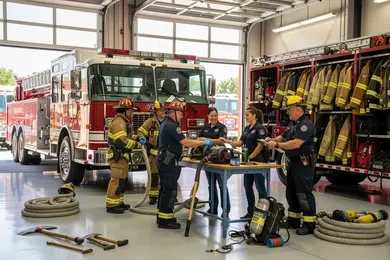
Hybrid fire science bachelor's degree programs offer a dynamic learning experience by melding face-to-face instruction with online coursework. Students gain valuable hands-on training during on-campus sessions, which is essential for mastering practical skills. The in-person component encourages active engagement through direct communication with instructors and classmates, fostering a collaborative learning environment. Access to physical resources such as laboratories and simulation equipment further enhances students' ability to apply theoretical knowledge. Meanwhile, the online portion provides some flexibility, helping learners balance academic demands with personal or professional obligations.
Conversely, fully online fire science programs prioritize accessibility and convenience, allowing students to study remotely at their own pace. Though lacking physical presence, these programs often utilize interactive tools like virtual classrooms, video lectures, and discussion forums to promote student interaction. However, the absence of hands-on labs can constrain experiential learning opportunities which are critical in this field. Digital resources, including virtual simulations and recorded demonstrations, help supplement this gap. This format suits highly self-directed learners who value schedule flexibility and are comfortable engaging in a predominantly virtual educational environment.
Which Is More Flexible: Hybrid or Fully Online Fire Science Bachelor's Degree?
Hybrid fire science degree flexibility comparison often highlights how these programs blend online coursework with mandatory in-person sessions like labs or practical training. Students following this model benefit from a structured schedule that combines remote learning convenience with occasional campus attendance, which can limit flexibility but supports hands-on experience. Such programs strike a balance by requiring students to be physically present at designated times while keeping much of the content accessible online. This format suits learners who favor some direct interaction without fully committing to daily on-campus presence. It provides a reliable framework for those needing a mix of independent and guided study.
Fully online fire science bachelor's schedule advantages center on maximum flexibility since students can access materials and complete assignments entirely remotely. These programs typically offer asynchronous learning, enabling learners to study at any time that fits their lifestyle, crucial for working professionals or those with family commitments. A 2023 survey by EDUCAUSE found that 77% of online students prioritized programs with asynchronous options, underscoring the appeal of self-paced study. This model empowers students to tailor their education without the need for fixed meeting times, offering the greatest autonomy in managing coursework. For those exploring flexible educational paths, comparing online options with programs like online accounting degrees can provide additional insight into modern remote learning benefits.
What Is the Workload for Hybrid vs Fully Online Fire Science Bachelor's Degrees?
Both hybrid and fully online fire science bachelor's degree programs generally maintain comparable academic standards, but the way coursework is delivered can lead to different experiences in pacing, structure, and time demands. Research from 2022 indicates that 65% of students in fully online programs dedicate between 15 and 20 hours weekly to their studies, emphasizing the importance of effective self-management. This insight helps highlight how workload distribution varies depending on the format chosen.
In hybrid fire science programs, students divide their effort between in-person classes and online activities. Regularly scheduled face-to-face sessions-often held weekly or biweekly-provide fixed commitments that establish a consistent routine and support practical skill development. Outside these meetings, learners engage with online assignments, readings, and discussions designed to complement classroom instruction. This combination creates a balance of interaction and flexibility, helping students stay organized and often benefiting those who thrive with structured environments.
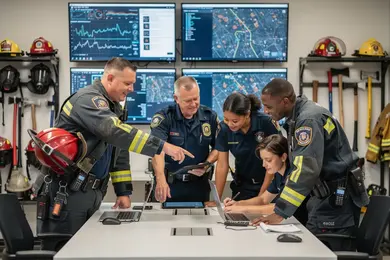
Fully online fire science degrees typically rely on asynchronous learning, where students access course materials and complete tasks on their own timetable within established deadlines. This format demands self-discipline and strong time management since there are no mandatory live sessions. Coursework consists mainly of digital assignments, recorded lectures, quizzes, and independent projects. While offering significant flexibility, students must be proactive to keep up with deadlines and maintain steady progress throughout the semester.
How Does Tuition Compare for Hybrid vs Online Fire Science Bachelor's Degrees?
Tuition rates for hybrid and fully online fire science bachelor's degree programs vary widely based on delivery format, institutional policies, credit hour requirements, and additional fees charged to students. Generally, fully online options tend to be more affordable, costing approximately 10-20% less per credit hour than hybrid programs. This cost difference often reflects the varied resources and campus services required by each format.
- Per-Credit Costs: Hybrid programs usually have higher per-credit tuition because they involve both online instruction and on-campus sessions, which demand maintaining physical classrooms and labs. Online-only students typically benefit from slightly lower rates as they don't utilize campus facilities as often.
- Technology and Campus Fees: Students in hybrid programs often face additional fees related to campus technology, lab access, or facility maintenance. Fully online students rarely encounter these charges, which can add up over the entire course of study.
- Residency and Facility Charges: Hybrid students may be required to pay out-of-state tuition if on-campus residency rules apply, while online programs frequently allow in-state tuition regardless of where the student lives. Additionally, hybrid formats usually include fees to support campus infrastructure that online programs avoid.
- Payment Flexibility: Fully online programs often provide more adaptable payment options, such as monthly installment plans, which help students manage their finances with greater ease compared to typically more rigid hybrid payment schedules.
When asked about how tuition compared between the two formats, a graduate of a hybrid fire science bachelor's degree shared that navigating tuition payments felt more complicated. "The extra campus fees and residency charges caught me off guard," he explained. He recalled having to constantly communicate with the bursar's office to clarify what was included in his bill. While he appreciated the hands-on learning, he noted that understanding the full tuition cost upfront was a challenge that made budgeting stressful at times.
Do Employers Prefer Hybrid or Fully Online Fire Science Bachelor's Degrees?
Employer perceptions of hybrid and fully online fire science bachelor's degrees have evolved greatly as online education has become more accepted. Recent surveys show that about 75% of employers now view online degrees positively, especially when they come from reputable, accredited schools. This growing acceptance reflects the increasing flexibility and accessibility these programs offer while maintaining strong quality standards. Below is a comparison of how employers typically view hybrid versus fully online fire science degrees.
- Practical Experience: Employers often favor hybrid degrees because they combine online coursework with in-person elements like lab sessions and fieldwork. This hands-on experience is viewed as vital to developing real-world skills relevant to fire service careers.
- Skill Competency: Fully online degrees sometimes raise concerns about whether graduates have gained sufficient practical skills. However, many programs now include virtual simulations or internships, helping students build competencies valued by employers.
- Institution Credibility: Employer preferences often prioritize the reputation and accreditation of the institution over the delivery format. Whether hybrid or fully online, degrees from well-established programs tend to be trusted equally.
- Career Opportunities: Graduates with hybrid versus fully online fire science degrees have increasingly comparable career prospects as employers focus more on demonstrated skills than learning format alone.
- Flexibility and Accessibility: Fully online degrees offer greater schedule flexibility, which appeals to many students balancing work or personal commitments, a factor that employers recognize positively in prospective candidates pursuing ABA approved paralegal programs online and similar fields.
Who Should Choose a Hybrid vs Fully Online Fire Science Bachelor's Degree?
The choice between hybrid and fully online fire science bachelor's degree programs largely depends on individual learning preferences, schedule flexibility, and lifestyle demands. Each pathway offers unique advantages tailored to different types of students. Evaluating these factors can help determine which format aligns best with one's educational goals and daily responsibilities.
- Hands-On Learners: Those seeking practical experience alongside academic theory often thrive in the best hybrid fire science bachelor's degree programs, where in-person sessions provide valuable hands-on training.
- Structured Schedulers: Students who perform better with fixed routines may prefer hybrid formats that include regular on-campus sessions, supporting motivation and accountability.
- Networking Enthusiasts: Learners aiming to build professional relationships find value in face-to-face interactions with instructors and peers available in hybrid courses.
- Flexible Professionals: Fully online fire science bachelor's degree flexibility benefits working adults with unpredictable schedules, allowing them to study whenever convenient without commuting.
- Remote Students: Those living far from campus or in rural areas favor fully online programs because they remove geographical barriers to education.
- Independent Learners: Students comfortable managing their own progress and motivated by self-paced study typically succeed in fully online formats.
For those exploring related options, resources exist to compare programs, including specialized fields such as architecture. For example, prospective students can explore architect degree online offerings for insight into different online education models that may inform their choices in fire science studies.
How Can I Succeed in a Hybrid vs Fully Online Fire Science Bachelor's Degree Program?
Success in hybrid and fully online Fire Science bachelor's programs requires adapting your approach to each format's unique structure and interaction levels. While both demand discipline and organization, the ways students engage with content and peers differ. The following strategies highlight key tactics to enhance performance across both learning environments.
- Time Management: Hybrid students must juggle classroom sessions and online tasks, so creating a balanced schedule is vital. Fully online learners benefit from blocking consistent study times to maintain momentum without on-campus cues.
- Engagement: In hybrid formats, leveraging face-to-face opportunities for collaboration builds connections and deepens understanding. Fully online students should actively participate in discussion boards and virtual groups to stay involved and motivated.
- Technical Proficiency: Online learners need strong digital skills to navigate platforms smoothly and troubleshoot independently. Hybrid students also benefit but can rely more on in-person support for technical issues.
- Communication: Both formats require clear, proactive communication with instructors to clarify expectations and resolve questions quickly, which supports academic success.
- Preparation: Hybrid students should review online materials before in-person classes to maximize learning efficiency. Online students ought to schedule regular advisor check-ins to monitor progress and stay accountable.
- Study Environment: Creating distraction-free zones is essential for both types of students, enabling focus during digital or in-person study sessions.
- Use of Digital Tools: Utilizing calendar apps, note-taking software, and learning management systems helps all students organize coursework and access resources effectively.
What Graduates Say About Hybrid vs Fully Online Fire Science Bachelor's Degree Programs
- Timothy: "Choosing a fully online fire science bachelor's degree was perfect for my busy schedule as a working father. The flexibility allowed me to balance family life and coursework without sacrificing my job performance. Navigating the online learning platform was smooth thanks to the accessible resources, and earning my degree has definitely opened doors for advancing in the fire service industry."
- Emily: "Enrolling in a hybrid fire science program was a deliberate choice to blend hands-on training with remote theoretical study. At first, adjusting to the mixed format required careful time management, but the blend of in-person labs and online lectures deepened my understanding. This educational experience strengthened both my practical skills and academic knowledge, which has had a positive impact on my leadership role within the department."
- Xavier: "Pursuing an online fire science bachelor's degree gave me the chance to study without relocating or interrupting my career. The self-paced structure challenged me to stay disciplined, but the ability to learn from anywhere was invaluable. Completing this program enhanced my credibility and gave me the confidence to pursue specialized certifications that have boosted my professional growth."
Other Things You Should Know About Fire Science Degrees
Fully online fire science bachelor's degree programs typically require students to secure internships or practical training independently. While the theoretical coursework is completed remotely, most programs mandate hands-on experience to meet certification or licensing standards. Schools often provide guidance and resources to help students find local opportunities in fire departments or emergency services agencies.
Yes, fully online fire science bachelor's degree programs generally include course content designed to prepare students for key industry certifications such as Firefighter I and II, Emergency Medical Technician (EMT), and fire officer credentials. Hybrid programs may offer additional in-person sessions to reinforce skills, but both formats aim to cover essential knowledge aligned with professional certification requirements.
Hybrid programs often provide more direct access to instructors, peers, and local professionals through in-person meetings, which can enhance networking. Fully online programs rely heavily on virtual forums, webinars, and group projects to foster connections. Although the modes differ, both formats can facilitate professional networking, but hybrid students may have more face-to-face engagement opportunities.
Hybrid fire science programs in 2027 are designed to accommodate full-time working students by offering flexible scheduling and part-time enrollment options. Courses are typically available in the evenings or online to fit around work commitments, allowing students to attend in-person classes for practical training at convenient times.
References
- Online Bachelors Advice - Firehouse Forums - Firefighting Discussion https://forums.firehouse.com/forum/careers-training/career-advancement/118030-online-bachelors-advice
- EOU Rated as a 2024 Top Online School for Fire Science https://www.eou.edu/news-press/eou-rated-as-a-2024-top-online-school-for-fire-science/
- Is a Fire Science Degree Worth It? https://www.columbiasouthern.edu/blog/blog-articles/2021/september/is-a-fire-science-degree-worth-it/
- Online Fire Science Bachelor’s Degrees | Programs & Career Info https://www.learnhowtobecome.org/best-online-bachelors-in-fire-science-degree-programs/
- Difference between Hybrid, Online & In-Class Degree Programmes | BSBI https://www.berlinsbi.com/blog/what-is-the-difference-between-hybrid-online-and-in-class-degree-programmes
- Work-Life Balance For Firefighting Students - Anna Maria College Online https://online.annamaria.edu/resource/achieving-work-life-balance-as-both-firefighter-and-student
- Online Bachelor's Degree in Fire Science - Best of 2026 | UniversityHQ https://universityhq.org/degrees/online-bachelors-fire-science-programs/
- Comparison of the Blended and Face-to-Face Delivery Method for Fire Fighter Training https://search.proquest.com/openview/955177579a7b0245f83d2e49dd63c6ea/1
- 3 Key Factors for Firefighters to Consider When Selecting a Bachelor’s Degree https://www.firefighternation.com/fire-leadership/career-development/3-key-factors-for-firefighters-to-consider-when-selecting-a-bachelor-s-degree/
- Online Fire Science Degree: Only One Step Toward Being a Firefighter - Peterson's https://www.petersons.com/blog/online-fire-science-degree-only-one-step-toward-being-a-firefighter/