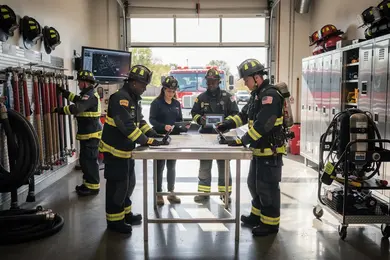
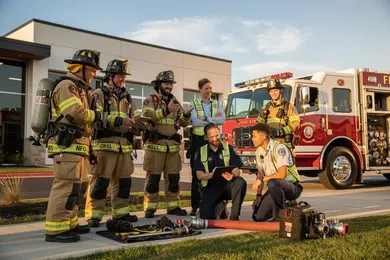
2027 Online Fire Science Bachelor's Degree Programs With No Prerequisites

Co-Founder and Chief Data Scientist
Transitioning into the fire science field can be daunting for professionals without prior coursework in related subjects. Many programs require foundational classes, creating barriers for those eager to shift careers quickly. With a projected 8% growth in fire science employment over the next decade, accessible education paths are essential. Online fire science bachelor's degree programs with no prerequisites provide a flexible, direct route for graduates from unrelated fields to enter the industry. This article explores these programs' offerings, helping prospective students identify accredited options that accommodate varied backgrounds and accelerate their entry into fire science careers.
Key Benefits of Online Fire Science Bachelor's Degree Programs With No Prerequisites
- Online fire science bachelor's programs with no prerequisites offer working professionals flexible schedules to balance studies alongside full-time jobs and personal commitments.
- These programs enable accelerated skill acquisition by focusing on core competencies without requiring prior coursework, helping students enter the workforce faster.
- They provide affordable, credential-building opportunities that fit diverse timelines and budgets, making career advancement accessible to first-generation students and career changers.
What Does 'No Prerequisites' Mean for Online Fire Science Bachelor's Degree Programs, and Who Benefits Most?
In online fire science bachelor's degree programs, "no prerequisites" means applicants do not need specific prior college coursework, specialized high school classes, or technical certifications before enrollment. This differs from open admission, which accepts all applicants regardless of academic background, and low-barrier enrollment, which typically requires minimal criteria like a high school diploma or placement tests. No prerequisite programs offer a direct pathway into fire science studies without prior qualifications, appealing to those seeking flexible entry.
This approach particularly benefits career changers without fire-related backgrounds, working adults balancing job and family responsibilities, returning learners who paused higher education without a degree, and first-generation college students who may find reduced entry barriers more encouraging. As the National Center for Education Statistics (NCES) reports, enrollment of non-traditional students-defined by age, work status, and education history-has increased significantly, reflecting growing demand for no prerequisites online fire science bachelor programs.
Prospective students should consider the following key areas when exploring no prerequisite fire science degrees:
- Admission Policies: A clear comparison of no prerequisite, open admission, and low-barrier enrollment policies clarifies differences in eligibility and academic expectations.
- Program Quality: Identifying accredited, rigorous programs ensures standards are maintained even with open entry requirements.
- Financial Support: Overview of scholarships, grants, and aid designed for non-traditional and returning learners helps ease financial burdens.
- Student Resources: Support services like tutoring and advising are vital for success in online fire science bachelor's degree programs.
- Credit Transfer: Strategies to leverage prior learning, military, or work experience credits can shorten time to degree completion.
- Career Outcomes: Insights into job opportunities and advancement prospects upon graduation offer guidance for long-term planning.
It is also worth exploring accelerated paths related to this field, such as 1 year PhD programs online, which provide rapid advancement options for motivated students.
Which Accredited Online Fire Science Bachelor's Programs Accept Students With No Prior College Coursework?
Several regionally accredited institutions offer online bachelor's programs in fire science that accept students without requiring prior college coursework. These programs cater to working adults, career changers, and first-generation students by providing open admission or minimal prerequisite barriers, making them some of the best online fire science bachelor's degrees with open enrollment policies.
- Columbia Southern University: This university offers a fully online Bachelor of Science in Fire Science with an open admission policy allowing enrollment without previous college experience. It includes foundational courses to develop essential academic skills. Columbia Southern is accredited by the Southern Association of Colleges and Schools Commission on Colleges (SACSCOC) and supports students with financial aid and transfer credit options.
- American Public University System: Through American Military University, part of APU, students can earn a Bachelor of Science in Fire Science online without prior coursework. It features flexible enrollment policies and bridge courses for additional preparation. The institution holds accreditation from the Higher Learning Commission (HLC) and emphasizes support for military and adult learners.
- Southern Illinois University: SIU offers an online Bachelor of Science in Fire Science Administration that allows conditional admission without requiring prior college credit, providing foundational course pathways. It is accredited by the Higher Learning Commission and offers extensive academic advising and federal financial aid access.
- Excelsior College: Known for flexible degree programs, Excelsior provides a Bachelor of Science in Fire Science designed for adult learners entering with no prior coursework. It uses prior learning assessments and foundational courses to bridge gaps. Excelsior is accredited by the Middle States Commission on Higher Education and assists with credit transfer and career placement.
- Fort Hays State University: FHSU offers a Bachelor of Science in Fire and Emergency Management that requires no previous college classes. It includes foundational courses to build core competencies. Accredited by the Higher Learning Commission, the school provides robust online student support, including tutoring, financial aid, and career services.
These programs share traits like flexible enrollment for students with no prior college experience and inclusion of foundational or bridge coursework within the degree plan. Regional accreditation ensures academic quality and access to federal financial aid. Prospective students should focus on programs with clear support services, credit transfer policies, and promising career outcomes.
Verifying accreditation and reviewing student resources is essential to find a legitimate and supportive pathway into the fire science profession without traditional prerequisites. For those seeking additional support, exploring CACREP accredited programs online can also provide insights into structured learning environments designed for diverse adult learners.
2026 Update: Field Experience and Certification Fit
For 2026, this update adds a practical check on how no-prerequisite online fire science bachelor’s programs connect classroom learning with hands-on fire service expectations.
- Whether the program includes internships, practicums, ride-alongs, or local agency-based learning options.
- How online labs, simulations, or scenario-based assignments are used for applied fire science topics.
- Whether coursework aligns with common fire service certifications or promotion requirements in your state or department.
- If students must arrange their own field placements and whether approval is needed before enrolling.
- Whether prior fire, EMS, military, or emergency management experience can support required applied projects.
- Any physical, background check, or agency clearance requirements tied to field-based components.
Checking these details helps students choose a no-prerequisite program that is not only accessible online but also relevant to real fire service career goals.
How Do Open-Admission Policies in Online Fire Science Programs Differ From Traditional Selective Admissions?
Open-admission policies allow students to enroll in online fire science bachelor's degree programs without prior academic qualifications or extensive prerequisites. This approach contrasts with selective admissions, which evaluate applicants based on GPA, test scores, and sometimes interviews, or conditional admissions that require specific remedial tasks before full acceptance.
Rolling admissions differ as they allow applications throughout the year but may still have academic criteria. Institutions such as Metropolitan Community College and the City University of New York (CUNY) system publicly share their open-admission structures, with detailed information available through their admissions pages and verified by IPEDS data.
- Admissions Accessibility: Open admission removes barriers, enabling entry for diverse learners including career changers and working adults without delays. Unlike selective programs, it doesn't restrict enrollment based on academic metrics or competitiveness.
- Varied Academic Backgrounds: Students start with different levels of preparedness. To address this, schools often provide developmental courses, orientation sessions, and tutoring to bridge knowledge gaps and improve student success.
- Student Support: Institutions emphasize advising and resources tailored to online fire science learning, such as guidance on study strategies, technology use, and program navigation to support persistence.
- Potential Challenges: Open-admission pathways may experience higher dropout rates due to varied readiness. Prospective students should assess their motivation and learning style to ensure this model aligns with their goals.
- Enrollment Trends: Approximately 28% of online undergraduates attend open-admission schools, reflecting a broader movement toward accessible education in fields like fire science.
A professional who pursued an online fire science bachelor's degree without prerequisites shared that entering such a program as a career changer was initially "daunting" due to unfamiliarity with academic expectations. He appreciated the institution's flexible enrollment and support, noting, "I could start without worrying about transcripts or test scores." However, he also described moments of self-doubt, especially when balancing coursework with work and family responsibilities. Orientation programs and tutoring played a crucial role, helping him gain confidence and adapt to academic demands. He emphasized that while open admission made the door accessible, sustained effort and resource use were key to progressing toward his career goals.
What Are the Typical Enrollment Requirements for No-Prerequisite Online Fire Science Bachelor's Programs?
Most no-prerequisite admission requirements for online fire science bachelor's programs include submitting a high school diploma or GED. This step confirms that students have basic academic skills suitable for college-level study. Other requirements include:
- Age Criteria: Typically, candidates must be at least 18 years old to enroll. This baseline age aligns with legal standards and helps ensure readiness for college responsibilities.
- English Language Skills: Since coursework is delivered in English, non-native speakers usually need to demonstrate proficiency via tests like TOEFL or IELTS or show previous academic achievement in English. This ensures students can fully engage with the curriculum.
- Residency and Identification: Public institutions may require residency verification for in-state tuition benefits, while private nonprofit schools generally ask for basic identification and residency details without strict limitations.
- Alternative Entry Routes: Students lacking formal diplomas often pursue GED programs or dual-enrollment options at community colleges. These pathways reflect open enrollment policies for online fire science degree programs designed to widen access for diverse learners.
- Application Preparation: Gathering transcripts, ID, and standardized scores early is crucial. Additionally, completing FAFSA applications promptly supports access to financial aid and institutional support resources.
For those exploring programs that balance accessibility with quality and accreditation, reviewing offerings through online accredited colleges can help identify reputable no-prerequisite fire science options.
Are No-Prerequisite Online Fire Science Bachelor's Programs Available at Regionally Accredited Universities?
Regional accreditation is vital for no-prerequisite online fire science bachelor's programs because it guarantees that the institution meets rigorous academic standards recognized nationwide. This type of accreditation directly impacts credit transferability, allowing students to move credits among colleges or pursue graduate studies without losing progress.
Employers also tend to value degrees from regionally accredited schools more highly, which can enhance career opportunities. Additionally, regional accreditation plays a key role in financial aid eligibility, qualifying students for federal grants, loans, and scholarships often unavailable through nationally accredited or non-accredited programs.
To locate regionally accredited institutions offering open or prerequisite-free fire science degrees online, prospective students should use the U.S. Department of Education's accreditation database and the Council for Higher Education Accreditation (CHEA) directory. These tools help verify legitimacy and ensure students avoid schools with limited recognition.
Regional accreditation differs from national accreditation, which typically covers vocational or technical institutions with narrower acceptance of credit transfers and employment value. Prioritizing regional accreditation ensures broader academic and professional recognition-even in programs designed for accessible enrollment.
- Check Accreditor: Confirm the institution's accrediting body is recognized by the U.S. Department of Education or CHEA to ensure credibility.
- Confirm Regional Status: Verify the accreditation is regional rather than national for better credit transfer and employer acceptance.
- Review Program Accreditation: Seek specific accreditation or approvals tied to fire science or related disciplines within the university.
- Financial Aid Eligibility: Ensure the school qualifies for federal aid opportunities like grants, loans, or work-study programs.
When I spoke with a professional who earned her online bachelor's degree in fire science without any prerequisites, she emphasized the peace of mind that came from attending a regionally accredited university. She recalled initial worries about whether her credits would be accepted if she needed to transfer or pursue further education, but the accreditation assured her those pathways remained open. Navigating financial aid was smoother than expected, enabling her to focus on studies instead of funding struggles. Ultimately, she described the program as "a flexible and credible option" that validated her career shift and opened doors in the fire service field.
How Do Students Without Academic Prerequisites Catch Up in Online Fire Science Bachelor's Courses?
Students without traditional academic backgrounds often face challenges in foundational skills when starting an online fire science bachelor's degree. To address these gaps, reputable programs implement various support strategies aimed at enhancing student readiness and persistence.
- Developmental Courses: Non-credit refresher classes in areas like math, writing, and critical thinking are commonly available. For instance, the University of Florida's program offers foundational modules designed to build core competencies before advancing.
- Targeted Tutoring: Many institutions provide subject-specific tutoring through online platforms, allowing students to get personalized help with complex fire science topics. Columbia Southern University, for example, connects learners with tutors via video or messaging for tailored academic support.
- Peer Mentoring Networks: These programs encourage experienced students to guide newcomers, fostering motivation and academic engagement. NSSE data confirms such peer support significantly improves retention and graduation rates in online settings.
- Bridge Programs and Foundational Modules: Some colleges, like Boston University's Metropolitan College, combine orientation, study skills, and introductory fire science coursework in bridge programs to quickly prepare students lacking prior experience.
- Self-Assessment Tools: Prospective students are advised to utilize online quizzes and readiness assessments to evaluate their strengths and weaknesses early, facilitating better planning for support needs.
- Proactive Engagement: Research highlights that students who interact regularly with instructors and advisors soon after enrollment tend to have greater academic success. Institutions recommend reaching out promptly to access personalized guidance and resources.
According to 2023 NSSE findings, online programs offering comprehensive academic support demonstrate retention rates up to 15% higher than those with minimal services, emphasizing the value of these mechanisms for students without prior coursework.
What Support Services Help No-Prerequisite Students Succeed in Online Fire Science Bachelor's Programs?
Students enrolled in online fire science bachelor's programs without prerequisites gain access to a wide variety of student success services designed to support their academic journey and personal well-being. These services are essential for learners balancing employment, family responsibilities, and coursework. Programs ranked highly by U.S. News Best Online Bachelor's Programs often provide comprehensive support to improve retention and graduation rates.
- Academic Advising: Personalized guidance helps students select courses, plan their degrees, and navigate program requirements, ensuring they stay on track and overcome challenges early.
- Mental Health Resources: Confidential access to licensed counselors via online platforms addresses stress, anxiety, and other challenges common among adult learners returning to school.
- Disability Accommodations: Tailored support such as extended deadlines, captioned materials, and adaptive technology ensures equitable access and an inclusive learning environment.
- Career Counseling: Specialized virtual services focus on resume building, interview preparation, and job placement strategies within fire science fields to assist career changers and advancement seekers.
- Asynchronous Support: 24/7 access to tutoring, discussion boards, and academic materials offers flexibility for students managing diverse schedules.
- Virtual Community Building: Peer mentoring and online forums create connections that help minimize isolation and encourage perseverance.
Research indicates that institutions investing heavily in these supports can increase student retention rates by as much as 15%, highlighting the critical role of student-centered services alongside accessible admission policies.
Can Transfer Credits or Prior Learning Assessments Replace Prerequisites in Online Fire Science Programs?
Transfer credits and Prior Learning Assessments (PLA) often replace prerequisites in online fire science bachelor's degree programs, enabling students to progress without retaking similar courses. Many institutions offer credit for prior learning through CLEP and DSST exams, which adhere to the American Council on Education's (ACE) credit recommendation framework. This approach benefits working adults and career changers aiming to leverage their previous training or certifications.
- Transfer Credit Flexibility: Numerous online fire science programs accept transfer credits from regionally accredited colleges, with some allowing up to 75% of total credits transferred. Schools like Columbia Southern University and Southern New Hampshire University have notably flexible transfer policies, helping students reduce redundant coursework.
- Prior Learning Assessment Options: PLA evaluates experience from military service, professional firefighting certifications, and workplace training. Exams such as CLEP and DSST translate these experiences into academic credit, providing pathways to satisfy prerequisite courses without repeating content.
- ACE Credit Recommendations: The ACE guide validates and recommends credit for professional certifications and military training. Fire science students can often bypass prerequisites by submitting ACE-verified documentation, ensuring prior learning is appropriately credited.
- Documentation and Submission: To maximize credit or prerequisite waivers, students need to collect official transcripts, certification records, and ACE evaluation reports. Schools typically require these documents during the transfer or PLA application process, making thorough recordkeeping essential.
- Growing Trend in PLA Usage: A 2023 study reported 62% of adult learners used PLA options, reflecting increasing acceptance of prior learning as a substitute for traditional prerequisites in degree programs.
For working adults exploring options, understanding how can transfer credits replace prerequisites in online fire science programs is crucial. Leveraging prior learning assessment options for fire science bachelor's degrees can accelerate degree completion and reduce costs. For those interested in other programs with flexible admissions, resources like the best online MBA no GMAT showcase pathways without traditional testing barriers.
What Is the Average Time to Completion for No-Prerequisite Online Fire Science Bachelor's Degree Programs?
Most bachelor's degree programs, including no-prerequisite fire science degrees, require 120 credit hours to graduate. This credit-hour framework encompasses general education, core courses, and electives. The average time to complete online fire science bachelor's programs depends largely on how quickly students progress through these credits based on their enrollment pace, term length, and any prior credits they may transfer.
- Credit Hour Requirements: No-prerequisite fire science programs admit students without prior coursework, meaning they typically follow the full 120-credit sequence, starting from foundational courses.
- Enrollment Pace: Full-time students often finish within four years, but part-time learners or working professionals may need more time. Accelerated options with year-round enrollment or eight-week terms can significantly reduce this period.
- Term Length and Scheduling: Programs offering shorter terms-eight to twelve weeks-enable faster course completion compared to traditional 16-week semesters. Competency-based designs let students advance by demonstrating skills rather than time spent, potentially speeding up graduation.
- Prior Credit and Transfer Policies: While no-prerequisite degrees do not require previous credits, students with transfer credits or prior learning assessments may shorten their timeline substantially.
- Institutional Variability: Accredited universities such as Columbia Southern University and Grantham University provide flexible, accelerated online fire science degrees with continuous enrollment options. According to IPEDS data, open-admission programs generally show longer average completion times than selective-admission schools, which often maintain higher retention and graduation rates.
- Cost and Opportunity: Time to completion impacts total tuition costs and opportunity costs, making faster programs attractive for career changers and adult learners seeking to enter the workforce sooner.
Students seeking pathways into fire science without prior college should also consider foundational options like 2 year online degrees, which can serve as a stepping stone to bachelor's programs while shortening overall time to completion.
How Does Tuition Compare Between No-Prerequisite and Standard Online Fire Science Bachelor's Programs?
Programs without prerequisites, often hosted by community colleges or public universities with open admissions, generally offer lower per-credit tuition compared to selective institutions. These accessible options aim to serve adult learners and those with no prior college coursework by keeping costs affordable.
While sticker prices may be lower, some no-prerequisite programs charge extra fees for remedial or developmental classes to ensure students meet academic standards. In contrast, programs requiring prior coursework often assume readiness and typically do not include such charges.
Private universities with competitive admissions usually have higher tuition due to enhanced resources, personalized instruction, and brand prestige. Public, open-enrollment schools benefit from state subsidies that help reduce costs for students.
Fully asynchronous no-prerequisite programs can lower overhead expenses, reflecting in tuition savings. Conversely, hybrid or synchronous formats common in selective programs may increase fees due to added instructional components.
Evaluating just the per-credit price overlooks important factors. Prospective students should calculate the cumulative expense, factoring in all required credits, developmental courses, technology fees, and materials-to gain an accurate financial picture when comparing Fire Science pathways.
Which Online Fire Science Bachelor's Programs Allow Students To Start Without A High School Diploma Or GED?
Many accredited online fire science bachelor's programs accept students with a GED or HiSET in place of a traditional high school diploma, expanding access for adult learners and those with alternative educational backgrounds. Admissions usually require official GED scores alongside a completed application, streamlining entry for equivalency credential holders.
- Open Admissions: Numerous programs implement open or low-barrier enrollment policies, which do not mandate prior college coursework or specific academic prerequisites. Some schools may require placement testing to confirm readiness for fire science studies.
- Conditional Enrollment: Certain institutions grant provisional admission to GED holders, contingent on completion of remedial courses or orientation programs to build necessary academic skills before starting core fire science classes.
- International Credentials: Applicants with secondary education from outside the U.S. must submit foreign credential evaluations. These assessments ensure their academic records are equivalent to GED standards and meet institutional criteria.
- Financial Aid Access: Students with equivalency diplomas are typically eligible for federal and state financial aid if the program holds proper accreditation. It is important to verify aid availability directly with the institution and its financial aid office.
- Student Support Services: Quality programs offer tutoring, advising, and technical help tailored to students without traditional prerequisites, enhancing their success in online fire science coursework.
What Graduates Say About Their Online Fire Science Bachelor's Degree Program With No Prerequisites
- Timothy: "Choosing an online fire science bachelor's degree with no prerequisites was a game changer for me. The flexibility allowed me to study while working full-time, and the affordable tuition saved me from overwhelming debt. This degree truly opened doors, helping me advance into leadership roles within my department faster than I expected."
- Emilio: "I was drawn to the online fire science program because I had no prior experience but wanted to build a solid foundation and jumpstart my career. The cost was reasonable, especially compared to traditional programs, which made it accessible for someone like me just starting out. Now, with my degree, I feel confident and prepared for the challenges in emergency management and fire prevention."
- Xavier: "Reflecting on my journey, the most valuable aspect of the online fire science degree was how it combined practical knowledge with academic rigor without requiring prerequisites. The cost-effectiveness of the program was a huge relief, letting me invest more in my future gear and certifications. Professionally, earning this degree has enhanced my credibility and positioned me as a skilled candidate for critical roles in fire safety administration."
Other Things You Should Know About Fire Science Degrees
In 2027, a no-prerequisite online fire science bachelor's program typically consists of core courses such as fire behavior, emergency management, and safety planning. The curriculum is often designed to be self-paced, allowing students to balance studies with other commitments, with opportunities for interactive, virtual labs and real-world case studies to enhance learning.
Graduates of no-prerequisite online fire science bachelor's programs often qualify for roles such as fire prevention specialists, emergency management coordinators, and fire inspectors. The programs prepare students for supervisory positions and certifications in fire safety and emergency services. Career advancement opportunities typically improve with a bachelor's degree, particularly in public safety administration and emergency response leadership.
Quality online fire science programs without prerequisites should be accredited by recognized regional agencies or the Accreditation Board for Engineering and Technology (ABET). Accreditation ensures the curriculum meets academic standards, faculty are qualified, and student support services are adequate. Prospective students should verify accreditation status to ensure their degree is respected by employers and eligible for federal aid.
References
- Online B.S. Degree HELP!!! - Firehouse Forums - Firefighting Discussion https://forums.firehouse.com/forum/careers-training/career-advancement/83272-online-b-s-degree-help
- How long does it take to get a Fire Science/Emergency Management degree online? - Answers https://www.answers.com/information-science/How_long_does_it_take_to_get_a_Fire_ScienceEmergency_Management_degree_online
- Earn Your Degree in Fire Science Online https://www.columbiasouthern.edu/landing-pages/fire-science
- Online Fire Science Degree: A Comprehensive Guide to Advancing Your Career in Fire Service https://outlet.beddinginn.com/favorite-finds/online-fire-science-degree-a-comprehensive-guide-to-advancing-your-career-in-fire-service/
- How do I earn my online Bachelor of Fire Science degree? https://www.onlineschoolscenter.com/earn-online-bachelor-fire-science-degree/
- Online Fire Science Degree Programs | www.firescience.org https://www.firescience.org/online-firescience-degrees-and-programs/
- Prior Learning & Transfer Credits - Manitoba Emergency Services College https://www.mbmesc.ca/applicants/prior-learning-transfer-credits/
- B.S. in Fire Science Online - Anna Maria College https://online.annamaria.edu/fire-science/online-fire-science-degree-overview
- 2025 Fire Science/Fire-fighting Tuition - Online https://www.collegetuitioncompare.com/majors/43.0203/fire-science-fire-fighting/
- Selective Admission Programs - Policies & Information | Ozarks Technical Community College https://ozarkstech.edu/admissions/policies-information/selective-admission-programs/