2027 Online Fire Science Bachelor's Degree Programs for Adult Learners Returning to School

Co-Founder and Chief Data Scientist
Returning to school as an adult to pursue an online fire science bachelor's degree poses unique challenges. Many adult learners juggle full-time jobs, family responsibilities, and the need for flexible scheduling. According to the National Center for Education Statistics, 40% of online students are aged 25 or older, reflecting a growing demographic balancing education and life commitments. This reality makes traditional programs impractical for many. This article explores accessible online fire science bachelor's degree programs designed for adult learners, highlighting flexible structures, support services, and career advancement opportunities to help students successfully complete their degrees and meet workforce demands.
Key Benefits of Online Fire Science Bachelor's Degree Programs for Adult Learners Returning to School
- Online fire science bachelor's programs offer flexible scheduling, allowing working adults to balance education with job and family commitments efficiently.
- These programs emphasize practical skill development, enhancing qualifications for promotions or career shifts within emergency management and fire protection fields.
- Students gain access to virtual professional networks, fostering connections with peers and industry experts critical for mentorship and job opportunities.
Who Qualifies as an Adult Learner in an Online Fire Science Bachelor's Degree?
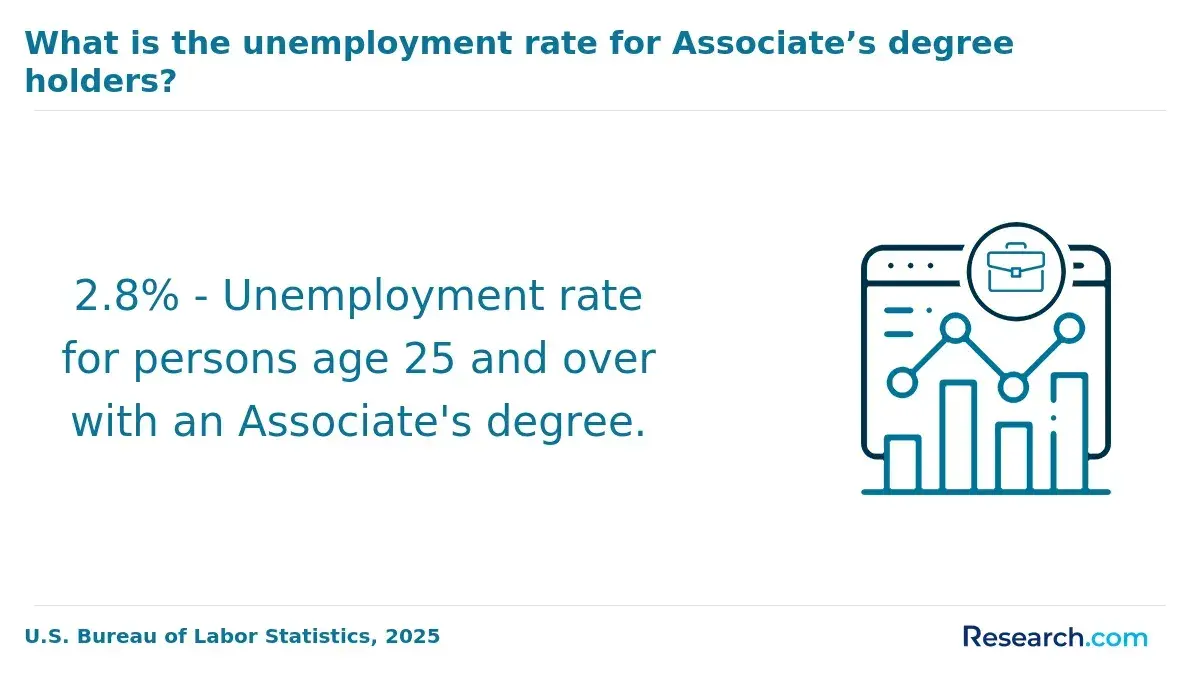
Adult learners in online higher education are typically individuals aged 25 or older who balance education with other life responsibilities. Over 40% of undergraduates in the U.S. identify as adult or nontraditional students, a trend that reflects the growing accessibility of online programs. These students often seek flexible and practical education tailored to their unique needs.
Common categories of adult learners eligible for online fire science bachelor's programs include:
- Working Professionals: Those currently employed in firefighting or emergency services aiming to advance their careers through formal education and specialized credentials.
- Career Changers: Individuals transitioning from unrelated industries who pursue fire science degrees to gain relevant knowledge and enter a new field with better job prospects.
- Military Veterans: Veterans moving into civilian roles who leverage their technical and leadership skills, finding fire science programs aligned with their experience and goals.
- Returning Students: Parents, caregivers, or others resuming education after a break, looking for flexible options that fit their schedules as personal commitments lessen.
Admission criteria vary by school, but adult learners are generally drawn to programs with flexible scheduling and online delivery. They value curricula that emphasize practical skills applicable to emergency services and leadership. For those exploring pathways to enhance their education, considering short masters programs may also provide further opportunities beyond the bachelor's level. Understanding the criteria for nontraditional students in fire science degrees can help clarify how these diverse learners fit within the growing field of emergency services education.
What Are the Admission Requirements for an Online Fire Science Bachelor's Degree for Adult Learners?
Admission requirements for an online fire science bachelor's degree often accommodate adult learners with nontraditional educational backgrounds, emphasizing academic readiness and practical support. These criteria recognize diverse pathways to higher education while ensuring students can handle the rigor of online study. Below are common admission elements adult students should expect in online fire science degree admission criteria for adult students.
- Proof of Prior Education: Most programs require applicants to have a high school diploma or an equivalent credential such as a GED. This foundational requirement ensures that students are prepared for bachelor's level coursework.
- Application Form Submission: Applicants must complete an application form providing personal details, educational history, and sometimes a statement of purpose. This helps admissions staff evaluate the applicant's motivation and readiness.
- Academic Transcripts: Official transcripts from previously attended institutions are typically necessary to assess academic performance. They can also be used to determine eligibility for transfer credits in some cases.
- Online Learning Readiness: Many programs include a readiness assessment, like a questionnaire or reflection on time management and technology skills. This ensures students are prepared for the demands of remote study, which is crucial for success in online programs.
Some programs may request additional documentation such as letters of recommendation or proof of residency, but these are less common. Adult learners navigating the eligibility and application process for adult learners in online fire science programs should also consider exploring options for affordable graduate studies if they plan to continue education afterward. Resources highlighting the cheapest masters degrees can provide guidance on future educational steps.
2026 Update: Re-Entry Support for Working Fire Science Students
This 2026 update adds a closer look at the support services adult learners should review before enrolling in an online fire science bachelor’s program, especially if they are returning after years away from college.
- Access to an advisor who understands fire service schedules, shift work, and returning-student needs
- Clear orientation for online learning platforms, assignments, exams, and communication tools
- Writing, research, and tutoring support for students rebuilding academic skills
- Career services that connect coursework to fire administration, prevention, investigation, or emergency management roles
- Responsive technical support during evenings or weekends when adult learners often study
- Mental health, wellness, or peer-support resources for students balancing school, work, and family responsibilities
Checking these services can help adult learners choose a program that supports completion, not just enrollment, and makes the return to school more manageable.
Do Adult Learners Need SAT or ACT for an Online Fire Science Bachelor's Degree?
Most online bachelor's degree programs catering to adult learners returning to school do not require SAT or ACT scores for admission, focusing instead on applicants' prior academic performance and overall readiness for college. Approximately 70% of four-year institutions in the U.S. have adopted test-optional policies, reflecting a broader movement to reduce barriers for nontraditional students. These programs acknowledge that standardized tests may not accurately capture the skills and experiences of adults who have been out of school for some time, emphasizing professional and educational backgrounds instead. Waiving test requirements helps increase access and supports diverse enrollment by recognizing alternative indicators of student potential beyond exam scores.
When asked about his experience, an adult learner currently enrolled in an online fire science bachelor's program shared how relief washed over him upon learning no SAT or ACT scores were needed. Balancing work and family responsibilities made the idea of retaking standardized tests feel overwhelming and discouraging. He appreciated that admissions focused on his college transcripts and work history, saying, "It made going back to school feel achievable, knowing they saw my skills and experience, not just a test score." This approach helped him transition smoothly into his studies without added stress or delays.
Breakdown of All 4-Year Online Title IV Institutions

How Flexible Are Online Fire Science Bachelor's Degree Programs for Adult Learners?
Flexibility remains a crucial advantage of online learning for adult students balancing education with professional and personal commitments. A 2023 report by the Online Learning Consortium found that 70% of adult learners selected online programs for their adaptable schedules, enhancing work-life balance. Such flexible structures improve accessibility and retention for those returning to higher education. Highlighted below are key features that make online fire science bachelor's degree programs particularly accommodating.
- Asynchronous Learning: Students can access lectures and materials anytime, allowing them to study around work or family responsibilities without being tied to fixed class times.
- Part-Time Enrollment: Many programs offer part-time options, which reduce course loads per term and enable learners to advance steadily without overwhelming their schedules, a vital aspect for adult learners returning to school.
- Self-Paced Coursework: Learners have the flexibility to complete assignments and exams according to their individual pace within a set timeframe, supporting diverse learning speeds and busy lifestyles.
- 24/7 Access to Materials: Students benefit from round-the-clock availability of course resources and submission portals, accommodating different time zones and varying daily routines.
- Accelerated Pacing Options: Motivated learners can choose faster completion paths when time allows, which helps to expedite their educational progress.
For those seeking programs that truly fit around work and family responsibilities, exploring the cyber security bachelor degree online offerings might also provide insights into flexible degree structures and pacing options.
Can I Transfer Previous College Credits to an Online Fire Science Bachelor's Degree?
Many online bachelor's degree programs allow students to transfer previous college credits, offering a valuable opportunity to reduce redundant coursework and speed up graduation. Nearly 44% of undergraduates in the U.S. have experience as transfer students, underscoring how common credit mobility has become in higher education. The following points highlight important considerations for transferring credits to an online fire science bachelor's program:
- Course Evaluation: Institutions carefully assess transcripts to ensure prior classes align with their academic standards and desired learning outcomes.
- Credit Limits: Programs often cap the number of transferable credits, typically allowing between 60 and 90 credit hours toward a bachelor's degree.
- Curriculum Compatibility: Courses related to fields like emergency management or criminal justice are more likely to transfer smoothly than unrelated subjects.
- Accreditation: Transfer credits are usually accepted from regionally accredited schools, guaranteeing quality and recognition of prior learning.
- Adult Learner Advantages: Transferring credits can help returning students shorten the time needed to complete their degree, lessen the course load, and cut overall education costs.
One adult learner who returned to school and completed an online fire science bachelor's described her experience as both challenging and rewarding. She recalled the uncertainty of submitting prior transcripts and waiting for evaluations, worried about how many credits would transfer. However, once accepted, she felt empowered to focus on specialized fire science topics without repeating courses she had already mastered. "It saved me time and gave me confidence that my previous education counted," she reflected, highlighting how credit transfer helped balance her studies with family and work responsibilities.
Does Work Experience Count Toward an Online Fire Science Bachelor's Degree?
Many online fire science bachelor's degree programs value prior professional experience and may award academic credit for it. According to the Council for Adult and Experiential Learning (CAEL), almost 90% of institutions that offer prior learning assessment credit recognize the importance of workplace learning in their curricula. Below are several common ways adult learners might earn credit for their work experience.
- Prior Learning Assessments: These evaluations measure knowledge gained outside traditional academic settings, such as job training or certifications. Students can earn credit by demonstrating mastery through exams or other assessments.
- Portfolio Reviews: Learners compile documents and evidence that showcase their work-related skills and accomplishments. Faculty members review these portfolios to determine if the experience aligns with degree requirements.
- Competency-Based Evaluations: Some programs use specific tests or practical assessments to confirm that students have attained particular skills or knowledge based on their professional background.
- Credit for Certifications: Professional certifications like Firefighter I/II, EMT, or hazardous materials qualifications often qualify for academic credit, reducing redundant coursework.
- Military Experience: Veterans may receive credit for relevant military training and awards related to emergency response or firefighting, contributing to their degree progress.
These options help adult learners accelerate their degree completion by acknowledging real-world expertise. Since policies and credit amounts differ among schools, students should review their chosen program's specific procedures for evaluating work experience before enrolling.
How Much Does an Online Fire Science Bachelor's Degree Cost for Adult Learners?
The cost of earning an online fire science bachelor's degree for adult learners varies significantly, influenced by factors such as program structure, pacing, and institution type. Many online programs offer flexible or accelerated scheduling options, which may affect the overall cost. Recent data suggest average tuition rates for online bachelor's degrees in the U.S. generally range between $300 and $600 per credit hour. Several key factors contribute to the total expenses associated with these degree programs.
- Tuition per Credit: This represents the primary expense, calculated by multiplying the number of required credits-typically between 120 and 130-by the tuition rate per credit hour.
- Technology Fees: Many online programs include fees to cover access to learning management systems, software, and technical support essential for remote learners.
- Course Materials: Students should budget for textbooks, digital resources, and specialized equipment or software relevant to fire science coursework, which may vary depending on the program.
- Administrative Fees: Additional charges related to enrollment, registration, and transcript processing differ by institution and can add to the overall cost.
- Additional Expenses: These may include proctoring fees for online exams, background checks required for certifications, or licensing application fees needed in fire science professions.
Awareness of these components helps adult learners effectively plan and select a program that matches both their educational goals and financial situations.
Are There Financial Aid Options for Adult Learners in Online Fire Science Bachelor's Degrees?
Many adult learners return to school to pursue an online fire science bachelor's degree with financial aid options available to ease the cost burden. Nearly 60% of undergraduate students receive some form of financial aid, highlighting the significant support accessible for funding higher education. Exploring these resources can make online fire science degree scholarships for returning students more attainable and manageable.
- Grants: These funds do not require repayment and are often awarded based on financial need or specialized qualifications related to fire science. Federal Pell Grants and various state grants are common examples that can help reduce tuition expenses.
- Loans: Federal student loans offer lower interest rates and flexible repayment plans compared to private loans, making them a popular choice for adult learners. These loans allow students to borrow tuition money and repay it over time.
- Employer Tuition Assistance: Many working professionals can benefit from employer programs that cover part or all of tuition costs for degree programs related to their job roles. This support is especially valuable for those advancing within fire science or related public safety fields.
- Payment Plans: Online institutions increasingly offer payment plans that break tuition into smaller, manageable payments over a semester or year. This option helps relieve large upfront costs and makes continuing education more feasible.
For adult learners considering their educational trajectory, it may also be useful to compare pathways; for example, investigating whether is project management a good degree might complement or offer alternative routes in public safety administration or emergency services leadership within fire science-related careers.
Do Employers Value Online Fire Science Bachelor's Degrees for Adult Learners?
Employer perceptions of online fire science bachelor's degrees have shifted notably over the past decade, reflecting the broader acceptance of online education. Once met with skepticism, online degrees now carry considerable credibility, especially from accredited institutions. A 2023 survey by the National Association of Colleges and Employers found that 67% of employers regard online degrees as equally credible to traditional ones. This growing acceptance aligns with the rise of skills-based hiring practices, where practical abilities and relevant credentials take precedence over the education delivery method, making online fire science bachelor's degree value to employers increasingly apparent.
Key factors shaping employer views include program accreditation, the relevance of acquired skills, and the combination of formal education with prior work experience. Programs offering instruction in fire prevention, emergency management, and leadership equip adult learners with competencies that directly align with industry needs. Employers particularly value adult learners pursuing career advancement with fire science bachelor's for their maturity and unique perspectives. For those seeking flexible options, exploring the quickest cheapest masters degree program listings can also provide insights into affordable pathways for continued education in related fields.
How Do I Choose the Best Online Fire Science Bachelor's Degree Program for Adult Learners?
Selecting an online fire science bachelor's degree program is a significant decision for adult learners managing careers and family obligations. A survey revealed that 78% of online students value flexibility and supportive services when choosing their degree path. Consider the following factors to find a program that fits your needs.
- Accreditation: Verify that the program holds regional or national accreditation to ensure recognized quality and eligibility for federal aid. This credential is vital for transfer credits and employer acceptance.
- Program Flexibility: Look for asynchronous courses and multiple start dates that allow you to balance coursework with personal and professional responsibilities. Flexibility helps maintain momentum toward graduation.
- Curriculum Relevance: Choose programs offering current, industry-focused content that prepares you for evolving fire science challenges. Practical coursework enhances readiness for on-the-job application.
- Student Support: Access to academic advising, tutoring, and career counseling tailored for returning adult learners can improve persistence and success. Additional resources like technical help and networking are valuable.
- Cost and Affordability: Compare tuition rates along with scholarships and payment plans. Evaluating career outcomes such as job placement and starting salaries can help assess the return on your educational investment.
What Graduates Say About Online Fire Science Bachelor's Degree Programs for Adult Learners Returning to School
- Timothy: "Returning to school as an adult was a daunting decision, but I wanted to advance my career while balancing family commitments. Pursuing an online fire science bachelor's degree program gave me the flexibility to study on my own schedule without sacrificing my job. Since graduating, I've been promoted and feel more confident taking on leadership roles in emergency response teams."
- Emilio: "The main reason I went back to school was to gain specialized knowledge that would help me stand out in the fire service industry. An online fire science bachelor's degree offered the perfect blend of theory and practical application without requiring me to relocate or quit working. It's truly changed the trajectory of my professional growth, opening doors to new certifications and higher responsibilities."
- Xavier: "I decided to pursue an online fire science bachelor's degree as an adult learner to pivot my career while managing my full-time job. The program's structure allowed me to apply what I learned directly to real-world situations, which made the coursework meaningful and motivating. Earning this degree has empowered me to contribute to community safety initiatives and advance within my department."
Other Things You Should Know About Fire Science Degrees
Online fire science bachelor's degree programs typically include courses in fire prevention, fire behavior and combustion, emergency management, fire investigation, and hazardous materials management. Many programs also cover leadership skills, legal and ethical issues in firefighting, and risk assessment to prepare students for supervisory roles.
In 2027, online fire science bachelor's degree programs often blend virtual simulations with local fieldwork opportunities to incorporate practical training. Students may engage in laboratory exercises and training exercises in partnership with local fire departments to ensure they receive hands-on experience while completing their online coursework.
Yes, many programs offer concentrations or elective courses that allow students to specialize in areas like fire investigation, emergency management, or industrial fire protection. These options let adult learners tailor their degree to fit their career goals without compromising flexibility.
References
- Online Fire Science Degree Programs | www.firescience.org https://www.firescience.org/online-firescience-degrees-and-programs/
- Why a four year degree https://www.wiu.edu/leja/fire/why.php
- Online B.S. Degree HELP!!! - Firehouse Forums - Firefighting Discussion https://forums.firehouse.com/forum/careers-training/career-advancement/83272-online-b-s-degree-help
- Earn Your Degree in Fire Science Online https://www.columbiasouthern.edu/landing-pages/fire-science
- How do I earn my online Bachelor of Fire Science degree? https://www.onlineschoolscenter.com/earn-online-bachelor-fire-science-degree/
- Fire Science Bachelor Degree Cost: A Comprehensive Guide to Understanding Your Investment | 119 Fire Control https://www.119firecontrol.com/fire-science-bachelor-degree-cost.html
- Online Fire Science Degree | Bachelor's in Fire Services Administration https://online.eou.edu/programs/bachelors-fsa-fire-services-administration/
- Best Online Fire Science Degrees https://www.onlineu.com/degrees/fire-science
- Fire Science A.S. https://www.fgc.edu/academics/programs/public-safety-training-criminal-justice/fire-science-a-s.html
- Online Fire Science Degree: Only One Step Toward Being a Firefighter - Peterson's https://www.petersons.com/blog/online-fire-science-degree-only-one-step-toward-being-a-firefighter/