2027 Return on Investment of an Online Fire Science Bachelor's Degree: Salary vs Cost

Co-Founder and Chief Data Scientist
Professionals seeking a career change into fire science often face a critical question-does the investment in an online fire science bachelor's degree yield a salary increase that justifies its cost? Balancing tuition fees with potential income gains is essential when considering this educational pivot.
According to the U. S. Bureau of Labor Statistics, firefighters with a bachelor's degree can earn up to 15% more annually than those without higher education. This article analyzes the salary prospects relative to tuition expenses and explores how an online degree can affect long-term career growth and financial returns-helping readers make an informed decision about their education investment.
Key Things to Know About the Return on Investment of an Online Fire Science Bachelor's Degree
- Online fire science bachelor's programs average tuition between $15,000 and $35,000-substantially lower than many traditional in-person degrees-making cost a critical factor for budget-conscious students.
- Graduates report median salaries around $60,000 annually, with potential increases exceeding 20% after securing advanced certifications or leadership roles in fire safety management.
- Beyond salary, the degree enhances career advancement, job security amid growing public safety demands, and opportunities for continuous professional development within emergency services.
What Is the True Cost of Earning an Online Fire Science Bachelor's Degree From Enrollment to Graduation?
Costs associated with earning an online fire science bachelor's degree include direct and indirect expenses that go beyond tuition rates. The average tuition cost for online fire science degrees varies widely-IPEDS data shows sticker prices ranging from $15,000 to $40,000.
Public institutions generally offer lower tuition, especially for in-state students, while private colleges tend to charge more. However, the net price after financial aid typically reduces these amounts by 30% to 50%, an important factor for students budgeting their total expenses.
- Tuition Fees: The sticker price is a starting point, but the net price-what students pay after grants and scholarships-is often substantially lower. Individual university net price calculators can help estimate realistic costs, making it easier to plan for the total expenses of earning a fire science bachelor's online.
- Technology Fees: Online learners pay additional fees for technology, which can range between $100 and $500 per semester. These fees cover software licenses, learning management systems, and connectivity requirements essential for participating in remote classes.
- Course Materials: Students must budget for textbooks, digital resources, and specialized tools. These materials can cost between $1,000 and $2,500 over the duration of the program, depending on course requirements.
- Proctoring and Exam Fees: Some programs require online proctoring services with fees from $30 to $100 per exam, which students pay directly when completing remote assessments.
Adding all these elements, the total expenses of earning a fire science bachelor's online usually fall within $18,000 to $45,000. This range helps prospective students assess the investment needed and compare it with verified salary outcomes and career advantages. Those considering advanced education options might also explore PhD online programs to maximize long-term professional growth.
How Does the Starting Salary for Fire Science Bachelor's Degree Graduates Compare to the Total Cost of the Degree?
Graduates holding an online fire science bachelor's degree often pursue jobs such as firefighter, fire inspector, or emergency management specialist-roles where the median starting salary, according to the Bureau of Labor Statistics (BLS), ranges from $40,000 to $50,000 annually.
Comparing this starting salary to the total cost of an online fire science degree offers valuable insight. The total cost varies broadly, from approximately $20,000 at affordable public institutions to around $50,000 at pricier private programs without financial aid.
For students who manage to enroll in a lower-cost program and receive substantial aid, the net tuition might be near $20,000. In this best-case scenario, it takes about five to six months of gross income at a $50,000 starting salary to recoup the investment.
On the opposite end, attending a high-cost school with minimal aid can mean spending $50,000 or more, requiring at least 12 months of entry-level salary to offset tuition expenses. Understanding the total cost of an online fire science degree alongside starting salary for fire science bachelor's degree graduates is key for making an informed choice.
It is essential to remember that starting salary represents only the initial financial picture. The BLS projects positive job growth in these fields, with experienced professionals often earning significantly higher salaries over time.
This anticipated salary progression greatly enhances the long-term return on investment, making the degree a powerful tool not only for entry but for career advancement.
- Median Starting Salaries: Entry-level fire science careers typically offer $40,000 to $50,000 annually, based on BLS data for firefighters and related roles.
- Cost Range Variation: Total online degree costs vary widely, from $20,000 in low-tuition programs to $50,000 at higher-priced schools without aid.
- Payback Period: Depending on costs and salary, it takes between five months and a full year of starting wages to cover degree expenses.
- Long-Term Growth: Salary increases with experience and advanced roles significantly improve the degree's financial benefits over time.
- Non-Financial Benefits: Beyond salary, the degree supports career advancement, job stability, and specialized professional development.
Those seeking affordable options might benefit from exploring affordable masters programs that offer good value. Careful comparison of program costs, potential financial aid, and expected salary outcomes can help ensure the best return on investment for students pursuing an online fire science degree.
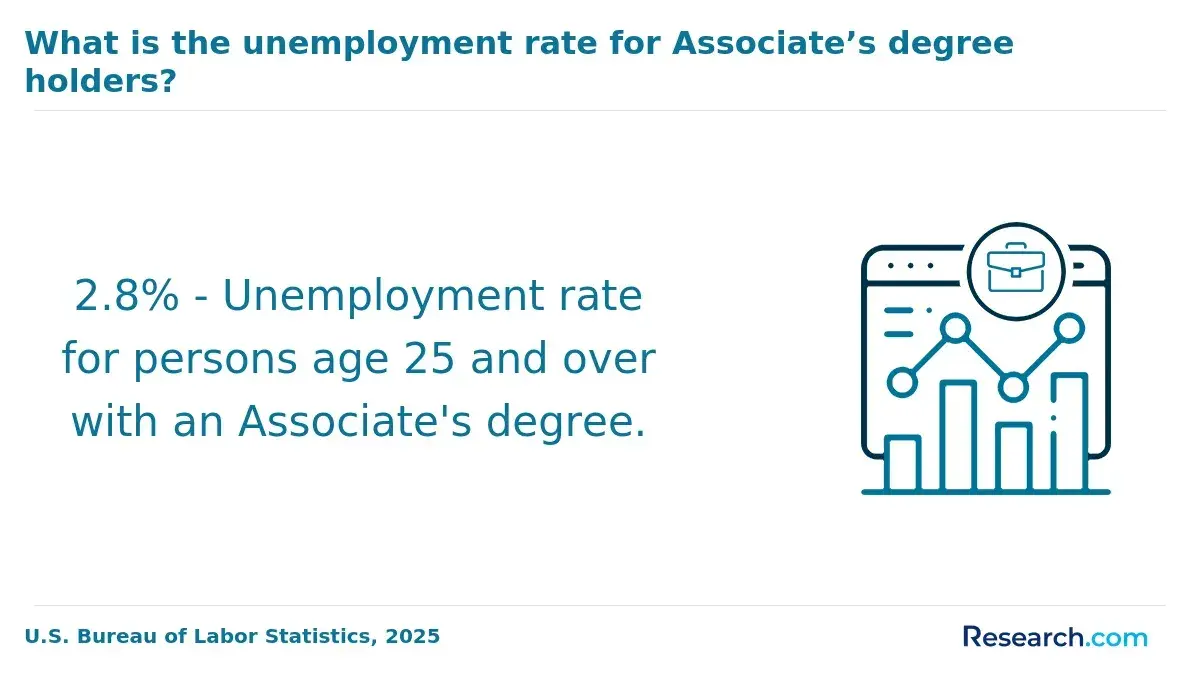
What Is the Average Return on Investment (ROI) for an Online Fire Science Bachelor's Degree Over a 10-Year Career?
Return on investment (ROI) in higher education quantifies the financial benefits of a degree by subtracting the total cost of completing the program from the additional earnings generated over a decade compared to someone with a high school diploma or associate degree in the same profession.
According to data from the Georgetown University Center on Education and the Workforce and PayScale's College ROI Report, the typical ROI for bachelor's degrees nationwide is near $200,000 over 10 years.
Using median salary figures from the Bureau of Labor Statistics (BLS), the annual wage for fire science professionals starts around $50,700. Factoring in annual raises averaging 2 to 3 percent, total earnings across ten years can approach $570,000 before taxes.
When compared to the roughly $350,000 earned by a high school graduate in related roles, the graduate sees an earnings increase of $220,000 over that period. Subtracting program costs-usually between $30,000 and $50,000-yields a net ROI ranging from $170,000 to $220,000. This places the degree's return at or slightly above the general national average for bachelor's programs.
- Clear ROI Definition: ROI captures net financial gain by subtracting education expenses from the difference in cumulative earnings between degree holders and less-educated peers in the same occupation.
- Salary Benchmarks: BLS sets median annual pay for fire science workers near $50,700, with opportunities for raises as experience and certifications grow.
- Cost Range: Tuition and fees for online fire science degrees average $30,000 to $50,000, impacting the ultimate ROI depending on program pricing.
- 10-Year Earnings Gain: Graduates typically earn $170,000 to $220,000 more than comparably positioned workers without the degree in a decade.
- National ROI Comparison: Returns on fire science degrees approximate or slightly exceed nationwide averages for bachelor's degree financial outcomes.
- Non-Financial Benefits: Career advancement, job security, and greater professional development opportunities enhance value beyond salary figures.
A professional who enrolled in an online fire science bachelor's program after evaluating its cost versus ROI shared that the decision involved balancing financial constraints with long-term career goals. He noted, "It wasn't just about the tuition price but what doors this degree could open over time."
The flexibility of online courses helped him maintain his current job while studying, though managing workload and family responsibilities proved challenging. Despite initial doubts, he valued how the degree boosted his confidence and positioned him for promotion opportunities he hadn't previously considered, reinforcing that the investment extended well beyond numbers alone.
How Do Online Fire Science Program Tuition Rates Compare Across Public, Private, and For-Profit Institutions?
Online fire science tuition comparison across institution types reveals distinct financial and professional trade-offs.
- Public Universities: Generally offering the most economical tuition, especially for in-state students, these institutions frequently use flat-rate online tuition models. For the latest academic year, costs often range between $6,000 and $15,000 annually. Advantages extend beyond cost savings to include higher graduation rates and stronger recognition among firefighting agencies and public sector employers.
- Private Nonprofit Institutions: These schools tend to charge between $15,000 and $35,000 per year but often offer enhanced academic reputations and well-established alumni networks. Students might benefit from improved career advancement prospects, though the increased expense raises the threshold for financial return on investment.
- For-Profit Colleges: While their advertised tuition can start as low as $5,000 annually with flexible payment options, for-profit colleges generally demonstrate lower graduation rates and face employer skepticism. Such factors may hinder long-term salary growth and job security, indicating that the cheapest tuition does not necessarily translate into the best return on investment.
Working professionals and career changers should recognize that cost alone isn't the definitive factor in selecting an online fire science degree. Career outcomes, job stability, and professional development matter significantly. For those interested in exploring related educational opportunities that balance cost and quality, reviewing the top data science programs can offer useful insights alongside this comparison.
Cost differences of fire science degrees at public, private and for-profit colleges make it essential to evaluate both tuition and graduation success before committing.
What Long-Term Salary Growth Can Fire Science Bachelor's Degree Holders Expect Over a 20- to 30-Year Career?
A bachelor's degree in fire science can significantly impact both career progression and lifetime earnings. Early roles offer steady growth, while mid- and senior-career positions often bring substantial salary increases tied to leadership and specialized responsibilities. Over a full career, degree holders typically earn considerably more than peers without a degree, highlighting the long-term value of advanced education and professional development.
Early Career: Salary growth in the first five years after earning a bachelor's in fire science tends to reflect rising responsibilities as individuals progress from foundational roles like firefighter or fire inspector to positions such as fire investigator or safety officer. The Bureau of Labor Statistics reports typical pay increases of 10% to 15% in this phase, driven by accrued experience and skill enhancement.
Mid-Career Peak: Around a decade of experience, many degree holders move into supervisory or specialist roles, including fire chief, training officer, or emergency management coordinator. This stage often brings a sharper salary boost-between 20% and 25% over early-career wages-supported by American Community Survey data showing stronger earnings among mid-career professionals.
Senior Leadership: Beyond 15 years, professionals frequently enter executive positions overseeing departments or administrative functions. PayScale highlights this period as one of substantial financial advancement, tied to increased responsibilities like budgeting and long-term strategic planning.
Lifetime Earnings Advantage: Over a typical 20- to 30-year career span, bachelor's degree holders in fire science accumulate a lifetime earnings premium estimated between 20% and 40% compared to peers without degrees. This advantage stems from salary growth, consistent career progression, and greater job stability.
A professional who built their career after completing an online fire science bachelor's degree shared that balancing rigorous coursework with work obligations was challenging but rewarding. They described navigating initial roles with determination and later embracing leadership with confidence gained through education. "It wasn't just about the numbers," they said-the growth was reflected in increased responsibilities and the ability to positively impact community safety. Their experience underscores how the degree can open doors that might otherwise remain closed, especially for those willing to commit fully to professional development.
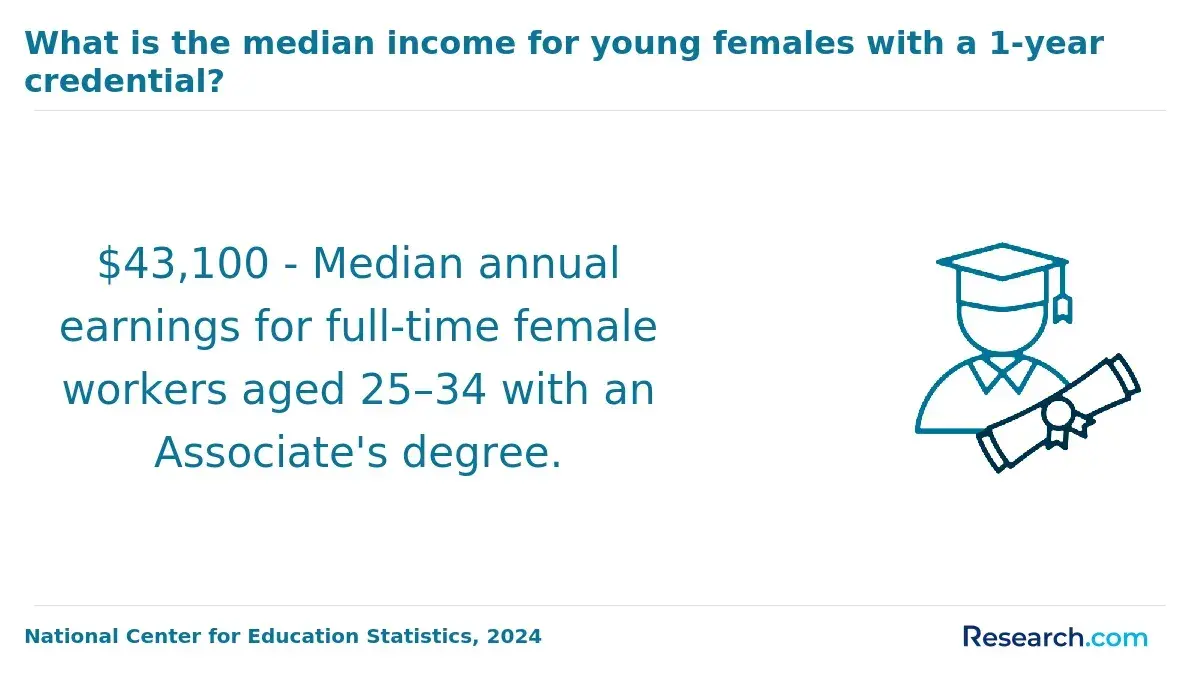
How Does the ROI of an Online Fire Science Bachelor's Degree Compare to an Associate Degree or a Professional Certificate?
Tuition for fire science programs varies widely by credential. Certificates and associate degrees require far less upfront investment, while bachelor's programs involve higher costs but may offer greater long-term career benefits.
- Median Salary: Earnings tend to rise alongside educational attainment in fire science roles.
- Certificate holders earn approximately $35,000 to $45,000 annually.
- Associate degree graduates see median wages around $45,000 to $55,000, suitable for entry- to mid-level jobs.
- Bachelor's degree recipients often surpass $60,000 in median income, aligning with supervisory or specialized career tracks.
- Cost Efficiency: Professional certificates and associate degrees demand much less initial investment compared to bachelor's programs. Certificates typically cost from a few hundred to several thousand dollars, while associate degrees require tuition between $12,000 and $20,000. Online bachelor's degrees in fire science usually range from $30,000 to $50,000, representing a significantly higher upfront expense.
- Short-Term ROI: Those needing quick employment or who cannot afford extensive educational costs benefit from certificates or associate degrees, as these credentials enable faster entry into the workforce and minimize debt.
- Long-Term ROI: The bachelor's degree tends to offer greater lifetime earning potential due to advanced job prospects, leadership opportunities, and stronger job stability, which collectively compensate for higher tuition.
- Non-Financial Returns: Bachelor's programs provide comprehensive training-including leadership, fire prevention, and incident management-boosting professional development. Certificates focus narrowly on technical skills, while associate degrees blend theory with hands-on experience.
- Decision Framework:
- Evaluate your current finances to ensure you can invest without hardship.
- Decide if immediate employment or gradual career progression fits your goals.
- Consider professional aspirations, such as management roles that often require a bachelor's degree.
- Research local job market demands, as some fire departments may prioritize candidates with bachelor's credentials for promotion.
Which Online Fire Science Specializations or Concentrations Yield the Highest Earning Potential After Graduation?
Specializing within an online fire science bachelor's degree significantly influences earning potential after graduation. Salary premiums vary according to industry demand, certifications, and skills specific to each concentration.
- Fire Protection Engineering: This specialization commands some of the highest salaries, with median annual wages around $90,000 according to the Bureau of Labor Statistics (BLS). It reflects the technical expertise needed to design fire safety systems and clearly outpaces general fire science roles, which earn $50,000 to $60,000.
- Emergency Management: Graduates focusing here typically earn near $75,000. This track requires additional certifications, like Certified Emergency Manager (CEM), adding time and cost to the investment but providing vital skills in disaster response planning.
- Fire Investigation: Median salaries near $65,000 are common, but graduates usually need certification from bodies such as the International Association of Arson Investigators (IAAI), impacting the total time-to-return on investment.
- Wildland Fire Management: Usually offering median wages between $45,000 and $55,000, this track requires less formal licensure than others, which can shorten the path to financial payoff.
- Fire Administration: Focused on leadership roles like fire chiefs, salaries average around $85,000. This concentration enhances long-term ROI through job security and promotion opportunities.
Students with prior work experience might find the fire protection engineering or administration routes optimize ROI by combining higher salaries with shorter certification times. Those interested in investigative or emergency management roles should carefully consider the added certification expenses and timelines.
Using verified BLS data alongside IPEDS and higher education research, candidates can make informed decisions that weigh tuition costs against realistic salary outcomes and professional growth prospects.
How Do Employer Tuition Reimbursement and Financial Aid Reduce the Net Cost of an Online Fire Science Bachelor's Degree?
Employer tuition reimbursement programs can greatly reduce the out-of-pocket expenses for students pursuing an online fire science bachelor's degree. Under IRS Section 127, employers may provide up to $5,250 annually in tax-free educational assistance, which often covers a significant portion of tuition and fees without tax penalties.
The Society for Human Resource Management (SHRM) reports that roughly 60% of U.S. employers offer some type of tuition assistance, making employer-sponsored education a common benefit for working professionals.
Federal and institutional financial aid further lowers net costs. Grants and scholarships, which do not require repayment, combined with subsidized federal loans, offer low-interest and deferred repayment options that ease upfront financial burdens. For those evaluating employer tuition reimbursement for online fire science degrees, layering these benefits can reduce overall expenses substantially.
Consider a student enrolled in a $30,000 fire science program. Employer reimbursement at the IRS limit over two years could cover $10,500 of that amount. Adding $5,000 in scholarships and $7,500 in subsidized loans would bring the net cost down to $7,000, highlighting how financial aid impact on net cost of fire science bachelor's programs can make degree completion much more affordable.
For students comparing programs across fields, reviewing return on investment is crucial. Resources like online colleges for hospitality management provide additional insights into costs and benefits in related sectors, offering useful comparative data.
- Employer Tuition Reimbursement: Employers commonly provide up to $5,250 per year tax-free under IRS Section 127, significantly reducing education expenses without additional tax liability.
- Prevalence of Assistance: Approximately 60% of U.S. employers offer tuition benefits, making this support highly accessible for working students pursuing degree completion.
- Federal and Institutional Aid: Grants, scholarships, and subsidized loans decrease net tuition costs by covering parts of the fees without the burden of immediate repayment.
- Combined Impact: Utilizing employer tuition reimbursement alongside federal financial aid can lower total degree expenses by more than two-thirds, enhancing financial feasibility.
- Worked Example: A $30,000 fire science degree's net cost can be reduced to $7,000 after considering $10,500 in employer benefits, $5,000 in scholarships, and $7,500 in subsidized loans, demonstrating practical affordability.
What Hidden Costs Should Students Factor Into the Total Investment of an Online Fire Science Bachelor's Degree?
Evaluating the return on investment for an online fire science bachelor's degree requires factoring in the additional expenses of online fire science degree programs that often go unnoticed. Beyond published tuition, students encounter technology fees ranging from $100 to $500 per semester.
These fees support the online learning infrastructure and are essential but add a significant financial burden. Proctoring services, incurred per test at $20 to $50 each, further contribute to financial burdens beyond tuition for fire science students, especially when multiple exams are required.
Graduation fees, including caps, gowns, and administrative costs, typically add $100 to $200, while specialized course software licenses can cost up to $200 per year to access necessary simulation tools.
Professional organization memberships, though optional, are strongly recommended for career development and networking, with annual costs between $100 and $150. These hidden fees often total 10 to 15 percent above the stated tuition, extending the time needed to break even on the degree's financial investment.
Students must request a comprehensive cost-of-attendance breakdown from institutions that detail tuition, fees, books, and technology expenses. This full transparency is critical for comparing programs accurately and planning finances accordingly. Being aware of these financial burdens beyond tuition for fire science students helps avoid unexpected costs that could delay career advancement or increase debt.
- Technology Fees: Mandatory charges ranging between $100 and $500 per semester support software access and technical support, impacting overall expenses.
- Proctoring Costs: Per-exam fees from $20 to $50 accumulate throughout the program, increasing total cost.
- Graduation Expenses: Administrative and ceremonial fees between $100 and $200 must be anticipated.
- Course Software: Specialized licenses for simulation tools may require up to $200 annually, essential for skill development.
- Professional Memberships: Industry organization dues of $100 to $150 per year support networking and career growth.
For those seeking additional affordable career paths within related fields, exploring easy certifications to get can also enhance employability while managing educational expenses.
How Does the Accreditation Status of an Online Fire Science Program Affect Graduate Salary and Employability?
Regional accreditation evaluates entire institutions for overall academic quality, while programmatic accreditation focuses on specific fields of study, ensuring curricula align with industry standards.
Employers often place higher value on degrees from regionally accredited programs, seeing them as evidence of rigorous education and better job preparation. This distinction can increase a graduate's salary negotiating power and broaden employment options.
Surveys by the National Association of Colleges and Employers (NACE) and the Society for Human Resource Management (SHRM) reveal a strong employer preference for applicants holding degrees from regionally accredited institutions.
Those with degrees from nationally accredited or non-accredited schools may face doubts about their qualifications, potentially reducing job prospects and salary offers.
Attending programs without recognized accreditation may also block access to essential licensure exams, graduate studies, and certain government or healthcare positions-critical barriers for career advancement. Prospective students should consult the U.S. Department of Education's accreditation database and the Council for Higher Education Accreditation (CHEA) to verify program credentials before enrollment.
- Employer Preference for Accreditation: Hiring managers prioritize degrees from regionally accredited institutions, associating them with higher academic standards and better workforce readiness, which can lead to improved salary and promotion opportunities.
- Access to Licensure and Graduate Programs: Proper accreditation is often required to sit for licensure exams or qualify for advanced study essential in fire science career progression.
- Salary Negotiation Strength: Graduates from accredited programs typically have greater leverage in pay discussions due to the recognized quality of their training.
- Job Security and Career Growth: Accreditation signals professionalism to employers, supporting job stability and opening pathways for advancement within fire services and related emergency management roles.
- Verification Importance: Confirming accreditation status through official databases helps avoid enrolling in programs that might hinder future employment and income potential.
What Entry-Level Job Titles and Salary Ranges Are Available to Graduates of Online Fire Science Bachelor's Programs?
Graduates holding online fire science bachelor's degrees find opportunities in a wide range of entry-level positions that vary considerably in salary depending on industry and credentials. Entry salaries often reflect internship experience, specialized certifications, or academic concentrations, all of which can enhance earning potential early in one's career.
- Fire Inspector: Median starting salaries range between $45,000 and $60,000 annually, with government and municipal fire departments typically offering top pay-especially for those holding Fire Inspector I or II certifications.
- Firefighter: Starting pay falls from $39,000 up to $55,000 per year. Urban public sector roles and candidates with paramedic credentials or internships access higher salary tiers.
- Emergency Management Specialist: Entry compensation averages from $50,000 to $65,000, largely concentrated in government agencies and healthcare settings that prioritize disaster readiness and crisis response.
- Fire Protection Engineer Technician: Initial salaries usually lie between $55,000 and $70,000, primarily within private engineering firms and technology companies focused on safety innovation.
- Fire Safety Educator: This position offers $40,000 to $55,000 in education and healthcare environments emphasizing community outreach and prevention programs.
- Wildland Firefighter: Pay ranges around $35,000 to $50,000, with seasonal government forestry work tending to pay toward the higher end.
- Fire Investigator: Starting wages generally fall between $50,000 and $65,000, with competitive compensation in local government and insurance sectors.
- Loss Control Specialist: Entry salaries start near $48,000 to $62,000, especially in finance and insurance industries where risk assessment is vital.
Internships and coursework concentrations in areas like hazardous materials or fire prevention, combined with certifications, substantially elevate early career earnings. Choosing industries such as government, healthcare, or finance can further enhance salary prospects. These variations influence how quickly a graduate recovers tuition investments and advances professionally, shaping the overall return on earning a fire science degree online.
What Graduates Say About the Return on Investment of Their Online Fire Science Bachelor's Degree
- Timothy: "Choosing the online fire science bachelor's degree was a strategic decision after I carefully evaluated its ROI against the tuition cost. The affordability allowed me to advance my education without burdening myself financially. Beyond money, the program opened doors for career advancement that I hadn't anticipated, giving me confidence and job security in a competitive field."
- Emilio: "Reflecting on my journey, the non-financial returns from the online fire science bachelor's degree truly stand out. It significantly enhanced my understanding and skills, which translated into promotions and leadership roles faster than I expected. The investment wasn't just about salary-it was the stability and respect I gained professionally that made it worthwhile."
- Xavier: "Professionally, pursuing the online fire science bachelor's degree transformed my career trajectory. The program's flexibility allowed me to continue working full-time while developing expertise that employers value deeply. This blend of convenience and career impact made the return on investment extremely favorable from both financial and personal growth perspectives."
Other Things You Should Know About Fire Science Degrees
The time to recover the cost of an online Fire Science bachelor's degree varies but typically ranges from five to eight years. This calculation is based on average tuition fees and the salary increase graduates experience compared to those without a degree. Graduates who secure roles in specialized fire protection or safety management tend to recoup costs more quickly due to higher starting salaries.
Employer surveys and labor market data consistently highlight the degree's value for upward mobility and leadership roles. Many employers prioritize candidates with a Fire Science bachelor's degree for positions requiring advanced knowledge of fire prevention, safety regulations, and emergency management. Labor market trends indicate steady demand, contributing to stable career prospects and salary growth potential.
In 2027, salary outcomes for Fire Science bachelor's degree graduates significantly vary by geographic location and industry sector. Urban areas often offer higher salaries due to higher living costs and demand for fire safety professionals. Industry sectors such as government and private consulting may also provide more lucrative positions compared to entry-level firefighting roles in less populated regions.
References
- What type of career and salary can I obtain with an online Bachelor of Fire Science degree? https://www.onlineschoolscenter.com/career-salary-online-bachelor-fire-science-degree/
- Online Fire Science Bachelor’s Degrees | Programs & Career Info https://www.learnhowtobecome.org/best-online-bachelors-in-fire-science-degree-programs/
- Fire Science Degree Programs With Huge Returns https://www.firescience.org/college-degree-rankings-online/fire-science-degree-high-return-investment/
- Employer-offered educational assistance programs can help pay for college | Internal Revenue Service https://www.irs.gov/newsroom/employer-offered-educational-assistance-programs-can-help-pay-for-college
- B.S. in Fire Science Online - Anna Maria College https://online.annamaria.edu/fire-science/online-fire-science-degree-overview
- What Can You Do with a Fire Science Degree? Salary & Career Info https://www.publicservicedegrees.org/what-can-you-do/fire-science-degree/
- 2025 Most Affordable Online Bachelors in Fire Science [100% Unbiased] https://www.collegeranker.com/most-affordable-online-bachelors-in-fire-science/
- Cost of Online Education vs. Traditional Education [2025]: Comparison https://educationdata.org/cost-of-online-education-vs-traditional-education
- Employer Tuition Assistance Programs: How Do They Work? | Edvisors https://www.edvisors.com/plan-for-college/scholarships/employer/tuition-waivers/
- ROI of Online Degrees in 2025: Cost, Benefits, Career Impact https://www.pwmedharthi.com/blogs/guide/roi-of-online-degrees