2027 Online Fire Science Bachelor's Degree Programs With Weekly Start Dates

Co-Founder and Chief Data Scientist
Professionals seeking to enter fire science often struggle to align traditional academic schedules with their demanding work and personal obligations. This conflict delays career advancement and worsens workforce shortages in fire science fields. Offering online fire science bachelor's degree programs with weekly start dates addresses this challenge by allowing students to begin coursework at their convenience. According to recent data, enrollment in such flexible programs increased by 35% between 2020 and 2023, reflecting growing demand for adaptable learning paths.
This article explores these programs-highlighting features, benefits, and enrollment strategies-to help prospective students find an accredited, convenient route into fire science careers.
Key Benefits of Online Fire Science Bachelor's Degree Programs With Weekly Start Dates
- Online fire science bachelor's programs with weekly start dates offer unmatched flexibility-enabling working professionals and career changers to begin education anytime without waiting for semester schedules.
- This format eliminates frustrating delays common in traditional enrollment, allowing students to start coursework within days of acceptance, speeding time to degree completion.
- Students can earn regionally accredited degrees while balancing work and personal commitments, supported by rolling admission and accelerated credit transfer options that reduce costs and duration.
What Are Weekly Start Dates in Online Fire Science Bachelor's Programs, and How Do They Differ From Traditional Term-Based Enrollment?
Weekly start dates in online fire science bachelor's degree programs refer to an enrollment model that allows students to begin courses at the start of any week throughout the academic year, rather than waiting for fixed semester or quarter start dates. This differs significantly from term-based fire science programs, which have only two or three fixed start dates per year. The weekly enrollment format removes long wait times between application approval and the first day of class, giving students more control over their academic timeline.
Institutions like Western Governors University and Purdue Global exemplify continuous enrollment models, including weekly or rolling start dates. These models enable students to start programs almost immediately after acceptance and orientation, avoiding long delays typical of traditional semester schedules. This flexibility is particularly beneficial for working professionals and adult learners pursuing an online fire science bachelor's degree who need to balance education with work and family commitments.
By offering weekly start dates for online fire science bachelor's programs, schools provide a personalized pacing approach-students can accelerate their studies or take breaks as needed. This adaptability supports faster degree completion and more effective use of time. In addition, understanding tuition costs, transfer credit policies, financial aid options, accreditation standards, and career outcomes can further maximize benefits for students.
For those seeking to reduce time to degree, leveraging prior learning assessments and generous transfer credit acceptance is crucial. Also, exploring related programs, such as the medical assistant program, may provide complementary career pathways.
- Flexible Scheduling: Weekly start dates let students enroll when it best fits their lives, eliminating the restriction of fixed semester beginnings.
- Reduced Wait Times: Immediate access to coursework is possible, as students don't have to wait months between application and class start.
- Self-Paced Progress: Students can tailor their study schedules to accelerate or pause work, offering a personalized learning experience.
- Career-Focused Design: This model supports busy adults and professionals with the adaptability needed to juggle education alongside existing responsibilities.
Which Accredited Institutions Offer Online Fire Science Bachelor's Degree Programs With Weekly or Rolling Start Dates?
Several regionally accredited institutions offer online fire science bachelor's degree programs with weekly or rolling start dates, providing flexible options for adult learners and working professionals. These programs allow students to enroll more frequently than traditional semester-based formats-often every week or every few weeks-enabling accelerated degree completion and greater convenience for those balancing education with work or family commitments. Such rolling enrollment schedules make these among the best online fire science degree programs with weekly enrollment options.
- American Military University: Their Bachelor of Science in Fire Science features weekly start dates and tuition of approximately $285 per credit. AMU is accredited by the Higher Learning Commission (HLC) and is distinguished by generous transfer credit policies and prior learning assessments that help students minimize time and expenses.
- Granite State College (University of New Hampshire System): This program offers a Bachelor of Science in Fire Science and Emergency Management with rolling admissions-new courses begin every 8 weeks. Tuition is around $295 per credit, and transfer credits are accepted. The program is regionally accredited by the New England Commission of Higher Education (NECHE).
- Southern New Hampshire University: SNHU's Bachelor of Science in Fire Science allows six start dates per year, providing near-weekly enrollment flexibility. Tuition runs about $320 per credit. Accredited by NECHE, SNHU supports prior learning credits and offers financial aid to eligible students.
- Colorado State University Global: CSU Global offers a Bachelor of Science with a fire science concentration, with courses starting every four weeks. Tuition averages $350 per credit. The program is HLC-accredited and emphasizes accelerated learning and credit for prior experience.
- Liberty University: Liberty's Bachelor of Science in Fire Science allows multiple start dates each year-nearly weekly at times. Accreditation comes from the Southern Association of Colleges and Schools Commission on Colleges (SACSCOC). Tuition is about $390 per credit, and up to 75% transfer credits are accepted.
The availability of accredited online fire science bachelor's programs with rolling start dates is especially beneficial for students aiming to maximize flexibility and speed in completing their degrees. Institutions supporting robust transfer credit acceptance and prior learning assessments further enhance affordability and reduce time to graduation. Regional accreditation safeguards quality and credit transferability. Those interested in exploring affordable options in related healthcare fields may also find useful information about the cheapest bsn to dnp programs.
How Do Weekly Start Dates in Online Fire Science Programs Benefit Working Adults and Non-Traditional Students?
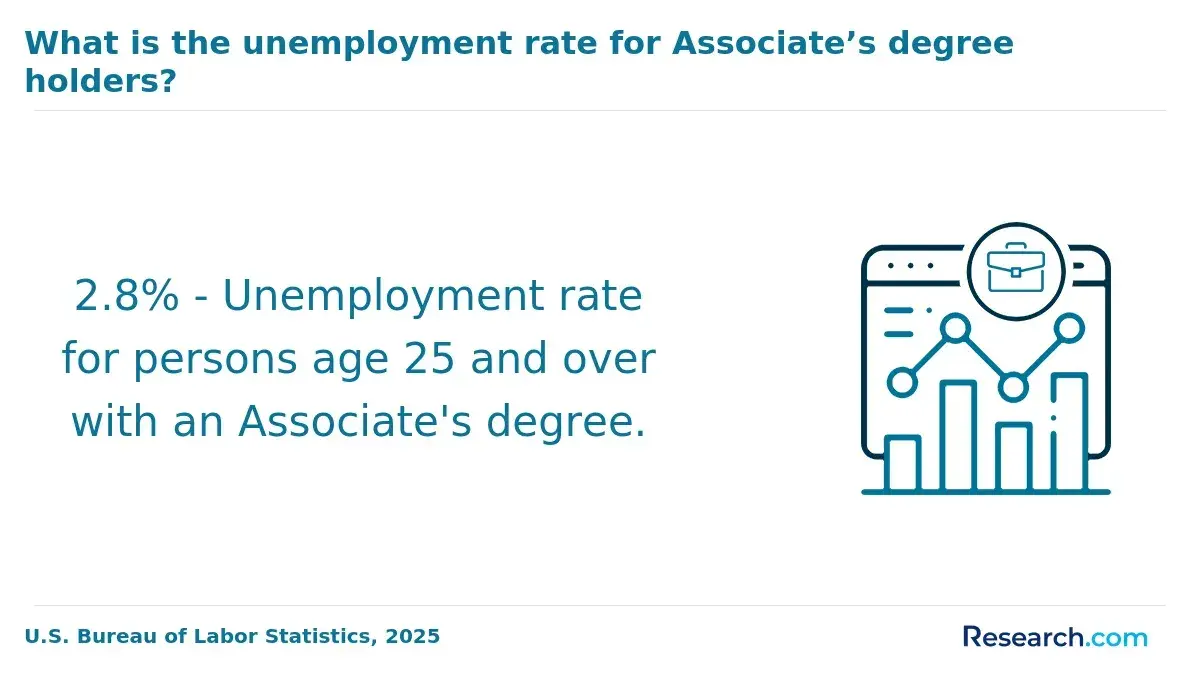
Weekly start dates in online fire science bachelor's degree programs eliminate the restrictive scheduling tied to traditional semester enrollments-allowing students to begin their studies immediately once accepted. This approach reduces the time lag between a student's decision to advance and actual coursework commencement, which helps maintain motivation and momentum. Research from the National Center for Education Statistics (NCES) and the Lumina Foundation confirms that such flexibility promotes higher persistence and completion rates, especially among adult learners balancing work and personal commitments.
- Immediate Start: Students can enroll and begin classes right away, avoiding the wait associated with fixed semester start dates that often push back their career goals.
- Flexible Timing: Multiple enrollment opportunities throughout the year accommodate varying work schedules and family responsibilities common to non-traditional students.
- Greater Retention: Evidence indicates that rolling admissions and adaptable start times reduce dropout rates by fitting education more seamlessly into adult learners' lives.
- Financial Upside: Accelerated access to education enables quicker entry or advancement into fire science roles, which can translate into earlier salary increases and long-term financial benefits.
A professional who enrolled in a fire science bachelor's program with weekly start dates described overcoming initial doubts about juggling work and school. "The ability to start the program right after acceptance meant I didn't lose momentum waiting for a semester to open," he explained. Balancing shifts at his job with coursework was challenging, but the rolling schedule allowed him to plan study times around his unpredictable hours. He said, "It felt empowering to progress on my own timetable rather than being forced into a rigid academic calendar-with no need to pause or reset progress because of semester cutoffs." This flexibility not only eased the stress of returning to school but also helped him move steadily toward promotion opportunities faster than he had anticipated.
Breakdown of Private Fully Online For-Profit Schools

What Is the Total Tuition Cost for Online Fire Science Bachelor's Programs That Allow Weekly Enrollment?
Evaluating the average tuition rates for online fire science bachelor's programs with rolling start dates involves looking closely at per-credit charges and how institutions structure their fees. Typically, earning a bachelor's degree requires about 120 credit hours, so multiplying per-credit costs by 120 offers a general estimate of the total expense. However, some schools utilize flat-rate or block tuition, which charges a fixed fee per term regardless of course load, potentially reducing overall costs for students enrolling in multiple classes during weekly enrollment cycles.
- Per-Credit Tuition Variation: Most programs charge between $250 and $450 per credit, resulting in degree costs ranging from approximately $30,000 to $54,000. Programs on the lower end of this scale provide a more affordable pathway to a fire science degree.
- Flat-Rate Tuition Models: By offering flat tuition fees per term, some universities encourage heavier course loads during rolling start periods, helping students achieve their degree faster while potentially saving money.
- In-State Tuition for All: Certain online fire science bachelor's programs extend in-state tuition rates nationwide, making costs particularly competitive-often between $7,000 and $15,000-even for out-of-state learners.
- Additional Fees: Beyond tuition, expect technology, material, and lab fees that can add $500 to more than $2,000 to your total cost. These are important to factor into the total cost of attendance for fire science degrees offering weekly enrollment.
Prospective students should consult college websites and trusted data sources like the National Center for Education Statistics' IPEDS to confirm current tuition details. Considering transfer credits, prior learning assessments, and financial aid can further reduce expenses, making accelerated programs with weekly starts flexible and affordable options. For more details on selecting a program, exploring accredited online universities can be a helpful step.
How Quickly Can Students Complete an Online Fire Science Bachelor's Degree When Enrolling Through a Weekly Start Option?
Credit Load Flexibility: Certain programs allow students to enroll in multiple courses each term, often exceeding traditional full-time loads. This option enables driven learners to accumulate credits faster, accelerating their path to graduation.
Prior Learning Credit: Acceptance of up to 90 transfer credits or recognition of prior learning assessments can drastically shorten the time needed to complete the degree by counting relevant prior coursework or experience toward degree requirements.
Self-Paced and Competency-Based Options: Competency-based formats let students advance by demonstrating mastery of material rather than adhering to strict timelines, benefiting those with prior fire service knowledge or strong time management skills.
Time-to-Degree Variation: Full-time students generally finish in 3 to 4 years, whereas part-time learners may take 5 years or more. Weekly start schedules help reduce these durations by offering immediate enrollment and continuous, uninterrupted progression.
Rolling Enrollment Benefits: Weekly start dates eliminate wait times between semesters, promoting consistent course engagement and a more streamlined route to degree completion.
A motivated working adult taking full advantage of transfer credits and maintaining a full course load can realistically complete an online fire science bachelor's degree in about 2 to 3 years under such a flexible model.
One professional who graduated from a self-paced online fire science program with weekly start options shared that balancing work and study was initially challenging. He found the freedom to progress at his own pace rewarding yet demanding, requiring disciplined scheduling and focus. "Not having to wait for fixed semesters kept me engaged and motivated," he explained. The ability to apply prior certifications and transfer credits greatly eased his workload. Reflecting on the experience, he noted that this flexible structure fit well with his career and family responsibilities, allowing him to earn his degree faster than he expected. This adaptability was key to his successful completion and career advancement.
What Admission Requirements Must Students Meet to Enroll in an Online Fire Science Bachelor's Program With a Weekly Start Date?
Online fire science bachelor's programs with weekly or rolling start dates often have admission requirements that are more adaptable than those of traditional semester models. Most schools offering continuous enrollment typically ask for a high school diploma or GED equivalency as a baseline credential. Unlike many conventional programs, standardized tests such as the SAT or ACT are frequently not part of the criteria, emphasizing easier access for non-traditional students and working adults.
While open admissions make enrollment more straightforward, these programs might offer different levels of academic challenge. Less selective programs usually compensate for lower entry requirements by providing substantial support services-like tutoring and advising-to help students stay on course. More selective schools, on the other hand, often look for higher GPAs, commonly around 2.5 or above, and may review previous college work or professional achievements.
Students returning after a long academic break or those with unconventional educational backgrounds are encouraged to highlight their work experience, motivation, or certifications through personal statements and recommendations. Some programs also offer prior learning assessments that translate professional experience into academic credit, helping students move through their degrees faster.
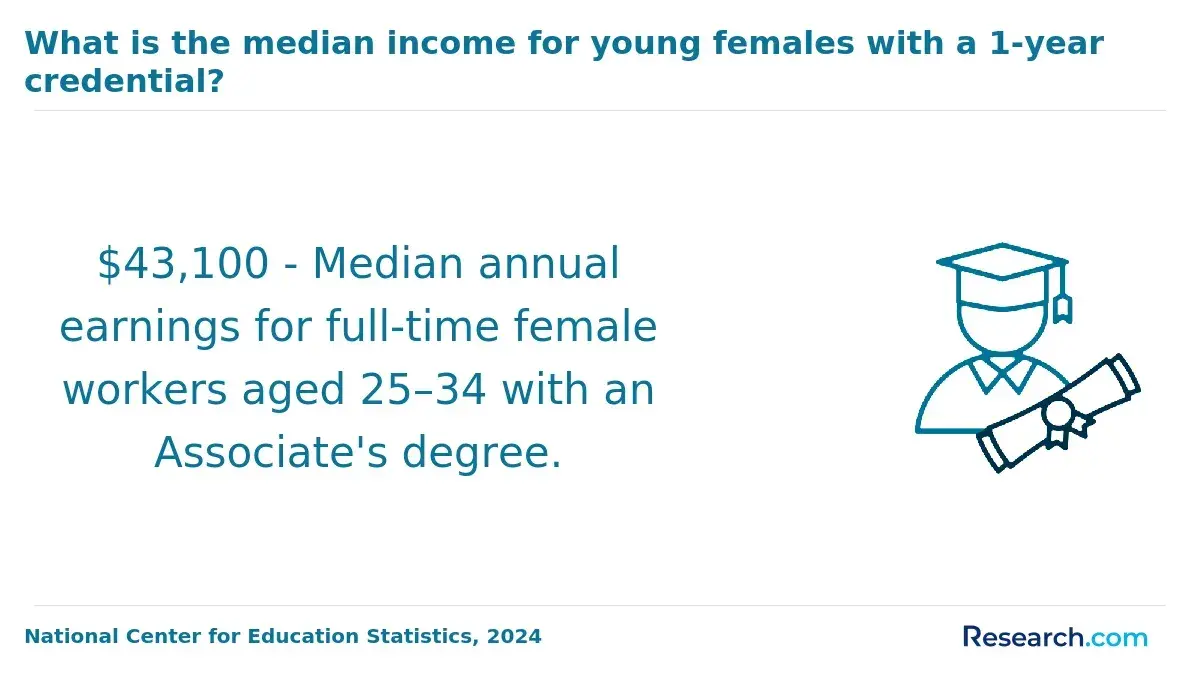
Data from the National Center for Education Statistics shows that online college enrollment has increased by more than 30% over the last five years-highlighting the growing popularity of flexible enrollment options.
- High School or GED: Nearly every program requires a high school diploma or GED to ensure foundational skills necessary for college success.
- Rolling Admissions: Weekly start dates align with rolling admissions policies, allowing students to enroll continuously without waiting for traditional semester start dates.
- GPA Expectations: Some programs set a minimum GPA of about 2.5, but many prioritize a candidate's readiness and motivation over numeric scores.
- Support Services: Open admission schools often provide robust academic resources and career advising to help students manage course demands.
- Application Strength: Students with irregular academic histories can improve their chances by emphasizing relevant experience and personal dedication in their applications.
How Do Online Fire Science Programs With Weekly Starts Handle Transfer Credits From Previous College Coursework?
Online fire science bachelor's degree programs with weekly or rolling start dates often offer flexible and generous transfer credit policies to accommodate students' prior coursework and experiences. Programs at institutions such as Columbia Southern University and Western Carolina University allow up to 90 transfer credits, including those earned at accredited community colleges and through military training. These policies help students reduce both time and cost by avoiding repetition of equivalent courses. The American Council on Education (ACE) credit recommendation system plays a crucial role by evaluating military, professional, and workplace learning for academic credit eligibility, making the transfer process smoother for adult learners.
Prospective students should request a transcript evaluation early. This helps clarify how many credits transfer and which degree requirements remain-allowing for better planning and faster completion. Data from the National Center for Education Statistics shows nearly 70% of adult undergraduates transfer credits into current programs, highlighting the importance of such policies in today's flexible education environment.
- Generous Credit Limits: Many online fire science programs accept up to 90 transfer credits, significantly shortening the path to degree completion for those with prior study or military background.
- ACE Credit System: The American Council on Education converts military and professional training into eligible academic credits, simplifying the transfer process.
- Transcript Evaluations: Early credit assessments help students understand their academic standing and remaining coursework before enrolling.
- Cost Savings: Transfer credit acceptance reduces tuition expenses and eliminates redundant courses, benefiting budget-minded adult learners.
- Institutional Flexibility: Leading programs support diverse student needs by combining wide transfer credit acceptance with weekly or rolling start dates for seamless enrollment.
What Financial Aid and Scholarship Options Are Available for Students Enrolling in Weekly-Start Online Fire Science Programs?
Students enrolling in online fire science bachelor's degree programs with weekly start dates have access to several federal financial aid options that parallel those available to traditional semester-based students. These include Pell Grants, which are need-based and do not require repayment, and Stafford loans offered in both subsidized and unsubsidized forms. Subsidized Stafford loans do not accrue interest during enrollment, while unsubsidized loans begin accruing interest immediately. Federal Work-Study eligibility may be limited for these online learners given the nature of available job placements. This overview is especially relevant for students exploring financial aid options for weekly start online fire science degrees.
Programs with rolling enrollment require a different coordination of financial aid compared to semester schedules. Fortunately, the U.S. Department of Education permits aid disbursements according to students' specific enrollment periods. This flexibility helps students who want to start quickly avoid waiting for a traditional semester. It also aligns well with scholarship opportunities for students in rolling enrollment fire science programs, often offered by professional organizations like the International Association of Fire Fighters (IAFF), nonprofits, and institutions focused on online learners.
According to the College Board's Trends in Student Aid report, the average financial aid package for undergraduates is about $14,000 annually, combining grants and loans. However, amounts vary based on income, enrollment status, and institutional policies. Filing the Free Application for Federal Student Aid (FAFSA) early is critical, as many grants and institutional scholarships, especially those aimed at fire science and online students, are awarded on a first-come, first-served basis. Completing the FAFSA opens access to federal, state, and most institutional awards. For students comparing options, it can also be helpful to review related information on medical assistant classes online with financial aid.
- FAFSA Importance: Filing the FAFSA early is crucial. It determines eligibility for most federal aid and many scholarships and must be renewed annually.
- Federal Grants and Loans: Pell Grants provide need-based aid without repayment, while Stafford loans offer low-interest options with both subsidized and unsubsidized forms.
- Rolling Enrollment Aid: Weekly start programs accommodate aid disbursements based on enrollment periods, offering flexible funding streams for online fire science students.
- Targeted Scholarships: Professional associations, nonprofits, and universities offer scholarships tailored to fire science students and online learners, helping reduce out-of-pocket costs.
- Aid Package Averages: The College Board reports typical aid packages average around $14,000 annually, combining loans and grants, but results vary widely by student circumstances.
What Accreditation Standards Should a Weekly-Start Online Fire Science Bachelor's Program Meet to Ensure Employer and Transfer Recognition?
When considering accredited online fire science bachelor's programs in the United States with weekly start dates, understanding accreditation standards is essential. Accreditation verifies that a program meets rigorous academic quality benchmarks recognized by employers and other educational institutions. There are two primary types of institutional accreditation: regional and national.
Regional accreditation remains the gold standard for recognition and credit transferability. It is granted by one of seven regional accrediting bodies recognized by the U.S. Department of Education-these include the Middle States Commission on Higher Education, New England Commission on Higher Education, Higher Learning Commission, Northwest Commission on Colleges and Universities, Southern Association of Colleges and Schools Commission on Colleges, WASC Senior College and University Commission, and the Accrediting Commission for Community and Junior Colleges (Western). Most weekly-start online programs are accredited by one of these organizations, which ensures that credits will be accepted by other institutions and that employers recognize the degree.
National accreditation typically applies to career, technical, or for-profit schools and can limit credit transfer and graduate study opportunities. Students intending to transfer credits or pursue advanced degrees in fire science should be cautious about enrolling in nationally accredited-only programs. Always verify a program's accreditation status directly through the U.S. Department of Education's accreditation database before enrolling to avoid unexpected obstacles.
- Regional vs. National: Regional accreditation is preferred for credit transfer and employer recognition; national accreditation is less widely accepted and often tied to vocational programs.
- Seven Regional Bodies: These agencies uphold the highest academic standards and are responsible for accrediting most quality weekly-start fire science degrees.
- Weekly Start Programs: Credible programs with rolling enrollment windows usually maintain regional accreditation, which supports quality education and smooth credit transfers.
- Verification Is Essential: Checking the U.S. Department of Education's database ensures you confirm the legitimacy of any online fire science program before committing.
- Risks of National Accreditation: Limited credit transfer and graduate study options can hinder career progress if your goal is to advance within fire science fields.
For those navigating financial aid options or tuition considerations alongside accreditation, recognizing these distinctions is critical to maximizing savings and educational outcomes. Students returning to education after years away can also benefit from generous transfer credit policies and prior learning assessments often offered by regionally accredited online programs.
To explore related healthcare-oriented degrees with flexible formats, consider reviewing best online dnp programs that provide options without clinicals.
How Is Coursework Structured in Online Fire Science Bachelor's Programs With Weekly Starts Compared to Semester-Based Formats?
Weekly-start fire science bachelor's degree programs offer an accelerated, flexible learning experience through asynchronous video lectures and discussion boards. Students engage with coursework on their own schedule but must meet weekly deadlines using digital collaboration tools that maintain steady progress and peer interaction. These condensed courses, generally lasting five to eight weeks, contrast with traditional 15-week semester formats-requiring learners to have strong self-discipline and time management skills.
This fast-paced structure efficiently builds essential competencies in fire prevention, emergency response, and fire behavior by focusing learning cycles on practical skills. However, the abbreviated duration limits opportunities for in-depth exploration and extended immersion found in longer semesters. Students planning to enroll should adopt a disciplined weekly routine and use digital calendars or reminders to stay organized. A reliable internet connection and a quiet study environment are also critical to success.
According to the National Center for Education Statistics, online programs with rolling start dates have grown by 18% recently, reflecting a rising demand for flexible education options. Prior learning assessments and generous transfer credit policies can help students accelerate their degree completion while saving money.
- Flexible Asynchronous Learning: Access course materials anytime with video lectures and discussion boards, supporting continuous enrollment and varied schedules.
- Accelerated Course Terms: Five- to eight-week courses demand focused effort for quick mastery of fire science fundamentals and emergency protocols.
- Essential Time Management Skills: Weekly deadlines encourage discipline needed to balance studies with work or family responsibilities.
- Core Competencies Emphasized: Practical skills such as fire prevention strategies, safety compliance, and incident command are prioritized.
- Preparation for Success: Effective study planning, reliable technology, and a distraction-free workspace help students thrive in this fast-paced format.
Can Students Earn Credit Through CLEP, DSST, or Prior Learning Assessment in Weekly-Start Online Fire Science Programs?
Credit by examination programs such as CLEP and DSST offer students the chance to demonstrate mastery in core subjects-letting them skip introductory courses in fire science and save both time and tuition. Backed by the ACE credit recommendation system, these tests provide an efficient route to earn college credit without attending traditional classes.
Prior Learning Assessment (PLA) presents another flexible option, especially for students with military training or relevant professional experience. Several weekly-start online fire science programs accept PLA credits, often allowing up to 30-50% of degree requirements to be fulfilled this way. Some institutions even evaluate portfolios, where learners compile detailed evidence of their competencies for review.
Successful PLA submissions typically include official training certificates, verified work experience records, and well-organized reflective narratives. These documents must be submitted to the registrar or admissions office for formal evaluation, ensuring credits align with program standards.
- Standardized Credit Exams: CLEP and DSST tests enable students to bypass fundamental courses, supporting faster degree completion and cost reduction.
- Flexible PLA Policies: Many programs accept military transcripts and professional experience, typically capping credit at up to half the degree's total hours.
- Portfolio Submissions: Some schools offer portfolio-based assessments, evaluating documented learning achieved outside classroom settings.
- Institutional Credit Limits: Schools set specific maximum credits that can be earned via PLA to maintain academic integrity.
- Documentation and Submission: Candidates should prepare comprehensive evidence and coordinate with academic advisors to ensure appropriate credit transfer.
What Graduates Say About Online Fire Science Bachelor's Degree Programs With Weekly Start Dates
- Timothy: "I chose the online fire science bachelor's degree program with weekly start dates because it offered the flexibility I needed to balance work and study. The cost was reasonable compared to traditional programs, which made continuing my education less stressful financially. Since graduating, I've been able to take on leadership roles in my department and feel confident that my education made a significant impact on my career growth."
- Emile: "Reflecting on my journey, the weekly start dates were a game-changer-there was no need to wait months to begin, which kept my momentum going. The affordability of the online fire science program was crucial for me, as it allowed me to invest in my future without accumulating heavy debt. Professionally, completing this degree has opened doors to specialized training and certifications that were previously out of reach."
- Xavier: "Enrolling in the online fire science bachelor's degree with weekly start dates was a strategic move to rapidly enhance my qualifications while maintaining my full-time job. The program's cost-effectiveness made it accessible without sacrificing quality, which was important for my long-term planning. Ultimately, earning this degree has elevated my credibility in the field and positioned me for advanced career opportunities."
Other Things You Should Know About Fire Science Degrees
The cost per credit hour for online fire science programs with weekly start dates in 2027 varies based on factors like institution type, program complexity, and regional financial aid policies. Private institutions may charge higher rates than public ones, and programs with extensive practical components may incur additional fees for equipment and materials.
Graduates with a bachelor's degree in fire science often pursue roles such as fire chief, fire prevention specialist, fire investigator, or emergency management director. According to labor statistics, median salaries for these positions typically range from $50,000 to $90,000 annually, depending on experience and geographic location. Earning this degree also supports advancement opportunities within fire departments and related public safety organizations.
Many programs offer robust student support services including academic advising, tutoring, career counseling, and technical support to help students navigate online learning platforms. Additionally, virtual libraries and writing centers are commonly accessible. Some schools provide dedicated retention specialists or mentors to assist with time management and program pacing in weekly-start formats.
References
- Fire Science/Fire-fighting https://www.fastweb.com/directory/scholarships-for-fire-science-fire-fighting-majors
- Bachelor of Science in Fire Science (Online Degree) | Kaplan University https://www.university-directory.eu/js/jredirect.php
- Asynchronous Education vs Fixed Schedule Online Classes: Which Works for Working Professionals https://puie.ac/asynchronous-education-vs-fixed-schedule-online-classes-which-works-for-working-professionals/
- Fire Science and Forestry Financial Aid | FireScience.org https://www.firescience.org/fire-and-forestry-scholarships/
- 16-Week Fire Academy Starts in August - EC Kansas News https://eckansasnews.com/16-week-fire-academy-starts-in-august/
- Client Challenge https://www.scribd.com/document/746113269/Fire-Academy-Requirements
- Fire Science Technology Courses - Credit for Prior Learning https://www.clcillinois.edu/get-started/credit-for-prior-learning/courses-by-program/fire-science-technology
- 3 Key Factors for Firefighters to Consider When Selecting a Bachelor’s Degree https://www.firefighternation.com/fire-leadership/career-development/3-key-factors-for-firefighters-to-consider-when-selecting-a-bachelor-s-degree/
- Blinn Fire Safety and Health Program accredited by the International Fire Service Accreditation Congress https://www.blinn.edu/news/2025/11/fire-service-accreditation.html
- Term Calendars by Faculties https://is.slu.cz/predmety/obdobi