2027 Online Fire Science Bachelor's Degree Programs That Accept Transfer Credits

Co-Founder and Chief Data Scientist
Many students with prior college credits face uncertainty when trying to transfer into an online fire science bachelor's degree program. Transferring credits can often be complicated by varying institutional policies, potentially lengthening time to graduation and increasing costs.
Recent data shows that nearly 60% of students transferring into fire science programs saved at least one semester by successfully transferring credits. This article explores online fire science bachelor's degree programs that accept transfer credits, providing clear guidance to help prospective students streamline their path to degree completion efficiently and confidently.
Key Benefits of Online Fire Science Bachelor's Degree Programs That Accept Transfer Credits
- Transfer credits significantly reduce time to completion, allowing students to finish their online fire science bachelor's degree faster by applying previous coursework directly toward degree requirements.
- Accepting transfer credits lowers overall tuition and fees, offering cost savings by preventing duplication of courses already completed, benefiting students balancing education expenses.
- Flexible policies accommodate students with diverse academic backgrounds, enabling them to leverage prior experience and customize their online fire science studies for efficient degree progression.
Who Should Consider an Online Fire Science Bachelor's Degree With Transfer Credits?
Online fire science bachelor's programs with transfer credit are a practical option for students who have already completed some college coursework and want to advance their education efficiently. Nearly 38% of undergraduates in the U.S. are transfer students or have credits from other institutions, showing a clear demand for programs that accept prior learning.
These programs create a streamlined path for individuals looking to build on previous academic achievements.
- Students With Prior College Credits: Those who have completed associate degrees or some college classes can apply these credits toward a bachelor's degree in fire science, reducing time to graduation and avoiding repetition of courses.
- Working Professionals: Individuals employed in fire services, emergency management, or related fields benefit from flexible online fire science bachelor's degree programs with transfer credit options, allowing them to continue working while pursuing their degree.
- Adult Learners: Older students returning to higher education can leverage credit transfer to bypass coursework they have previously completed, accelerating the path to degree completion.
- Students Seeking Scheduling Flexibility: Balancing family, work, or other responsibilities is easier with online fire science programs that accept transfer credits, enabling education to fit varied personal timelines.
Online fire science bachelor's programs with transfer credit acceptance support diverse student needs and provide a practical route to degree completion. For those aiming to identify the quickest degree to get online, these programs offer a strategic advantage.
How Many Credits Can I Transfer Into an Online Fire Science Bachelor's Degree?
Students transferring credits into an online Fire Science bachelor's degree program typically find that between 60 and 90 semester credits are accepted, depending on the institution's policies. Since most bachelor's degrees require around 120 to 130 total credits, this means many students can transfer roughly half or more of their completed coursework.
Data indicates that nearly 70% of U.S. colleges cap transfer credits at 90 credits for a bachelor's degree, highlighting the maximum transferable credits in a Fire Science degree program as a key factor in planning a transfer. This allowance can significantly reduce the time and cost needed to complete the degree.
The number of credits accepted for transfer depends on various factors, including course compatibility and accreditation status. Transfer credits must closely align with the content, credit hours, and level of the Fire Science curriculum to be eligible. Additionally, credits from regionally accredited institutions are more likely to be accepted, while older coursework or credits from non-accredited schools often face restrictions.
To ensure maximum acceptance of transfer credits, applicants should consult program-specific transfer guidelines. Prospective students interested in affordable options for completing their degree might also explore opportunities to earn a cheap psychology degree online, as these programs often share similar transfer credit policies.
2026 Update: Reading Your Transfer Credit Evaluation Before You Enroll
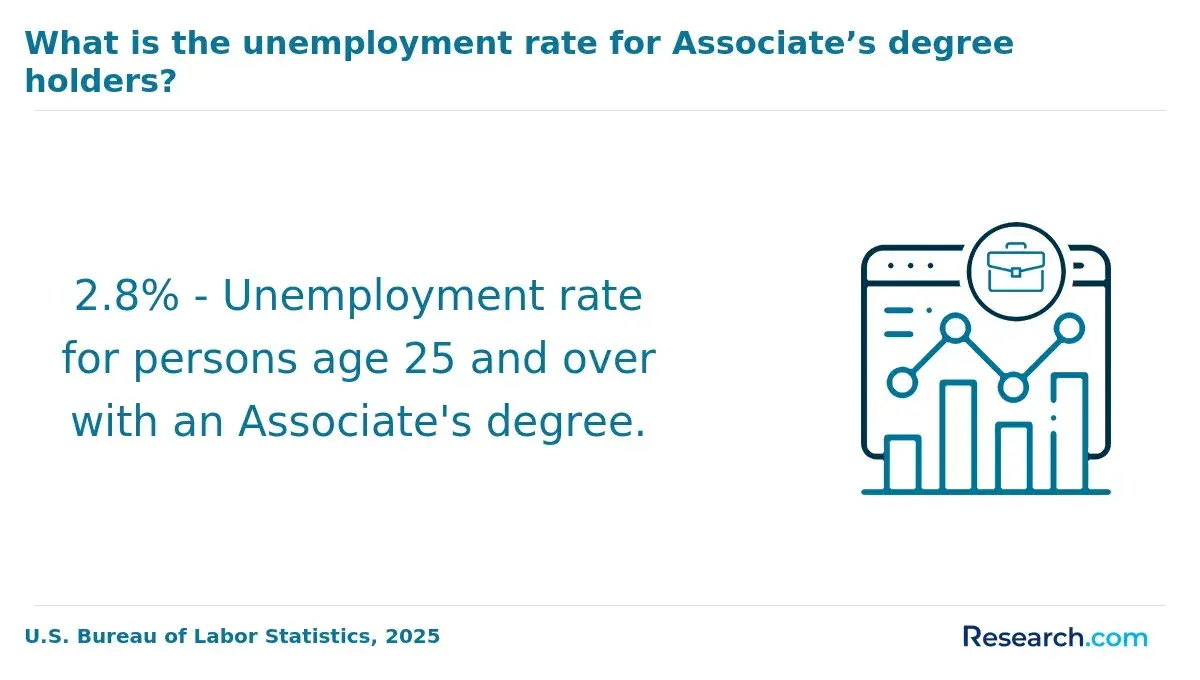
This 2026 update adds guidance on reviewing the credit evaluation itself, so students can see whether accepted credits actually move them closer to finishing an online fire science bachelor’s degree.
- Confirm which credits apply to the major, general education, electives, or only appear as unused transfer credit.
- Check whether any fire science, emergency management, or public safety courses were transferred as lower-level instead of upper-level credit.
- Ask which remaining courses must be taken at the new institution because of residency or capstone requirements.
- Look for missing prerequisites that could delay enrollment in advanced fire administration or leadership courses.
- Request clarification on credits listed as “pending,” “department review,” or “elective only.”
- Save a written copy of the evaluation before committing to enrollment or registering for classes.
Reviewing the evaluation carefully helps students avoid surprises, compare programs more fairly, and choose the option that gives their prior coursework the strongest path toward degree completion.
What Types of Credits Transfer to an Online Fire Science Bachelor's Degree?
Many students enter online fire science bachelor's degree programs with prior academic or professional credits that can shorten their path to graduation. Nearly 60% of online undergraduates nationally use transfer credits to accelerate degree completion, reflecting the importance of recognizing diverse credit sources.
Below are common categories of credits that typically apply toward an online fire science bachelor's degree.
- Community College Courses: Credits from general education classes such as English, math, and social sciences completed at accredited two-year colleges often transfer smoothly. These courses help students satisfy foundational degree requirements without repetition.
- AP and IB Credits: Scores earned on Advanced Placement and International Baccalaureate exams can count toward lower-division general education credits. These credits validate college-level proficiency gained through high school exams in subjects like writing and history.
- Professional Training: Certifications and specialized training acquired through fire departments or emergency responder programs may be credited as practical coursework. Such credentials reflect relevant experience and skills developed outside the classroom.
- Military Coursework: Technical and leadership training completed during military service, especially related to firefighting or emergency management, often transfer well. These credits recognize expertise earned through service-based education.
When I spoke with a graduate of an online fire science bachelor's degree program, he described navigating the transfer process as both rewarding and challenging. "It wasn't always clear which of my certifications and previous courses would count," he explained, recalling the detailed documentation and multiple evaluations required.
Despite the administrative hurdles, he appreciated that his prior experience shortened his degree timeline and provided confidence that his background was respected. "Knowing my years of service and training mattered made all the difference," he added, emphasizing how transfer credits validated his commitment and preparedness for advanced study.
What Are the Rules for Transferring Credits to an Online Fire Science Bachelor's Degree?
Transfer credit policies for online fire science bachelor's degree programs are shaped by academic standards and individual institutional criteria. Approximately 60% of U.S. colleges accept some form of transfer credits, although eligibility varies widely. These rules help ensure transferred coursework matches program requirements and maintains educational integrity.
Key eligibility criteria for transferring credits to fire science bachelor's programs include:
- Accreditation Requirements: Transfer credits must originate from regionally or nationally accredited schools to qualify, assuring recognized academic quality.
- Course Equivalency: Each credit is assessed for content relevance, academic level, and credit hours to confirm alignment with fire science curricula.
- Minimum Grade Standards: Only courses completed with acceptable grades are considered, ensuring students have mastered necessary material before credit transfer.
- Credit Limits: Programs often set a maximum number of transferable credits, commonly between 60 and 90 semester hours, to maintain degree standards.
- Time Restrictions: Some programs restrict transfer credits to those earned recently, typically within the last 5 to 10 years, to keep learning current and applicable.
By understanding these guidelines, students can better navigate transfer credit policies and expedite their degree completion. For those considering advanced education options, the cheapest online doctorate in educational leadership programs also offer strategic pathways worth exploring.
Which Colleges Are Transfer-Friendly for an Online Fire Science Bachelor's Degree?
Transfer students make up a significant portion of online degree enrollments, with some institutions actively seeking to accommodate their unique needs. Schools vary in how much credit they accept and how flexible they are with course substitutions.
Here are several types of colleges known for being more transfer-friendly in online fire science bachelor's degree programs.
- Public Universities Often benefiting from state funding and clear articulation agreements, these schools tend to accept a wider range of transfer credits from community colleges and other accredited institutions. They typically offer structured pathways to degree completion that acknowledge prior coursework.
- Online-Focused Institutions Designed with distance learners in mind, these colleges commonly have streamlined policies for transfer credit evaluation. Their systems are set up to minimize delays and administrative hurdles for students moving in with existing credits.
- Adult-Friendly Programs Catering to working professionals, these programs recognize life experience and prior education by often providing more generous credit transfers. They include flexible scheduling and advising tailored to students balancing education with career demands.
- Regional Colleges Schools that serve specific geographic areas tend to build transfer partnerships with local community colleges. This regional focus allows them to accommodate transfer students with familiar course equivalencies and reduce lost credits.
When I spoke with a graduate of an online fire science bachelor's degree, she emphasized how crucial it was to find a program that respected her previous coursework from multiple institutions. She described the transfer process as "initially overwhelming," with constant concerns about whether credits would count toward her major.
However, once she connected with an advisor at her chosen school, the transition became much smoother. She appreciated that the program "valued my experience and didn't make me start over." This support not only saved time but also motivated her to complete the degree while continuing her firefighting career.
Which Online Fire Science Bachelor's Degree Programs Accept the Most Transfer Credits?
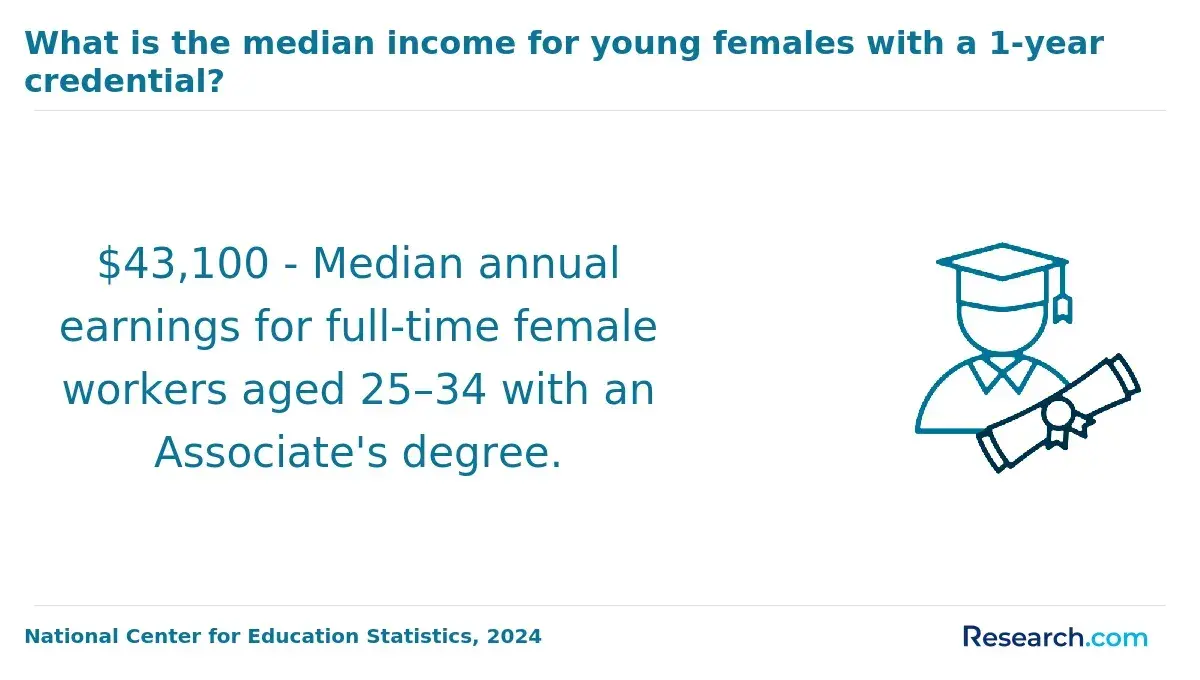
Certain online fire science bachelor's degree programs are specifically structured to accept a significant portion of transfer credits, helping students progress more quickly toward graduation. Data shows some programs allow students to transfer up to 75% of their total degree requirements from prior coursework, reflecting a shift toward greater flexibility for transfer students.
Below are common features of programs that typically have the highest transfer credit acceptance.
- Flexible Curricula: These programs offer adaptable course paths that let students select classes aligned with their existing credits and work experience. This approach reduces unnecessary repetition and supports a more efficient academic journey.
- Competency-Based Learning: By focusing on skill mastery rather than just credit hours, competency-based formats enable students to earn credit for demonstrated expertise, often bypassing standard course requirements.
- Adult Learner Orientation: Designed with nontraditional students in mind, these programs provide tailored advising and support services for individuals with diverse educational and professional backgrounds, such as military training or technical certifications.
- Clear Transfer Policies: Transparency in credit evaluation policies helps students understand which prior courses count toward degree requirements, minimizing guesswork and streamlining the transfer process.
- Articulation Agreements: Partnerships with community colleges and technical schools facilitate guaranteed credit transfers for certain courses, enhancing the pathway for students to build on previous academic achievements.
How Do I Transfer Credits to an Online Fire Science Bachelor's Degree?
Transferring credits to an online Fire Science bachelor's degree follows a structured process that applies your previous college coursework toward your new academic goals. This method can significantly shorten your time to graduation by recognizing relevant past studies.
The National Student Clearinghouse Research Center reports that nearly 38% of bachelor's degree recipients transfer at least once during their college education, illustrating how common credit transfers are across higher education. Below are the typical steps involved in transferring credits.
- Submitting Transcripts: You must provide official transcripts from all prior institutions to the admissions or registrar's office of the online program to begin the evaluation process.
- Course Evaluation: The school reviews your earlier courses to assess equivalency with their degree requirements, determining which credits align with the Fire Science curriculum.
- Credit Approval: Academic advisors or transfer specialists examine the evaluation results to decide which credits will count toward your bachelor's degree.
- Credit Application: Once approved, your transferable credits are added to your academic record, reducing the number of courses you need to complete.
- Ongoing Advising: Maintaining communication with your advisor helps you strategically plan remaining coursework to meet all graduation requirements.
This process benefits students with associate degrees or previous relevant training, smoothing their transition into an online Fire Science bachelor's program and supporting timely degree completion.
How Do Transfer Credits Speed Up an Online Fire Science Bachelor's Degree?
Transfer credits can significantly reduce the number of courses required to complete an online fire science bachelor's degree, helping students graduate more quickly. Data shows that students who use transfer credits often save six months to a year in degree completion time.
Transfer credit benefits for online fire science bachelor's programs extend beyond shortened timelines to include more focused study and flexible academic paths.
- Reduced Coursework: Previously earned credits apply directly toward degree requirements, allowing students to bypass duplicate classes and concentrate on core fire science subjects relevant to their career goals.
- Skipping Prerequisites: Transfer credits can fulfill foundational or elective courses, enabling students to enroll immediately in upper-level fire science classes without retaking entry-level material.
- Flexible Progression: Students can adjust their course load each semester based on transfer credits, often taking fewer classes or accelerating their pace to graduate early while balancing work or family commitments.
- Motivation and Confidence: Recognizing prior academic achievements helps maintain student engagement and provides a clear roadmap to degree completion, reducing costly redundancies and time spent.
Accelerating degree completion with transfer credits in fire science creates an efficient, personalized educational experience. Prospective students should consider how transfer credits can maximize their progress, especially if they are seeking programs like an online MBA under $35k that emphasize affordability and flexibility.
Can Transfer Credits Reduce the Cost of an Online Fire Science Bachelor's Degree?
Leveraging transfer credits can significantly lower the cost of an online Fire Science bachelor's degree by reducing the number of courses a student must complete. According to the National Center for Education Statistics, transfer students often save thousands of dollars on tuition compared to those starting from scratch.
These savings come from paying for fewer credit hours and shortening the path to graduation. How transfer credits reduce tuition for fire science online programs can be seen in several practical ways:
- Lower Tuition Fees: Accepting transfer credits means fewer required courses, which directly cuts tuition costs as many programs charge per credit hour.
- Reduced Textbook Costs: Students skipping courses through transfer avoid purchasing costly textbooks and materials, which adds up over multiple semesters.
- Less Time Enrolled: Completing a degree faster through transfer credits decreases living expenses and other indirect costs associated with extended enrollment periods.
- Earlier Workforce Entry: Graduating sooner helps students start their careers earlier, allowing them to earn income and gain experience faster.
For those wondering, transferring credits can lower the cost of an online Fire Science bachelor's degree. Using transfer policies strategically offers a practical approach to make college more affordable and efficient. This approach helps avoid repeating coursework and optimizes both financial and time investments in higher education. Students interested in related opportunities may also explore easy certifications to get that complement fire science careers.
How Can I Maximize Transfer Credits for an Online Fire Science Bachelor's Degree?
Students transferring into online fire science bachelor's programs can often apply previously earned credits, with research indicating that over 60% of transfer applicants successfully do so. Taking deliberate steps can help maximize the number of credits that count toward degree completion.
Consider these key strategies to enhance credit transfer success.
- Review Transfer Policies: Examine credit acceptance criteria for each program before applying. Policies vary, so identifying schools that align with your coursework improves credit transfer potential.
- Plan Coursework Strategically: Focus on completing general education and foundational fire science classes at accredited institutions recognized for transfer credits. This ensures a higher chance of acceptance.
- Request Early Evaluations: Obtain official credit assessments as soon as possible. These evaluations clarify which credits transfer and reveal any deficiencies, helping to customize your academic path efficiently.
- Document Prior Learning: Include certifications, professional training, and military or firefighter experience where applicable. Some programs grant credit for these credentials, supplementing traditional course credits.
- Maintain Detailed Records: Keep syllabi and coursework descriptions from previous classes. Providing clear documentation supports smoother credit evaluations by admissions and academic advisors.
What Graduates Say About Online Fire Science Bachelor's Degree Programs That Accept Transfer Credits
- Sara: "Switching to an online fire science bachelor's degree program was the best decision I made due to my hectic work schedule. The program's acceptance of transfer credits saved me a significant amount on tuition and allowed me to focus solely on advanced courses. This flexibility and financial relief have undoubtedly accelerated my promotion within the department."
- Ava: "I chose an online fire science bachelor's degree program because it offered the opportunity to transfer my previous college credits without penalty. The cost-effectiveness of transferring those credits made continuing my education affordable, which was a huge relief financially. My education has deepened my understanding of fire safety, elevating my professional skills and confidence in emergency management."
- Lucas: "Transferring to an online fire science bachelor's degree program gave me the chance to complete my degree faster by applying all my prior coursework. The streamlined transfer process reduced both the complexity and the costs typically involved in transferring credits. This practical approach has strengthened my resume and opened doors to leadership roles within fire services."
Other Things You Should Know About Fire Science Degrees
In 2027, online fire science bachelor's programs generally require applicants to have completed specific fire science or general education prerequisites. Transfer credit rules vary, but many programs accept credits from accredited institutions, including military training, to meet program requirements. Each institution has specific policies regarding the maximum number of transferable credits.
In 2027, many online fire science programs recognize military training and experience as eligible for transfer credits. To confirm credit eligibility, consult with the institution's admission office, as acceptance policies can differ. Schools often evaluate military transcripts to ensure alignment with their curriculum.
Online fire science bachelor's programs emphasize skills such as fire behavior analysis, risk assessment, emergency response coordination, and fire protection systems design. Students also learn to use modern technology, including geographic information systems (GIS) and fire modeling software, which are essential for effective incident planning and management.
References
- Fire Science Courses - Fire Training - Anna Maria College https://online.annamaria.edu/fire-science/online-courses
- B.Sc Degrees Online 2025 - Best Course After 12th | Compare Top Programs https://b.sc/blog/transfer-credits-online-degrees-guide
- Online Fire Science Degree Programs | www.firescience.org https://www.firescience.org/online-firescience-degrees-and-programs/
- Minnesota Transfer Pathways: Fire Technology AAS can take you to BAS at Bemidji State University – Lake Superior College | Duluth, MN https://www.lsc.edu/minnesota-transfer-pathways-fire-technology-aas-can-take-you-to-bas-at-bemidji-state-university/
- Online Bachelor in Fire Science Management Program – Faulkner University https://www.faulkner.edu/academics/criminal-justice/bachelor-in-fire-science-management/
- Transfer Guide https://coursetransfer.northcarolina.edu/guide/2024-2025/1631
- Top 15 Online Schools for Bachelor in Fire Science Programs https://www.onlineschoolscenter.com/top-15-online-schools-for-bachelor-in-fire-science-programs/
- Earn Your Degree in Fire Science Online https://www.columbiasouthern.edu/landing-pages/fire-science
- How to use prior credit to finish your applied science degree https://www.boisestate.edu/online/2025/11/06/how-to-use-prior-credit-to-finish-your-applied-science-degree/