2027 How Much Does an Educational Administration Degree Program Cost? Tuition, Fees & Total Expense Breakdown

Co-Founder and Chief Data Scientist
Estimating the true cost of an educational administration degree program can be challenging due to varied tuition rates, additional fees, and hidden expenses across institutions. Recent data shows that tuition for these programs has increased by over 5% annually, complicating budgeting for many students. This article breaks down tuition, fees, and other costs to provide a clearer financial picture.
By understanding typical expenses, students and working professionals can compare schools effectively and better plan for their education. We explore direct costs like tuition and fees, as well as indirect expenses such as materials and technology fees, helping avoid unexpected financial burdens during the program.
Key Benefits of Knowing the Educational Administration Degree Program Cost in 2026
- Knowing the total cost of an educational administration degree helps students plan finances effectively, avoiding unexpected debt and enabling better scholarship or loan decisions.
- A detailed expense breakdown reveals which components, like tuition or fees, dominate costs, allowing targeted budget adjustments and cost-saving strategies.
- Understanding specific cost factors improves comparison between programs, essential since educational administration tuition can vary by up to 25% across institutions.
What Expenses Are Included in the Full Cost of a Educational Administration Degree?
Accurately estimating the full cost of an educational administration degree program requires considering more than tuition alone. A comprehensive understanding of all expense components helps students plan their finances and avoid unexpected costs.
- Tuition: This is typically the largest expense, ranging from $7,000 to $25,000 per year for graduate programs depending on whether the institution is public or private.
- Mandatory fees: These include registration, student activity, and technology fees that support essential campus services and often add several hundred to a few thousand dollars annually.
- Books and supplies: Estimated between $500 and $1,200 per year, these cover textbooks, course packets, and sometimes digital access codes required for coursework.
- Technology requirements: Reliable computers, software, and internet access are necessary for many programs, with typical annual costs between $500 and $1,000.
- Clinical or lab fees: Some programs include internships or lab components that may require background checks, transportation, or special fees adding $500 to $2,000.
- Living expenses: Housing, food, transportation, and personal costs can vary widely but generally range from $10,000 to $20,000 per year, influenced by location and lifestyle.
When considering the 2026 educational administration degree total expenses breakdown, these combined costs often exceed tuition alone by over 50%. Proper budgeting should include all these factors. For those exploring options, resources such as the best accelerated online associates degree can offer valuable cost comparisons and program insights.
Understanding the full cost of educational administration degree program 2026 offerings ensures students can make informed decisions aligned with their financial situation and educational goals.
What Is the Average Total Cost of a Educational Administration Degree Program in 2026?
The average total cost of an educational administration degree program in 2026 typically ranges between $20,000 and $70,000 across the United States. This total cost includes tuition, mandatory fees, supplies such as textbooks and technology, and living expenses, all of which significantly impact students' financial planning.
Understanding the educational administration degree tuition and fees breakdown for 2026 helps prospective students anticipate the full investment required beyond just tuition charges.
Public institutions generally charge between $15,000 and $30,000 for in-state students, while private universities often exceed $50,000. Several key factors influence this variability: program format (with online options sometimes offering up to 20% savings), institution type (public versus private or for-profit), and regional differences (Midwest and South programs tend to be more affordable than those on the coasts).
Additional fees for student services and materials can add $2,000 to $5,000 to the overall expenses. For those considering less intensive commitments, exploring the options available for an easiest associate's degree might provide useful context in assessing affordable academic pathways.
What Mandatory Fees Do Schools Charge for a Educational Administration Program in 2026?
Mandatory fees in educational administration programs are costs required by institutions in addition to tuition. These fees cover essential services and resources that support student learning and campus operations but are distinct from tuition charges.
Below is an outline of common mandatory fees students can expect in 2026 for an educational administration degree.
Typical mandatory fees include:
- Technology fees: Fees to maintain online learning platforms, software licenses, and campus Wi-Fi, ranging from $100 to $400 per semester depending on the school's infrastructure.
- Student services fees: Charges for access to academic advising, career counseling, and mental health resources, averaging between $200 and $350 per term.
- Campus facilities fees: These cover upkeep and improvements of campus spaces such as libraries and study areas, typically costing $150 to $300 each semester.
- Assessment or testing fees: Important for licensure preparation or capstone evaluations, with costs ranging from $50 to $150 per assessment.
- Lab or clinical fees: Though less common in educational administration programs, these fees apply when hands-on leadership experiences or internships require supervision or special resources, ranging from $100 to $250.
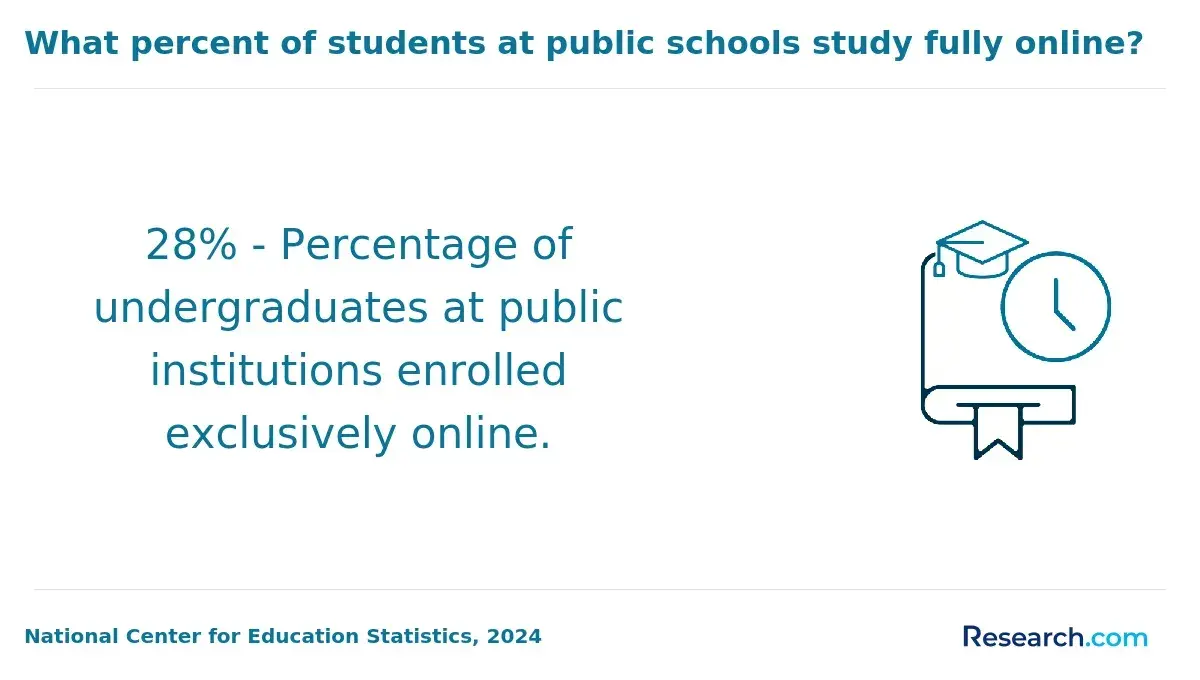
Data from the National Center for Education Statistics and institutional billing for 2025-2026 indicate these fees add 10% to 25% on top of base tuition. Understanding 2026 tuition and fees for educational administration degrees is critical for effective financial planning.
Students interested in flexible scheduling might also explore online PhD programs without dissertation as an alternative pathway.
Students enrolling in an educational administration program in 2026 should anticipate additional program-specific fees beyond standard tuition and general university charges. These supplementary costs support specialized aspects of the curriculum and vary by institution.
Common additional expenses include the following:
- Lab or technology fees: Charges for access to necessary educational software or data systems, typically billed per semester and ranging from $50 to $200.
- Certification and licensing preparation: Fees related to exam preparation and official application processing required for leadership licensing, often amounting to several hundred dollars.
- Fieldwork and practicum costs: Expenses covering background checks, transportation, and administrative support for practical placements, which can total between $100 and $500.
- Required materials and supplies: Costs of textbooks, digital resources, or equipment necessary for coursework, varying by selected classes.
These additional fees generally add 10% to 20% onto tuition costs, significantly impacting the overall financial commitment for educational administration students in 2026.
Knowing the cost of supplies and equipment is essential for accurately budgeting the total expenses of an educational administration program. These costs primarily involve technology and software necessary for effective learning and administration.
Below is a breakdown of commonly required items with their typical price ranges.
- Computer: A reliable laptop or desktop is fundamental for research, data management, and communication, typically costing between $500 and $1,200.
- Office software: Programs such as Microsoft Office or Google Workspace may be institution-provided or require personal subscriptions costing $70 to $150 annually.
- Specialized software: Tools for budgeting, data analysis, and educational assessments are often available via university licenses or personal subscriptions, usually ranging from $100 to $300 per year.
- Books and course materials: Textbooks, manuals, and case studies generally amount to $200 to $400 per academic year, based on data from educational sources.
Unlike degrees in the sciences or healthcare, educational administration does not typically require costly lab equipment or protective gear. Still, budgeting approximately $1,000 yearly helps cover essential resources for successful program completion.
Living, food, and travel expenses make up a major part of the overall cost of attending an educational administration degree program. These costs vary widely based on geographic location, housing options, and individual lifestyle choices.
Common expense categories include the following:
- Housing and Utilities: Costs fluctuate between shared apartments, solo rentals, or campus dormitories, with urban areas generally demanding higher rent and utility fees.
- Groceries and Dining: Students typically budget for groceries supplemented with occasional dining out; this amount differs depending on dietary needs and local food prices.
- Local Transportation: Expenses cover public transit passes, parking fees, or fuel costs for commuting between home, campus, and work locations.
- Travel for Internships or Clinical Placements: Programs requiring in-person internships may incur additional transportation and lodging expenses not included in regular commuting costs.
- Relocation and Occasional Travel: Initial moves to a new city and trips home during breaks can add a significant but variable cost, often budgeted between several hundred and a few thousand dollars annually.
When I spoke with a student pursuing an educational administration degree, she shared that budgeting was especially challenging during her first year relocating to a high-cost city. She explained, "Finding affordable housing took longer than expected, and utilities were much higher than I guessed."
Meal planning helped her control food spending, but unpredictable commuting expenses during her internship added stress. She noted, "Balancing all these costs made me more aware of how each choice impacts my budget. It wasn't easy, but I learned to prioritize and adapt."
Her experience highlighted how living, food, and travel expenses require careful planning throughout the program to avoid surprises and stay financially stable.
Educational administration programs commonly require internships or residencies as part of their curriculum, reflecting the need for practical leadership experience in real-world educational settings. These field experiences, usually mandatory, often involve placements in K-12 schools or similar institutions, providing opportunities to apply management skills learned in coursework.
Because they are integral to developing competencies needed for educational leadership roles, these experiential components frequently increase the overall cost of the program beyond standard tuition and fees.
Additional expenses related to internships or residencies can include travel to assigned sites, especially if distant from the campus, as well as housing and living costs if temporary relocation is necessary. Students may also face fees for professional liability insurance, background checks, or materials required for project work.
Some programs charge specific fees to cover supervision or field placement coordination. Prospective students should inquire about these potential costs early and budget for them carefully to avoid financial surprises throughout their studies.
Students pursuing educational administration degrees can generally switch between part-time and full-time enrollment at most institutions. This flexibility is governed by specific policies requiring approval from academic advisors and ensuring students remain in good academic standing.
Before making a change, students need to consider how it might affect their financial aid, including scholarships and federal assistance, as well as tuition rates. Enrollment switches may also be subject to course availability, which can vary depending on the format. It's important for students to weigh these factors carefully to avoid unexpected consequences.
Typical restrictions include maintaining satisfactory grades, navigating financial aid adjustments, and obtaining advisor consent. Some courses may be limited to full-time semesters or have fewer spots for part-time students, impacting scheduling options.
Advisors often help students evaluate how a change could extend their path to graduation, since part-time study frequently lengthens degree completion time. Understanding these limitations can help students plan a smooth transition without delays.
When discussing this topic with a graduate who switched from part-time to full-time enrollment, he shared that the decision was initially daunting but ultimately beneficial. "Balancing work and studies part-time was manageable but slowed my progress," he explained.
The shift required careful coordination with advisors and a financial aid review, which he described as "a bit stressful" but necessary. Once full-time, he appreciated the quicker pace and deeper immersion, noting, "It was challenging at first, but I felt more connected and focused, which helped me graduate sooner than expected."
Estimating the cost differences between part-time and full-time enrollment is a key factor for effective financial planning when pursuing an educational administration degree. These cost variations influence total investment, time commitment, and budget strategies for prospective students.
Below is a detailed comparison of tuition and related expenses for full-time versus part-time educational administration students, highlighting the key financial considerations for each.
Full-Time Educational Administration Degree Cost 2026
- Tuition per credit: Full-time students often pay a flat tuition rate per semester, which can result in lower per-credit costs compared to part-time enrollment. This approach provides cost efficiencies through bundled pricing for 12 to 18 credits each semester.
- Total program cost: Accelerated completion in about two years reduces the total time paying tuition and fees, potentially lowering cumulative expenses despite higher immediate payments.
- Mandatory fees: Fees such as technology and activity charges are applied per semester, meaning full-time students pay these fees fewer times overall due to shorter program duration.
- Supply and equipment costs: These remain generally consistent regardless of enrollment status, having minimal impact on cost differences between full-time and part-time students.
- Additional living and travel expenses: Full-time students may incur higher indirect costs due to more demanding schedules and potential relocation requirements, which increase living and travel expenses.
Part-Time Educational Administration Program Tuition Comparison
- Tuition per credit: Part-time students typically pay strictly per credit, with rates ranging from $400 to $800 per credit hour for in-state students. Payment by credit without flat rates often raises overall costs.
- Total program cost: Extended enrollment over several years results in accumulating tuition and fees over a longer period, increasing the cumulative financial commitment.
- Mandatory fees: Charged each semester, these fees accumulate with longer enrollment durations, causing part-time students to pay more cycles of fees.
- Supply and equipment costs: Similar to full-time students, these expenses remain stable and do not significantly affect cost differences.
- Additional living and travel expenses: Balanced schedules and fewer relocations often lower living costs, but prolonged enrollment may offset some savings over time.
Choosing between full-time and part-time options depends on balancing upfront costs against long-term expenses and personal circumstances. For students evaluating degree affordability and timing, reviewing options including low cost accredited online colleges can provide further financial insights and alternatives.
What Graduates Say About the Cost of Their Educational Administration Degree
- Emiliano: "Pursuing my educational administration degree was a major investment, but considering the average cost of attendance, I found it surprisingly affordable given the scholarship opportunities I secured. Balancing coursework with living expenses was challenging, but the flexibility of the program allowed me to manage both effectively. The skills and connections I gained have significantly boosted my career prospects, making the return on investment well worth it."
- Jared: "Reflecting on my journey through the educational administration program, the costs were a constant concern, especially with rent and bills to cover. However, the comprehensive learning experience, including practical leadership training, gave me confidence in handling real-world challenges. In the long run, the degree's value became clear through the salary increase and professional growth I achieved post-graduation."
- Amir: "The financial commitment to earning an educational administration degree felt substantial at first, but strategic budgeting helped me handle living expenses alongside tuition. The academic rigor and supportive faculty made the educational journey rewarding beyond just the diploma. Ultimately, the degree opened doors to leadership roles that offered a strong return on investment, validating every sacrifice made."
Other Things You Should Know About Educational Administration Degrees
Programs often add application fees, technology fees, course fees, graduation fees, and background-check or internship placement charges. For example, online programs may charge a technology fee of about $25 to $100 per semester, while graduate application fees are often $50 to $75.
Public universities typically offer lower tuition rates for in-state students compared to private colleges, making them a more affordable option for many. Private institutions often charge higher tuition but may provide more substantial financial aid packages. Location and residency status are key factors influencing total costs.
- Cost of Living in USA | Student Expenses in USA | GoStudy https://www.go.study/cost-of-living-for-students-in-usa
- Cheapest Online Ed.S. Degrees for 2025 - EdDPrograms.org https://www.eddprograms.org/eds-degrees/affordable-online-eds-degrees/
- Master’s in Educational Administration https://www.pointloma.edu/graduate-studies/programs/masters-educational-administration
- Educational Administration (MED) https://www.etamu.edu/programs/educational-administration-med/
- Master of Education in Educational Administration and Leadership (MEd) https://www.grad.ubc.ca/prospective-students/graduate-degree-programs/master-of-education-educational-administration-leadership
- Benefits of a Degree in Educational Administration - Graduate Programs for Educators https://www.graduateprogram.org/blog/benefits-of-a-degree-in-educational-administration/
- How Should Students Manage Living Expenses While Studying Abroad? https://studycare.ma/blogs/how-students-manage-living-expenses-abroad
- Online and on-campus colleges | University of Phoenix https://www.phoenix.edu/blog/cost-of-online-vs-traditional-college.html
- Master of Arts in Educational Administration With Higher Education Concentration https://global.nmsu.edu/degree-programs/masters/educational-administration-in-higher-education/
- Cost of living - SWPS University https://english.swps.pl/programs/study-comfortably/cost-of-living