2027 Can You Get Licensed With an Online Educational Administration Degree? Requirements, Rules, and What to Know

Co-Founder and Chief Data Scientist
Many aspiring educational administrators face uncertainty about licensure after earning an online educational administration degree. According to the U. S. Bureau of Labor Statistics, employment in educational leadership roles is projected to grow 4% from 2022 to 2032, highlighting increased demand but also the need for proper credentials. However, state-by-state licensure requirements vary, especially for online degree holders. This variability complicates career planning for graduates.
This article clarifies how online educational administration degrees align with licensure standards, explains necessary certification steps, and guides readers through the regulatory landscape to ensure a smooth path to professional qualification.
Key Benefits of Getting Licensed with an Online Educational Administration Degree
- Obtaining licensure with an online educational administration degree enhances career eligibility, signaling verified expertise and boosting professional credibility among employers in education leadership roles.
- Licensed graduates gain expanded employment opportunities across K-12 and higher education, with increased job mobility due to recognized qualifications that meet state-specific requirements.
- Licensed professionals typically enjoy higher long-term earning potential and better advancement prospects, with leadership roles in education demonstrating 10-15% higher median salaries compared to non-licensed peers.
Can You Get Licensed With an Online Educational Administration Degree?
Licensure is attainable with an online educational administration degree when the program fulfills state-specific accreditation and certification standards. Such degrees typically combine theoretical coursework with practical experience components like internships or supervised administrative practice to meet licensure requirements.
This comprehensive preparation equips graduates to assume leadership roles effectively within educational settings. Prioritizing programs that address online educational administration degree licensure requirements ensures candidates are well-positioned for certification and professional practice.
Earning a license through an online educational administration program offers multiple advantages, including access to regulated career paths that mandate official certification. Licensed professionals gain eligibility for higher-responsibility roles such as school principals and district administrators, often accompanied by enhanced salary potential.
The flexible nature of online programs allows students to balance education with work or personal commitments while pursuing credentialing. Those exploring paths to licensure may also consider related fields, with resources available on MSW programs online that provide additional options for professional advancement in education and social services.
For individuals focused on getting licensed with an online educational administration degree, verifying accreditation and state compliance remains essential.
Do Licensing Requirements for Educational Administration Vary by State?
Licensing rules for educational administration are designed to ensure that professionals have the necessary skills to manage schools effectively. These requirements vary by state, with data showing that over 40 states require candidates to pass unique exams or assessments, highlighting significant differences in licensure standards nationwide.
This variance affects how candidates prepare and qualify for administrative roles across the country.
Key areas of variation in educational administration licensing requirements by state include:
- Exams: Some states mandate specific tests on educational leadership, administration, or laws, while others do not require these exams. This can influence the preparation needed for candidates seeking licensure.
- Supervised experience: The length and nature of internships or mentorships vary widely, ranging from a few months to over a year, impacting practical experience requirements before certification.
- Continuing education: Renewal of licenses often requires ongoing coursework, though the amount and approved topics differ by state. Maintaining licensure depends on adherence to these varying education mandates.
- Scope of practice: States differ in defining which educational administration roles qualify for licensure, such as principals versus district-level positions. Knowing these distinctions is crucial when setting career goals.
- Renewal policies: Requirements for license renewal vary in frequency and documentation, affecting how administrators maintain their credentials long-term.
Awareness of state specific rules for educational administration licensure helps prospective students and professionals plan effectively, especially for those pursuing an online degree. Choosing a program aligned with state mandates is vital to ensuring licensure eligibility.
For those interested in different online academic paths, an accelerated psychology degree is another option that may fit various career goals.
Are Online Educational Administration Programs Different From Campus Programs for Licensure?
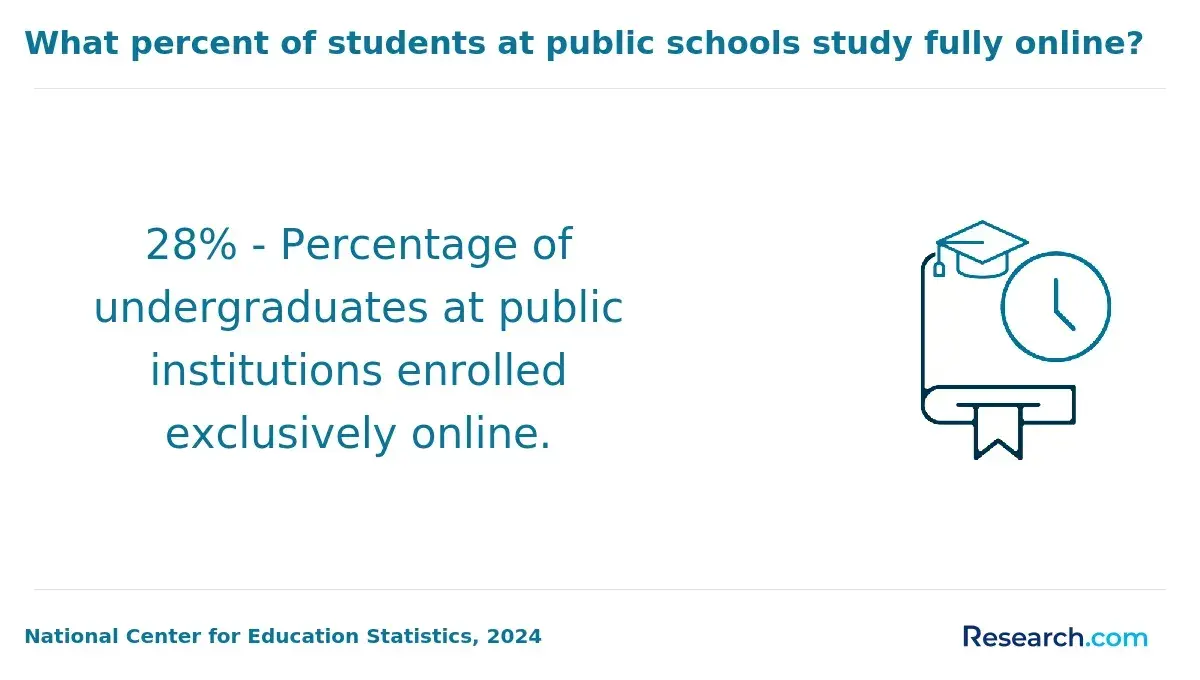
Online and campus educational administration programs generally do not differ in terms of licensure eligibility as long as they meet state accreditation and regulatory standards. The increasing recognition of online credentials is evident, with a recent survey showing over 65% of educational administrators view online degrees on par with traditional ones for professional licensing.
- Curriculum Coverage: Both formats usually cover core subjects like leadership theory, policy analysis, and school law comprehensively, ensuring alignment with state licensure requirements.
- Practical Components: Regardless of delivery method, hands-on experiences such as internships or supervised administrative work must typically be completed in person to fulfill licensure criteria.
- Skill Development: Online programs incorporate opportunities for collaboration and communication through virtual teamwork and discussions, fostering the same essential skills as campus-based courses.
- Assessment Methods: Exams, projects, and evaluations are adapted for digital formats in online programs but maintain equivalence with traditional assessments to meet licensure standards.
- Employer Perceptions: Increasingly, school districts and educational agencies accept accredited online degrees as credible and rigorous, reflecting a shift in professional attitudes.
When I spoke with a licensed professional who earned his educational administration degree online, he highlighted the challenge of balancing self-paced coursework with real-world application. He appreciated the flexibility but noted, "Choosing elective classes that directly related to my career goals made a big difference."
He also mentioned that while the virtual environment required discipline, the ability to engage with diverse peers and instructors enriched his learning experience. The in-person practicums were critical, requiring careful scheduling but providing invaluable hands-on leadership practice.
Overall, his journey reaffirmed that the quality and licensure relevance of an online program depend less on format and more on how well it integrates practical experience with rigorous academics.
Clinical or practicum hours are an essential part of preparing students in educational administration for professional practice and licensure. These practical experiences provide hands-on training that helps develop leadership, decision-making, and communication skills in real educational settings.
- Typical Hours Required: Programs usually mandate between 100 and 600 clinical or practicum hours, depending on state regulations and degree level. These hours must be completed in person to qualify for licensure.
- Placement Settings: Most practicum hours occur in K-12 schools or educational agencies, allowing students to engage directly with school environments and administrative operations.
- Supervision and Mentoring: Experienced supervisors guide students, offering feedback and professional mentoring. This supervision bridges the gap between theory and practical application, building confidence in educational leadership.
- Skills Developed: The hours focus on cultivating leadership, decision-making, and effective communication skills critical for managing school operations and understanding educational policies.
- Online Program Facilitation: Online educational administration clinical hours requirements are met through partnerships with local schools or districts near the student's home. This hybrid approach provides the flexibility of online coursework alongside mandatory in-person experiences.
Students exploring an online education administration degree should factor the practicum hours for online education administration degree programs into their plans early to ensure they meet licensure requirements after graduation. For those interested in related fields, resources like online psychology masters can offer insights into affordable and flexible online programs with practical components.
The licensing exam validates the essential skills and knowledge needed to manage educational organizations effectively and ensures eligibility for leadership roles such as school administrator or principal. Passing this test confirms that candidates meet the professional standards set by state education boards and employers.
Recent statistics show about 70% to 80% of first-time test takers succeed, highlighting the importance of thorough preparation. Here are the key components of this licensing exam:
- Exam Name: The Educational Leadership Constituent Council (ELCC) exam is the most frequently required, although some states administer their own versions aligned with similar competencies.
- Content Areas: The test covers leadership theories, financial management of schools, education law, curriculum planning, and staff oversight, ensuring a comprehensive evaluation of administrative capabilities.
- Format: Candidates typically encounter a computer-based multiple-choice exam designed to objectively assess knowledge across various domains.
- Preparation Strategies: Utilizing study guides, simulated practice exams, and occasionally workshops are common approaches to increase familiarity and confidence before taking the test.
- Retake Policies: If the exam is not passed on the first attempt, candidates usually have options to retake it, although specific rules and waiting periods are set by individual states.
- Implications for Online Graduates: Candidates who earned their educational administration degree online are held to the same standards as traditional graduates, provided the program is properly accredited.
The author spoke with a licensed professional who completed an online educational administration program to gain perspective on the licensing exam process. She described feeling both excitement and anxiety as exam day approached, having balanced full-time work along with study sessions at night.
The flexibility of the online degree allowed her to focus on areas where she felt less confident, especially legal and financial topics, through targeted resources. Despite initial doubts about whether her online credentials were treated equally, she found the licensing bodies recognized her degree without issue, which was reassuring.
Passing the exam marked a pivotal moment, giving her a strong sense of accomplishment and readiness to lead in her school district.
Supervised work experience is generally required after earning an online educational administration degree, especially for those pursuing licensure as school leaders. This hands-on experience cultivates critical professional skills and ensures candidates are prepared to manage complex educational environments effectively. Nearly 70% of states require some form of supervised internship or residency for educational administration licensure.
Below are key components of this requirement:
- Duration: The supervised experience typically lasts from a few months up to an entire academic year, providing ample time to develop practical leadership abilities.
- Placement: Candidates are placed in accredited schools or educational institutions to gain exposure to authentic organizational settings and challenges.
- Mentorship: Licensed administrators serve as mentors, offering guidance, evaluation, and constructive feedback throughout the residency period.
- Skill Development: Emphasis is placed on real-world competencies such as budget management, curriculum oversight, personnel supervision, and conflict resolution.
- Licensure and Career Readiness: Completing supervised work aligns with state licensure standards and enhances graduates' ability to lead schools effectively while complying with regulatory expectations.
Licensure reciprocity allows professionals to use their existing licenses across different states or regions without completing the entire licensing process again, which is crucial for those pursuing careers in educational administration. For online educational administration graduates, understanding reciprocity is key to expanding job opportunities beyond their initial licensing location.
Several important factors determine how licensure reciprocity applies in this field.
- Eligibility criteria: Each state enforces specific rules for educational administration license transfer, reviewing a candidate's education, professional experience, and exam performance before granting reciprocity. Meeting these eligibility standards is essential to ensure the license is recognized.
- Accreditation and program alignment: Programs accredited by recognized bodies and aligned with state standards are more likely to qualify for reciprocity. Graduates from online educational administration programs should verify that their curriculum meets destination state requirements.
- State agreements and compacts: Some states participate in interstate compacts or agreements that simplify license transfer. However, participation varies by state, and some may impose additional requirements or restrict reciprocity.
- Application process and documentation: Reciprocity usually requires submitting comprehensive documentation, including transcripts, proof of experience, and fees. Certain states may mandate background checks, supplemental coursework, or state-specific exams.
- Limitations and considerations: While online degrees are broadly accepted, differences in state rules for educational administration license transfer can affect how seamlessly graduates transition. Candidates should research their target state's specific policies to avoid delays.
Careful attention to these factors not only enhances career mobility but also helps graduates pursue leadership roles effectively across state lines. For those wondering what job makes the most money, understanding the licensure landscape in educational administration provides a strategic advantage in the competitive workforce.
Online educational administration programs have seen enrollment rise by over 20% recently, reflecting increased demand for flexible learning options. Prospective students often evaluate how well these programs fulfill licensure requirements and prepare them for leadership roles in education.
Below is an overview of the advantages and drawbacks linked to pursuing licensure through online study.
Pros
- Flexibility: Online formats let students balance coursework with work and family, making it easier to complete requirements at their own pace.
- Accessibility: Students can access curriculum from any location, benefiting those who cannot relocate or commute.
- Scheduling Convenience: Practicum and internship components can often be arranged around existing commitments, enhancing feasibility for working professionals.
Cons
- Limited Hands-On Experience: Securing supervised fieldwork may be challenging, impacting licensure eligibility since practical training is essential.
- Employer Perception: Some hiring authorities may regard online degrees as less credible, potentially affecting career advancement.
- Networking Barriers: Reduced face-to-face interaction limits mentorship and professional connections important for career growth.
Obtaining licensure with an online educational administration degree can significantly impact your salary and career trajectory. Licensed educational administrators often earn 10-20% more annually than their non-licensed counterparts, according to data from the U.S. Bureau of Labor Statistics. This salary benefit highlights the value employers place on formal certification.
Below are key ways licensure can influence your earnings and professional opportunities.
- Access to Higher-Paying Roles: Licensure is often required for leadership positions such as principal, assistant superintendent, or district administrator, which come with increased salaries and benefits. Being licensed signals readiness for these roles, which typically offer higher compensation than non-administrative positions.
- Eligibility for Leadership Positions: Many school districts prioritize candidates with proper licensure when hiring or promoting, increasing your chances of obtaining advanced leadership roles. These roles not only pay more but also provide greater responsibility and influence in educational settings.
- Specialized Administrative Duties: Licensed administrators are often assigned specialized tasks that may include curriculum planning, staff supervision, or compliance oversight. These specialized responsibilities generally come with enhanced pay or stipends reflecting their complexity and importance.
- Increased Job Security and Preference: Holding a license can offer greater job stability and preference during hiring or promotion processes. Employers tend to favor candidates with official credentials, especially in competitive markets, which can translate into longer tenure and higher wages.
For those pursuing an online educational administration degree, licensure requirements and salary benefits typically mirror those of traditional programs, assuming the online degree is accredited and meets state standards. This means the salary benefits of licensed online educational administrators align well with industry expectations.
To explore further pathways to enhance your career, consider reviewing the best online certificate programs that pay well, which can complement your licensure and degree credentials.
Licensure shapes the range of career opportunities available to graduates with an online educational administration degree, influencing access to leadership roles and compensation levels. Many choose licensed positions for greater job security and salary, while others prefer non-licensed roles to avoid certification hurdles yet still contribute meaningfully to educational settings.
Approximately 70% of licensed administrators report increased job stability and higher earnings compared to their non-licensed peers. The following outlines common jobs for both paths.
Jobs With a License
- School Principal: Leads the overall management of a K-12 school, overseeing staff performance, student discipline, and compliance with educational standards, often resulting in higher responsibility and pay.
- District Administrator: Manages multiple schools within a district by developing policies, allocating resources, and ensuring state regulations are met, providing expanded influence and career advancement.
- Instructional Coordinator: Designs and evaluates curriculum and teaching standards, supervising educators to improve instructional quality while holding a certified leadership position.
Jobs Without a License
- Program Coordinator: Organizes educational programs and initiatives, focusing on operational leadership and program success without requiring state licensure.
- Educational Consultant: Advises schools or organizations on curriculum development, policy implementation, and best practices to support educational improvement without direct regulatory responsibilities.
- Academic Services Manager: Oversees support services such as advising and student resources in higher education or nonprofits, contributing to institutional effectiveness without a formal license.
What Graduates Say About Getting Licensed with an Online Educational Administration Degree
- Jared: "The online educational administration degree program was surprisingly affordable, especially considering the convenience it offered. Balancing work and study was seamless with the flexible schedule, which made the licensure process much less stressful. This degree truly opened doors for me to step confidently into leadership roles in education."
- Owen: "Reflecting on the cost of the online educational administration program, I found it to be a reasonable investment compared to traditional programs. The coursework was rigorous yet manageable, and the licensure preparation was thorough. This experience significantly enhanced my skills and credibility as an educational professional."
- Aditya: "I approached the online educational administration degree with a professional mindset, appreciating the program's value against its cost, which aligned well with my budget expectations. The online format allowed me to apply real-time learning to my work environment, accelerating my career advancement. Obtaining licensure through this route has been a pivotal milestone in my professional journey. "
Other Things You Should Know About Educational Administration Degrees
Yes, an online educational administration degree in 2027 requires reliable internet access, a computer or tablet with updated software, and familiarity with digital collaboration tools. Some programs may recommend or require specific hardware or software, so it's important to check individual program requirements.
It typically takes around two to four years to complete an online educational administration degree, with additional months for licensing exams and processing. The duration varies depending on the specific state requirements and whether you study full-time or part-time.
- The Benefits of Earning an Online Master of Education Degree https://masterofed-sopa.tulane.edu/articles/benefits-of-earning-master-of-education-degree-online/
- Kentucky Education Administration Certification https://www.ucumberlands.edu/academics/certificate/kentucky-education-administration-certification
- Master of Science in Education - Educational Administration: Principal (DPI #5051) https://www.cuw.edu/academics/programs/education-administration-principal-masters/index.html
- The Benefits of Pursuing an Online Degree in Educational Leadership and Principalship - Big Data Analytics News https://bigdataanalyticsnews.com/online-degree-in-educational-leadership-principalship/
- Administration & Supervision: M.Ed. - Master of Education | UVA School of Education and Human Development https://education.virginia.edu/academics/programs/administration-supervision-med-master-education
- Benefits of a Degree in Educational Administration - Graduate Programs for Educators https://www.graduateprogram.org/blog/benefits-of-a-degree-in-educational-administration/
- Master of Education in Educational Administration and Supervision https://www.deltastate.edu/academics/graduate-programs/med-educational-administration-supervision/
- Online Principal Licensure Program | Colorado State University Global https://csuglobal.edu/academic-programs/other-programs-and-courses/learning-and-licensure-for-educators/principal-licensure
- Educational Leadership Degree | Education Administration Degree https://www.educationalleadershipdegree.com/degrees/
- Online Learning Vs Traditional Education? Pros & Cons | e-Careers https://www.e-careers.com/connected/online-learning-vs-traditional-education