2027 Are There Any One-Year Online Educational Administration Degree Programs Worth Considering?

Co-Founder and Chief Data Scientist
An online Educational Administration degree can help experienced educators move toward roles such as principal, assistant principal, program director, department chair, or district administrator without leaving their current job. The main question is whether a one-year format is realistic, credible, and worth the workload.
For 2026 applicants, the answer depends less on the label “one-year” and more on the program’s structure, accreditation, field experience requirements, state certification rules, and your own schedule. Some accelerated master’s programs are designed for licensed teachers who already have classroom experience. Others may take longer because they include practicum hours, licensure exams, cohort sequencing, or state-specific administrative credential requirements.
This guide explains how one-year online Educational Administration programs work, what to verify before applying, where the trade-offs are, and how to compare cost, admission requirements, financial aid, and career value.
Key Points About One-Year Online Educational Administration Degree Programs
- One-year online Educational Administration degrees provide accelerated routes for educators seeking leadership roles in schools or districts.
- These programs emphasize core areas like school management, policy, budgeting, and instructional leadership within an intensive format.
- Accreditation, practicum opportunities, and faculty expertise are key factors to review when choosing a credible program.
Is It Feasible to Finish a Educational Administration Degree in One Year?
Yes, finishing an online Educational Administration degree in one year can be feasible, but it is most realistic at the master’s level and usually for students who already work in education. A true one-year path typically requires a tightly sequenced curriculum, year-round enrollment, limited breaks, and a willingness to take a heavier course load than in a traditional part-time program.
Some universities design accelerated options specifically around this timeline. For example, San Diego State University's Master of Arts in Educational Leadership OPASC Combo Program allows students to earn their degree and license on a flexible, one-year schedule. Programs like this are built for educators who need a direct route to leadership preparation while continuing to work.
Prior credits, cohort design, and program requirements can also affect completion speed. Some master’s programs offer thesis-free options and reduce practical components, which can shorten duration, as seen at East Texas A&M University. However, programs tied to principal licensure or administrative certification may require practicum experiences, documented field hours, or licensing exams that make a quick timeline harder to maintain.
| Factor | How it affects a one-year timeline |
| Program level | Master’s programs are more commonly accelerated than bachelor’s or associate pathways in this field. |
| Licensure requirements | Certification-focused programs may include practicum work, exams, or state approvals that can extend completion. |
| Credit transfer | Accepted graduate credits may reduce the number of courses left to complete. |
| Course format | Short terms and year-round enrollment make faster completion more practical. |
| Workload capacity | Students working full time need to confirm whether the weekly workload is sustainable. |
The key is to verify the graduation timeline in writing. Ask whether “one-year” means 12 calendar months, three consecutive semesters, or an estimated pace that depends on course availability. If your goal includes licensure, also confirm whether degree completion and certification eligibility occur on the same schedule.
Are There Available One-year Online Educational Administration Degree Programs?
Yes, one-year online Educational Administration programs are available, though they are not as common as standard two-year or part-time leadership programs. Most are graduate-level programs for licensed or experienced educators who want to move into school leadership quickly. Availability also varies by state because administrative certification requirements are not identical across the country.
In Texas, several online educational administration and educational leadership programs are promoted as accelerated options for educators preparing for leadership roles. Applicants should still confirm the exact completion timeline, certification alignment, practicum expectations, and whether the program meets requirements for their intended state.
- University of Texas at Arlington: This one-year online Master of Education in Educational Administration program emphasizes instructional leadership and school supervision, preparing candidates for principal certification in Texas.
- Texas A&M University-Commerce: Offering an accelerated online Master's in Educational Leadership, this program is designed for working educators seeking to complete their degree rapidly while fulfilling state certification requirements.
- Sam Houston State University: Their online cohort-based Educational Administration Master's program can be completed in approximately 12 months, blending coursework with leadership practicum experiences essential for Texas certification.
When comparing programs, do not rely only on advertised speed. A faster program is useful only if it leads to the credential, promotion pathway, or leadership preparation you need. Review the catalog, certification disclosures, practicum rules, and admissions requirements before applying.
Students also evaluating short-term credentials for career mobility may want to compare degree programs with the highest paying certificate programs, especially if their immediate goal is advancement rather than a full administrative credential.
Why Consider Taking Up One-year Online Educational Administration Programs?
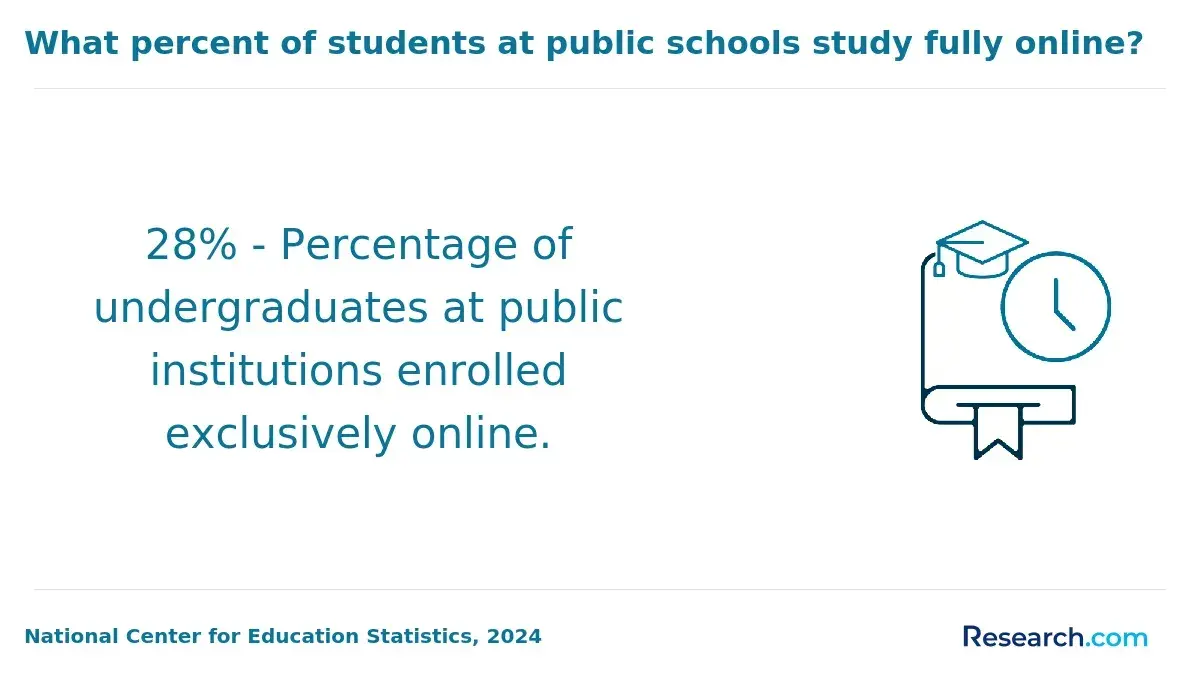
A one-year online Educational Administration program can make sense for educators who already know they want a leadership role and need a faster route to graduate preparation or administrative certification. The biggest advantage is time: instead of spreading coursework over several years, students complete a concentrated sequence that may help them qualify for leadership opportunities sooner.
- Faster career movement: Accelerated Educational Administration degree options may help qualified educators pursue roles such as principal, assistant principal, instructional leader, or school administrator sooner than a traditional part-time program.
- Flexible access: Online delivery can reduce the need for commuting and make graduate study more realistic for teachers, counselors, and education professionals with full-time schedules.
- Focused curriculum: Many programs concentrate on school law, finance, instructional supervision, organizational leadership, curriculum development, and data-informed decision-making.
- Practical application: Students who are already working in schools can often connect assignments directly to real problems in their current workplace.
- Potential cost control: A shorter program may reduce indirect costs such as travel, campus fees, or time away from work, although total tuition still varies by institution.
Programs like those offered by Florida International University and Lamar University show how accelerated formats can serve working educators who want a structured path toward leadership. The best candidates are usually organized, professionally experienced, and ready for intensive reading, writing, group work, and field-based assignments.
These programs are not only for early-career educators. Adults returning to school or changing professional direction can also compare flexible education options, including college degrees for older adults online, to understand how online learning can fit different life stages.
The main drawback of a one-year online Educational Administration program is intensity. Compressing graduate leadership training into a short timeline can make the experience efficient, but it also leaves less room for reflection, networking, and gradual skill development. Students should be honest about their available time before enrolling.
- Heavy weekly workload: Accelerated courses may require frequent deadlines, substantial reading, applied projects, and discussion participation. This can be difficult during the school year for full-time educators.
- Less scheduling flexibility than expected: Even online programs may use cohort schedules, synchronous meetings, fixed practicum deadlines, or state certification milestones.
- Limited time for field learning: Educational administration is applied work. If practicum or internship experiences are shortened, students may need to be more intentional about gaining meaningful leadership exposure.
- Fewer organic networking opportunities: Online students do not automatically benefit from hallway conversations, campus events, or informal faculty contact. Building relationships requires deliberate participation.
- Licensure complications: A degree may not automatically qualify a graduate for administrative certification in every state. State rules can affect timeline and eligibility.
- Risk of choosing speed over fit: A one-year program is not a good value if it lacks the accreditation, certification alignment, advising, or field support needed for your career goal.
To reduce these risks, ask programs for a sample course plan, weekly workload expectations, practicum details, certification pass requirements, and support services. If you have major family, work, or coaching responsibilities during the same year, a slightly longer program may produce a better learning experience and stronger leadership preparation.
Eligibility requirements for one-year online Educational Administration programs usually reflect the demands of accelerated graduate study and the professional nature of school leadership. Most applicants are expected to have both academic preparation and real education experience before admission.
- Academic degree: Applicants typically need a bachelor's degree from an accredited institution, preferably in education or a related field.
- Professional experience: Many programs require teaching or administrative experience in an educational setting, often a minimum of one to three years.
- GPA requirements: A minimum undergraduate GPA, commonly around 3.0 on a 4.0 scale, is often expected for admission or full standing.
- Letters of recommendation: Programs frequently ask for two or more recommendations from supervisors, principals, faculty members, or professional mentors who can speak to leadership potential.
- Statement of purpose: Applicants may need to explain their career goals, leadership interests, readiness for accelerated coursework, and reasons for choosing Educational Administration.
- Standardized tests: Some institutions may require GRE scores, although many accelerated programs have waived this prerequisite.
- Licensure or certification status: Programs connected to principal certification may require a valid teaching license or proof of eligibility, depending on state rules.
Because fully one-year online options in Educational Administration remain limited, applicants should read admission requirements closely rather than assuming that all online programs have the same standards. Also check whether your background qualifies you for the administrative credential you want, not just admission to the degree.
If you are still comparing long-term academic and career options, reviewing the highest paying four year degrees can provide broader context on how different educational paths may connect to salary and career potential.
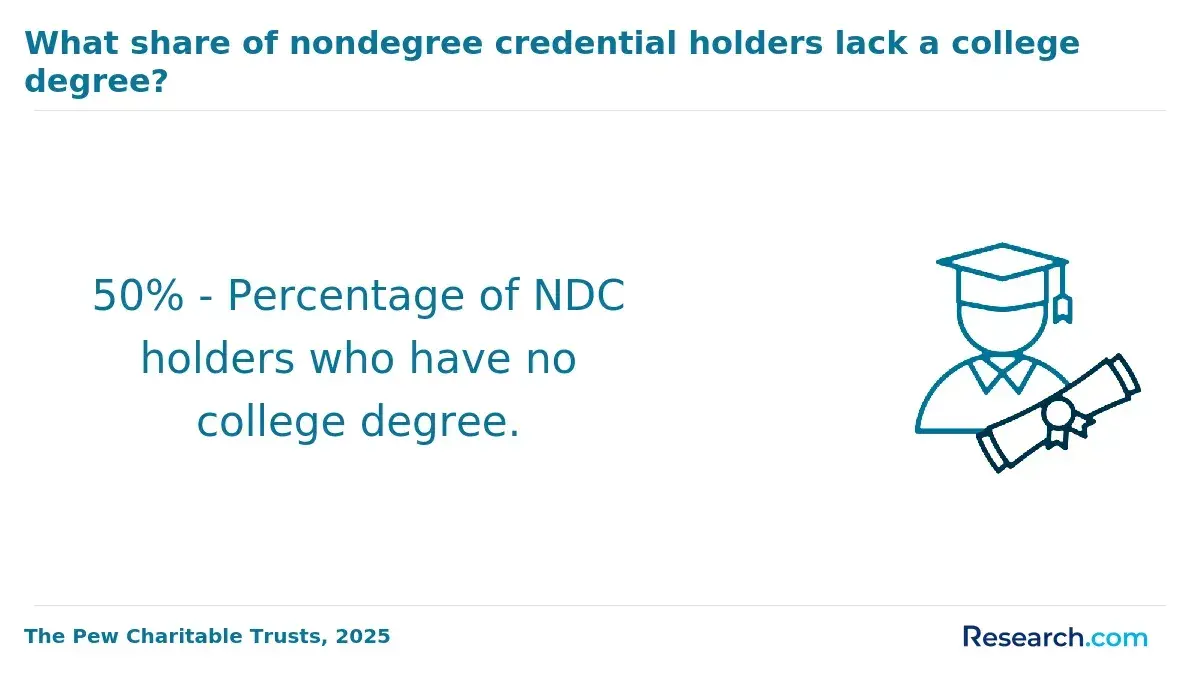
The best one-year online Educational Administration degree program is not simply the fastest one. It should be properly accredited, aligned with your state’s requirements, affordable for your budget, and structured in a way you can realistically complete while working.
- Accreditation: Confirm that the institution is accredited by a recognized accreditor. If the program is tied to licensure or certification, verify that it meets the relevant state education agency requirements.
- Certification alignment: Ask whether the program satisfies Online Educational Administration Certification Requirements for the state where you plan to work. This is especially important if you live outside the state where the university is located.
- Curriculum depth: Look for coverage of leadership theory, school law, ethics, finance, instructional supervision, curriculum development, personnel management, and data-driven decision-making.
- Practicum and field experience: A strong program should explain how leadership practice is supervised, documented, and evaluated, especially for principal preparation.
- Faculty expertise: Prioritize programs taught by experienced administrators, education scholars, or practitioners with relevant school leadership backgrounds.
- Course delivery format: Determine whether courses are asynchronous, synchronous, or hybrid online. Asynchronous courses offer flexibility, while live sessions may provide more interaction and accountability.
- Credit transfer policies: Check whether prior graduate credits can shorten the program and whether there are limits on transfer credits.
- Total cost: Compare tuition, fees, books, technology charges, practicum expenses, and certification exam costs instead of looking only at per-credit tuition.
- Financial aid access: If you plan to use federal aid, confirm that the institution participates in eligible aid programs. Some reputable institutions appear on lists of online colleges that take FAFSA.
- Student support: Look for advising, practicum coordination, licensure guidance, writing support, library access, and career services.
Before applying, request a program map showing each course by term. Then compare that schedule with your work calendar. A program that looks manageable in the summer may feel very different during testing season, teacher evaluations, or the start of a school year.
Costs for one-year online Educational Administration programs vary widely by institution, credit requirements, residency status, and fee structure. Some programs, such as those at Campbellsville University and WGU, offer affordable tuition ranging from about $4,785 to $17,300, while others like Capella University can cost up to $22,310 before any tuition discounts.
When estimating cost, look beyond advertised tuition. Online students may still pay technology fees, graduation fees, books, course materials, background check costs, certification exam fees, and practicum-related expenses. If the program is competency-based or subscription-based, ask how cost changes if you need more time than planned.
| Cost factor | Why it matters |
| Tuition model | Programs may charge by credit, term, or subscription period, which affects the cost of accelerating or slowing down. |
| Credit requirements | More credits generally increase total tuition, even if the program is still marketed as accelerated. |
| Fees | Technology, library, graduation, and program fees can raise the final price. |
| Licensure expenses | Certification exams, background checks, or state applications may be separate from tuition. |
| Financial aid | Grants, loans, scholarships, employer support, or tuition discounts can change out-of-pocket cost. |
Compared with traditional four-year degrees, one-year Educational Administration programs usually require a shorter, more intensive curriculum and may have lower total costs. However, a lower price does not automatically mean better value. The stronger question is whether the program is accredited, recognized by employers, aligned with licensure needs, and supported well enough to help you finish on time.
Students in one-year online Educational Administration programs should expect a fast, structured, professionally focused experience. These programs are usually designed for working educators, so assignments often connect theory to real school leadership problems such as teacher supervision, student achievement data, budgeting, compliance, family engagement, and organizational change.
Many accelerated programs use shorter course sessions, often seven or eight weeks long. This format allows students to move quickly through the curriculum, but it also means deadlines arrive often. Falling behind in one course can affect the rest of the schedule, especially in a cohort model.
The one-year educational administration master's curriculum typically includes topics such as leadership theory, school law, finance, personnel administration, instructional leadership, policy, ethics, curriculum, assessment, and community relations. Programs connected to principal or administrative credentials may also include practicum courses or internships in K-12 or postsecondary settings.
Students can also expect a different kind of interaction than in campus programs. Discussion boards, video meetings, group projects, digital advising, and online office hours may replace face-to-face contact. To get the most value, participate consistently, build relationships with faculty and classmates, and use your current workplace as a learning laboratory when appropriate.
If affordability is a major factor, comparing low cost online schools for working adults can help you identify flexible options while still evaluating quality, accreditation, and student support.
Yes, financial aid may be available for one-year online Educational Administration programs, but eligibility depends on the school, the program, your enrollment status, and your personal financial situation. Accelerated pacing can also affect disbursement timing, so students should speak with the financial aid office before enrolling.
- Federal financial aid: U.S. citizens and eligible non-citizens may qualify by submitting the FAFSA. Aid can include grants, loans, and work-study programs, depending on eligibility, enrollment level, and satisfactory academic progress.
- State financial aid: Some states provide aid to residents, with eligibility rules and deadlines that vary by state. Certain programs may also have separate rules for undocumented students.
- Institutional scholarships: Universities may offer scholarships based on academic merit, leadership goals, employment in education, or financial need.
- Employer tuition assistance: School districts, colleges, and education organizations may help pay for graduate study when the degree supports leadership development.
- Private grants and foundations: Professional associations and foundations may offer competitive awards for educators pursuing administration or leadership roles.
Before committing, ask the school whether the program is aid-eligible, how many credits are required each term to maintain eligibility, and whether accelerated courses change refund or withdrawal deadlines. If you are using employer support, confirm whether reimbursement is paid upfront or only after you complete each course successfully.
What Educational Administration Graduates Say About Their Online Degree
- Emiliano: "Enrolling in a one-year online Educational Administration program was a game-changer for my career. The accelerated pace allowed me to complete my degree swiftly while balancing work and family commitments. Thanks to the comprehensive curriculum and practical learning outcomes, I secured a leadership role within months of graduation."
- Jared: "Reflecting on my experience, the competency-based structure of the program truly catered to my learning style. It enabled me to focus on mastering essential skills at my own pace, which made the journey both challenging and rewarding. Considering the average cost was reasonable, I felt the investment was worthwhile for advancing my career in school administration."
- Amir: "The flexibility of the one-year Educational Administration degree exceeded my expectations. Being able to study entirely online meant I could immediately apply new concepts in my current job, accelerating my professional growth. The targeted coursework and timely completion allowed me to step into a district leadership position sooner than I had anticipated."
Other Things You Should Know About Pursuing One-Yeas Educational Administration Degrees
Yes, these programs are designed to equip students with essential leadership, management, and policy skills needed in educational settings. Despite the condensed timeframe, many programs focus on practical administration techniques, budgeting, legal issues, and personnel management to prepare graduates for roles like school principals or district administrators.
The program should hold regional institutional accreditation, such as from HLC, SACSCOC, NECHE, MSCHE, WSCUC, or NWCCU. For leadership licensure, look for CAEP-aligned preparation and, where relevant, approval by a state education agency or department of education.
- Master of Education in Educational Administration, Curriculum, and Supervision https://online.ou.edu/program/med-in-educational-administration/
- Benefits and challenges of online learning for higher education - Online study Brunel https://onlinestudy.brunel.ac.uk/blog/benefits-and-challenges-of-online-learning-for-higher-education
- 2025 Most Affordable Online Master's Degrees in Education https://www.onlineu.com/most-affordable-colleges/education-masters-degrees
- Top 10 Online Master's In Educational Administration Degrees https://www.accreditedschoolsonline.org/education/masters/educational-administration/
- Educational Leadership & Administration (MS) | Online - Cairn University https://cairn.edu/online-ms-educational-leadership/
- Why an Online Master's in Educational Administration is Worth Pursuing | The Inspiring Journal https://www.theinspiringjournal.com/why-an-online-masters-in-educational-administration-is-worth-pursuing/
- 7 Reasons to Pursue an Online Degree Program | University of Bridgeport https://www.bridgeport.edu/news/why-high-school-students-are-looking-to-online-degree-programs/
- 5 Pros and Cons for Studying a Distance Learning Degree in 2025 | Distancelearningportal https://www.distancelearningportal.com/articles/174/why-study-distance-learning-degree.html