2027 Is an Educational Administration Online Degree Worth It?

Co-Founder and Chief Data Scientist
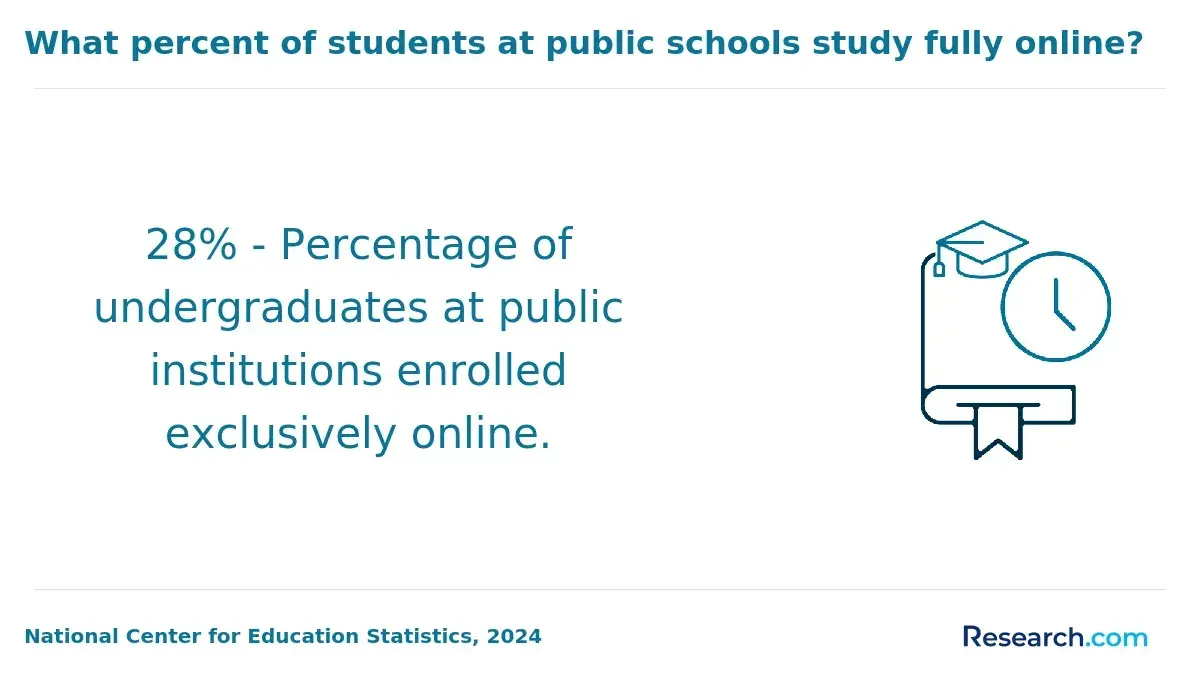
Online education continues to expand rapidly, with enrollment increasing by over 10% annually in various graduate programs, including educational administration. Many prospective students are drawn to online degrees for the convenience and accessibility they offer, especially those balancing professional and personal commitments. Educational administration degrees are popular among educators aiming for leadership roles in schools or districts.
This article examines whether pursuing an online educational administration degree is a wise investment. It will explore important considerations such as cost, program flexibility, accreditation status, current job-market trends, and how employers perceive online qualifications in this field.
Key Benefits of Online Educational Administration Degree
- Flexible online programs allow working professionals to balance studies and careers, making it accessible without disrupting current employment.
- Career paths often lead to school leadership, with a 7% projected job growth for education administrators through 2031, enhancing long-term opportunities.
- Curricula focus on leadership, policy, and management skills, equipping graduates to improve educational outcomes and adapt to diverse learning environments.
Who Should Choose an Online Educational Administration Degree Program?
Online learning has become a practical alternative for many students due to its growing acceptance and the ability to accommodate diverse schedules. This flexibility makes it easier for individuals to pursue education without compromising their work or personal commitments.
The following groups are particularly well-suited for an online educational administration degree program:
- Working Educators: Current K-12 teachers and school staff who want to advance into leadership roles benefit from online programs since they can continue working while earning their degree. The format allows them to gain new skills without pausing their careers.
- Higher Education Professionals: Individuals employed in colleges or universities looking to transition into administrative positions find online study convenient for balancing job responsibilities with further education.
- Rural or Remote Learners: Educators in less accessible locations rely on online programs to access graduate-level education that might not be available locally, helping them remain connected to advancing opportunities.
- Specialization Seekers: Those aiming to focus on areas such as instructional leadership, policy, or organizational management can tailor their learning experience online while maintaining full-time employment and other commitments.
What Are the Pros and Cons of an Online Educational Administration Degree?
Online educational administration programs have grown popular as they offer flexibility and career advancement opportunities for students and professionals balancing work and study. These programs provide a practical path for those aiming to pursue leadership roles without interrupting their careers.
Pros of an Online Educational Administration Degree
- Flexibility for Working Professionals: Online programs allow students to customize their study schedules around work and personal commitments. This flexibility supports career growth while managing full-time employment, a key benefit of online educational administration degree programs.
- Accelerated Completion and Cost Savings: Many online degrees can be finished in 12 to 18 months, far quicker than traditional options. This reduces tuition and living costs, with savings sometimes exceeding $30,000 compared to campus-based programs.
- Accessibility and Reach: Removing geographic barriers ensures access to top programs and specialized concentrations, especially benefiting educators in rural or underserved areas.
- Career-Relevant Curriculum: Online courses often focus on current needs like technology integration and AI in education, preparing students for modern leadership challenges.
Cons of an Online Educational Administration Degree
- Demanding Self-Discipline: Success requires strong time management and motivation due to the lack of a fixed class schedule, a common challenge of earning an online educational administration degree.
- Limited Face-to-Face Networking: Reduced in-person interaction can impact the ability to build professional relationships that are important for career advancement.
- Intense Workload: Accelerated programs condense material into shorter timeframes, potentially increasing stress for students balancing work and study.
- Variable Employer Perceptions: Although most accredited degrees are recognized, some employers still favor traditional programs, especially if online degrees lack strong accreditation or name recognition.
For those interested in exploring options to expedite their studies, the quickest degree college options for working adults offer valuable pathways to complete education administration degrees efficiently.
How Do AI-Enhanced Virtual Classrooms Work in Online Educational Administration Programs?
AI technologies have become central to modern online education, significantly enhancing the learning experience for educational administration students. These advancements enable personalized, efficient, and interactive learning environments tailored to administrative leadership skills.
Here are key features that define how AI-powered virtual classrooms work in these programs:
- AI-powered adaptive learning in virtual classrooms: Through machine learning algorithms, these systems tailor course content and pacing to individual student needs, improving knowledge retention and engagement. This personalized approach helps future administrators grasp complex concepts at their own speed.
- AI tools for real-time student engagement: Real-time analytics dashboards monitor participation and attendance, allowing instructors and students to identify at-risk learners early and adjust strategies accordingly. These insights foster proactive management skills essential for educational leaders.
- Automated grading and instant feedback: AI grading systems provide timely responses on assignments, freeing instructors to focus on meaningful interactions and mentorship rather than administrative tasks.
- Virtual tutoring assistants: Available 24/7, these AI-driven helpers answer course-related questions and offer personalized guidance, supporting continuous learning and problem-solving.
- Predictive analytics for administrative insight: By analyzing student data, AI forecasts enrollment trends and highlights curricular weaknesses, equipping students with skills to improve their future schools.
These integrated features create a dynamic learning environment where students don't just learn about AI but experience its application firsthand. To explore more options, consider researching open enrollment programs that utilize such advanced educational technologies.
Having the right technology setup is essential for success in modern online educational administration programs. Reliable access to digital tools enables students to stay organized, collaborate effectively, and complete assignments on time.
Below is a detailed list of the essential technology students should prepare before enrolling, addressing the most important requirements for online learning.
- Reliable Computer or Tablet: A device running a modern operating system such as Windows 10/11, macOS, or Chrome OS is necessary for accessing course materials, writing papers, and attending virtual meetings. Many students prefer laptops for their portability and ease of use, which supports the flexibility demanded by online classes.
- High-Speed Internet: A stable broadband connection with at least 10 Mbps download speed is critical for streaming video lectures, uploading assignments, and participating in live discussions. Inconsistent or slow internet can disrupt learning and lead to missed deadlines.
- Webcam and Microphone: Most programs require active participation in real-time discussions or presentations. A built-in or external webcam and microphone allow students to engage with instructors and peers during synchronous sessions.
- Word Processing and Presentation Software: Programs such as Microsoft Word, Google Docs, PowerPoint, or Google Slides are vital for creating papers, presentations, and collaborating on group projects. Familiarity with these tools is a key part of the technology setup for online education administration programs.
- PDF Reader: Course materials are frequently distributed as PDFs; using a reliable reader like Adobe Acrobat Reader ensures students can view, annotate, and study documents effectively.
- Headphones or Earbuds: These accessories help students maintain focus during lectures and meetings, especially in noisy or busy environments.
Understanding these online educational administration degree computer requirements will better prepare students for the demands of virtual learning environments. Students interested in evaluating the return on investment for their degree might also explore the best paying 4 year degrees to see how educational administration compares across career paths.
Program length is a crucial consideration for prospective students, as it affects how quickly they can advance their careers. Online educational administration programs offer a wide range of completion timelines depending on format and flexibility.
Below is a breakdown of typical durations for these programs.
- Traditional Cohort Programs: Usually span 18 to 24 months and follow a set schedule with fixed start and end dates. This format often requires students to progress through courses sequentially alongside a group.
- Accelerated Online Tracks: Designed for faster completion, these programs can be finished in 12 to 18 months by taking heavier course loads or utilizing intensive sessions. They tend to suit motivated students who can dedicate significant time to their studies.
- Self-Paced Programs: Allow learners to move through courses at their own speed, sometimes completing within a year or less if pacing is intensive. This structure offers maximum flexibility but demands strong self-discipline and time management.
- Part-Time Enrollment: Enables working professionals to spread their coursework over longer periods, often exceeding 24 months. It balances career commitments with education but extends overall program length.
Balancing full-time work with online study is a frequent concern for those considering an educational administration degree. Understanding the factors that affect the feasibility of managing both commitments is essential for success.
Key considerations include:
- Flexible Scheduling: Most programs offer asynchronous courses, allowing students to access lectures and complete assignments at convenient times, such as early mornings or late evenings, which helps accommodate professional responsibilities.
- Program Pacing: Many online degrees can be finished within two years while working, often enabling students to customize their course loads each semester to avoid overload.
- Workload Management: Expect around 10-20 hours of weekly study, which requires consistent time blocks and realistic planning to balance with job demands.
- Employer Support: Some workplaces provide flexible hours or professional development resources, easing the challenge during intensive study periods.
- Time Management Skills: Using digital planners and structured routines is vital to maintain steady progress and reduce stress.
When I asked a student who worked full-time while enrolled in an online educational administration program about her experience, she described the initial struggle to find a rhythm.
"It was overwhelming at first," she said, "trying to juggle lesson planning by day and coursework by night." She emphasized that gradually developing a strict schedule and leveraging quiet weekend hours made a significant difference.
Despite some late nights and sacrifices, the ability to learn at her own pace and maintain employment was crucial. Reflecting on her journey, she noted that the flexibility of the program combined with disciplined time management transformed what felt impossible into an achievable and rewarding process.
Internships provide essential real-world leadership experience, allowing educational administration students to apply theory in K-12 environments and build professional connections. These hands-on opportunities are critical for preparing students to lead effectively in schools.
Online programs use a variety of strategies to ensure students secure and complete meaningful internships.
- Mentor Matching: Programs connect students with seasoned, certified school leaders who offer guidance, feedback, and career advice throughout the internship, helping to refine leadership skills.
- Flexible Scheduling: Recognizing busy professional lives, internships can be arranged during summers or condensed periods, enabling students to balance work, coursework, and field experience.
- Faculty Support: Regular virtual check-ins, webinars, and orientation sessions provide consistent oversight and resources, ensuring students stay on track and receive personalized assistance.
- Structured Requirements: Internships include project-based assignments, reflective journals, and leadership activities aligned with national standards, fostering both practical and critical thinking skills.
- Diverse Placements: Students gain experience across multiple grade levels or school types, expanding their expertise and enhancing job market readiness.
Understanding tuition costs is crucial for prospective students evaluating online educational administration degrees, as these expenses directly impact budgeting and program selection.
Below is a detailed overview of typical tuition-related expenses to help you make an informed decision.
- Tuition Ranges: Annual tuition varies widely, generally from $4,785 to $5,775 at the most affordable nonprofit private institutions. Public nonprofit schools often charge between $5,475 and $5,775 yearly, providing a slightly different pricing landscape.
- Per-Credit Costs: Online programs may charge anywhere from $337 to $939 per credit hour, depending on residency status and institution. Graduate-level courses at larger universities average roughly $659 per credit hour, reflecting the specialized nature of these studies.
- Payment Structure: Most schools require semester-based payments, with average costs hovering around $4,725 per semester. Several institutions also offer tuition caps, sometimes limiting total program costs to about $12,000.
- Additional Fees: Beyond tuition, students should anticipate registration fees averaging $30 per term, which adds to the overall financial commitment.
- Cost Comparison: Online degrees tend to be significantly less expensive than traditional in-person programs, which can exceed $35,000 annually at many universities, making online options a practical choice for many learners.
When asked about the average tuition cost, a student pursuing an online educational administration degree reflected on the financial planning involved. He explained, "Budgeting was one of my biggest concerns.
Finding programs within my price range took time, but knowing upfront about per-credit and semester fees really helped." Despite initial worries, he appreciated the flexibility of payment schedules and capped tuition options, which made managing expenses less stressful. "Choosing an online program meant I could keep working and avoid relocating costs.
That balance was invaluable to me," he added. His experience highlights how understanding detailed tuition costs enables students to confidently pursue their educational goals without unexpected financial burdens.
Knowing the potential earnings from an online educational administration degree is crucial when choosing a program. Understanding salary benchmarks helps prospective students evaluate the return on investment and make informed career decisions.
Below are key insights into average salaries for graduates in this field.
- Average Entry-Level Salary: Graduates starting in roles like elementary or high school principal generally earn between $67,600 and $68,600. Entry-level salaries reflect initial leadership responsibilities and vary by job title and district size.
- Mid-Career Salary Growth: As professionals gain experience, salaries increase notably. Mid-career earnings for elementary principals average around $81,200, while high school principals can see median salaries near $91,600, reflecting expanded administrative duties.
- Salary by Industry and Region: Postsecondary education administrators typically have median salaries near $95,000, with some college and university roles exceeding $100,000, especially with advanced degrees. Salary varies significantly by state-for example, educational administrators in Indiana report average salaries of approximately $116,010.
- Master's Degree Salary by State: Earning a master's degree online can lead to competitive salaries shortly after graduation, ranging from $80,000 to $96,000. Top institutions like Harvard University report graduate salaries around $96,000, whereas Texas A&M University graduates see averages near $80,000. This two year doctoral programs link highlights additional accelerated pathways for career advancement.
The average salary for online educational administration degree graduates in the United States 2025 demonstrates strong earning potential across education sectors, supporting sustained demand for qualified administrators at K-12 and higher education levels.
An online educational administration degree offers versatility, preparing graduates for diverse professional fields beyond traditional school settings. This flexibility enables job seekers to explore various career paths tailored to their interests and skills.
Below is a detailed overview of industries actively hiring graduates with an online educational administration degree.
- Higher Education: Universities and colleges hire graduates for roles such as academic advisors, student affairs coordinators, and program managers. Many master's graduates move into leadership positions like vice presidents or deans, often working remotely or in hybrid environments, reflecting growing trends in education leadership careers.
- K-12 School Systems: School districts, especially in places like New York, seek principals, assistant principals, and curriculum coordinators. An Ed.D. in educational leadership is particularly valuable for top administrative roles in K-12, driving improvements in educational quality and compliance.
- Corporate Sector: Companies employ training and development managers, instructional designers, and product education managers to develop workforce skills. Salaries for these positions range from $74,000 to $149,000 annually, with many roles offering remote work options, making them attractive in today's job market.
- Nonprofits and Educational Consulting: These organizations require program managers and policy developers to lead projects and influence educational policy. The leadership, organizational, and curriculum design skills gained from this degree are highly transferable across these sectors.
For those exploring career options, reviewing what are all the trade school jobs can also provide useful insights into parallel vocational opportunities. Graduates focused on remote education leadership careers will find the skill set from an online educational administration degree particularly relevant and valuable.
What Graduates of Online Educational Administration Programs Say About Their Degree
- Emiliano: "Pursuing my online educational administration degree was a game-changer. The flexible pace allowed me to balance work and study without feeling overwhelmed, and the interactive course design kept me engaged throughout. Considering the average cost was reasonable, the investment truly paid off by opening doors to leadership roles I only dreamed of before."
- Jared: "Looking back, enrolling in an online educational administration program was a thoughtful decision that aligned well with my busy lifestyle. The ability to absorb material at my own speed enhanced my learning experience, and the career advancements I've since achieved make the cost absolutely worthwhile. It's been a journey of genuine professional growth."
- Amir: "The online educational administration degree provided both a convenient and cost-effective path to elevate my career. While the coursework was challenging, the balance it offered with my personal commitments was unmatched. This program didn't just sharpen my skills; it significantly boosted my confidence in managing complex educational settings."
Other Things You Should Know About Educational Administration Degrees
Yes, online educational administration degrees from accredited institutions are generally recognized by employers, particularly when the program meets regional or national accreditation standards. The increasing prevalence of online learning has made many employers more accepting of these degrees, especially if the curriculum aligns with traditional on-campus programs. However, verifying the program's accreditation is crucial for job market acceptance.
Graduates of online educational administration programs are typically eligible to pursue professional certifications or school leadership licensure, depending on state requirements. Many states require additional exams or supervised experience beyond the degree, but the online degree itself often fulfills the educational criteria for certification candidates. It is important to check state-specific licensure requirements before enrolling.
It should come from a school accredited by a U.S. Department of Education-recognized regional accreditor, such as HLC, MSCHE, SACSCOC, NECHE, WSCUC, NWCCU, or the Middle States equivalent. For education leadership, CAEP accreditation adds another layer of quality review for many licensure-focused programs.
- Benefits of a Degree in Educational Administration - Graduate Programs for Educators https://www.graduateprogram.org/blog/benefits-of-a-degree-in-educational-administration/
- Online College Pros & Cons: Is Online College Worth It? | B&SC https://www.bryantstratton.edu/blog/degree-insights/online-college-pros-cons/
- Ed.S. in Instructional Technology | ACE https://ace.edu/degree-programs/education-specialist-degrees/education-specialist-education/education-specialist-in-instructional-technology/
- The Internship in Educational Administration | Journal of Educational Administration | Emerald Publishing https://www.emerald.com/jea/article/6/2/173/199510/The-Internship-in-Educational-Administration
- 5 Careers you can pursue with a Master’s in Educational Administration | PLNU https://www.pointloma.edu/resources/education/5-careers-you-can-pursue-masters-educational-administration
- Online Education Administration Degree | Explore Your Options https://www.learnhowtobecome.org/best-online-bachelors-in-educational-administration-degree-programs/
- Online Master's in Educational Administration (MS) | GMercyU https://www.gmercyu.edu/academics/programs/online-master-science-educational-administration
- Artificial intelligence in education: A systematic literature review - ScienceDirect https://www.sciencedirect.com/science/article/pii/S0957417424010339
- Can I Work Full-Time While Earning an Online Degree? https://www.athens.edu/online-degree-completion-programs-working-adults/can-i-work-full-time-while-earning-an-online-degree/
- Master's in Educational Administration and Leadership (K-12) | Columbia College https://www.columbiasc.edu/academics/graduate/masters-educational-administration-and-leadership-k-12