2027 How to Compare Educational Administration Degree Programs Effectively

Co-Founder and Chief Data Scientist
Many prospective students struggle to compare educational administration degree programs effectively due to varying curriculum focuses, delivery modes, and cost structures. For instance, some programs emphasize K-12 leadership, while others prioritize higher education administration, making direct comparisons challenging. With a projected 9% growth in education management jobs over the next decade, selecting the right program directly impacts career success. This article offers a clear framework to evaluate programs based on career alignment, course flexibility, accreditation, and affordability to help students make confident, informed decisions about their educational administration studies.
Key Benefits of Comparing Educational Administration Degree Programs Effectively
- Accreditation ensures program credibility and affects licensure eligibility; seek nationally recognized institutions with proper endorsements to support career advancement.
- Evaluate curriculum alignment with your career goals, focusing on specializations like policy, leadership, or finance to match evolving educational leadership demands.
- Consider total cost versus potential salary gains; flexible scheduling options can enhance work-life balance for professionals pursuing advanced degrees while employed.
What Types of Accreditation Should a Educational Administration Degree Program Have?
Accreditation plays a vital role in helping prospective students assess the quality, credibility, and long-term value of different educational administration degree programs. Research indicates that graduates from accredited institutions have significantly higher employment rates and stronger employer recognition.
To better compare programs, it is important to understand the main types of accreditation they may hold.
- Regional Accreditation: This is the most widely recognized institutional accreditation in the United States, reflecting overall academic quality at the college or university level. It impacts credit transferability and eligibility for federal financial aid, making it a key consideration when comparing programs based on national accreditation standards for educational administration degrees.
- Programmatic Accreditation: Awarded by specialized bodies such as the Council for the Accreditation of Educator Preparation (CAEP), this accreditation focuses specifically on education degrees. It ensures curricula align with educator licensure requirements and professional competencies, which can influence employer trust and certification readiness.
- State Board Approval: Many states require educational administration programs to have state education department approval to support licensure eligibility and recognition. This approval signals that the program meets local certification standards essential for career advancement.
For those balancing career changes or seeking flexible learning options, verifying accreditation assures alignment with certification needs and employer expectations. Prospective students may also explore related fields through resources on online speech pathology programs to broaden their educational opportunities.
What Specializations Are Offered in Educational Administration Degree Programs?
Specializations offered within educational administration degree programs help prospective students compare options by aligning academic content with specific career paths and workforce demands. The U.S. Bureau of Labor Statistics projects an 8% growth in employment for education administrators from 2022 to 2032, underscoring the value of choosing the right specialization.
Below are common specializations that reflect these trends and career focuses.
- K-12 Administration: Focuses on leadership in public and private primary and secondary schools, developing skills in school management, policy implementation, and student services. Graduates often pursue roles such as principal or district administrator.
- Higher Education Administration: Covers leadership roles in colleges and universities, emphasizing student affairs, academic program management, and institutional development. This specialization prepares students for positions like dean or registrar.
- Special Education Leadership: Concentrates on administration within special education settings, focusing on compliance, individualized education plans (IEPs), and resource coordination. This area is crucial for leadership in specialized educational environments.
- Curriculum and Instruction Management: Emphasizes curriculum design, instructional strategies, and teacher training. This specialization often leads to district-level roles centered on enhancing educational quality and instructional effectiveness.
In addition to aligning academic and career goals, students exploring educational administration degree program specializations may benefit from comparing related fields such as accelerated social work programs, which also focus on leadership and service within educational and community settings.
How Can You Compare Courses Across Educational Administration Degree Programs?
Comparing courses across educational administration degree programs helps prospective students evaluate program rigor, opportunities for skill development, and alignment with career goals. Research shows programs with comprehensive curricula boast a 15% higher course completion rate, reflecting better student engagement and preparation for leadership roles.
Assessing course content and structure is key. Practical strategies for comparing courses include:
- Course Descriptions: Review detailed course descriptions to gauge curriculum depth and focus. Look for coverage of leadership, policy, and management topics essential in educational administration.
- Required vs. Elective: Examine the balance of mandatory and elective courses. Programs offering a variety help students tailor studies to fit specific professional objectives and interests.
- Credit Hours and Workload: Compare credit requirements and expected workload to assess program intensity. This informs how well courses fit your time availability and academic stamina.
- Applied Learning: Check for internships, projects, or case studies embedded in courses. Hands-on opportunities increase applicability of skills in real-world educational settings.
- Course Sequencing: Analyze course progression from foundational to advanced topics. A logical sequence supports coherent skill development and knowledge building.
Applying these factors can help effectively assess how to compare educational administration degree program curriculum effectively and identify programs aligned with your career and personal goals. For students considering flexible options, exploring categories like executive online MBA programs may also provide insight into program affordability and format suitability.
Flexible scheduling is essential for students weighing educational administration degree options because it allows them to balance academics with personal and professional responsibilities. The variety of formats available means students can find a program that matches their lifestyle and learning preferences.
Common scheduling choices include:
- Traditional Daytime Classes: These follow a standard weekday schedule with in-person sessions, ideal for students who can attend campus regularly and prefer a structured learning environment.
- Evening and Weekend Courses: Designed for working professionals, these classes provide access outside typical business hours, helping students maintain full-time employment while advancing their education.
- Hybrid Formats: Combining online and face-to-face instruction, hybrid programs offer flexibility and real-time engagement, meeting the needs of students who want interaction without full-time campus presence.
- Fully Online Programs: These allow students to complete coursework remotely, often asynchronously, giving them freedom to learn at their own pace and accommodate various schedules and locations.
- Asynchronous Learning: Students access materials and complete assignments on their own time, perfect for those requiring maximum autonomy and who thrive without fixed class times.
- Synchronous Sessions: Live virtual classes foster real-time discussions and connection with instructors and peers, blending convenience with interactive learning.
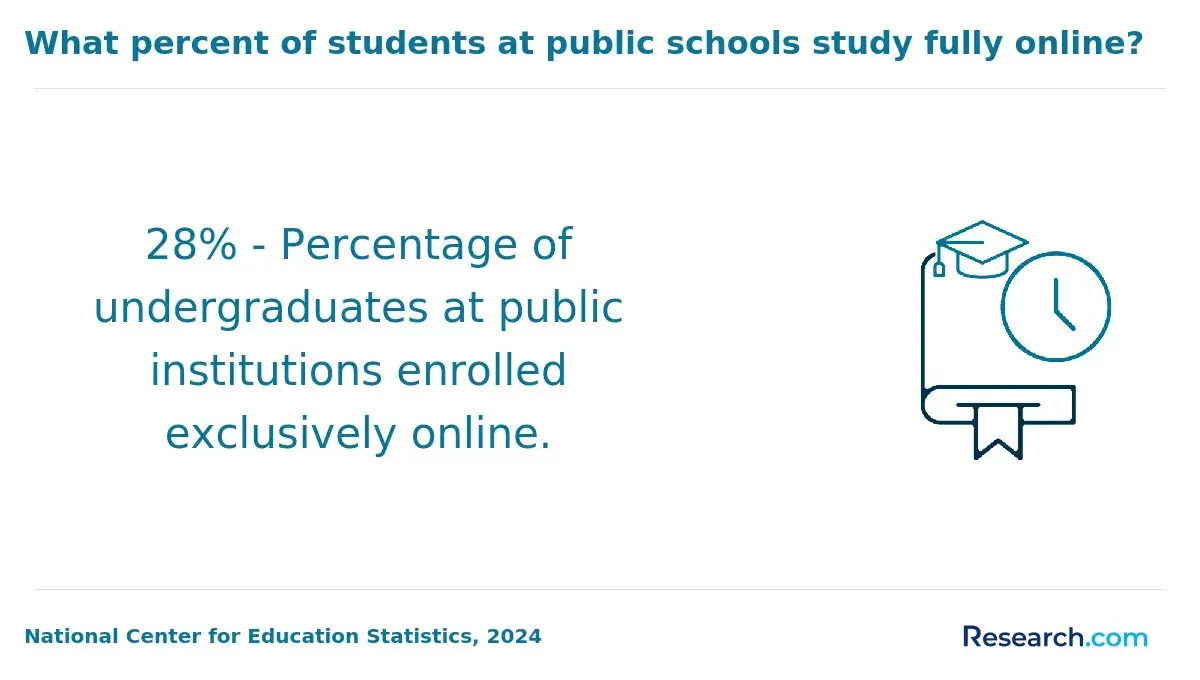
Choosing the delivery method of an educational administration degree strongly influences your academic experience and career readiness. Recent data indicates that over 30% of graduate education students enroll in online programs, highlighting shifting preferences in the field.
Below is a detailed comparison of online and campus-based options to help guide your decision.
Online Programs
- Flexibility: Online learning offers adaptable schedules that accommodate work and personal commitments, allowing students to pace their studies independently.
- Accessibility: Students living far from campuses or with transportation challenges find online formats more reachable without the need to relocate or commute.
- Limited Networking: The absence of face-to-face interaction can reduce opportunities for spontaneous mentorship and peer collaboration, which are vital for professional growth.
- Self-Motivation Demands: Successful navigation of online programs requires strong discipline since the virtual environment offers fewer immediate accountability cues.
Campus-Based Programs
- Direct Engagement: In-person classes foster deeper relationships with instructors and classmates, enhancing collaboration and peer learning.
- Hands-On Experience: Practicums and internships integrated into campus programs provide valuable real-world application of educational administration concepts.
- Schedule Constraints: Fixed class times and mandatory attendance may conflict with professional or personal responsibilities, limiting flexibility.
- Commuting Challenges: Traveling to and from campus can increase time and cost burdens, making participation more demanding for some students.
GPA requirements play a crucial role when comparing educational administration degree programs, as they often reveal the academic standards and competitiveness of each program. The following points outline key aspects of how GPA criteria differ across institutions.
- Variability in Standards: Minimum GPA thresholds typically range from about 2.5 to 3.5 on a 4.0 scale, but this varies widely depending on the program's selectivity and focus. Some programs enforce strict GPA cutoffs, directly impacting admission chances.
- Policy Flexibility: Many programs use GPA as one component among several admission factors. This approach provides flexibility for applicants whose academic records might be weaker but who bring other strengths to the table.
- Holistic Admissions: Educational administration programs often balance GPA with qualitative criteria such as work experience, recommendations, personal statements, and test scores. This broader review is beneficial for nontraditional candidates or those showing recent academic improvement.
- Conditional Acceptance: Some schools offer provisional or probationary admission to applicants with lower GPAs, allowing students to demonstrate their academic abilities once enrolled. This option supports continued access despite initial academic hurdles.
Comparing tuition is a crucial step for prospective students seeking educational administration degrees because costs can differ widely and impact overall affordability. On average, graduate student debt in the U.S. surpasses $66,000, making it essential to evaluate expenses carefully before committing.
Here are key factors to consider when assessing tuition across programs:
- Total Program Cost: Look beyond sticker prices by calculating the full tuition required to complete the degree. Some programs may seem affordable per semester but have longer durations or hidden fees that increase the total investment.
- Cost Per Credit: Comparing tuition by credit hour helps identify programs that charge higher rates or require more credits, which can raise the overall expense despite a reasonable initial price.
- Mandatory Fees: Account for additional costs like technology, lab, or student service fees, which often aren't included in base tuition but add significantly to your bills.
- Financial Aid Opportunities: Scholarships, grants, and assistantships can reduce out-of-pocket costs substantially, so investigate what aid options each program offers and how accessible they are.
- Employer Tuition Benefits: If you're working, consider whether your employer provides tuition reimbursement or assistance programs, which can make certain schools more affordable.
- Long-Term Value: Higher tuition may be justified if the program offers strong career support or accelerated pathways that allow you to finish sooner and enter the workforce faster.
Aligning an educational administration degree with licensure requirements is vital for students entering regulated educational leadership roles or switching careers. Nearly 22% of U.S. jobs require professional certification or licensure, emphasizing the need to ensure academic programs meet these criteria.
Key factors to compare when evaluating programs include the following:
- Curriculum Alignment: Programs should match state and national standards to ensure candidates gain essential skills in leadership, policy, and administration relevant to licensure.
- Accreditation Standards: Selecting degrees with regional or national accreditation recognized by licensing bodies is crucial for eligibility and transferability across states.
- State-Specific Requirements: Many states mandate practicum or internship hours under approved supervisors, so verifying these components helps confirm program suitability.
- Supervised Experience: Hands-on administrative experience supervised by qualified professionals is often necessary to meet licensure prerequisites and develop practical skills.
- Exam Eligibility: Completion of approved coursework and institutional endorsement typically qualify graduates to sit for state licensure exams required for certification.
Since licensure criteria vary by state, prospective students should carefully investigate whether a program meets the standards of their intended licensure location, especially if planning relocation or role changes within education.
Career placement rates serve as a vital indicator of how effectively educational administration degree programs prepare students for employment in their field. Recent surveys reveal that approximately 85% of graduates from top-ranked educational administration degrees for job placement success secure positions within six months of graduation.
Consider these aspects when evaluating programs:
- Employer Partnerships: Investigate whether programs maintain formal collaborations with local and regional employers, which can facilitate direct job placement opportunities for graduates.
- Internship Pipelines: Look for the availability and quality of internship programs integrated into the curriculum, as these provide practical experience and often lead to job offers.
- Alumni Outcomes: Research graduates' career trajectories and job placement statistics to understand how well a program supports long-term professional success.
- Program Support Services: Assess the presence of job placement assistance, resume workshops, and networking events that contribute to higher employment rates and smooth workforce transitions.
Students exploring which educational administration programs have the best career placement rates in the United States can gain deeper insight by reviewing how these factors align with their career goals and schedule flexibility.
Additionally, consulting resources on the best bachelor degrees can provide broader context on educational pathways that lead to rewarding careers. This holistic approach ensures a well-informed choice among competitive programs.
Salary outcomes are a key factor for prospective students when comparing educational administration degree programs, as they reflect potential return on investment and career advancement opportunities. The median annual wage for educational administrators in the United States is approximately $98,000, according to the U.S. Bureau of Labor Statistics.
Below are key factors influencing how salaries compare for graduates from educational administration programs.
- Role Level: Entry-level positions, such as assistant principals or program coordinators, generally start between $50,000 and $65,000 annually, while mid-career professionals managing larger departments can earn $70,000 to $90,000. Senior roles like district administrators or superintendents often exceed $100,000 per year.
- Industry Variation: Salaries vary notably depending on whether graduates work in public K-12 school districts, higher education, or private educational organizations. Positions in higher education administration or private sectors tend to offer higher pay, reflecting different budget sizes and organizational demands.
- Geographic Differences: Location heavily impacts earnings, with states like California and New York offering higher wages due to living costs. Conversely, rural or lower-cost states typically provide lower salary ranges for similar roles.
- Experience Impact: Salary growth corresponds closely with experience, with advanced professionals holding leadership roles enjoying significantly higher earnings over those just starting.
Evaluating average earnings of educational administration program alumni by region can help students align program choices with their financial and professional goals. Those seeking flexibility or varied career paths might also explore online college degrees as alternative routes to enter the field.
What Graduates Say About Comparing Educational Administration Degree Programs Effectively
- Wynn: "Before deciding to pursue an educational administration degree, I was weighing the high costs of various graduate programs. Finding one that offered a reasonable average cost of attendance made the decision easier. Completing the program has been transformative, equipping me with leadership skills that significantly accelerated my career growth in the school system. "
- Xerxes: "Choosing to enroll in an educational administration program was a big decision for me, especially when comparing tuition fees across schools. The affordability factored heavily into my choice, as I had to consider the return on investment. Now, having graduated, I appreciate how the experience sharpened my strategic thinking and opened doors to higher-level positions."
- Marix: "I had always been interested in advancing my career but was cautious about the expenses tied to further education. The educational administration degree I pursued offered a good balance between cost and quality, easing my financial concerns. After completion, I found my credentials respected widely, which helped me transition smoothly into a managerial role in education."
Other Things You Should Know About Educational Administration Degrees
Look for accreditation from CAEP for educator preparation and regional accreditation from agencies recognized by the U.S. Department of Education. Programs leading to principal licensure should also align with state approval rules, because state departments of education decide whether credits and internships count toward certification.
In 2027, educational administration programs should ensure ethical guidelines are integrated into the curriculum. Programs must address current ethical challenges, offer case studies, and emphasize the importance of ethical leadership in educational settings. Consistent updates to reflect societal changes are essential for relevance.
The duration of educational administration degree programs varies depending on the degree level and format. Bachelor's degrees typically take four years, while master's programs usually range from one to three years. Accelerated and part-time options are also common, impacting overall completion time. Understanding these timelines helps students plan their education alongside career and personal commitments.
- Benefits of a Degree in Educational Administration - Graduate Programs for Educators https://www.graduateprogram.org/blog/benefits-of-a-degree-in-educational-administration/
- Education Administration Certification Program, K-12 https://www.duq.edu/academics/colleges-and-schools/education/programs-and-degrees/graduate-programs/ed-admin-cert/index.php
- Educational Administration (MED) https://www.etamu.edu/programs/educational-administration-med/
- Online Degree vs Campus Degree: Pros and Cons https://www.anaadworldwide.com/blog/online-degree-vs-campus-degree-pros-and-cons/
- 15 Cheapest Online Programs in Educational Leadership and Administration https://www.topeducationdegrees.org/cheapest-online-programs-in-educational-leadership-and-administration/
- Education Administration Master's: Top Online Programs https://thebestschools.org/rankings/masters/best-online-masters-educational-administration/
- Average GPA for top graduate schools - MBA Crystal Ball https://www.mbacrystalball.com/masters-degree/average-gpa-graduate-schools/
- 50 Most Affordable Online Master’s in Education Administration (Educational Leadership) - Best Colleges Online https://www.bestcollegesonline.org/most-affordable/online-masters-education-administration/
- 2023 Best Value Educational Administration Schools - Teaching Degree Search https://teachingdegreesearch.com/majors/educational-administration/rankings/best-value/
- 2025 Most Affordable Online Master's Degrees in Educational Leadership https://www.onlineu.com/most-affordable-colleges/educational-leadership-masters-degrees