2027 Hospice Executive Director: Evaluating Nonclinical Leadership Requirements

Co-Founder and Chief Data Scientist
Hospice executive leadership combines financial oversight with responsibility for care delivered to people nearing the end of life. That makes the path into the role different from a typical business management promotion: employers need operational judgment, knowledge of hospice rules, and the ability to work closely with clinical leaders.
This guide is for healthcare professionals and career changers weighing an MBA, a healthcare administration degree, or a shorter route. It explains what employers may require, where nonclinical leaders fit, and how to choose education that addresses your actual experience gaps.
Key Things You Should Know
- A hospice executive director can lead business operations without a clinical license, but state rules and employer job descriptions may impose additional requirements; licensed clinicians must retain responsibility for clinical work.
- An MBA or MHA can strengthen leadership preparation, but neither replaces hospice operating experience, regulatory knowledge, or a credible path into management.
- The Bureau of Labor Statistics reports a $126,520 median annual wage for all management occupations in May 2025 - not a hospice executive director salary. Use employer-specific compensation information before estimating a degree's return.
What does a hospice executive director do?
A hospice executive director leads the organization or a defined hospice operation. Depending on the employer, the title may overlap with administrator, agency director, or chief executive officer. The governing body and job description determine the director's authority; the title alone does not establish clinical decision-making responsibility.
Typical work includes budgeting, hiring and supervising department leaders, monitoring quality and compliance, maintaining referral relationships, and ensuring that staffing and services match patient needs. The director must understand how decisions about admissions, staffing, and reimbursement affect care without treating patients or overruling licensed professionals on clinical matters.
Scope varies substantially. Leading one local agency differs from managing multiple locations or reporting to a national organization. If you are building toward the role from an associate-level healthcare job, health administration undergraduate programs with rolling entry options may offer a starting point; compare them against the management experience you can gain while studying.
What are the requirements to become a hospice executive director?
There is no single nationwide degree or career ladder for the title. Medicare's hospice Conditions of Participation require a hospice to have a governing body and an administrator responsible for day-to-day operations. State licensing rules and the employer's definition of the executive director position can add requirements, so check both before planning a degree.
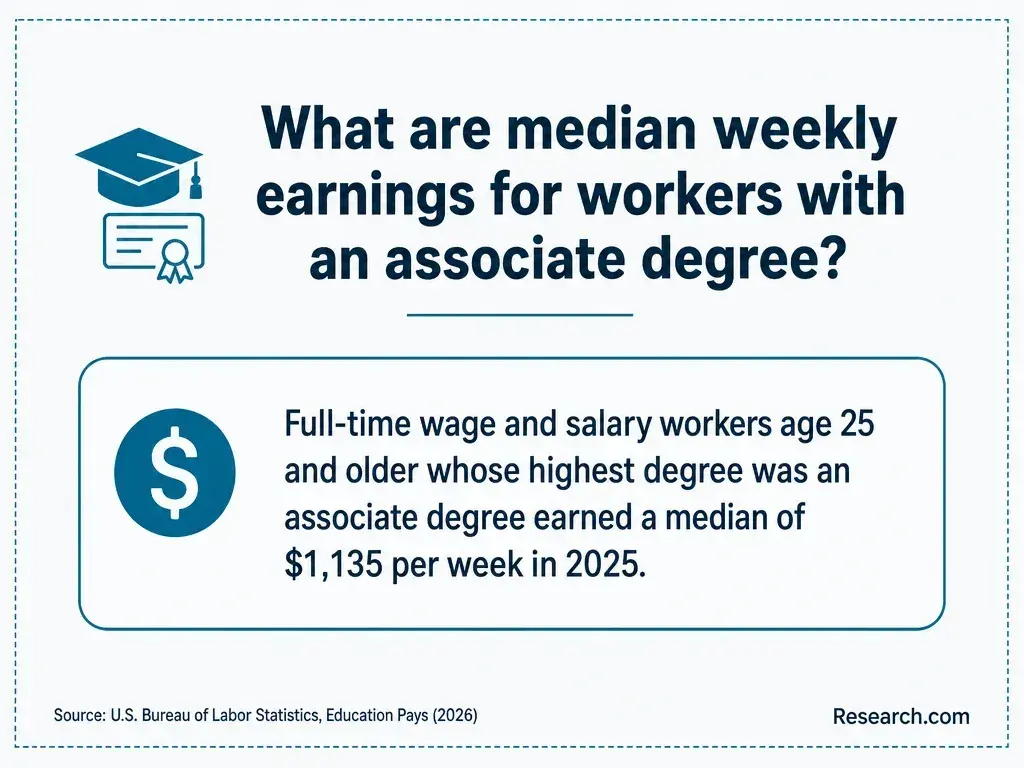
Employers commonly look for progressively responsible healthcare or hospice management experience, financial and personnel oversight, and the ability to work with an interdisciplinary care team. A bachelor's degree may meet one employer's education preference, while another may prefer a graduate degree and substantial hospice leadership experience. For someone entering with an associate degree, transferring associate degree credits into healthcare administration may be a more direct next step than applying immediately to a master's program.
Before investing in school, compare several actual postings in your state. Separate qualifications marked required from those marked preferred, then identify your largest gap: degree level, hospice-specific operations, people management, or clinical licensure where applicable. That gap - not the executive title by itself - should drive your next move.
Which degree is best for hospice executive leadership?
For an experienced hospice or healthcare manager, an MBA can be useful when the main gaps are budgeting, strategy, and organizational leadership. A master of health administration (MHA) is often a closer match when the gaps involve healthcare delivery, policy, and operations. Neither is universally required, and a targeted course or new management assignment may be more valuable than another full degree.
The comparison below focuses on what each path is designed to add - not on a promised promotion.
| Education path | Strongest fit | Potential limitation |
| MBA, including a verified healthcare concentration | Broad finance, strategy, and people leadership for someone with healthcare context | A healthcare elective or concentration may not provide substantial hospice-specific training |
| MHA or healthcare administration master's | Management preparation centered on healthcare organizations and delivery | Curriculum may emphasize hospitals or health systems rather than hospice |
| Bachelor's degree plus relevant management experience | Building eligibility and operational credibility without assuming graduate school is necessary | May not meet employers' graduate-degree preferences for larger roles |
Compare course descriptions and projects, not degree labels alone. An MBA's management core is different from a formally designated healthcare concentration, and neither substitutes for experience running a hospice operation. If an MBA fits your gaps, finding a healthcare management MBA within your budget is a useful next comparison - provided you also confirm what hospice-relevant coursework it actually offers.
Not necessarily. A person can lead hospice business operations without being a nurse, physician, or other licensed clinician. However, an employer may require or prefer a clinical background, and state rules may govern qualifications for particular administrator or clinical leadership positions. Verify the exact position and jurisdiction rather than assuming that one hospice's hiring standard applies everywhere.
Nonclinical does not mean clinically detached. A director needs to understand the interdisciplinary team, patient safety, quality concerns, and when a decision belongs to a licensed professional. Medicare hospice rules also provide for clinical leadership, including a medical director; an executive director's business authority does not confer a license to practice medicine or nursing.
Professionals coming from records, data, or compliance roles may bring useful strengths but still need direct exposure to care operations and supervision. For that background, accredited online HIM degree program choices address health information management - not clinical licensure or, by themselves, readiness to run a hospice.
Relevant programs may teach managerial accounting, healthcare finance, workforce leadership, quality improvement, ethics, and regulatory oversight. An MBA generally approaches these through a broad business core; an MHA typically places more of the work in healthcare settings. Individual curricula vary, so neither degree name confirms that students study hospice reimbursement, end-of-life services, or community-based care.
Applied work matters as much as course titles. A project that asks students to analyze staffing, evaluate a service line, or present a quality improvement plan can help an aspiring director practice decisions they may later make at work. Ask whether projects can use a hospice setting and whether faculty or classmates have experience in post-acute or community-based care. Compare online MHA pathways for future healthcare managers against those specific needs, rather than assuming every healthcare-focused master's provides the same preparation.
Yes, if the program lets you develop relevant management skills while gaining experience at work. Online study can make it easier to remain employed in hospice, but delivery mode does not tell you whether classes are self-paced, include live meetings, or require campus visits.
Ask admissions staff for a typical course schedule and details on group projects, synchronous sessions, any residency, and leave policies. Then ask your employer whether you could undertake a supervised budget, quality, or operations project. That combination may be more persuasive than an online credential with no new responsibility attached. Accelerated online healthcare administration degree programs may shorten the calendar, but a faster schedule is a poor fit if it crowds out the management experience you need.
There is no standard hospice executive leadership degree length or price. Completion time depends on the credential, required credits, transfer or foundation coursework, course availability, and whether you study full-time or alongside a job. Published tuition may be quoted per credit, term, or entire program; those figures cannot be compared without putting them on the same basis.
For each option, calculate required credits multiplied by the applicable tuition rate, then add mandatory fees and any required travel, materials, or foundation courses. Account for employer reimbursement and the income or experience you might forgo if you reduce work hours. Do not treat a tuition-only estimate as the full cost. If speed matters, review one-year healthcare administration master's choices, then verify that the advertised timeline applies to your entry term and intended course load.
A full degree is hardest to justify when a specific short course and an expanded role at work would address the same gap. Conversely, a degree may be worth considering when the positions you want consistently prefer it and the curriculum fills several gaps you cannot readily address on the job.
First, verify that the institution holds recognized institutional accreditation. Then check whether the specific business or healthcare administration program holds any relevant specialized accreditation, such as AACSB for business education or CAHME for eligible healthcare management graduate programs. Institutional accreditation and specialized program accreditation are different claims; not every suitable program holds both.
Use the program's official curriculum and written answers from admissions staff to confirm its healthcare content, total required credits, delivery schedule, and fees. Ask whether the school can support a hospice-focused project and how long students with your planned course load typically take to finish. Healthcare management master's completion planning can help frame the timeline comparison, but verify each school's current requirements directly before enrolling.
A certification can demonstrate focused learning in healthcare leadership, hospice operations, compliance, or quality, depending on its issuer and requirements. It is not a universal license to direct a hospice, and employers may value demonstrated operating results more than an additional set of initials.
Before paying for a credential, check its eligibility rules, examination content, renewal obligations, and whether the employers you target recognize it. Ask whether it addresses a defined gap - for example, managing quality processes - or merely repeats what you already know. A doctorate is likewise not a standard prerequisite for this role; if you are weighing one against shorter professional development, consider healthcare administration doctoral costs beyond advertised tuition before making that much larger commitment.
What are the salary and job outlook for hospice executive directors?
There is no single Bureau of Labor Statistics wage or growth figure that isolates hospice executive directors. As broad context, BLS reports a $126,520 median annual wage for management occupations in May 2025. That figure covers many kinds of managers, not specifically hospice directors, and should not be used as a personal salary forecast.
BLS also projects that management occupations overall will grow faster than the average for all occupations from 2025 to 2035, with about 1.1 million openings per year on average from growth and replacement needs. That outlook does not establish how many hospice director vacancies will be available. For a realistic comparison, review local postings for the same scope of responsibility, ownership type, and location; then weigh potential compensation against degree cost and the experience employers request. You can explore higher-paying healthcare administration careers as alternatives, while keeping their distinct duties and qualifications in view.
Other Things You Should Know About Healthcare Administration
That depends on the organization. A nonprofit director may report to a governing board; a director within a larger company may report through corporate leadership. Ask who sets strategy, approves budgets, and evaluates the position.
Both must meet applicable care and regulatory standards. Governance, fundraising responsibilities, ownership expectations, and financial reporting can differ, so compare the actual job descriptions rather than assuming the same role at each organization.
Yes, particularly experience with budgets, teams, quality, and compliance. You will still need to learn hospice-specific operations and demonstrate that you can lead care delivered across patients' homes and other settings.
Ask about reporting authority, licensed clinical leadership, staffing and quality challenges, budget responsibility, and the support available during your transition. Those details reveal more about your readiness - and the job's risks - than the title alone.
- 42 CFR Part 418 -- Hospice Care | ecfr.gov https://www.ecfr.gov/current/title-42/chapter-IV/subchapter-B/part-418
- Effective governance: the roles and responsibilities of board members - PMC https://pmc.ncbi.nlm.nih.gov/articles/PMC1276331/
- 42 CFR § 418.102 - Condition of participation: Medical director. | LII / Legal Information Institute https://www.law.cornell.edu/cfr/text/42/418.102
- Understanding Various Measures to Assess Hospital Finances: A Cheat Sheet | KFF https://www.kff.org/health-costs/understanding-various-measures-to-assess-hospital-finances-a-cheat-sheet/
- Hospice Administrator - A Day in the Life - MHA Online https://www.mhaonline.com/blog/day-in-the-life-of-a-hospice-administrator
- Hospice Director Job Description | togethersc.org https://jobs.togethersc.org/career/hospice-director/job-descriptions
- Hospice | medicareadvocacy.org https://medicareadvocacy.org/medicare-info/medicare-hospice-benefit/
- HMDCB | Eligibility https://hmdcb.org/about-the-exam/default/eligibility.html
- Hospice Leadership Hiring: Clinical Governance & Growth | JRG Partners LLC https://www.jrgpartners.com/hospice-leadership-hiring-evaluating-clinical-governance-referral-relationships-multi-site-operations/
- What does a Hospice Director do? Career Overview, Roles, Jobs | APOS https://careers.apos-society.org/career/hospice-director