2027 Healthcare Antitrust: What Undergraduate Administrators Need to Recognize

Co-Founder and Chief Data Scientist
A hospital's contracting, hiring, or acquisition decisions can raise antitrust concerns long before a lawsuit appears. For undergraduate healthcare administration students and early-career administrators, the challenge is knowing which routine decisions deserve a closer look - and when to involve counsel rather than trying to resolve a legal question alone.
This guide explains the U.S. rules, shows where competition risks arise in daily work, and compares education paths for students considering compliance or management careers. It will help you choose relevant coursework and recognize the limits of your own role.
Key Things You Should Know
- Healthcare antitrust protects competition in care delivery, insurance contracting, and healthcare labor markets; administrators should flag competitor coordination, restrictive contracts, and acquisitions for legal review.
- A healthcare administration bachelor's degree can build operational awareness, but specialist antitrust work generally calls for legal expertise or substantial compliance experience - not an MBA alone.
- The May 2025 median wage of $126,520 covers U.S. management occupations broadly, not healthcare antitrust jobs or new graduates; use role-specific postings when assessing career value.
What is healthcare antitrust, and why does it matter to undergraduate administrators?
Healthcare antitrust is the application of competition law to organizations such as hospitals, physician groups, insurers, and other healthcare businesses. It addresses conduct that may reduce competition over prices, wages, service quality, access, or innovation. A practice does not become lawful simply because its participants believe it will improve care; its structure and effects matter.
Undergraduate-trained administrators may help prepare budgets, manage vendors, support contracting, or assemble information for a proposed affiliation. They usually do not make legal determinations. Their practical responsibility is to recognize a potential issue, preserve accurate records, and route it to the organization's legal or compliance team before commitments are made.
Antitrust is distinct from patient-data compliance. Students comparing health information management versus administration program fit should note that information-management coursework may emphasize records and privacy, while administration coursework is more likely to address contracting, strategy, and organizational competition.
Which antitrust laws and regulators govern U.S. healthcare organizations?
The Sherman Act addresses agreements that restrain trade and unlawful monopolization. Section 7 of the Clayton Act addresses acquisitions whose effect may be substantially to lessen competition. The Federal Trade Commission Act also prohibits unfair methods of competition. Depending on the transaction, federal premerger-notification rules under the Hart-Scott-Rodino Act may require a filing and waiting period; thresholds change over time, so a current transaction needs current legal review.
The Federal Trade Commission (FTC) and Department of Justice (DOJ) enforce federal competition law, while state attorneys general may act under federal or state law. The FTC and DOJ's 2023 Merger Guidelines describe how the agencies analyze mergers; they are guidance, not a substitute for the statutes or a court's judgment. States may also impose separate review or notice requirements for healthcare transactions.
For a student evaluating accredited universities for a health administration degree, a useful curriculum check is whether a healthcare law course distinguishes competition law from fraud-and-abuse, privacy, and licensing rules. Those subjects can affect the same decision but answer different legal questions.

What antitrust risks should healthcare administrators identify in daily operations?
The clearest warning sign is an invitation to coordinate business decisions with an independent competitor. An administrator might also encounter a proposed contract restriction or a request for sensitive information that deserves review. The following distinctions help identify what to escalate; they do not determine whether a particular arrangement is legal.
- Competitor discussions: Sharing planned prices, reimbursement demands, staffing rates, or decisions about which patients or territories to serve can create serious risk.
- Recruiting practices: An understanding between employers not to solicit each other's staff, or to coordinate compensation, warrants immediate legal review.
- Contract restrictions: Exclusive arrangements or terms affecting how a payer may direct patients to other providers can raise concerns depending on market circumstances.
- Information requests: A request for nonpublic, current, organization-specific pricing or wage data from a competitor should not be treated like an ordinary benchmarking request.
A student does not need an expensive credential to learn this escalation habit. When comparing affordable online healthcare administration degrees, look for applied contracting or compliance assignments rather than assuming a course title alone provides practical training.
A hospital merger, physician-practice acquisition, or joint venture can change who competes for patients, payer contracts, and workers. Reviewers may examine whether patients or payers have realistic alternatives, whether the organizations compete closely, and whether an employer combination could reduce competition for clinicians. A deal may raise questions even when it falls below a federal filing threshold.
Administrators can contribute reliable service-line, referral, capacity, and contracting information to a review. They should not assume that a claimed efficiency or an agreement to keep a facility open resolves the competition question. Transaction-specific advice belongs with counsel, ideally before the organizations exchange sensitive data or commit to terms.
Students considering fast-paced online healthcare administration degree options should check whether the compressed schedule still allows them to study a realistic transaction case. Merger analysis requires more than memorizing a filing rule: it requires understanding how a proposed deal changes available choices in a particular market.
Hospitals should set their own prices, hiring policies, and contracting strategies independently. Direct agreements between competitors to fix prices, divide markets, or rig bids are especially serious. Collaboration is not automatically prohibited, but a legitimate clinical or operational purpose does not remove the need to assess competitive effects and safeguards.
Practical controls start before a conversation occurs. Train employees who attend industry meetings, identify who may approve competitor contacts and data exchanges, and have counsel review joint contracting or other collaborations. If a discussion turns to future prices, wages, or market allocation, the employee should stop participating and promptly seek guidance under the organization's policy.
Payer negotiations also require careful analysis: a provision that limits steering or affects rival providers may be assessed differently from an agreement among hospitals to make the same demand. For working administrators exploring online graduate pathways with shorter healthcare management schedules, a useful question is whether negotiation coursework teaches the boundary between independent bargaining and competitor coordination.
An effective undergraduate course should teach students to identify a competition issue, explain its operational context, and know when to escalate it - not to practice law. Useful exercises include reviewing a trade-association agenda, spotting sensitive data in a benchmarking proposal, and identifying the information counsel would need about a potential acquisition.
Programs should also connect law to managerial finance, payer contracting, labor markets, ethics, and document practices. Instructors can distinguish a prohibited competitor agreement from a collaboration that requires a fact-specific review. That distinction prepares graduates to ask better questions without giving them false confidence that a checklist settles every case.
Students seeking deeper health-system leadership training can compare online Master of Health Administration study routes. Before enrolling, inspect actual course descriptions and projects: an MHA may strengthen management judgment, but it should not be mistaken for specialized antitrust legal training.
For an undergraduate student, the best next qualification depends on the work they want to perform. A healthcare administration bachelor's degree can support entry into operations or contracting support.
An MHA develops health-system management skills; an MBA offers a broader management core, sometimes with healthcare electives or a formal concentration. Neither degree, by itself, qualifies someone to provide legal advice. A JD is the direct professional path for someone who wants to practice antitrust law, subject to applicable bar requirements.
The pathways differ in both purpose and likely cost. This comparison separates the skills each route may develop from the roles it does not automatically unlock.
| Pathway | Most relevant goal | Important limit |
| Healthcare administration bachelor's | Build an operational foundation and seek entry-level healthcare experience | Does not establish specialist legal expertise |
| MHA or healthcare-focused MBA | Develop management, contracting, and organizational decision-making skills | Coursework alone does not confer legal authority or a promotion |
| JD | Pursue legal analysis and, with required authorization, legal practice | Requires a different investment and professional pathway |
For an early-career administrator, relevant work experience or targeted compliance training may be more useful than enrolling immediately in a graduate degree. If management is the goal, compare tuition for healthcare administration master's programs alongside fees, time away from work, employer support, and the coursework you would actually use.
There is no general U.S. antitrust-compliance license required of every healthcare administrator. Employers may prefer compliance credentials or experience for particular positions, but a certification does not authorize its holder to practice law. Requirements also vary by job: an administrator running a licensed facility, such as a nursing home, may face state-specific licensing rules unrelated to antitrust specialization.
Read job descriptions closely before paying for a credential. Separate a required license from a preferred certification, and ask whether the employer values investigations, contracting, data analysis, or healthcare operations experience. For most students, the immediate priority is learning when to involve qualified counsel.
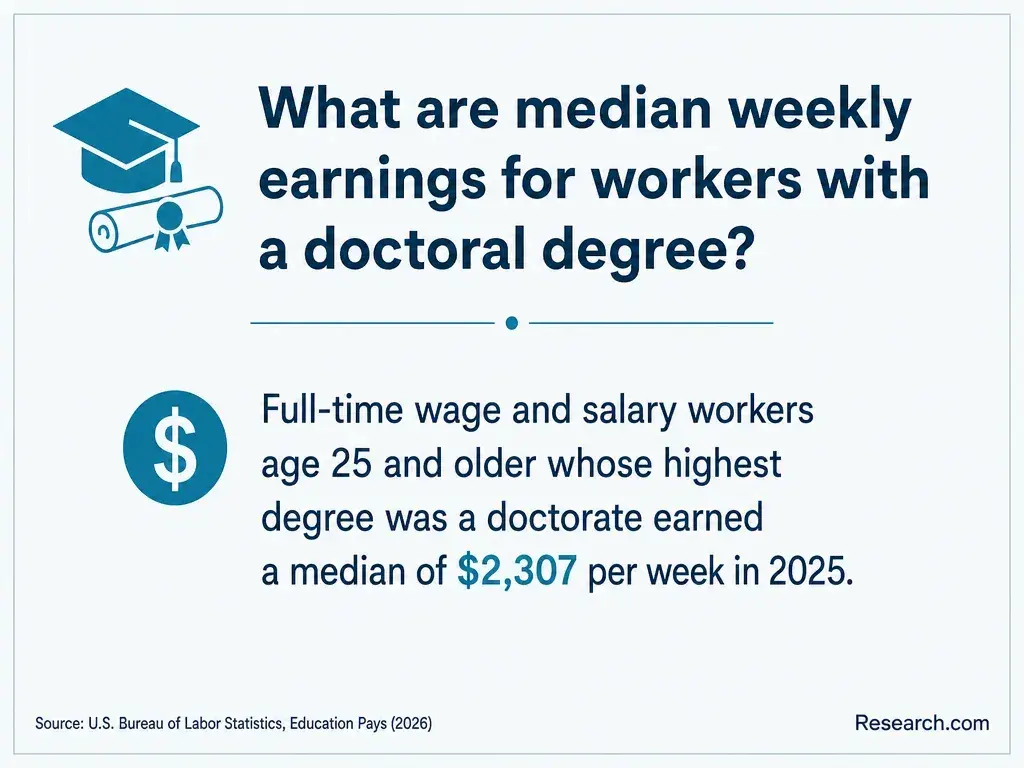
A doctorate is generally unnecessary for routine antitrust escalation or early compliance work. If a long-term academic or executive goal leads you to consider one, assess the curriculum and intended outcome when evaluating advertised fast healthcare administration doctorates; speed is not evidence of fit for a legal specialty.
An undergraduate graduate might start in healthcare operations, contracting support, or an entry-level compliance role. With relevant experience, possible directions include compliance management, payer contracting leadership, or transaction-support work. Antitrust counsel is a separate legal career path. Employers may expect sector experience and sound judgment before assigning someone responsibility for sensitive negotiations or investigations.
Salary comparisons need the right occupational category. The U.S. Bureau of Labor Statistics reports a May 2025 median annual wage of $126,520 for management occupations as a group. That figure includes many jobs outside healthcare and is not a salary estimate for antitrust specialists, MBA holders, or new graduates. For a personal decision, compare current postings for the specific role, location, and experience level you can realistically pursue.
A compressed graduate program can reduce time in school without removing an employer's experience requirements. If you are reviewing one-year program schedules for healthcare administration master's students, weigh the workload against opportunities to gain contracting or compliance experience while studying.
How can students choose an accredited healthcare administration program?
Start by verifying that the institution holds recognized institutional accreditation. Then evaluate the specific program: a school's accreditation alone does not tell you whether students study competition law, practice contracting decisions, or receive useful career support. If a school advertises additional programmatic or business-school accreditation, verify exactly which program and delivery format it covers.
Before applying, ask for current course descriptions, the total tuition and mandatory fees, any live-session or placement requirements, and examples of applied projects. Ask career services what support online students receive. If your goal is antitrust law rather than healthcare management, compare that curriculum with the requirements of a legal career before committing to a graduate management degree.
Students entering with prior college credit should confirm transfer decisions in writing. Guidance on transferring associate degree credits into healthcare administration can help frame the questions, but the receiving institution decides which credits satisfy its requirements. The strongest choice is the affordable program that builds the skills your next realistic role requires - not necessarily the fastest or most extensively marketed one.
Other Things You Should Know About Healthcare Administration
No. Antitrust concerns competition among organizations; HIPAA primarily governs specified uses and disclosures of protected health information, among other requirements. One project can raise both issues.
No. Nonprofit status does not create a general antitrust exemption. A nonprofit hospital's conduct or acquisition can still receive competition scrutiny.
The intern should not join the discussion or circulate the information. They should promptly report what happened through their supervisor, legal team, or designated compliance channel under the organization's policy.
Not necessarily. Where patients can realistically obtain care depends on the service, licensing rules, payer coverage, and patient behavior. A specific competition analysis needs evidence rather than an assumption based on online availability.
- Antitrust Division | Horizontal Merger Guidelines https://www.justice.gov/atr/horizontal-merger-guidelines-0
- Competition in the Health Care Marketplace | Federal Trade Commission https://www.ftc.gov/advice-guidance/competition-guidance/industry-guidance/competition-health-care-marketplace
- Competitive Health Care Markets | cms.gov https://www.cms.gov/priorities/innovation/key-concepts/competitive-health-care-markets
- Competition in healthcare research | American Medical Association https://www.ama-assn.org/health-care-advocacy/access-care/competition-health-care-research
- Antitrust 101 | naag.org https://www.naag.org/issues/antitrust/antitrust-101/