2027 DNP Adult-Gerontology Primary Care NP Programs for Nurses in South Carolina: BSN and MSN Entry Routes and Clinical Training
Audited and Verified:
Our Editorial and Data Verification Process
Research.com uses government datasets, official education statistics and primary institutional information to support its career and degree guides. Our review process checks factual accuracy, occupational definitions, source dates and the requirements associated with the credentials discussed.
How This Article Was Fact-Checked
Our editorial team verifies salary estimates, employment projections, education requirements and program information against original data providers and official organizations. Salary figures are checked against the relevant occupational definitions and reporting periods. Information about licensure, accreditation and required in-person training is reviewed separately.
Fact-checked and verified on:

Co-Founder and Chief Data Scientist
A South Carolina nurse considering a DNP in adult-gerontology primary care needs to confirm more than the degree title. The program must offer the right nurse practitioner population focus, accept the nurse's existing preparation, and make supervised clinical training feasible. This guide compares BSN and MSN entry routes, explains what to verify about South Carolina programs and placements, and separates graduation from certification and APRN licensure. It is designed to help working RNs and experienced APRNs avoid enrolling in a doctorate that does not meet their intended practice goal.
Key Things You Should Know
- A BSN-to-DNP route prepares an RN for a first NP population focus; an MSN-to-DNP route may or may not add AGPCNP preparation. Confirm the actual track, not just the degree.
- American Association of Colleges of Nursing guidance calls for at least 1,000 post-baccalaureate practice hours in DNP preparation, but that total is not interchangeable with supervised AGPCNP direct-care hours.
- Online coursework does not remove patient-care placements. Before applying, obtain written confirmation of the clinical-site policy, required in-person attendance, certification eligibility, and the South Carolina APRN pathway.
What are DNP adult-gerontology primary care NP programs in South Carolina?
A DNP adult-gerontology primary care nurse practitioner program combines a practice doctorate with preparation to assess, diagnose, manage, and coordinate ongoing care for adolescents, adults, and older adults within the AGPCNP population focus. Primary care emphasizes prevention and longitudinal management; it is not the same track as adult-gerontology acute care, family NP, or a nonclinical DNP in leadership.
For a South Carolina applicant, the decisive question is whether an institution is enrolling students in an AGPCNP track that leads to the intended certification for the applicant's entry term. The Medical University of South Carolina and the University of South Carolina are institutions worth checking, but a university's general DNP listing does not establish that this particular track is available, accepting applicants, or authorized for every prospective student's clinical location. Ask each nursing school for its current track catalog, clinical handbook, and certification-eligibility statement.
These are postlicensure routes for nurses. Someone who has a bachelor's degree but is not an RN first needs initial nursing preparation; ABSN application planning by selectivity addresses a different admissions decision.
What are the BSN and MSN entry routes for South Carolina DNP programs?
Entry routes differ most in whether the applicant already has documented NP preparation in the same population focus. The comparison below identifies what each route must establish before an applicant treats it as a path to AGPCNP practice.
| Starting point | What the DNP route must provide or verify | Best fit |
| BSN-prepared RN without NP certification | Full AGPCNP coursework, supervised population-focused care, and doctoral requirements | Nurses seeking their first AGPCNP qualification |
| MSN in education, leadership, or another non-NP field | An AGPCNP entry option and an individualized review of prior graduate work; the MSN alone does not establish NP eligibility | Nurses changing from a non-APRN graduate role into direct advanced practice |
| MSN-prepared NP in another population focus | A formal review of missing AGPCNP competencies and new supervised experiences; prior certification is not transferable to another population | APRNs making a genuine population-focus change |
| Already-certified AGPCNP with an MSN | A post-master's DNP route that recognizes qualifying prior preparation and specifies remaining doctoral work | AGPCNPs seeking doctoral practice, improvement, or leadership preparation without repeating an initial NP track |
An RN with an associate degree should not assume direct BSN-to-DNP eligibility. Some schools have bridge arrangements, while others require a BSN first; ADN-to-MSN education pathways offer context for comparing the intermediate credential with the eventual NP goal. Request a written degree plan rather than assuming that an earlier nursing course or work experience will shorten the doctorate.
What admission requirements do South Carolina DNP-AGPCNP programs have?
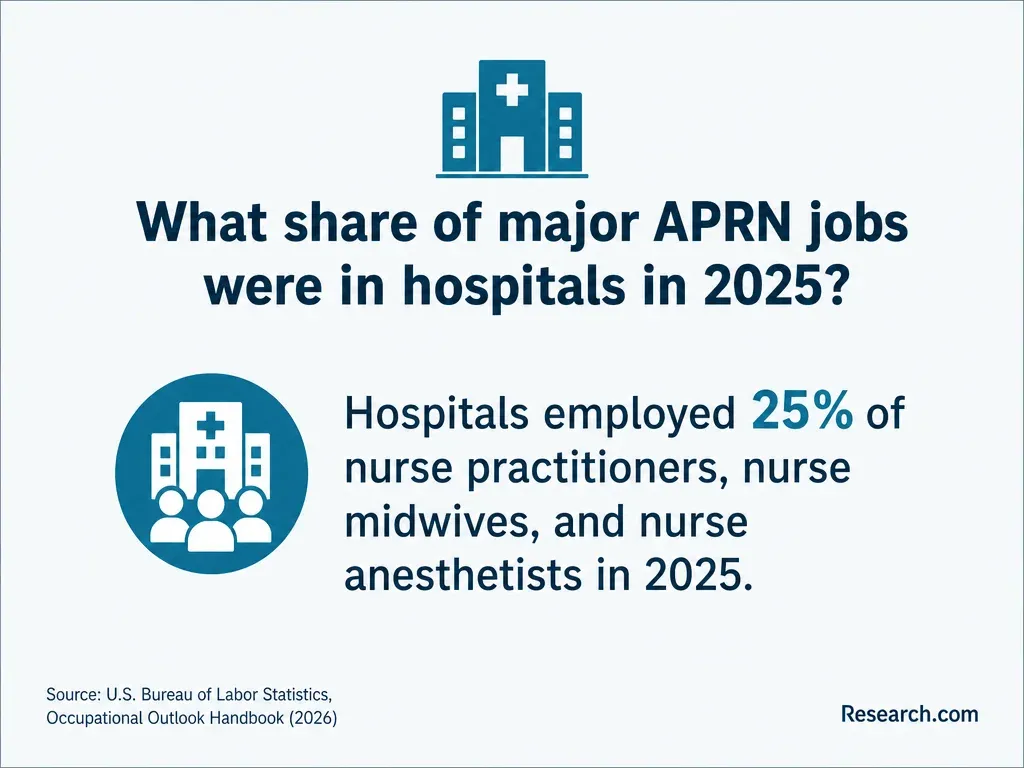
Requirements vary by institution and entry route. Applicants should expect a review of nursing degrees and transcripts, RN license status, academic performance, professional references, and a statement of goals; schools may also specify practice experience, interviews, background screening, or clinical-placement conditions. An APRN applicant should be ready to provide certification, graduate syllabi, and records of supervised clinical hours for a formal gap review.
Admission and placement eligibility are separate decisions. Before paying an application fee, ask whether the school accepts your exact degree and license, whether its AGPCNP track is open to your cohort, and whether it can approve clinical learning where you live. If you are a practical nurse rather than an RN, LPN-to-RN pathway options for working practical nurses concern an earlier step; an LPN license does not substitute for the RN status required by a postlicensure NP route.
There is no dependable South Carolina-wide completion time. A BSN-entry student generally has more NP coursework and supervised care to complete than an already-certified AGPCNP entering a post-master's DNP. Full- versus part-time enrollment, course sequencing, approved placement availability, and the DNP project can all change the finish date.
Ask for a term-by-term plan showing course offerings, clinical terms, on-campus requirements, and the latest allowable project-completion term. A short advertised schedule is not evidence that an employed nurse can obtain suitable preceptors on that schedule. Even 12-month FNP coursework and clinical expectations describe a different population focus and should not be used to estimate an AGPCNP DNP timeline.
Initial NP preparation includes advanced health assessment, pathophysiology, pharmacology, diagnosis and management, and supervised care across the intended age range. DNP study also addresses evidence appraisal, population health, quality improvement, systems leadership, and an applied practice project. Schools determine the specific courses, progression rules, competencies, and acceptable clinical sites.
Keep AGPCNP direct patient care distinct from broader doctoral practice hours. American Association of Colleges of Nursing guidance calls for at least 1,000 post-baccalaureate practice hours for DNP preparation, but schools and certifying bodies separately assess whether documented NP clinical experiences meet population-focused requirements. RN employment, simulation, a prior specialty's clinical hours, and a DNP project do not automatically replace supervised AGPCNP encounters.
Ask how the school documents patient populations, faculty oversight, preceptor qualifications, and competency assessments. For an already-certified NP, request a written accounting of accepted prior hours and remaining experiences. By contrast, RN-to-BSN capstone and practice requirements concern bachelor's completion, not qualification for a new advanced practice role.
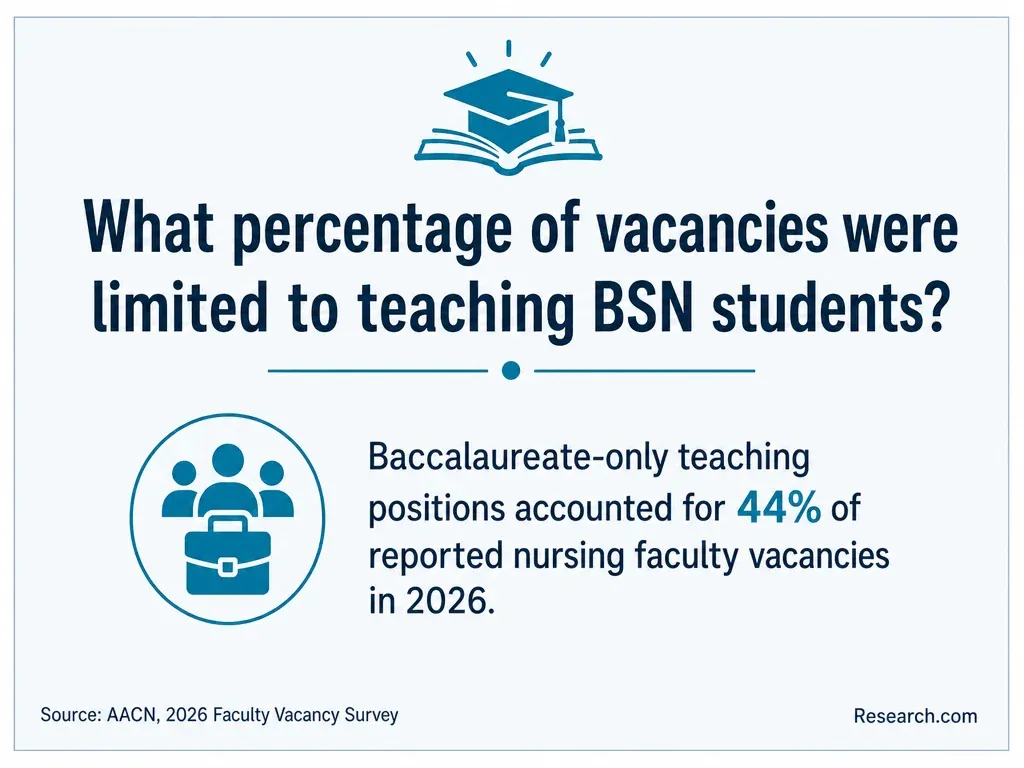
Online or hybrid delivery may be available for portions of DNP study, but an online label describes coursework - not a guarantee of remote clinical education or self-paced progress. The current availability of a South Carolina-based AGPCNP DNP track, its campus attendance, and its enrollment permissions must be confirmed directly with the school for the intended term.
Working nurses should request the actual timetable for live classes, intensives, simulations, clinical shifts, and project meetings. Also ask who finds preceptors, how far students may travel, what happens when a site falls through, and whether the school will approve an employer-based placement. Family NP placement policies before enrollment illustrate why placement support needs close scrutiny, though an FNP program's policy says nothing definitive about AGPCNP placements.
A reliable price requires an institution-specific estimate for the actual entry route. Tuition may vary by residency, enrollment load, and billing unit; an MSN-prepared applicant's accepted credits or hours can also change the number of terms billed. Without a current school quote and degree audit, a single "South Carolina AGPCNP DNP price" would be misleading.
To compare offers, request the following costs in writing and calculate them over the proposed term-by-term plan.
- Tuition and mandatory fees for all required credits and any additional project or continuation terms
- Clinical compliance, travel, lodging for required visits, technology, books, certification examination, and licensing expenses
- Income lost or hours reduced during supervised clinical terms, alongside confirmed employer assistance or aid conditions
Compare total cost to the intended credential, not tuition per credit alone. Comparing lower-cost NP programs can help frame that exercise, but a lower-priced program is not a substitute for the required AGPCNP track, approved placements, and certification eligibility.
Check three different things: the university's institutional accreditation, the nursing program's applicable programmatic accreditation - such as accreditation by CCNE or ACEN - and the specific AGPCNP track's alignment with national certification eligibility. An accreditor reviews educational quality; it does not issue an individual APRN license. Confirm the accredited degree and dates in the accreditor's directory and obtain the school's written account of eligibility for your entry cohort.
AGPCNP graduates generally examine the adult-gerontology primary care certifications offered by the American Nurses Credentialing Center and the American Academy of Nurse Practitioners Certification Board. Each certifier sets its own current exam and eligibility rules. If you already hold a different NP certification, such as psychiatric-mental health, it does not confer AGPCNP authority; planning an accelerated PMHNP certificate addresses the opposite kind of population-focus change and likewise requires a review of formal education and clinical preparation.
Completing an AGPCNP DNP is an educational milestone, not permission to practice as an NP. Graduates should follow their chosen certifier's examination process and the South Carolina Board of Nursing's current APRN application instructions, including the board's requirements concerning RN licensure, qualifying education, national certification, and any other application documentation. The certifier decides examination eligibility; the board decides South Carolina practice authorization.
Before enrolling, ask the school which certification examinations its specific track is designed to support and how graduates document clinical preparation for the board. This matters especially for an MSN-prepared nurse entering a doctorate that does not itself add NP training: online DNP executive and organizational pathways may serve leadership goals but do not, by degree title alone, establish AGPCNP certification or licensure eligibility.
What careers, salaries, and job outlook can DNP-AGPCNP graduates expect?
Once certified and licensed for the role, an AGPCNP may seek positions in adult-focused primary care, outpatient specialty follow-up, geriatrics, community clinics, or long-term-care-related ambulatory services. The work emphasizes ongoing assessment, chronic-condition management, prevention, and care coordination within the applicable practice rules and employer setting. A doctorate can support practice improvement or leadership work, but it does not guarantee a higher-paying position than an MSN-prepared NP would obtain.
The U.S. Bureau of Labor Statistics reports wages and projected growth for nurse practitioners as an occupation, not for South Carolina AGPCNP DNP graduates separately. Use its latest nurse practitioner figures as market context, then compare local offers by setting, experience requirements, schedule, benefits, and patient-care responsibilities. If the intended work is primarily behavioral health rather than adult-gerontology primary care, psychiatric NP MSN programs by duration represent a different specialty decision - not a faster substitute for AGPCNP preparation.
Other Things You Should Know About Nursing
Possibly, but the existing DNP does not itself add the new population focus. Ask an AGPCNP program to evaluate your coursework and supervised clinical record and specify the remaining education needed for certification.
Potentially. You need the school's approval and the employer's permission, along with appropriate privacy, data-access, and project-oversight arrangements before using workplace information.
Not on that assumption. AGPCNP has an adult-gerontology population focus that includes adolescents, but it is not an all-ages family NP credential. Choose the track that matches the patients you intend to serve.
Ask about leave and reentry rules before enrolling. Course sequences, site agreements, compliance checks, and limits on previously completed work may affect when you can return and what you must repeat.
- Student Internships and Nursing Clinicals | sc.gov https://dph.sc.gov/connect-us/jobs-careers/student-internships-and-nursing-clinicals
- South Carolina Board of Nursing - SCLLR https://llr.sc.gov/nurse/Online/APRNUPDATELEAD.aspx
- Advanced Practice Registered Nurse Roles - StatPearls - NCBI https://www.ncbi.nlm.nih.gov/books/NBK589698/
- Doctor of Nursing Practice (DNP) - College of Nursing | University of South Carolina https://sc.edu/study/colleges_schools/nursing/academic_programs/graduate_programs/doctoral_programs/dnp/
- Doctor of Nursing Practice & Master of Science in Nursing | MUSC College of Nursing https://nursing.musc.edu/programs/doctor-nursing-practice-master-science-nursing
- UNC Charlotte Academic Policy: DNP Degree Requirements https://provost.charlotte.edu/policies-procedures/academic-policies-and-procedures/dnp-degree-requirements/
- DNP Student Handbook | Nursing | Binghamton University https://www.binghamton.edu/decker/nursing/graduate/handbooks-resources/dnp-handbook.html
- Adult-Gerontology Primary Care Nurse Practitioner Postgraduate Certificate | Purdue University Global Academic Catalog https://catalog.purdueglobal.edu/graduate/nursing/adult-geronotology-primary-care-nurse-practitioner-certificate/